


PRP Treatment in Japan: Real Costs, Hidden Fees, and Is It Worth It?
.png)
Japan has rapidly become a global leader in regenerative medicine, offering cutting-edge therapies that blend advanced technology with strict safety standards. If you are considering this therapy for joint pain, aesthetic improvements, or fertility issues, understanding the PRP treatment cost in Japan is the first step toward making an informed decision. While Japan offers world-class medical care, it is known for having a unique pricing structure that differs from the US or Europe.
Generally speaking, prices for Platelet-Rich Plasma (PRP) therapy in Japan are competitive, especially considering the high quality of preparation and the use of advanced techniques like freeze-dried PRP (PFC-FD). However, because the Japanese healthcare system categorizes most regenerative procedures as "jiyuu-shinryou" (free/self-pay medical practice), costs can vary significantly between clinics. This guide will walk you through exactly what you can expect to pay, what hidden fees might exist, and how the quality of care in Japan justifies the investment.
Whether you are looking to rejuvenate your skin, heal a nagging sports injury, or explore new fertility options, this comprehensive breakdown will ensure you aren't caught off guard by the financial aspects of your medical journey.
What is the average cost of PRP treatment in Japan by procedure type?
When budgeting for PRP treatment cost in Japan, it is crucial to categorize the treatment by its medical application. Orthopedic procedures, which often require larger volumes of blood and deeper injections into joint spaces, tend to be on the higher end of the price spectrum. These treatments often utilize specific kits designed to maximize platelet concentration to heal cartilage and tendons.
On the other hand, cosmetic applications, such as the "Vampire Facial," might have a lower base price per session, but they often require a series of treatments to achieve the desired aesthetic result. Hair restoration falls into a middle ground, often priced per test tube or per area of the scalp treated. Below is a detailed comparison table to help you visualize the costs.
| Treatment Type | Average Cost (JPY) | Average Cost (USD Est.) |
|---|---|---|
| Knee OA (Standard PRP) | ¥150,000 - ¥200,000 | $1,000 - $1,350 |
| PFC-FD (Freeze-Dried PRP) | ¥250,000 - ¥350,000 | $1,700 - $2,350 |
| PRP Facial (Full Face) | ¥80,000 - ¥150,000 | $550 - $1,000 |
| PRP for Hair Loss | ¥60,000 - ¥120,000 | $400 - $800 |
| Ovarian Rejuvenation | ¥300,000 - ¥450,000 | $2,000 - $3,000 |
How much does PRP for knee osteoarthritis cost in Japan?
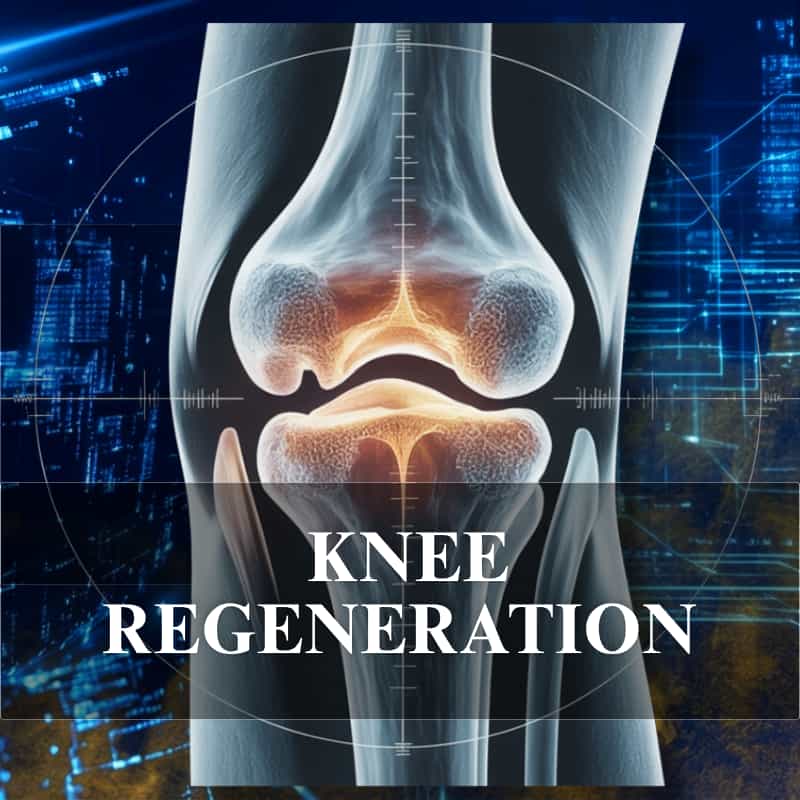
Knee pain is one of the most common reasons patients seek regenerative medicine in Japan. The cost for knee PRP is heavily influenced by the technology used. Standard PRP involves drawing blood, spinning it, and injecting it immediately. This is generally more affordable, starting around ¥150,000.
However, many Japanese clinics now specialize in PFC-FD (Platelet-Derived Factor Concentrate Freeze Dry). This process removes cellular components to leave only the growth factors, which are then freeze-dried. This allows for higher concentrations and stability. Because this requires processing at a specialized external cell processing center, the cost is significantly higher, often reaching ¥300,000 per knee. Patients paying this premium are often looking for the potent anti-inflammatory effects that standard PRP might not fully provide.
What is the price of PRP facial rejuvenation (Vampire Facial) in Japan?
For those seeking anti-aging solutions, the PRP facial cost in Japan is competitive with other developed nations. The price usually covers the blood draw, the preparation of the plasma, and the injection or microneedling process. Some clinics in high-end districts like Ginza or Omotesando in Tokyo may charge a premium for their location and luxury amenities.
It is important to ask if the price includes "add-ons." Many clinics offer combinations where PRP is mixed with hyaluronic acid or other skin boosters to enhance the "glow" effect. These combination therapies can increase the price by ¥30,000 to ¥50,000. Additionally, some clinics use automated injectors (like U225 or Mesogun) which may have a surcharge compared to manual injections.
How much does PRP hair loss therapy cost in Japan?
Hair restoration using PRP is a volume-dependent procedure. The cost of PRP for hair often depends on the size of the thinning area. A small vertex patch might cost less, while a full scalp treatment will be at the upper end of the price range.
Japanese clinics are known for their meticulous documentation. The cost usually includes a trichoscopy (microscopic scalp analysis) before and after treatment to track progress. Since hair growth requires sustained stimulation, clinics frequently offer "course" prices—for example, a set of 6 sessions might be offered at a 10-15% discount compared to paying per single session.
What is the cost of PRP for ovarian rejuvenation (fertility) in Japan?
Japan is a pioneer in fertility treatments, and ovarian PRP rejuvenation is gaining traction for women with diminished ovarian reserve. Unlike orthopedic or cosmetic PRP, this is a more invasive internal procedure usually performed under light sedation or anesthesia, which contributes to the higher cost.
The price reflects the complexity of the procedure, which involves transvaginal ultrasound-guided injection, similar to an egg retrieval process in IVF. Furthermore, Japanese fertility clinics overwhelmingly prefer the freeze-dried (PFC-FD) method for this application to ensure that a precise, high-dose concentration of growth factors is delivered to the ovaries, maximizing the potential for egg quality improvement.
What is the difference between standard PRP and PRP-FD (Freeze Dried) costs?
You will frequently see the term "PFC-FD" or "Freeze-Dried PRP" in Japanese clinic price lists. It is essential to understand that this is a premium product. Standard PRP is processed in a centrifuge at the clinic and must be used within hours. The cost difference arises because PFC-FD is sent to a licensed cell processing facility.
At the facility, the plasma is activated, the growth factors are extracted, and the solution is freeze-dried into a powder. This powder can be stored for months. The extra logistics, lab fees, and the technology involved in preserving the growth factors without preservatives drive the price up. However, for many patients traveling to Japan, the potency and convenience of PFC-FD justify the extra expense.
Is PRP treatment covered by Japanese health insurance?
In Japan, the national health insurance system is very comprehensive but strict. It covers established, standard-of-care treatments. Because PRP is still classified as a regenerative or experimental therapy in many fields, it falls outside insurance coverage. This applies to both Japanese residents and international visitors.
Because it is a self-pay treatment, clinics have the freedom to set their own prices. This is why you will see a variance in PRP treatment costs from one hospital to another. It encourages competition, meaning you can often find clinics offering "monitor" prices (discounts in exchange for using your before/after photos) or package deals.
What additional fees are included in the PRP treatment cost?
When you see a price listed on a Japanese clinic's website, it often refers specifically to the material cost of the PRP kit preparation. It is vital to ask for a "total estimate." The initial consultation fee is standard in Japan and is rarely waived. This covers the doctor's time to assess your X-rays or skin condition.
Furthermore, technical fees can be surprising. Some clinics separate the cost of making the PRP from the cost of injecting it. If you require anesthesia (like a nerve block for a knee injection or numbing cream for the face), this is almost always billed as a separate line item. Always clarify if the quoted price is "all-inclusive" (tax included/komi-komi) or just for the serum itself.
How does the cost of PRP in Japan compare to Turkey and Thailand?
If you are a medical tourist comparing destinations, you will find that Turkey and Thailand offer lower base prices, often ranging from $150 to $500 for treatments that might cost $1,000 in Japan. The price difference is largely due to the cost of labor, clinic overhead, and strict regulatory compliance in Japan.
However, Japan competes on quality and safety. The Regenerative Medicine Safety Act in Japan is one of the strictest in the world. Clinics must be certified by the Ministry of Health to perform PRP. For patients who prioritize strict hygiene, standardized protocols, and advanced processing (like the freeze-drying technique which is rare in cheaper destinations), the premium price in Japan is seen as a payment for peace of mind.
Are there any hidden costs I should be aware of?
One "hidden" cost that frequently catches international patients off guard is the Japanese consumption tax. Currently set at 10%, it is sometimes included in the listed price (tax-inclusive) and sometimes added at the register (tax-exclusive). On a ¥300,000 procedure, this adds ¥30,000 (approx. $200), which is significant.
Additionally, medical acceptance. Before administering PRP, reputable clinics will require a blood test to screen for infectious diseases (HIV, Hepatitis, Syphilis) to ensure the safety of their processing equipment and staff. This blood test usually costs between ¥10,000 and ¥20,000. If you have recent results from home, ask if you can submit those to save money.
How many PRP sessions are typically required for optimal results?
The total cost of your treatment plan will depend on the number of visits. For knee osteoarthritis, some advanced PRP-FD treatments are marketed as a "one-and-done" yearly injection due to their high concentration. However, standard PRP often requires a series of 3 injections spaced a few weeks apart to reduce inflammation effectively.
For cosmetic and hair purposes, consistency is key. A single session rarely yields a dramatic transformation. Clinics will tailor a plan for you, and knowing the total number of sessions upfront helps you calculate the cumulative cost. Be sure to ask if the clinic offers a "package price" that reduces the per-session cost if you commit to the full protocol upfront.
What is the success rate of PRP therapy in Japan?
While individual results vary, the success rate of PRP in Japan is bolstered by the standardized methods mandated by law. In orthopedic cases, studies and clinic data suggest that about 70-80% of patients with mild to moderate osteoarthritis report significant pain relief and improved function.
In fertility (ovarian rejuvenation), success is measured by increased AMH levels or successful egg retrieval. Japanese clinics using the PFC-FD method report encouraging rates of follicle activation in women who previously had no response to stimulation. The high success rates are often attributed to the precision of the injection techniques used by Japanese specialists.
Is PRP treatment in Japan safe?
Safety is the hallmark of the Japanese medical system. The Regenerative Medicine Safety Act requires every clinic performing PRP to submit a notification to the government and undergo a review by a certified committee. This is a level of oversight that does not exist in many other countries.
Because PRP uses your own blood (autologous), the risk of allergic reaction or rejection is virtually zero. The main risks are infection at the injection site, but given the sterile environments of Japanese clinics, such complications are exceptionally rare. You can proceed with confidence knowing that the facility operates under rigorous legal guidelines.
What affects the price of PRP treatment in Japanese clinics?
Not all PRP is created equal, and neither are the costs. A clinic in the heart of Ginza or Roppongi paying premium rent will naturally have higher fees than a suburban orthopedist. Furthermore, the preparation method matters. Some clinics use manual separation (cheaper but less consistent), while others use expensive, automated centrifuge systems from global brands like Arthrex or Zimmer Biomet, which increase the material cost.
Additionally, "Celebrity Doctors" or those frequently featured in media may charge a "Director's Fee" or nomination fee. If you are budget-conscious, looking for a reputable clinic just outside the major tourist hubs can often save you 20-30%.
Do I need a referral letter for PRP treatment in Japan?
For most private specialized clinics (aesthetic or orthopedic), you can book an appointment directly without a referral. This makes the system very accessible for international patients. You simply contact the clinic, usually via email or LINE app, and set up a consultation.
However, if you choose to go to a major University Hospital for your treatment, they often require a referral letter (shoukaijou) from a general practitioner. If you show up without one, they will charge a "Sentei Ryoyo" fee, which is a surcharge for non-referred patients, typically costing between ¥5,000 and ¥7,000. For convenience, private clinics are usually the smoother option for tourists.
Can I pay for PRP treatment with a credit card in Japan?
While Japan was historically a cash-based society, the medical tourism and elective procedure sectors are fully modernized. You should have no trouble paying for your PRP treatment cost with a credit card. However, it is always wise to notify your bank beforehand that you will be making a large transaction in Japan to prevent the card from being blocked.
Some smaller, local clinics might still prefer cash or have limits on card transactions, so verifying payment methods when you book your appointment is a good practice. High-end clinics often also accept digital payments like WeChat Pay or Alipay to cater to Asian tourists.
How long does the PRP procedure take?
One of the advantages of PRP is that it is an outpatient "lunchtime" procedure. You do not need to stay overnight. The time commitment is minimal. After you check in, a nurse will draw your blood. You will then wait in a waiting room (often very comfortable in private clinics) while the blood is processed.
For PRP-FD, the timeline is different. Since the blood must be sent to a lab for freeze-drying, you will have two visits: one for the blood draw, and a second visit about 2-3 weeks later for the injection. If you are traveling from abroad, you need to coordinate this schedule carefully with the clinic.
What makes Japan a good destination for regenerative medicine?
Choosing Japan for your treatment isn't just about the PRP cost; it's about the value. Japan is at the forefront of stem cell and regenerative research (notably the home of iPS cell discovery). This research culture permeates clinical practice, ensuring that the methods used are scientifically sound.
Furthermore, the Japanese concept of "Omotenashi" means you will likely receive a level of care and politeness that is unmatched. Clinics are spotless, punctuality is strictly observed, and the nursing staff is incredibly attentive. For a procedure that relies on biological safety and precision, Japan provides an ideal environment.
Ready to Explore Regenerative Medicine in Japan?
Finding the right clinic and understanding the costs for PRP in a foreign country can be overwhelming. Let us help you connect with top-rated, government-certified clinics in Japan that fit your specific medical needs and budget.
Explore PRP Clinics in Japan with PlacidWay.png)
.png)


.png)
.png)


-(6).png)










Share this listing