


What Should Families Know About Non-Small Cell Lung Cancer Treatment Options?
Families considering Non-Small Cell Lung Cancer treatment in Mexico should know that advanced options like immunotherapy and targeted therapy are available. Comprehensive care typically costs 40-60% less than in the US, depending on the protocol.
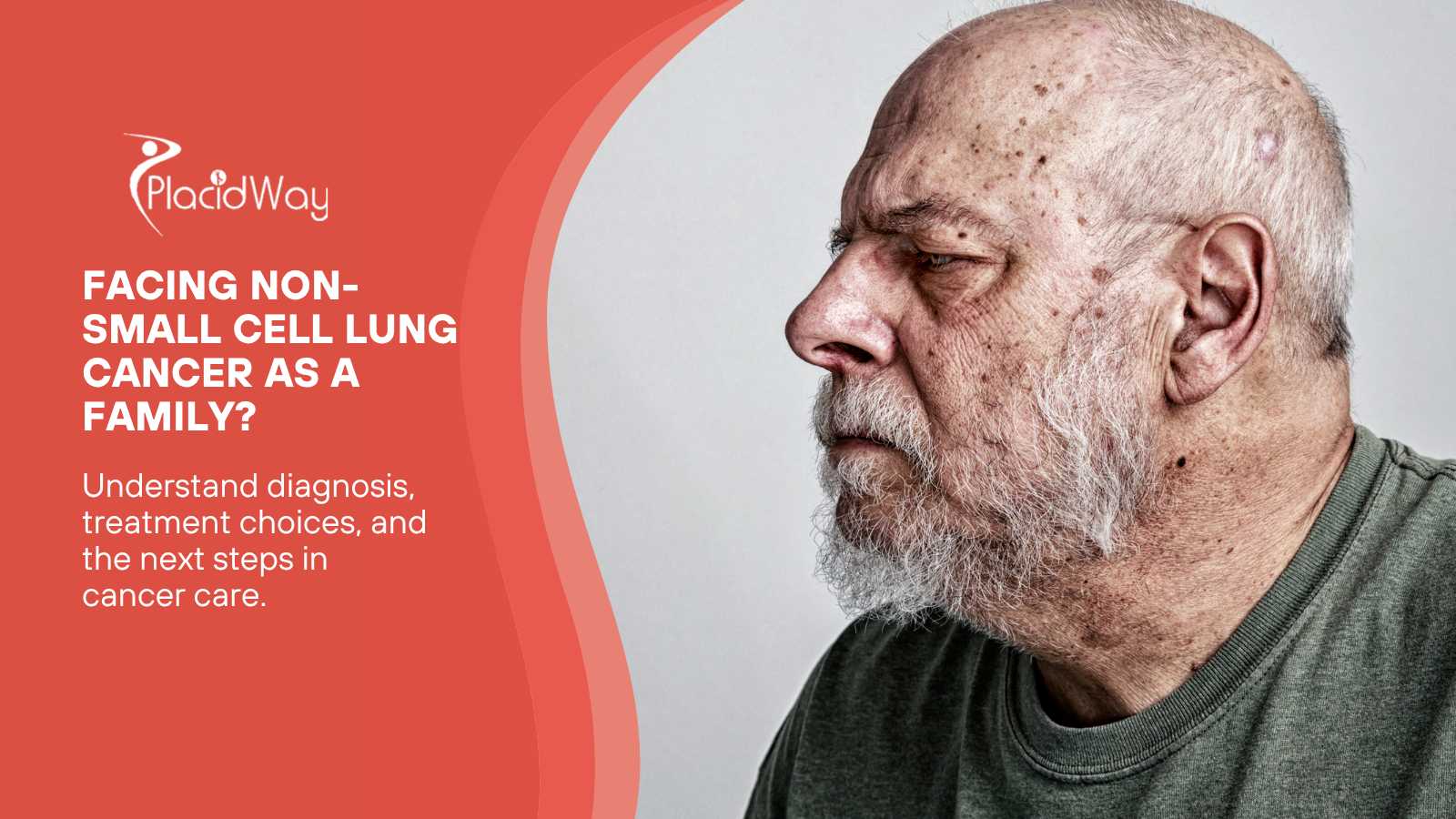
Key Takeaways for Families
- Treatments such as targeted therapy, immunotherapy, and standard chemotherapy are accessible in Mexico.
- Cost savings can be substantial, but require careful evaluation of the total financial scope including travel and local follow-up.
- Verifying clinic accreditations and oncologist credentials is an essential step for patient safety.
- Continuity of care is crucial; families must coordinate with their local oncologist before traveling.
- International patient care teams often assist with medical records translation and cross-border communication.
What Are the Standard Options for Non-Small Cell Lung Cancer Treatment in Mexico?
Standard options typically include surgery, radiation, chemotherapy, targeted therapy, and immunotherapy, customized to the patient's specific cancer stage and genetic markers.
When a loved one is diagnosed with Non-Small Cell Lung Cancer (NSCLC), understanding the available treatment modalities is the first crucial step. In Mexico, established oncology centers utilize the same primary categories of treatment recognized globally. For early-stage NSCLC, surgical resection may be recommended to remove localized tumors. This is often followed by adjuvant chemotherapy or radiation to target any remaining microscopic cancer cells.
For more advanced stages, oncologists rely heavily on systemic treatments. Chemotherapy remains a foundational approach, but modern protocols increasingly favor targeted therapies and immunotherapies for suitable patients. These treatments require comprehensive molecular testing of the tumor to determine the most effective pharmacological approach.
Families should understand that treatment is highly individualized. A multidisciplinary tumor board—typically comprising medical oncologists, radiation oncologists, and thoracic surgeons—will review the patient's pathology reports to formulate a personalized plan. It is vital to ensure that the chosen clinic has access to these multidisciplinary resources.
Did You Know?
NSCLC accounts for about 80% to 85% of all lung cancer diagnoses. Because it grows and spreads differently than small cell lung cancer, the treatment pathways—and the specialists involved—are distinctly different.
How Much Does Non-Small Cell Lung Cancer Treatment Cost in Mexico?
The Non-Small Cell Lung Cancer treatment cost in Mexico generally ranges from $10,000 to $50,000+, depending heavily on the specific therapies required, cancer stage, and length of care.
The financial burden of cancer care is a primary driver for families exploring international options. While costs vary significantly based on the treatment protocol, patients typically find that oncology services in Mexico are priced considerably lower than out-of-pocket costs in the United States. However, it is essential to request a detailed, itemized estimate prior to committing.
Targeted therapies and immunotherapies, while available, remain expensive due to the cost of the medications themselves, which are often imported. Savings are usually most notable in hospital fees, surgical costs, radiation therapy, and specialized physician consultations.
Below is an estimated comparison table to help families understand potential cost variations. Note: These are estimates for educational purposes; actual costs will vary by clinic, location, and individual medical needs.
| Treatment Type | Estimated Cost in US/Canada | Estimated Cost in Mexico |
|---|---|---|
| Chemotherapy (per cycle) | $3,000 - $10,000+ | $1,500 - $4,000 |
| Radiation Therapy (full course) | $10,000 - $30,000+ | $5,000 - $12,000 |
| Immunotherapy (per dose) | $10,000 - $15,000+ | $4,000 - $8,000 |
| Lung Resection Surgery | $30,000 - $80,000+ | $12,000 - $25,000 |
Why Do Families Choose Medical Tourism in Mexico for Cancer Care?
Families often explore medical tourism in Mexico to access timely care, manage high out-of-pocket expenses, and explore innovative treatments that might be delayed in their home country.
The decision to travel for cancer care is complex. For many North American families, the proximity of Mexico is a significant advantage. Cities near the border or major metropolitan areas like Mexico City offer direct flights and manageable travel logistics, which is crucial when a patient is dealing with the physical toll of lung cancer.
Wait times are another critical factor. In some healthcare systems, scheduling diagnostic scans, biopsies, and initial oncology consultations can take weeks or months. Private clinics catering to international patients often prioritize rapid assessment, allowing treatment to begin promptly. In the context of aggressive cancers, time is a critical variable.
Furthermore, some patients seek out specific immunotherapy protocols or targeted treatments that, while internationally recognized, may face coverage restrictions or delays under their local insurance plans. Medical tourism provides an alternative pathway to access these therapeutic options.
How Can We Evaluate a Non-Small Cell Lung Cancer Treatment Clinic in Mexico?
When researching a Non-Small Cell Lung Cancer treatment clinic in Mexico, families must verify the oncologist's credentials, hospital accreditations, and access to modern diagnostic technology.
Safety and quality of care should be the primary focus when evaluating facilities abroad. Families should not rely solely on a clinic's marketing materials. Instead, look for concrete indicators of medical quality. Ensure that the facility has international accreditations or is recognized by the Mexican General Health Council (Consejo de Salubridad General).
Physician credentials must be thoroughly vetted. In Mexico, a doctor's medical license and specialty certification can be verified through the national registry via their cédula profesional. Ensure the primary physician managing the care is a board-certified medical or radiation oncologist, not a general practitioner.
Finally, inquire about the clinic's technological infrastructure. Effective NSCLC treatment requires precise imaging (like PET-CT and MRI) and advanced pathology labs for genetic sequencing. A reputable clinic will be transparent about their diagnostic capabilities and referral networks.
Important Consideration
Language barriers can impact the nuances of cancer care. Ensure the clinic provides dedicated, medically trained interpreters if the primary medical team is not fully fluent in your native language, ensuring you understand all risks, consent forms, and care instructions.
What Role Do Targeted Therapy and Immunotherapy Play?
Targeted therapies and immunotherapies are advanced treatments that attack specific cancer cell mutations or boost the immune system, often serving as primary options for advanced NSCLC.
Historically, chemotherapy was the standard systemic treatment for advanced lung cancer. Today, biomarker testing has revolutionized care. Targeted therapies use drugs designed to specifically target genetic mutations within the cancer cells, such as EGFR, ALK, or ROS1 mutations. By attacking these specific abnormalities, these drugs can often control tumor growth more effectively than traditional chemotherapy, sometimes with different side effect profiles.
Immunotherapy, on the other hand, works by stimulating the patient's own immune system to recognize and destroy cancer cells. Drugs known as checkpoint inhibitors block proteins (like PD-L1) that cancer cells use to hide from immune cells. In suitable patients, immunotherapy can yield durable responses.
When pursuing care in Mexico, families should ask clinics if they perform comprehensive genomic profiling of the tumor tissue. These treatments are highly specific, and administering them without precise biomarker testing is not aligned with current international oncology guidelines.
What Should We Expect During the Initial Oncology Consultation?
The initial consultation involves a thorough review of the patient's medical history, biopsy reports, imaging scans, and an honest discussion of viable treatment pathways and expected outcomes.
The first meeting with an international oncologist sets the foundation for the entire treatment journey. Families should arrive prepared with comprehensive, organized medical records. This includes original pathology slides (if possible), high-resolution imaging on discs, detailed physician notes, and a complete list of current medications.
During this consultation, the oncologist will assess the stage and specific characteristics of the patient's NSCLC. They will explain the proposed treatment plan, the rationale behind it, potential side effects, and the expected timeline. This is also the time to discuss the goals of care—whether the aim is curative, disease control, or palliative.
Families should feel encouraged to ask difficult questions. How many similar cases has the doctor treated? What happens if complications arise? A trustworthy oncologist will provide transparent, realistic answers rather than guaranteeing cures.
Are There Risks Associated With Receiving Cancer Care Abroad?
While accessing care internationally offers options, risks include travel fatigue, differing regulatory standards, and significant challenges coordinating post-treatment follow-up and emergency care at home.
Traveling for complex medical care carries inherent risks that families must weigh carefully. The physical toll of international travel on a patient already weakened by lung cancer or previous treatments can be severe. Changes in altitude, risk of infection during transit, and general fatigue are serious considerations.
Regulatory standards for pharmaceuticals, facility safety, and patient rights differ between countries. While many top-tier Mexican clinics adhere strictly to international protocols, the legal recourse in the event of medical malpractice is fundamentally different than in the US or Canada.
Furthermore, if a patient experiences an acute complication—such as severe infection, bleeding, or an adverse reaction to chemotherapy—upon returning home, local emergency departments may lack critical context about the experimental or specific treatments administered abroad. This fragmentation of care is one of the highest risks of medical tourism for oncology patients.
How Should We Prepare for Post-Treatment Care and Follow-Up?
Effective follow-up requires establishing clear communication channels between your international oncologist and your local primary care or oncology team before returning home.
Cancer treatment does not end when the patient leaves the clinic. NSCLC requires rigorous, long-term monitoring for recurrence and management of delayed side effects. Before traveling to Mexico, families should secure a local physician who is willing to monitor the patient upon their return.
Before discharge from the international clinic, ensure you receive copies of all treatment records, surgical notes, medication lists (with generic names and dosages), and a detailed follow-up schedule. These documents should ideally be translated into English.
Plan for how you will handle routine follow-up scans (like CTs or PET scans). Will they be done locally and sent to the clinic in Mexico for review via telehealth, or will the patient need to travel back periodically? Establishing this plan early minimizes anxiety and ensures continuous care.
What Supportive Care is Available for Advanced NSCLC in Mexico?
Supportive or palliative care focuses on symptom management, nutritional support, and pain relief, running alongside primary treatments to improve the patient's quality of life.
For patients with advanced Non-Small Cell Lung Cancer, managing the symptoms of the disease and the side effects of treatment is just as vital as the cancer-directed therapies themselves. Comprehensive oncology centers in Mexico typically incorporate supportive care into their protocols.
This may include advanced pain management strategies, respiratory therapy to help maintain lung function, and nutritional counseling to prevent weight loss and muscle wasting commonly associated with cancer and chemotherapy. Some facilities also offer psychological support for both the patient and the family, recognizing the immense emotional burden of the diagnosis.
Families should ask prospective clinics about their palliative care integration. A clinic that prioritizes quality of life alongside aggressive treatment often demonstrates a more holistic, patient-centered approach to oncology.
Why Choose PlacidWay for Finding Cancer Care Options?
PlacidWay assists families by connecting them with internationally recognized oncology centers, facilitating secure record transfers, and providing transparent healthcare information.
- Extensive Global Network: Access comprehensive directories of medical centers and oncology specialists across Mexico and globally, allowing families to compare options.
- Provider Information: Review detailed profiles containing facility accreditations, physician credentials, and available technological resources to make informed choices.
- Secure Documentation: Utilize platforms designed to help families safely share complex medical records, imaging, and pathology reports with prospective clinics for initial evaluation.
- Transparent Estimates: Request and receive clear, initial cost estimates for various treatment protocols to assist with financial planning.
- Educational Resources: Access comprehensive guides and information regarding various medical procedures and the logistics of seeking care abroad.
Frequently Asked Questions
Is Non-Small Cell Lung Cancer treatment in Mexico safe for international patients?
Safety varies by facility. Patients should choose accredited hospitals and verify that their oncologists hold valid specialty credentials and board certifications in Mexico to ensure recognized standards of care.
What is the typical duration of stay for lung cancer treatment in Mexico?
The length of stay depends entirely on the treatment protocol. Surgery may require a 2-3 week stay, while a cycle of chemotherapy or immunotherapy might require 3-7 days per visit.
Do Mexican oncology clinics use FDA-cleared medications?
Many top-tier oncology centers in Mexico utilize internationally recognized, approved medications, including targeted therapies and immunotherapies that are standard in the US and Europe.
Can we combine alternative therapies with conventional NSCLC treatment?
While some clinics offer integrative approaches, it is critical that any complementary therapy is discussed with a licensed oncologist to ensure it does not interfere with the efficacy of conventional treatments.
Will our local oncologist collaborate with doctors in Mexico?
Collaboration is possible but not guaranteed. It is highly recommended to speak with your local oncologist beforehand to establish a plan for post-treatment monitoring and continuity of care.
Are English-speaking oncologists available in Mexico?
Yes, many oncologists and medical staff in major medical tourism hubs (like Tijuana, Monterrey, and Mexico City) are bilingual and frequently treat international patients.
Does health insurance cover NSCLC treatment in Mexico?
Most standard US and Canadian health insurance plans do not cover international, out-of-network care. However, some specialized medical tourism insurance policies or corporate self-funded plans may offer partial coverage.
What documentation is required for cross-border medical care?
Patients typically need a valid passport, comprehensive medical records (including recent imaging and biopsy reports translated if necessary), and a clear medical visa or entry permit depending on their citizenship.
How soon can a patient start lung cancer treatment in Mexico?
Upon providing complete medical records, many clinics can schedule consultations and initiate treatment plans within a few weeks, which may appeal to patients facing long wait times at home.
Are advanced diagnostic scans like PET-CT available in Mexico?
Yes, modern medical centers and specialized oncology clinics in Mexico are equipped with advanced diagnostic imaging, including PET-CT and MRI, essential for accurate cancer staging.
Explore Your Family's Options Today
Connecting with the right care doesn't have to be overwhelming. Request information to evaluate treatment options, view clinic accreditations, and understand cost estimates.
Request Treatment InformationReferences
- Non-Small Cell Lung Cancer Treatment (PDQ®) – National Cancer Institute (NCI)
- Treating Non-Small Cell Lung Cancer – American Cancer Society (ACS)
- Lung Cancer Fact Sheet – World Health Organization (WHO)
- Lung Cancer Treatment Options – American Lung Association (ALA)
- Medical Tourism Travel Information – Centers for Disease Control and Prevention (CDC)




.png)

.png)
.png)
















Share this listing