


Integrative liver cancer treatment approaches available in Tijuana
Integrative centers in Tijuana offer advanced liver cancer treatments combining immunotherapy, Gerson therapy, and hyperthermia. Costs average $15,000 to $30,000 for 3-week programs, providing a holistic alternative to traditional oncology.
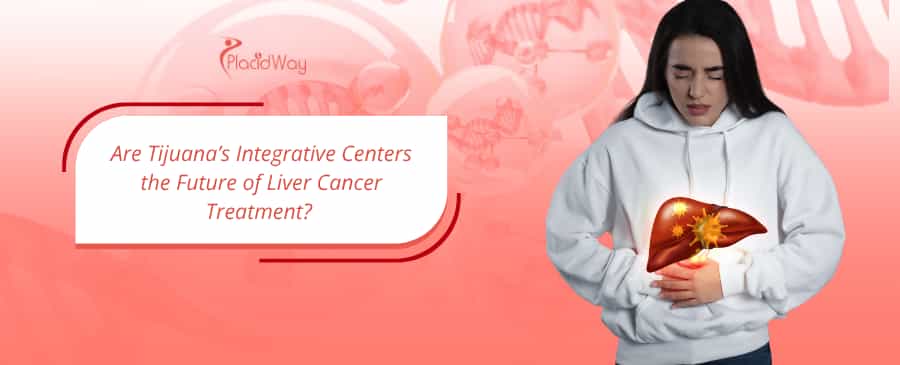
Key Takeaways: Liver Cancer Care in Mexico
- Holistic Integration: Centers combine standard protocols with metabolic therapies and immunotherapy.
- Significant Savings: Treatment costs are 50-70% lower than equivalent private US care.
- Advanced Tech: Access to Sono-Photo Dynamic Therapy and whole-body hyperthermia.
- Patient-Centric: Programs are residential, including organic meals and spiritual support.
What is the average liver cancer treatment cost in Mexico?
The cost typically ranges from $18,000 to $35,000 for a multi-week intensive residential program. This includes all therapies, diagnostics, supplements, housing, and specialized nutrition.
Unlike the US healthcare system where billing is fragmented, medical tourism in Mexico often utilizes "all-inclusive" pricing models. This makes it easier for families to budget for high-quality care without the fear of surprise surgical or laboratory fees. For liver cancer, the complexity of the case (such as the presence of cirrhosis or metastasis) can influence the final price.
A standard 3-week protocol generally covers:
- Detoxification protocols including coffee enemas and IV chelation.
- Advanced immunotherapies like Dendritic Cell vaccines.
- 24/7 nursing care and on-site physician monitoring.
- Daily specialized organic meals tailored to liver health.
- Transportation to and from the San Diego border.
When comparing these costs to private integrative clinics in the United States or Europe, Mexico remains the most accessible destination for self-funding patients. The lower overhead costs in Tijuana allow clinics to invest more heavily in high-dose vitamin protocols and personalized laboratory testing that insurance-based models often restrict.
Many patients choose to receive integrative liver cancer treatment in Tijuana because they can access specific immunotherapies that are still in clinical trials in the US but are fully approved for use in private Mexican clinics.
Why is medical tourism in Mexico popular for liver cancer patients?
Tijuana has become a global hub because it bridges the gap between traditional medicine and natural therapies that are restricted elsewhere. The proximity to the US border makes it an easy choice for North American patients.
The rise of medical tourism in Mexico is driven by the desire for "Personalized Oncology." In many large hospital systems, liver cancer is treated with a "one size fits all" approach consisting of chemo-embolization or radiation. Mexican centers, however, look at the underlying metabolic causes of the cancer, offering a more nuanced and compassionate care plan.
Patients often report that the psychological and spiritual environment in a liver cancer clinic in Mexico is significantly more conducive to healing. Instead of a cold, clinical atmosphere, these centers feel like wellness retreats, reducing the stress hormones that can interfere with immune function. This "mind-body" connection is a hallmark of the Tijuana experience.
Furthermore, the regulatory environment in Mexico allows for "Innovation at the Bedside." This means that as soon as a new, safe research-backed therapy emerges—such as RIGVIR virotherapy or specialized hyperthermia protocols—Mexican doctors can implement it much faster than the decade-long approval cycles required in other nations.
What specific therapies are used for liver cancer treatment in Tijuana?
Centers utilize a "multi-pronged" approach, including Gerson Therapy, localized hyperthermia, high-dose Vitamin C, and targeted immunotherapy to attack tumors while strengthening the body.
The primary goal of integrative liver cancer treatment in Tijuana is to make the body an inhospitable host for cancer. This starts with Metabolic Therapy. By altering the patient's internal chemistry through organic juices and targeted supplements, doctors aim to starve cancer cells of the glucose they thrive on while flooding healthy cells with vital nutrients.
Another cornerstone is Hyperthermia. Cancer cells are notoriously sensitive to heat. By raising the body temperature or using localized radio-frequency to heat the liver area, clinics can damage cancer cell membranes. This often makes the cancer more susceptible to other treatments, such as low-dose chemotherapy or natural anti-tumor agents, without harming healthy liver tissue.
Finally, Immunotherapy is used to "unmask" the cancer. Liver cancer often hides from the immune system. Techniques like GcMAF or Dendritic Cell therapy help the patient's own white blood cells recognize and attack the tumor. This combination of "attacking the cancer" and "building the host" is why many see Mexico as the future of oncology.
How do integrative liver cancer clinics in Mexico differ from US hospitals?
The main difference lies in the philosophy: US hospitals focus on tumor destruction via toxic means, while Mexican integrative centers focus on biological restoration and immune activation.
In a typical US hospital, a liver cancer patient might spend very little time with their actual oncologist. In contrast, an integrative liver cancer treatment in Tijuana usually involves daily consultations with a multidisciplinary team. This team includes nutritionists, psychologists, and medical doctors who work together to monitor the patient's progress in real-time, adjusting the protocol as needed.
The use of natural medicine is another major differentiator. While a US hospital might dismiss nutrition as "irrelevant" to cancer outcomes, a liver cancer clinic in Mexico views food as the primary medicine. Everything from the alkalinity of the water to the air quality in the clinic is curated to promote cellular repair.
Additionally, the "Stay-In" model is unique. US treatments are often outpatient or involve short, stressful hospital stays. Mexican clinics are designed for 3-4 week residential stays. This allows for constant detoxification (like oxygen therapy and lymphatic drainage) that ensures the body isn't overwhelmed by the die-off of cancer cells, a condition known as Tumor Lysis Syndrome.
What is the success rate of alternative liver cancer treatment in Mexico?
Success is measured by Quality of Life (QoL) and extended survival. Many patients who were told they had only months to live in their home country find years of productive life through these protocols.
While "cure" is a heavy word in oncology, the success of liver cancer treatment in Mexico is often seen in the stabilization of advanced cases. Many patients arrive at stage IV after being "sent home to hospice." In these instances, success is defined as shrinking tumors to a manageable size, reducing pain without heavy narcotics, and allowing the patient to return to their family with dignity and energy.
Clinics often track markers such as:
- Reduction in Alpha-Fetoprotein (AFP) levels.
- Improvement in liver function tests (AST/ALT).
- Increased appetite and weight gain.
- Visible reduction in tumor size on follow-up imaging.
- Enhanced immune cell counts (T-cells and NK-cells).
It is important to note that integrative medicine is most successful when started early. However, the unique detoxification and "Biological Dentistry" (addressing root canals and heavy metals) offered in Tijuana often provides a breakthrough for patients who have plateaued with conventional care.
"The true innovation in Tijuana isn't just a single drug; it's the sequence of therapies. By first detoxifying the liver, then heating the tumor, and finally introducing immunotherapy, we create a 'one-two punch' that conventional medicine simply isn't structured to provide."
How long should a patient stay for liver cancer treatment in Mexico?
The standard recommendation is 21 days for the initial intensive phase, followed by a home-care protocol that lasts for 6 to 12 months with occasional return visits.
The first 3 weeks are critical for "resetting" the biological terrain. During this time, the patient undergoes daily IVs and therapies that cannot easily be done at home. This period also serves as an education phase, where the patient and their companion learn the specific cooking, juicing, and supplement routines required to maintain the momentum after leaving the liver cancer clinic in Mexico.
After the residential phase, patients are usually sent home with a "Home Protocol" that includes:
- A customized 3-6 month supply of targeted supplements.
- Detailed dietary guides and organic sourcing lists.
- Scheduled remote consultations with the Mexican medical team.
- Instructions for local blood work to monitor progress.
Most patients return to Tijuana every 3-6 months for a "booster" week. These return visits allow the doctors to run fresh scans and adjust the immunotherapy vaccines based on the cancer's current behavior. This long-term relationship is a key component of the successful medical tourism in Mexico model.
Why Choose PlacidWay for Liver Cancer Treatment in Mexico?
PlacidWay provides a transparent, secure, and expert-guided pathway to the best integrative centers in Tijuana, ensuring you don't have to navigate the complex world of international medicine alone.
Choosing the right clinic can be overwhelming when you are dealing with a serious diagnosis. PlacidWay acts as your advocate and guide, ensuring that your journey is as smooth and safe as possible. Here is why patients trust PlacidWay for their medical tourism in Mexico needs:
- Verified Clinic Network: We only partner with facilities that meet high standards for hygiene, doctor certification, and patient safety. Our team conducts regular site visits to ensure quality is maintained.
- Expert Case Review: Before you even book a flight, PlacidWay facilitates the transfer of your medical records to the clinics. We ensure that the oncologists review your specific case of liver cancer to determine if you are a good candidate for their protocols.
- Cost Transparency: We help you understand exactly what is included in your quote. We advocate for all-inclusive pricing so there are no financial shocks during your liver cancer treatment in Mexico.
- Concierge Support: Our dedicated patient coordinators are available to help with logistics, from understanding border crossing rules to finding the best accommodation for your companion.
- Patient Community: We connect you with reviews and testimonials from others who have walked this path. Hearing from fellow liver cancer survivors who have utilized integrative liver cancer treatment in Tijuana provides invaluable peace of mind.
Frequently Asked Questions: Liver Cancer in Tijuana
Is liver cancer treatment in Mexico safe?
Yes, when performed at accredited integrative centers. These clinics follow strict sanitary protocols and are staffed by licensed medical doctors. The safety of the treatments themselves, such as high-dose IVs and hyperthermia, is well-documented in international biological medicine journals.
Can I travel to Tijuana if I am very weak?
Clinics offer wheelchair-accessible transport from San Diego. However, if a patient is too weak to sit up or has severe respiratory distress, they may need to be stabilized before travel. Always consult with the clinic's intake team about the patient's current "performance status" (ECOG scale).
What is the Gerson Therapy for liver cancer?
Gerson Therapy is a dietary-based metabolic protocol involving organic juices, potassium supplements, and coffee enemas to detoxify the liver and stimulate the immune system. It is a very common component of integrative liver cancer treatment in Tijuana.
Are there any side effects to integrative cancer treatments?
Most therapies are non-toxic, but patients may experience a "healing crisis" (Herxheimer reaction) as the body detoxifies. This can include temporary flu-like symptoms, fatigue, or mild nausea, which are closely managed by the on-site medical team.
Can I combine Mexican treatments with US clinical trials?
This is tricky, as most US clinical trials forbid the use of "outside" therapies. If you are currently enrolled in a trial, you must disclose this to both your US research team and your Mexican doctors to avoid cross-reactions or disqualification from the study.
Do I need to speak Spanish to get treatment in Tijuana?
No. All top integrative liver cancer clinics in Mexico operate in English. Their staff, from the doctors to the kitchen team, are accustomed to working with international patients and provide all documentation in English.
How do I pay for the treatment?
Most clinics accept wire transfers, cashier's checks, and major credit cards. Due to the high cost of cancer care, many patients utilize medical financing companies or platforms like GoFundMe to cover the expenses of medical tourism in Mexico.
What happens after the 3-week program?
You will receive a detailed home-care kit, including supplements and a diet plan. You will have regular follow-up calls with your Mexican oncologist, and it is usually recommended to return for a 1-week "check-up" every 3 to 6 months.
Are the doctors in Tijuana board-certified?
Yes, lead doctors at reputable centers hold degrees from recognized Mexican medical universities and are often members of international organizations like the International Society for Medical Laser Applications or various Immunotherapy associations.
Can integrative therapy help with liver cancer pain?
Yes. By reducing inflammation around the liver capsule and using natural therapies like PEMF (Pulsed Electromagnetic Field) and high-dose minerals, many patients find they can significantly reduce their reliance on opioid painkillers.
Take Control of Your Health Journey
* Personalized responses within 24 hours. Your privacy is our priority.




.png)
.png)

.png)













Share this listing