


Stem Cell Therapy in Japan
Yes, regenerative treatments in Japan can safely guide severe autoimmune diseases into lasting remission. By utilizing highly concentrated mesenchymal cells, specialists in Osaka successfully reset overactive immune systems, lower systemic inflammation, and repair damaged tissues for conditions like multiple sclerosis, rheumatoid arthritis, and lupus.

Key Takeaways: Autoimmune Regenerative Care
- High Efficacy Rates: Advanced protocols actively stop the body from attacking its own healthy tissues.
- Strict Safety Standards: Japan leads the world in regulated, government-approved regenerative medicine laws.
- Cost Effectiveness: Treatments are highly competitive compared to experimental options in Western nations.
- Comprehensive Healing: Therapies focus on long-term immune modulation rather than temporary symptom masking.
How does stem cell therapy for autoimmune diseases in Japan regulate the immune system?
The therapy works by introducing mesenchymal cells that actively seek out inflammation. These cells secrete powerful signaling proteins that command the rogue immune system to stop attacking healthy tissue and begin the cellular repair process.
When a patient undergoes stem cell therapy for autoimmune diseases in Japan, they receive a targeted infusion of specialized cells known for their immunomodulatory properties. Autoimmune conditions occur when the bodys defense mechanism becomes confused, misidentifying healthy organs, joints, or nerves as foreign invaders. Standard medications often suppress the entire immune system, leaving patients vulnerable to infections. Regenerative therapy takes a much smarter approach by specifically targeting the dysfunction.
Once infused into the bloodstream, these intelligent cells act like microscopic paramedics. They are naturally drawn to areas of high inflammation through a process called homing. Upon arrival at the damaged tissue sites, they release a specialized payload of cytokines and growth factors. These biochemical signals communicate directly with the patients malfunctioning T-cells and B-cells, effectively reprogramming them to halt their destructive behavior without compromising the bodys ability to fight off genuine illnesses.
Furthermore, this advanced medical protocol promotes profound tissue regeneration. For patients suffering from conditions that degrade cartilage or nerve linings, the infused cells stimulate the localized environment to repair structural damage. This dual-action approach—calming the immune response while simultaneously healing the physical deterioration—is why many patients achieve a state of clinical remission that lasts for years, drastically improving their overall quality of life.
Mesenchymal stem cells have a unique ability called paracrine signaling. This means they do not just transform into new cells; they act as managers, releasing chemical signals that instruct your bodys own native cells to wake up and start repairing damaged tissues!
What is the average stem cell therapy cost in Japan compared to Western countries?
The stem cell therapy cost in Japan typically ranges from fifteen thousand to thirty thousand dollars for a comprehensive protocol. This is significantly more affordable than comparable treatments in the United States, which can exceed fifty thousand dollars.
Understanding the financial investment is a crucial step for international patients. The stem cell therapy cost in Japan is structured to provide immense value, combining world-class medical expertise with state-of-the-art laboratory cultivation. The price usually covers the entire medical protocol, including initial specialist consultations, comprehensive pre-treatment blood and imaging diagnostics, the cell extraction procedure, meticulous laboratory expansion over several weeks, and the final intravenous infusions.
When comparing these costs globally, the financial advantages become clear. In the United States and parts of Europe, regenerative treatments for severe autoimmune conditions are often severely restricted by the FDA or EMA, forcing patients to seek unregulated offshore clinics or pay exorbitant fees for experimental trials. Western treatments can easily surpass fifty thousand dollars without guaranteeing the high cell viability rates mandated by Japanese medical authorities.
Japanese medical facilities offer a transparent pricing model with no hidden fees. Because the nation has heavily invested in making regenerative medicine a core pillar of its future healthcare system, laboratory costs have been optimized. Patients flying into Osaka receive access to pristine medical infrastructure and highly concentrated cellular products at a fraction of the cost they would incur in North America, making the journey highly cost-effective.
| Country | Estimated Cost Range (USD) | Regulatory Status |
|---|---|---|
| Japan (Osaka) | $15,000 - $30,000 | Strictly Regulated / Approved |
| United States | $35,000 - $60,000+ | Highly Restricted / Clinical Trials |
| Mexico | $8,000 - $18,000 | Lightly Regulated |
| Germany | $20,000 - $40,000 | Regulated |
How do patients identify a certified stem cell clinic in Japan for safe treatment?
Safety begins with verifying that the stem cell clinic in Japan is officially certified by the Ministry of Health, Labour and Welfare. Legitimate facilities follow strict protocols regarding cell cultivation, sterility, and patient monitoring.
Patient safety in regenerative medicine relies entirely on the quality of the laboratory and the expertise of the medical staff. In 2014, the Japanese government implemented the Act on the Safety of Regenerative Medicine. This groundbreaking legislation requires any facility offering cellular therapy to undergo rigorous inspections and obtain specific legal classifications before treating patients. Identifying a certified facility ensures you are receiving viable, uncontaminated cells tailored to your medical needs.
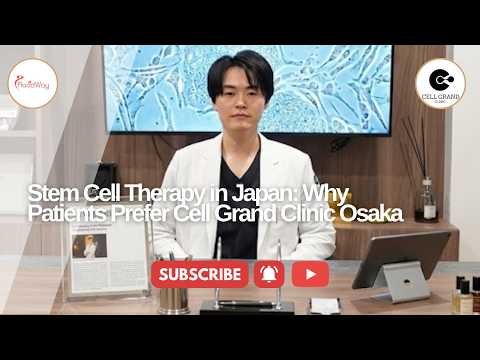
For those researching the most reliable options, finding a top-rated facility is critical. Choosing to undergo stem cell treatments at Cell Grand Clinic in Osaka, Japan guarantees access to an institution that not only meets but exceeds these stringent government regulations. Such prestigious clinics utilize ISO-certified cleanrooms, ensuring the biological material is cultured in a flawless environment free from pathogens.
When selecting your healthcare destination, you must demand transparency. A premier facility will happily provide their government certification numbers, detailed explanations of their cell expansion techniques, and clear data regarding cell viability percentages. They will assign specialized immunologists to evaluate your specific autoimmune markers, ensuring the treatment protocol is highly personalized rather than applying a universal approach to complex diseases.
Which autoimmune conditions respond best to stem cell therapy in Japan?
Multiple sclerosis, rheumatoid arthritis, and systemic lupus erythematosus show extraordinary remission rates. The therapies effectively halt neurological degradation, relieve severe joint inflammation, and protect internal organs from immune attacks.
Multiple Sclerosis is one of the most successfully treated conditions using cellular therapy in Osaka. In MS, the immune system mistakenly strips away the protective myelin sheath covering nerve fibers, leading to severe mobility issues and cognitive decline. Mesenchymal cells infused into the patient actively suppress this specific immune attack. Furthermore, they promote remyelination, helping to repair the damaged nerve coatings, which frequently results in restored mobility and halted disease progression.
Rheumatoid Arthritis patients also experience life-changing benefits. Traditional treatments rely heavily on harsh immunosuppressants or steroids that cause severe long-term side effects. Cellular treatments target the localized inflammation destroying the joint cartilage. By flooding the body with anti-inflammatory cytokines, the therapy drastically reduces joint pain, swelling, and stiffness, allowing patients to regain their independence and avoid invasive joint replacement surgeries.
Systemic Lupus Erythematosus presents a complex challenge because it attacks various internal organs, including the kidneys, heart, and skin. Regenerative medicine addresses lupus by fundamentally resetting the immune system at a cellular level. Clinical outcomes from Japanese facilities demonstrate that patients often see stabilized kidney function, reduced skin lesions, and a massive reduction in debilitating fatigue, allowing them to taper off highly toxic traditional medications under medical supervision.
What makes medical tourism in Japan ideal for regenerative medicine patients?
The appeal of medical tourism in Japan lies in its unmatched blend of advanced biotechnology, flawless hygiene standards, and a deep cultural commitment to profound patient care and hospitality.
When dealing with severe autoimmune diseases, patients require a medical environment that is both highly advanced and exceptionally safe. The rise of medical tourism in Japan is driven by the countrys status as a global pioneer in cellular science. It was a Japanese researcher who won the Nobel Prize for discovering induced pluripotent cells, and this spirit of innovation permeates the entire healthcare infrastructure, giving international patients access to technologies unavailable elsewhere.
Beyond the technology, the Japanese healthcare system is renowned for its meticulous attention to detail and hygiene. For patients with compromised immune systems, cleanliness is a matter of life and death. Medical tourists are consistently amazed by the pristine conditions of the hospitals and laboratories in cities like Osaka. This relentless dedication to sterilization virtually eliminates the risk of hospital-acquired infections during the treatment process.
Finally, the cultural aspect of Omotenashi, or selfless hospitality, transforms the medical journey. Clinics catering to international patients provide seamless translation services, comprehensive medical consultations that never feel rushed, and deep empathy for the patients suffering. Navigating a foreign city like Osaka is incredibly safe and stress-free, providing a calm, healing environment that is crucial for recovery during complex medical procedures.
Osaka is widely considered the culinary capital of Japan. Many medical tourists find that enjoying the incredibly fresh, nutrient-dense local cuisine—like sashimi and matcha—actually complements their anti-inflammatory healing process after their regenerative treatments.
Are mesenchymal stem cells used in Osaka safe for patients with compromised immune systems?
Yes, they are exceptionally safe. Mesenchymal cells are immune-privileged, meaning they do not express the surface antigens that would normally cause a compromised immune system to reject them or trigger an allergic reaction.
Safety is the primary concern for any patient battling an autoimmune disease, as their body is already in a state of heightened reactivity. Mesenchymal cells, whether harvested from the patients own fat tissue or sourced from an ethical umbilical cord donor, possess a unique biological shield. They lack human leukocyte antigens on their surface. Because these antigens are missing, the patients immune system does not recognize the infused cells as foreign invaders.
This immune-privileged status means the risk of graft-versus-host disease or severe allergic reactions is virtually non-existent. Instead of triggering an immune defense, the cells seamlessly integrate into the bloodstream and begin their therapeutic work. They act as biological mediators, identifying areas of hyper-inflammation and deploying proteins to neutralize the cellular chaos safely and naturally.
Clinical data from leading Osaka facilities consistently demonstrates an outstanding safety profile. Patients are closely monitored during and after the intravenous infusion to ensure maximum comfort. The most common side effects reported are extremely mild, typically limited to temporary fatigue or a slight, low-grade temperature as the body adjusts to the cellular regeneration process, which resolves completely within twenty-four hours.
How long does it take to achieve remission after stem cell therapy in Japan?
Patients typically notice a significant reduction in chronic fatigue and joint pain within the first month. Comprehensive disease remission usually becomes evident between three to six months as the immune system fully recalibrates.
The journey to remission is a gradual, biological process rather than an overnight fix. During the first few weeks following the infusion, the stem cells are highly active, circulating through the body and homing in on inflamed tissues. Patients often report an initial surge in energy levels and a noticeable decrease in acute pain flare-ups during this early phase, signaling that the systemic inflammation is beginning to subside.
Between the second and fourth months, profound cellular healing occurs. The immunomodulatory effects take firm hold, reprogramming the rogue immune cells to stop attacking healthy tissue. For patients with multiple sclerosis or lupus, this is the period where clinical markers in blood tests usually show a dramatic decrease in autoantibodies. Physical symptoms continue to improve, allowing many patients to consult with their home doctors about safely reducing their reliance on chemical immunosuppressants.
By the six-month mark, a large percentage of patients achieve clinical remission. The longevity of this remission varies depending on the severity of the initial disease, the patients lifestyle, and their overall health. However, data indicates that a successful protocol in Japan can grant patients several years of symptom-free living, fundamentally restoring their quality of life and preventing irreversible organ damage.
What post-treatment care is necessary after stem cell therapy for autoimmune diseases in Japan?
Successful healing requires patients to adopt an anti-inflammatory lifestyle. This includes a strict nutrient-dense diet, avoiding severe physical or emotional stress, and adhering to scheduled medical follow-ups with their local physician.
The cellular infusion is only the beginning of the healing journey; the patients environment and lifestyle play a massive role in maximizing the treatments efficacy. Upon returning home from Osaka, patients are strongly advised to transition to an anti-inflammatory diet. Eliminating processed sugars, refined carbohydrates, and artificial additives prevents the introduction of dietary toxins that could trigger unnecessary immune responses, allowing the newly infused cells to work without interference.
Rest and stress management are equally critical. The body expends a significant amount of energy repairing damaged tissue at the microscopic level. Patients should avoid strenuous physical workouts or extreme exhaustion for at least a month post-treatment. Engaging in gentle activities like walking, restorative yoga, and prioritizing deep, uninterrupted sleep helps maintain the ideal physiological state for cellular proliferation.
Finally, continuous medical monitoring remains essential. Patients will be provided with detailed medical reports from their Japanese clinic to share with their primary care physicians back home. Regular blood tests to monitor inflammatory markers like CRP and autoantibody levels will help track the trajectory of the remission. Open communication between the patient, their local doctor, and the specialists in Japan ensures long-term success and safety.
Why Choose PlacidWay for Organizing Your Stem Cell Therapy in Japan?
PlacidWay acts as your ultimate medical advocate, connecting you strictly with government-verified regenerative facilities in Japan while ensuring transparent pricing, specialized medical coordination, and absolute patient safety.
Organizing complex medical treatments overseas requires precision, trust, and deep industry knowledge. PlacidWay removes the stress from the equation by handling the critical medical coordination on your behalf. Here is why thousands of patients trust PlacidWay for their regenerative medicine journey:
- Rigorous Facility Vetting: We partner exclusively with clinics that hold active licenses under the Japanese Ministry of Healths strict regenerative medicine laws, ensuring zero compromise on your safety.
- Complete Price Transparency: We negotiate directly with top-tier medical centers to provide you with all-inclusive medical quotes, completely eliminating hidden clinical fees or surprise medical expenses.
- Expert Medical Triage: Our team facilitates the secure transfer of your medical records, MRIs, and bloodwork to Japanese specialists for a comprehensive pre-evaluation before you commit to any treatment.
- Direct Specialist Communication: We set up virtual video consultations between you and the leading immunologists in Osaka, allowing you to ask vital clinical questions directly to the doctor handling your case.
- Dedicated Patient Advocacy: From the moment of your first inquiry until your successful post-treatment follow-up back home, our care team focuses entirely on optimizing your healthcare outcomes and overall well-being.
Frequently Asked Questions
Do I need a specific medical visa for stem cell therapy for autoimmune diseases in Japan?
Patients staying for a short duration can often utilize a standard tourist visa or visa waiver program depending on their nationality. However, if your regenerative treatment protocol requires an extended stay for multiple infusions and observation, you may need to apply for a specialized Medical Stay Visa. This requires a guarantee letter from a registered Japanese medical institution.
Is stem cell therapy for autoimmune diseases in Japan regulated by the government?
Yes, Japan has some of the most rigorous and advanced regulations globally. The Act on the Safety of Regenerative Medicine strictly governs how clinics harvest, culture, and administer cells. Facilities must undergo extensive auditing by the Ministry of Health, Labour and Welfare to ensure maximum patient safety and treatment efficacy.
How many days should I stay for stem cell therapy in Japan?
For most autologous stem cell treatments, patients should plan to stay for at least ten to fourteen days. This timeline allows for initial consultations, blood work, the cell extraction process, the laboratory cultivation period, the final intravenous infusion, and mandatory post-treatment medical monitoring before returning home safely.
Can stem cell therapy in Japan cure multiple sclerosis permanently?
While stem cell therapy is not officially classified as a permanent cure, it has successfully put severe autoimmune conditions like multiple sclerosis into long-term remission. By resetting the immune system and repairing damaged myelin sheaths, patients often experience a complete halt in disease progression and significant restoration of motor functions for many years.
Are there age restrictions for receiving stem cell therapy in Japan?
There is no strict legal age limit for regenerative treatments; however, candidacy is determined by overall health rather than chronological age. Specialists in Osaka will conduct comprehensive cardiac, pulmonary, and blood tests to ensure the patient can safely undergo the extraction and infusion processes regardless of their age.
Will my body reject the cells during stem cell therapy in Japan?
If you undergo autologous therapy using your own cells, there is zero risk of rejection. If the protocol utilizes allogeneic mesenchymal stem cells, the risk remains incredibly low because these specific cells are immune-privileged. They lack the surface markers that normally trigger an adverse immune response, making them exceptionally safe for systemic infusion.
How soon can I fly home after my stem cell therapy in Japan?
Medical professionals generally advise waiting at least forty-eight to seventy-two hours after your final infusion before taking an international flight. This observation window ensures you do not experience any rare, mild reactions like low-grade fever or fatigue, allowing you to travel comfortably and safely back to your home country.
Do Japanese clinics use ethically sourced cells for stem cell therapy in Japan?
Absolutely. Medical facilities in Japan adhere to stringent ethical guidelines. Autologous cells are harvested directly from the patient via fat tissue or bone marrow. When donor cells are utilized, they are sourced from regulated, ethically donated umbilical cord tissue obtained from healthy, full-term deliveries with total informed consent from the parents.
Can I combine stem cell therapy in Japan with other medical treatments?
Integrative approaches are highly encouraged. Many patients combine their regenerative protocols with exosome therapy, hyperbaric oxygen treatments, and specialized nutritional IV drips. However, you must inform your specialist about any existing immunosuppressants or biological medications you take, as these may need to be temporarily paused to maximize the stem cells effectiveness.
What type of stem cells are best for autoimmune diseases in Japan?
Mesenchymal stem cells are considered the gold standard for treating autoimmune disorders. These specific cells possess powerful immunomodulatory properties, meaning they can actively calm an overactive immune system, reduce systemic inflammation, and promote the regeneration of damaged tissues without causing adverse immune reactions.
Take Control of Your Health in Japan Today
* Medical team responses typically within 24 hours. Strict patient privacy guaranteed.
.jpg 1x)
.png)

.png)
.png)
.png)
.png)


-(10).png)
-1.png)










Share this listing