


What Patients Can Expect During and After Treatment
Colombian stem cell treatments for severe neuropathy offer high effectiveness by regenerating damaged nerves at a cellular level, unlike traditional physical rehab which only manages symptoms. Patients often report significant pain reduction.
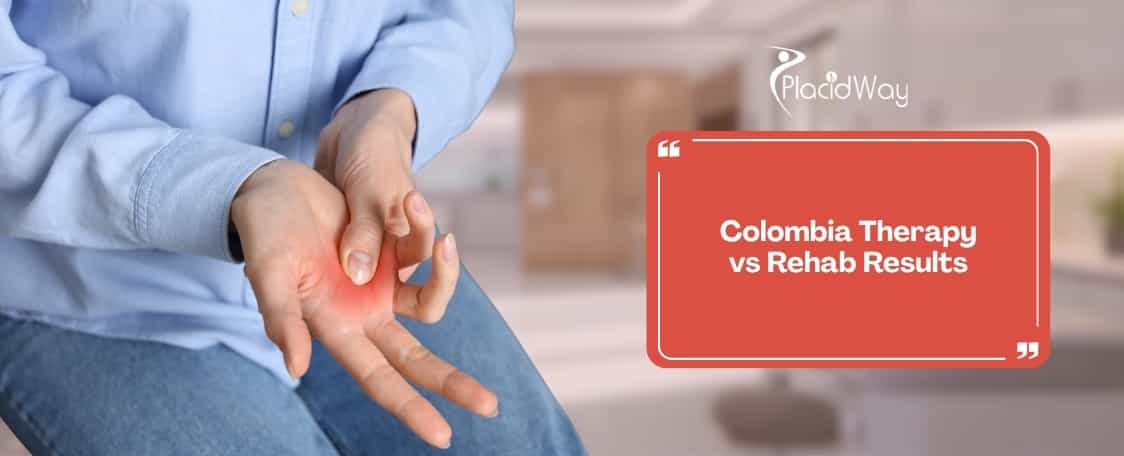
Key Takeaways: Regenerative Medicine vs Traditional Rehab
- Cellular Repair: Stem cells actively rebuild the myelin sheath and nerve fibers, addressing the root cause of nerve pain.
- Symptom Management vs Healing: Physical rehab strengthens surrounding muscles and improves circulation, but it cannot biologically grow new nerve tissue.
- Advanced Protocols: Colombian specialists utilize highly potent mesenchymal stem cells from Wharton Jelly for maximum neuro-regeneration.
- Cost Efficiency: Patients save significantly on advanced therapies while enjoying world-class medical facilities in major South American cities.
How does stem cell therapy for neuropathy in Colombia repair nerve damage better than physical rehab?
Traditional physical rehabilitation plays a crucial role in maintaining joint flexibility, preventing muscle atrophy, and improving localized blood flow. However, when dealing with severe peripheral neuropathy, physical therapy faces a biological ceiling. Exercises cannot instruct the body to spontaneously generate new nerve endings once the existing nerves have severely degraded due to diabetes, chemotherapy, or autoimmune responses. The therapy primarily focuses on helping the patient adapt to their sensory loss and manage the resulting physical limitations.
In contrast, pursuing stem cell therapy for neuropathy in Colombia introduces a biological catalyst into the damaged areas. Mesenchymal stem cells seek out sites of inflammation and tissue degradation. Once they arrive at the damaged peripheral nerves, they release powerful proteins known as neurotrophic factors. These specific proteins stimulate the survival, development, and function of neurons, encouraging the body to rebuild the protective myelin sheath that surrounds and insulates the nerve fibers.
This regenerative process transforms the treatment landscape from mere symptom management to actual structural healing. Patients who undergo these advanced cellular procedures often experience a restoration of sensation and a distinct decrease in burning or stabbing pain. While physical rehab remains an excellent supplementary therapy to retrain the newly healed nerves, the cellular foundation must first be repaired through regenerative medicine to achieve true clinical reversal of neuropathic symptoms.
What is the average stem cell therapy for neuropathy cost in Colombia compared to North America?
The stem cell therapy for neuropathy cost in Colombia ranges from $4,000 to $8,000 per session. This is significantly more affordable than the $15,000 to $25,000 charged in North America for identical cellular treatments.
The financial burden of degenerative nerve diseases can be overwhelming, especially when seeking out-of-pocket regenerative therapies. In the United States and Canada, stringent regulatory environments and high operational overhead drive the price of cellular therapies to extraordinary levels. Patients routinely face initial consultation fees followed by exorbitant laboratory costs for the cultivation and expansion of stem cells. These domestic prices force many individuals to abandon the prospect of regenerative healing entirely.
By shifting focus to South America, patients discover a vastly different economic landscape. The favorable exchange rate and lower costs of administrative overhead allow premier medical facilities to offer exact equivalents of North American treatments at a fraction of the price. The comprehensive fee in South American facilities typically includes the pre-operative laboratory work, the cellular material itself, the specialist administration fees, and post-procedure follow-up care.
It is important to understand that this price reduction does not equate to a compromise in medical quality. The laboratories cultivating these cells utilize the exact same state-of-the-art bioreactors, sterile clean rooms, and rigorous viability testing equipment found in top-tier global medical hubs. Patients are simply bypassing the inflated healthcare markups prevalent in their home countries, making profound healing accessible and financially realistic.
How do I select the best stem cell therapy for neuropathy clinic in Colombia?
Finding a reputable stem cell therapy for neuropathy clinic in Colombia requires checking for international accreditations and verifiable cell viability records. You should prioritize facilities with transparent laboratory protocols.
Selecting the right medical provider is the most critical step in your regenerative health journey. You must look beyond slick marketing materials and focus on the scientific infrastructure of the facility. For instance, exploring advanced stem cell treatments at Stem Cells Kyron Colombia provides a clear example of what a high-standard facility looks like. They prioritize rigorous cell expansion techniques and adhere strictly to international biosafety regulations, ensuring patients receive the maximum therapeutic benefit.
A top-tier facility will always be fully transparent about where they source their biological material. They should willingly provide documentation proving their stem cells are expanded in certified clean rooms and subjected to comprehensive screening for infectious diseases. Furthermore, the clinic must utilize proper cold-chain logistics to ensure the cells remain alive and highly active from the laboratory bioreactor right up until the moment of patient administration.
Lastly, evaluate the credentials of the medical team conducting the procedure. The best centers employ board-certified neurologists, pain management specialists, and specialized hematologists who collaborate to design a customized treatment protocol. Avoid clinics that offer a one-size-fits-all approach. Your nerve damage is unique, and your cellular therapy plan should be thoroughly customized based on your specific medical history, diagnostic imaging, and baseline neurological function.
Why is medical tourism in Colombia growing so rapidly for regenerative medicine?
Medical tourism in Colombia is expanding due to strict government regulations ensuring high-quality regenerative treatments. Patients receive cutting-edge therapies in modern hospital environments at highly competitive global rates.
The global perception of South American healthcare has transformed dramatically over the last decade. This nation has heavily invested in modernizing its medical infrastructure, with several hospitals in Bogota, Medellin, and Cali achieving prestigious international accreditations. This commitment to medical excellence has established the region as a primary destination for complex procedures, drawing thousands of international patients seeking advanced alternatives to standard surgical and pharmacological interventions.
A major driving force behind this growth is the regulatory framework established by the national health authorities. Unlike some emerging markets where regenerative medicine operates in a legal gray area, the local health agencies strictly regulate the processing, storage, and application of human tissues. This stringent oversight provides international patients with immense peace of mind, knowing that the cellular products they receive meet rigorous safety and efficacy standards.
Beyond the exceptional medical standards, the logistical convenience plays a massive role in this rapid growth. The geographical proximity to North America ensures short, direct flights from major international airports. Furthermore, the warm hospitality, favorable climate for recovery, and dedicated concierge medical services designed specifically for foreigners make the entire healing process remarkably smooth and stress-free.
Which types of stem cells are most effective for treating severe neuropathy in Colombia?
Mesenchymal stem cells derived from umbilical cord tissue are the most effective option for nerve regeneration. These young cells possess superior anti-inflammatory properties and multiply rapidly to repair damaged peripheral nerves.
When treating degenerative nerve conditions, the source and vitality of the cellular material dictate the success of the therapy. Leading specialists primarily utilize allogeneic Mesenchymal Stem Cells derived from donated human umbilical cords. These specific cells are preferred because they are ethically sourced following healthy, full-term cesarean births and do not involve any embryonic tissues. More importantly, they are immunoprivileged, meaning they do not trigger a rejection response in the recipient body.
The gelatinous substance within the umbilical cord is incredibly rich in these potent cells. Because these cells are brand new, their telomeres are long, and they have not been exposed to a lifetimes worth of environmental toxins, stress, or underlying diseases. This youthfulness grants them an unparalleled ability to multiply rapidly and secrete massive amounts of healing cytokines and growth factors once introduced into the patients bloodstream or localized nerve clusters.
Some older protocols still rely on autologous cells, which are harvested from the patients own bone marrow or adipose fat tissue. However, for neuropathy patients who are often older or suffering from metabolic conditions like diabetes, their personal stem cells are frequently depleted or sluggish. Utilizing young, vibrant umbilical cord cells provides a much more robust and predictable healing response, making it the gold standard in modern regenerative neurology.
What specific neuropathy symptoms improve fastest after receiving stem cell treatments in Colombia?
Patients typically experience the fastest relief from burning sensations, sharp nerve pain, and extreme skin sensitivity. Numbness and tingling take slightly longer to resolve completely as the microscopic nerve fibers slowly rebuild themselves.
- Reduction in Neuropathic Pain: The intense, shooting electrical pains often subside first due to the immediate anti-inflammatory action of the introduced cells.
- Relief from Allodynia: Patients report a rapid decrease in hypersensitivity, allowing them to wear socks or have bedsheets touch their feet without triggering excruciating pain.
- Improvement in Sleep Quality: As the nighttime burning and restless leg sensations diminish, patients achieve deeper, more restorative sleep cycles.
- Restoration of Temperature Sensation: The ability to correctly distinguish between hot and cold surfaces gradually returns as the peripheral receptors heal.
- Enhanced Balance and Proprioception: Over several months, the fading of deep numbness allows patients to feel the ground properly, drastically reducing the risk of falls.
Are Colombian stem cell treatments for peripheral neuropathy considered safe for international patients?
Yes, these treatments are exceptionally safe when performed by board-certified specialists in sterile environments. The risk of rejection is practically non-existent when using highly purified, ethically sourced umbilical cord cells.
Patient safety is the absolute cornerstone of premier regenerative medicine protocols. Reputable facilities operate in strict compliance with international biosafety standards, ensuring that every batch of cellular material is thoroughly tested. These tests screen for bacterial contamination, fungal growth, endotoxins, and a comprehensive panel of infectious diseases such as HIV and Hepatitis. Only cells that pass these rigorous independent laboratory tests are cleared for therapeutic administration.
The administration procedure itself is characterized by its minimally invasive nature. Unlike major orthopedic surgeries or spinal fusions, stem cell therapy for nerve damage usually involves an intravenous drip or precise localized injections guided by ultrasound technology. This non-surgical approach eliminates the severe risks associated with general anesthesia, hospital-acquired infections, and prolonged, painful recovery periods. Most patients comfortably walk out of the clinic the very same day.
Furthermore, an extensive pre-treatment screening process guarantees that international patients are viable candidates before they ever board a plane. Medical teams review blood work, medical history, and current medications via telehealth consultations. This careful vetting ensures that the therapy is not only safe but also possesses a high probability of clinical success for the individuals specific neurological condition.
How many treatment sessions are required to reverse severe neuropathy damage?
Healing severe nerve damage is a biological journey, not an instantaneous event. A typical protocol begins with an intensive initial session involving a high dosage of millions of vital stem cells. During the first thirty days following this primary treatment, the cells work vigorously to halt ongoing inflammation and establish a healthy microenvironment around the damaged nerve tissues. Many patients notice a distinct softening of their acute pain symptoms during this initial phase.
The true regenerative work of rebuilding myelin sheaths and extending nerve fibers occurs steadily over the following three to six months. Because nerves grow very slowly, patience is essential. Depending on the severity of the sensory loss upon arrival, the medical team will assess the healing progress through follow-up consultations. If the underlying cause of the neuropathy is aggressively chronic, a secondary booster treatment might be recommended at the six-month mark.
This phased approach ensures that the body receives continuous biological support. Ultimately, the goal is to achieve sustained remission rather than temporary relief. Patients who actively participate in their recovery by controlling blood sugar levels, maintaining a nutrient-rich diet, and engaging in light physical therapy consistently report the most profound and long-lasting reductions in their required treatment frequency.
Why Choose PlacidWay to book your stem cell therapy for neuropathy in Colombia?
PlacidWay connects you with globally recognized regenerative medicine facilities while ensuring transparent pricing and verified medical credentials. We advocate for your health journey every step of the way to ensure optimal outcomes.
Navigating international healthcare options independently can be overwhelming and risky, especially when dealing with advanced cellular therapies. PlacidWay serves as your dedicated health advocate, eliminating the guesswork and connecting you directly with excellence. Here is why patients trust us with their regenerative journey:
- Pre-Vetted Medical Centers: We partner exclusively with accredited clinics that utilize standardized, highly sterile laboratory protocols for stem cell expansion, ensuring your safety and treatment efficacy.
- Transparent Cost Structures: We negotiate comprehensive medical packages so you receive upfront, all-inclusive pricing without hidden medical fees or unexpected laboratory surcharges.
- Direct Specialist Consultations: Our platform facilitates secure telehealth meetings between you and board-certified neurologists, allowing you to discuss your specific symptoms before making any commitments.
- Comprehensive Record Reviews: Our coordination team assists in securely transferring your local medical records, nerve conduction studies, and blood panels to the international specialists for accurate pre-assessment.
- Continuous Patient Advocacy: From your initial inquiry through your clinical procedure and during your critical post-treatment healing phase at home, our dedicated support staff remains available to assist you.
Frequently Asked Questions
Can stem cell therapy completely cure peripheral neuropathy?
While stem cell therapy is highly effective at regenerating damaged nerve tissues and significantly reducing symptoms, claiming a complete cure depends on the underlying cause of the neuropathy. Patients with diabetic neuropathy must also manage their blood sugar levels to prevent ongoing nerve damage. However, many patients achieve long-term remission and regain substantial quality of life.
How long does it take to see results from stem cell injections for nerve damage?
Most patients report an initial decrease in sharp pain and burning sensations within the first three to four weeks due to the potent anti-inflammatory effects of the cells. Actual nerve regeneration takes longer, with peak improvements in numbness and mobility typically observed between three to six months post-treatment.
Is stem cell therapy painful for neuropathy patients?
The procedure is generally well-tolerated and minimally invasive. Stem cells are typically administered via a simple intravenous infusion or targeted local injections around affected nerve clusters. Local anesthetics are used for localized injections to ensure patient comfort throughout the short procedure.
Will my insurance cover stem cell treatments in Colombia?
Currently, most health insurance providers in the United States and Europe consider regenerative medicine for neuropathy to be elective or experimental, meaning they do not provide coverage. Patients usually pay out-of-pocket, which is why traveling to South America is a popular choice for accessing affordable care.
How long do the effects of stem cell therapy for neuropathy last?
The regenerative effects can last for several years, and for some patients, the relief is permanent. The longevity of the results heavily relies on mitigating the root cause of the nerve damage, such as maintaining a healthy diet, managing autoimmune conditions, and participating in supportive physical therapies.
What is the success rate of regenerative medicine for diabetic neuropathy?
Clinical observations indicate that roughly seventy to eighty percent of diabetic neuropathy patients experience a meaningful reduction in pain scores and an improvement in sensation. Success rates are highest when the therapy is applied before the nerve fibers have suffered complete, irreversible death.
Are there any side effects after receiving stem cells intravenously?
Side effects are extremely rare and typically mild. Some patients may experience temporary fatigue, a low-grade fever, or slight soreness at the injection site for twenty-four to forty-eight hours as the body immune system interacts with the new cellular material and begins the healing cascade.
Can I combine stem cell therapy with my current neuropathy medications?
Yes, patients are strongly advised to continue their prescribed neuropathy medications, such as gabapentin or pregabalin, during and immediately after the treatment. As the regenerated nerves begin to function properly and pain subsides, your primary physician can gradually taper down your medication dosages.
Why are umbilical cord stem cells preferred over bone marrow for nerve repair?
Umbilical cord-derived mesenchymal stem cells are day-zero cells, meaning they have not been subjected to aging, environmental toxins, or disease. They possess a much higher rate of proliferation and secrete larger volumes of neurotrophic factors compared to the older cells harvested from an adult patients own bone marrow.
How do I prepare my body for stem cell therapy in South America?
Specialists recommend adopting an anti-inflammatory diet, eliminating alcohol and tobacco use, and staying highly hydrated for at least two weeks prior to your procedure. Creating a healthy physiological environment allows the administered stem cells to survive, migrate, and begin tissue repair much more efficiently.
Start Your Journey to Nerve Healing Today
* Responses typically within 24 hours. Privacy guaranteed.
.jpg)










Share this listing