


Recovery Timeline After ACL Reconstruction
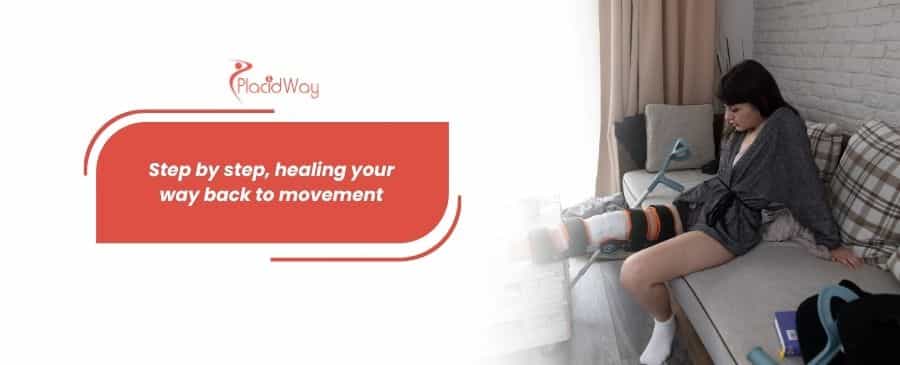
Recovery from ACL surgery in Mexico typically lasts 6-12 months. Initial care takes 1-2 weeks, followed by physical therapy. Patients often return to light activities by 3-6 months and high-impact sports by 9-12 months.
Key Takeaways for Patients
- Expert Care: High-quality ACL clinic in Mexico facilities offer board-certified orthopedists.
- Cost Advantage: The ACL surgery cost in Mexico provides significant savings compared to the US.
- Rehabilitation: Success depends heavily on following the post-operative physical therapy protocol.
- Planning: Comprehensive medical tourism in Mexico packages often include logistics and recovery support.
Why is the recovery timeline for ACL surgery in Mexico structured in phases?
The recovery process is phased to allow the graft to heal while gradually increasing stress on the knee. This structured approach prevents re-injury and ensures optimal long-term joint function.
The healing process for an ACL reconstruction is a marathon, not a sprint. Surgeons and physical therapists in Mexico break the recovery down into distinct phases to protect the structural integrity of the newly placed graft.
Initially, the focus is purely on protection and swelling control. The tissue must have time to stabilize within the bone tunnels before you can introduce any weight or motion. Once the surgical site is stable, the focus shifts to restoring full range of motion.
Finally, the last phase is about rebuilding muscle strength and confidence. By following these specific stages, you ensure that your knee is ready to handle the forces of daily life and sports without compromising the surgery.
How does physical therapy impact the ACL surgery recovery timeline?
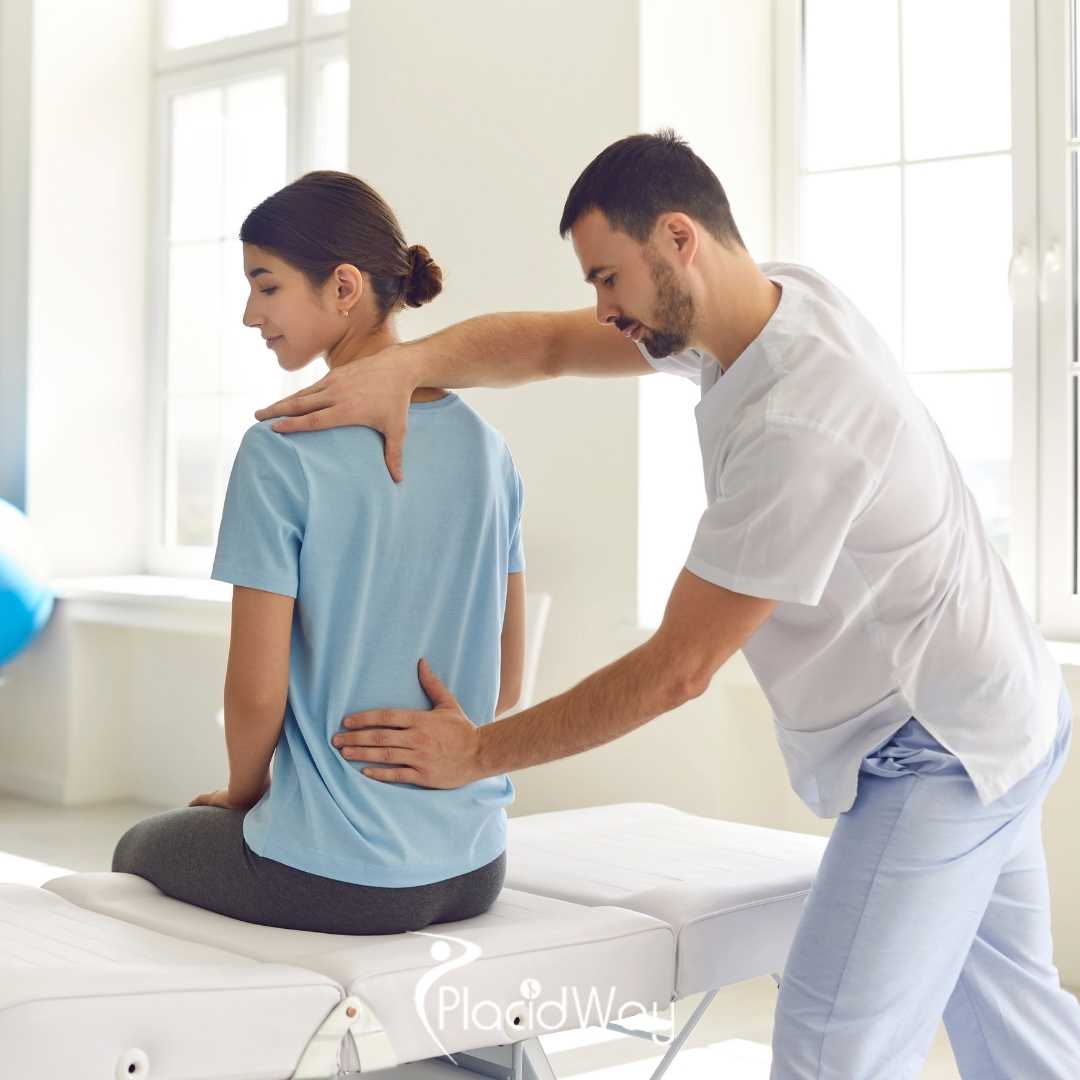
Physical therapy is the cornerstone of recovery. Consistent and progressive exercise is what dictates how quickly you progress from crutches to normal movement and eventually to sports.
- Early mobilization prevents stiffness and scar tissue buildup in the joint.
- Targeted exercises activate the quadriceps and hamstring muscles that weaken post-surgery.
- Balance training helps restore proprioception, which is the body's ability to sense its position in space.
- Progressive loading of the joint stimulates the graft to mature and strengthen.
- Following a professional protocol is vital to avoiding common pitfalls like muscle atrophy.
What should I expect for ACL surgery cost in Mexico?
The total ACL surgery cost in Mexico is typically 40-70 percent less than in the United States. This price often includes the surgery, anesthesia, hospital stay, and initial recovery supplies.
When you research the ACL surgery cost in Mexico, you will find that costs are significantly lower due to differences in labor costs, facility overhead, and insurance structures. It is important to ask for an all-inclusive quote.
Many patients find that while the base surgery price is low, it is the comprehensive nature of the packages that adds the most value. These packages may include airport transport, stay in a recovery facility, and specialized follow-up care that might be expensive elsewhere.
Always verify exactly what is included in the quote to avoid unexpected out-of-pocket expenses for medications, additional PT sessions, or follow-up imaging tests after your surgery.
How do I choose the right ACL clinic in Mexico?
Select an ACL clinic in Mexico that is fully accredited, employs board-certified surgeons, and has a transparent record of success with international patients.
- Verify international accreditations such as JCI or local health board certifications.
- Look for clinics that provide clear communication in English throughout your journey.
- Assess the facility's surgical success rate and their history with knee reconstruction.
- Ensure they offer personalized post-operative care plans for foreign patients.
- Check if they are experienced in coordinating long-distance care with your home medical team.
Is medical tourism in Mexico safe for orthopedic procedures?
Yes, medical tourism in Mexico is safe when you choose reputable facilities that adhere to international medical standards and safety protocols.
Modern clinics in Mexico utilize advanced technology, including high-definition arthroscopic tools and sterile surgical environments, matching those in North American hospitals.
The safety of your procedure relies on your diligence. By selecting a facility that prioritizes patient safety, uses certified surgeons, and follows strict infection control measures, you minimize risks significantly.
Furthermore, medical tourism hubs in Mexico have mature infrastructure designed to accommodate international travelers, making the recovery process smooth and supported.
How long should I stay in Mexico after ACL reconstruction?
Most surgeons recommend staying for 7 to 14 days post-surgery. This timeframe allows for the initial healing phase and ensures you are stable enough to return home.
The early days following surgery are the most critical for managing discomfort and ensuring no complications arise. Staying in Mexico for this initial period provides you with immediate access to the surgical team if needed.
During this stay, you will begin basic rehabilitation exercises, which helps kick-start your recovery. Once your surgeon confirms that the site is healing well and you can manage pain levels, you will be cleared for travel.
Always coordinate your travel plans with your surgeon. They will guide you on when it is safe to board a flight, as flying too soon can increase the risk of blood clots and joint swelling.
What are the risks of returning to activity too soon?
Returning to sports before the graft is fully matured can cause the new ligament to stretch or fail. This puts your knee at significant risk of irreversible damage.
Patients are often eager to get back on the field, but biology does not speed up just because you feel ready. The graft needs months to integrate with your bone and assume the strength of your original ligament.
If you put excessive force on the knee before it is healed, you risk graft failure, which might necessitate another surgery. This setback is far more severe than simply waiting a few extra weeks to build strength.
Always pass your surgeon's functional strength and agility tests before transitioning back to high-impact activities. These tests are objective measurements of your knee stability and are non-negotiable for safety.
Can I combine my recovery with a vacation in Mexico?
While many patients enjoy the recovery experience in Mexico, keep your goals realistic. Your primary focus must remain on rest and rehabilitation for the first week or two.
Combining surgery with a trip can be beneficial because it allows you to recover in a peaceful, relaxing environment. However, you should not plan any strenuous sightseeing or activities immediately post-surgery.
Choose accommodation that is recovery-friendly, perhaps with accessibility features and proximity to the clinic. Take advantage of the environment by resting, eating healthy meals, and focusing on your daily physical therapy sessions.
Once you are in the later stages of your stay, gentle walks or low-impact leisure activities may be possible, provided they do not place stress on your recovering knee.
Why Choose PlacidWay for your surgery?
PlacidWay serves as your dedicated partner in medical tourism. We connect patients with trusted, verified, and high-quality clinics to ensure a seamless medical journey.
- Network of Verified Facilities: We provide access to a network of pre-verified, accredited medical facilities, ensuring you only consider top-rated ACL clinic in Mexico options.
- Comprehensive Guidance: We provide expert guidance through the entire medical tourism in Mexico process, from inquiry to post-op recovery.
- Record Coordination: Our support includes assistance with medical record coordination between your home physician and the destination facility.
- Transparent Communication: We ensure transparent communication to help patients navigate and avoid common pitfalls found in foreign healthcare systems.
- Affordable Solutions: We support you in finding affordable and high-value packages that include necessary recovery resources and logistics.
Frequently Asked Questions
How long is the initial stay required for ACL surgery in Mexico?
Most patients stay for one to two weeks to manage initial post-operative swelling and begin the first phase of physical therapy before returning home.
Are there differences in surgical techniques between Mexico and the US?
Surgeons in Mexico utilize the same advanced, minimally invasive arthroscopic techniques for ACL reconstruction as those used in the United States.
How can I ensure my physical therapy continues after returning home?
Coordinate with the surgical team in Mexico to obtain a detailed rehabilitation protocol that your local physical therapist can follow upon your return.
Does medical tourism in Mexico include hospital transfers?
Many comprehensive packages offered in Mexico include airport pick-up, hospital transport, and return services to ensure a stress-free experience for international patients.
What is the primary benefit of choosing Mexico for orthopedic surgery?
The primary benefits include significant cost savings of 40-70 percent, access to board-certified specialists, and the ability to schedule surgery without long waiting periods.
Is it possible to receive a pre-surgical evaluation remotely?
Yes, many clinics offer virtual consultations where you can share your MRI results and medical history with the surgical team before making travel arrangements.
How is the graft for ACL reconstruction selected?
The choice between an autograft or allograft depends on factors like age, activity level, and the specific patient anatomy, which is determined during the consultation.
When can I return to work after my procedure?
Sedentary workers can often return within two weeks, while those with physically demanding jobs may require several months of recovery before returning to full duties.
Are there risks of language barriers in Mexican clinics?
Top-tier facilities catering to international patients typically provide English-speaking staff and medical translators to ensure clear communication throughout the surgical process.
What documentation should I bring for my medical trip?
Bring your passport, current medical records, MRI scans, a list of current medications, and any clearance documents provided by your primary care physician.
.jpg)














Share this listing