


How Much Can UK Patients Save on Eyelid Surgery?

If you are looking in the mirror and gently pulling back the skin above your eyes to see how you used to look, you are not alone. Heavy, hooded eyelids or prominent under-eye bags can make you look exhausted, sad, or older than you actually feel even after a full eight hours of sleep. You might have considered doing something about it, perhaps booking a consultation in London or Manchester, but then you saw the UK prices and felt your heart sink.
When quotes for a simple cosmetic procedure rival the cost of a new car, you naturally start looking for alternatives. You are likely asking yourself, "Is blepharoplasty (eyelid surgery) cheaper in Thailand than in the UK?" and wondering if traveling abroad means sacrificing your safety. This comprehensive guide is written specifically for you. We will break down the honest costs, address your very valid fears about safety and quality, and give you the exact steps to reclaim your vibrant, youthful appearance without draining your savings.
Quick Facts: Eyelid Surgery (UK vs Thailand)
What Exactly Is Blepharoplasty and How Does It Work?
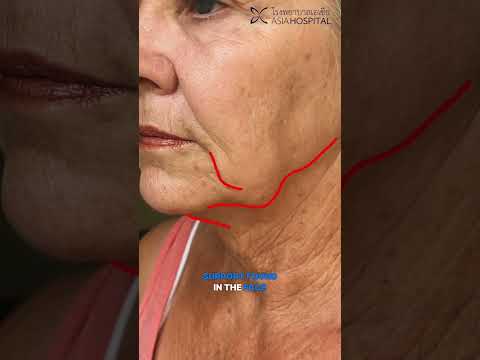
Think of blepharoplasty as a targeted refresh for the windows to your soul. As we age, our skin loses elasticity. The constant pull of gravity causes excess skin to gather on the upper eyelids, and fat pads to bulge outward beneath the eyes, creating "bags." No amount of expensive eye cream can fix structural skin sagging or displaced fat.
Here is exactly what happens during the procedure:
- Preparation and Anesthesia: You are given either local anesthesia with deep intravenous sedation (so you are relaxed and feel nothing) or light general anesthesia.
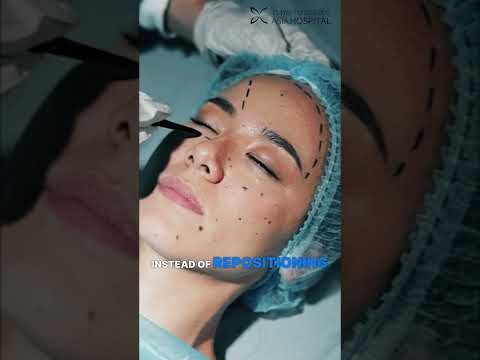
- Strategic Incisions: For the upper eyelid, the surgeon makes a tiny incision hidden perfectly in the natural crease of your eye. For the lower eyelid, the incision is either just below the lash line or inside the lower lid (transconjunctival) so no scar is visible.
- Targeted Removal: The surgeon delicately trims away the excess, drooping skin and removes or repositions the bulging fat pads that cause puffiness.
- Precision Suturing: Fine, microscopic stitches are used to close the incisions, ensuring scars heal smoothly and remain virtually undetectable.
Unlike temporary solutions like Botox or dermal fillers which must be injected every 6 to 12 months—blepharoplasty physically addresses the root cause of the aging eye. The results are dramatic, immediate, and lasting.
Why is eyelid surgery cheaper in Thailand and what are the benefits?
Choosing to travel for your eyelid procedure is a big decision, but the benefits go far beyond just the financial savings. Here is why thousands of UK citizens make this trip every year:
- Permanent youthful appearance: You will look 5 to 10 years younger. You will stop hearing, "Are you feeling okay? You look tired."
- Improved vision function: If your upper eyelid skin droops severely enough, it physically blocks your peripheral vision. Removing this skin literally opens up your world.
- Financial freedom: Paying £1,200 instead of £4,500 means you can afford the procedure outright without taking on high-interest UK medical debt.
- Elite VIP experience: Because of the lower overhead, Thai medical facilities treat you like royalty. You get private recovery suites, dedicated nursing staff, and unhurried consultations that simply do not exist in the rushed UK private sector.
- Discreet recovery: Recovering on a quiet balcony in Thailand means no nosy neighbors or coworkers asking why you are wearing dark sunglasses. By the time you fly back to the UK, you simply look incredibly rested.
How much does blepharoplasty cost in Thailand compared to the UK?
Let us look at the hard numbers. The table below compares the average private clinic fees in the United Kingdom with the premium, JCI-accredited hospital fees in Thailand. Keep in mind that UK prices often hide hidden fees for anesthesia and facility use, whereas Thai quotes are generally all-inclusive packages.
| Procedure | UK Private Cost | Thailand Cost | Average Savings |
|---|---|---|---|
| Upper Blepharoplasty | £3,000 - £4,500 | £800 - £1,200 | 70% |
| Lower Blepharoplasty (Eye Bags) | £3,500 - £5,000 | £900 - £1,500 | 70% |
| Combined Upper & Lower Lids | £5,500 - £7,500 | £1,800 - £2,800 | 65% |
| Asian Double Eyelid Creation | £3,500 - £4,500 | £800 - £1,300 | 70% |
| Ptosis Repair (Muscle Tightening) | £4,000 - £6,000 | £1,200 - £2,000 | 65% |
Why is the price gap so massive? It is crucial to understand that cheaper does not mean lower quality in this context. Thai surgeons use the exact same surgical lasers, the exact same sterile sutures, and the exact same anesthetics as Harley Street clinics in London. The difference lies entirely in the general economy. The cost of commercial real estate, nursing staff salaries, administrative overhead, and malpractice insurance in Thailand is a fraction of what it is in the UK. Those operational savings are passed directly to you.
Is it safe to get blepharoplasty in Thailand compared to UK clinics?
This is the barrier for most people. The fear of "botched" surgery abroad is very real, fueled by tabloid horror stories. I completely understand if you feel anxious about this. However, the data tells a very reassuring story when you choose the right providers.
| Quality Metric | UK Private Sector | Premium Thai Hospitals | Notes |
|---|---|---|---|
| Facility Standards | CQC Regulated | JCI Accredited (Global) | JCI is the gold standard of international healthcare. |
| Surgeon Qualifications | GMC / BAAPS Registered | Thai Board / ISAPS Members | Many Thai surgeons hold US or UK board certifications. |
| Infection Rates | Less than 2% | Less than 2% | Stringent sterilization protocols are identical. |
| Surgical Technology | Modern Lasers & Optics | Modern Lasers & Optics | Equipment is imported from the same global manufacturers. |
Here are the safety facts that should put your mind at ease:
- International Accreditation: Thailand boasts dozens of JCI-accredited hospitals. This means they are audited by the same governing body that evaluates top-tier American hospitals.
- Highly Experienced Surgeons: Because Thailand is a global hub for cosmetic surgery, top Thai plastic surgeons often perform 5 to 10 times more blepharoplasties annually than their UK counterparts. In surgery, high repetition leads to mastery.
- Strict Hygiene Protocols: The operating theaters in premium Thai medical centers look like spaceships. They utilize advanced HEPA filtration and strict sterilization to prevent infection.
- Comprehensive Pre-op Testing: You will not be rushed into surgery. Your trip will include extensive blood tests, EKG, and an in-person consultation to ensure you are perfectly healthy before going under the knife.
To ensure your safety, simply follow the golden rule: never choose a clinic based solely on the lowest price. Verify their JCI accreditation and ensure your specific doctor is board-certified in plastic surgery.
What is the recovery time for eyelid surgery in Thailand and the travel timeline?
Combining surgery with international travel requires a bit of logistical planning. Fortunately, thousands of Brits do this easily. Here is what your typical 10-day timeline looks like:
- Day 1-2 (Arrival & Consultation): Arrive in Thailand, settle into your hotel, and attend your comprehensive face-to-face consultation and pre-op health check.
- Day 3 (Surgery Day): Head to the hospital. The procedure takes 1 to 2 hours. Most patients are discharged the same day to rest in their hotel with cold compresses.
- Days 4-7 (Rest & Recovery): You will experience swelling, tightness, and bruising (often resembling a black eye). This is completely normal. You will relax indoors, watch TV, order room service, and apply ice packs.
- Day 8-9 (Suture Removal): Return to the clinic. The surgeon will inspect your healing and painlessly remove the fine stitches.
- Day 10 (Fly Home): You are medically cleared to board your flight back to the UK. You can wear sunglasses through the airport to hide any lingering yellow bruising.
Important Travel Considerations:
- Do not plan a beach holiday post-op: You must keep your healing incisions out of direct sunlight, swimming pools, and ocean water to prevent infection and bad scarring.
- Bring a companion if possible: While solo travel is incredibly common and safe, having someone to fetch ice packs and order food for the first 48 hours is wonderful.
- Wear loose clothing: Pack tops that button or zip up the front so you do not have to pull tight collars over your sensitive face.
- Organize your UK follow-up: While Thai surgeons offer video follow-ups, know which local GP or private walk-in clinic you can use back home just in case you need reassurance.
Who is a good candidate for Thailand medical tourism eyelid surgery?
Traveling halfway across the world for surgery requires you to be physically and mentally prepared. Is this the right choice for you?
You are likely a great candidate if you have:
- Noticeably drooping upper eyelids that make you look tired or impair your vision.
- Puffy, bulging fat pockets under your eyes that do not go away with sleep.
- A generally positive outlook and realistic expectations (surgery refreshes your look, it does not change your identity).
- Good overall cardiovascular and physical health.
- The ability to comfortably take 10 to 14 days off work to travel and heal.
- No underlying major eye conditions like severe glaucoma or chronic dry eye.
You may need to reconsider or take extra precautions if you have:
- Active smoking habits: Smoking drastically constricts blood vessels, delaying healing and increasing complication risks. You must quit at least 4 weeks before and after surgery.
- Uncontrolled high blood pressure: This can increase bleeding risks during and after the procedure.
- Thyroid eye disease (Graves' disease): This condition causes eye bulging and requires highly specialized functional treatment, not just cosmetic surgery.
- Severe dry eye syndrome: Blepharoplasty can temporarily exacerbate dry eyes. Your surgeon needs to evaluate this closely.
- Unrealistic perfectionism: If you expect absolute zero-scar perfection or to look exactly like a filtered Instagram photo, no surgeon in the UK or Thailand can satisfy you.
- Fear of flying: A 12+ hour flight home with minor swelling is not ideal if you suffer from severe travel anxiety.
If you fit the profile of a great candidate, the next best step is getting a digital consultation. Most Thai clinics will review your photos for free and tell you exactly what is achievable.
Frequently Asked Questions
When you are considering asking, "Is blepharoplasty (eyelid surgery) cheaper in Thailand than in the UK?", a dozen other questions naturally follow. Here are honest, direct answers to the 11 most common questions we hear from UK patients.
How much does blepharoplasty cost in Thailand compared to the UK?
Eyelid surgery in Thailand costs between £800 and £1,500 per area (upper or lower), compared to £3,000 to £6,000 in the UK. Combining both upper and lower lids in Thailand costs around £1,800 to £2,800, saving you 60-75%.
Is it safe to get blepharoplasty in Thailand?
Yes, it is highly safe when performed by board-certified plastic surgeons in JCI-accredited hospitals. Thailand's premium private medical facilities maintain safety, hygiene, and success rates (95-98%) that are virtually identical to top UK private clinics.
What is the recovery time for eyelid surgery in Thailand?
Initial swelling and bruising peak around day 3 and subside significantly by day 7 to 10. Sutures are usually removed on day 5 to 7. Most patients feel confident returning to normal social activities within 10 to 14 days.
What happens if I experience complications after returning home?
While major complications are rare (1-3%), reputable Thai clinics provide extensive post-op instructions and digital follow-ups. If minor issues arise, your local UK GP or private clinic can assist with standard wound care. Many Thai clinics also have revision guarantees.
Can blepharoplasty cause bone loss around the eye?
No. Eyelid surgery strictly involves the careful removal or repositioning of excess skin, muscle, and localized fat pads. It does not interact with or cause bone loss in the orbital bone structure of your face.
Which Thai locations are best for medical tourism eyelid surgery?
Bangkok is the premier hub, featuring the highest concentration of internationally accredited hospitals and elite surgeons. Phuket is also highly popular for those wanting a peaceful, resort-style recovery environment before flying back to the UK.
How do I handle follow-up care when returning to the UK?
You will stay in Thailand for 7 to 10 days to have your stitches removed and get final medical clearance. Once back in the UK, your Thai surgeon will typically conduct follow-ups via video call at 1-month and 3-month intervals.
How do I verify a Thai plastic surgery clinic is reputable?
Look for JCI (Joint Commission International) accreditation, surgeons who are members of ISAPS (International Society of Aesthetic Plastic Surgery), transparent UK vs Thailand pricing, and verifiable patient before-and-after portfolios.
Is it safe to travel solo to Thailand for eyelid surgery?
Absolutely. Thousands of UK patients travel solo for cosmetic surgery every year. Premium Thai hospitals offer VIP services, including airport transfers, dedicated English-speaking concierges, and on-site hotel accommodations for a seamless solo experience.
How many trips to Thailand will I need?
You only need one single trip lasting 10 to 14 days. The consultation, pre-op tests, surgery, initial recovery, and stitch removal are all completed during this single visit.
How can I finance my medical tourism trip to Thailand?
Because the savings are so substantial (often £3,000+), many patients use personal savings or a standard low-interest UK credit card. Some medical travel agencies also partner with international financing companies to offer monthly payment plans.
You have done the research. Now take the next step.
References
- British Association of Aesthetic Plastic Surgeons (BAAPS). "Eyelid Surgery (Blepharoplasty) Information."
- Joint Commission International (JCI). "JCI-Accredited Organizations in Thailand."
- American Society of Plastic Surgeons (ASPS). "Eyelid Surgery Safety and Risks."
- National Health Service (NHS). "Cosmetic Procedures: Eyelid Surgery."
- PlacidWay Medical Tourism. "Plastic Surgery Costs in Thailand"
-cheaper-in-Thailand-than-in-the-UK-(1).png)
.png)

.png)


.png)
.jpg)

.jpg)
.jpg)
.jpg)
.png)









Share this listing