


Why Libyan Families Trust Turkey for Safe Pediatric Bone Marrow Transplant Treatment
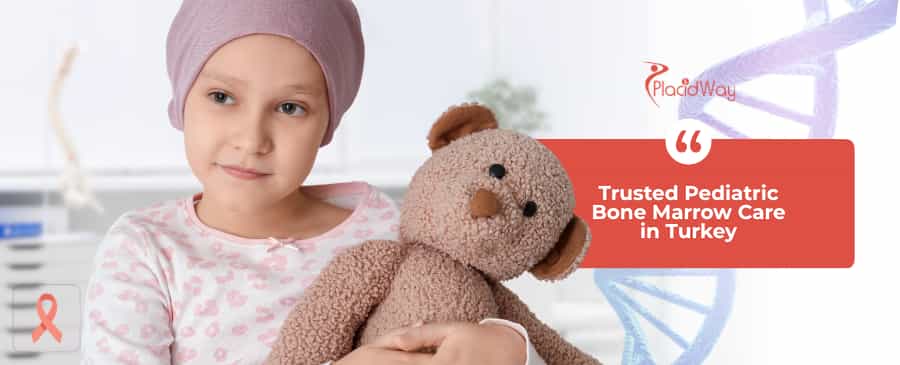
Watching your child battle a severe blood disorder like leukemia, thalassemia, or aplastic anemia is a parent's most terrifying nightmare. The sleepless nights, the endless blood transfusions, the constant worry about infections as it takes an unimaginable toll on your family. In Libya, finding the specialized pediatric hematology centers required for complex, curative treatments can be incredibly challenging, leaving you feeling helpless.
So, you start looking beyond borders. You hear about other Libyan families traveling to Istanbul or Ankara, returning months later with a child who is finally healthy and thriving. But the question dominating your thoughts is, Is Bone Marrow Transplant in Turkey Safe for Children from Libya? You are considering taking your most precious loved one to a foreign country for a life-altering procedure. You need absolute certainty, not marketing promises. This comprehensive guide was written for you. We will walk through the exact safety protocols, the real costs, the timeline, and what to expect, so you can make an informed, confident decision for your child's future.
Quick Facts: Pediatric BMT (Libya/Abroad vs. Turkey)
What Is a Pediatric Bone Marrow Transplant and How Does It Work?
A bone marrow transplant, also known as a stem cell transplant, sounds like a massive, invasive surgery. It is completely natural to be terrified of the concept. However, the procedure itself does not involve cutting bones. It is actually a carefully timed medical process where healthy stem cells are infused into your child's bloodstream, much like a blood transfusion.
Here is how the life-saving journey unfolds for a child:
- Conditioning (The Prep Phase): Your child receives high-dose chemotherapy (and sometimes radiation). This crucial step destroys the diseased bone marrow and suppresses their immune system so their body will not reject the new, healthy donor cells.
- The Transplant (Day Zero): The healthy stem cells—harvested from a sibling, parent, or registry donor—are given to your child through a central venous catheter (IV line). This takes a few hours and is painless.
- Engraftment (The Waiting Game): Over the next 14 to 30 days, the new stem cells migrate to the bone marrow cavities and begin producing healthy red blood cells, white blood cells, and platelets.
- Recovery and Isolation: Because your child's immune system is temporarily wiped out, they stay in a highly sterilized, HEPA-filtered isolation room. Strict infection control is maintained until their new immune system strengthens.
Unlike regular blood transfusions that only manage symptoms temporarily (and lead to dangerous iron buildup in thalassemia patients), a successful pediatric BMT offers a lifelong cure. It means your child can grow up, go to school, and live a normal life without being tethered to a hospital bed.
Why Choose Turkey for Pediatric Stem Cell Transplants Over Local Options?
- Advanced Pediatric Hematology: Turkish hospitals have dedicated pediatric BMT centers. They do not mix adult and child patients. Your child is treated by specialized pediatric oncologists and hematologists.
- World-Class Infection Control: Post-transplant infections are the biggest risk. Top Turkish hospitals utilize positive-pressure, HEPA-filtered isolation rooms that filter out 99.97% of airborne bacteria and viruses, keeping your child safe when they are most vulnerable.
- Donor Matching Capabilities: If your child does not have a fully matched sibling, Turkish centers excel at Haploidentical (half-matched parent) transplants. They also have direct access to international bone marrow registries (like TÜRKÖK) to find unrelated matches.
- Cultural and Religious Comfort: As a Muslim family traveling from Libya, Turkey offers immense peace of mind. Halal food is standard, prayer facilities are everywhere, and the cultural approach to family and children is incredibly warm and supportive.
- Language Support: You will not be left struggling to understand medical terms. Accredited Turkish hospitals assign dedicated, 24/7 Arabic-speaking patient coordinators to Libyan families.
- Convenience and Visas: Getting a medical visa to Europe or the US from Libya can be a grueling, months-long nightmare. Turkey offers a much smoother, faster medical visa process for Libyans, and the flight from Tripoli, Misrata, or Benghazi is short.
How Much Does Pediatric BMT in Turkey Cost Compared to Other Countries?
When state-sponsored medical care abroad is not an option, Libyan families are forced to pay out of pocket. The financial burden can be crushing. Understanding the real costs is crucial to planning your child's treatment.
| Procedure Type | Europe / USA Price | Turkey Price | Estimated Savings |
|---|---|---|---|
| Autologous Transplant (Using child's own cells) | $100,000 - $150,000 | $40,000 - $55,000 | 60% - 65% |
| Allogeneic Transplant (Matched sibling donor) | $150,000 - $250,000 | $50,000 - $70,000 | 65% - 70% |
| Haploidentical Transplant (Half-matched parent) | $200,000 - $350,000 | $70,000 - $90,000 | 65% - 75% |
| Unrelated Donor Transplant (Registry search) | $250,000 - $400,000 | $80,000 - $110,000 | 65% - 75% |
Why is Turkey significantly more affordable? The price difference has absolutely nothing to do with lower medical standards. The medications, chemotherapy drugs, and laboratory equipment are the exact same brands used in Germany or the US. The savings stem purely from Turkey's lower cost of living, favorable exchange rates, and significantly lower administrative and labor costs. You are paying for top-tier medical care, not inflated hospital administration fees.
Are Success Rates for Pediatric Bone Marrow Transplant in Turkey Safe?
Safety is not just a marketing word; it is measured in survival rates, infection control, and international oversight. Libyan parents must know that Turkey’s medical infrastructure for hematology is among the best globally.
| Quality Metric | Local Options (Libya) | Turkish BMT Centers | Notes |
|---|---|---|---|
| Accreditation | Locally regulated | JCI Accredited, EBMT Members | Adheres strictly to European BMT protocols |
| Infection Control | Standard hospital rooms | Positive pressure HEPA rooms | Critical for survival when immune system is zero |
| Pediatric Success Rate (Thalassemia) | Limited data available | 85% - 90%+ | Matches the highest global medical standards |
| Donor Matching Tech | Basic family HLA typing | High-resolution HLA, Haploidentical tech | Crucial if no 100% sibling match exists |
Here is what guarantees your child’s safety:
- EBMT Guidelines: Reputable Turkish centers are full members of the European Society for Blood and Marrow Transplantation. They share data, follow exact European protocols, and are audited for quality.
- Experienced Multidisciplinary Teams: Your child’s case is reviewed by a board of pediatric hematologists, immunologists, nutritionists, and intensive care specialists. Nothing is left to chance.
- GVHD Management: Graft-versus-host disease (where the new cells attack the patient's body) is a major risk. Turkish doctors utilize cutting-edge T-cell depletion techniques to drastically lower the risk of severe GVHD, especially in haploidentical transplants.
- Reputation on the Line: Turkey treats thousands of international patients yearly. Their entire medical tourism sector relies on verifiable, excellent clinical outcomes.
How Long Does the Bone Marrow Transplant Process Take in Turkey?
This is a marathon, not a sprint. You cannot rush a bone marrow transplant. Here is the realistic timeline you need to prepare for:
- Phase 1: Pre-Transplant Evaluation (1-2 weeks): Comprehensive testing for your child and the donor. High-resolution HLA tissue typing is confirmed. Vital organs (heart, lungs, liver) are checked to ensure they can handle the conditioning chemotherapy.
- Phase 2: Conditioning & Transplant (2-3 weeks): Your child is admitted to the isolation ward. Chemotherapy is administered over 5 to 10 days. Then, the stem cells are infused (Day Zero).
- Phase 3: Engraftment & Hospital Recovery (3-4 weeks): We wait for the new cells to grow. Your child will likely need blood transfusions and IV antibiotics during this phase. Once their white blood cell count reaches a safe level, they are discharged from the hospital.
- Phase 4: Outpatient Monitoring (2-3 months): You will stay in an apartment in Turkey. Your child will visit the clinic 1 to 3 times a week for blood tests. The medical team will monitor closely for any signs of infection or GVHD.
Crucial considerations for Libyan families:
- Housing: Medical tourism coordinators will help you rent a sterilized, furnished apartment near the hospital for the outpatient phase.
- Sibling Donors: If a sibling is the donor, their procedure takes only 1-2 days, but they must be present in Turkey at the right time.
- School and Work: Plan for a long absence. One parent typically stays the entire duration, while the other may travel back and forth to Libya.
Is Your Child a Good Candidate for a Bone Marrow Transplant in Turkey?
Every child’s medical history is unique. Turkish specialists will rigorously review your child’s medical records before inviting you to travel.
Your child is likely a great candidate if:
- They have Thalassemia Major or Sickle Cell Disease and are experiencing complications from frequent transfusions.
- They have acute leukemia (ALL or AML) that has relapsed or is in a high-risk category.
- They suffer from severe Aplastic Anemia or an immunodeficiency disorder.
- They have a fully HLA-matched sibling (this provides the highest success rate with the lowest complications).
- Their major organs (heart, liver, kidneys) are currently functioning well enough to endure chemotherapy.
- You have the financial means or sponsorship to support a 3-6 month stay abroad.
You may need to reconsider, or anticipate a more complex journey, if:
- Active severe infection: Your child must be free of major active infections (like severe pneumonia) before conditioning can begin.
- Organ failure: Severe iron overload (hemochromatosis) from years of transfusions in Libya that has heavily damaged the liver or heart can make transplant riskier.
- No sibling match: If no sibling matches, you will need a Haploidentical (parent) transplant or an unrelated registry search, which increases costs and complexity.
- Leukemia not in remission: For malignant diseases, the child usually needs to be in remission before a transplant is attempted.
- Inability to stay long-term: If you absolutely must return to Libya within 4 weeks, a transplant is not possible. Post-care is mandatory.
The best step forward is an online tele-consultation. Send your child's medical reports to a Turkish specialist to get a definitive, honest answer about their eligibility.
Frequently Asked Questions
When Libyan parents start researching, the same critical concerns come up repeatedly. We have compiled the exact answers you need regarding cost, safety, travel, and medical outcomes.
Is Bone Marrow Transplant in Turkey Safe for Children from Libya?
Yes, it is highly safe. Turkish hospitals follow European Group for Blood and Marrow Transplantation (EBMT) guidelines. Survival rates for non-malignant conditions like thalassemia in pediatric patients exceed 85-90%, matching top European and US centers.
How much does a pediatric bone marrow transplant cost in Turkey compared to Europe?
An allogeneic bone marrow transplant in Turkey typically costs between $50,000 and $80,000. In Europe or the US, the same procedure ranges from $150,000 to over $300,000. This represents a 50-70% savings for Libyan families paying out of pocket.
What are the common complications after a pediatric stem cell transplant?
The main risks include infections and Graft-Versus-Host Disease (GVHD), which occurs in 10-30% of allogeneic transplants. Turkish pediatric intensive care units use HEPA-filtered isolation rooms and strict protocols to manage these risks effectively.
How long is the recovery time for a child undergoing BMT in Turkey?
The initial hospital stay is usually 30 to 45 days. After discharge, your child must remain in Turkey for outpatient monitoring for 2 to 4 additional months to ensure engraftment is successful and there are no severe infections.
Will there be a language barrier for Libyan families in Turkish hospitals?
No. Major Turkish hospitals treating international patients provide dedicated, 24/7 Arabic-speaking interpreters. All medical documents are translated, ensuring you fully understand your child's treatment plan.
What happens if we cannot find a fully matched donor in our family?
If a sibling or family member is not a 100% match, Turkish doctors can perform a Haploidentical (half-matched) transplant using a parent, or search international registries like TÜRKÖK to find an unrelated matched donor.
Can my child get a bone marrow transplant for Thalassemia in Turkey?
Yes. Turkey is one of the world's leading destinations for pediatric thalassemia bone marrow transplants. When performed early in childhood with a matched sibling donor, the cure rate is approximately 90%.
Which Turkish cities are best for a pediatric bone marrow transplant?
Istanbul and Ankara are the primary hubs. They house the country’s leading JCI-accredited facilities with specialized pediatric hematology-oncology departments and dedicated bone marrow transplant units.
How is follow-up care handled once we return to Libya?
Before you leave, your Turkish medical team will provide a detailed Arabic/English discharge summary. They often coordinate with your local hematologist in Tripoli or Benghazi via telemedicine to manage long-term follow-up and immune system recovery.
Is it safe to travel solo as a mother with a sick child to Turkey?
Yes, Turkey is very safe and welcoming to Libyan families. Hospitals offer comprehensive concierge services, including airport transfers, assistance finding long-term apartment rentals, and dedicated patient coordinators to support you every step of the way.
How many trips to Turkey will we need for the entire process?
Usually, the entire process requires one extended trip lasting 3 to 6 months. Some families make a preliminary 3-5 day trip for initial HLA typing and consultation, returning weeks later when the donor and child are ready.
How can Libyan citizens verify the quality of a Turkish clinic?
Look for Joint Commission International (JCI) accreditation, membership in the European Society for Blood and Marrow Transplantation (EBMT), and request survival rate statistics specifically for pediatric patients with your child's exact condition.
Ready to Find a Cure for Your Child?
References
- Joint Commission International (JCI). "Quality Standards and Accredited Organizations in Turkey."
- PlacidWay Medical Tourism. "Bone Marrow and Stem Cell Treatments Abroad."
.png)



.png)

.png)








Share this listing