
Why Canadian Patients Travel to Puerto Vallarta for Stem Cell Therapy
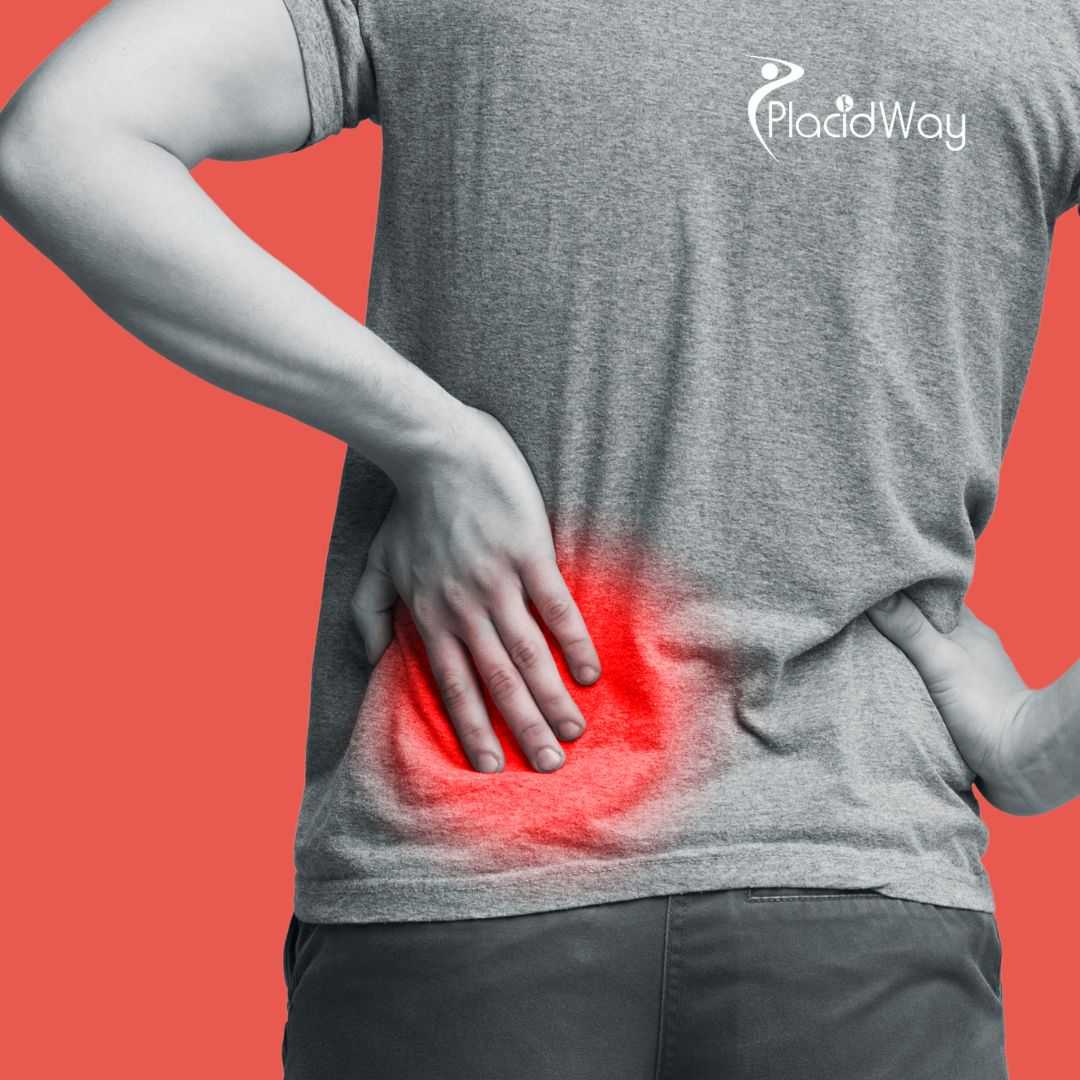
Living with chronic joint pain, an autoimmune condition, or a degenerative disease is exhausting. It drains your energy, limits your mobility, and slowly steals the activities you love. But what might be even more frustrating is the waiting. Waiting months just to see a specialist, only to be told that your options in the Canadian healthcare system are limited to heavy painkillers, temporary steroid shots, or highly invasive surgeries with year-long waitlists.
You have probably hit a wall with domestic options. You hear about the miracles of regenerative medicine, but in Canada, advanced stem cell expansion is heavily restricted by health authorities, making the most effective treatments illegal or prohibitively expensive. If you find yourself asking, why are Canadian patients choosing stem cell therapy in Puerto Vallarta Mexico over domestic options?, you are absolutely not alone. Thousands of people are making this exact journey every year. I promise to give you honest, fluff-free information so you can understand the exact costs, safety protocols, and medical realities. By the end of this guide, you will know exactly why so many are looking south for healing, and whether it is the right next step to reclaim your life.
Quick Facts: Stem Cell Therapy in Canada vs. Puerto Vallarta
What Exactly Is Stem Cell Therapy and How Does It Work?
To put it simply, stem cells are your body’s master builder cells. They have the unique ability to transform into other types of cells—like cartilage, muscle, or tendon cells—and they act as powerful anti-inflammatory agents. In a healthy young body, these cells rush to an injury to fix it. But as we age, our supply of these master cells drops dramatically, which is why an injured knee at 55 doesn't heal the way it did at 15.
Regenerative medicine in Mexico works by introducing millions of fresh, highly concentrated stem cells back into your damaged tissues. Here is the step-by-step process:
- Pre-Treatment Evaluation: Before you even book a flight, medical experts review your X-rays, MRIs, and medical history virtually to ensure you are a genuine candidate.
- Cell Preparation: Mexican clinics utilize advanced laboratories to expand (multiply) Mesenchymal Stem Cells (MSCs). This creates a customized dose of 25 million to over 100 million potent cells—something that is not legally allowed in Canadian labs.
- Targeted Delivery: The cells are introduced into your body. For localized orthopedic pain (like a bad knee or shoulder), they are injected directly into the joint using ultrasound guidance. For systemic issues (like autoimmune diseases or anti-aging), they are administered via a simple IV drip.
- Cellular Regeneration: Once inside, the cells get to work. Over the next 3 to 6 months, they actively reduce inflammation, recruit your body's own healing factors, and physically rebuild damaged tissue.
The crucial difference? In Canada, doctors are legally bound to only use "same-day" treatments (like spinning your own blood in a centrifuge for PRP). They cannot legally grow the cells in a lab to therapeutic numbers. Puerto Vallarta clinics have the regulatory freedom to provide the high dosages your body actually needs to heal.
What Are the Main Benefits of Regenerative Medicine in Mexico Compared to Traditional Surgery?
When you are staring down the barrel of a major surgery, the alternatives suddenly become very important. Here is why Canadians are opting for stem cell therapy in Puerto Vallarta instead of going under the knife back home:
- It is minimally invasive: Surgery requires cutting through muscle, bone, and tissue. Stem cell therapy requires a needle. There are no scars, no stitches, and no lengthy hospital stays.
- Drastically faster recovery: A knee replacement requires 3 to 6 months of grueling, painful rehabilitation just to function normally. With stem cell injections, you are walking the same day and generally return to light exercise within 2 to 4 weeks.
- You keep your natural body parts: Joint replacements wear out. Metal and plastic joints typically last 15 to 20 years before requiring a massive, complicated revision surgery. Stem cell therapy aims to save and regenerate your natural joint.
- Whole-body anti-inflammatory effects: If you receive IV stem cells for an autoimmune condition, the cells travel systemically, seeking out inflammation wherever it exists in your body. Patients often report improved energy, better sleep, and mental clarity.
- Zero Canadian waitlists: You do not have to put your life on hold for two years waiting for the public system to assign you a surgical date while your condition deteriorates. You dictate your timeline.
How Much Can You Save on the Cost of Stem Cells in Mexico?
Let's talk about the money. While the Canadian public healthcare system covers many things, it strictly considers expanded stem cell therapies as "experimental," meaning it covers exactly $0 of the cost. If you go to a private clinic in North America, the price tag is staggering. Here is how the costs break down:
| Procedure Type | North American Private Price | Puerto Vallarta Price | Savings |
|---|---|---|---|
| Single Joint Injection (Knee, Shoulder) | $6,000 - $10,000 | $2,500 - $4,000 | 50% - 60% |
| Multiple Joints (e.g., Both Knees) | $12,000 - $18,000 | $5,000 - $7,500 | 50% - 60% |
| IV Infusion for Autoimmune / Systemic | Heavily Restricted / Unavailable | $4,000 - $8,000 | N/A |
| Anti-Aging & Wellness IV | $10,000+ | $3,500 - $5,500 | 50% - 65% |
Why is it so much more affordable? It has absolutely nothing to do with inferior medical quality. Puerto Vallarta's medical tourism sector operates with significantly lower overhead costs from facility rent and electricity to administrative staff salaries. Additionally, because the Mexican government (via COFEPRIS) has established clear regulatory frameworks for regenerative medicine, top-tier laboratories can operate efficiently without the massive legal and bureaucratic costs that stifle innovation in Canada.
Is Stem Cell Therapy Safe for Canadians Traveling Abroad to Mexico?
It is totally normal to feel anxious about leaving the safety net of the Canadian medical system. You are conditioned to believe that the best care is at home. But when it comes to regenerative medicine, Mexico is actually leaps and bounds ahead in terms of clinical application.
| Quality Metric | Canadian Standard | Puerto Vallarta Standard | Notes |
|---|---|---|---|
| Regulatory Body | Health Canada | COFEPRIS | Both have strict safety mandates. |
| Laboratory Certifications | ISO standard | ISO 9001 / ISO 14644 standard | PV labs meet global cleanroom standards. |
| Cell Screening | Standard viral screening | Rigorous pathogen & genetic screening | Donor cells undergo intense testing. |
| Medical Training | Canadian Medical Boards | Mexican Boards + Int. Fellowships | Many PV doctors trained in US/Europe. |
Here is what you need to know about your safety:
- Regulated, not rogue: Top clinics are strictly licensed by COFEPRIS (the Mexican equivalent of Health Canada/FDA). They are subject to surprise inspections and rigorous audits.
- Ethical sourcing: Mesenchymal stem cells (MSCs) are derived from the Wharton's Jelly of umbilical cords from healthy, full-term, c-section births with full maternal consent. No embryos are ever used.
- Immune privilege: MSCs do not contain human leukocyte antigen (HLA) markers, meaning your body will not reject them. The risk of an allergic reaction or graft-versus-host disease is virtually zero.
- Stringent lab testing: Every batch of cells is tested for bacteria, viruses (including HIV and Hepatitis), and genetic stability before it ever reaches a syringe.
The key to safety is choosing a verified, accredited provider—not just the cheapest option you find on a Google search.
What Is the Recovery Time for Stem Cell Therapy in Mexico?
One of the biggest reliefs for patients is realizing they do not need to pause their life for months. Here is what your timeline actually looks like:
- Phase 1: The Trip (Days 1-5): You arrive in beautiful Puerto Vallarta. Day one is usually settling in. Day two involves bloodwork and final consultations. Day three is your actual treatment, which takes just a few hours. Day four is rest, and day five you fly home.
- Phase 2: Immediate Post-Treatment (Weeks 1-2): If you had a joint injection, you might experience minor swelling or a "full" feeling in the joint. You will avoid anti-inflammatory meds (like Advil) because we actually want the cellular inflammation process to kickstart healing.
- Phase 3: The Healing Window (Weeks 3-12): The stem cells are actively multiplying and repairing tissue. You will slowly notice an improvement in mobility and a decrease in daily pain.
- Phase 4: Full Maturation (Months 3-6): Maximum tissue regeneration is achieved. Cartilage has rebuilt, inflammation is drastically lowered, and you are enjoying a quality of life you haven't felt in years.
Important considerations for your trip:
- Travel logic: Puerto Vallarta is a direct, easy flight from most major Canadian cities (Vancouver, Calgary, Toronto).
- Language: Reputable medical teams are fully bilingual in English and Spanish. You will never feel lost in translation.
- Vacation mindset: Stress limits healing. Recovering in a tropical, sunny environment with ocean views is significantly better for your nervous system than recovering in the dead of a Canadian winter.
Can Canadians Get Stem Cell Therapy Abroad If They Have Severe Conditions?
Integrity matters in medicine. A reputable clinic will tell you if you are NOT a good fit. This isn't about selling a treatment; it is about providing genuine healing.
You are likely a great candidate if you have:
- Osteoarthritis, rheumatoid arthritis, or severe joint pain (knees, hips, shoulders, spine).
- Soft tissue injuries like torn meniscus, rotator cuff tears, or severe tendonitis.
- Autoimmune conditions such as Lupus, MS, or Crohn's Disease (systemic IV treatments).
- Chronic fatigue, fibromyalgia, or long-term systemic inflammation.
- Been told you need a joint replacement but want to avoid surgery.
- Realistic expectations about the timeline of biological healing.
You may need to reconsider or seek alternative care if you have:
- Active cancer: Stem cells promote cellular growth. They cannot be administered if you have active cancer tumors.
- Active systemic infections: Infections must be fully cleared before regenerative treatments.
- End-stage, extreme bone-on-bone deformity: If your joint has completely collapsed and structurally deformed, stem cells cannot create new bone structure. Surgery may be your only path.
- Pregnancy: Treatments are paused during pregnancy out of an abundance of caution.
- Severe blood disorders: Certain clotting or bleeding conditions require complex clearance.
- Unrealistic expectations: If you expect to run a marathon two days after an injection, this is not for you. Healing takes time.
The only way to know for sure is to submit your medical imaging (X-rays/MRIs) for a free virtual evaluation before you make any decisions.
Frequently Asked Questions
When making a significant health decision, questions are completely natural. Here are the exact answers to the most common concerns Canadian patients have before booking their medical trip to Mexico.
How much does stem cell therapy cost in Puerto Vallarta compared to Canada?
Stem cell therapy in Puerto Vallarta costs between $3,500 and $8,000 depending on the condition and cell count. In Canada, the limited unexpanded treatments available typically cost $8,000 to $15,000, meaning you save 50-70% in Mexico for a more advanced treatment.
Are stem cell treatments in Mexico safe for Canadian patients?
Yes, stem cell treatments are very safe when performed at COFEPRIS-regulated facilities. Reputable clinics use highly screened, ethically sourced Mesenchymal Stem Cells (MSCs) processed in ISO-certified laboratories, yielding safety profiles identical to or better than North American standards.
What is the recovery time for stem cell therapy in Mexico?
Initial recovery from the injection takes 2 to 5 days of mild soreness. However, the actual cellular regeneration process takes 3 to 6 months. Most patients notice significant pain relief and improved mobility within 4 to 8 weeks.
Do I need specialized joint injections or IV stem cell therapy?
It depends on your condition. Localized issues like knee osteoarthritis require direct joint injections. Systemic conditions like autoimmune diseases or general anti-aging require IV infusions. Your medical team will determine the best delivery method via a pre-trip consultation.
What happens if something goes wrong with my stem cell treatment?
Adverse reactions to purified stem cells are incredibly rare (less than 1-2%). If minor swelling occurs, it can be managed with standard ice and rest protocols. Reputable clinics provide long-term virtual follow-up care to monitor your progress and handle any concerns.
Can I get stem cell therapy in Mexico if I have severe cartilage loss?
Yes, in many cases. While completely bone-on-bone joints with severe structural deformity might still require surgery, stem cell therapy can successfully regenerate cartilage and reduce inflammation in patients with moderate to severe cartilage loss.
Which areas in Puerto Vallarta are best for medical tourism?
The Hotel Zone (Zona Hotelera) and Marina Vallarta are the safest, most accessible, and highly developed areas for medical tourists. They offer luxury recovery accommodations just minutes away from top-tier private hospitals and regenerative medicine clinics.
Will my Canadian doctor do follow-up care after Mexico stem cell therapy?
Most Canadian GPs and specialists will monitor your progress through standard imaging (like MRIs or X-rays) and blood work upon your return. Be upfront with your doctor about your decision so they can remain an active part of your long-term health plan.
How do I know if a Mexican regenerative medicine clinic is reputable?
Look for COFEPRIS licensing, laboratories with ISO 9001 certifications, transparent pricing, verifiable patient testimonials, and highly qualified specialists. Never choose a clinic that guarantees a 100% cure, as ethical medicine cannot make absolute guarantees.
Is it safe to travel to Puerto Vallarta alone for medical treatment?
Yes. Puerto Vallarta is consistently ranked as one of the safest cities in Mexico for international tourists. While having a companion is nice for the first 24 hours of recovery, many Canadians travel solo using clinic-provided VIP airport shuttles and concierge services.
How many trips to Mexico will I need for stem cell therapy?
Most patients only need one single trip lasting 3 to 5 days. The consultation, specialized lab work, and the actual treatment are typically completed in a single, well-coordinated visit. Some patients choose to return annually for booster therapies.
Can Canadians finance stem cell therapy in Mexico?
Because treatment costs are roughly 50-70% lower than in North America, many patients pay out-of-pocket. However, there are Canadian medical financing companies (like Medicard) that provide personal health loans you can use for medical tourism abroad.
You Have Done the Research. Ready for the Next Step?
References
- National Institutes of Health (NIH). "Mesenchymal Stem Cells in Regenerative Medicine: Focus on Articular Cartilage and Bone Regeneration."
- International Society for Cell & Gene Therapy (ISCT). "Global Standards for Stem Cell Handling and Delivery."
- Government of Mexico - COFEPRIS. "Regulation and Safety of Regenerative Medicine Facilities."
- PlacidWay Medical Tourism. "A Guide to Stem Cell Therapy in Mexico."
.png)














Share this listing