
The Cost of All on 4 Dental Implants in New Delhi
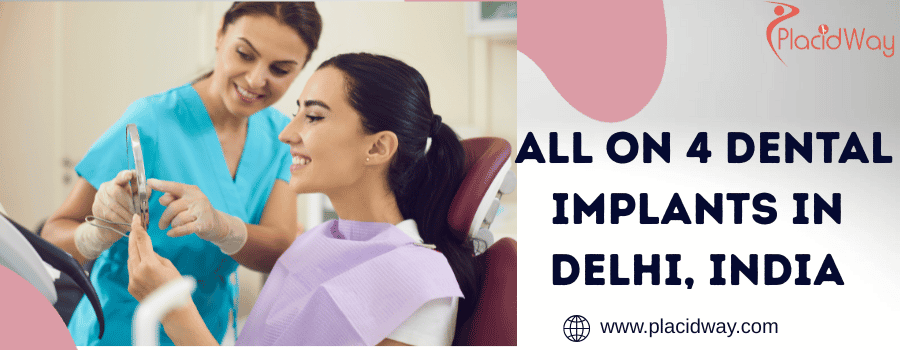
For individuals experiencing extensive tooth loss, full-arch rehabilitation can be a transformative step toward regaining oral function and confidence. When researching options abroad, many patients explore All on 4 Dental Implants in India, with Delhi serving as a prominent destination for international healthcare. The capital city hosts numerous modern dental facilities equipped with advanced technology and staffed by experienced prosthodontists and oral surgeons.
Determining the All on 4 Dental Implants cost in India is usually a primary concern for international visitors. While the financial aspects can be appealing compared to prices in North America or Europe, a successful outcome relies on careful planning, clear communication, and an understanding of the procedure itself. Choosing to travel for dental care involves more than just finding an affordable All on 4 Dental Implants clinic in India; it requires a thorough grasp of the surgical process, potential risks, and the long-term commitment to aftercare.
Key Takeaways
- The estimated cost for a single arch generally spans from $2,500 to $4,500 in Delhi, though complex cases can cost more.
- The procedure involves surgically placing four titanium implants into the jawbone to support a fixed, full-arch bridge.
- Not everyone is a candidate; sufficient jawbone density and overall good health are required.
- Medical tourists should plan for a 7 to 14-day stay for the initial surgery and a subsequent visit months later for the final prosthesis.
- Long-term success depends heavily on strict oral hygiene and regular check-ups with a local dentist in your home country.
What affects the cost of All-on-4 dental implants in Delhi?
When evaluating the financial aspects of full-arch restoration, it is helpful to understand the components that make up your final bill. The most significant variable is the choice of implant hardware. Premium, globally recognized brands often carry a higher price tag compared to lesser-known alternatives. While more expensive, established brands typically offer extensive clinical research and wider global availability of compatible parts, which is an important consideration for international patients seeking maintenance back home.
Additionally, the material of the final fixed bridge plays a major role in pricing. A high-grade zirconia or porcelain prosthesis will cost considerably more than a standard acrylic over titanium bar framework. Preliminary treatments also impact the final cost; if you require multiple complex tooth extractions or treatment for active gum disease prior to surgery, these procedures will be billed in addition to the implant placement.
| Cost Factor | Description |
|---|---|
| Implant Brand | Premium international brands typically increase the base cost compared to local or budget options. |
| Prosthesis Material | Zirconia and specialized ceramics cost more than traditional acrylic resin bridges. |
| Diagnostic Scans | 3D CBCT scans and digital planning software are often billed as separate, required fees. |
| Preparatory Work | Tooth extractions, minor bone grafting, or periodontal treatments add to the total expense. |
How does the All-on-4 dental implant procedure work?
The concept behind this technique is to maximize the use of available bone, which is why the two posterior (back) implants are typically tilted up to 45 degrees. This angulation helps avoid critical anatomical structures, such as the sinus cavity in the upper jaw and the nerve canal in the lower jaw, often reducing the need for extensive bone grafting.
The process generally occurs in two main phases. During the first surgical phase, any remaining failing teeth are extracted, the bone is prepared, and the implants are placed. Often, a temporary, lighter acrylic bridge is attached on the same day or shortly after, so you are not left without teeth. Over the next several months, a biological process called osseointegration occurs, where the jawbone naturally fuses with the titanium implants. Once healing is complete, you return for the second phase to have the final, more durable prosthesis securely attached.
Am I a suitable candidate for All-on-4 implants in India?
While the tilted implant technique reduces the need for bone density compared to traditional methods, you must still have sufficient bone volume in the front portion of the jaw to anchor the implants securely. Patients suffering from severe, untreated periodontal disease will need to have their gum health stabilized before surgery can be considered.
Medical history plays a critical role. Conditions that impair healing, such as uncontrolled diabetes, osteoporosis, or autoimmune disorders, can increase the risk of implant failure. Additionally, tobacco use significantly constricts blood flow in the mouth, severely compromising the healing process. Most dental surgeons strongly advise patients to quit smoking several weeks before and after the procedure to improve the chances of success.
What are the benefits of choosing Delhi for this procedure?
The growth of medical tourism in India has encouraged the development of dental facilities in major metropolitan areas that cater specifically to international patients. Many prosthodontists and oral surgeons practicing in Delhi have completed advanced training or fellowships internationally, bringing a high standard of clinical expertise to their local practice.
Furthermore, patients often find that facilities in Delhi are equipped with contemporary technology, such as in-house 3D CBCT scanners, digital impression intraoral scanners, and CAD/CAM milling machines. This technology is vital for the precise digital planning required for full-arch implant surgery, helping surgeons map out the exact placement of implants to avoid nerves and utilize the densest bone available.
What are the potential risks and complications?
No surgical procedure is entirely risk-free. Immediate post-surgical complications can include localized swelling, bruising, and discomfort, which are typically manageable. More severe, though less common, risks include injury to the inferior alveolar nerve in the lower jaw, which can cause temporary or permanent numbness in the chin, lips, or tongue. If implants in the upper jaw are placed incorrectly, they may penetrate the sinus cavity, leading to sinusitis or other complications.
A primary long-term concern is peri-implantitis, an inflammatory condition that affects the gum and bone around the implant, potentially leading to bone loss and implant failure. This highlights the absolute necessity of maintaining excellent oral hygiene. It is crucial to have a candid discussion with your provider regarding your personal risk factors and their protocol for handling complications should they arise after you have returned home.
How long is the recovery after an All-on-4 procedure?
The immediate days following surgery usually involve managing swelling and adjusting to the feel of the temporary prosthesis in your mouth. Most patients can return to non-strenuous work within a few days, depending on their comfort level and the nature of their job. During this initial phase, it is vital to rest, stay hydrated, and strictly follow the prescribed medication regimen to prevent infection.
The extended recovery phase is about protecting the implants as they integrate with your jawbone. Any excessive pressure or micromovement can disrupt this fusion. Therefore, patients are placed on a very strict soft-food or liquid diet for several months. Foods must be easy to cut with a fork and require minimal chewing. Once the dentist confirms via X-rays that the implants have successfully integrated, the final, stronger bridge is attached, allowing for a gradual return to a more varied diet.
How do I prepare for dental implant surgery in Delhi?
- Medical Records: You will usually need to provide recent panoramic X-rays or a 3D CBCT scan to the facility in India beforehand, allowing them to assess your bone volume remotely.
- Physician Clearance: If you have underlying health conditions (like cardiovascular disease or diabetes), you may need written clearance from your primary care physician to undergo surgery and anesthesia.
- Medication Review: Discuss all current medications, especially blood thinners or osteoporosis drugs, as these may need to be adjusted under medical supervision prior to surgery.
- Travel Planning: Arrange for a comfortable place to stay near the dental facility, ensuring you have access to a kitchen to prepare soft foods during your initial recovery.
- Post-Op Support: Identify a local dentist in your home country who is willing to take over routine maintenance and assist if any minor adjustments are needed upon your return.
What kind of aftercare is required for dental implants?
While artificial teeth do not decay like natural teeth, the gums and bone supporting the implants are still highly susceptible to bacterial infection. A specialized cleaning routine is required. You cannot simply floss between the teeth; instead, you must use special flossing threads, interdental brushes, and water flossers to remove food debris trapped in the small gap between the prosthetic bridge and your natural gumline.
Furthermore, nighttime grinding (bruxism) can exert immense, damaging pressure on both the implants and the prosthesis. Many dentists recommend wearing a custom-fitted night guard while sleeping to protect your investment. Routine visits to a local dental hygienist, typically every 6 months, are necessary. They will use specialized instruments designed not to scratch the titanium or the prosthesis to professionally clean the area.
Are there alternatives to the All-on-4 implant system?
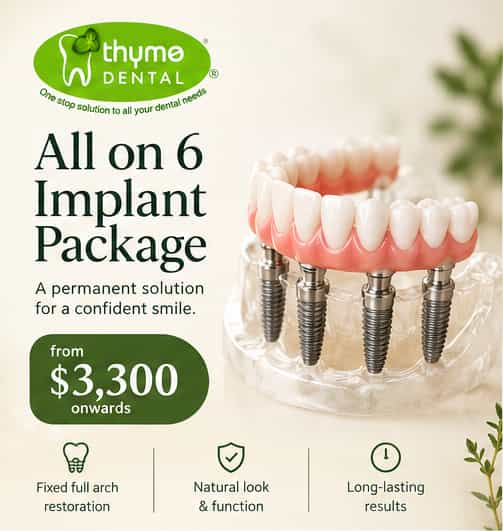
For patients seeking a fixed solution but possessing a larger jawbone structure, the All-on-6 procedure involves placing six implants per arch instead of four. This distributes the biting force more evenly and can provide enhanced stability, though it may require more bone density and increases the overall cost.
If budget constraints are a primary concern, an implant-supported overdenture is a viable middle ground. This involves placing two to four implants with specialized attachments (like locators or a bar). The denture snaps onto these attachments, providing much better stability than traditional resting dentures, but it remains removable and must be taken out for daily cleaning and overnight storage. Traditional removable dentures remain the most cost-effective, non-surgical alternative, though they do not prevent long-term bone loss in the jaw.
Why Choose PlacidWay for Medical Tourism in Delhi?
Navigating healthcare options across international borders requires access to clear, organized information. For patients exploring dental procedures abroad, PlacidWay serves as a comprehensive resource platform.
- Global Comparison: PlacidWay allows patients to compare healthcare providers and facilities across numerous international destinations, including Delhi.
- Educational Resources: The platform offers a wealth of articles and guides to help patients understand various medical and dental procedures.
- Pricing Transparency: Patients can view estimated costs for specific treatments, helping them create realistic budgets for their medical journey.
- Direct Connections: PlacidWay facilitates direct communication between patients and internationally focused medical centers for personalized consultations.
- Comprehensive Directory: The database includes detailed profiles of facilities, allowing users to review available technologies and professional focus areas before making decisions.
Frequently Asked Questions (FAQs)
How long do I need to stay in Delhi for the All-on-4 procedure?
Most international patients are advised to stay in Delhi for 7 to 14 days for the initial surgery. This allows time for pre-operative consultations, the surgical placement of the implants, the attachment of the temporary prosthesis, and follow-up checks before traveling home.
Does the estimated cost include tooth extractions?
The estimated base price for the procedure typically covers the implants and the prosthesis. However, complex extractions, bone grafting, and advanced diagnostic imaging are often billed separately. You should ask your provider for a comprehensive, itemized quote during your consultation.
What implant brands are commonly used in Delhi?
Many dental professionals in Delhi use internationally recognized brands such as Nobel Biocare, Straumann, Osstem, and Zimmer Biomet. The choice of brand can influence both the cost and the long-term maintenance of your implants.
Will I be without teeth during the healing phase?
Typically, you will not be left without teeth. Following the surgery, a temporary acrylic prosthesis is usually attached to the implants. This allows you to speak and smile while your jawbone heals, though you will need to follow a strict soft-food diet.
How painful is the All-on-4 dental implant procedure?
The procedure is performed under local anesthesia, conscious sedation, or sometimes general anesthesia, so you should not feel pain during the surgery. Post-operative discomfort, swelling, and bruising are common but can generally be managed with prescribed pain medications.
Is bone grafting required for All-on-4 implants?
One of the advantages of the All-on-4 technique is that it often minimizes the need for bone grafting by placing the posterior implants at an angle. However, patients with severe bone loss may still require minor grafting, which is determined after a 3D CBCT scan.
Can I eat normally immediately after the surgery?
No. You must adhere to a strict soft-food or liquid diet for several months after the procedure. Eating hard or chewy foods prematurely can disrupt the osseointegration process and cause the implants to fail.
How do I maintain my All-on-4 dental implants once I return home?
Maintaining your implants requires rigorous oral hygiene, including regular brushing, using a water flosser specifically designed for implants, and visiting a local dentist at least twice a year for professional cleanings and examinations.
Are there financing options for international patients in India?
While local financing and payment plans are common for residents, international patients typically need to pay upfront or use medical travel financing obtained in their home country. Some dental facilities may accept credit cards or wire transfers.
What happens if I experience complications after leaving Delhi?
If complications arise after you return home, you will need to consult a local dentist or prosthodontist immediately. It is crucial to have a transition-of-care plan and share your surgical records with a dentist in your home country before you travel.
Compare Treatment Options
Gather information and connect with healthcare facilities to make an informed decision regarding your dental care.
Request Treatment InformationReferences
- Implants - American Dental Association (MouthHealthy)
- Dentures and Implant-Supported Alternatives - American College of Prosthodontists
- Clinical Outcomes of the All-on-4 Concept for Full-Arch Rehabilitation - National Institutes of Health (PubMed)
- Medical Tourism Guidelines - Centers for Disease Control and Prevention (CDC)
- Oral Health Fact Sheet - World Health Organization (WHO)
- Dental Implant Surgery Risks and Process - Mayo Clinic
























Share this listing