


When a serious condition has changed your daily life, it is understandable to look beyond your home country for another option. India may offer lower healthcare costs and specialist access, but stem cell treatment can mean very different things from an established hematopoietic stem cell transplant to an experimental cell-based intervention. Before asking how much stem cell treatment costs in India, ask what cells are proposed, why they are appropriate for your diagnosis, and whether the treatment has the required regulatory and clinical oversight. Choose a hospital with a valid state or local health-facility licence, verify the doctor in the National Medical Commission’s Indian Medical Register, and look for National Accreditation Board for Hospitals & Healthcare Providers (NABH) accreditation where available. For a clinical trial, request the Central Drugs Standard Control Organization approval and ethics-committee details before paying a deposit.
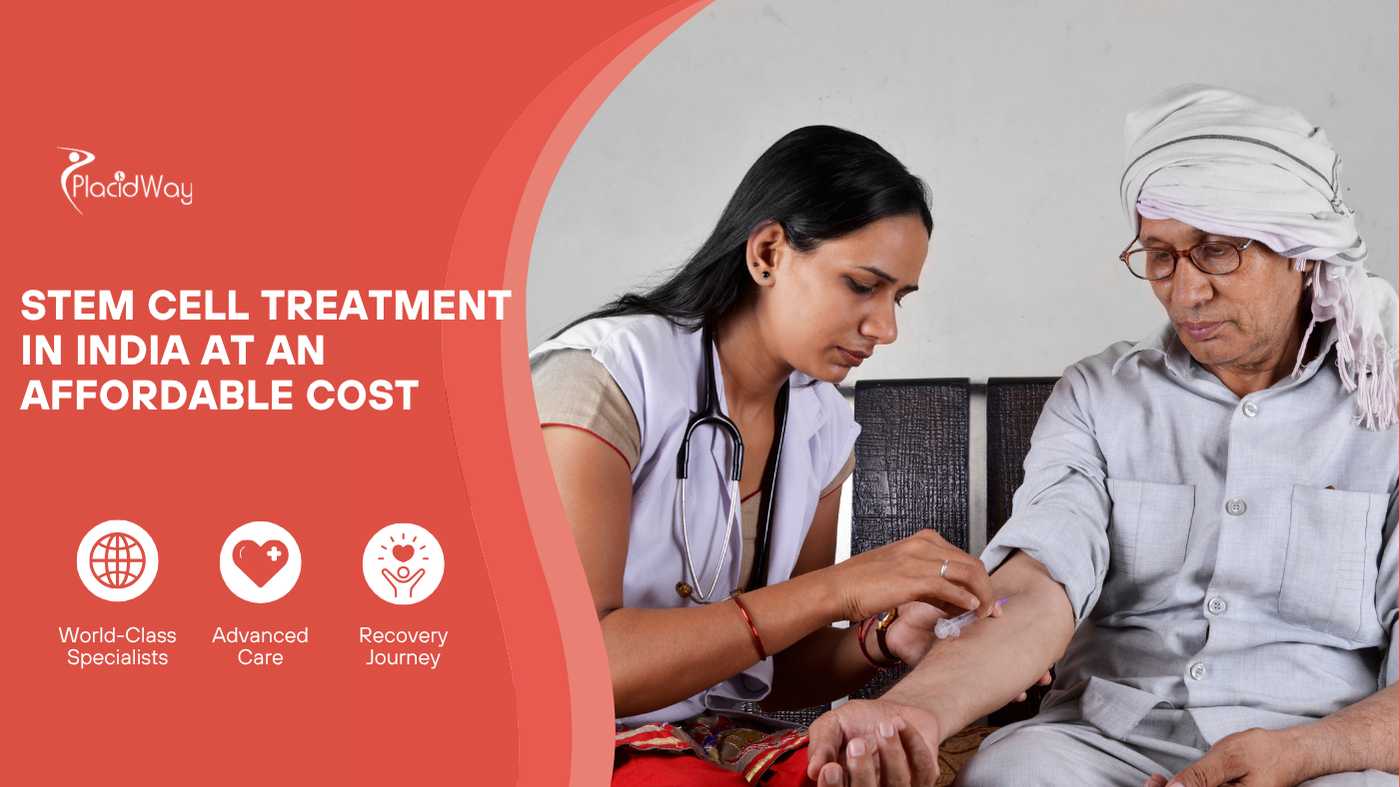
Quick Summary: Stem Cell Treatment in India
- Cost: India does not publish one national price for stem cell treatment. A verified written estimate is necessary because the cost differs greatly between hematopoietic stem cell transplantation, a regulated trial, and other cell-based procedures.
- Safety: Safety depends on the diagnosis, cell source, route of administration, sterility controls, clinical evidence, and the hospital’s ability to manage complications not on the country alone.
- Best-established use: Hematopoietic stem cell transplantation is used for selected blood cancers, bone-marrow failure disorders, and some inherited blood or immune conditions. Many other proposed uses remain investigational or lack sufficient evidence for routine care.
- Credentials to verify: Confirm the doctor’s registration in the Indian Medical Register, the hospital’s local licence, and NABH accreditation status where applicable.
- Clinical-trial check: If the treatment is experimental, ask for the CDSCO permission, ethics-committee approval, trial registration, informed-consent document, and adverse-event plan.
- Important caution: Do not accept promises that stem cells will cure autism, paralysis, Parkinson’s disease, arthritis, diabetes, multiple sclerosis, or another condition without diagnosis-specific evidence and regulatory documentation.
What Stem Cell Treatment in India Can Mean for You
Stem cells are cells that can self-renew and, under the right biological conditions, develop into more specialized cells. In clinical medicine, the term may refer to several very different approaches. Treating them as interchangeable can lead to poor decisions, especially when you are travelling internationally and paying privately.
Hematopoietic stem cell transplantation, often called HSCT or a bone-marrow transplant, uses blood-forming stem cells. It is an established part of care for selected hematologic cancers and certain severe blood, immune, or inherited disorders. It usually requires intensive pre-treatment, infection prevention, close laboratory monitoring, and prolonged follow-up.
| Term used by a provider | What it may involve | What you should confirm |
|---|---|---|
| Hematopoietic stem cell transplant | Blood-forming stem cells from you or a matched donor, usually within a specialist transplant programme. | Diagnosis, transplant type, donor plan, infection-control protocol, ICU access, expected inpatient stay, and long-term follow-up. |
| Mesenchymal stromal/stem cell intervention | Cells may be derived from bone marrow, adipose tissue, umbilical cord tissue, or another source. | Whether the use is standard care, approved product use, or research; cell source; processing; testing; dose rationale; and evidence for your condition. |
| “Stem cell therapy” package | A broad marketing term that may combine consultations, injections, infusions, rehabilitation, or laboratory services. | A precise medical diagnosis, named procedure, itemized quote, treating specialist, regulatory status, and documented complication plan. |
Important: A treatment being available for purchase does not by itself show that it is proven, suitable, or approved for your condition. Ask the specialist to explain what evidence supports the exact cell product and route proposed for you.
Why International Patients Consider Stem Cell Treatment in India
Patients commonly look at India after receiving a complex diagnosis, facing a high treatment bill at home, or seeking a second opinion from a specialist centre. People may travel from the United States, Canada, the United Kingdom, Gulf countries, Africa, and nearby South Asian countries. Their reasons vary, and none should replace a careful clinical assessment.
- Potentially lower hospital and professional fees than in some high-income countries.
- Access to large tertiary hospitals with transplant, oncology, hematology, neurology, orthopedic, or rehabilitation services.
- Availability of English-speaking clinicians and international-patient teams at many major hospitals.
- Family or cultural ties that make travel, accommodation, food, or caregiving easier.
- The wish to explore research options after standard treatment has not produced the hoped-for result.
- A desire for a consolidated treatment plan, provided it is clinically appropriate and documented.
Patient perspective: Lower cost can be meaningful, especially for a lengthy treatment journey. It should never be the only selection criterion. A lower quote that excludes infection care, emergency transfer, donor work-up, laboratory testing, or follow-up can become more expensive and less safe than a transparent quote from a better-prepared programme.
Stem Cell Treatment in India Patient Demographics and Data Limits
There is no verified, publicly available 2025 or 2026 nationwide dataset showing how many international patients received each type of stem cell treatment in India, broken down by age, sex, diagnosis, or country of residence. It would be unsafe to create a demographic percentage chart without that evidence.
In practice, the patient profile depends on the treatment category. HSCT programmes may treat children and adults with selected hematologic conditions. Investigational cell-based interventions may attract adults with chronic neurologic, orthopedic, autoimmune, or degenerative conditions, but interest in a treatment does not establish its effectiveness.
India stem cell treatment demographic data availability
Age groups
Not published nationally
Sex distribution
Not published nationally
Origin countries
Not published nationally
Procedure volumes
Not published nationally
This transparency graphic is not an outcome or utilization statistic. It reflects the absence of a verified public nationwide demographic series in the official sources reviewed for this guide.
Stem Cell Treatment in India Cost: What a Real Quote Should Show
A single stem cell treatment cost in India is not medically meaningful. The price changes according to your diagnosis, the cell type, whether cells come from you or a donor, laboratory processing, route of administration, hospital stay, specialist care, and whether the treatment is standard care or research.
A reliable national, current price schedule covering all forms of stem cell treatment in India is not available. For that reason, do not rely on a generic online price range as a decision tool. Request a written, patient-specific estimate after the treating team reviews your records.
| Cost item | Why it may vary | Ask for this in writing |
|---|---|---|
| Specialist evaluation and testing | Your imaging, laboratory tests, pathology review, donor testing, and medical complexity. | Which tests are included, which may be repeated, and which are paid separately. |
| Cell collection, sourcing, or processing | Autologous versus donor cells, laboratory method, quality testing, storage, and transport. | Cell source, chain of custody, release testing, processing location, and whether a product is investigational. |
| Procedure and hospital care | Outpatient versus inpatient care, infusion or transplantation, monitoring intensity, and complications. | Professional fees, bed category, medicines, blood products, ICU charges, and emergency care. |
| Travel and recovery expenses | Length of stay, companion needs, infection precautions, mobility support, and follow-up requirements. | Accommodation, airport transfers, interpretation, telehealth follow-up, and return-flight fitness requirements. |
| Research participation costs | A trial may pay some costs, while others may remain your responsibility. | A signed schedule of costs, reimbursements, injury-management arrangements, and withdrawal rights. |
Cost comparison caution: Comparing India with the United States, Canada, the United Kingdom, or Gulf countries only makes sense when the clinical service is the same. Compare the transplant type or cell product, hospital setting, complication cover, length of stay, testing, and follow-up not a headline number.
How Stem Cell Treatment in India Is Regulated
India’s stem cell environment involves several bodies rather than one universal approval label. The Indian Council of Medical Research publishes national guidance and evidence-based status documents. The Central Drugs Standard Control Organization regulates medicines, clinical trials, and cell- and gene-therapy product pathways under applicable rules.
For an intervention offered as research, the provider should be able to explain the trial pathway, ethics oversight, consent process, safety monitoring, and regulatory status. A responsible discussion should distinguish research participation from established clinical care.
| Body or system | Why it matters for patients | What to request |
|---|---|---|
| Indian Council of Medical Research | Publishes stem cell research guidance and evidence-based status documents for several conditions. | A condition-specific explanation of whether the proposal is routine care, evidence-supported, or investigational. |
| Central Drugs Standard Control Organization | Oversees relevant drug, clinical trial, and cell-based product regulatory pathways. | Applicable permission or trial documentation, not simply a marketing statement. |
| National Medical Commission | Maintains the Indian Medical Register for doctor registration verification. | Doctor’s full name, registration number, qualifications, and specialty role in your care. |
| NABH | India’s national healthcare accreditation system sets quality and patient-safety standards for accredited facilities. | Current accreditation status and the hospital name exactly as shown in the official directory. |
Choosing a Hospital for Stem Cell Treatment in India
The right facility depends on the procedure’s intensity. A patient considering HSCT generally needs a hospital with a dedicated transplant service, blood-bank support, infection-control systems, critical-care backup, and experience handling transplant-related complications. A clinic offering an outpatient injection should still explain emergency escalation and hospital-transfer arrangements.
NABH accreditation is a useful national quality signal, but it does not prove that every procedure is appropriate for every diagnosis. International accreditation such as Joint Commission International may be relevant at some hospitals, but it is not a substitute for Indian licensing, specialist expertise, or diagnosis-specific evidence.
- Ask for the hospital’s licence details and the name of the authority that issued it.
- Check whether the facility appears in the official NABH accredited healthcare organization directory.
- Ask whether the programme performs your exact procedure and how it manages infection, bleeding, allergic reactions, organ complications, or intensive-care needs.
- Request a written pathway covering admission, monitoring, discharge, emergency contact, and post-return follow-up.
- Confirm whether your procedure occurs in the named hospital, a separate laboratory, or an outpatient facility.
How to Verify a Stem Cell Specialist in India
A doctor’s title alone does not tell you whether they are qualified to manage your condition or the proposed cell-based procedure. For HSCT, the treatment team may include hematologists, medical oncologists, transplant physicians, infectious-disease specialists, pathologists, anesthesiologists, and critical-care clinicians. The appropriate specialty for another condition may differ.
Ask for the lead physician’s full name, National Medical Commission or state medical council registration number, recognized qualifications, and their specific role. Verify registration independently through the Indian Medical Register instead of relying only on a profile page.
Questions that build confidence
- What is your specialty and registration number?
- How often do you treat this exact diagnosis?
- Who handles complications after hours?
- What follow-up can you provide after I return home?
Answers that require caution
- “The treatment works for almost every disease.”
- “You do not need a specialist review.”
- “There are no meaningful risks.”
- “Pay first; documents will follow later.”
Stem Cell Treatment in India Risks, Contraindications, and Warning Signs
Risks are not the same for every stem cell procedure. HSCT can involve serious complications, including infections, bleeding, organ toxicity, graft failure, and graft-versus-host disease after certain donor transplants. The risk profile depends on the disease, transplant type, conditioning treatment, donor relationship, age, organ function, and immune status.
For other cell-based interventions, risks can include infection, contamination, immune reactions, pain, unwanted tissue effects, blood clots, procedural complications, and delayed diagnosis when unproven therapy replaces effective standard care. Your treating physician should explain known and uncertain risks before you consent.
| Potential concern | Why it matters | What to do |
|---|---|---|
| Fever, chills, breathing difficulty, chest pain, confusion, or fainting | These can signal infection, allergic reaction, clotting, bleeding, or another serious complication. | Seek urgent medical attention immediately; do not wait for a routine clinic reply. |
| No written diagnosis-specific rationale | You cannot judge whether the proposed treatment fits your medical situation. | Pause the decision and obtain an independent specialist opinion. |
| Pressure to stop standard treatment | Delaying proven care can worsen some conditions. | Discuss the proposal with your current treating specialist before changing care. |
| No emergency or follow-up plan | Complications can occur after discharge or after you return home. | Choose a provider that gives a named emergency contact and structured follow-up plan. |
Recovery After Stem Cell Treatment in India
Recovery timing depends completely on the treatment type. An outpatient procedure may involve a short observation period, while HSCT can involve weeks of hospital care and months of medical monitoring. Do not book a return flight based on a generic recovery promise.
| Timeframe | Biological or clinical process | Patient sensation | Activity level | Action required |
|---|---|---|---|---|
| Before treatment | Clinical eligibility, testing, consent, and treatment planning. | Anxiety, fatigue, or symptoms from the underlying illness. | Follow your treating team’s advice. | Send complete records and disclose medicines, allergies, infections, and prior treatment. |
| Immediately after treatment | Observation for treatment-specific reactions or complications. | Varies widely by procedure and individual condition. | Usually restricted until medically cleared. | Know the emergency warning signs and after-hours contact route. |
| Days to weeks | Monitoring, rehabilitation, medication review, or transplant-related blood-count recovery. | Energy and symptoms may fluctuate. | Tailored to your medical status. | Attend scheduled reviews and delay travel if your physician advises it. |
| After returning home | Ongoing outcome monitoring and complication surveillance. | Your local care team may need procedure records. | Gradual return depends on clearance. | Carry discharge notes, test results, treatment summary, and emergency contacts. |
Planning Travel for Stem Cell Treatment in India
Travel planning should begin only after a specialist confirms that travel is medically reasonable. If you are immunocompromised, undergoing cancer care, recently hospitalized, or being considered for transplantation, your doctor may recommend additional precautions or delay travel.
India offers e-Medical and regular medical visa pathways depending on nationality and circumstances. Visa requirements can change, so use the official Government of India portal rather than an agent’s summary. A companion may need an appropriate attendant visa category.
- Request a written treatment plan before booking non-refundable flights.
- Ask how long you must remain near the hospital after the procedure.
- Arrange travel insurance that specifically addresses pre-existing conditions and medical evacuation limits.
- Bring your medical records in English, including imaging, pathology, laboratory results, medication list, and allergy details.
- Confirm accommodation standards, food-safety needs, local transport, interpreter support, and emergency access.
- Ask your home clinician whether they can provide follow-up after your return.
Questions to Ask Before Paying for Stem Cell Treatment in India
A reputable provider should welcome detailed questions and give you time to decide. If answers are vague, documents are withheld, or you are pressured to pay quickly, obtain another opinion.
- What is my exact diagnosis, and what treatment is normally recommended for it?
- Is this stem cell intervention established care, an approved product use, or a clinical trial?
- What cell type, source, processing method, and route of administration are proposed?
- What published evidence applies specifically to my diagnosis and stage of disease?
- Which doctor is responsible for my care, and what is their registration number and specialty?
- What licences, NABH status, CDSCO permissions, ethics approvals, or trial records apply?
- What complications have been discussed, and how would the hospital manage them?
- What does the itemized USD quote include and exclude?
- What happens if treatment is postponed, cancelled, or clinically unsuitable after evaluation?
- What written medical summary and follow-up plan will I receive before returning home?
Frequently Asked Questions About Stem Cell Treatment in India
How much does stem cell treatment cost in India?
There is no reliable single price because “stem cell treatment” includes very different services. Your cost may depend on the diagnosis, cell source, laboratory work, hospital stay, specialist fees, complications cover, and follow-up. Request a detailed written quote after medical-record review.
Is stem cell treatment in India safe for international patients?
Safety depends on the exact treatment and provider. Verify the hospital’s licence, doctor registration, accreditation status, diagnosis-specific evidence, emergency plan, and follow-up arrangements. A lower cost or international-patient department alone does not prove that a treatment is safe or appropriate.
Which stem cell treatments are established in India?
Hematopoietic stem cell transplantation is an established treatment for selected blood cancers, marrow-failure disorders, inherited blood diseases, and certain immune conditions. Other cell-based interventions need separate evidence review. Ask whether the proposed use is standard care, approved use, or research.
Can stem cell therapy in India cure autism, arthritis, Parkinson’s disease, or paralysis?
You should be cautious with cure claims. Evidence and regulatory status vary by condition, and many proposed uses remain investigational or are not established routine care. Ask for diagnosis-specific evidence, regulatory documentation, expected limitations, alternatives, and an independent specialist opinion before proceeding.
How can I check a stem cell doctor’s credentials in India?
Request the doctor’s complete name, National Medical Commission or state medical council registration number, qualifications, specialty, and role in your treatment. Then verify the registration through the Indian Medical Register. Also ask about experience with your exact diagnosis and procedure.
Should I choose an NABH-accredited hospital for stem cell treatment in India?
NABH accreditation is a useful quality and patient-safety indicator for hospitals listed in its official directory. It should be one part of your review. You should also check local licensing, the specialist team, procedure-specific capability, and the evidence supporting treatment for your diagnosis.
What documents should a clinical trial in India provide?
Ask for the protocol summary, trial registration, CDSCO regulatory details where applicable, ethics-committee approval, informed-consent form, eligibility criteria, expected costs, possible benefits and risks, injury-management information, and contact details for urgent concerns.
How long should I stay in India after stem cell treatment?
The answer ranges from short observation after a low-intensity outpatient procedure to weeks or longer for transplantation and complex care. Your treating specialist should provide a written travel-clearance timeframe based on your diagnosis, procedure, response, and risk of delayed complications.
What should be included in a stem cell treatment quote in India?
The quote should separate consultation, testing, cell collection or processing, procedure fees, hospital stay, medicines, blood products, ICU costs, rehabilitation, accommodation, transfers, follow-up, and possible additional charges. Ask what happens financially if treatment cannot proceed after your evaluation.
Can I travel to India for stem cell treatment with a companion?
Many patients travel with a companion, especially when treatment involves hospitalization, mobility limitations, or complex follow-up. Visa eligibility and requirements depend on nationality and current government rules. Confirm the appropriate visa category only through the official Indian visa portal.
Compare Stem Cell Treatment in India With Clearer Questions
Before you make a decision, PlacidWay can help you compare provider information, understand what may be included in treatment costs, prepare questions about credentials and safety, review available treatment options, and request information from clinics. The final medical decision should always follow a qualified clinician’s assessment of your individual condition.
Disclaimer
This information is for educational purposes only and does not replace professional medical advice. Always consult a qualified healthcare provider before making medical decisions.
References
- Stem Cell Research Guidelines and Evidence-Based Status Documents – Indian Council of Medical Research
- Stem Cells and Cell-Based Products Regulatory Information – Central Drugs Standard Control Organization
- New Drugs and Clinical Trials Rules, 2019 – Central Drugs Standard Control Organization
- Indian Medical Register – National Medical Commission
- Find an Accredited Healthcare Organisation – National Accreditation Board for Hospitals & Healthcare Providers
- Guidelines for Stem Cell Research and Clinical Translation – International Society for Stem Cell Research
- India Visa Categories – Bureau of Immigration, Government of India
-(2).png)







.png)


.png)




-(4).png)










Share this listing