

Living with severe joint pain can stop you from enjoying daily activities, making a total knee replacement in Puerto Vallarta, Mexico an appealing option for restoring your mobility. By traveling across the border, you can potentially save thousands of dollars without sacrificing quality, provided you know exactly which national certifications like COFEPRIS and CSG to look for. This guide will help you evaluate board-certified orthopedic surgeons, understand the biological recovery process, and make a confident, well-informed decision about your healthcare journey.
- Estimated Cost: Typically ranges from $7,500 to $12,500 USD, covering the surgery, prosthesis, and immediate hospital stay.
- Ideal Candidate: Individuals suffering from end-stage osteoarthritis or severe joint damage who do not have complex active infections or severe cardiac contraindications.
- Required Certifications: Always verify that the hospital holds a current COFEPRIS license and that the surgeon is certified by the Mexican Board of Orthopedics and Traumatology (CMOT).
- Safety Overview: Generally safe when performed in CSG-accredited (Consejo de Salubridad General) facilities by board-certified joint replacement specialists.
- Recovery Time: Most patients begin walking with support within 24 hours, fly home within 7 to 10 days, and reach full daily activity recovery within 3 to 6 months.
- Why Patients Choose Puerto Vallarta: A combination of highly trained English-speaking specialists, cost accessibility, and a calm coastal environment conducive to relaxed post-operative healing.
- Important Caution: Flying too soon after major orthopedic surgery increases the risk of deep vein thrombosis (DVT). Follow your surgeon's exact clearance timeline for air travel.
Understanding the Clinical Process of Knee Arthroplasty in Mexico
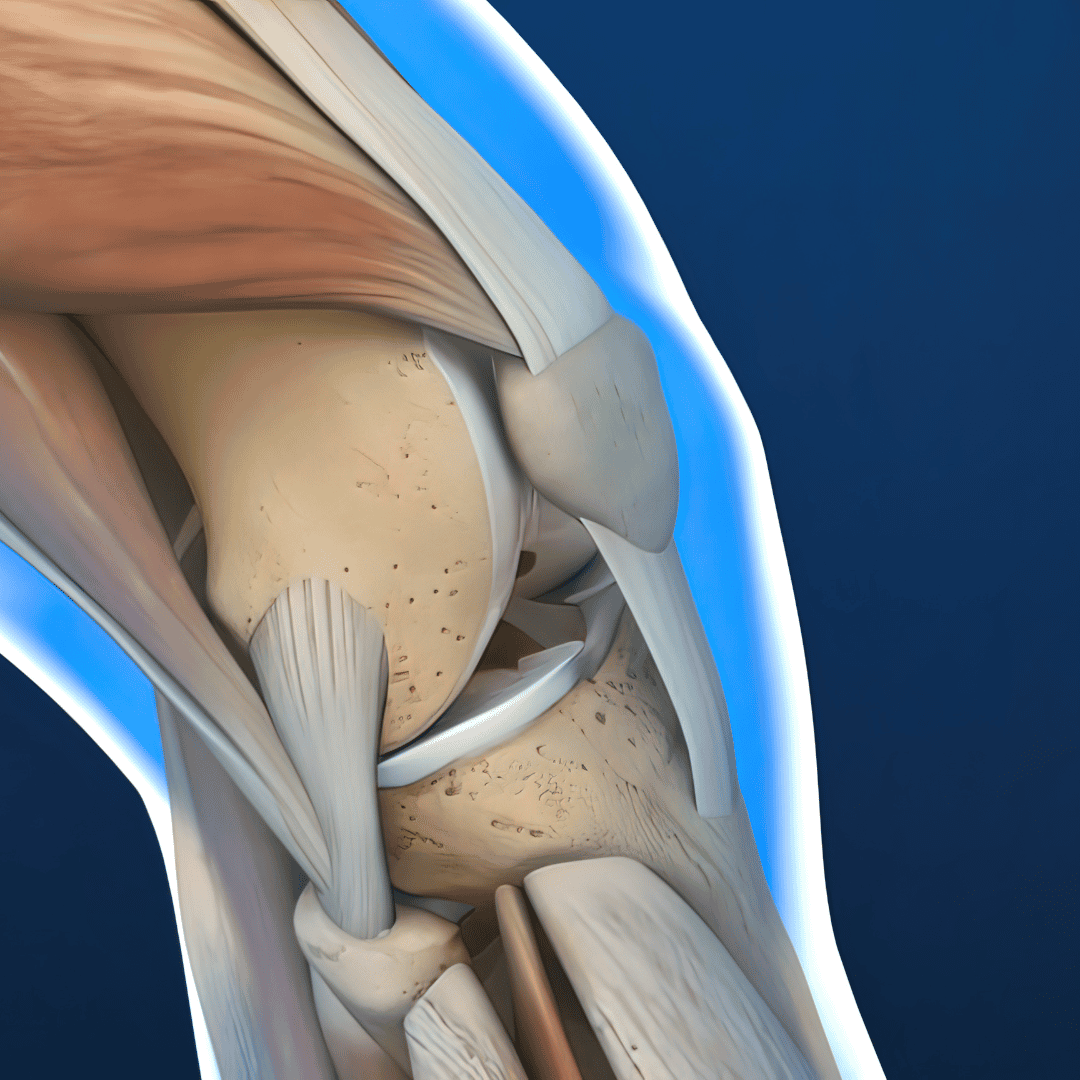
A knee arthroplasty involves removing damaged cartilage and bone from your joint and replacing it with artificial components. When considering this treatment abroad, it is important to understand the clinical mechanics of the procedure. Orthopedic surgeons use specialized instruments to precisely shape the end of your femur and tibia to fit the prosthesis.
The artificial joint typically consists of metal alloys and high-grade medical plastics designed to mimic natural knee movement. Your surgeon may recommend either a total or partial replacement depending on the extent of your joint degradation. Thorough medical evaluations are required before any surgical intervention.
By understanding the anatomical changes occurring during surgery, you can better prepare for the physical therapy required afterward. Clear communication with your chosen orthopedic team in Puerto Vallarta is essential for establishing realistic mobility expectations.
Ask your prospective surgeon which type of prosthesis bearing surface (e.g., highly cross-linked polyethylene) they use. The specific materials can impact long-term wear rates depending on your age and activity level.
Patient Demographics and Orthopedic Travel Trends to Puerto Vallarta
In recent years, the demographic profile of patients traveling across borders for orthopedic care has shifted. Based on 2024 healthcare travel analyses and orthopedic registry data, a significant portion of patients seeking joint procedures abroad fall within the 55 to 74 age bracket. These individuals often seek timely intervention to maintain an active lifestyle.
Many patients originate from the United States and Canada, driven by a desire to bypass long waitlists or high out-of-pocket deductibles. The data below visualizes the recent age distribution of outbound medical travelers seeking major joint replacements.
*Data reflects aggregate 2024 demographic trends published in international joint registry summaries for outbound medical travel.
Clinical Reasons Patients Seek Joint Care in Puerto Vallarta
Patients choose to undergo major joint surgery abroad for several intersecting reasons. Beyond the financial accessibility, many seek direct access to specific prosthetic technologies or surgical techniques that might have long waiting periods in their home countries. The Mexican healthcare system allows private hospitals to adopt modern orthopedic technologies rapidly.
Additionally, the structure of medical care in this region often includes extended hospital stays compared to standard outpatient models utilized elsewhere. This allows for supervised early-stage physical therapy, which is critical for preventing joint stiffness. The presence of comprehensive care teams simplifies the immediate post-operative phase.
However, traveling for surgery requires careful logistical planning. You must balance the clinical benefits of specialized care with the physical demands of traveling back home after a major procedure.
Types of Knee Prosthesis Procedures Available in Mexico
Orthopedic specialists in Puerto Vallarta perform several distinct types of joint replacement procedures depending on your specific anatomical needs. A Total Knee Replacement (TKR) is the most common, involving the resurfacing of the entire joint. This is typically recommended for patients with widespread severe osteoarthritis.
Alternatively, a Unicompartmental (Partial) Knee Replacement targets only the damaged section of the joint, usually the medial compartment. This approach preserves more natural bone and ligaments, potentially offering a more natural feeling knee post-surgery. However, it is only suitable if the disease is strictly isolated.
Your orthopedic surgeon will determine the safest approach by evaluating weight-bearing X-rays or MRI scans. Understanding these variations helps you have a more informed discussion during your initial consultation.
| Procedure Type | Clinical Overview | General Pros | General Cons |
|---|---|---|---|
| Total Knee Replacement (TKR) | Replaces all three compartments of the knee joint. | Highly predictable pain relief; addresses widespread arthritis. | Longer recovery; slightly more complex surgical trauma. |
| Partial Knee Replacement | Replaces only the damaged compartment (medial or lateral). | Preserves ACL/PCL; faster biological healing; smaller incision. | Not suitable for widespread arthritis; remaining bone can develop arthritis later. |
| Bilateral Knee Replacement | Both knees replaced during a single anesthetic event. | Single hospital stay and overall rehabilitation period. | Higher cardiovascular stress; demanding early mobility phase. |
Analyzing Knee Surgery Costs in Puerto Vallarta Compared to North America
Cost is frequently a primary driver for patients exploring healthcare options outside their home country. In the United States and Canada, the financial burden of joint surgery can be substantial, especially for those relying on self-pay or navigating high-deductible insurance plans. The total financial output includes the surgeon's fee, operating room time, the implant itself, and anesthesia.
In Puerto Vallarta, the economic structure of the healthcare system allows facilities to offer these comprehensive medical services at a lower price point without necessarily compromising clinical standards. This price difference is rooted in lower administrative overhead and differences in regional economic pricing, not a reduction in medical material quality.
It is crucial to request a fully transparent, itemized quote. Standardized quotes help you verify exactly which medical services, hospital days, and physical therapy sessions are included before you travel.
| Country / Region | Estimated Low Range (USD) | Estimated High Range (USD) | Typical Inclusions |
|---|---|---|---|
| United States | $30,000 | $50,000+ | Outpatient surgery, standard implant, basic follow-up. |
| Canada (Private Option) | $20,000 | $28,000 | Surgery, limited hospital stay, regional anesthesia. |
| Puerto Vallarta, Mexico | $7,500 | $12,500 | Surgery, premium implant, 2-3 day hospital stay, initial PT. |
Itemized Financial Breakdown for Joint Care and Travel in Mexico
To accurately budget for your healthcare journey, you must look beyond the base surgical fee. An all-inclusive medical package often covers the core clinical requirements, but ancillary costs can accumulate. Flights, specialized medical visas if required, and accommodations for your required post-operative stay all factor into the total.
Furthermore, you should account for pre-operative diagnostics that may need to be repeated locally, as well as post-operative medications prescribed upon discharge. Hidden costs often arise from extending hotel stays or needing specialized transport back to the airport.
Reviewing an itemized breakdown helps identify what is covered by your chosen clinic and what remains your direct financial responsibility.
| Expense Category | Estimated Cost Range (USD) | Description |
|---|---|---|
| Medical Procedure (TKR) | $7,500 - $12,500 | Surgeon, anesthesiologist, operating room, standard prosthesis. |
| Pre-Op Diagnostics | $200 - $400 | X-rays, EKG, blood panels (if not included in package). |
| Post-Op Medications | $100 - $250 | Antibiotics, pain management, blood thinners to take home. |
| Travel & Accommodation | $1,000 - $2,500 | Round-trip flights and accessible hotel stay for 10-14 days. |
Vetting Orthopedic Clinics and Hospital Facilities in Puerto Vallarta
Selecting the right facility is arguably the most critical step in your medical journey. In Mexico, medical facilities are regulated by government bodies. You must ensure that the hospital or clinic holds a valid license from COFEPRIS (Federal Commission for the Protection against Sanitary Risk), which dictates strict sanitary and operational standards.
Additionally, look for facilities accredited by the Consejo de Salubridad General (CSG). The CSG is the national accreditation body in Mexico, roughly equivalent to standard hospital accreditations in North America, signaling rigorous adherence to patient safety protocols. International accreditations like JCI are positive indicators but are not strictly necessary if national accreditations are firmly in place.
Verify that the facility has an on-site Intensive Care Unit (ICU) and a comprehensive sterilization department. These infrastructural elements are vital for managing any unexpected surgical complications.
Never commit to a surgery based solely on resort-like marketing photos. Always request the facility's official COFEPRIS registration number and verify their protocol for handling emergency medical transfers or intensive care needs.
Selecting a Board-Certified Joint Specialist in Mexico
The success of your knee arthroplasty relies heavily on the technical skill of your orthopedic surgeon. Just as in the US or Canada, physicians in Mexico undergo extensive specialty training. You should look for surgeons who are registered with the national medical council and specifically board-certified by the Mexican Board of Orthopedics and Traumatology (Consejo Mexicano de Ortopedia y Traumatología - CMOT).
Beyond certifications, inquire about the surgeon's specific case volume. A surgeon who performs hundreds of joint replacements annually will generally have more refined techniques and lower complication rates. Experience directly influences precise implant alignment and optimal soft tissue balancing.
During your initial virtual consultation, ask about their revision policy and standard follow-up schedule. A qualified specialist will be transparent about their surgical outcomes and detailed in their explanation of the biological risks.
- Confirm active certification with CMOT.
- Verify the surgeon's medical license (Cédula Profesional) via the national registry.
- Ask for annual surgical volume specifically for total knee replacements.
- Inquire about the specific implant brands utilized (e.g., Zimmer Biomet, Stryker, Smith & Nephew).
- Ensure they have admitting privileges at a CSG-accredited hospital.
Pre-Operative Planning and the Patient Healthcare Timeline
Preparation for joint surgery begins weeks before you board a plane. Your local primary care physician will likely need to perform preoperative medical clearances to ensure your heart and lungs can withstand anesthesia. This data must be securely transferred to your surgical team in Puerto Vallarta.
You may also be advised to begin pre-habilitation—a series of targeted exercises to strengthen the muscles around your knee. Strengthening your quadriceps beforehand can significantly improve your early mobility post-surgery. Additionally, medication management is crucial; blood thinners or certain anti-inflammatory drugs typically must be halted prior to the procedure.
Mapping out this timeline reduces pre-travel anxiety and ensures all medical data is accurately reviewed by your international team prior to your arrival.
Navigating Medical Travel and Health Visa Requirements for Mexico
Traveling to Mexico for healthcare requires logistical awareness. Most citizens of the United States, Canada, and the UK do not require a specialized medical visa for short stays; a standard tourist entry permit provided at customs is typically sufficient. However, it is vital that your passport remains valid for at least six months beyond your planned return date.
When packing, consider the physical limitations you will experience upon return. Bring loose-fitting clothing that can easily accommodate a swollen knee and surgical dressings. Slip-on shoes with sturdy soles are essential, as bending down to tie laces will be prohibited immediately after surgery.
You must also plan your airport navigation. Pre-arrange wheelchair assistance through your airline for both your departure and, more importantly, your return flight, as long walks through terminals will not be possible.
Biological Recovery and Post-Operative Healing Timeline
The recovery phase following a knee arthroplasty is physically demanding and biologically complex. Immediately after the procedure, your body enters an acute inflammatory phase. Swelling, warmth, and localized pain are natural biological responses as tissues begin to heal and the bone integrates with the new prosthesis.
Physical therapy usually begins within 24 hours. Early mobilization is not just about restoring movement; it is a critical clinical step to prevent blood clots and reduce scar tissue formation. You will use a walker or crutches for the first few weeks, gradually transitioning to a cane as your quadriceps regain functional control.
Strict adherence to your prescribed physical therapy protocol is mandatory. Patients who commit to daily stretching and strengthening exercises typically achieve a far greater range of motion.
| Timeframe | Biological Process | Patient Sensation | Activity Level | Action Required |
|---|---|---|---|---|
| Days 1-3 | Acute inflammation, initial tissue sealing. | Significant surgical pain, stiffness, numbness from anesthesia. | Standing, assisted steps to bathroom. | Manage pain medication, use compression devices. |
| Weeks 2-6 | Soft tissue remodeling, bone integration begins. | Decreasing resting pain; tight sensation during bending. | Walking with walker/cane, light daily tasks. | Aggressive daily physical therapy, scar massage. |
| Months 3-6 | Maturation of scar tissue, stabilization of implant. | Occasional swelling after heavy activity; mostly pain-free. | Independent walking, driving, low-impact exercise. | Continue strengthening exercises, rebuild endurance. |
Surgical Risks and Complication Prevention Protocols in Puerto Vallarta
No surgical procedure is without risk, and orthopedic surgeries carry specific clinical vulnerabilities. The most severe complications include Deep Vein Thrombosis (DVT), pulmonary embolism, and periprosthetic joint infection. Due to the addition of air travel, medical tourists face a slightly elevated risk of DVT if proper precautions are not followed.
To mitigate these risks, reputable clinics in Puerto Vallarta enforce strict prophylaxis protocols, including the administration of blood thinners and the mandatory use of mechanical compression stockings. Infection prevention relies on the hospital’s adherence to rigorous sterilization standards and the administration of prophylactic IV antibiotics immediately prior to incision.
It is vital to monitor your incision site closely once you return home. Understanding the clinical signs of complications allows you to seek immediate local medical intervention if necessary.
Do not rush your flight home. Sitting in a cramped airplane seat for hours shortly after knee surgery can dangerously restrict blood flow. Always wait for your surgeon's explicit clinical clearance before flying.
Long-Term Prosthesis Survival and Joint Functionality
A common concern among patients is how long the artificial joint will last. Modern prosthetic materials, such as highly cross-linked polyethylene and titanium alloys, demonstrate excellent durability. According to 2024 updates from international joint registries, the vast majority of primary total knee replacements continue to function well over a decade after implantation.
Implant survival is influenced by several factors, including surgical alignment accuracy, the patient’s body mass index (BMI), and post-operative activity levels. High-impact sports or heavy manual labor can accelerate wear on the prosthetic bearing surfaces, potentially leading to aseptic loosening over time.
The graph below illustrates the documented cumulative survival rates of standard total knee arthroplasties over a 15-year horizon based on recent 2024 clinical data reviews.
*Data reflects aggregate 2024 cumulative implant survival estimates for primary total knee replacements.
Pre-Flight Preparation Checklist for Orthopedic Patients
Proper preparation minimizes stress and physical discomfort during your travel. Because your mobility will be temporarily limited, setting up your home environment prior to flying to Puerto Vallarta is a practical necessity. Ensure tripping hazards like loose rugs are removed and that everyday items are placed at waist level.
Coordinate with a travel companion if possible. Having an advocate to handle heavy luggage, communicate with hospital staff, and assist with airport transfers provides significant peace of mind. Ensure your companion is aware of your medication schedule and emergency contact numbers.
Finally, confirm all documentation is organized in an easily accessible folder, including your surgeon’s fit-to-fly certificate, operative report, and imaging files on a USB drive.
Frequently Asked Questions About Knee Replacement in Puerto Vallarta
Addressing common patient concerns helps clarify the realities of receiving orthopedic care abroad. The answers provided below offer clinical context and practical guidance for your healthcare planning.
Is it safe to have a knee replacement in Puerto Vallarta, Mexico?
When performed by a CMOT board-certified orthopedic surgeon in a CSG-accredited or COFEPRIS-licensed facility, the procedure can be performed with safety standards comparable to North American hospitals. However, patient compliance with recovery protocols is required.
How long do I need to stay in Mexico after surgery?
Surgeons typically require patients to remain in Puerto Vallarta for 10 to 14 days post-surgery. This allows the medical team to monitor incision healing, remove sutures, manage initial physical therapy, and clear you for safe air travel.
What implants are used by orthopedic surgeons in Mexico?
Top-tier facilities generally use internationally recognized, FDA-approved prosthesis brands such as Zimmer Biomet, Stryker, and DePuy Synthes. You can request the exact brand and model from your surgeon during consultation.
Will language be a barrier during my hospital stay?
Reputable medical tourism hospitals in Puerto Vallarta employ bilingual staff. Surgeons and lead coordinators typically speak fluent English, ensuring you fully understand medical instructions and consent forms.
What happens if I develop a complication after returning home?
Before traveling, establish a relationship with a local primary care physician or physical therapist who is aware of your surgery. Ask your clinic in Mexico for all medical records and a clear complication management protocol.
Can I undergo bilateral knee replacement during one trip?
Depending on your cardiovascular health and age, bilateral surgery may be an option. It involves replacing both knees simultaneously, which demands a more intense early recovery but shortens the overall rehabilitation timeline.
How soon can I walk after joint replacement surgery?
Most patients are encouraged to stand and take assisted steps with a walker within 12 to 24 hours post-operation. Early mobilization is a key clinical strategy to prevent blood clots and joint stiffness.
Do I need medical travel insurance?
Purchasing specialized medical complications insurance is highly recommended. Standard travel insurance often excludes planned medical procedures, so a specific policy provides financial protection against unforeseen extended stays or emergency care.
How do I transport my medical records back home?
Your hospital should provide physical copies of your operative report, discharge summary, and digital files (CD or USB) of your post-operative X-rays. Always keep these in your carry-on luggage when flying.
Will metal detectors at the airport pick up my new knee?
Yes, modern implants contain metal alloys that typically trigger airport security scanners. Inform the security agent before screening; you may be asked to step into the advanced imaging scanner or receive a manual pat-down.
Request Expert Assistance from PlacidWay
Navigating cross-border healthcare requires careful planning. PlacidWay can help you compare certified providers in Puerto Vallarta, review detailed treatment quotes, and connect directly with board-certified orthopedic specialists.
Request Free InformationDisclaimer: This information is for educational purposes only and does not replace professional medical advice. Always consult a qualified healthcare provider before making medical decisions.
References
- 2024 Annual Report on Joint Replacement Demographics and Implant Survival – American Joint Replacement Registry (AJRR)
- Orthopedic Guidelines for Total Knee Arthroplasty – American Academy of Orthopaedic Surgeons (AAOS)
- Medical Tourism Travel Health Guidelines – Centers for Disease Control and Prevention (CDC)
- Federal Commission for the Protection against Sanitary Risk (COFEPRIS) – Government of Mexico
- Certification Standards for Orthopedic Specialists – Mexican Board of Orthopedics and Traumatology (CMOT)
- Complication Prevention and DVT Prophylaxis in Orthopedic Surgery – National Institutes of Health (NIH)
























Share this listing