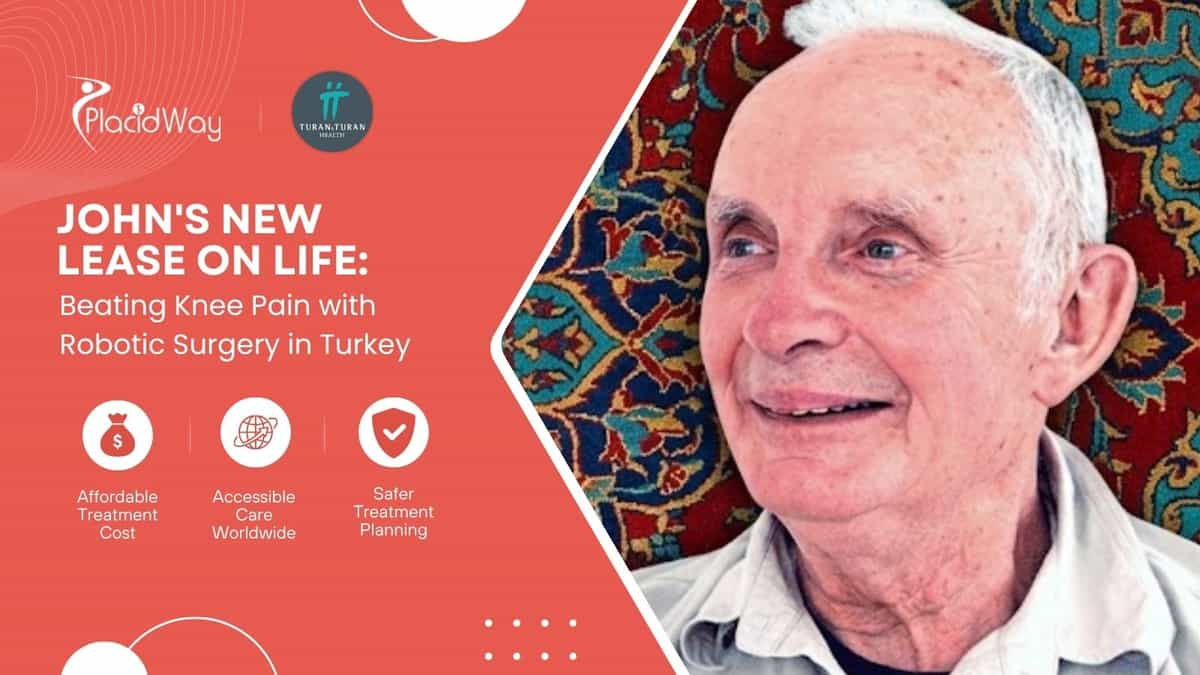
John was a 77-year-old retired engineer from England who had spent his career solving complex problems. Yet, when persistent knee pain began wearing away his independence, he faced a challenge he couldn't solve alone. Facing long UK waiting times and high private treatment costs, John decided to explore advanced orthopedic care abroad. This is his story of regaining mobility through Robotic Knee Surgery in Istanbul, Turkey.
Quick Overview: Patient Case & Treatment Summary
Key Details
Patient & Treatment Profile
Patient Profile
John, 77 years old, Retired Engineer (England, UK)
Turan Turan Health Group (Istanbul / Bursa, Turkey)
Immediate Post-Op Mobility
Walking with physical therapy support within 24 hours post-surgery
4-Month Progress
Return to walking comfortably, cycling, and managing stairs with confidence
Estimated Surgery Package Cost
$7,500 – $11,500 USD (Varies by individual assessment and surgical plan)
John's Journey: An English Patient's Robotic Knee Replacement in Turkey
Living With Persistent Knee Pain
About three to four years ago, John, a sharp-minded 77-year-old retiree and former engineer from England, began noticing a troubling pattern. A sharp pain in his knee would appear during his regular walks, temporarily disappear, and then return without warning.
What started as an occasional inconvenience gradually became a persistent problem. The pain began affecting John's independence and made everyday activities increasingly difficult. A man who had once moved around with ease eventually found himself relying on a walking stick for even simple journeys.
Facing a Difficult Choice: The NHS Waiting List
As John's knee condition continued to affect his quality of life, he began exploring his treatment options in the United Kingdom. However, an NHS waiting list of more than 18 months and the high cost of private treatment made the decision more challenging.
Rather than accepting years of continued discomfort, John decided to investigate medical treatment abroad. His search eventually introduced him to Turan Turan Health Group in Turkey.
Researching His Options: Discovering Turan Turan Health Group
John approached his healthcare decision with the same careful mindset he had developed during his career as an engineer. He researched different treatment options, compared costs and read patient experiences before making a decision.
Turan Turan Health Group stood out to him because of its focus on orthopedic care, the experiences shared by previous patients and the treatment options available to international patients. After carefully considering his choices, John decided to travel to Turkey for robotic knee replacement surgery.
Preparing for Treatment in Turkey
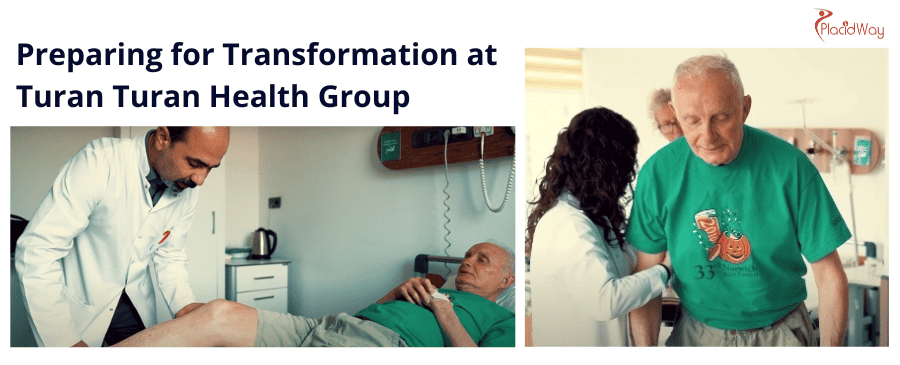
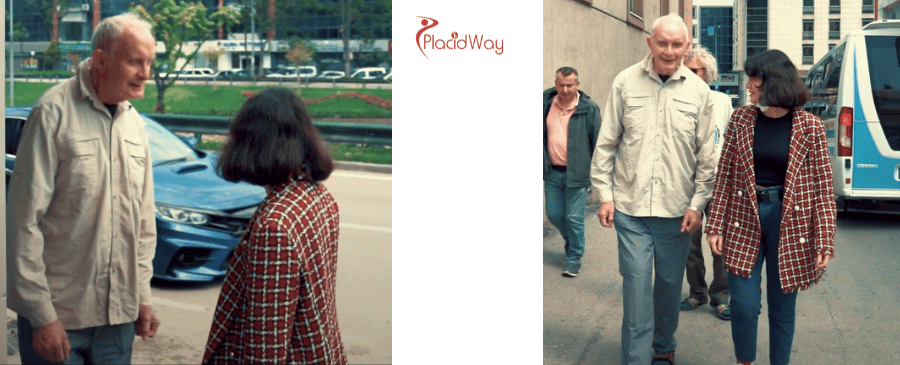
When John arrived in Turkey, the medical journey became more personal. A representative from Turan Turan Health Group helped him throughout the process and provided support as he prepared for surgery in a foreign country.
The support helped ease some of John's concerns and allowed him to focus on the upcoming procedure and his goal of regaining greater mobility.
The Turning Point: Robotic Knee Replacement Surgery
John underwent robotic-assisted knee replacement surgery at Turan Turan Health Group. For him, the procedure represented an important step toward addressing the pain that had increasingly restricted his daily life.
The use of robotic-assisted technology was part of his surgical experience, while the medical team's focus remained on performing the procedure and supporting his recovery.
After Surgery: A Supportive Recovery Experience
Following surgery, John received attentive post-operative care from the medical staff. The team regularly checked on his condition, helped manage his immediate needs and supported him throughout the early stages of recovery.
For John, this level of attention was particularly reassuring because he was recovering far from home. Knowing that the medical team was monitoring his progress helped him feel more comfortable during his stay.
Taking His First Steps Toward Recovery
One of the most memorable moments of John's journey came shortly after surgery. According to his story, he was able to stand and walk within a day of the procedure.
As his recovery progressed, activities such as using stairs became easier. Each step represented progress toward the independence he had gradually lost while living with persistent knee pain.
Four Months Later: Rediscovering the Joy of Movement
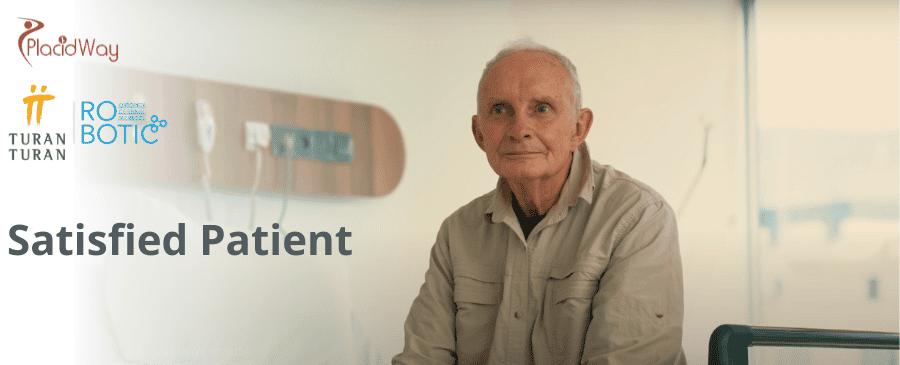
Four months after the operation, John described a significant change in his daily life. Activities that had previously been accompanied by pain, including walking, cycling and using stairs, had become part of his routine again.
For John, improved mobility meant more than being able to walk. It represented a renewed sense of independence and the opportunity to enjoy activities that had become increasingly difficult before surgery.
Sharing His Experience With Other Patients
After his experience, John became more open about his decision to seek treatment abroad. His story encouraged him to share what he learned about international healthcare and the importance of researching treatment options carefully.
Rather than simply focusing on the destination, John's experience highlighted the importance of understanding the procedure, evaluating the medical provider, asking questions and preparing for recovery before making a cross-border healthcare decision.
A Journey Toward Renewed Mobility
John's journey from persistent knee pain to improved mobility represents a significant chapter in his life. After years of increasing limitations, robotic-assisted knee replacement and post-operative rehabilitation became part of his path toward returning to everyday activities.
His experience also demonstrates why patients considering treatment abroad should take time to research their options, understand the potential benefits and risks, and consult qualified healthcare professionals before making a decision.
When Knee Pain Began Changing John's Everyday Life
For decades, John's mind was accustomed to mechanics, structural logic, and finding efficient answers. But in his mid-70s, a progressive structural problem in his own body started pulling him away from his daily routines.
The First Signs During His Regular Walks
It began subtly. John enjoyed routine afternoon walks around his neighborhood in England. Gradually, a dull ache started in his right knee, particularly noticeable toward the end of a stroll or when negotiating gentle inclines.
From Occasional Pain to a Persistent Problem
Over a three-to-four-year span, what started as intermittent discomfort hardened into continuous friction and stiffness. Resting after a walk no longer relieved the ache entirely, and morning stiffness began making simple movements challenging.
Losing the Freedom to Walk Comfortably
As time progressed, every outing required strategic planning. Distance was limited, social outings were curtailed, and everyday tasks like shopping became grueling chores rather than pleasant activities.
Why John Eventually Needed a Walking Stick
To compensate for the joint instability and protect against sudden stabs of severe pain, John started leaning on a walking stick. While it provided physical support, it served as a daily mental reminder of lost physical vitality.
The Impact on His Independence
For a self-reliant man, relying on assistance or constantly measuring how many steps he could tolerate felt restrictive. His world was shrinking, prompting a resolve to find an actionable clinical solution.
Three to Four Years of Searching for a Solution
John spent years attempting conservative measures—topical treatments, lifestyle adjustments, and pain management. However, when joint degeneration progresses, temporary fixes reach their limit.
Trying to Live With the Pain
Like many patients experiencing progressive joint wear, John initially hoped his knee would stabilize. He modified his pace and avoided stairs whenever possible.
When the Problem Became Impossible to Ignore
Eventually, pain began interrupting his sleep. The constant background discomfort turned daily life into a series of physical negotiations.
Realizing That He Needed Specialist Help
After consulting locally, it was clear that non-surgical options were no longer sufficient and an orthopedic assessment for joint replacement was necessary.
Average Elective Orthopedic Wait Times
Illustrative comparison of reported elective orthopedic waiting periods. Actual waiting times vary by procedure, provider, patient eligibility, and scheduling availability. Source: OECD Health Statistics & World Health Organization (WHO).
The UK Healthcare Crossroads: Waiting or Exploring Another Option
Upon seeking surgical correction, John encountered a familiar dilemma facing many patients in public health networks.
Facing an NHS Waiting List
When John looked into surgical scheduling through the NHS, he was informed that his wait time for knee replacement could extend up to 18 months due to national backlogs for elective joint procedures. At 77, spending another year and a half with deteriorating mobility was a daunting prospect.
Considering the Cost of Private Treatment
Bypassing the wait by choosing private hospitals in the UK was an alternative, but out-of-pocket costs for advanced or robotic-assisted total knee replacement quickly ran upwards of $18,000 to $24,000 USD, presenting a major financial burden.
Why John Started Looking Beyond the UK
Determined to find an accessible middle path—combining high surgical technology, rapid scheduling, and transparent pricing—John began researching international orthopedic destinations.
Researching Knee Replacement Options Abroad
Leveraging his engineering background, he scrutinized clinical options methodically: checking surgical credentials, hospital accreditations, technology standards, and patient reviews.
Why John Chose Turan Turan Health Group in Istanbul
John's research highlighted Turkey as a global hub for specialized joint surgery. Specifically, the clinical capabilities of Robotic Surgery in Istanbul Turkey at Turan Turan stood out during his decision-making process.
Turan Turan Robotic Surgery Center and Orthopedic Clinic
Location: Bursa / Istanbul, Turkey
Turan Turan Health Group specializes in advanced orthopedic care, joint reconstruction, and robotic-assisted surgical technology. With decades of surgical experience, the center serves domestic and international patients seeking targeted orthopedic solutions.
While costs were significantly lower than private UK rates, John evaluated technology standards and surgical expertise first.
Reading Testimonials
Reviewing documented experiences of other international patients gave John clarity regarding post-op care and logistics.
Evaluating the Team
The clinic's focus on robotic navigation and joint arthroplasty aligned with John's preference for surgical precision.
Preparing for Travel
Direct coordination with patient teams allowed John to organize medical records and travel arrangements smoothly.
Arriving in Istanbul: From Uncertainty to Confidence
Traveling abroad for surgery can evoke understandable anxiety. For John, stepping off the plane in Turkey was the first concrete step toward addressing his joint pain.
John's First Experience as an International Patient
Upon arrival, John was met by the international patient support team. From airport transfer to hotel and clinic transport, structured assistance helped ease the stress of navigating a foreign country.
Meeting the Medical Team & Diagnostic Review
Before surgery, John underwent physical examinations, blood panels, cardiac evaluation, and 3D digital imaging. Meeting his orthopedic surgeon allowed him to review his anatomical scans and ask technical questions about his procedure.
Why Robotic Knee Replacement Was Chosen for John
Robotic-assisted joint replacement is designed to assist orthopedic surgeons in achieving high accuracy in implant positioning and alignment, tailored to the unique anatomy of each patient.
Pre-Operative 3D Modeling
Computed tomography (CT) or digital mapping creates a personalized 3D virtual model of the patient's joint, aiding surgical planning before incision.
Intraoperative Precision
The robotic arm assists the surgeon in executing bone cuts within precise boundaries, preserving surrounding healthy tissue where possible.
Surgeon Control Remains Paramount
Robotic systems do not perform surgery autonomously. The orthopedic surgeon maintains total control, guiding every movement based on real-time feedback.
John's Robotic Knee Replacement Surgery in Istanbul
On the day of surgery, John was prepared following standard surgical and anesthetic protocols. Utilizing robotic navigation, the surgical team removed worn joint surfaces and positioned durable prosthetic implants designed to restore mechanical alignment.
Following surgery, John was transferred to recovery and then to his room, where continuous monitoring, pain control, and early mobility protocols were initiated.
The First 24 Hours: John's First Steps After Surgery
A key moment in John's care occurred less than a day after surgery. Under the supervision of physical therapists, John was assisted out of bed to stand and take his initial steps.
Early Weight-Bearing: Guided walking with a walker on Day 1 helped promote circulation and reduce joint stiffness.
Stair Practice: Before discharge, John practiced navigating a small flight of stairs alongside his physical therapist.
Patient-Specific Progress: While John was able to stand and walk early, response times and post-op discomfort levels naturally vary between individuals.
The Aftercare That Supported John's Recovery
During his stay at Turan Turan, medical staff and nursing teams performed regular checks to assess wound healing, manage postoperative discomfort, and monitor physical therapy progress.
John noted that clinical staff checked on his condition multiple times daily during his inpatient recovery, providing clear guidance on home exercises and joint care prior to his return flight to England.
Four Months Later: John Gets His Mobility Back
Recovery from joint replacement requires dedicated rehabilitation and exercise. Four months after returning home to England, John experienced significant functional milestones:
Walking Unassisted
John was able to retire his walking stick for daily walks, moving without severe joint friction.
Returning to Cycling
He resumed stationary and light outdoor cycling to rebuild leg strength and joint flexibility.
Managing Stairs
Navigating steps and inclines became manageable without the acute pain he had experienced previously.
What John's Journey Can Teach International Patients
John's decision to travel for medical care provides useful considerations for other patients evaluating orthopedic treatment options abroad:
Thoroughly Research the Provider: Review surgeon credentials, facility accreditations, and hospital history.
Understand the Technology: Learn why robotic assistance is recommended for your specific anatomy rather than assuming it is mandatory for every case.
Clarify Financial Inclusions: Confirm what is included in package pricing—such as diagnostic scans, hospital nights, physical therapy, and medication.
Plan Post-Discharge Rehabilitation: Ensure you have physical therapy arrangements lined up both in-country and upon returning home.
Maintain Realistic Expectations: Surgical outcomes depend on age, bone quality, general health, and commitment to rehabilitation.
Comparative Overview: Knee Replacement Options
Consideration
Domestic Public Care (e.g., NHS)
Domestic Private Hospital
Turan Turan (Turkey)
Typical Wait Time
6 to 18+ Months
1 to 4 Weeks
1 to 3 Weeks
Estimated Total Cost
Covered (System Subject)
$18,000 – $25,000+ USD
$7,500 – $11,500 USD
Robotic Technology
Varies by Center
Available in Select Hubs
Integrated Center Focus
International Care Support
N/A
Limited / Local Focus
Dedicated Multilingual Team
Informational comparison based on reported patient data, hospital estimates, and international travel benchmarks.
Robotic Knee Replacement in Istanbul: What International Patients Should Know
Knee replacement surgery involves removing damaged joint tissue and inserting prosthetic components to rebuild joint function. Candidates typically present with advanced osteoarthritis, joint wear, or structural knee damage that has not responded adequately to conservative care.
Robotic-assisted systems help orthopedic surgeons create precise preoperative 3D digital maps and carry out alignment plans during surgery. While robotic technology supports accuracy, surgical success ultimately relies on comprehensive care—including proper candidate selection, experienced surgical leadership, and committed postoperative rehabilitation.
Frequently Asked Questions About Robotic Knee Surgery in Turkey
1. Who was John and why did he travel from England to Turkey?
John was a 77-year-old retired engineer from England suffering from severe knee pain. Facing long public healthcare wait lists and high private costs in the UK, he elected to travel to Turan Turan in Turkey for robotic knee replacement.
2. How long had John experienced knee pain?
John experienced progressive knee discomfort for approximately three to four years before opting for surgical joint replacement.
3. Why did John consider treatment outside the UK?
John sought care abroad to avoid an estimated 18-month NHS wait list and to access advanced robotic knee replacement at a lower cost than private UK options.
4. Why was robotic knee replacement chosen for John?
Robotic-assisted surgery allowed his medical team to create a 3D model of his knee and align the prosthetic joint according to his specific anatomy.
5. How does robotic-assisted knee replacement work?
The system uses 3D digital mapping to assist the surgeon during bone preparation and implant placement. The robotic arm guides boundary cuts, but the surgeon remains in control throughout the procedure.
6. When did John start walking after his surgery?
Under physical therapy supervision, John was assisted to stand and take initial steps within 24 hours following his procedure.
7. How was John's recovery four months after surgery?
Four months post-op, John reported walking unassisted without a cane, returning to stationary cycling, and navigating stairs with greater ease.
8. Can robotic knee replacement help patients regain mobility?
Yes, joint replacement surgery aims to reduce pain and improve mobility in suitable candidates. However, individual results depend on overall health and commitment to physical rehabilitation.
9. Are John's results typical of every robotic knee replacement patient?
No single patient experience guarantees identical results for others. Recovery timelines, pain levels, and functional gains vary based on medical factors and physical therapy adherence.
10. How can international patients learn more about robotic knee replacement at Turan Turan?
Patients can contact Turan Turan Health Group directly to submit medical records, request preliminary virtual consultations, and receive personalized treatment evaluation plans.
Considering Robotic Knee Replacement in Istanbul?
If persistent knee pain is limiting your mobility, John's story may encourage you to explore your options for Knee Surgery in Turkey— but the right treatment starts with an individual medical evaluation.
Disclaimer: The story shared above reflects the personal experience reported by a single patient ("John"). Individual surgical outcomes, recovery speeds, and mobility gains vary depending on age, underlying joint condition, bone density, medical comorbidities, and compliance with postoperative rehabilitation. Knee replacement procedures—including robotic-assisted surgery—carry potential risks including infection, deep vein thrombosis, joint stiffness, or persistent pain. This content is provided for educational purposes only and does not constitute formal medical advice or a guarantee of surgical results. An individualized evaluation by a qualified orthopedic surgeon is essential to determine whether robotic knee surgery is appropriate for your health profile.
OverviewDiscover John's journey through robotic knee surgery in Istanbul, Turkey, at Turan Turan, from persistent knee pain to recovery and improved mobility.
Request your Free Quote
×
Trusted Medical Tourism Platform Since 2007
60+
Countries
2k+
Clinics
19.5k+
Reviews
2.5k+
Qualified Doctors
1.1M+
Patients Served Since 2007
Unlock the Best Orthopedic/Knee Surgery Packages Just for You
Discover the ultimate Orthopedic/Knee Surgery packages designed to meet your health and wellness goals. Choose the perfect fit for your journey.
Emot Plus International Hospital - Orthopedic Surgery in Izmir
Orthopedic/Knee Surgery
Izmir,Turkey
Orthopedic/Knee Surgery Solutions Near You: Explore Top Medical Centers
Discover how Orthopedic/Knee Surgery is transforming lives at leading medical centers in , Turkey. Dive into center profile, specialties, doctors, reviews, etc. and explore the best options tailored to your needs in this region.
Transformative Orthopedic/Knee Surgery Experiences: Dive into Procedure Insights
Discover the power of Orthopedic/Knee Surgery through compelling patient experiences. Uncover detailed insights into procedures, recovery journeys, and life-changing results.
Explore Orthopedic/Knee Surgery: Stories, Testimonials, and Procedures
Watch in-depth videos covering everything from Orthopedic/Knee Surgery success stories to detailed procedure explanations. Learn what to expect and hear from real patients.
Hi, this is Alice 😊, your PlacidWay Virtual Assistant.
Thanks for visiting PlacidWay. Before we get started, I'd like to gather a few details so we can stay connected and better assist you throughout your healthcare journey.























Share this listing