
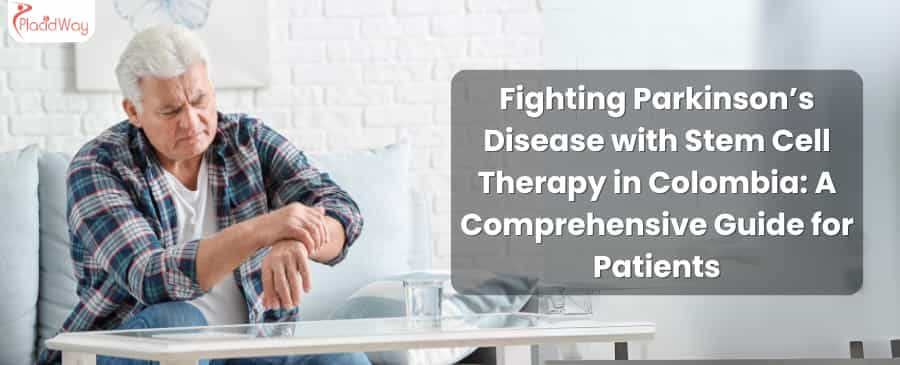
Living with a progressive neurological condition often leaves you searching for innovative management options to maintain your quality of life. Exploring stem cell therapy for Parkinson's disease in Colombia requires careful evaluation of estimated treatment costs ranging from $6,000 to $15,000, alongside a strict review of clinic certifications like INVIMA and local Ministry of Health approvals. We understand this is a major healthcare decision, and this guide is designed to help you confidently navigate facility credentials, medical research, and your options abroad.
Quick Answer Summary:
- Estimated Cost: Treatment packages in Colombia typically range from $6,000 to $15,000 USD, depending on the specific protocol and cell type used.
- Safety Overview: Treatment is investigational; safety depends heavily on choosing highly regulated clinics that adhere strictly to local medical laws.
- Ideal Candidate: Patients seeking adjunctive, experimental symptom management whose conditions are stable enough for international travel.
- Recovery Time: Initial physical recovery is typically 3 to 7 days, though long-term cellular integration monitoring takes several months.
- Why Choose Colombia: Access to modern medical facilities, lower out-of-pocket costs compared to the US, and experienced bilingual neurological specialists.
- Certificates to Verify: Patients must verify facility approval by INVIMA (Colombia's FDA equivalent) and the Secretaría Distrital de Salud (local health department).
- Important Caution: Stem cell therapy is not a proven cure for Parkinson's disease, and results vary significantly among individual patients.
Introduction to Stem Cell Therapy for Parkinson's Disease in Colombia
A diagnosis of Parkinson's disease changes your life, prompting an intense search for treatments that might slow symptom progression. Many international patients look beyond their home borders when standard medications begin losing their initial effectiveness or cause heavy side effects. Medical travel for neurological care offers access to developing regenerative protocols that may otherwise be financially out of reach.
Colombia has steadily positioned itself as a prominent destination for international healthcare, specifically in the field of regenerative medicine. The country combines modern clinical infrastructure with stringent medical oversight to provide safe environments for visiting patients.
Primary Reasons Patients Travel to Colombia for this Procedure:
- Affordability: Out-of-pocket costs are significantly lower than equivalent private treatments in North America or Europe.
- Advanced Facilities: Top-tier clinics in cities like Bogotá and Medellín feature specialized regenerative medicine laboratories.
- Specialist Accessibility: Patients experience shorter wait times to consult with experienced neurologists and cell therapy researchers.
- Regulatory Oversight: Reputable clinics operate under strict guidelines monitored by local health ministries and INVIMA.
- Compassionate Care: Colombian medical culture is widely recognized for its highly personalized, patient-centric approach.
Understanding where these patients originate helps highlight the global demand for accessible neurological care. Recent healthcare data indicates a steady flow of international visitors seeking specialized treatments in Latin America.
Origins of Medical Tourists for Regenerative Care in LATAM (2024-2025 Trends)
Understanding Stem Cell Therapy for Parkinson's Disease
Parkinson's disease progressively damages dopamine-producing neurons in the brain, leading to tremors, stiffness, and balance issues. Current pharmaceutical treatments aim to replace lost dopamine or mimic its action, but they do not repair the underlying cellular damage. Regenerative medicine introduces a different clinical approach by focusing on cellular protection and potential repair mechanisms.
It is vital to understand that stem cell therapy for Parkinson's disease is still highly investigational. Researchers are primarily utilizing mesenchymal stem cells (MSCs) to evaluate their potential neuroprotective and anti-inflammatory effects in the brain.
Medical Reality Check: Stem cell therapy is not a recognized cure for Parkinson's disease. While some patients report temporary improvements in motor function or reduced inflammation, long-term efficacy is still being established through global clinical trials. Always maintain realistic expectations.
How Stem Cell Therapy for Parkinson's Disease Works
The biological goal of administering stem cells is to alter the inflammatory environment in the brain that contributes to neuron degradation. When specialized cells are introduced into the body, they secrete growth factors and cytokines that may help protect surviving dopamine neurons. Some studies suggest this process can temporarily improve the brain's natural healing environment.
In Colombia, the procedures typically use either autologous cells harvested from your own fat tissue or bone marrow, or allogeneic cells from ethically sourced, regulated umbilical cord tissue. The administration method is determined by your specific neurological assessment.
| Administration Method | Clinical Description | Common Usage Context |
|---|---|---|
| Intravenous (IV) Infusion | Cells are delivered through a vein, circulating systemically to target widespread inflammation. | Often used for general systemic immunomodulation. |
| Intrathecal Injection | Cells are injected directly into the spinal fluid to bypass the blood-brain barrier. | Commonly preferred for direct central nervous system access. |
| Intranasal Delivery | An emerging, non-invasive method targeting the brain via the olfactory nerve pathways. | Used in specific experimental protocols. |
Cost of Stem Cell Therapy for Parkinson's Disease in Colombia
Financial considerations are often the primary driver for patients exploring healthcare options abroad. The cost of stem cell therapy for Parkinson's disease in Colombia is generally more accessible than similar out-of-pocket, experimental treatments in the United States or the United Kingdom. Pricing varies heavily based on the origin of the cells, the total cell count administered, and the complexity of the medical facility.
You can typically expect treatment packages in Colombia to range between $6,000 and $15,000 USD. This variance accounts for pre-treatment neurological testing, the actual cell harvesting and culturing processes, and post-procedure monitoring.
| Country | Estimated Cost Range (USD) | Coverage Type |
|---|---|---|
| United States | $15,000 - $35,000+ | Out-of-pocket (rarely insured) |
| United Kingdom | $12,000 - $28,000+ | Private clinics only |
| Colombia | $6,000 - $15,000 | Out-of-pocket (all-inclusive packages common) |
When requesting quotes from clinics, always ask for an itemized breakdown. You must ensure the quoted price includes medical consultations, facility fees, translator services, and any necessary local ground transportation.
Patient Demographics and Travel Trends
Analyzing who travels for this procedure provides helpful context for new patients beginning their research journey. According to 2024 patient travel data, the majority of individuals seeking stem cell therapy for neurological conditions are in the middle to later stages of life. These patients have usually exhausted standard pharmaceutical options in their home countries.
The decision to travel is heavily influenced by a desire to maintain independence and manage debilitating motor symptoms. The graph below illustrates the most recent age distribution of patients pursuing regenerative medicine for neurodegenerative conditions internationally.
Age Distribution of Neurological Stem Cell Patients (2024-2026 Registry Data)
Choosing the Right Hospital for Stem Cell Therapy in Colombia
Your safety depends entirely on the quality and regulatory compliance of the facility you choose. Not all clinics offering regenerative medicine operate at the same clinical standard. It is critical to select a hospital or clinic that integrates advanced laboratory technology with rigorous infection control protocols.
In Colombia, reputable medical facilities must be registered with national and local health authorities. Do not rely solely on modern marketing materials; instead, demand proof of active medical licensing before booking your treatment.
Essential Facility Certificates to Verify:
- Secretaría Distrital de Salud: Approval from the regional health department ensuring the clinic meets local healthcare laws.
- INVIMA (National Food and Drug Surveillance Institute): Certification required for laboratories processing and culturing human cellular tissue.
- Registro Especial de Prestadores de Servicios de Salud (REPS): The mandatory national registry for verified healthcare providers in Colombia.
Selecting a Qualified Neurological Specialist in Colombia
The physician administering your treatment must possess verified expertise in both neurology and regenerative medicine. The complexities of Parkinson's disease require a doctor who deeply understands neurodegenerative pathways, not just a general practitioner offering stem cell injections. Your doctor should thoroughly review your medical history and current medications before confirming your eligibility.
Take the time to evaluate a specialist's medical background during your initial virtual consultation. A qualified doctor will openly discuss the limitations of the treatment and will not pressure you into making a hasty financial commitment.
| Doctor Verification Checklist | Why It Matters |
|---|---|
| Colombian Medical License | Ensures they are legally authorized by the national medical council to practice medicine. |
| Neurology Specialization | Confirms they have formal training in brain and nervous system disorders. |
| Regenerative Medicine Experience | Indicates specific training in stem cell handling, dosing, and administration protocols. |
| Transparent Complication Policy | Shows they have structured medical plans in place if adverse reactions occur. |
Safety Regulations and Medical Guidelines in Colombia
The Colombian government closely monitors advanced medical treatments to protect both local citizens and international medical tourists. Medical guidelines dictate how biological materials are harvested, processed, and administered. INVIMA sets strict parameters for laboratory sterilization and biological product handling to prevent infections and cross-contamination.
Patients traveling to Colombia have specific rights under the national healthcare system, including the right to complete medical transparency. Reputable providers will ensure you sign comprehensive, translated informed consent documents detailing all potential treatment risks.
Patient Travel Safety Tip: Always secure comprehensive medical travel insurance before your trip. Ensure your policy specifically covers medical complications arising from planned, elective medical procedures abroad, as standard travel insurance generally excludes this.
Neurological Research and Patient Considerations
Evaluating stem cell therapy for Parkinson's disease in Colombia means navigating the intersection of cutting-edge research and commercial medical offerings. Current neurological research focuses on how stem cells might reduce neuroinflammation and promote the survival of endogenous dopaminergic neurons. While animal models have shown immense promise, human clinical trials yield highly variable results.
Patients must weigh these variables carefully against their current quality of life and financial situation. Discussing these options with your home neurologist before traveling is a crucial step in your decision-making process.
Potential Pros
- May reduce systemic and neurological inflammation.
- Some patients report temporary improvements in stiffness and energy.
- Minimally invasive administration methods are available.
Considerations & Cons
- Results are not guaranteed and are not permanent.
- High out-of-pocket costs with no insurance coverage.
- Requires international travel, which can be physically taxing.
The Treatment Timeline for Stem Cell Therapy in Colombia
Traveling for medical care requires careful logistical planning and a clear understanding of the medical timeline. A standard trip for stem cell therapy typically requires a stay of 5 to 10 days in Colombia. This timeframe ensures adequate time for pre-treatment evaluations, the procedure itself, and critical post-treatment monitoring.
Your clinic will provide a structured itinerary, but it helps to know what a standard treatment week looks like. Rest is prioritized throughout the process to minimize stress on your body.
| Day | Clinical Activity | Patient Experience |
|---|---|---|
| Day 1-2 | Arrival, blood tests, and neurological assessment by the specialist. | Light activity, adjusting to the altitude (if in Bogotá), medical consultations. |
| Day 3 | Cell harvesting (if using autologous cells) or cell preparation. | Minimal discomfort; resting at the hotel or clinic. |
| Day 4 | Administration of stem cells via IV or intrathecal injection. | Observation in the clinic for a few hours; potential mild fatigue. |
| Day 5-7 | Follow-up consultations and monitoring for adverse reactions. | Resting, receiving discharge instructions, and preparing for travel home. |
Potential Risks and Complications of Stem Cell Therapy
Every medical intervention carries inherent risks, and stem cell therapy is no exception. Because the treatment involves manipulating and introducing biological material into the body, there are risks of infection, immune rejection, or adverse reactions to the administration method. Intrathecal injections, for instance, can sometimes cause temporary spinal headaches or localized pain.
Transparency regarding these risks is a hallmark of a trustworthy medical provider. A responsible clinic will clearly outline how they mitigate these risks and manage emergencies if they arise.
| Potential Risk | Clinical Prevention Strategy |
|---|---|
| Infection at injection site | Strict adherence to sterile laboratory environments and sterile administration protocols. |
| Immune reaction or fever | Careful cell screening and matching; post-procedure monitoring and medication. |
| Spinal headache (Intrathecal) | Using fine-gauge needles and requiring the patient to lie flat post-procedure. |
| Treatment failure | Rigorous patient screening to ensure only viable candidates undergo the procedure. |
Recovery Expectations for Parkinson's Disease Patients
The immediate physical recovery from the stem cell administration is generally quick, but the biological integration takes time. Patients often experience mild fatigue or soreness for a few days following the procedure. You will be cleared to fly home once the initial observation period proves you are stable and free of immediate complications.
It is important to remember that stem cell therapy is not an instant fix. Any potential neurological improvements—such as changes in tremors, energy levels, or rigidity—typically develop gradually over several weeks or months.
Post-Treatment Care Checklist:
- Continue taking your prescribed Parkinson's medications unless explicitly directed otherwise by your doctors.
- Schedule a follow-up appointment with your home neurologist within two weeks of returning.
- Maintain a log of your daily symptoms to track any changes or improvements accurately.
- Attend all virtual follow-up appointments scheduled with your Colombian specialist.
Planning Your Medical Travel to Colombia
Organizing a medical trip for a neurodegenerative condition requires extra care and logistical support. You must factor in the physical limitations caused by Parkinson's disease when booking flights, accommodations, and ground transport. Many top clinics in Colombia offer dedicated patient coordinators who assist with these arrangements to reduce your stress.
Choose accommodations that are fully accessible and located close to your medical facility. Traveling with a companion or caregiver is highly recommended to assist you during the immediate recovery phase.
| Travel Planning Phase | Action Required |
|---|---|
| 4-6 Weeks Prior | Transfer medical records, confirm clinic appointments, and check passport validity. |
| 2-3 Weeks Prior | Book accessible flights, secure medical travel insurance, and arrange local transport. |
| 1 Week Prior | Pack comfortably, prepare medication for travel, and notify your home bank of international travel. |
Frequently Asked Questions
Is stem cell therapy a permanent cure for Parkinson's disease?
No, stem cell therapy is not a cure for Parkinson's disease. It is an investigational treatment aimed at managing symptoms, reducing neuroinflammation, and potentially slowing disease progression. Results vary widely among patients.
Why do patients choose Colombia for stem cell therapy?
Patients choose Colombia due to the availability of advanced regenerative medicine clinics, strict regulatory oversight by INVIMA, highly qualified bilingual neurologists, and significantly lower out-of-pocket costs compared to the US or Europe.
How much does stem cell therapy for Parkinson's cost in Colombia?
Estimated costs for stem cell therapy for Parkinson's disease in Colombia typically range between $6,000 and $15,000 USD. Prices vary based on the clinical protocol, the source of the cells, and the required facility fees.
What type of stem cells are used for Parkinson's treatment in Colombia?
Clinics generally utilize mesenchymal stem cells (MSCs). These can be autologous (harvested from your own fat or bone marrow) or allogeneic (ethically sourced from donated umbilical cord tissue), depending on the doctor's recommendation.
How are the stem cells administered for neurological conditions?
Administration methods vary based on the specific protocol but commonly include intravenous (IV) infusions for systemic reach, or intrathecal injections directly into the spinal canal to bypass the blood-brain barrier.
Is it safe to travel to Colombia with Parkinson's disease?
Yes, but careful planning is essential. Patients should travel with a caregiver, choose accessible accommodations, utilize medical travel coordinators provided by the clinic, and ensure they are physically stable enough for international flights.
How long do I need to stay in Colombia for the procedure?
Most patients require a stay of 5 to 10 days. This allows adequate time for pre-treatment neurological evaluations, the cell administration procedure, and necessary post-treatment medical observation before flying home.
What medical certifications should I look for in a Colombian clinic?
You should strictly verify that the clinic is approved by the Secretaría Distrital de Salud (local health department), holds INVIMA certification for laboratory processing, and is listed on the national REPS registry.
Will my home health insurance cover this treatment in Colombia?
Generally, no. Because stem cell therapy for Parkinson's disease is considered investigational, most domestic and international health insurance plans will not cover the procedure. Patients pay out-of-pocket.
When might I see results after the treatment?
Biological integration is gradual. If a patient experiences positive effects, such as a reduction in stiffness or improved energy, these changes typically manifest slowly over 3 to 6 months following the initial treatment.
Take the Next Step in Your Healthcare Journey
Navigating international medical treatments can be overwhelming. PlacidWay can help you safely compare certified clinics in Colombia, understand estimated treatment costs, and request direct information from vetted neurological specialists.
Request Free Information TodayDisclaimer: This information is for educational purposes only and does not replace professional medical advice. Always consult a qualified healthcare provider before making medical decisions.
References
- Parkinson Disease Fact Sheet – World Health Organization (WHO)
- Stem Cells and Parkinson's Research – The Michael J. Fox Foundation
- Mesenchymal Stem Cells in Parkinson's Disease: A Review – National Library of Medicine
- Regulatory Guidelines for Biological Products – Instituto Nacional de Vigilancia de Medicamentos y Alimentos (INVIMA)
- National Healthcare Provider Registry (REPS) – Ministerio de Salud y Protección Social, Colombia
- Stem Cell Therapy Research Overview – Parkinson's Foundation

























Share this listing