
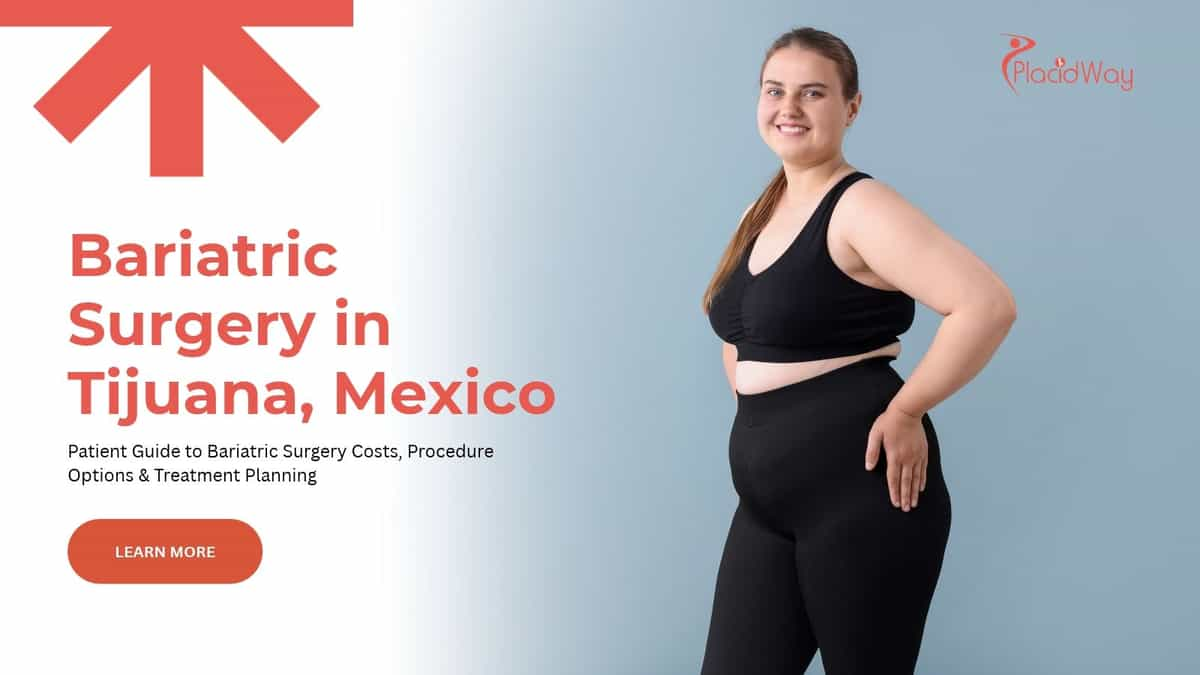
Struggling with severe weight issues and facing exceptionally high healthcare prices at home drives many to explore bariatric surgery in Tijuana Mexico. Understanding your specific medical needs and identifying board certified surgeons operating in facilities accredited by the General Health Council or COFEPRIS can help ensure a safe medical journey. Exploring transparent pricing alongside comprehensive aftercare programs will empower you to make a confident decision about transforming your health just across the border.
- Estimated Cost: Typically ranges from $4,000 to $6,500 USD depending on the specific procedure and package inclusions.
- Safety Overview: Generally safe when performed by experienced surgeons in appropriately regulated and accredited surgical centers.
- Ideal Candidate: Adults with a Body Mass Index over 35 or those with a BMI over 30 experiencing obesity related health conditions.
- Recovery Time: Most patients return to light activities within one to two weeks while complete internal healing takes several months.
- Why Tijuana: Highly experienced surgical teams lower medical costs and extreme proximity to the United States border in San Diego.
- Important Caution: Always verify that your chosen clinic possesses COFEPRIS licensing and your surgeon holds CMCOEM board certification to avoid unsafe budget facilities.
Understanding Why Patients Choose Weight Loss Surgery in Tijuana
Living with obesity affects your daily energy levels and long term health outcomes while creating significant emotional burdens. When diet and exercise no longer provide sustainable results many patients look toward medical intervention to regain control of their lives. Seeking medical care abroad becomes an attractive option when local healthcare systems involve long waiting lists or deny insurance coverage for weight loss procedures.
Tijuana has developed into a major hub for medical travelers seeking high quality surgical care at accessible price points. The region combines specialized surgical expertise with modern medical infrastructure designed specifically for international visitors.
Primary Reasons for Travel
- Significant reduction in out of pocket medical expenses
- Direct access to highly experienced bariatric specialists
- Shorter wait times compared to domestic healthcare systems
- All inclusive packages that simplify ground transportation and recovery
- Proximity to major United States airports like San Diego International
Exploring Patient Demographics and Medical Travel Trends
Understanding who travels for metabolic procedures provides valuable insight into the global medical tourism landscape. Recent data indicates a steady increase in international patients crossing the border for these specific healthcare services. This growth is driven by rising domestic healthcare costs and increased acceptance of medical travel among North American populations.
The majority of these medical travelers originate from the United States and Canada seeking safe alternatives to domestic care. Analyzing these demographic patterns helps illustrate the widespread trust in certified Mexican healthcare facilities.
Patient travel behavior also demonstrates a high preference for comprehensive support systems. A significant percentage of international patients report traveling with a companion to assist during the immediate postoperative phase.
Common Surgical Options for Weight Loss
Medical advancements have led to several highly effective surgical techniques designed to facilitate significant weight reduction. Each procedure alters your digestive system differently impacting how your body consumes and absorbs food. Your surgeon will carefully evaluate your medical history and lifestyle to determine which approach offers the safest and most effective outcome.
The gastric sleeve and gastric bypass remain the two most frequently performed surgeries globally due to their reliable results. Understanding the biological mechanisms behind these procedures can help you set realistic expectations for your physical transformation.
| Procedure Type | Clinical Mechanism | Typical Operative Time |
|---|---|---|
| Gastric Sleeve | Removes approximately eighty percent of the stomach leaving a narrow tube. This restricts food intake and reduces hunger hormones. | 60 to 90 minutes |
| Gastric Bypass | Creates a small stomach pouch and reroutes the small intestine. This restricts intake and decreases calorie absorption. | 90 to 120 minutes |
| Revision Surgery | Corrects or alters a previous bariatric procedure to resolve complications or restart stalled weight loss. | 120 to 180 minutes |
Assessing Your Eligibility for Bariatric Treatment
Surgical intervention is not suitable for everyone seeking to lose weight and requires meeting specific medical criteria. Healthcare providers use established guidelines to ensure the benefits of the surgery outweigh the inherent risks. Your current Body Mass Index serves as the primary measurement although obesity related comorbidities play a crucial role in determining eligibility.
Psychological readiness is equally important because post operative success depends entirely on permanent lifestyle and dietary changes. A thorough medical evaluation will identify any underlying conditions that might complicate surgery or recovery.
Medical Eligibility Checklist
- Body Mass Index typically exceeding 35 or above 30 with severe weight related health issues.
- Documented history of unsuccessful attempts at medically supervised diet programs.
- Absence of severe untreated psychological conditions or active substance abuse.
- Willingness to commit to lifelong nutritional guidelines and medical follow ups.
Expected Cost of Bariatric Surgery in Tijuana Mexico
Financial considerations often drive the initial decision to research cross border healthcare options. The surgical costs in Mexico remain significantly lower than in the United States primarily due to lower administrative expenses and favorable exchange rates. However it is vital to understand exactly what your quoted price includes to avoid unexpected financial burdens during your trip.
Many specialized clinics offer comprehensive packages designed specifically for international patients that bundle medical fees with local logistics. These packages simplify the process but require careful review to ensure they meet your specific safety and comfort needs.
| Destination Country | Gastric Sleeve Average Cost | Gastric Bypass Average Cost |
|---|---|---|
| United States | $15,000 to $25,000 USD | $20,000 to $35,000 USD |
| Canada | $14,000 to $20,000 USD | $18,000 to $25,000 USD |
| Tijuana Mexico | $4,000 to $5,500 USD | $5,500 to $6,500 USD |
Identifying Hidden Fees and Package Inclusions
Transparent pricing represents a hallmark of trustworthy medical facilities catering to international patients. While all inclusive packages offer great value you must carefully review the itemized breakdown before making a deposit. Some extremely low cost offers may exclude critical medical necessities like pre operative testing or specialized medication.
Proper financial planning requires knowing exactly who is responsible for costs associated with extended hospital stays or unforeseen complications. Always request a formal written quote detailing every aspect of your proposed care.
Standard Package Inclusions
- Surgeon and anesthesiologist fees
- Operating room and hospital stay costs
- Pre operative medical evaluations
- Ground transportation from San Diego
- Basic post operative medications
Potential Hidden Costs
- Hiatal hernia repair if discovered during surgery
- Additional nights in the hospital or hotel
- Take home prescription medications
- Medical complications insurance
- Travel expenses to and from your home city
How to Choose Accredited Hospitals in Tijuana
The facility where your surgery takes place heavily influences your overall safety and outcome. Medical tourism in Mexico operates under specific national regulations designed to protect patients from substandard care. You must look beyond marketing materials and verify the official licensing of any clinic you consider.
High quality facilities prioritize stringent infection control protocols and maintain fully equipped intensive care units on site. Choosing a properly accredited hospital minimizes the risk of severe post operative complications.
Key Hospital Certifications to Verify
- COFEPRIS License: The Federal Commission for the Protection against Sanitary Risk must license the facility for major surgical procedures.
- CSG Accreditation: Certification by the General Health Council indicates the hospital meets strict national quality and safety standards.
- Intensive Care Capabilities: Ensure the facility has an active on site ICU rather than relying on external ambulance transfers during emergencies.
Verifying Your Bariatric Surgeons Credentials
Your surgical outcome relies entirely on the skill and experience of your chosen physician. The medical profession in Mexico utilizes dedicated specialty boards to ensure surgeons maintain high levels of continuing education and clinical proficiency. International patients must take the time to independently verify their doctors qualifications before committing to treatment.
A highly qualified specialist will transparently share their credentials and discuss their specific complication rates. Avoid clinics that refuse to identify your attending surgeon prior to your arrival in the country.
Surgeon Verification Guidelines
- Verify active certification with CMCOEM which is the Mexican College of Surgery for Obesity and Metabolic Diseases.
- Confirm possession of a valid Cedula Profesional which is the national medical license required to practice in Mexico.
- Request data on their annual surgical volume specifically for the exact procedure you intend to undergo.
Step by Step Patient Journey Across the Border
Navigating cross border medical care requires careful logistical planning to ensure a stress free experience. Most established clinics provide dedicated patient coordinators who assist with scheduling transportation and medical clearances. Your journey typically begins long before your flight with detailed telemedicine consultations and dietary preparation.
Understanding the standard timeline helps alleviate travel anxiety and ensures you arrive physically and mentally prepared for your operation. The process is highly streamlined for patients arriving through Southern California.
| Timeline Phase | Key Patient Activities | ||
|---|---|---|---|
| Weeks Prior | Complete virtual consultations begin the required pre operative liver shrinking diet and finalize travel arrangements. | Day 1 Arrival | Fly into San Diego get picked up by clinic transport cross the border and complete in person medical testing. |
| Day 2 Surgery | Meet the surgical team undergo the procedure and begin recovery in a monitored hospital room. | ||
| Days 3 to 4 | Complete necessary leak tests transition to liquid nutrition and transfer to a recovery hotel if required. | ||
| Day 5 Departure | Receive final medical clearance from the surgeon and use clinic transport to return to the San Diego airport. |
Essential Recovery Steps After Bariatric Procedures
The immediate post operative period involves adapting to significant changes in your digestive capacity while your incisions heal. Your body requires ample rest and strict adherence to nutritional guidelines to prevent complications. Experiencing fatigue mild nausea and abdominal soreness is entirely normal during the first week.
Working closely with your clinical team ensures any unusual symptoms are addressed promptly before they escalate. Proper hydration remains your most critical daily goal during early recovery.
| Recovery Phase | Biological Process | Action Required |
|---|---|---|
| First 48 Hours | Acute tissue inflammation and anesthesia clearance from the body. | Engage in short frequent walks to prevent blood clots and sip minimal amounts of clear fluids. |
| Weeks 1 to 2 | Incision sites close and stomach swelling begins to subside gradually. | Adhere strictly to the clear liquid diet and monitor wounds for signs of infection. |
| Weeks 3 to 6 | Internal staple lines heal completely while the digestive tract adapts. | Transition slowly through pureed foods to soft solids as directed by your nutritionist. |
Dietary Guidelines Before and After Surgery
Nutritional compliance dictates both the safety of your operation and your long term weight loss success. The required pre operative diet reduces liver size making the surgery safer and less technically demanding for your doctor. Failing to follow this specific diet can result in the cancellation of your procedure.
Post operative nutrition focuses on allowing your stomach to heal while ensuring adequate protein intake to preserve muscle mass. This dietary transition is slow and requires significant behavioral adjustments regarding portion sizes and eating speeds.
Critical Nutritional Milestones
- Pre Op Phase: High protein low carbohydrate liquid diet starting one to three weeks before surgery.
- Post Op Week 1: Clear liquids only to prevent pressure on internal staple lines.
- Post Op Week 2: Full liquids including protein shakes and strained soups.
- Lifelong Rule: Daily consumption of specialized bariatric multivitamins to prevent severe nutrient deficiencies.
Potential Risks and Complication Management
All major surgical interventions carry inherent medical risks regardless of the location or the surgeons expertise. Understanding these potential complications empowers you to recognize warning signs early and seek appropriate medical intervention. Severe complications are relatively uncommon but require immediate professional attention if they occur.
When traveling abroad for care you must have a clear plan for managing complications upon returning home. Ensure your local primary care physician is aware of your surgical plans and willing to assist with long term monitoring.
Warning Signs Requiring Immediate Medical Attention
- Persistent fever exceeding 101 degrees Fahrenheit indicating possible infection.
- Severe escalating abdominal pain not relieved by prescribed pain medication.
- Inability to keep liquids down for more than twelve hours risking severe dehydration.
- Shortness of breath or sudden chest pain which may indicate a blood clot.
Evaluating the Role of International Accreditations
While Mexican national accreditations are strictly required some patients also look for facilities carrying international credentials. Organizations like the Joint Commission International offer rigorous evaluation programs that signal a hospital meets global healthcare standards. However many exceptional clinics choose to operate safely under high level national frameworks without pursuing expensive international badges.
Your primary focus should always remain on the specific national licenses provided by COFEPRIS and the surgeon specific certifications from CMCOEM. These local regulatory bodies possess direct oversight of the clinical practices within the country.
Accreditation Takeaway
Do not dismiss a facility solely because it lacks international accreditation. A hospital with active CSG certification and COFEPRIS licensing paired with a board certified CMCOEM surgeon frequently provides an exceptionally safe and highly regulated clinical environment.
Frequently Asked Questions
Is it safe to get bariatric surgery in Tijuana Mexico?
Bariatric surgery can be highly safe when performed by CMCOEM board certified surgeons inside facilities licensed by COFEPRIS. Patients must actively avoid heavily discounted budget clinics that lack standard ICU capabilities or fail to disclose surgeon credentials.
How much weight can I expect to lose after a gastric sleeve?
Patients typically lose between fifty to seventy percent of their excess body weight within the first twelve to eighteen months. Long term success relies entirely on your strict adherence to the prescribed nutritional guidelines and daily exercise routines.
What happens if I experience complications after returning home?
Reputable clinics provide extensive virtual follow up support and often partner with medical tourism insurance networks. You should establish care with a local primary care physician prior to travel to ensure you have immediate access to domestic emergency support if necessary.
Do I need a passport to cross the border into Mexico?
Yes a valid passport is legally required for re entry into the United States when traveling by land or air. Processing times for new passports can take several months so secure your travel documents well before booking your surgical date.
Will my domestic health insurance cover treatments abroad?
The vast majority of United States and Canadian health insurance providers do not cover elective treatments performed internationally. Patients usually fund their cross border procedures out of pocket or utilize specialized third party medical financing options.
How soon can I fly home after metabolic surgery?
Most surgeons require you to remain in the local area for a minimum of three to five days post operation to monitor for immediate complications. You will only be cleared for air travel once you can stay adequately hydrated and pass a final medical evaluation.
What is the required pre op liver shrinking diet?
This specialized diet involves consuming primarily low carbohydrate high protein shakes and clear liquids for one to three weeks before your procedure. It reduces the size of your liver making laparoscopic access to your stomach safer and significantly easier for the surgeon.
Can I travel alone for weight loss surgery?
While some patients do travel independently it is highly recommended to bring an adult companion for emotional and physical support. Many clinics accommodate companions in the recovery hotel and provide transport for both individuals.
How do I verify if a clinic has a COFEPRIS license?
You can request the specific license number directly from the clinic administrators prior to booking. Reputable facilities display their government issued sanitary licenses transparently in their lobbies and on their official documentation.
Is there a language barrier in Tijuana medical facilities?
Facilities catering to international patients typically employ fully bilingual doctors nurses and patient coordinators. Your consultations surgical explanations and discharge instructions will be provided in fluent English to ensure complete comprehension.
Ready to take the next step toward a healthier you?
PlacidWay can help you compare certified providers understand exact treatment costs and request detailed information directly from top tier clinics.
Request Free Information TodayDisclaimer: This information is for educational purposes only and does not replace professional medical advice. Always consult a qualified healthcare provider before making medical decisions.
References
- Federal Commission for the Protection against Sanitary Risk (COFEPRIS) – Government of Mexico
- General Health Council (CSG) Certification – Government of Mexico
- Mexican College of Surgery for Obesity and Metabolic Diseases (CMCOEM) – CMCOEM Official Registry
- Bariatric Surgery Procedures Overview – American Society for Metabolic and Bariatric Surgery
- Medical Tourism Safety Guidelines – Centers for Disease Control and Prevention
- Potential Candidates for Weight-Loss Surgery – National Institute of Diabetes and Digestive and Kidney Diseases
- Clinical Outcomes of Bariatric Surgery – Journal of the American Medical Association
- Medical Tourism and Bariatric Outcomes in Mexico (2024 Clinical Review) – Medigraphic Medical Literature
























Share this listing