
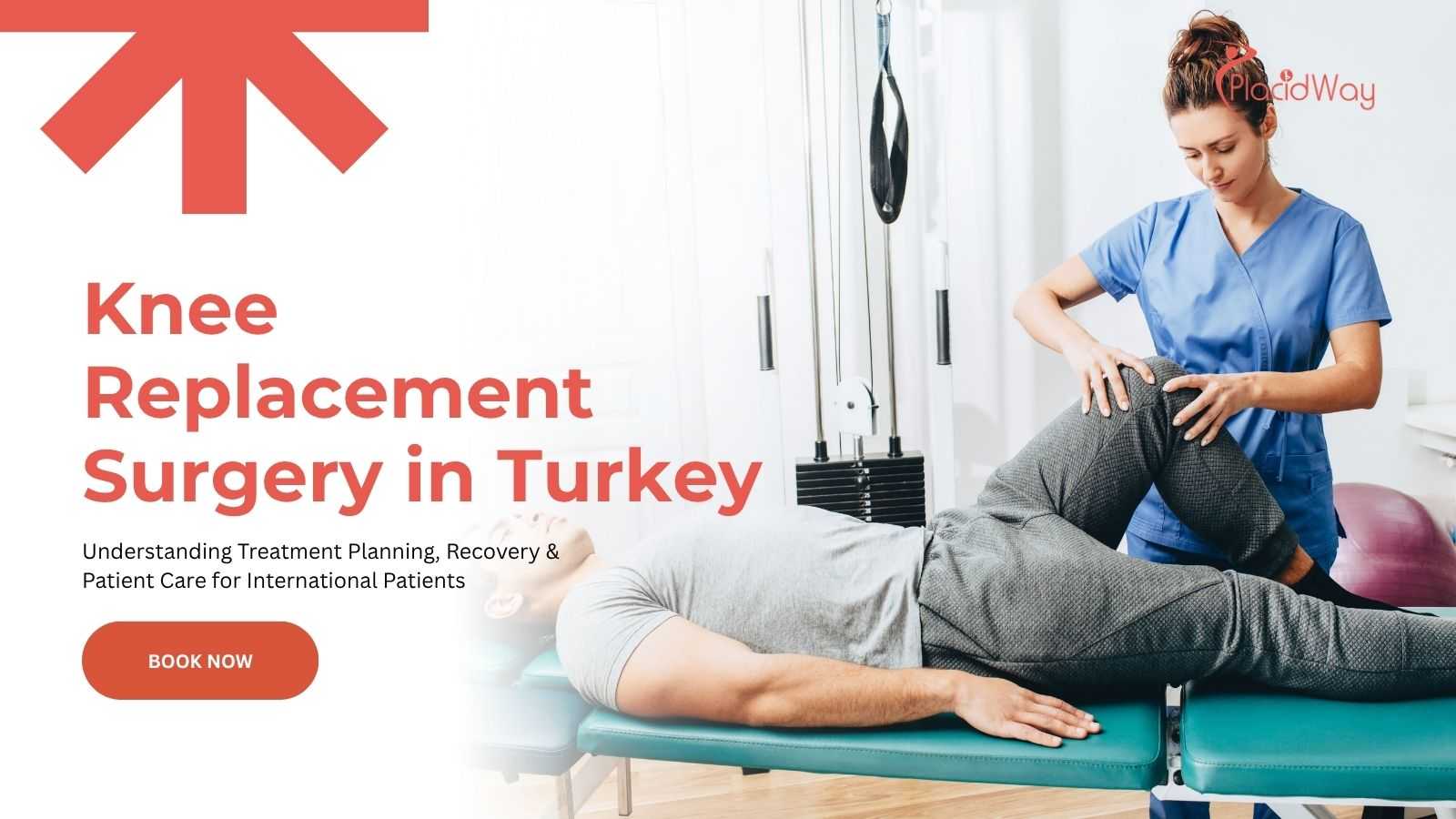
Are you tired of living with chronic joint pain and looking for an affordable total knee replacement abroad to regain your mobility? Navigating long waitlists and high out-of-pocket medical expenses at home can be exhausting, which is why thousands of patients now explore international orthopedic care. By selecting a facility licensed by the Turkish Ministry of Health and verifying your surgeon's national board certifications, you can receive highly advanced joint replacement surgery at a fraction of domestic costs. This comprehensive guide helps you understand every aspect of the treatment so you can make an educated, confident decision about your healthcare journey.
Quick Answer Summary Box
- Estimated Cost: Typically ranges between $6,000 and $10,000 USD, depending on the implant type, clinic, and package inclusions.
- Safety Overview: Generally safe when performed by experienced, board-certified surgeons in properly regulated clinical environments.
- Ideal Candidate: Adults suffering from severe osteoarthritis, rheumatoid arthritis, or joint trauma who have not found relief through conservative treatments.
- Recovery Time: Initial walking begins within days, with most patients resuming light daily activities in 4 to 6 weeks.
- Certifications to Look For: Always verify the facility holds a Turkish Ministry of Health (Sa?l?k Bakanl???) license and the surgeon is registered with the Turkish Society of Orthopaedics and Traumatology (TOTB?D).
- Why Patients Choose Turkey: Exceptional cost savings, access to modern medical technology, minimal wait times, and highly experienced orthopedic specialists.
- Important Caution: Traveling too soon after surgery can increase the risk of deep vein thrombosis (DVT). You must plan for a sufficient recovery period in-country before flying.
Introduction to Orthopedic Medical Travel
Dealing with severe joint degradation can severely limit your quality of life. Many patients facing this diagnosis find themselves confronted with extensive public healthcare waiting lists or staggering private hospital bills in their home countries. This challenging situation leads numerous individuals to consider medical travel for orthopedic procedures.
Exploring cross-border healthcare allows you to take control of your treatment timeline. You can often schedule your procedure within weeks rather than months or years. Understanding the clinical ecosystem in a different country, however, requires careful research.
Primary Reasons Patients Travel for Joint Surgery
- Cost Effectiveness: Significant savings compared to North American or UK private healthcare sectors.
- Immediate Availability: Ability to bypass public healthcare queues that often delay necessary joint interventions.
- Specialized Expertise: Access to surgeons who perform high annual volumes of specific arthroplasty procedures.
- All-Inclusive Care: Comprehensive packages that seamlessly integrate surgery, hospital stays, physical therapy, and local transfers.
- Advanced Technology: Availability of robotic-assisted surgery and premium FDA-approved or CE-marked implants.
This comprehensive guide will walk you through everything you must evaluate before booking your procedure. From verifying medical licenses to understanding your post-operative rehabilitation, you will learn how to prioritize your clinical safety above all else.
Patient Demographics for Orthopedic Surgery
Analyzing recent global healthcare data helps explain who typically travels for joint interventions. According to cross-border healthcare registries from 2024, the patient demographic profile reveals distinct patterns regarding age, origin country, and clinical motivation.
Most individuals seeking joint replacements abroad fall between the ages of 55 and 75. These individuals generally suffer from late-stage osteoarthritis that heavily impedes daily functioning. The data indicates a near-equal distribution between male and female patients seeking this specific intervention.
Distribution of International Orthopedic Patients in Turkey (2024 Data)
Percentage of inbound patients seeking arthroplasty by region of origin.
Patients originating from countries with publicly funded healthcare systems frequently report extended wait times as their primary motivation for travel. Conversely, patients from nations with private healthcare ecosystems often cite out-of-pocket surgical costs as their main driving factor.
Understanding the Surgical Procedure
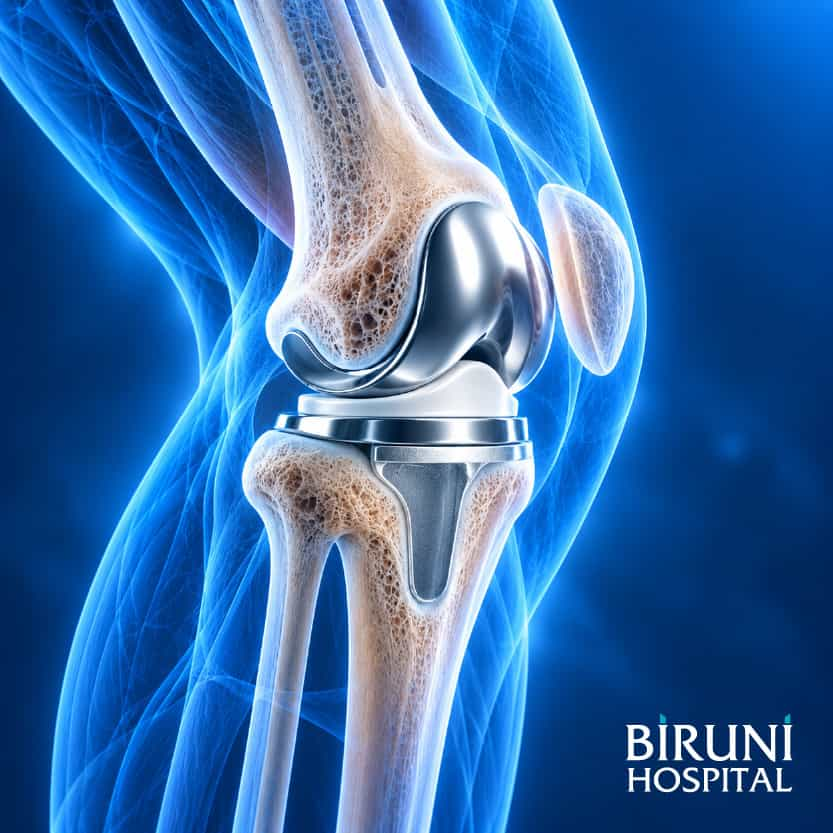
Total knee arthroplasty involves removing the damaged cartilage and bone from the surface of your joint. Your orthopedic surgeon replaces these damaged surfaces with artificial implants made of specialized metal alloys, high-grade plastics, or specialized polymers. This intervention aims to restore joint alignment and eliminate friction during movement.
During the operation, the surgical team places you under general or spinal anesthesia. The surgeon makes a precise incision over the front of the joint to access the patella and surrounding structures. After reshaping the tibia and femur, the prosthetic components are secured, often using specialized medical cement.
Clinical Fact Check
Modern prosthetic joints are designed to mimic the natural biomechanics of your leg. Depending on your anatomy and diagnosis, your doctor may recommend implants that preserve specific ligaments, such as the posterior cruciate ligament (PCL), to maintain a more natural range of motion post-surgery.
Once the hardware is implanted, the surgical team carefully tests the joint's stability and flexion. The incision is then closed with sutures or surgical staples. A sterile dressing is applied, and you are moved to a designated recovery room where clinical staff monitors your vital signs as you wake up.
Types of Arthroplasty Available
Not every patient requires a complete replacement of the joint structure. Based on recent diagnostic imaging and clinical assessments, your specialist will determine the specific surgical approach best suited for your anatomical condition.
Facilities across the country typically offer multiple variations of the procedure. It is vital to discuss which specific intervention your surgeon proposes, as this dictates your rehabilitation schedule and overall medical experience.
Total Knee Replacement (TKA)
This is the most common intervention. It replaces all three compartments of the joint: the medial (inside), the lateral (outside), and the patellofemoral (under the kneecap). It is highly effective for patients with severe, widespread arthritis.
Partial Knee Replacement (UKA)
Also known as a unicompartmental arthroplasty, this procedure replaces only the most damaged section of the joint. It typically involves a smaller incision, preserves more healthy bone, and often allows for a faster initial recovery.
Bilateral Joint Surgery
In specific cases, surgeons may replace both joints simultaneously during a single operative session. While this consolidates the rehabilitation period, it places significantly more stress on the cardiovascular system and requires a highly rigorous post-operative physical therapy regimen.
Advanced clinics may also utilize robotic-assisted surgical platforms. These systems provide the surgeon with 3D anatomical mapping, allowing for highly precise bone cuts and optimal implant positioning. You should ask your clinical coordinator if this technology is included in your proposed treatment plan.
The Treatment Timeline and Recovery Process
Understanding your recovery trajectory is crucial for safely planning your medical travel. Healing from joint surgery is a gradual biological process that requires strict adherence to physical therapy protocols. Immediate post-operative care focuses on pain management and preventing complications like blood clots.
You will begin physical therapy within 24 hours of your operation. Early mobilization is a cornerstone of modern orthopedic recovery. A physical therapist will help you stand and take your first steps using a walker or crutches to stimulate blood flow and joint function.
| Timeframe | Biological Process | Patient Sensation | Action Required |
|---|---|---|---|
| Days 1-3 | Acute inflammation and tissue healing begin. | Significant swelling, managed surgical pain, stiffness. | In-hospital physical therapy, breathing exercises, walking with assistance. |
| Weeks 1-2 | Incision healing; muscular adaptation to the implant. | Gradual reduction in acute pain; bruising may appear. | Outpatient therapy in-country, keeping the leg elevated, practicing specific joint flexion. |
| Weeks 3-6 | Soft tissue remodeling and structural stabilization. | Noticeable improvement in mobility; mild aching after activity. | Transitioning to a cane, driving (if permitted by doctor), continuing daily stretches. |
| Months 3-6 | Complete internal tissue healing; bone integration. | Near-normal sensation, occasional stiffness in cold weather. | Resuming normal low-impact activities like swimming or cycling. |
Do not expect to return home immediately after discharge from the hospital ward. International medical protocols require patients to remain in the destination country for approximately 10 to 14 days post-surgery. This buffer period allows your medical team to remove sutures and clear you for safe air travel.
Evaluating the Cost of Care
Financial transparency is one of the most critical aspects of planning your medical journey. The overall financial commitment varies significantly based on your specific anatomical needs, the brand of prosthetic utilized, and the level of post-operative care included in your package.
International clinics generally offer comprehensive pricing structures. These all-inclusive quotes frequently cover the surgical facility fees, surgeon's compensation, anesthesiology, the prosthetic implant, hospital stay, and ground transportation. However, you must explicitly request an itemized breakdown to avoid unexpected charges.
Estimated International Cost Comparison (USD)
| Country | Estimated Price Range | Wait Time Expectation |
|---|---|---|
| United States (Uninsured/Self-Pay) | $30,000 - $50,000+ | Variable |
| United Kingdom (Private Sector) | $15,000 - $20,000 | 4 - 8 Weeks |
| Canada (Private Clinics, if available) | $18,000 - $25,000 | Months (Public queue) |
| Turkey (All-Inclusive Average) | $6,000 - $10,000 | 1 - 3 Weeks |
When reviewing financial estimates, inquire about hidden expenses. Ask if the quote covers physical therapy sessions, extended hotel stays for your companion, specific post-operative medications, or medical complications insurance. Clarifying these details early prevents financial stress during your recovery phase.
How to Choose a Hospital Safely
Selecting the right clinical facility is paramount to ensuring your safety and achieving optimal surgical results. You must evaluate medical centers based on their national regulatory standing and clinical infrastructure rather than focusing solely on aesthetic marketing materials.
The Turkish healthcare system features a robust regulatory framework overseen by the central government. Clinics accommodating international patients must meet strict operational and hygiene standards to maintain their legal status.
Mandatory Facility Credentials to Verify
- Ministry of Health License: Ensure the clinic possesses a valid operating license from the Turkish Ministry of Health (Sa?l?k Bakanl???).
- Health Tourism Authorization: The facility must hold an official "International Health Tourism Authorization Certificate" issued by the government.
- Intensive Care Capabilities: Major joint surgery requires the facility to have a fully equipped on-site Intensive Care Unit (ICU) in case of unexpected surgical emergencies.
- International Accreditation (Optional but helpful): While national licensing is strictly required, international recognitions like Joint Commission International (JCI) demonstrate an additional commitment to global safety protocols.
During your initial consultation, request the facility's official registration numbers. Reliable clinics will immediately provide documentation proving their legal compliance and clinical capacity for major orthopedic interventions.
How to Select the Right Orthopedic Surgeon
Your surgeon's specialized expertise directly influences your surgical outcome and long-term joint function. Evaluating a doctor's credentials goes far beyond reading online testimonials. You must confirm their formal education, specialized surgical training, and active medical board registrations.
Orthopedic surgery is a highly specialized field. You should seek a medical professional who dedicates a significant portion of their practice specifically to adult reconstructive joint surgery, rather than a generalist who performs arthroplasties infrequently.
National Registrations
Verify the surgeon is an active, registered member of the Turkish Medical Association (TTB). This serves as the primary legal requirement for medical practice in the country.
Specialist Board Certification
Look for membership in the Turkish Society of Orthopaedics and Traumatology (TOTB?D). This indicates specialized, peer-reviewed expertise in bone and joint interventions.
Procedure Volume
Ask specifically how many knee arthroplasties the surgeon performs annually. High-volume surgeons typically exhibit lower complication rates.
Revision Experience
Inquire about their experience with revision surgeries (fixing failed implants). Surgeons skilled in complex revisions deeply understand joint biomechanics.
Request an initial video consultation to discuss your case directly with the surgeon. Use this time to ask how they manage surgical complications and what specific implant brands they recommend based on your medical history.
Preparing for Your Medical Trip
Thorough preparation minimizes anxiety and significantly improves your overall medical travel experience. Once you select your provider, your focus shifts to medical clearance and travel logistics. Your surgical team will require comprehensive health data before you board your flight.
You must obtain a complete set of medical records from your local primary care physician. This includes recent X-rays, MRI scans, a detailed list of current medications, and a formal cardiac clearance verifying your heart is healthy enough to endure general anesthesia.
Pre-Travel Action Checklist
- Medication Review: Stop taking blood-thinning medications, NSAIDs, and certain herbal supplements at least two weeks prior to surgery, as directed by your surgeon.
- Visa Requirements: Check government portals to secure an e-Visa for medical treatment, ensuring your passport has at least six months of validity remaining.
- Flight Booking: Book a seat with extra legroom for your return flight. You will not be able to bend your leg fully immediately after surgery.
- Home Preparation: Before leaving, clear walking paths in your home, install grab bars in the bathroom, and prepare meals for your eventual return.
Inform your local doctor about your plans to travel abroad for care. Establishing a cooperative relationship ensures you have reliable medical support available in your hometown once you return from your international procedure.
Risks and Important Safety Considerations
Like any major orthopedic intervention, this procedure carries inherent medical risks that you must fully understand before proceeding. Acknowledging these potential complications allows you to actively participate in preventative care alongside your clinical team.
The most pressing immediate risk involves deep vein thrombosis (DVT) or blood clots. Surgical trauma and prolonged immobility increase this danger. Hospitals combat this by prescribing prophylactic blood thinners, utilizing compression stockings, and enforcing early ambulation.
Cumulative Prosthetic Implant Survival Rate (2024 Registry Data)
Documented global survivorship of total knee implants over a 15-year period.
Other potential complications include surgical site infections, nerve damage causing numbness around the incision, and joint stiffness. In rare cases, the implant may loosen over time, requiring revision surgery. You should carefully review the clinic's complication management protocol to understand what happens financially and medically if an unexpected event occurs.
Traveling Back Home After Surgery
Successfully completing the surgery is only part of your journey; safely navigating your return flight requires equally meticulous planning. You will face mobility restrictions and an elevated risk of blood clots during air travel, meaning you must adhere to strict clinical guidelines before departing.
Your surgical team will conduct a final medical clearance examination approximately 10 to 14 days after your procedure. During this appointment, they assess your incision healing, remove sutures, review your mobility progress, and provide a formal fit-to-fly certificate.
Essential Flight Safety Protocol
During your return flight, you must wear graduated compression stockings provided by your clinic. It is vital to perform seated ankle pumps every 30 minutes and, if permitted by flight crew, walk the aisle briefly to maintain active circulation in your lower extremities.
Ensure you travel with a companion to manage luggage, as you will not be able to carry heavy bags. Request wheelchair assistance at both the departing and arriving airports to navigate terminals without exhausting your recovering joint.
Frequently Asked Questions
Making cross-border healthcare decisions naturally brings up many questions. Below are detailed answers addressing common concerns international patients face when evaluating joint arthroplasty abroad.
How long do I need to stay in the country after a knee replacement?
In many cases, your doctor may recommend staying for a minimum of 10 to 14 days post-surgery. This timeframe allows the medical team to monitor your initial recovery, manage post-operative pain, remove surgical sutures, and ensure you are medically cleared to withstand the physical stress of commercial air travel safely.
Are the prosthetic implants used in Turkish clinics high quality?
Yes, licensed orthopedic departments typically utilize globally recognized, FDA-approved, or CE-marked implants from major international medical device manufacturers. During your consultation, you can ask the surgeon to specify the exact brand and model of the prosthetic hardware they intend to use for your specific anatomy.
What happens if there is a complication during my orthopedic surgery?
It is crucial to choose a government-licensed hospital equipped with a fully staffed Intensive Care Unit (ICU). Reputable facilities have structured complication management protocols in place. Before traveling, you should clearly ask your provider who bears the financial responsibility if additional unexpected medical interventions become necessary.
Will there be a language barrier at the hospital?
Major medical tourism centers feature dedicated international patient departments. They employ in-house multilingual coordinators and medical interpreters who accompany you during all clinical consultations, pre-operative testing, and nursing interactions, ensuring you clearly understand every step of your care.
When can I walk unassisted after joint arthroplasty?
Physical therapy usually begins within 24 hours of the operation, using a walker or crutches. Depending on your diagnosis and rehabilitation adherence, you may transition to a cane within 3 to 4 weeks. Walking entirely unassisted typically occurs between 4 to 8 weeks, though this varies significantly by patient.
Can I get both knees replaced at the same time abroad?
Bilateral joint surgery is offered by some specialists, but it is evaluated on a strict case-by-case basis. Because it places immense stress on the cardiovascular system and doubles the rehabilitation difficulty, your doctor will assess your age, body mass index, and cardiac health before approving simultaneous interventions.
Is physical therapy included in the surgery cost?
This depends entirely on the specific clinic package. Many comprehensive estimates include the initial inpatient physiotherapy sessions during your hospital stay. However, you must clarify if outpatient rehabilitation during your hotel recovery period is covered, or if it requires an additional fee.
How do I handle medical follow-ups once I return home?
Before departing, your international clinical team will provide a detailed discharge summary, operative notes, and post-surgery X-rays. You must schedule ongoing physical therapy and routine monitoring appointments with a local primary care physician or orthopedic specialist in your home country to ensure continued joint healing.
Do international clinics offer medical complications insurance?
Some specialized medical tourism providers and clinics offer optional medical complication insurance policies designed specifically for cross-border travelers. This specialized coverage can help offset expenses if an adverse event occurs while you are abroad. You should ask your medical coordinator about available options during the quoting process.
What type of anesthesia is used for total knee replacement?
The procedure is typically performed under either general anesthesia (where you are fully unconscious) or spinal anesthesia (where you are awake but numb from the waist down, often combined with a mild sedative). Your anesthesiologist will review your medical history to recommend the safest option for your specific clinical profile.
Need Help Planning Your Medical Journey?
PlacidWay can assist you in comparing highly accredited providers, understanding exact treatment estimates, and securely reviewing your clinical options abroad.
Request Information from Top ClinicsDisclaimer
Disclaimer: This information is for educational purposes only and does not replace professional medical advice. Always consult a qualified healthcare provider before making medical decisions. Treatment outcomes, recovery timelines, and surgical risks vary significantly among individuals based on their unique health conditions and medical history.
References
- Health Tourism Guidelines – World Health Organization (WHO)
- Health Tourism in Turkey (2024 Statistical Reports) – Turkish Ministry of Health
- 2024 International Joint Replacement Survivorship Report – International Society of Arthroplasty Registries (ISAR)
- Board Certification and Orthopedic Standards – Turkish Society of Orthopaedics and Traumatology (TOTB?D)
- Epidemiology of Cross-Border Medical Care in Orthopedics (2024 Update) – National Center for Biotechnology Information (NCBI)
- Deep Vein Thrombosis and International Air Travel Safety – Centers for Disease Control and Prevention (CDC)
- Long-Term Outcomes of Total Knee Arthroplasty in Modern Healthcare Settings (2024) – PubMed

























Share this listing