
If you are struggling with damaged teeth but putting off treatment due to high domestic estimates, getting affordable zirconia dental crowns in Tijuana, Mexico, might be the solution you need. Every day, thousands of patients cross the border seeking quality restorative dentistry without draining their savings, discovering that reputable Mexican clinics offer advanced materials for a fraction of the cost. When planning your trip, the key to a safe experience is knowing exactly what to look for, such as clinics strictly regulated by COFEPRIS and dentists formally registered with the Asociación Dental Mexicana (ADM). By verifying these specific credentials and understanding the exact costs involved, you can confidently restore your smile while avoiding the financial stress of domestic healthcare.
Quick Answer Summary
- Estimated Cost: Typically ranges from $200 to $600 USD per crown, depending on the material chosen.
- Safety Overview: Generally safe when performed at COFEPRIS-licensed clinics by board-certified specialists.
- Ideal Candidate: Individuals with cracked, severely decayed, or weakened teeth seeking restorative care.
- Recovery Time: Minimal downtime; normal eating habits usually resume within a few days after final placement.
- Main Reason for Travel: Patients primarily travel to save 50% to 70% on major dental restorations compared to US prices.
- Important Caution: Always verify clinic hygiene standards and ensure the facility holds current certification from the Mexican Secretariat of Health.
Why Patients Travel for Dental Crowns in Tijuana, Mexico
Dealing with a broken or severely decayed tooth can cause significant physical discomfort and emotional distress. When your local dentist hands you a treatment plan totaling thousands of dollars for a single tooth, finding an alternative becomes a priority. This financial pressure is the main reason individuals look across the border for high-quality care.
Patients choose this destination because it offers a practical, accessible solution to high healthcare costs. You can receive the exact same materials used by your local dentist, but without the inflated pricing structure found in the United States and Canada.
The primary reasons international patients seek dental restorations in this border city include:
- Substantial Cost Savings: Reducing out-of-pocket expenses by over half compared to US national averages.
- Geographic Convenience: Easy walking or driving access directly from San Diego, California.
- Premium Dental Materials: Access to globally recognized brands like E-max and BruxZir zirconia.
- Bilingual Healthcare Teams: Clear communication with English-speaking dentists and patient coordinators.
- Speed of Treatment: Many clinics utilize in-house CAD/CAM milling machines for faster turnaround times.
- Specialized Expertise: Availability of highly trained prosthodontists specializing in complex mouth restorations.
Patient Demographics: Who Travels for Restorative Dentistry?
Understanding who typically travels for this procedure can help validate your own research. Based on recent 2024 border crossing and medical tourism data, the vast majority of dental patients originate from nearby North American regions. These patients are generally seeking relief from high out-of-pocket dental costs not covered by standard insurance networks.
Older adults and retirees frequently make this trip because Medicare does not comprehensively cover major dental restorations. However, recent trends show younger adults also traveling to repair trauma or replace old amalgam fillings with aesthetic porcelain.
2024 Patient Origin Locations for Border Dental Care
This bar chart illustrates the primary origin regions of patients traveling across the US-Mexico border for restorative dental treatments based on 2024 medical tourism tracking data.
Understanding How Dental Crowns Work
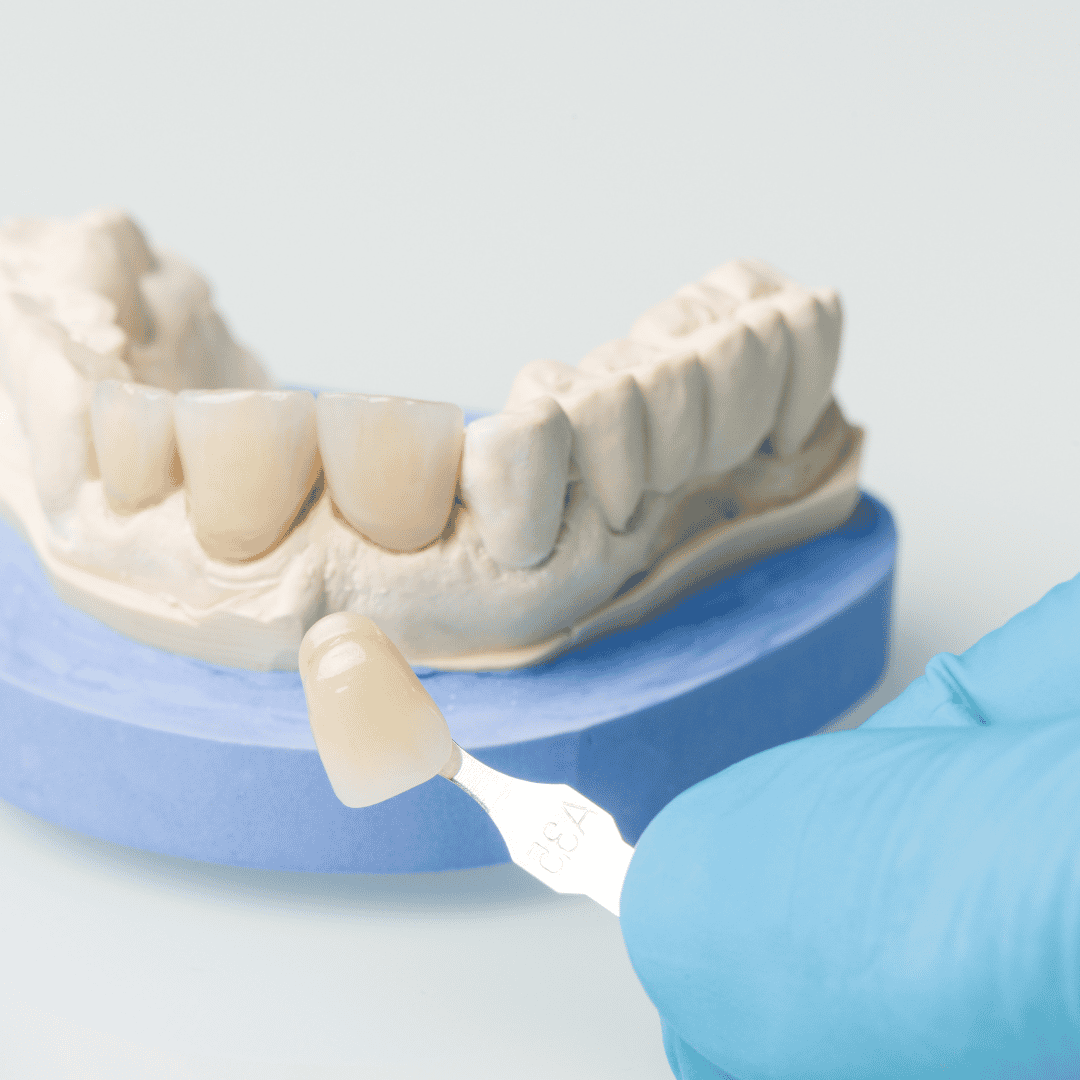
A dental crown acts as a protective cap placed entirely over a damaged tooth. It restores the tooth's shape, size, strength, and overall aesthetic appearance. When a tooth is compromised by severe decay or structural trauma, a standard filling is often insufficient to prevent further breakage.
During treatment, your dentist carefully shapes the natural tooth structure to create a stable foundation. The custom-made cap is then cemented onto this foundation. This encapsulation protects the sensitive nerves and roots beneath the gumline while providing a durable surface for chewing and speaking.
This restorative treatment is commonly recommended by dental professionals to:
- Protect a weak tooth from fracturing under bite pressure.
- Restore a tooth that is already broken or severely worn down.
- Cover and support a tooth with a large filling when minimal natural tooth remains.
- Hold a dental bridge firmly in place.
- Conceal misshapen or severely discolored teeth.
- Protect a tooth immediately following a root canal procedure.
Dental Crown Materials Available for Patients
Choosing the right material is one of the most important decisions you will make regarding your restorative care. Modern clinics near the border offer the exact same FDA-approved materials utilized in premium North American dental offices.
Your dentist may recommend a specific material based on the location of the tooth, your chewing habits, and your aesthetic preferences. Front teeth typically require highly translucent materials to look natural, while back molars require maximum strength to withstand heavy bite forces.
| Material Type | Best Used For | Durability | Aesthetic Quality |
|---|---|---|---|
| Zirconia | Back molars and patients who grind teeth | Extremely High | Good to Excellent |
| E-max (Lithium Disilicate) | Highly visible front teeth | Moderate to High | Excellent (Most Natural) |
| Porcelain Fused to Metal (PFM) | Bridges and back teeth | High | Good (May show dark gum line) |
| Full Gold Alloy | Out-of-sight back molars | Maximum | Poor (Metallic appearance) |
Evaluating the Cost of Dental Crowns in Tijuana, Mexico
Understanding treatment expenses helps you plan your medical travel budget accurately. The quoted price usually includes the material, the dentist's time, and the clinical equipment used. However, it is essential to ask your provider for a transparent, itemized written quote before committing to treatment.
Prices fluctuate based on the clinic's location within the city, the experience level of the prosthodontist, and the specific technology utilized, such as digital impressions. Remember that heavily discounted prices far below the local average may indicate the use of inferior laboratory materials.
Financial Planning Tip
Always confirm whether the consultation fee, digital x-rays, and temporary crowns are included in the final per-tooth price. Uncovering hidden fees early prevents frustration upon arrival.
| Treatment Component | Estimated Cost Range (USD) |
|---|---|
| Initial Consultation & X-Rays | $0 - $50 (Often waived with treatment) |
| Porcelain Fused to Metal (PFM) Crown | $200 - $350 |
| Full Porcelain / Ceramic Crown | $300 - $450 |
| Zirconia Dental Crown | $350 - $600 |
| E-max (Lithium Disilicate) Crown | $400 - $650 |
Cost Comparison: Border Clinics vs. US and Canadian Averages
To truly grasp the financial benefit of dental tourism, you must look at the direct cost comparison between border clinics and domestic providers. High operational overhead, expensive malpractice insurance, and complex administrative systems keep domestic dental fees exceptionally high.
In contrast, Mexican dental clinics operate with significantly lower overhead costs, subsidized medical education for dentists, and fewer administrative layers. These economic differences are passed directly to the patient, resulting in affordable restorations without compromising the clinical quality of the materials.
| Material | Average Cost (USA) | Average Cost (Canada) | Average Cost (Mexico) |
|---|---|---|---|
| PFM Crown | $1,000 - $1,500 | $1,200 - $1,600 CAD | $200 - $350 |
| Zirconia Crown | $1,500 - $2,500 | $1,600 - $2,800 CAD | $350 - $600 |
| E-max Crown | $1,600 - $2,800 | $1,800 - $3,000 CAD | $400 - $650 |
The Step-by-Step Dental Crown Procedure
Knowing what happens during your time in the dentist's chair helps alleviate anxiety. The process for creating and placing a dental restoration typically requires two separate visits over a few days, unless the clinic utilizes single-visit CAD/CAM technology.
During the first appointment, the dentist will numb the area with local anesthesia and carefully remove any decay. The tooth is then reshaped to ensure the new cap fits perfectly. Accurate impressions are taken to guide the dental laboratory in crafting your custom restoration.
While the permanent crown is being fabricated, a temporary acrylic cap is placed to protect your shaped tooth. Upon your return visit, this temporary cap is removed, and the permanent structure is bonded firmly into place using specialized dental cement.
Standard Clinical Timeline
Day 1: Consultation & Preparation
Diagnostic x-rays are taken. The tooth is prepared, impressions are captured, and a temporary crown is placed. (Approx. 1-2 hours)
Days 2-4: Laboratory Fabrication
The dental lab crafts the custom crown. You are free to rest or explore the city while eating soft foods. (Time varies by clinic)
Day 5: Final Placement & Adjustment
The permanent restoration is fitted, bite alignment is checked, and final cementation occurs. (Approx. 45-60 minutes)
Recovery Timeline and Proper Aftercare
The recovery process following a dental restoration is generally quite manageable. You may experience localized gum tenderness or mild sensitivity to hot and cold temperatures in the days immediately following the final cementation. This is a normal biological response to the dental work.
To ensure the longevity of your new restoration, maintaining excellent oral hygiene is critical. You must brush twice daily and floss carefully around the new crown to prevent plaque buildup at the gum line. Avoiding excessively hard or sticky foods can also prevent accidental dislodgement.
| Timeframe | Biological Process | Patient Sensation | Action Required |
|---|---|---|---|
| Hours 1-4 | Anesthesia wears off | Numbness fading | Do not eat until numbness is completely gone. |
| Days 1-3 | Gum tissue heals | Mild tenderness, thermal sensitivity | Eat soft foods. Use sensitive toothpaste if needed. |
| Weeks 1-2 | Bite adaptation | Feeling of a "new" tooth normalizing | Chew normally. Report any uneven bite to the dentist. |
| Ongoing | Integration with oral routine | Completely natural feeling | Maintain daily brushing and regular cleanings. |
Potential Risks and How to Prevent Complications
Every medical and dental procedure carries some inherent risks, and traveling abroad requires you to be especially diligent about safety. While severe complications are uncommon, you must understand the potential clinical challenges that may arise after receiving restorative care.
Poorly fitted restorations can lead to bite misalignment, jaw pain, or trapped bacteria that causes recurrent decay beneath the cap. In some cases, the nerve of the tooth may become irreversibly inflamed, necessitating a subsequent root canal treatment.
Important Warning Signs
Contact a dentist immediately if you experience persistent throbbing pain, visible swelling in the gums or face, an obviously loose crown, or an uneven bite that causes pain when closing your jaw.
Potential Risks
- Allergic reaction to metal alloys (rare).
- Nerve inflammation or infection.
- Chipping or fracturing of the porcelain.
- Crown loosening or falling off.
Prevention Strategies
- Choose biocompatible materials like Zirconia.
- Wear a nightguard if you clench your teeth.
- Avoid chewing ice, hard candies, or opening packages with teeth.
- Attend regular 6-month checkups.
How to Choose a Safe Dental Clinic in Tijuana, Mexico
Your safety and the success of your treatment depend entirely on the facility you select. Not all dental clinics cater to international patients or maintain stringent cross-infection control protocols. You must look past glossy marketing websites and verify objective regulatory standards.
In this region, the most important regulatory body is COFEPRIS (Federal Committee for Protection from Sanitary Risks). This government agency inspects facilities, ensuring they utilize proper sterilization equipment (autoclaves) and handle medical waste appropriately. A clinic operating safely will prominently display its government license.
When vetting a facility, use this essential safety checklist:
- Does the clinic display a valid COFEPRIS sanitary license?
- Is there a structured infection control protocol utilizing Class B autoclaves?
- Does the clinic use genuine, branded materials rather than unbranded alternatives?
- Do they provide a written warranty or revision policy for failed restorations?
- Is there an in-house lab, or do they partner with certified external dental laboratories?
Verifying Dentist Credentials and Specialists
A beautiful clinic means very little without a qualified professional performing the work. In Mexico, general dentists complete university training to earn a degree (Cirujano Dentista), but complex oral rehabilitation requires specialized postgraduate education.
For extensive crown work, you should seek a Prosthodontist—a specialist in dental prosthetics and bite dynamics. You can verify a dentist's professional standing by looking for their Cédula Profesional, which is a federal registration number proving they hold a valid medical degree.
Key Credentials to Look For
Ensure your chosen provider is an active member of the Asociación Dental Mexicana (ADM). Many top-tier providers also hold international affiliate memberships with the American Dental Association (ADA) or the American College of Prosthodontists, demonstrating a commitment to global standards of continuing education.
Planning Your Travel and Stay at the Border
Logistical preparation minimizes the stress associated with medical travel. This destination is uniquely positioned just minutes south of San Diego, making it accessible via brief car rides or pedestrian border crossings at San Ysidro. Many clinics offer complimentary shuttle services from the US side directly to their office doors.
If your treatment requires multiple visits spread across several days, you will need to arrange accommodation. Numerous modern hotels located in the designated medical districts offer discounted rates for international dental patients, providing a comfortable and safe environment for recovery.
To streamline your return journey to the United States, inquire if your chosen clinic provides access to the medical fast-lane pass (Medical Lane). This official government pass significantly reduces border wait times, allowing you to cross back into the US swiftly after your procedure is complete.
Comparing Single Restorations with Bridges and Implants
Depending on your diagnosis, a single dental cap may not be your only option. If your tooth is too decayed to save, an extraction followed by a bridge or an implant may be recommended. Understanding the differences helps you discuss options confidently with your prosthodontist.
A dental bridge utilizes two healthy neighboring teeth to anchor a false tooth in the middle. While effective, it requires shaving down healthy enamel. A dental implant, conversely, replaces the entire tooth root with a titanium post, offering the most durable, bone-preserving solution, though it requires surgery and a longer healing period.
Your doctor may recommend an extraction and implant over a crown if the tooth root is fractured, if there is severe bone loss, or if a root canal has failed multiple times.
Clinical Success Rates and Longevity of Restorations
Patients often wonder how long their new restorations will last. Clinical data indicates that modern dental restorations boast excellent long-term survival rates when placed correctly and maintained properly. The longevity depends heavily on your daily oral hygiene, diet, and whether you grind your teeth at night.
Recent 2024 reviews of clinical literature highlight that monolithic zirconia and lithium disilicate (E-max) restorations offer exceptional durability. While no dental prosthetic lasts forever, most patients enjoy a fully functional restoration for a decade or more before replacement is necessary due to natural gum recession or wear.
Zirconia Crown Survival Rates (1 to 10 Years)
This line graph visualizes the cumulative clinical survival rate of monolithic zirconia restorations over a 10-year period, based on 2024 updated systematic reviews in prosthodontic literature.
Frequently Asked Questions
Is getting dental crowns in Tijuana, Mexico safe for international patients?
Yes, it is generally safe when you select a clinic regulated by COFEPRIS and staffed by credentialed specialists. Reputable facilities adhere to strict sterilization protocols comparable to those found in US clinics. Always verify the doctor's Cédula Profesional prior to booking.
How much does a full zirconia dental crown cost?
A full monolithic zirconia restoration typically ranges from $350 to $600 USD. This represents a significant savings compared to US prices, which often exceed $1,500. Prices vary slightly based on the clinic's technology and the expertise of the dental laboratory.
Do I need a passport to cross the border for dental care?
Yes, you must present a valid passport or a US Passport Card to re-enter the United States by land. While Mexican authorities may sometimes allow entry without one, US Customs and Border Protection requires valid travel documentation upon return.
How many trips will I need to complete my treatment?
Most standard treatments require a single trip lasting 3 to 5 days. The first day involves tooth preparation, followed by a few days of lab fabrication, and ending with final cementation. Some clinics offer CAD/CAM same-day technology, completing the process in one visit.
Are the materials used in Mexican clinics the same as in the US?
Yes, top-tier clinics import the exact same FDA-approved materials, such as Ivoclar E-max and BruxZir zirconia, used by American dentists. The cost difference is due to lower labor and operational overhead, not inferior clinical materials.
What happens if my dental restoration breaks after I return home?
Quality clinics provide a written guarantee or warranty on their lab work, often covering replacements for 1 to 5 years. However, you will typically need to travel back to the clinic to have the revision work performed, so factor travel costs into your risk assessment.
Can I pay for my procedure using US dollars or a credit card?
Yes, virtually all clinics catering to medical tourists gladly accept US dollars. Most also accept major international credit cards, though some may apply a small processing fee. It is highly recommended to confirm accepted payment methods before your appointment.
Does dental insurance cover treatments received abroad?
Some US dental PPO insurance plans do provide out-of-network reimbursement for treatments performed internationally. You must ask your clinic to provide itemized billing codes (ADA codes) so you can submit the claim manually to your provider upon returning home.
Will the procedure be painful?
The procedure is performed under local anesthesia, so you should not feel sharp pain during the preparation. Mild soreness in the gums or jaw is common for a few days following the appointment, which can typically be managed with over-the-counter pain relievers.
Can I eat normally with a temporary dental cap?
You must be cautious with a temporary acrylic cap. Avoid chewing sticky foods like caramel or excessively hard foods like nuts on that side of your mouth, as temporary cement is designed to be easily removed and can dislodge.
Ready to Restore Your Smile?
PlacidWay can help you compare vetted providers, understand your treatment costs, and request detailed information directly from top-rated clinics.
Request Free InformationDisclaimer
Disclaimer: This information is for educational purposes only and does not replace professional medical advice. Always consult a qualified healthcare provider before making medical decisions.
References
- Medical Tourism: Travel for Medical Care – Centers for Disease Control and Prevention (CDC)
- Survival rates and complications of zirconia-based and lithium disilicate crowns: 2024 Update – National Center for Biotechnology Information (NCBI)
- Dental Materials and Restorations – American Dental Association (ADA)
- Federal Committee for Protection from Sanitary Risks – Government of Mexico (COFEPRIS)
- Patient Safety in Dentistry Guidelines – FDI World Dental Federation
- Demographics and motivations of cross-border dental tourism – Journal of Travel Medicine (PubMed)





















Share this listing