


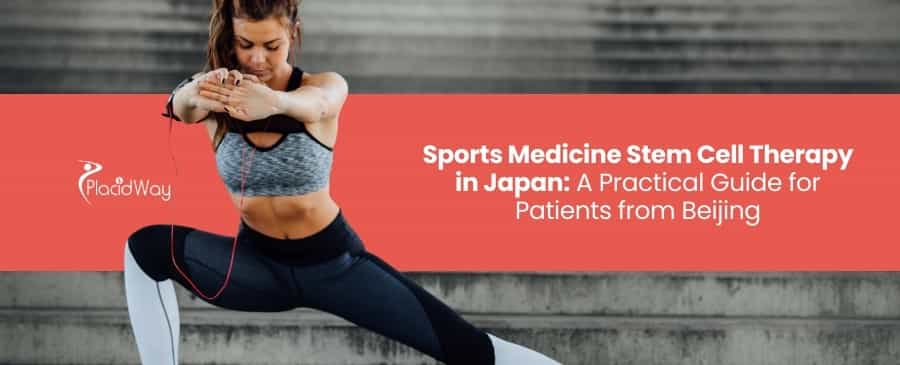
For active individuals and athletes in Beijing seeking faster recovery from sports injuries, sports medicine stem cell therapy in Japan has become a top choice thanks to the country’s highly advanced regenerative medicine technologies and strict clinical standards.
Japan’s orthopedic specialists are known for using high-quality stem cells to support soft-tissue repair, reduce inflammation, and restore joint function — helping patients return to their training sooner and with greater confidence.
Key Takeaways
-
The ASRM Advantage: Japan's Act on the Safety of Regenerative Medicine (ASRM) provides a highly regulated and government-vetted pathway for high-dose, culture-expanded stem cells (100M+ MSCs), offering a significant potency advantage over many same-day treatments globally.
-
Cost Range: Sports injury packages (knee, shoulder, tendon) typically cost $6,500 – $15,000 USD (approx. ¥46,000 – ¥108,000 RMB). This is higher than most Chinese clinics but guarantees the MHLW-regulated process and cell quality.
-
Treatment Focus: Primarily targets chronic issues like Osteoarthritis, Meniscus Tears, Tendon/Ligament Injuries (ACL support, Rotator Cuff), aiming to avoid surgery and accelerate rehabilitation.
-
Logistics: Direct flights from Beijing (PEK) to Tokyo (NRT/HND) take about 3.5 hours, making the two-visit protocol simple for Chinese patients.
Why Japan? The Quality Assurance for Athletes
Japan has prioritized translating regenerative research into clinical practice under strict government monitoring, offering athletes a path to return to play faster and safer.
While China has a vast and rapidly developing regenerative medicine sector, the commercial oversight can sometimes be varied. Japan offers orthopedic patients a crucial element: guaranteed transparency and regulated potency.
The Key Difference: Cell Potency and Regulation
-
Cultured Cells (Japan): The ASRM law permits clinics to take a small sample of the patient's fat tissue (Autologous Adipose-Derived Stem Cells) and multiply those cells into the hundreds of millions in a certified Cell Processing Center (CPC). This high-dose injection is critical for regenerating dense, slow-healing tissues like cartilage and tendons.
-
Uncultured Cells (Alternatives): Many "same-day" treatments (common in countries with less flexible regulations) rely on low-dose bone marrow concentrate (BMC) or non-expanded fat injections, which often lack the regenerative cellular mass needed for complex joint repair.
-
Safety Oversight: Every procedure must be reviewed and registered with the Ministry of Health, Labour and Welfare (MHLW), ensuring the highest level of clinical accountability.
Target Sports Injuries and Protocols
Japanese sports medicine clinics focus on preserving the natural joint structure and accelerating biological healing.
1. Knee Joint Injuries (Meniscus & Cartilage)
-
Conditions: Grade I-III Knee Osteoarthritis (OA), Meniscus tears (especially radial and degenerative tears), and focal cartilage defects.
-
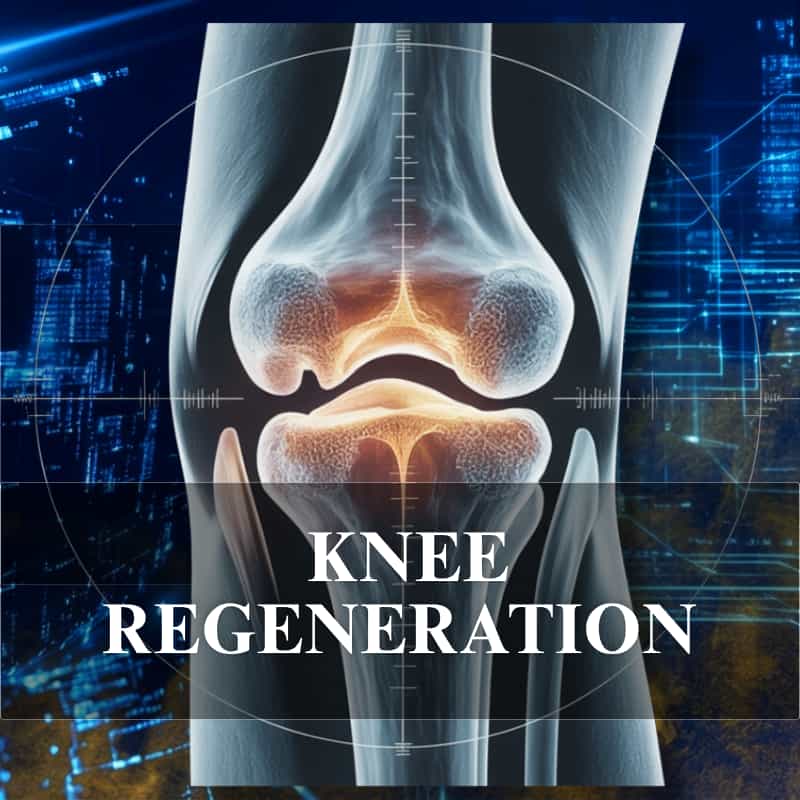
Protocol: Precision intra-articular injection of high-dose MSCs under fluoroscopic guidance to promote chondrogenesis (cartilage formation) and reduce inflammation.
2. Tendon and Ligament Injuries
-
Conditions: Chronic Achilles Tendinopathy, Patellar Tendonitis, and Partial ACL/PCL Tears.
-
Protocol: Injection of cultured MSCs directly into the injury site, often combined with a scaffolding agent like PRP (Platelet-Rich Plasma) to accelerate tendon fiber reconstruction.
3. Chronic Pain Syndromes
-
Conditions: Chronic shoulder pain (Rotator Cuff), tennis elbow (lateral epicondylitis), or persistent ankle sprains.
-
Goal: To provide a permanent biological solution rather than temporary relief from steroid injections.
The Treatment Protocol: Two Visits from Beijing
The required cell culturing period means the treatment is completed over two separate trips, usually 4–6 weeks apart.
Visit 1: Harvesting and Initial Screening (2 Days)
-
Remote Consultation: Initial review of MRI/CT scans (provided from China) to confirm eligibility.
-
Arrival in Japan: Final assessment and physical examination by the orthopedic surgeon.
-
Harvesting: A quick, minimally invasive mini-liposuction to collect fat tissue (ADSCs).
-
Departure: The patient returns to Beijing. The cells are now in the Japanese CPC undergoing expansion.
Visit 2: Injection and Rehabilitation Start (2 Days)
-
Return to Japan: Fly back after the 4–6 week expansion period.
-
Precision Injection: The highly concentrated MSC solution is injected into the injured joint under strict imaging guidance.
-
Post-Care: Detailed Japanese physical therapy guidelines are provided (often translated to Mandarin) for the patient to continue back in China.
Cost and Logistics for Chinese Patients
The higher cost of sports medicine stem cell therapy in Japan is offset by access to certified high-potency cells, which are intended to provide more durable results.
|
Destination |
Procedure (Single Joint) |
Est. Cost (USD) |
Est. Cost (RMB) |
Regulatory Advantage |
|---|---|---|---|---|
|
Japan |
Cultured MSCs (100M+) |
$6,500 – $15,000 |
¥46,000 – ¥108,000 |
Government-approved cell expansion. |
|
China |
Commercial SC (Uncultured/BMC) |
$5,000 – $10,000 |
¥35,000 – ¥72,000 |
Lower base price, but less regulatory clarity. |
|
South Korea |
Advanced Orthopedics (PRP/BMC) |
$5,000 – $10,000 |
¥35,000 – ¥72,000 |
High standards; similar limitations on cell expansion. |
Visa Requirements for Chinese Citizens
Chinese passport holders typically require a Medical Stay Visa for this treatment due to the requirement of returning for a second visit.
-
Key Document: An Invitation Letter from the Japanese hospital and a Letter of Guarantee from a registered Japanese guarantor (often provided by the clinic or a medical tourism agency).
-
Pre-Entry TB Screening: Chinese citizens are subject to Japan’s pre-entry Tuberculosis screening.
Travel
-
Flights: Direct flights are frequent from Beijing Capital (PEK) to Tokyo Narita/Haneda (NRT/HND) on Air China, ANA, and JAL.
-
Communication: Top Japanese clinics offer Mandarin-speaking coordinators to ensure clear consultation and consent processes.
Frequently Asked Questions (FAQ)
Is stem cell therapy legal in Japan for Chinese patients? Yes. It is legal and strictly regulated under the ASRM law, which applies equally to international patients. The clinic must provide documentation showing MHLW notification and CPC certification.
How long after treatment can I return to sports? Recovery is phased. Patients can resume walking immediately, but moderate activity usually resumes after 4–8 weeks. High-impact sports or heavy training is typically restricted for 3–6 months to allow the regenerated tissue to mature fully.
Will the treatment interfere with doping regulations for professional athletes? Autologous stem cell therapy (using your own cells) is generally permitted by the World Anti-Doping Agency (WADA) as it is not considered genetic modification or a performance-enhancing substance. However, professional athletes must check with their national anti-doping agency (China Anti-Doping Agency - CHINADA) regarding the specific stem cell protocol before treatment.
What is the success rate for chronic tendon injury? Success rates for orthopedic injuries like chronic tendinopathy and partial tears are typically reported between 70%–85% in reducing pain and improving function, particularly when followed by dedicated rehabilitation.
Ready to Restore Your Athletic Performance?
PlacidWay connects athletes and patients from Beijing with Japan’s certified regenerative medicine experts specializing in sports trauma. We ensure the logistics are seamless and the quality meets the highest global standards.
We assist with:
-
Visa Documentation: Coordinating with the Japanese guarantor for your necessary visa letters.
-
Specialist Matching: Connecting you with surgeons experienced in sports injury regeneration.
-
Full Coordination: Managing the two-visit protocol and follow-up.


.png)




.png)
.png)

.png)
-1.png)
.png)
-(6).png)








Share this listing