
.jpg)
For Madrid patients struggling with joint pain, sports injuries, or age-related mobility issues, orthopaedic stem cell treatment in Colombia is emerging as an exciting alternative to invasive surgery.
Colombia’s regenerative medicine centers are known for using advanced stem cell protocols to support cartilage repair, reduce inflammation, and restore movement with minimal downtime.
Key Takeaways
-
Linguistic Comfort: Spanish patients benefit from seamless communication in their native language with doctors, nurses, and staff across major Colombian medical hubs (Medellín, Bogotá).
-
Cost Efficiency: Orthopaedic stem cell injections (for conditions like knee osteoarthritis) typically range from $3,000 – $10,000 USD (approx. €2,800 – €9,300 EUR) per joint, offering substantial savings compared to similar private procedures in Madrid (€6,000 – €15,000+).
-
Regulatory Assurance: Colombia's National Institute for Food and Drug Surveillance (INVIMA) regulates cellular therapies, ensuring accredited clinics adhere to high safety and processing standards.
-
Treatment Protocols: Colombian clinics frequently utilize lab-expanded cells (Autologous or Allogeneic) and offer integrated rehabilitation plans, leading to a comprehensive recovery approach.
The Orthopaedic Advantage: Why Travel from Madrid?
While Spain maintains excellent medical standards, the public health system (SNS) does not cover experimental regenerative therapies, and private treatment costs are significantly higher than in Colombia.
For Madrid residents seeking alternatives to joint replacement surgery or long-term pain management for conditions like chronic arthritis, Colombia offers a powerful economic and therapeutic argument:
1. Cost and Accessibility
The combination of lower operational costs and favorable currency exchange rates makes high-quality regenerative care accessible. For procedures that require out-of-pocket payment in both countries, Colombia presents the most significant value proposition.
2. Treatment Flexibility (The Cell Choice)
Spanish regulation (AEMPS) tends to be conservative regarding cell manipulation. Colombian clinics, however, offer:
-
Autologous (Patient's Own): Harvested from Adipose (fat) or Bone Marrow (BMAC). This is generally preferred for safety.
-
Allogeneic (Donor): Often utilizing young, high-potency Umbilical Cord-Derived MSCs for older patients whose own cells may have diminished vitality. This flexibility in cell sourcing is a major draw.
Target Musculoskeletal Conditions
Stem cell therapy in Colombia is focused on addressing the root cause of chronic pain by promoting tissue regeneration and reducing inflammation.
1. Knee Osteoarthritis (OA) and Meniscus Tears
-
Focus: Stabilizing the joint, reducing inflammation, and stimulating the repair of damaged cartilage (chondrocytes) and meniscal tissue.
-
Goal: Delaying or avoiding Total Knee Replacement (TKR).
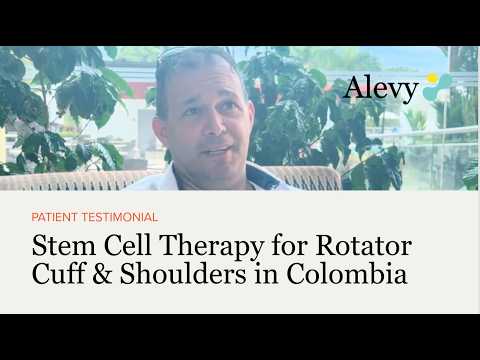
2. Shoulder Pain (Rotator Cuff)
-
Focus: Repairing chronic partial tears or tendinopathy in the rotator cuff tendons (hombro).
3. Chronic Spinal and Hip Pain
-
Focus: Treating degenerative disc disease, facet joint arthritis, and mild-to-moderate hip osteoarthritis (cadera).
The Treatment Protocol: Precision and Speed
Orthopaedic stem cell therapy is minimally invasive and typically requires a short 3–5 day stay, allowing Spanish patients to return home quickly to continue rehabilitation.
Step 1: Remote Consultation (Consulta Inicial)
Patients submit recent imaging (Resonancia Magnética or MRI) and medical history from Madrid. Colombian specialists review the case to determine candidacy and the optimal cell source and dosage.
Step 2: Arrival and Diagnostics
Patients travel to Medellín or Bogotá. Local diagnostics (blood tests, final imaging) confirm the treatment plan.
Step 3: Harvesting and Injection (Same-Day or Delayed)
-
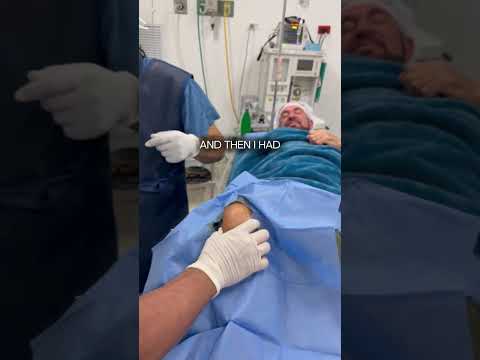
Autologous Protocol (Common in Colombia): Cells are harvested (mini-liposuction or bone marrow aspiration) and immediately processed to concentrate the MSCs.
-
Injection: The concentrated stem cells are injected directly into the joint space (intra-articular) or site of injury, guided by Ultrasound or Fluoroscopy for optimal placement.
Step 4: Post-Care and Rehabilitation
Patients are discharged to their hotel with instructions for immediate rest. The key to long-term success involves coordinating with Spanish physiotherapists to ensure the appropriate rehabilitación schedule is followed to maximize joint stabilization and strength regain.
Cost Comparison: Colombia vs. Spain (Out-of-Pocket)
Note: Prices are estimates in USD and Euro.
As patients explore treatment options abroad, the cost of orthopaedic stem cell treatment in Colombia becomes a key consideration often significantly more affordable than in Spain, while still providing access to skilled orthopedic specialists and modern medical facilities.
|
Destination |
Procedure (Single Joint Injection) |
Est. Cost (USD) |
Est. Cost (EUR) |
Regulatory Status |
|---|---|---|---|---|
|
Colombia (Autologous MSC) |
Knee/Shoulder Joint Therapy |
$5,000 – $10,000 |
€4,600 – €9,300 |
INVIMA Regulated (Legal) |
|
Spain (Private Clinic) |
Autologous BMC/PRP (High-End) |
$8,000 – $15,000+ |
€7,400 – €14,000+ |
AEMPS oversight; higher overhead cost. |
|
Germany |
Autologous BMC Injection |
$10,000 – $20,000 |
€9,300 – €18,600 |
High cost due to Central European operational fees. |
Travel Logistics for Madrid Patients
1. Flights
-
Madrid (MAD) to Medellín (MDE): Direct flights are available via Avianca or Air Europa, taking approximately 10–11 hours. Medellín is a top orthopaedic center.
-
Madrid (MAD) to Bogotá (BOG): Direct flights via Iberia and Avianca are common.
2. Visa Requirements
-
No Visa: Spanish citizens holding a valid passport do not require a visa for stays up to 90 days for medical tourism.
3. Linguistic Support
The vast majority of medical professionals, especially in the private clinics of Medellín and Bogotá, are fluent in Spanish, offering a level of comfort and clarity unmatched in non-Spanish speaking destinations.
Frequently Asked Questions (FAQ)
Is the treatment covered by the Spanish National Health System (SNS)? No. Stem cell therapy is considered an investigational, elective treatment and is not covered by the SNS or most Spanish supplementary health insurance plans. It must be paid for out-of-pocket.
How long do results typically last? The regenerative effects, resulting in pain reduction and functional improvement, typically last 3 to 5 years or longer, depending on the severity of the initial injury and the patient's post-treatment lifestyle.
What are the risks of the harvesting procedure? The harvesting of cells (fat or bone marrow) is a low-risk procedure performed under local anesthesia. Minor side effects may include temporary bruising or soreness at the collection site.
How do I verify the clinic’s safety standards? You should ask for the clinic's INVIMA registration number (Colombia's regulator) and inquire about their laboratory's adherence to GMP (Good Manufacturing Practice) or ISO standards.
Ready to Rebuild Your Active Life?
PlacidWay connects Spanish patients directly with the top INVIMA-certified orthopedic specialists in Colombia. We ensure you receive high-quality, precise regenerative medicine in a familiar linguistic and cultural environment.
We assist with:
-
Specialist Matching: Connecting you with orthopaedic surgeons specializing in your specific joint issue (rodilla, hombro, cadera).
-
Cost Transparency: Providing guaranteed package pricing in Euros.
-
Local Support: Arranging transfers and coordinating your short, 3–5 day trip.

.jpg)










.png)
.jpg)
-(4).png)
-(4).png)








Share this listing