


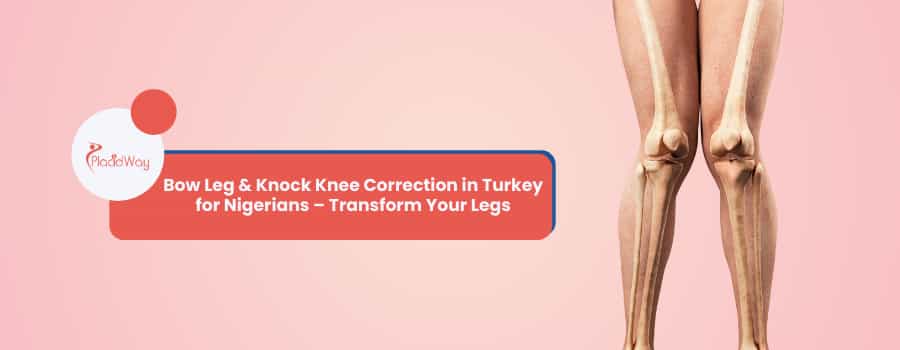
For many Nigerians, conditions like bow legs (genu varum) and knock knees (genu valgum) are more than just cosmetic concerns; they can lead to significant pain, mobility issues, and long-term joint damage. Seeking effective and affordable treatment is a priority, and Turkey has emerged as a leading destination for advanced orthopedic care, offering a promising solution for those looking to transform their legs and quality of life.
This comprehensive guide explores why Turkey, particularly cities like Istanbul and Ankara, is an ideal choice for Nigerian patients seeking expert leg deformity correction surgery. We delve into the procedures, costs, recovery, and what makes Turkey a world-class medical tourism hub, ensuring you have all the information needed to make an informed decision for your journey to improved mobility and aesthetics.
Key Takeaways
- Significant Cost Savings: Nigerian patients can expect to save 50-70% on bow leg and knock knee surgery costs in Turkey compared to prices in the UK, USA, or even some local private clinics, often without compromising on quality.
- World-Class Orthopedic Expertise: Turkey boasts JCI-accredited hospitals and highly experienced orthopedic surgeons specializing in limb realignment surgery, utilizing advanced techniques and modern equipment for optimal outcomes.
- Comprehensive Medical Packages: Many clinics offer all-inclusive packages covering surgery, hospital stay, consultations, transfers, and sometimes accommodation, streamlining the medical journey for international patients from Nigeria.
- Faster Access to Treatment: Avoid long waiting lists often encountered in other countries, as orthopedic clinics in Istanbul and Ankara can schedule procedures promptly.
- Average Costs by Country for Leg Deformity Correction (Osteotomy):
- Turkey: $7,000 - $15,000 USD
- India: $6,000 - $12,000 USD
- USA: $25,000 - $50,000+ USD
- UK: $20,000 - $40,000+ USD
Understanding Bow Legs (Genu Varum) & Knock Knees (Genu Valgum)
These common orthopedic conditions involve the misalignment of the legs, leading to aesthetic concerns, pain, and potential long-term joint damage if left untreated.
Bow legs, medically known as genu varum, occur when the knees bow outwards, causing a noticeable gap between the knees when standing with feet together. Conversely, knock knees, or genu valgum, are characterized by the knees touching or knocking together while the ankles remain apart. Both conditions can stem from genetic factors, developmental issues, injuries, or conditions like rickets. For many, these misalignments cause physical discomfort, uneven weight distribution, and can accelerate wear and tear on knee joints, leading to early onset of osteoarthritis.
Beyond the physical symptoms, the aesthetic impact of bowed legs or knocked knees can significantly affect an individual's self-esteem and quality of life. Many patients from Nigeria seek correction not just for pain relief and improved mobility but also for the psychological benefits of having straighter, more aligned legs. Understanding the underlying causes and potential long-term consequences is the first step toward effective treatment.
Why Nigerians Seek Leg Correction in Turkey
Turkey offers a compelling combination of affordability, high-quality medical care, and experienced orthopedic specialists, making it a preferred destination for Nigerians seeking leg deformity correction.
The decision to travel abroad for medical treatment, known as medical tourism, is often driven by a quest for quality, accessibility, and cost-effectiveness. For Nigerian patients considering bow leg or knock knee surgery, Turkey stands out for several key reasons. Turkish healthcare facilities, especially in major cities like Istanbul, Ankara, and Izmir, are globally recognized for their modern infrastructure, advanced technology, and adherence to international patient safety standards. Many hospitals hold prestigious accreditations, such as JCI (Joint Commission International), ensuring world-class care.
The cost of orthopedic procedures in Turkey is significantly lower than in Western countries, providing a viable option for those without robust health insurance or facing prohibitive costs at home. This affordability does not come at the expense of quality; rather, it reflects a different economic structure and healthcare system. Moreover, Turkish orthopedic surgeons are highly trained, often with international experience, specializing in complex limb deformity corrections, offering expertise that is both accessible and excellent.
Turkey is among the top 10 medical tourism destinations globally, attracting over a million patients annually. Its strategic location, advanced healthcare infrastructure, and competitive pricing make it a prime choice for procedures like bow leg and knock knee correction for Nigerian patients.
Common Correction Procedures for Leg Deformities
Several surgical techniques are employed to correct bow legs and knock knees, with the choice depending on the patient's age, severity of the deformity, and overall health.
Correcting leg deformities primarily involves surgical intervention designed to realign the bones and joints. Turkish orthopedic centers offer a range of sophisticated procedures tailored to individual patient needs, ensuring the most effective and lasting results.
Guided Growth (Hemiepiphysiodesis)
This minimally invasive procedure is suitable for growing children, using small plates or screws to guide bone growth and correct the deformity over time.
Guided growth surgery is often the preferred method for children and adolescents whose growth plates are still active. It involves placing small implants (plates or screws) on one side of the growth plate near the knee. This slows down growth on that side, allowing the other side to catch up, thereby gradually straightening the limb. It's a less invasive option with a shorter recovery period and is highly effective when performed at the right age. Top pediatric orthopedic specialists in Turkey frequently perform this procedure.
Osteotomy (Bone Reshaping Surgery)
The most common procedure for adults, osteotomy involves cutting and reshaping the bone, typically the tibia or femur, to correct the alignment and relieve joint stress.
For adults and adolescents whose growth plates have closed, osteotomy surgery is the primary method for bow leg and knock knee correction. During an osteotomy, the surgeon makes a precise cut in either the thigh bone (femur) or shin bone (tibia) near the knee. A wedge of bone is either removed (for knock knees) or added (for bow legs) to realign the leg. The bone is then secured with plates, screws, or rods while it heals. This procedure not only corrects the aesthetic appearance but also significantly reduces pain and prevents further cartilage degeneration, improving long-term knee health. Patients from Nigeria seeking effective osteotomy in Turkey benefit from advanced surgical techniques.
External Fixation Systems
In complex cases, or for limb lengthening, external fixators might be used, allowing for gradual and precise correction over an extended period.
While less common for isolated deformity correction, external fixation devices can be used in more complex cases, especially when limb lengthening is also required. These devices are applied to the outside of the limb with pins that pass through the skin into the bone. The patient, or a caregiver, can make small adjustments over weeks or months to gradually straighten the limb. This method requires significant patient commitment but offers very precise control over the correction process. Limb lengthening and deformity correction in Turkey often employ these advanced systems.
"Choosing the right surgical approach is paramount. Our experienced orthopedic teams in Turkey meticulously evaluate each patient's unique anatomy and lifestyle to recommend the most appropriate and effective procedure, whether it's a guided growth technique for a child or a complex osteotomy for an adult seeking bow leg correction in Istanbul."
The Step-by-Step Treatment Journey in Turkey
From initial consultation to post-operative care, the process of leg correction in Turkey is structured to provide a seamless and supportive experience for international patients.
Navigating medical treatment in a foreign country can seem daunting, but Turkish hospitals catering to medical tourists have streamlined the process. Patients from Nigeria can expect comprehensive support at every stage, ensuring a smooth and stress-free journey.
Initial Consultation & Diagnosis
The journey begins with sending medical records, including X-rays and patient history, to a Turkish specialist for a preliminary assessment and treatment plan.
Before traveling, Nigerian patients typically share their medical history, current X-rays, and any relevant reports with the chosen orthopedic clinic in Turkey. This allows the Turkish orthopedic surgeon to conduct a preliminary assessment and propose a suitable treatment plan, including the recommended surgical procedure and an estimated cost. Many facilities offer virtual consultations to discuss these details and answer initial questions.
Pre-operative Planning
Upon arrival in Turkey, detailed diagnostics, including advanced imaging, are performed to finalize the surgical plan.
Once in Turkey, patients undergo a thorough in-person examination, including advanced imaging such as long-leg X-rays, CT scans, and sometimes MRI, to precisely measure the degree of deformity and plan the surgery. Blood tests and a general health check-up are also conducted to ensure the patient is fit for surgery. This meticulous planning is crucial for achieving optimal corrective outcomes for knock knee surgery in Ankara or bow leg repair in Izmir.
Surgical Procedure
The surgery is performed under general anesthesia by a specialized orthopedic surgeon using state-of-the-art equipment.
On the day of the surgery, patients are admitted to the hospital. The procedure, whether an osteotomy or guided growth, is performed by the expert orthopedic surgeon under general anesthesia. The duration varies depending on the complexity and whether one or both legs are being treated. Turkish medical facilities adhere to strict sterile protocols and utilize modern surgical techniques to ensure patient safety and effective correction.
Post-operative Care & Rehabilitation
Immediate post-op care in the hospital is followed by outpatient rehabilitation and detailed instructions for recovery at home.
After surgery, patients spend a few days in the hospital for recovery and pain management. During this time, initial physical therapy might begin. Before discharge, patients receive comprehensive instructions on wound care, medication, activity restrictions, and a detailed rehabilitation program. Follow-up appointments are scheduled to monitor healing, and often, a referral for continued physical therapy in Nigeria is provided or coordinated.
Recovery and Rehabilitation Expectations
Successful recovery from leg correction surgery is a gradual process that requires patience, adherence to medical advice, and dedicated physical therapy.
The journey doesn't end after surgery; rehabilitation is a critical phase for achieving the full benefits of leg realignment surgery. Immediately after surgery, patients will experience some pain and swelling, managed with medication. Weight-bearing restrictions are common initially, often requiring crutches or a walker. The typical hospital stay for an osteotomy is 3-7 days.
Physical therapy is indispensable, starting gently and progressing to strengthen muscles, improve range of motion, and restore normal walking patterns. Full weight-bearing is usually permitted after 6-12 weeks, depending on bone healing. Total recovery, including a return to normal activities, can take anywhere from 3 to 6 months, or sometimes longer for more complex cases. Consistency with exercises and follow-up check-ups, whether in Turkey or back in Nigeria, are vital for a successful outcome for orthopedic patients from Africa.
Modern osteotomy techniques often use internal fixation (plates and screws) that are strong enough to allow earlier weight-bearing and faster rehabilitation compared to older methods. This significantly contributes to a more efficient recovery for patients undergoing leg correction surgery in Turkey.
Cost of Bow Leg & Knock Knee Correction in Turkey vs. Other Countries
Cost-effectiveness is a primary driver for medical tourism, and Turkey offers highly competitive pricing for leg deformity correction without compromising on quality.
The financial aspect of medical procedures is often a significant barrier for patients worldwide, including those from Nigeria. Turkey's healthcare system provides a distinct advantage by offering world-class care at a fraction of the cost found in many Western nations. This affordability is due to lower operational costs, favorable exchange rates, and governmental support for the medical tourism sector. When considering bow leg surgery cost or knock knee surgery price, it's essential to look at the overall package rather than just the surgical fee.
Many Turkish hospitals provide all-inclusive packages that cover the surgery, hospital stay, consultations, medications, physical therapy sessions, and even airport transfers and accommodation. This transparency and comprehensive approach help Nigerian patients budget effectively and avoid unexpected expenses. The table below illustrates the typical cost differences for leg deformity correction across various popular medical tourism destinations.
| Procedure | Country | Price Range (USD) | What's Typically Included | Avg. Recovery Time (Full) |
|---|---|---|---|---|
| Bow Leg/Knock Knee Correction (Osteotomy) | Turkey (Istanbul, Ankara) | $7,000 - $15,000 | Surgery, hospital stay (3-7 nights), surgeon/anesthetist fees, initial PT, pre/post-op consultations, transfers. | 3-6 months |
| Bow Leg/Knock Knee Correction (Osteotomy) | India (Delhi, Mumbai) | $6,000 - $12,000 | Surgery, hospital stay, surgeon fees, basic aftercare, pre-op tests. | 4-7 months |
| Bow Leg/Knock Knee Correction (Osteotomy) | Mexico (Cancun, Tijuana) | $8,000 - $18,000 | Surgery, hospital stay, surgeon fees, some initial follow-ups. | 3-6 months |
| Bow Leg/Knock Knee Correction (Osteotomy) | USA | $25,000 - $50,000+ | Surgery, hospital stay, surgeon/anesthetist fees (often itemized). | 3-6 months |
"When comparing costs for bow leg surgery from Nigeria, it's crucial to consider the 'all-inclusive' nature of Turkish medical packages. These often bundle services that would be separate, high-cost items in other countries, providing superior value and predictability for the patient's budget."
Choosing the Right Medical Facility in Turkey
Selecting a reputable hospital is paramount for successful treatment; focus on accreditation, specialist experience, and comprehensive patient support.
For Nigerian patients, identifying the right orthopedic clinic in Turkey is a critical step. While many facilities offer excellent care, focusing on internationally accredited hospitals ensures adherence to the highest standards. Look for hospitals with JCI accreditation, which signifies commitment to quality and patient safety. These facilities often employ highly skilled and internationally trained orthopedic surgeons who specialize in limb deformity correction.
Beyond accreditation, consider the hospital's specific experience with bow leg and knock knee surgeries, the availability of advanced diagnostic and surgical equipment, and the level of support offered to international patients. Services like interpreters, patient coordinators, and assistance with logistics (accommodation, travel) can significantly enhance the experience, making your medical journey to Istanbul or Ankara as smooth as possible. Reputable medical tourism facilitators can guide you through this selection process, connecting you with trusted providers.
Frequently Asked Questions (FAQs) about Leg Correction in Turkey
Here are answers to common questions Nigerian patients have when considering bow leg and knock knee correction in Turkey:
How long is the recovery period for bow leg or knock knee surgery in Turkey?
The recovery period typically ranges from 3 to 6 months, depending on the complexity of the surgery, the patient's age, and adherence to physical therapy. Initial recovery might involve non-weight-bearing for several weeks, progressing to full weight-bearing over time with support.
What is the typical cost of bow leg or knock knee correction in Turkey for Nigerian patients?
The cost for bow leg or knock knee correction (osteotomy) in Turkey can range from $7,000 to $15,000 USD. This often includes surgery, hospital stay, initial consultations, and some post-operative care, making it significantly more affordable than in Western countries.
Are Turkish hospitals equipped for advanced orthopedic procedures?
Yes, many hospitals in major Turkish cities like Istanbul and Ankara are JCI-accredited and equipped with state-of-the-art technology and highly experienced orthopedic surgeons specializing in limb deformity correction. They routinely perform complex bone reshaping and guided growth procedures.
What are the common types of leg correction surgeries performed in Turkey?
The most common procedures include osteotomy (bone reshaping and realignment), guided growth (for growing children), and in some cases, the use of external fixation devices. The choice depends on the patient's age, the severity of the deformity, and overall health.
Is a visa required for Nigerians to travel to Turkey for medical treatment?
Yes, Nigerian citizens typically require a visa to enter Turkey. Patients traveling for medical purposes should apply for a medical visa, often with supporting documents from the hospital in Turkey, to facilitate the process.
Will I need physical therapy after leg correction surgery?
Absolutely. Physical therapy is a crucial component of recovery after bow leg or knock knee correction. It helps restore strength, range of motion, and proper gait, ensuring the best possible long-term outcomes and full return to mobility.
How long do I need to stay in Turkey for the treatment?
Generally, patients can expect to stay in Turkey for 2-4 weeks. This includes the pre-operative assessments, the surgery itself, initial hospital recovery, and follow-up consultations before being cleared to return home for continued rehabilitation.
What are the risks associated with bow leg and knock knee surgery?
As with any surgery, risks include infection, blood clots, nerve damage, non-union of bones, or over/under correction. However, with experienced surgeons in JCI-accredited hospitals, these risks are minimized and carefully managed.
Can both bow legs and knock knees be corrected at the same time?
In some cases, bilateral correction (both legs) can be performed simultaneously, especially for osteotomies. However, the decision depends on the patient's overall health, the complexity of the deformities, and the surgeon's recommendation to ensure patient safety and optimal recovery.
Ready to Transform Your Legs with Confidence?
Don't let bow legs or knock knees hinder your mobility or confidence. PlacidWay partners with leading JCI-accredited hospitals in Turkey to bring you world-class leg deformity correction packages tailored for Nigerian patients. Get a free, no-obligation quote today and speak directly with our medical care team to plan your journey to straighter, healthier legs.
Get a Free Quote for Leg Correction in Turkey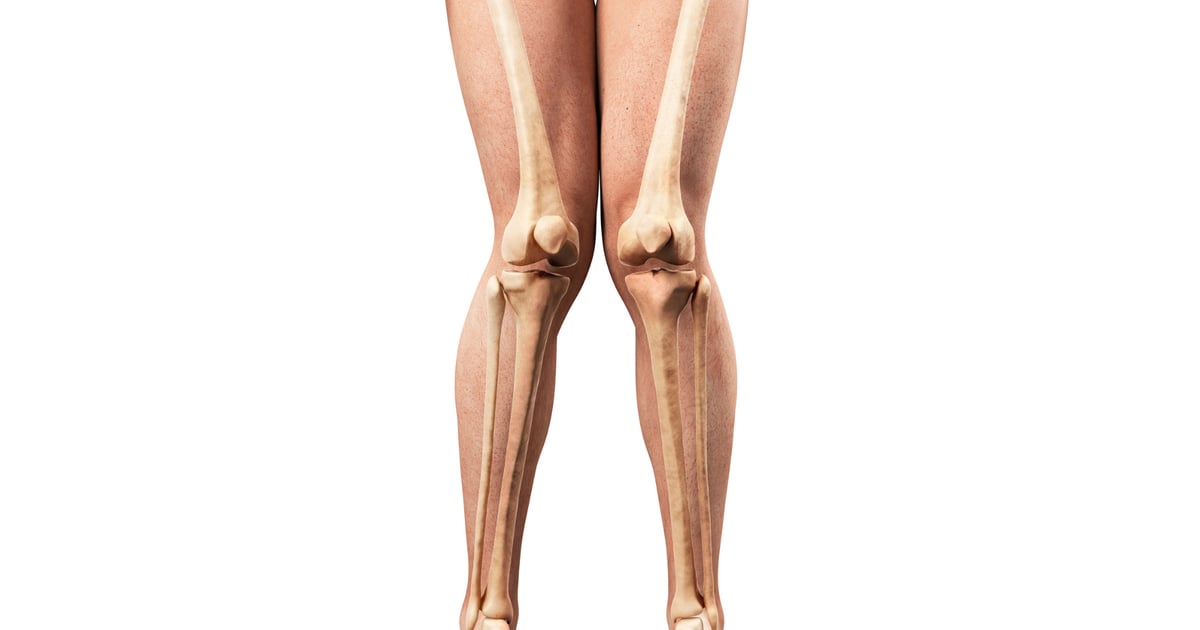



.png)

.png)


.png)

.png)








Share this listing