
Living with severe joint pain changes how you experience life. Walking through your neighborhood or simply tying your shoes can become daily struggles. If you are exploring options to regain your mobility, hip replacement surgery in Cancun, Mexico offers a pathway to high-quality care at a fraction of North American prices. By knowing exactly which medical licenses—such as CSG accreditation—to look for, you can make a safe, confident decision for your joint health and future mobility.

Quick Summary
- Estimated Cost: Typically ranges from $12,000 to $16,000 USD (compared to $40,000+ in the US).
- Safety Overview: Generally safe when performed at certified hospitals with board-certified orthopedic surgeons.
- Ideal Candidate: Adults experiencing chronic hip pain or restricted mobility that does not improve with conservative treatments.
- Recovery Time: Usually requires 1-2 weeks in Cancun for initial healing, followed by 3-6 months for full recovery.
- Top Reason to Choose Cancun: Combines exceptional cost savings with modern facilities and English-speaking medical teams.
- Crucial Credentials to Verify: Look for hospitals with Consejo de Salubridad General (CSG) certification and doctors registered with the Consejo Mexicano de Ortopedia y Traumatología (CMOT).
- Important Caution: Flying too soon after major joint surgery can increase the risk of deep vein thrombosis (DVT). Follow your surgeon's exact timeline for returning home.
Why Patients Choose Hip Replacement Surgery in Cancun?
Making the decision to undergo joint arthroplasty abroad is significant. For many North Americans, long wait times in the public healthcare system or high deductibles in private insurance make local care difficult to access. Hip replacement surgery in Cancun, Mexico provides a reliable alternative. Patients travel to this destination not just for affordability, but for the personalized, attentive care offered by internationally trained orthopedic specialists.
You might wonder exactly why thousands of medical tourists select this coastal city for major orthopedic care every year. Here are the primary reasons patients from the US and Canada cross borders for this procedure:
- Substantial Cost Savings: Patients can save between 50% and 70% compared to out-of-pocket prices in the United States.
- No Wait Lists: Canadians often bypass waiting periods of 6 to 18 months by scheduling direct private appointments in Mexico.
- Premium Implants: Top-tier hospitals in Cancun use the exact same FDA-approved prosthetics (Zimmer Biomet, Stryker) used globally.
- Experienced Surgeons: Many specialists complete fellowships in North America or Europe, bringing advanced techniques like anterior hip replacement.
- Favorable Healing Environment: Recovering in a calm, temperate environment can reduce early postoperative stress.
When evaluating costs, ask your clinic for an itemized quote. Ensure it covers the surgeon's fee, anesthesiologist, hospital stay, prosthetic device, and initial physical therapy sessions.
Patient Demographics: Who Travels to Cancun for Joint Care?
Medical tourism for orthopedics in Mexico attracts a specific demographic. The majority of patients seeking hip arthroplasty in Cancun travel from the United States (particularly Texas, Florida, and California) and Canada (primarily Ontario and British Columbia). These individuals are typically seeking relief from severe osteoarthritis, rheumatoid arthritis, or joint degradation due to past injuries.
Data indicates that the patient population leans slightly female, often reflecting broader global trends in osteoarthritis prevalence. Age is also a primary factor. The procedure is most commonly sought by individuals in their late fifties to early seventies, though younger patients with localized trauma also make up a portion of the patient base.
*Data reflects aggregate medical tourism demographics in North America for major orthopedic procedures.
Cost Analysis of Hip Operations in Cancun vs. US and Canada
Financial concerns are a leading factor for patients seeking care abroad. The total expense of a hip replacement in the United States can be prohibitive, frequently exceeding $40,000 for uninsured patients or those with high-deductible plans. By contrast, a comprehensive package in Cancun generally runs between $12,000 and $16,000.
This price discrepancy is not due to a reduction in medical quality or cheaper prosthetics. Rather, lower overhead costs, reduced administrative burdens, and differences in the overall cost of living allow Mexican medical facilities to offer the exact same procedure at a highly competitive rate. Below is an estimated cost breakdown.
| Service / Component | Average Cost in USA (USD) | Average Cost in Cancun (USD) |
|---|---|---|
| Total Joint Replacement Package (incl. surgeon, facility, standard implant) | $35,000 - $55,000+ | $12,000 - $16,000 |
| Anesthesia Services | $1,500 - $3,500 | Included in package |
| Post-Op Hospital Stay (2-3 days) | $5,000 - $10,000 | Included in package |
| Initial Physical Therapy (In-patient) | $500 - $1,500 | Included in package |
How to Select a Trustworthy Medical Facility?
Not all healthcare facilities are equipped to handle major orthopedic surgeries safely. When choosing a hospital for your procedure in Cancun, your focus must be on safety protocols, emergency capabilities, and strict hygiene standards. A beautiful recovery room should never replace the necessity of an on-site Intensive Care Unit (ICU).
To verify a hospital's quality, you must look beyond basic marketing claims. Evaluating a clinic's regulatory compliance ensures your safety. Mexico has robust internal regulatory bodies that monitor hospital safety and standards.
Mandatory Hospital Credential Checklist
Verifying Your Orthopedic Surgeon’s Qualifications
The success of your hip arthroplasty depends heavily on the skill and experience of your surgeon. A highly qualified orthopedic specialist minimizes the risk of complications such as nerve damage, unequal leg length, or joint dislocation. Do not hesitate to interview your prospective doctor via a video call before making any travel arrangements.
When evaluating an orthopedic surgeon in Mexico, you need to verify their medical licenses and board certifications. A reliable surgeon will be transparent about their credentials and their annual case volume for this specific procedure.
Required National Certifications
- Cédula Profesional: Verify their basic medical license number.
- Specialty Cédula: A separate license proving they are an orthopedic specialist, not just a general practitioner.
- CMOT Registration: Active membership in the Consejo Mexicano de Ortopedia y Traumatología (Mexican Board of Orthopedics).
Questions to Ask Your Surgeon
- How many total hip replacements do you perform annually? (Look for 100+ cases).
- Do you use the anterior, posterior, or lateral surgical approach?
- What is your personal complication and infection rate?
Types of Hip Arthroplasty Available in Cancun
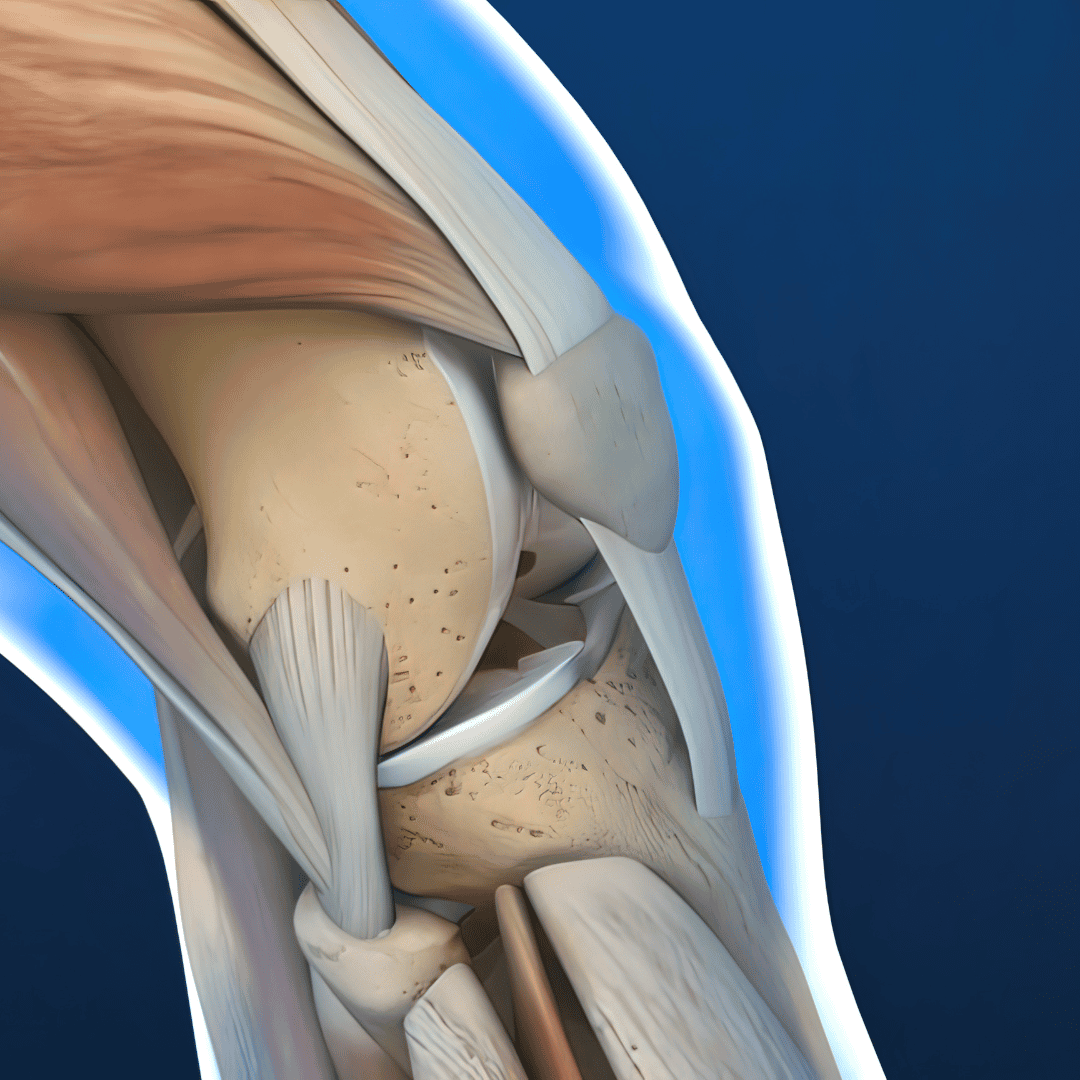
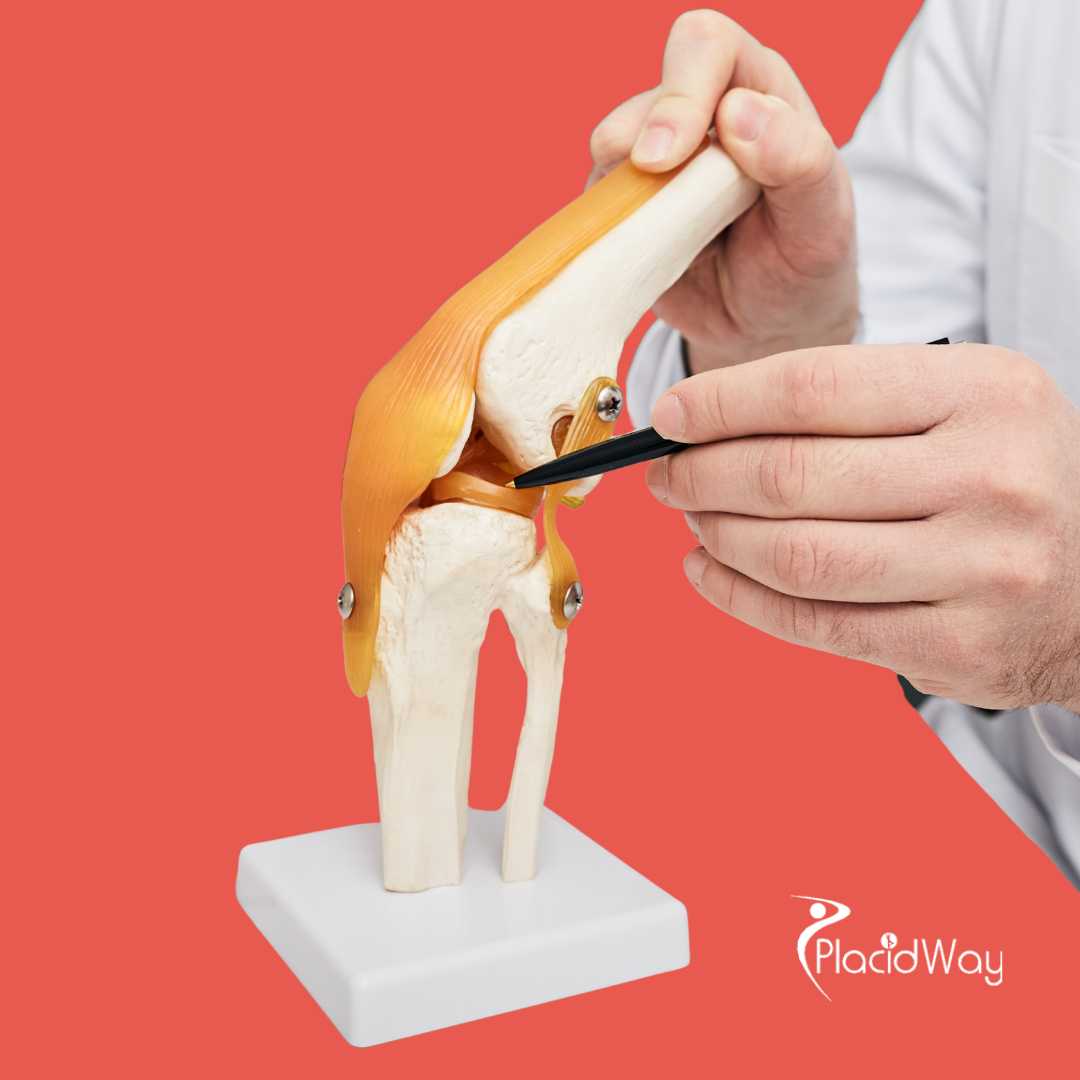
Depending on the severity of your joint damage, your orthopedic specialist may recommend different approaches. The human hip is a ball-and-socket joint. When cartilage wears away, the bones grind together, causing severe pain. Surgery involves removing the damaged bone and cartilage and replacing them with prosthetic components.
There are generally three distinct procedures. Your surgeon will analyze your X-rays and medical history to determine which approach yields the highest chance for a pain-free recovery.
| Procedure Type | Medical Description | Best Suited For |
|---|---|---|
| Total Hip Replacement (THR) | Both the ball (femoral head) and the socket (acetabulum) are removed and replaced with artificial implants. | Patients with severe, end-stage osteoarthritis affecting the entire joint. |
| Partial Hip Replacement | Only the ball of the joint is replaced, leaving the natural socket intact. | Often used for older adults who have sustained a specific type of hip fracture, rather than arthritis. |
| Hip Resurfacing | The femoral head is trimmed and capped with a smooth metal covering instead of being fully removed. | Younger, highly active male patients with strong, healthy bone stock. |
Step-by-Step Postoperative Recovery Timeline
Proper recovery is critical to the long-term success of your implant. Many medical tourists choose to stay in Cancun for an extended period post-surgery. This allows you to undergo initial physical therapy while recovering in a supportive, stress-free environment before attempting to fly.
Adhering strictly to your surgeon’s physical therapy protocol promotes blood circulation and strengthens the muscles around the new joint. Below is a standard timeline of what you can typically expect during your healing process.
| Timeframe | Biological Process | Patient Sensation | Action Required |
|---|---|---|---|
| Days 1-3 | Acute inflammation and initial wound healing. | Surgical pain, fatigue, grogginess from anesthesia. | Stand and take assisted steps with a walker; pain management. |
| Days 4-14 | Incision site closes; tissue begins repairing around the implant. | Swelling and stiffness, gradually decreasing daily. | Daily physical therapy, careful wound care. Do not fly until cleared. |
| Weeks 3-6 | Muscles surrounding the hip begin to strengthen and stabilize. | Significant reduction in pain. Increased energy levels. | Transition from walker to cane. Continue prescribed exercises at home. |
| 3-6 Months | Bone fully integrates with the porous surface of the prosthesis. | Joint feels natural. Mobility returns to near-normal levels. | Resume low-impact activities like swimming or cycling. Avoid high-impact sports. |
Safety Considerations and Medical Risks
No surgical procedure is entirely risk-free. While total joint replacements have a high success rate globally, patients must be aware of potential complications. Traveling internationally for surgery introduces additional variables, particularly concerning post-operative travel and long flights.
Your medical team will prescribe blood thinners and compression stockings to mitigate risks, but you play a vital role in your own safety by following instructions precisely.
Deep Vein Thrombosis (DVT) is a serious risk where blood clots form in the deep veins of the leg. Flying too soon after orthopedic surgery drastically increases this risk due to prolonged sitting and cabin pressure changes.
- Most surgeons require you to stay in Cancun for 10 to 14 days post-surgery before boarding a flight.
- When you do fly, you must move your ankles frequently and stay hydrated.
- Always ask if your medical package includes medical complication insurance.
Other standard risks of surgery include infection at the incision site, joint dislocation if physical restrictions are ignored, and eventual wear and tear of the prosthetic device (implants typically last 15-20 years).
Planning Your Medical Itinerary to Quintana Roo
A seamless medical journey requires careful logistical planning. You are not just booking a vacation; you are arranging a complex medical intervention. Cancun's International Airport (CUN) is highly accessible from most major North American cities, making travel relatively straightforward.
Coordinate with your clinic’s patient concierge. Reputable providers will assist with airport transfers using specialized vehicles suited for mobility-impaired individuals.
Pre-Travel Checklist
- Medical Clearance: Obtain a thorough physical examination and blood tests from your local primary care physician to ensure you are fit for surgery.
- Send Medical Records: Securely transmit your recent X-rays or MRI scans to the orthopedic clinic in Mexico for assessment.
- Passports and Visas: Ensure your passport is valid for at least six months. US and Canadian citizens typically do not need a visa for short medical stays in Mexico.
- Accommodation: Book an accessible, ground-floor hotel room or an ADA-compliant suite for your recovery period.
Frequently Asked Questions
Patients naturally have many questions before traveling abroad for major procedures. Here are answers to common concerns regarding joint replacement in Cancun.
Is it safe to get a hip replacement in Mexico?
Yes, it can be highly safe if you select a CSG-accredited hospital and a board-certified surgeon. Modern medical facilities in Cancun utilize the same advanced technology, sterilization protocols, and FDA-approved implants found in North American hospitals.
What type of implants do surgeons in Cancun use?
Top orthopedic specialists in Mexico use globally recognized, high-quality prosthetics from leading brands such as Zimmer Biomet, Stryker, and DePuy Synthes. You can ask your surgeon for the specific brand and model before your procedure.
How long do I need to stay in Mexico after surgery?
You should plan to stay in Cancun for at least 10 to 14 days post-surgery. This timeframe allows your medical team to monitor your initial healing, remove sutures, and ensures you avoid the deep vein thrombosis (DVT) risks associated with flying too early.
Can I travel alone for this procedure?
It is highly recommended that you bring a companion. You will have restricted mobility during the first week and will need assistance with daily activities, carrying luggage, and navigating the airport on your return trip.
Will my doctors and nurses in Cancun speak English?
Yes, clinics that cater to medical tourists typically employ bilingual surgeons, many of whom have trained internationally. Major hospitals also provide dedicated English-speaking patient coordinators to assist you continuously.
Does US or Canadian health insurance cover surgery in Mexico?
Most standard domestic insurance policies, including Medicare, do not cover elective treatments abroad. However, some specialized self-funded employer plans or medical tourism facilitators offer specific international coverage. You will likely be paying out-of-pocket.
What happens if there is a complication during surgery?
Accredited hospitals in Cancun are equipped with on-site Intensive Care Units (ICUs) and blood banks to handle emergencies. Before traveling, discuss complication protocols with your chosen clinic and consider purchasing specialized medical complications insurance.
How do I arrange physical therapy once I return home?
Before leaving Mexico, your surgeon will provide a detailed discharge summary and physical therapy protocol. You can present this documentation to a local physical therapist in your home city to continue your rehabilitation seamlessly.
Are there hidden fees in medical tourism packages?
To avoid hidden costs, always request a fully itemized, written quote. Ensure the estimate explicitly states whether it includes anesthesia, the specific implant device, pre-operative testing, post-op medications, and physical therapy sessions.
Do I need specialized travel insurance for this trip?
Standard travel insurance often excludes coverage for planned medical procedures. It is highly advisable to purchase medical tourism insurance that specifically covers trip cancellations or medical complications arising from elective surgeries.
Take the Next Step Toward Pain-Free Mobility
Navigating international healthcare options requires careful consideration. PlacidWay can help you compare trusted providers, understand accurate treatment costs, and ask the right questions to ensure a safe medical journey.
Request Free InformationDisclaimer: This information is for educational purposes only and does not replace professional medical advice. Always consult a qualified healthcare provider before making medical decisions.
References
- Medical Tourism Guidelines – Centers for Disease Control and Prevention (CDC)
- Total Hip Replacement Overview – American Academy of Orthopaedic Surgeons (AAOS)
- Hip Replacement Risks and Recovery – Mayo Clinic
- Accredited Organizations Search – Joint Commission International (JCI)
- Consejo de Salubridad General Standards – Mexican Ministry of Health
- Board Certified Orthopedic Specialists – Consejo Mexicano de Ortopedia y Traumatología (CMOT)
























Share this listing