

Contents
When hip pain starts dictating how you sit, sleep, walk, or get through an airport, the search for treatment becomes very practical. Patients considering hip replacement surgery in Cancun may compare the destination based on international air connections, medical-tourism infrastructure, and access to private orthopedic care. The operation itself, however, should remain the center of the decision.
Patients may travel to Cancun from the United States, Canada, Latin America, Europe, and other regions. Some are exploring private treatment because of cost concerns or long waits at home; others want to compare a specific surgical approach or package. A convenient flight does not remove the need to plan for mobility limits, a caregiver, physiotherapy, and possible complications.
Before choosing a provider, ask what the treatment package includes and whether the implant, hospital stay, professional fees, physiotherapy, and follow-up care are clearly specified. Also verify the facility’s sanitary authorization and any applicable local accreditation rather than relying only on claims displayed on a website.
Use the sections below to compare available options based on medical suitability, documentation, cost, travel demands, and continuity of care.
A package may include hospital fees, surgeon and anesthesiologist fees, a prosthesis, two hospital nights, and initial physiotherapy. Travel, accommodation outside the hospital, upgraded implant materials, extensive rehabilitation, medical travel insurance, and unexpected care may be separate.
Review the Cancun hip replacement package, then compare the packages below and confirm the scope, exclusions, validity date, currency, and cancellation terms in writing.

Price starting from $22,000
All-Inclusive Anterior Hip Replacement Package in Cancun, Mexico by Orthopaedics Art
Orthopaedics Art by Dr. Jesus Raul Arjona Alcocer
- Orthopedic/Knee Surgery
Cancun, Mexico
Current information on hip replacement surgery in Cancun cost places the average at approximately $10,000–$15,000. The final price can vary depending on the hospital, surgeon and anesthesiologist fees, implant, hospital stay, medications, physiotherapy, and package inclusions.
Ask for a detailed quote that clearly states what is included and what may cost extra, such as additional hospital nights, take-home medications, or further physiotherapy. Prices are estimates and should be confirmed with the provider after medical assessment.
Hip Replacement Surgery Partial or Total Cost Comparison in Mexico
| Country | Procedure | Price |
|---|---|---|
| United States | Hip Replacement Surgery Partial or Total, Orthopedic/Knee Surgery | $45000 |
| Germany | Hip Replacement Surgery Partial or Total, Orthopedic/Knee Surgery | $18846 |
| Italy | Hip Replacement Surgery Partial or Total, Orthopedic/Knee Surgery | $24259 |
Ask for the exact hospital where surgery will occur, its legal name and address, current sanitary authorization, emergency services, anesthesia coverage, infection-control process, imaging access, blood-bank arrangements, and rehabilitation support.
If the clinic mentions accreditation, request the current certificate and check the facility, department, service, and validity. Compare the clinics below by verifiable documents and emergency planning rather than broad claims about quality.

Costamed Medical Group in Playa del Carmen Mexico
Tulum,Cancun,Playa Del Carmen,Cozumel, Mexico

Sports Medicine Systems
Cancun, Mexico

Orthopaedics Art by Dr. Jesus Raul Arjona Alcocer
Cancun, Mexico
Reviews can reveal how a team handles communication, transport, records, discharge instructions, and postoperative questions. Specific experiences are more useful than a star rating without detail.
Reviews do not prove that a surgeon, implant, or approach is right for you. Compare the reviews below with facility verification, credentials, medical explanations, and the follow-up plan.

How much does hip replacement surgery cost in Cancun, Mexico?
A current anterior hip replacement package in Cancun starts at $22,000, while broader estimates range from $12,000–$18,000. Final pricing varies by implant, medical team, facility, hospital stay, and included services.
Is anterior hip replacement better than other approaches in Cancun?
The anterior approach is not automatically better for every patient. It describes how the surgeon reaches the hip and may be appropriate for some anatomies and diagnoses. Ask the surgeon to compare anterior, posterior, or lateral approaches for your case, including risks, experience, precautions, and recovery expectations.
Who may be a candidate for hip replacement in Cancun?
Patients with significant hip damage, persistent pain, stiffness, and reduced daily function may be considered after orthopedic assessment. The surgeon should review imaging, medical history, medicines, general health, bone quality, and rehabilitation needs. Age alone does not determine whether surgery is appropriate.
How do I verify the hospital for hip surgery in Cancun?
Ask for the hospital’s legal name, address, current sanitary authorization, emergency arrangements, anesthesia coverage, infection-control information, imaging access, and rehabilitation support. If accreditation is mentioned, request the current certificate and confirm that it applies to the facility and surgical service where your operation will occur.
How do I verify an orthopedic surgeon in Cancun?
Request the surgeon’s full name, professional license, orthopedic specialty credentials, hospital privileges, and experience with primary hip replacement. Ask which approach and implant are being considered for you, and confirm that the surgeon you consult is the doctor scheduled to operate.
What may be included in a Cancun hip replacement package?
Package inclusions vary, but may include hospital fees, surgeon and anesthesiologist fees, a prosthesis, hospital nights, and initial physiotherapy. Travel, accommodation outside the hospital, extensive rehabilitation, upgraded implants, treatment of complications, and personal expenses may be separate. Confirm every item in writing.
How long should I stay in Cancun after hip replacement?
The necessary stay depends on mobility, pain control, wound healing, medical history, rehabilitation progress, and travel distance. Do not choose a return date only because a package suggests one. The treating surgeon should decide when you are medically ready to leave and whether additional monitoring is needed.
Can I fly home after hip replacement surgery in Cancun?
Ask the surgeon to approve the timing of your flight based on wound condition, mobility, pain, medicines, blood-clot risk, and the length of the journey. Arrange airport assistance, avoid lifting luggage, follow movement instructions, and confirm who will provide urgent care if symptoms develop after you return.
What are the risks of hip replacement surgery in Cancun?
Risks can include infection, blood clots, bleeding, fracture, dislocation, nerve or blood-vessel injury, leg-length difference, stiffness, persistent pain, implant loosening, and further surgery. Travel may complicate follow-up. Ask for an individualized risk discussion and a written plan for urgent or unexpected care.
How will follow-up care work after I return home from Cancun?
Before leaving Mexico, obtain the operative report, implant documentation, imaging, medication list, wound instructions, physiotherapy plan, warning signs, and surgeon contact details. Arrange a local clinician or therapist in advance and ask how the Cancun team will share records and respond to postoperative questions.
How Much Does Hip Replacement Surgery Cost in Cancun, Mexico?
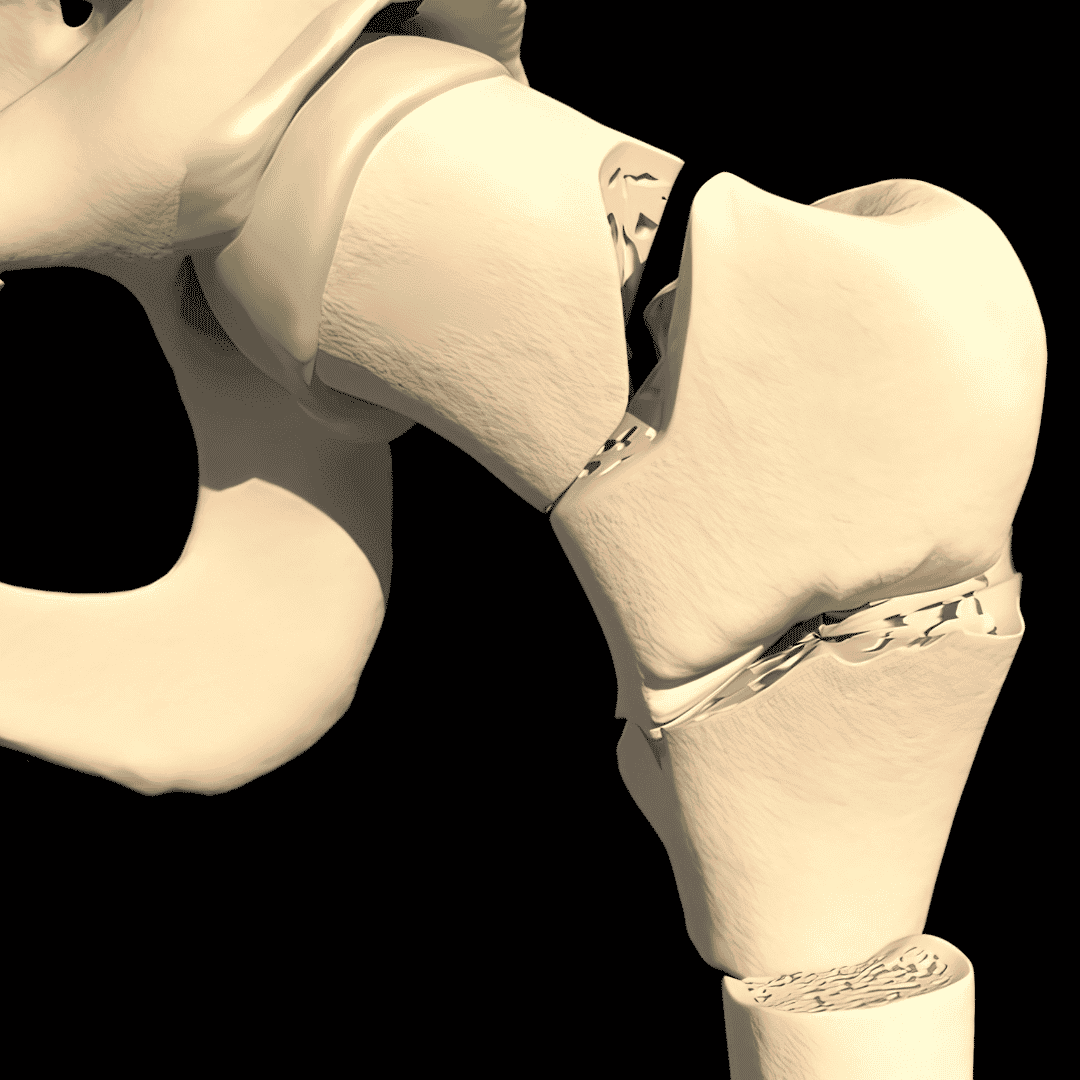
The estimated cost of hip replacement surgery in Cancun, Mexico typically ranges from $12,000 to $18,000. This is an estimate; actual prices vary based on the specific implant used, individual patient health requirements, and the medical facility chosen. Navigating joint pain can severely impact your daily life, making simple tasks feel overwhelming. For many individuals facing severe osteoarthritis or joint damage, surgical intervention becomes a necessary consideration. However, the high financial burden of orthopedic care in the United States and Canada leads many patients to explore options abroad. As a result, seeking hip replacement surgery in Cancun, Mexico has become a notable alternative for those looking to manage healthcare expenses. Cancun is widely recognized as a vacation destination, but it also hosts a growing healthcare infrastructure catering to international patients. While the prospect of combining recovery with a tropical environment appeals to many, it requires careful medical planning. Undergoing hip replacement surgery in Mexico involves understanding complex factors, including surgical techniques, international travel risks, implant materials, and post-operative care. Key Takeaways Estimated costs generally fall between $12,000 and $18,000, significantly lower than North American averages. Prices fluctuate based on the type of implant, the surgeon's experience, and the length of your hospital stay. Patients must plan for an extended stay of 7 to 14 days before flying home to reduce the risk of blood clots. Local post-operative physical therapy and follow-up care in your home country are essential for a successful recovery. Thoroughly researching a hip replacement surgery clinic in Cancun, Mexico and verifying surgical credentials is critical for your safety. Understanding the full scope of medical tourism in Mexico means looking beyond the initial price tag. You must weigh the potential benefits against the inherent risks of international travel and surgery. The following sections address the most critical patient questions regarding costs, preparation, safety, and recovery timelines. What factors affect the total cost of a hip replacement in Cancun? The final price you pay depends heavily on the materials used for your new joint, the fees charged by the medical team, and the specific diagnostic tests your health requires. While an estimated range provides a baseline, no two patients have the exact same medical needs. The largest variable is often the artificial joint itself. Hip implants are manufactured from various materials, including titanium, advanced plastics, and ceramics. A highly durable ceramic-on-ceramic implant typically costs more than a standard metal-on-plastic variation. Your surgeon will recommend a specific material based on your age, bone density, and anticipated activity level. Facility fees also play a major role in your total hip replacement surgery cost in Cancun, Mexico. Larger hospitals equipped with advanced intensive care units and specialized orthopedic wings often charge higher rates than smaller outpatient centers. Additionally, patients with underlying health conditions, such as diabetes or heart disease, may require specialized pre-operative cardiovascular testing, specialized anesthesia care, and a longer inpatient recovery period, all of which increase the final bill. Are there hidden fees when traveling for hip replacement surgery? Patients often overlook the costs of pre-operative consultations, specialized travel insurance, companion accommodations, and extensive physical therapy required once they return home. When you receive a quote from a medical facility, it is vital to request an itemized list of what that price includes. Many initial estimates focus solely on the surgical procedure and the implant. You must budget for flights, ground transportation adapted for limited mobility, and hotel stays for the period you must remain in the country before you are cleared to fly. Furthermore, medical care does not end when you leave the hospital. Upon returning home, you will need continuous physical therapy for several weeks or months to regain strength and mobility. You may also need to purchase or rent assistive devices, such as a walker, raised toilet seat, or shower chair. Finally, if you experience a complication back home, you will be responsible for the cost of local emergency care or corrective procedures. How does the cost in Cancun compare to the US and Canada? Patients traveling to Mexico can often expect the surgical estimate to be 50 to 70 percent lower than the out-of-pocket prices typically found in the United States. In the United States, patients without adequate health insurance coverage may face out-of-pocket expenses ranging from $30,000 to over $50,000 for a total joint replacement. In Canada, while the procedure is covered by the national healthcare system, wait times for non-emergency orthopedic surgery can stretch for many months or even years, leading some patients to seek private care abroad to alleviate their pain sooner. The lower cost in Mexico is primarily due to macroeconomic factors rather than a default reduction in medical standards. The cost of living, administrative overhead, and labor costs for medical staff are significantly lower in Mexico. However, lower costs do not eliminate medical risk. Patients must diligently research providers to ensure the facility meets appropriate safety and hygiene standards. Important Consideration: Always prioritize the experience of the surgeon and the safety record of the facility over finding the lowest possible price. A poorly performed surgery can result in lifelong complications and massive corrective costs. What is usually included in a standard hip replacement package? Standard medical tourism packages typically bundle the surgeon fees, operating room costs, standard anesthesia, the prosthetic implant, and a two to three day hospital stay. Medical packages are designed to simplify the billing process for international patients. While offerings vary by clinic, a typical package includes: Initial pre-operative medical consultations and standard blood tests. The surgical procedure, including the operating room and surgical team fees. The artificial hip implant itself. Anesthesiologist fees and standard pain management medications during your hospital stay. Inpatient hospitalization, which is usually two to four days depending on your recovery speed. Basic, initial in-hospital physical therapy to help you stand and take your first steps. It is critical to ask what happens if you need to stay in the hospital longer than anticipated due to a slow recovery or an unexpected reaction to the surgery. Additional days in the hospital are rarely included in the baseline package and will be billed separately. Who is a suitable candidate for a hip replacement procedure? Suitable candidates are typically individuals suffering from severe, debilitating joint pain that limits everyday activities and has not improved with medication or physical therapy. Orthopedic surgeons usually view joint replacement as a major intervention, recommended only after conservative treatments have failed. If you have advanced osteoarthritis, rheumatoid arthritis, or osteonecrosis that causes persistent pain—even while resting—you may be a candidate. The primary goal of the surgery is to relieve pain and restore basic joint function. However, suitability for traveling abroad adds another layer of medical requirements. To safely undergo surgery in another country, you must be in relatively good overall health. Conditions such as severe heart disease, uncontrolled diabetes, active infections, or a history of severe blood clotting disorders may disqualify you from safe international medical travel. A qualified healthcare professional must assess your complete medical history before you finalize any travel plans. What type of artificial hip implants are available in Mexico? Medical facilities serving international patients often use well-known, globally recognized prosthetic brands, offering materials like titanium, cobalt-chromium, and advanced ceramics. A total hip replacement involves replacing the damaged bone and cartilage with prosthetic components. This usually includes a metal stem placed into your thighbone, a ball that fits into the stem, and a cup inserted into your pelvis. The materials chosen dictate how the joint will wear over time. Many clinics in Cancun source their implants from major international manufacturers whose products are cleared by major health regulatory bodies. You have the right to ask your prospective surgeon exactly which brand and model of implant they intend to use. Keep in mind that highly active, younger patients may be recommended a ceramic-on-ceramic joint due to its lower wear rate, whereas older, less active patients might do well with a metal-on-polyethylene joint. What are the common risks and complications of hip surgery? Major joint surgery carries inherent risks, including blood clots, surgical site infections, dislocation of the new joint, nerve damage, and changes in leg length. Patient safety must be your absolute priority. While hip replacement is a common procedure, it is a major surgery. One of the most serious risks is deep vein thrombosis, where blood clots form in the leg veins. This risk is heavily compounded if you fly too soon after surgery. To mitigate this, surgeons prescribe blood thinners and emphasize early mobility. Infection is another severe complication. If bacteria enter the surgical site or the joint space, it can necessitate prolonged antibiotic treatment and, in severe cases, additional surgeries to remove and replace the implant. Other risks include the new joint dislocating from its socket during certain movements, numbness around the incision due to minor nerve damage, and a perceived or actual difference in leg length following the reconstruction. How long should I plan to stay in Cancun for recovery? Patients should expect to stay in Mexico for a minimum of 7 to 14 days following their operation to allow for initial healing and to ensure it is medically safe to fly. Recovery timelines vary drastically from patient to patient. Generally, you will spend two to four days recovering inside the hospital. Once discharged, you will move to a local hotel or recovery house. During this time, you will likely have follow-up appointments with your surgeon to check the incision, remove staples or stitches, and assess your mobility. Air travel involves prolonged periods of sitting in cramped spaces, which drastically increases the risk of blood clots shortly after orthopedic surgery. Most surgeons mandate that patients remain near the clinic until this acute risk window passes. You must factor the cost of this extended accommodation, as well as meals and local transport, into your overall budget. Will my home insurance cover hip surgery in Mexico? Standard domestic health insurance plans in the United States and Canada typically do not cover elective surgical procedures performed internationally. If you are relying on Medicare, Medicaid, or standard private insurance plans, you will almost certainly be paying for the procedure entirely out-of-pocket. There are rare exceptions where certain progressive employers offer specific medical tourism benefits, but this is uncommon. You must contact your insurance provider directly to understand the exact limitations of your policy. Because your primary insurance likely will not cover the trip, some patients purchase specialized medical tourism insurance. These niche policies are designed to provide coverage for emergency medical evacuations or unexpected complications that arise while you are abroad for treatment. However, they do not pay for the elective surgery itself. How do I prepare for traveling home after a joint replacement? You must arrange for wheelchair assistance at all airports, request seating with extra legroom, and coordinate with a local physical therapist for your continued recovery. The journey home requires meticulous planning. Navigating large airports with a walker or crutches is exhausting and potentially dangerous shortly after surgery. You must contact your airline well in advance to arrange wheelchair transport from the check-in desk directly to the aircraft boarding door. If possible, upgrading to seats with additional legroom can make the flight significantly more comfortable and allow you to perform necessary ankle exercises to maintain blood flow. Preparation also extends to your home environment. Before you leave for Cancun, ensure your home is modified for safety. Remove tripping hazards like loose rugs, install grab bars in your bathroom, and prepare a recovery space on the ground floor to avoid stairs. Crucially, have an appointment already scheduled with a local orthopedic specialist and a physical therapist for when you return, ensuring seamless continuity of care. Why Choose PlacidWay for Medical Tourism in Cancun? Organizing healthcare across international borders requires access to clear, organized information. PlacidWay acts as a comprehensive resource for individuals exploring global medical options. Here is how the platform assists patients: Extensive Directory: PlacidWay offers a large database of international medical centers and healthcare providers, allowing you to research facilities in Cancun. Information Consolidation: The platform gathers details about clinic specialties, available procedures, and provider backgrounds in one accessible location. Comparison Tools: Patients can review different medical centers side-by-side to evaluate which environment best aligns with their healthcare needs. Patient Education: PlacidWay provides articles, cost estimates, and resources to help individuals understand the realities of medical tourism. Direct Connection: The platform facilitates direct communication between patients and international medical centers to initiate medical consultations and clarify treatment protocols. Frequently Asked Questions Does a hip replacement last a lifetime? Hip replacements do not typically last a lifetime. Modern implants often last 15 to 20 years, depending on your activity level, weight, and the materials used. Younger patients may require a revision surgery later in life. Can I fly immediately after hip surgery? Flying immediately after major joint surgery is highly discouraged due to the increased risk of deep vein thrombosis, or blood clots. Surgeons typically recommend waiting 7 to 14 days before taking a flight, and only after medical clearance. Do Cancun facilities offer bilateral hip replacement? Some medical facilities offer bilateral hip replacement, which replaces both hips during the same operation. However, this carries higher risks and a more demanding recovery, so it is only recommended for specific, highly suitable candidates. What happens if I experience a complication back home? If a complication arises after returning home, you must seek immediate care from a local orthopedic surgeon or emergency room. It is highly advisable to establish a relationship with a local healthcare provider before traveling abroad. Is physical therapy included in the surgery cost? Initial physical therapy sessions during your hospital stay are often included in a surgical package. However, you will need extensive outpatient physical therapy once you return home, which is an additional expense. How soon can I walk after the operation? Most patients are encouraged to stand and begin walking with the assistance of a walker or crutches within 24 hours of the operation. Early mobility helps prevent blood clots and promotes healing. Are surgeons in Cancun internationally board-certified? Many surgeons who treat international patients hold certifications from recognized medical boards in Mexico, and some hold international memberships. Patients should independently verify a surgeon's specific credentials and training before agreeing to treatment. What type of anesthesia is used for hip replacement? Hip replacement can be performed under general anesthesia, where you are completely asleep, or regional anesthesia, such as a spinal block, which numbs the lower half of your body. The choice depends on your medical history and the surgeon's recommendation. Can I swim in the ocean during my recovery in Cancun? Swimming in oceans, pools, or hot tubs is strictly prohibited until your surgical incision is completely healed and your surgeon has given explicit clearance. Submerging the wound introduces a severe risk of deep infection. Is minimally invasive hip surgery available in Mexico? Minimally invasive hip replacement is available at certain appropriately equipped medical centers. This approach uses smaller incisions, which may reduce tissue damage, but it is not suitable for all patients or all types of joint disease. Explore Your Orthopedic Options Gather the information you need to make an informed decision about your joint health. Compare facilities, request estimated costs, and learn more about international care. Request Treatment Information References Total Hip Replacement – American Academy of Orthopaedic Surgeons (AAOS) Hip Replacement Overview – Mayo Clinic Medical Tourism Safety and Planning – Centers for Disease Control and Prevention (CDC) Osteoarthritis Fact Sheet – World Health Organization (WHO) Types of Hip Implants and Materials – U.S. Food and Drug Administration (FDA) Deep Vein Thrombosis and Pulmonary Embolism (Air Travel) – CDC Yellow Book Medical Disclaimer: The information provided in this article is for educational and informational purposes only and does not constitute medical advice. Treatment outcomes, costs, recovery times, and eligibility vary significantly by individual. Always consult with a qualified healthcare professional or board-certified orthopedic surgeon in your home country before making any medical or travel decisions.
Are there medical tourism packages in Cancun Mexico for hip surgery
Yes, there are specialized medical tourism packages for hip surgery in Cancun Mexico. These structured packages generally bundle the surgical procedure, hospital stay, specialized surgeon fees, and immediate post-operative medical care for international patients. Many patients dealing with chronic joint pain or advanced arthritis look across borders for accessible orthopedic care. Exploring hip surgery in Cancun Mexico has become increasingly common for North American patients seeking timely interventions without the extended wait times or high out-of-pocket expenses frequently encountered at home. By bundling various medical services together, clinics in this region aim to streamline the process for international visitors. However, undergoing major orthopedic surgery abroad requires thorough research and careful planning. Traveling for a joint replacement involves much more than booking a flight; it requires a deep understanding of the medical risks, the necessity of pre-operative clearance, and the complexities of coordinating aftercare once you return home. In this guide, we will explore how these medical packages work, what they typically include, and how to navigate the process safely. Key Takeaways Medical tourism packages typically bundle surgical fees, anesthesia, standard implants, and hospital accommodation. Post-operative recovery in the destination country usually requires a 10 to 14-day stay to minimize the risks of flying. Patients must arrange their own long-term physical therapy in their home country for successful rehabilitation. Medical clearance from a local physician is a mandatory step before traveling abroad for major orthopedic procedures. Outcomes, risks, and recovery times vary significantly depending on the patient's overall health and the specific procedure. 1. What types of hip surgeries are available in Cancun? Orthopedic surgeons in Cancun offer several distinct hip procedures, primarily total hip replacement (arthroplasty), partial hip replacement, and in some cases, hip arthroscopy. The specific procedure recommended will depend entirely on the patient's diagnosis, the extent of joint deterioration, and an evaluation by a qualified orthopedic specialist. Total hip replacement involves removing the damaged bone and cartilage and replacing it with prosthetic components. This is typically indicated for patients with severe osteoarthritis or rheumatoid arthritis that has not responded to conservative treatments like medication or physical therapy. For individuals with isolated damage—often resulting from a specific type of fracture rather than widespread arthritis—a partial hip replacement might be considered. In this procedure, only the femoral head (the ball of the joint) is replaced, leaving the natural socket intact. Minimally invasive techniques, such as hip arthroscopy, may also be available for diagnosing or treating early-stage impingements, though this is less common in typical joint replacement packages. 2. How much does a hip procedure cost compared to the US or Canada? The estimated hip surgery cost in Cancun Mexico generally ranges between $12,000 and $17,000, which is often considerably lower than uninsured or out-of-pocket costs in North America. Pricing for complex orthopedic procedures varies significantly based on several factors. The exact cost will depend on the chosen hospital, the experience level of the surgeon, the number of days required for inpatient recovery, and the specific brand or material of the prosthetic implant used. Advanced materials like ceramic-on-ceramic may carry a different price point than traditional metal-on-polyethylene components. While the initial price tag is lower, patients must budget for comprehensive costs. These estimated figures rarely include airfare, extended hotel stays for the required recovery period, companion travel expenses, or the crucial physical therapy sessions needed upon returning home. It is important to request a detailed breakdown of all inclusions and exclusions before committing to any treatment plan. 3. What is typically included in an orthopedic medical tourism package? A standard package generally covers the primary surgeon's fees, anesthesia, operating room charges, the standard medical implant, and a predefined number of nights in the hospital. Medical packages are designed to give international patients a clear idea of their financial commitment upfront. Common inclusions feature pre-operative consultations with the surgeon (often done initially via video call and finalized in person), routine pre-surgical blood tests and X-rays performed upon arrival, the surgical procedure itself, and initial post-operative medications administered during the hospital stay. However, patients should carefully review what is excluded. Packages typically do not cover treatment for unforeseen complications, extended ICU stays if required, specialized medications for pre-existing conditions, or the cost of medical evacuation if a severe emergency arises. Understanding the financial boundaries of your package is vital for safe and stress-free planning. Important Consideration: Always ask clinics for a written policy on how they handle and bill for surgical complications. Complications, though statistically low in routine replacements, can happen to anyone and may require additional resources not covered by a standard package. 4. How do I select a qualified facility for my procedure? Choosing a reliable hip surgery clinic in Cancun Mexico requires verifying hospital accreditations, checking the surgeon's specialized credentials, and evaluating the facility’s infection control standards. Safety and medical accuracy should be the primary drivers of your decision. Start by looking for hospitals that hold recognized accreditations. The Joint Commission International (JCI) or the Mexican General Health Council (Consejo de Salubridad General - CSG) are two notable accrediting bodies that evaluate hospitals based on strict international standards for patient safety and care quality. Furthermore, investigate the specific surgeon who will perform the operation. Look for board certification from recognized medical boards, such as the Mexican Council of Orthopedics and Traumatology. It can also be beneficial to inquire about the surgeon's specific volume of hip replacement procedures, as higher volume is often associated with more consistent surgical outcomes. 5. How long should I plan to stay in Cancun for recovery? Patients are typically advised to remain in the destination for 10 to 14 days following hip surgery to allow for initial healing, physical therapy initiation, and vital medical clearance before flying. After a joint replacement, patients usually spend 2 to 4 nights in the hospital for close monitoring, pain management, and early mobilization. Once discharged from the hospital, you are not immediately ready to board an airplane. The remaining days are typically spent in a nearby hotel or recovery facility that can accommodate patients with limited mobility. This extended stay is a critical safety measure. Flying too soon after major lower-extremity surgery significantly increases the risk of deep vein thrombosis (DVT) and pulmonary embolism. The surgical team will need to evaluate your incision site, monitor your early physical therapy progress, and ensure you are medically stable to endure the physical stress of air travel. 6. What are the potential risks and complications? Major orthopedic procedures carry inherent risks, including surgical site infections, blood clots, nerve damage, and the distinct challenges of coordinating seamless follow-up care across international borders. Like any major operation, a hip replacement is not without risk. Potential complications include dislocation of the new joint, differences in leg length, and adverse reactions to anesthesia. While medical facilities use stringent protocols to minimize these risks, they cannot be entirely eliminated. Your personal medical history, weight, and existing health conditions (such as diabetes or heart disease) can influence your individual risk profile. Traveling adds another layer of complexity. The long period of immobility associated with flying increases the risk of blood clots. Additionally, if an infection develops weeks after returning home, local doctors may face challenges determining the exact surgical techniques or implant specifics used abroad, which makes comprehensive medical record keeping essential. 7. How does medical tourism work for orthopedic procedures? Engaging in medical tourism in Cancun Mexico involves careful coordination between the patient, their local healthcare provider, and the international medical facility. The process generally begins with remote consultations. Patients send their medical history, recent X-rays, and MRI reports to the clinic in Cancun via secure channels. The orthopedic team reviews these documents to determine if the patient is a suitable candidate for the procedure. Not everyone is an ideal candidate for surgery abroad; individuals with severe comorbidities may be advised to seek treatment locally. If accepted, the patient coordinates their travel schedule with the clinic's availability. Upon arrival, the initial days are usually dedicated to in-person consultations, extensive pre-operative testing, and final surgical planning. Patients must approach this process acknowledging that the final decision to proceed with surgery only happens after the in-person medical evaluation confirms it is safe to do so. 8. How should I prepare for my surgery and travel? Preparation requires obtaining medical clearance from your local primary care doctor, managing current medications, and organizing your home environment for your eventual return. Local Consultation: Discuss your plans with your primary care physician to assess your fitness for travel and major surgery. Medication Management: You may need to stop taking certain medications, such as blood thinners or specific anti-inflammatory drugs, weeks before the procedure. Home Preparation: Before leaving, arrange your home to avoid stairs, secure loose rugs, and set up a comfortable recovery space on the ground floor. Documentation: Ensure your passport is valid and carry physical and digital copies of all your medical records and imaging. Support System: Arrange for someone to travel with you if possible, and ensure you have support at home for daily tasks during the first few weeks of recovery. Expert Insight: Always request a comprehensive, translated surgical report and detailed implant specifications (often provided as physical stickers from the implant packaging) before leaving the hospital. Your local doctor will need these details. 9. How do I prepare for traveling home after a hip replacement? Returning home requires strict adherence to the surgeon’s travel guidelines, which often include using mobility aids, taking prescribed blood thinners, and requesting wheelchair assistance at the airport. Navigating an airport soon after a joint replacement is physically demanding. You must contact your airline in advance to arrange for wheelchair assistance from the check-in counter directly to the boarding gate. Depending on the length of your flight, you should request an aisle seat to allow you to stretch your leg and stand up periodically, which is vital for maintaining blood circulation. Your surgical team may prescribe specific blood-thinning medications or require you to wear medical-grade compression stockings during your journey. Follow these instructions precisely. Ensure you carry all your medications in your carry-on luggage, along with a doctor’s note explaining that you have a new metal implant, which will likely set off airport security scanners. 10. Will I need physical therapy after returning home? Yes, comprehensive physical therapy in your home country is essential for restoring joint strength, improving mobility, and ensuring the long-term success of the hip replacement. The surgery itself is only the first step in the treatment process. While the clinic in Cancun will initiate basic mobilization and show you initial exercises, the bulk of your rehabilitation will happen over the following months at home. Failure to commit to a structured physical therapy regimen can result in stiffness, reduced range of motion, and a longer overall recovery time. Before you travel for surgery, it is highly recommended to secure appointments with a local physical therapist. This ensures that once you return, you can transition smoothly into outpatient care without long waiting periods. Make sure your local therapist understands the specifics of your procedure, as different surgical approaches (such as anterior versus posterior hip replacement) require different post-operative precautions. Why Choose PlacidWay for Medical Tourism Information? Navigating international healthcare options can be complex. PlacidWay serves as an informational resource for patients exploring treatments abroad. Here is how PlacidWay assists in the research process: Global Provider Network PlacidWay provides access to directories of medical facilities and providers across numerous countries, allowing patients to review various international options. Informational Resources Patients can access educational materials regarding various medical procedures, helping them understand what to discuss with their local physicians. Transparent Estimates The platform allows users to request and compare preliminary cost estimates from different international clinics for specific medical procedures. Provider Profiles Patients can review facility details, accreditations, and available specialties to help them conduct their own due diligence. Standardized Communication PlacidWay offers a centralized platform that helps facilitate initial communication between patients and international medical teams. Frequently Asked Questions Is it safe to fly after having hip surgery in Cancun? Flying shortly after hip surgery increases the risk of deep vein thrombosis (DVT) or blood clots. Surgeons typically require patients to wait 10 to 14 days and receive medical clearance before boarding a flight. You may also be advised to take blood thinners or wear compression stockings during your journey home. What type of implants are used for hip replacements in Mexico? Reputable orthopedic facilities in Cancun typically use FDA-approved or internationally recognized implants from major global medical manufacturers. Materials often include titanium, ceramic, or advanced medical-grade plastics, selected based on the patient's specific anatomy and lifestyle. Can I get a partial hip replacement instead of a total one? Partial hip replacements are an option for some patients, particularly if the damage is isolated to the femoral head rather than the socket. However, this is a medical decision that an orthopedic surgeon must make after reviewing your X-rays and MRI scans. Will my local health insurance cover complications from surgery abroad? Standard domestic health insurance plans rarely cover complications arising from elective medical tourism procedures. Patients are encouraged to consider specialized medical tourism insurance that specifically covers unforeseen complications or extended stays abroad. Do hospitals in Cancun have English-speaking medical staff? Yes, facilities that regularly cater to international patients usually employ English-speaking surgeons, patient coordinators, and nurses to ensure clear communication regarding medical consents, treatment plans, and recovery instructions. What medical tests are required before traveling for hip surgery? Patients generally need a comprehensive medical clearance from their local doctor. This usually includes recent blood panels, an EKG, chest X-rays, and specific imaging of the hip joint. These results must be sent to the surgical team in Cancun well before your travel date. How soon after surgery will I begin walking? Under modern orthopedic protocols, physical therapists often help patients stand and take a few steps with a walker within 24 hours after surgery. Early mobilization is a key strategy for preventing blood clots and improving joint function. What happens if I experience pain or swelling after returning home? If you experience sudden pain, severe swelling, redness, or fever after returning home, you should immediately seek care at a local emergency room or from your primary care provider, as these can be signs of infection or a blood clot. Can a companion stay with me in the hospital? Many private hospitals in Cancun offer private patient suites equipped with a sleeper sofa or extra bed to accommodate one companion. Policies vary by facility, so it is important to confirm this when reviewing your package. How long do modern hip implants typically last? While individual results vary based on age, activity level, and weight, studies suggest that most modern hip implants can function well for 15 to 20 years, and sometimes longer, before potentially requiring revision surgery. Compare Treatment Options Explore detailed facility profiles, review potential estimated costs, and gather the information you need to discuss your orthopedic options with your local healthcare provider. Request Treatment Information References Medical Tourism Guidelines – Centers for Disease Control and Prevention (CDC) Total Hip Replacement Information – American Academy of Orthopaedic Surgeons (AAOS) JCI-Accredited Organizations Directory – Joint Commission International Surgical Safety and Care – World Health Organization (WHO) Deep Vein Thrombosis (DVT) and Travel – Centers for Disease Control and Prevention (CDC) Board Certification Standards – Mexican Council of Orthopedics and Traumatology (Consejo Mexicano de Ortopedia y Traumatología) Medical Disclaimer: The information provided in this article is for educational and informational purposes only and does not constitute medical advice, diagnosis, or treatment recommendations. Orthopedic outcomes, risks, and recovery times vary significantly by individual patient. Always consult with a qualified local healthcare provider before making any decisions regarding major surgery or medical travel. Pricing figures are estimates and subject to change based on specific medical needs and facility policies.
Verify the surgeon’s full name, professional license, orthopedic specialty credentials, hospital privileges, and experience with primary hip replacement. Ask why a particular approach and implant are recommended for your anatomy and diagnosis.
Review the provider and package details, then independently confirm current credentials and the hospital where surgery will occur.
Cancun International Airport receives flights from many North American, Latin American, and international cities, which may make air travel straightforward for patients from the United States, Canada, Europe, and other regions. From the airport, plan an accessible transfer to the hospital and accommodation. Avoid treating the beach, heat, or sightseeing schedule as part of the recovery plan.
A caregiver can help with bathing, meals, medicines, walking, and luggage. The surgeon should decide when you are ready to leave Cancun, based on wound healing, mobility, pain control, blood-clot prevention, and your individual medical risks.
| Travel stage | What to confirm |
|---|---|
| Before departure | Medical clearance, passport and entry rules, records, medicines, insurance exclusions, and an emergency contact. |
| Arrival | Accessible transport, elevator access, suitable bathroom, stable seating, and a room for a caregiver. |
| After surgery | Wound review, pain control, walking support, physiotherapy, warning signs, and after-hours contact details. |
| Return home | Surgeon approval for driving or flying, airport assistance, complete records, medicines, and local follow-up. |
Hip replacement recovery continues after the flight. Arrange physiotherapy at home, clarify who reviews the wound, and ask how the Cancun team will communicate with your local clinician. Surgery and long periods of sitting can raise blood-clot concerns, so follow the medical team’s travel instructions.
- Confirm the route and transfer plan before booking flights.
- Budget for extra lodging, rehabilitation, medicines, and unexpected care.
- Carry imaging, medical history, implant information, and discharge instructions.
- Know how to contact the surgical team after normal clinic hours.
Compare the procedure, cost, implant, clinic documents, surgeon credentials, reviews, travel arrangements, rehabilitation, and follow-up plan below. Request information so you can review the details with a qualified healthcare professional before making a medical or travel decision. This page is for general education and medical-travel planning. It does not diagnose hip disease, determine candidacy, or recommend a specific provider. Suitability, risks, recovery, outcomes, prices, package inclusions, regulations, and travel requirements vary. Speak with a qualified orthopedic professional and your local clinician before making medical, financial, or travel decisions. PlacidWay is not the treating healthcare provider.Compare hip replacement options in Cancun
References and Further Reading
Medical Disclaimer
























Share this listing