


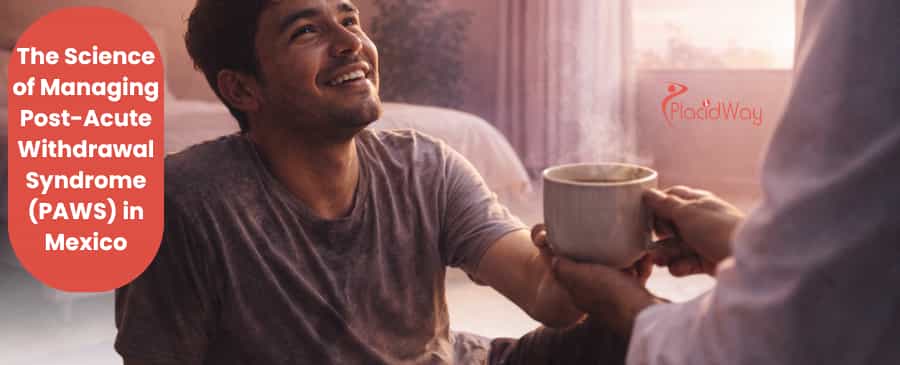
Navigating the complex journey of recovery often involves facing a secondary phase known as Post-Acute Withdrawal Syndrome (PAWS) in Mexico. Unlike the immediate physical detox, PAWS represents the brain's struggle to recalibrate its neurochemistry after long-term substance use, manifesting as emotional and cognitive fluctuations that can last for months or even years. In Mexico, medical professionals approach this challenge with a blend of advanced neuroscience and compassionate care, offering a sanctuary for those who find traditional outpatient methods insufficient.
Choosing to address managing post-acute withdrawal syndrome in Mexico allows patients to access specialized interventions in a tranquil environment conducive to healing. This phase of recovery is critical because it is often when the risk of relapse is highest due to the persistent nature of symptoms like anxiety, insomnia, and "brain fog." By focusing on the underlying physiological changes, Mexican facilities aim to provide a comprehensive framework that supports the brain’s natural repair mechanisms during this vulnerable period.
Studies suggest that approximately 70% to 90% of individuals recovering from opioid or alcohol dependency experience some degree of PAWS symptoms during their first year of sobriety.
Benefits of Seeking PAWS Treatment
The primary advantage of seeking addiction recovery services in Mexico is the integration of diverse therapeutic modalities that are often unavailable or prohibitively expensive elsewhere. Patients typically benefit from a multidisciplinary team including neurologists, psychiatrists, and nutritionists who work in tandem to create a personalized recovery map. This high level of attention ensures that every aspect of the patient's biological and psychological health is addressed simultaneously, which is essential for stabilizing the nervous system.
Furthermore, Mexico has become a global hub for medical tourism for addiction recovery, providing high-quality care at a fraction of the cost found in the United States or Europe. This financial accessibility allows patients to extend their stay, which is often a necessity for managing the long-term nature of PAWS. A longer duration of residential care significantly improves the chances of a successful, sustained recovery by allowing time for the brain's dopamine and serotonin receptors to normalize without the stresses of everyday life.
- Expert Multidisciplinary Teams: Access to specialized doctors focusing on neuro-regeneration.
- Cost-Effective Care: High-standard medical services at lower price points.
- Extended Residential Stays: Longer treatment periods that align with the PAWS timeline.
- Holistic Integration: Combining conventional medicine with evidence-based alternative therapies.
Comprehensive Care for Post-Acute Withdrawal Syndrome
Comprehensive care for PAWS in Mexico goes beyond mere symptom management; it delves into the "why" behind the brain's response to sobriety. Modern clinics utilize diagnostic tools to assess cognitive function and neurotransmitter levels, creating a baseline for treatment. This data-driven approach allows for the precise application of therapies such as Neurofeedback or IV amino acid therapy, which are designed to support the brain’s plastic response and reduce the intensity of withdrawal symptoms.
In addition to medical intervention, the supportive environment in Mexican recovery centers plays a pivotal role. The culture of hospitality and empathy found in Mexican rehabilitation centers helps reduce the stigma and shame often associated with addiction. This emotional safety net is vital for patients experiencing the "emotional rollercoaster" characteristic of PAWS, providing them with the resilience needed to push through periods of low motivation or heightened sensitivity to stress.
PAWS is often referred to as "the second withdrawal" because it occurs after the physical toxins have left the body, focusing instead on the brain's structural reorganization.
Management of PAWS in Mexico Cost Comparison
One of the most compelling reasons international patients choose post-acute withdrawal syndrome management in Mexico is the transparent and competitive pricing. In the United States, high-end residential treatment can cost upwards of $30,000 to $50,000 per month, making long-term care inaccessible for many. In contrast, Mexican facilities offer comparable, and sometimes superior, medical amenities for a significant discount, often including all-inclusive clinical and therapeutic services in their base price.
The following table provides a general comparison of the cost of PAWS treatment in Mexico versus the United States and Canada. These figures are estimates based on standard 30-day residential programs that include medical supervision, psychological support, and holistic therapies. It is important to note that specific pricing varies based on the level of luxury and the intensity of the medical interventions required.
| Procedure/Service Name | Average Cost in Mexico (USD) | Cost in USA/Canada (USD) |
|---|---|---|
| 30-Day Residential PAWS Program | $6,500 - $12,000 | $20,000 - $45,000 |
| NAD+ IV Therapy (Per Session) | $400 - $800 | $1,000 - $1,500 |
| Specialized Neurofeedback Sessions | $100 - $250 | $250 - $600 |
Advanced Medical Science and PAWS Protocols
The scientific community in Mexico has embraced integrative medicine for PAWS, focusing heavily on neuroplasticity—the brain's ability to reorganize itself by forming new neural connections. Treatment protocols often involve "bio-hacking" techniques intended to accelerate the repair of the GABA and glutamate systems, which are typically dysregulated after chronic alcohol or sedative use. By employing these advanced scientific methods, clinicians aim to mitigate the cognitive deficits that often hinder a patient’s ability to engage in traditional talk therapy.
Physicians in Mexico generally monitor biomarkers through regular blood work to ensure that the patient’s endocrine system is functioning optimally. Hormonal imbalances, particularly in cortisol and thyroid levels, can mimic or exacerbate PAWS symptoms like fatigue and depression. By identifying and correcting these physiological discrepancies, the PAWS clinics in Mexico provide a more stable foundation for long-term psychological healing, ensuring the patient is not fighting an uphill battle against their own biology.
When researching facilities, ask for their specific protocols regarding neuro-regeneration and how they measure progress in cognitive recovery.
Common Symptoms of Post-Acute Withdrawal Syndrome
Patients seeking addiction recovery in Mexico often present with a specific cluster of symptoms that define the PAWS experience. These typically include anhedonia (the inability to feel pleasure), significant mood swings, and "brain fog" that makes decision-making difficult. While the intensity of these symptoms varies, they are generally cyclical, meaning a patient might feel excellent for a week only to be hit with a sudden wave of anxiety or lethargy without an obvious trigger.
In Mexico, clinicians are adept at teaching patients how to identify and manage these "PAWS waves." By understanding that these symptoms are a sign of the brain healing rather than a sign of personal failure, patients can better navigate the emotional turbulence. Managing PAWS symptoms in Mexico involves a combination of cognitive-behavioral techniques and physiological support to help the individual remain steady even when the biological tides shift.
Overcoming the Fog: A Success Story
"After years of struggle, I thought the brain fog would never lift. The team in Mexico didn't just tell me to wait; they used NAD+ and specific dietary plans that actually cleared my mind within weeks. I finally feel like myself again." — Mark T., VancouverSpecialized Rehabilitation Clinics in Mexico for PAWS
The landscape of specialized PAWS clinics in Mexico is diverse, ranging from boutique seaside retreats to high-tech urban medical centers. These facilities are designed to be "trigger-free" zones where the focus remains entirely on the restorative process. Many of these centers are staffed by international experts who have relocated to Mexico to practice a more holistic and integrated version of addiction medicine than is permitted by rigid healthcare systems in other countries.
When selecting a clinic, it is essential to look for facilities that offer a high staff-to-patient ratio. This ensures that the frequent monitoring required for post-acute withdrawal syndrome recovery is possible. Personalized attention allows for real-time adjustments to treatment plans—whether that means increasing nutritional supplementation during a low period or providing extra therapeutic support during an emotional flare-up. This level of customization is a hallmark of the Mexican medical tourism experience.
A Journey to Balance
"What I found in Mexico was a level of compassion I hadn't seen in three other rehabs. They treated my PAWS as a medical condition, not just a lack of willpower. The integration of yoga and medical science was the key for me." — Sarah L., CaliforniaLong-term Recovery for PAWS in Mexico Patients
The long-term outlook for those who undergo PAWS treatment in Mexico is generally very positive, provided they remain committed to the aftercare protocols. The goal of intensive management is to shorten the duration of the syndrome by providing the brain with the nutrients and environment it needs to heal faster. While results are never guaranteed, the majority of patients report a significant reduction in symptom severity within the first three to six months following a dedicated treatment program.
Success in the long term often hinges on the patient's ability to implement the lifestyle changes learned during their stay. Recovery in Mexico emphasizes the creation of a "new normal," where stress management, proper sleep hygiene, and ongoing neurological support become part of daily life. By equipping patients with both biological and psychological tools, these programs aim to transform the recovery process from one of endurance to one of active thriving.
PAWS can sometimes mask underlying clinical depression or other co-occurring disorders. Always ensure your medical team performs a dual-diagnosis assessment to rule out other mental health conditions.
Holistic and Integrative PAWS Therapy
Mexico has long been at the forefront of holistic addiction recovery, utilizing the country's rich traditions and natural resources to supplement modern medicine. Integrative therapies such as massage, acupuncture, and equine therapy are often incorporated to help ground the patient and reduce the physical manifestations of stress. These practices assist in lowering cortisol levels, which is a major factor in the persistent anxiety associated with PAWS.
Moreover, the use of natural medicine for PAWS in Mexico often includes the supervised use of supplements like 5-HTP, GABA, and L-theanine to gently support neurotransmitter balance. By using a "bottom-up" approach—fixing the body's chemistry to influence the mind's state—these clinics provide a comprehensive healing experience that addresses the spirit as much as the synapses. This well-rounded approach is why many find success in Mexico when conventional methods have failed.
Studies in nutritional neuroscience show that specific amino acids can act as precursors to neurotransmitters, effectively "rebuilding" the brain's chemistry from the inside out.
Patient Safety and Standards for PAWS in Mexico Facilities
Safety is a paramount concern for anyone traveling for medical procedures in Mexico. Top-tier recovery centers are often accredited by international bodies or maintain high standards set by the Mexican Ministry of Health (COFEPRIS). These standards ensure that the facilities are sanitary, the medical staff is properly licensed, and the emergency protocols are in place to handle any complications that might arise during the recovery process.
Prospective patients are encouraged to look for safe addiction centers in Mexico that prioritize transparency. This includes clear communication regarding the qualifications of their medical director and the specific credentials of their nursing staff. Most reputable clinics are happy to provide this information and will often offer virtual tours or consultations to help ease any anxieties about traveling abroad for care. Selecting a facility with a proven track record of safety is the first step in a successful recovery journey.
Always verify that the clinic has 24/7 medical supervision on-site, especially during the early stages of PAWS management when sleep disturbances can be severe.
Nutrition and Brain Health in PAWS in Mexico Programs
One of the most overlooked aspects of managing PAWS in Mexico is the role of intensive nutritional therapy. Chronic substance use often leaves the body severely depleted of essential vitamins and minerals required for brain repair. Mexican recovery programs frequently feature organic, "brain-healthy" diets rich in omega-3 fatty acids, antioxidants, and complex proteins designed to fuel the metabolic demands of a healing nervous system.
In many cases, nutritional psychiatry in Mexico is used to tailor meal plans to the specific needs of the individual. For example, those recovering from stimulant use may need specific nutrients to support dopamine production, while those recovering from alcohol may need to focus on B-vitamins and gut health. This granular focus on diet ensures that the physical building blocks for recovery are present, allowing the medical and psychological therapies to be more effective.
Research indicates that a diet high in processed sugars can exacerbate PAWS symptoms by causing insulin spikes that further destabilize mood-regulating neurotransmitters.
Expert Medical Consultation for PAWS in Mexico Candidates
Before embarking on a journey for addiction treatment in Mexico, a thorough medical consultation is essential. This initial assessment helps determine if the patient is medically stable enough for travel and if the specific program aligns with their recovery needs. Most Mexican clinics offer remote consultations via telehealth, allowing patients to speak directly with the medical team to discuss their history, current symptoms, and recovery goals.
During these consultations, it is important to be completely transparent about any physical or mental health conditions. Medical tourists in Mexico should expect a comprehensive review of their medication list and past treatment experiences. This collaborative approach ensures that the transition to the Mexican facility is seamless and that the medical team can hit the ground running upon the patient’s arrival, maximizing the time spent in the program.
Clarity After Chaos
"I was nervous about going to Mexico, but the pre-consultation changed everything. They understood my specific needs after years of benzodiazepine use and had a clear plan to help my brain heal. I finally felt heard." — James R., TexasHow PlacidWay Assists Your PAWS Treatment Journey?
PlacidWay serves as a vital bridge for international patients seeking high-quality addiction care in Mexico. By providing a platform that vets and showcases reputable facilities, PlacidWay helps take the guesswork out of the selection process. Our focus is on empowering patients with the information they need to make an informed decision about their health and recovery journey.
- Connecting patients with certified addiction recovery centers in Mexico.
- Providing transparent information on treatment protocols and medical expertise.
- Offering a centralized platform for comparing costs and therapeutic options.
- Facilitating direct communication between patients and Mexican medical facilities.
- Guiding patients through the initial steps of the medical tourism process.
- Sharing patient testimonials and success stories to build confidence in treatment choices.
- Maintaining a high standard of authoritativeness by partnering with established healthcare providers.
Frequently Asked Questions
Most patients stay for 30 to 90 days, though the duration depends on individual progress and the severity of neurochemical imbalances.
Many international patients use a standard tourist visa, but for extended stays, a formal medical visa may be necessary depending on your home country's regulations.
Top-tier facilities in Mexico often adhere to international protocols and maintain certifications that align with global healthcare safety standards.
Patients typically save 50% to 70% on specialized addiction recovery services in Mexico compared to private facilities in Canada or the U.S.
Coverage varies significantly; some international plans offer reimbursement for medical services abroad, while others require out-of-pocket payment.
Most international clinics in Mexico employ bilingual staff and medical professionals who are fluent in both English and Spanish.
Many facilities encourage family involvement through specialized workshops or remote therapy sessions to ensure a supportive environment post-treatment.
Clinics often provide digital aftercare plans, including tele-therapy and coordination with local physicians in the patient’s home country.
Depending on the case, physicians may use non-addictive medications to stabilize mood and sleep, combined with intensive nutritional support.
Medical tourism hubs in Mexico are generally safe for international patients, especially when using coordinated transport and staying within established medical zones.
Ready to start your recovery?
Contact PlacidWay today to find the best PAWS treatment centers in Mexico and take the first step toward reclaiming your life.
Medical Disclaimer: This article is for informational purposes only and is not medical advice. Always consult a qualified healthcare provider before any medical decisions. Results may vary. Read Full Disclaimer here.
References:
- Post-Acute Withdrawal Syndrome (PAWS). https://sbmi.uth.edu/heroes/documents/Post-Acute-Withdrawal.pdf?language_id=1
- National Center for Biotechnology Information. Neurobiology of Alcohol and Drug Addiction. https://www.ncbi.nlm.nih.gov/pmc/articles/PMC2851054/
- Wikipedia. Post-acute-withdrawal syndrome. https://en.wikipedia.org/wiki/Post-acute-withdrawal_syndrome
- American Society of Addiction Medicine (ASAM). Principles of Addiction Medicine. https://www.asam.org/quality-care/definition-of-addiction
- Psychology Today. Understanding Post-Acute Withdrawal Syndrome. https://www.psychologytoday.com/us/blog/psychological-science-meets-the-streets/202602/when-is-post-acute-withdrawal-syndrome-really?msockid=13d68ebcc76264282f949863c6d16538






.png)
.png)
.png)








Share this listing