



The landscape of global healthcare has shifted dramatically, making affordable gastric sleeve in Piedras Negras a highly sought-after solution for patients facing exorbitant medical costs. For many individuals in the United States, managing severe obesity is hindered by health insurance exclusions and high out-of-pocket expenses. By crossing the border, patients discover a robust medical infrastructure dedicated to providing advanced metabolic procedures. This border city has carefully positioned itself as a convenient and reliable hub for specialized bariatric care.
Medical professionals in this region recognize the unique needs of international patients and have tailored their services to meet stringent international standards. The profound bariatric surgery cost savings draw individuals from across North America, allowing them to access life-changing treatments without financial ruin. Most patients experience a streamlined, patient-centric approach that prioritizes clinical excellence and compassionate care. Understanding this growing trend is the first step toward making an informed decision about your health journey.
Piedras Negras is strategically located directly across the border from Eagle Pass, Texas, making it incredibly accessible for US patients who prefer to drive rather than fly for their medical procedures.
- Significantly lower out-of-pocket expenses compared to domestic providers.
- Close geographic proximity to the southern United States.
- Access to bilingual healthcare coordinators and nursing staff.
- Availability of modern, internationally accredited hospital facilities.
What Makes Medical Tourism in Piedras Negras a Top Choice?
When evaluating destinations for cross-border healthcare, medical tourism in Piedras Negras consistently ranks high due to its blend of accessibility, clinical quality, and affordability. Unlike larger, bustling metropolitan areas, this city offers a calmer environment that many patients find conducive to post-operative recovery. The local medical community has heavily invested in modern surgical technology and continuous education to rival standards found in US hospitals. Patients generally appreciate the personalized attention they receive from smaller, highly specialized bariatric teams.
Furthermore, the logistical ease of reaching the clinics eliminates much of the stress typically associated with international medical travel. By focusing on comprehensive care models, these medical centers ensure that every clinical detail is meticulously managed from consultation to discharge. The reputation of weight loss clinics in Mexico continues to grow as thousands of successful procedures are documented annually. For individuals seeking a reliable alternative to domestic healthcare, this destination offers an optimal balance of value and clinical safety.
The medical tourism industry in Mexico treats over a million international patients annually, with bariatric surgery being one of the most frequently requested specialties among North American travelers.
- Streamlined border crossing processes for medical visitors.
- Surgeons often hold memberships in prestigious international bariatric societies.
- Focus on minimally invasive laparoscopic techniques.
- Comprehensive pre-operative cardiovascular and respiratory evaluations.
How Bariatric Surgery in Mexico Transforms Lives
Living with severe obesity often involves battling a multitude of related health conditions, known as comorbidities, which can severely impact one's quality of life. Choosing to undergo weight loss surgery in Mexico provides a clinical intervention designed to restrict food intake and alter metabolic pathways. The gastric sleeve procedure, in particular, removes a large portion of the stomach, significantly reducing the production of hunger-inducing hormones. Most patients experience profound improvements in conditions like type 2 diabetes, sleep apnea, and hypertension.
The transformation extends far beyond physical weight loss, frequently resulting in enhanced mental well-being and increased physical mobility. While the procedure serves as a powerful tool, lasting success typically depends on the patient's commitment to lifelong dietary and behavioral changes. The supportive environment fostered by Mexican bariatric teams helps patients navigate the challenging early stages of this transition. Accessing affordable bariatric procedures abroad empowers individuals to reclaim their health and vitality.
According to medical studies, patients who undergo laparoscopic sleeve gastrectomy can typically expect the resolution or significant improvement of type 2 diabetes in up to 70% to 80% of cases.
- Reduction in prescription medication reliance for metabolic conditions.
- Enhanced cardiovascular health and decreased joint pain.
- Improved psychological outlook and reduction in obesity-related depression.
- Increased lifespan predictability due to comorbidity resolution.
Detailed Gastric Sleeve Cost in Piedras Negras vs. the US
The primary catalyst driving patients across the border is the stark contrast in the gastric sleeve cost in Piedras Negras compared to the United States. In domestic hospitals, patients without comprehensive insurance coverage routinely face bills exceeding $20,000 for standard bariatric procedures. Conversely, the pricing structures in Mexican border cities are designed to be highly competitive and entirely transparent. These immense savings do not typically equate to a compromise in the quality of surgical materials or clinical expertise.
Understanding the financial breakdown is crucial for effectively planning your medical journey. The lower cost of living, reduced administrative overhead, and different medical liability frameworks in Mexico contribute to these affordable rates. By carefully comparing the weight loss surgery cost, patients can allocate their saved funds toward proper nutritional support and lifestyle adjustments back home. Below is a realistic comparison of average market ranges to illustrate these substantial financial advantages.
Always ask for an itemized breakdown of your surgical quote. Ensure that factors like pre-operative blood panels, nutritional consultations, and specific surgical staples are explicitly accounted for in the pricing.
| Procedure Name | Average Cost in Piedras Negras | Cost Comparison in the US |
|---|---|---|
| Laparoscopic Gastric Sleeve | $4,500 - $6,000 | $19,000 - $24,000 |
| Gastric Sleeve Revision | $5,500 - $7,000 | $22,000 - $28,000 |
| Gastric Bypass (RNY) | $6,000 - $7,500 | $25,000 - $30,000 |
What Is Included in All-Inclusive Bariatric Packages?
To eliminate financial unpredictability, many clinics provide comprehensive bundles for international patients. An all-inclusive gastric sleeve package is meticulously structured to cover the fundamental clinical and logistical aspects of your hospital stay. These packages generally encompass the surgeon's primary fee, the anesthesiologist's services, and all necessary operating room expenses. Patients appreciate this model because it safeguards against unexpected clinical surcharges during their immediate recovery phase.
Beyond the surgical intervention, these packages typically integrate essential pre-operative diagnostics and immediate post-operative medications. Having all medical necessities bundled into a single price point simplifies the planning process for individuals traveling across borders. It is imperative to review the exact inclusions with your chosen provider to fully understand your clinical coverage. Choosing comprehensive bariatric packages in Mexico ensures that you receive holistic care tailored to your surgical requirements.
Advanced medical packages often include access to a virtual nutritionist who will guide you through your post-operative dietary phases via telehealth appointments once you return to your home country.
- Complete pre-operative lab work, EKG, and medical evaluations.
- Surgeon, anesthesiologist, and specialized nursing staff fees.
- Hospital stay for the medically recommended number of nights.
- Take-home medications and initial nutritional supplements.
The Step-by-Step Weight Loss Surgery Procedure Process
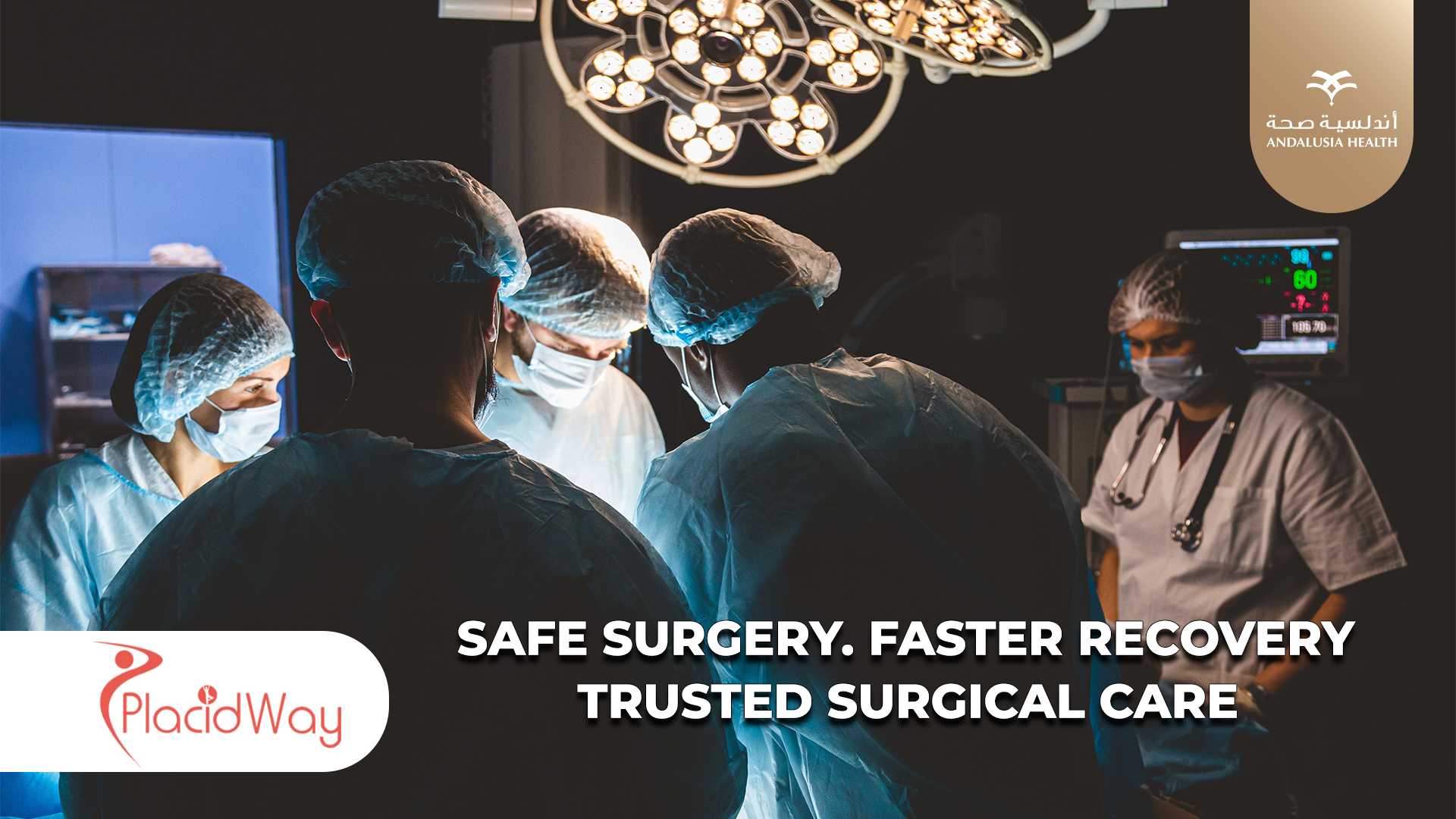
Understanding the clinical mechanics of the operation helps alleviate pre-surgical anxiety and sets realistic expectations. The gastric sleeve procedure process generally begins with the administration of general anesthesia to ensure patient safety and comfort. Using advanced laparoscopic techniques, the surgeon makes several small incisions in the abdominal wall to insert a specialized camera and surgical instruments. This minimally invasive approach typically results in less scarring and a faster recovery compared to traditional open surgery.
During the core phase of the operation, the surgeon carefully staples and divides the stomach, permanently removing approximately 75% to 80% of its volume. The remaining stomach takes the shape of a narrow tube, resembling a banana or a sleeve. After conducting strict leak tests to ensure the integrity of the staple line, the surgical team meticulously closes the small incisions. Familiarizing yourself with these clinical steps reinforces the importance of choosing a highly skilled bariatric surgeon in Mexico.
- Administration of safe, monitored general anesthesia.
- Creation of small laparoscopic incisions for instrument access.
- Vertical division and removal of the greater curvature of the stomach.
- Intraoperative leak testing using specialized dyes or air pressure.
Evaluating Safety and Medical Standards in Mexican Border Cities
The paramount concern for any medical tourist is the clinical safety and hygiene of the destination facility. Reputable bariatric surgery clinics in Piedras Negras adhere to strict international sterilization protocols and patient safety guidelines. It is generally advised to seek out facilities recognized by global healthcare accreditation bodies or the Mexican General Health Council (CSG). These certifications indicate a commitment to maintaining rigorous quality control and emergency preparedness standards.
Equally important is verifying the credentials of your prospective medical team before committing to the procedure. Look for surgeons who possess board certification and have a documented history of performing thousands of successful laparoscopic procedures. Transparency regarding clinical outcomes and facility standards is a hallmark of trustworthy medical providers. Ensuring robust medical safety in Mexico is primarily achieved through diligent patient research and verified credentialing.
Never compromise on safety for a lower price. If a clinic refuses to provide their surgeon's board certification numbers, facility accreditation details, or comprehensive pre-op protocols, it is highly recommended to seek care elsewhere.
- Verify the surgeon's specific training in bariatric and metabolic surgery.
- Ensure the clinic features an on-site Intensive Care Unit (ICU) for emergencies.
- Check for the use of FDA-approved surgical staples and medical devices.
- Review the clinic's protocols for preventing deep vein thrombosis (DVT).
Candidacy Guidelines for Affording Gastric Sleeve in Mexico
Not every individual struggling with their weight is automatically qualified for surgical intervention. Determining your candidacy for a gastric sleeve in Mexico involves a thorough evaluation of your Body Mass Index (BMI) and overall health profile. Generally, medical guidelines suggest this procedure for individuals with a BMI over 40, or a BMI over 35 accompanied by severe obesity-related comorbidities. A responsible surgical team will conduct extensive reviews to ensure the operation is medically appropriate for your specific condition.
Patients must also demonstrate a psychological readiness to embrace the permanent lifestyle changes required post-surgery. Conditions such as untreated severe psychiatric disorders or active substance abuse are typically considered strict contraindications for bariatric procedures. The pre-operative consultation serves to align patient expectations with achievable medical outcomes. Securing affordable weight loss surgery requires passing these vital clinical thresholds to ensure long-term safety.
- BMI criteria strictly evaluated alongside existing metabolic conditions.
- Comprehensive psychological screening to assess readiness for change.
- Review of past dietary attempts and supervised weight loss histories.
- Exclusion of patients with severe, untreated gastroesophageal reflux disease (GERD).
Pre-Operative Preparation for Your Medical Journey
Success in the operating room begins weeks before you ever cross the international border. Proper pre-operative preparation for bariatric surgery is heavily focused on shrinking the liver to provide the surgeon with safe access to the stomach. Most patients are instructed to follow a strict, high-protein, low-carbohydrate liquid diet for a designated period prior to their scheduled date. Adhering to this dietary protocol is critical; failure to do so can result in the cancellation of the surgery for safety reasons.
Beyond nutritional changes, patients must organize their medical records, coordinate with their local primary care physicians, and plan their logistical travel. Mental preparation is equally vital, requiring patients to educate themselves on the impending dietary restrictions and recovery phases. Preparing your home environment with the necessary post-op liquids and supplements will make your return much smoother. Effectively managing your medical travel preparations significantly reduces stress and promotes a positive clinical outcome.
Pack a comfortable, loose-fitting wardrobe for your trip. Your abdomen will be swollen and tender after surgery, so avoid tight waistbands, heavy fabrics, or complex garments that are difficult to put on.
- Strict adherence to the prescribed liver-shrinking liquid diet.
- Cessation of all tobacco and nicotine products weeks prior to surgery.
- Discontinuation of certain medications (like NSAIDs) as directed by the surgeon.
- Gathering all relevant cardiology or pulmonary clearances from local doctors.
Post-Operative Recovery and Follow-Up Care Realities
The immediate days following your procedure are focused on gentle healing and adapting to your new stomach capacity. The post-operative gastric sleeve recovery generally requires a brief hospital stay where medical staff carefully monitor your hydration and pain levels. Patients are encouraged to engage in light, frequent walking almost immediately after waking to prevent blood clots and alleviate surgical gas pain. The initial transition home demands strict adherence to a progressive liquid diet to protect the healing staple line.
Long-term follow-up care is an indispensable component of sustained health and weight loss success. Because you are receiving care abroad, coordinating this follow-up with a local healthcare provider in the US is strongly recommended. Regular blood tests are necessary to monitor vitamin levels and ensure no nutritional deficiencies develop over time. Navigating the bariatric recovery timeline safely requires patience, discipline, and continuous medical observation.
The dietary progression after a gastric sleeve typically follows a strict four-phase timeline: clear liquids, full liquids, pureed foods, and finally, a return to soft solid foods over a span of 4 to 6 weeks.
- Sipping liquids slowly to avoid nausea and pressure on the stomach.
- Committing to daily intake of specialized bariatric multivitamins.
- Recognizing the signs of potential complications, such as fever or severe pain.
- Scheduling routine tele-health check-ins with your surgical team.
Long-Term Lifestyle Changes After Bariatric Surgery
The surgery acts as a powerful catalyst, but it does not guarantee permanent results without active patient participation. Embracing long-term lifestyle changes after gastric sleeve is mandatory to prevent weight regain and maintain overall wellness. Patients must fundamentally alter their relationship with food, prioritizing lean proteins and nutrient-dense vegetables while avoiding processed sugars and empty calories. Mindful eating—chewing thoroughly and recognizing early satiety cues—becomes a daily necessity.
Physical activity is the other crucial pillar of maintaining your new, healthier weight. Most patients experience a significant boost in energy as the weight drops, making regular cardiovascular and strength-training exercises more accessible and enjoyable. Joining local or online support groups can provide vital emotional reinforcement during challenging periods of adjustment. Achieving lasting results from your weight loss journey in Mexico depends entirely on integrating these permanent, healthy habits.
Clinical data indicates that patients who consistently engage in at least 150 minutes of moderate exercise per week post-surgery have a 30% higher rate of long-term weight loss maintenance.
- Prioritizing daily protein goals to preserve lean muscle mass.
- Avoiding carbonated beverages and sugary drinks entirely.
- Committing to a consistent, sustainable physical fitness routine.
- Addressing emotional eating triggers through professional counseling if needed.
Patient Experiences with Weight Loss Surgery in Piedras Negras
Hearing from individuals who have navigated this exact path can provide immense comfort and clarity. Reading authentic gastric sleeve patient reviews helps prospective medical tourists understand the practical, day-to-day realities of crossing the border for care. While individual results vary based on biology and commitment, common themes often emerge regarding the high level of attentiveness provided by the nursing staff. Many patients note that the quality of care exceeded their domestic healthcare experiences.
These personal accounts frequently highlight the profound relief of escaping the financial burden of US medical costs. Patients generally express deep satisfaction with their decision when they actively participate in their pre-op preparation and post-op guidelines. Reviewing these experiences is an integral part of researching bariatric tourism in Mexico. Below are summarized accounts of patients who chose this route for their metabolic health.
Sarah's Experience (Texas)
Sarah traveled across the border after struggling with her BMI for over a decade. She appreciated the extensive pre-operative communication and reported that the bilingual staff made her feel completely at ease during her clinical stay. She has since experienced steady, manageable weight reduction.
Michael's Journey (Florida)
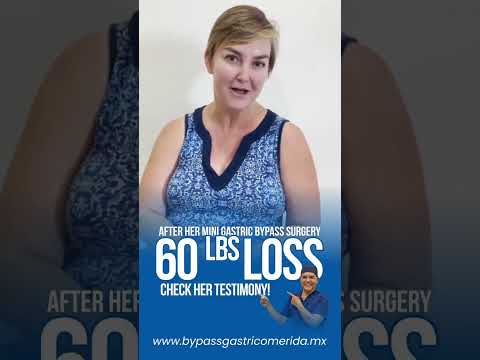
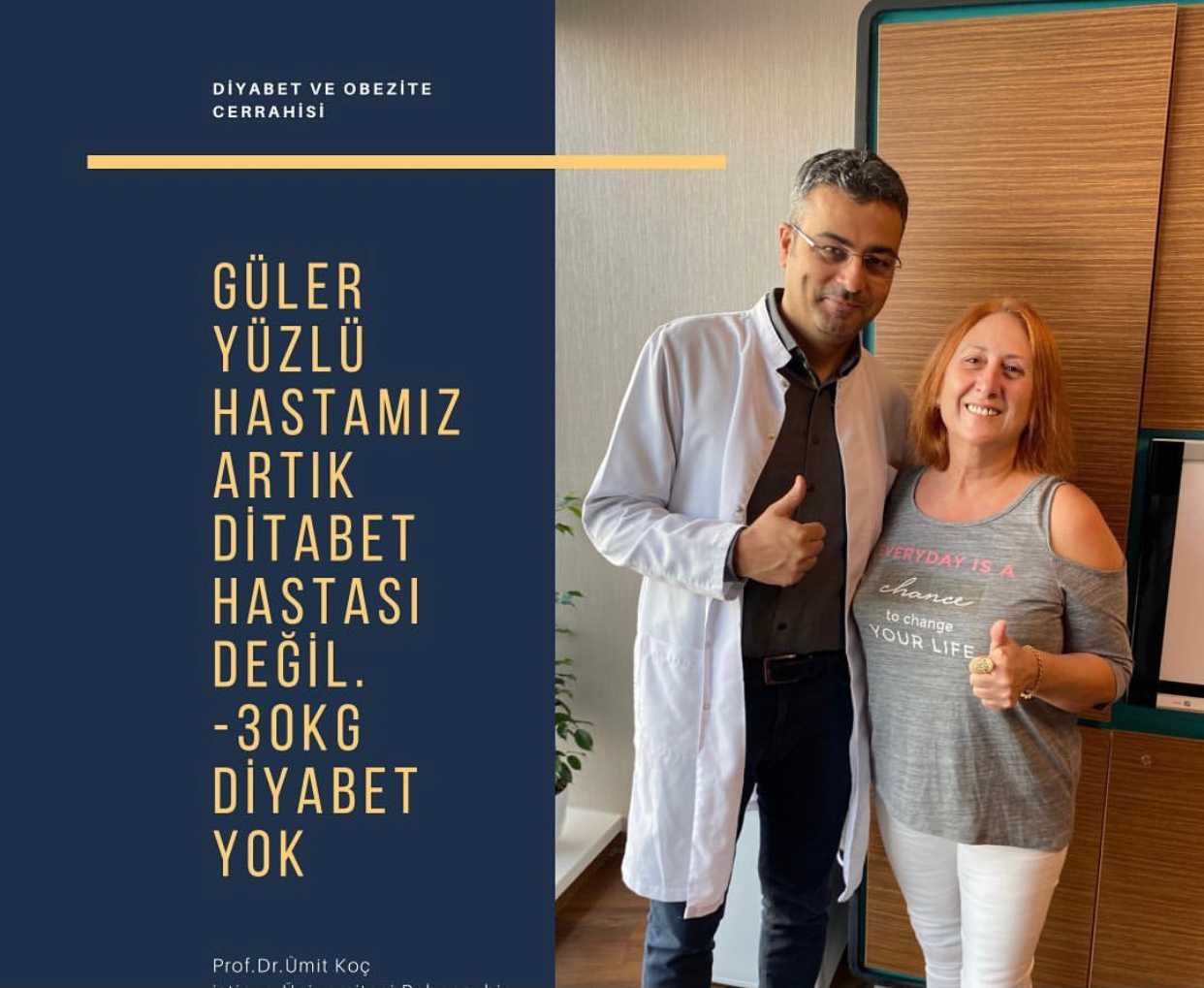
Facing type 2 diabetes, Michael opted for surgical intervention when domestic costs proved too high. He noted that the hospital cleanliness and surgical professionalism were exceptional. Today, he maintains a healthier lifestyle and requires significantly less medication.
Jessica's Outcome (California)
Jessica chose an all-inclusive package to simplify her medical travel. She found the pre-op diet challenging but felt fully supported by the clinic's virtual nutrition team. Her post-operative recovery was smooth, and she emphasizes the importance of following all dietary phases.
David's Reflection (New York)
David was initially hesitant about international surgery but was reassured by the surgeon's international accreditations. He successfully underwent the procedure and credits his continued success to his strict adherence to his newly developed exercise and vitamin regimen.
Navigating Border Travel and Medical Logistics Successfully
Executing a seamless medical trip requires thoughtful logistical planning and an understanding of international travel protocols. When preparing for medical travel to Piedras Negras, US citizens must ensure their passports are up-to-date, even for short border crossings. Many patients choose to fly into a nearby Texas airport, such as San Antonio, and utilize reliable shuttle services to reach the border safely. Partnering with experienced coordinators can significantly alleviate the stress of arranging these physical transfers.
Communication is another vital logistical pillar of your journey abroad. Ensure your cell phone plan includes international coverage or purchase a temporary data pass so you can easily communicate with family and your medical team. Managing payments securely—often through certified wire transfers or specialized medical financing—should be arranged well in advance of your surgery date. Mastering these healthcare logistics in Mexico allows you to focus purely on your surgical procedure and recovery.
Many reputable clinics provide a dedicated border concierge service that physically meets patients on the US side and escorts them directly through customs to the hospital facility.
- Confirm all required travel documents are valid for at least six months.
- Notify your bank of international travel to prevent card holds during medical payments.
- Print physical copies of your clinical quotes, medical records, and physician contacts.
- Arrange for a supportive friend or family member to accompany you if possible.
How PlacidWay Assists Your Gastric Sleeve Medical Tourism Journey in Piedras Negras
Navigating international healthcare options can be overwhelming, but utilizing a professional medical tourism facilitator streamlines the entire process. PlacidWay specializes in connecting patients with highly vetted, globally recognized healthcare facilities that meet stringent safety criteria. By utilizing our comprehensive platform, you gain access to an extensive network of specialized bariatric professionals tailored to your specific clinical needs. We prioritize matching you with medical providers who emphasize quality care and transparent medical practices.
Our goal is to empower you with the precise clinical information required to make a confident, educated decision about your metabolic health. PlacidWay serves as a dedicated liaison between you and the international medical team, ensuring seamless communication from your initial inquiry to your post-operative follow-ups. We assist in centralizing your medical documentation to expedite surgeon evaluations and quotes. By streamlining the clinical coordination, we help you focus entirely on your path to a healthier life.
- Facilitating direct communication with board-certified bariatric surgeons.
- Assisting with the secure transfer of your pre-operative medical records.
- Providing detailed, transparent clinical quotes for medical services.
- Offering access to a global network of accredited and vetted healthcare facilities.
- Supporting post-operative care coordination with international medical teams.
Frequently Asked Questions
How much does a gastric sleeve cost in Piedras Negras?
A gastric sleeve in Piedras Negras generally costs between $4,500 and $6,000, depending on the comprehensive nature of the medical package. This represents a significant savings compared to typical US prices.
Is it safe to get bariatric surgery in Mexico?
Yes, many patients safely undergo bariatric surgery in Mexico when choosing accredited facilities and board-certified surgeons. It is crucial to thoroughly research medical standards and verify international certifications.
What is included in an all-inclusive gastric sleeve package?
These packages typically include surgeon fees, hospital facility charges, anesthesia, pre-operative testing, and necessary post-operative medications. They are designed to streamline the financial aspect of your medical care.
Do I need a visa to travel to Piedras Negras for surgery?
US citizens typically do not need a visa for medical trips lasting less than 180 days in Mexico. However, a valid passport is required for entry and return across the border.
How long do I need to stay in Piedras Negras after surgery?
Most patients are advised to remain in the city for three to four days following their gastric sleeve procedure. This allows the medical team to monitor early recovery and address any immediate post-operative concerns.
Will my primary care doctor in the US provide follow-up care?
Many US doctors are willing to provide follow-up care, especially if you provide them with detailed medical records from your surgeon. It is highly recommended to establish this relationship before traveling abroad.
What dietary changes are required before the surgery?
Patients are generally required to follow a strict pre-operative liquid diet for one to three weeks prior to surgery. This shrinks the liver and reduces potential surgical complications.
Can I finance my bariatric surgery in Mexico?
Yes, several third-party medical financing companies offer specialized loans for patients traveling abroad for healthcare. Many clinics also partner with specific lenders to facilitate the payment process.
What happens if I experience complications after returning home?
If complications arise, you should seek immediate care at your local hospital or emergency room. Good medical tourism packages often offer coordination support, but local emergency care is always the first priority.
How much weight can I expect to lose after a gastric sleeve?
Weight loss results vary, but most patients experience a loss of 60% to 70% of their excess body weight within the first 12 to 18 months. Achieving these results requires strict adherence to nutritional guidelines and exercise.
Ready to take the first step toward a healthier you and save thousands on your gastric sleeve procedure? Let PlacidWay guide you safely to top-tier care.
References:
- National Institute of Diabetes and Digestive and Kidney Diseases. Bariatric Surgery. https://www.niddk.nih.gov/health-information/weight-management/bariatric-surgery
- American Society for Metabolic and Bariatric Surgery (ASMBS). Bariatric Surgery Procedures. https://asmbs.org/patients/bariatric-surgery-procedures
- Mayo Clinic. Gastric Sleeve Surgery. https://www.mayoclinic.org/tests-procedures/sleeve-gastrectomy/about/pac-20385183
- MedlinePlus. Weight Loss Surgery. https://medlineplus.gov/weightlosssurgery.html



.png)


.jpg)

.jpg)








Share this listing