
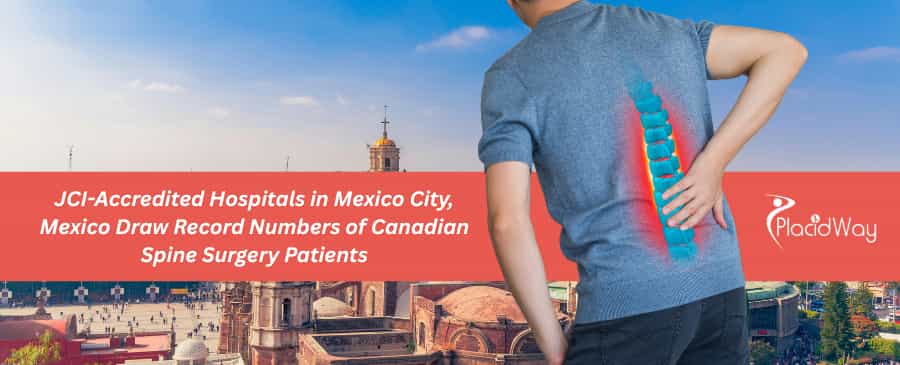
In recent years, an unprecedented number of Canadian patients have been crossing borders to seek relief from chronic back pain. The primary driver behind this migration is the profound impact of healthcare wait times in their home country, which can often leave individuals waiting months or even years for specialist consultations and operative dates. By pursuing spine surgery in Mexico, particularly within its bustling capital, these patients bypass debilitating delays and gain rapid access to highly qualified orthopedic and neurosurgical professionals.
Another compelling reason for this demographic shift is the unwavering commitment to quality found in JCI-accredited hospitals in Mexico City. The Joint Commission International (JCI) represents the gold standard in global healthcare evaluation, ensuring that certified facilities meet or exceed rigorous international protocols for patient safety, clinical excellence, and hygiene. For Canadian medical tourists, this accreditation offers profound peace of mind, transforming an overseas medical journey into a secure and highly regulated healthcare experience.
- Timely Access to Care: Bypassing extended waiting lists allows patients to address spinal degradation before it causes irreversible nerve damage.
- World-Class Standards: JCI accreditation guarantees that the hospital operates under strict international safety and quality control metrics.
- Highly Trained Specialists: Many medical professionals in the capital have completed fellowships or extensive training in North America or Europe.
- Multilingual Support: Top-tier facilities generally provide dedicated English-speaking patient coordinators to ensure clear communication.
The Joint Commission International (JCI) evaluates hospitals on over 1,000 measurable elements of quality and patient safety before awarding their prestigious Gold Seal of Approval.
Understanding the Rise of Medical Tourism for Spine Surgery in Mexico
The landscape of global healthcare is continually evolving, with Latin America emerging as a central hub for specialized interventions. The rise of medical tourism in Mexico is not accidental; it is the result of strategic investments in healthcare infrastructure, modern medical technology, and the cultivation of top-tier surgical talent. For complex procedures involving the central nervous system and spinal column, patients are no longer restricted to local providers, expanding their horizons to locations that offer an optimal balance of quality and accessibility.
Canadian patients, specifically, find Mexico City an incredibly viable destination due to its proximity and the abundance of direct, relatively short flights. When facing significant mobility limitations caused by spinal stenosis, herniated discs, or degenerative disc disease, minimizing travel time is a critical component of a safe journey. The convergence of geographical convenience, sophisticated medical infrastructure, and immediate procedural availability has solidified Mexico City's reputation as a premier destination for neurological and orthopedic care.
- Geographical Convenience: Direct flights from major Canadian cities significantly reduce travel strain on patients with severe back pain.
- Advanced Healthcare Infrastructure: Continual investments have resulted in hospitals equipped with cutting-edge surgical suites and intensive care units.
- Comprehensive Care Ecosystems: Facilities typically offer all necessary services under one roof, from diagnostic imaging to physical therapy.
- Supportive Regulatory Environment: The Mexican government actively supports medical tourism through regulations aimed at protecting international patients.
According to international medical travel reports, Mexico ranks among the top global destinations for healthcare tourism, drawing hundreds of thousands of international patients annually for diverse specialized treatments.
Common Types of Spinal Procedures Performed in Mexico City
The complexity of spinal ailments requires a diverse array of surgical solutions, and top-tier facilities in Mexico are equipped to handle a comprehensive spectrum of these procedures. From traditional open surgeries to advanced minimally invasive techniques, surgical teams evaluate each patient's unique pathology to recommend the most appropriate intervention. The goal is typically to alleviate nerve compression, stabilize the spine, and restore a functional range of motion for the patient.
Patients traveling for spine surgery clinics in Mexico frequently undergo interventions ranging from microdiscectomies to complex multi-level spinal fusions. Technological advancements have allowed surgeons to perform many of these operations using specialized instruments and intraoperative imaging, which generally reduces surrounding tissue damage and postoperative pain. Understanding the specific nature of the required surgery is paramount for establishing realistic recovery expectations and travel timelines.
- Spinal Fusion: A procedure designed to permanently connect two or more vertebrae, typically used to address severe instability or severe disc degeneration.
- Laminectomy (Decompression): Involves removing the back part of a vertebra to relieve pressure on the spinal cord or nerves.
- Microdiscectomy: A minimally invasive procedure to remove a portion of a herniated disc that is pressing on a nerve root.
- Artificial Disc Replacement: An alternative to fusion where a degenerated disc is replaced with a synthetic implant to preserve spinal motion.
Not every patient is a candidate for minimally invasive surgery or disc replacement. Strict medical contraindications, such as severe osteoporosis or advanced spinal deformity, typically necessitate traditional surgical approaches. Always undergo a thorough evaluation with a certified specialist.
Affordable Spine Surgery Cost in Mexico vs Canada
One of the most profound advantages of seeking healthcare south of the border is the remarkably affordable spine surgery cost in Mexico City. While public healthcare in Canada covers medically necessary surgeries, patients opting out of the public system to seek private care in North America face exorbitant out-of-pocket expenses. Mexico offers a compelling alternative, providing identical—and sometimes superior—technological environments at a fraction of the North American private sector pricing.
The cost disparity does not reflect a reduction in quality; rather, it is indicative of the lower cost of living, reduced administrative overhead, and different malpractice insurance structures in Mexico. For Canadian patients, the total expenditure—including surgery, hospitalization, anesthesia, and travel expenses—often remains substantially lower than the cost of merely the surgical fee in a private US or Canadian facility. Below is a detailed cost comparison highlighting realistic market ranges.
| Procedure Name | Average Cost in Mexico City (USD) | Cost Comparison (Private Canada/US Equivalent) |
|---|---|---|
| Single-Level Spinal Fusion | $12,000 - $18,000 | $40,000 - $60,000 |
| Microdiscectomy | $6,500 - $9,500 | $15,000 - $30,000 |
| Laminectomy | $7,000 - $10,500 | $20,000 - $35,000 |
| Artificial Disc Replacement | $14,000 - $22,000 | $45,000 - $70,000 |
When reviewing financial quotes from international hospitals, ensure the estimate clearly delineates what is included. A comprehensive quote typically covers the surgeon's fee, anesthesiologist, operating room charges, standard hardware/implants, and the required hospital stay.
The Value of International Accreditation for Mexican Healthcare Facilities
Choosing to undergo a major medical procedure in a foreign country requires a foundation of absolute trust, and international accreditations provide that necessary verification. Facilities designated as JCI-accredited hospitals in Mexico City have voluntarily submitted to rigorous, continuous evaluations by an external, objective board. This process ensures that the hospital’s operational, clinical, and administrative practices align with the highest global standards of patient safety.
For a procedure as delicate as spinal intervention, this level of oversight is invaluable. It means the facility utilizes robust infection control protocols, strict medication management systems, and comprehensive emergency preparedness plans. Medical tourists from Canada can rest assured that the environment in which they are receiving care is monitored just as stringently—if not more so—than the top hospitals in their native provinces.
- Infection Control: Standardized, state-of-the-art sterilization protocols minimize the risk of hospital-acquired infections.
- Continuous Monitoring: Accredited hospitals must undergo re-evaluation every three years to maintain their prestigious status.
- Standardized Patient Care: From admission to discharge, clinical pathways are rigorously defined to ensure consistent, high-quality outcomes.
- Facility Safety: The physical environment, including operating theaters and recovery wards, is routinely inspected for optimal safety and functionality.
JCI standards are developed by international healthcare experts and are focused intensely on patient safety, covering critical areas such as correct-site surgery protocols and safe anesthesia administration.
Comprehensive Pre-Operative Evaluations for Spine Surgery Patients
A successful surgical outcome begins long before the patient enters the operating room. Comprehensive pre-operative evaluation is a hallmark of world-class medical tourism in Mexico. Once a Canadian patient arrives at the chosen hospital, they generally undergo a series of intensive diagnostic tests designed to map out the exact pathology of the spine and assess overall systemic health. This meticulous preparation mitigates risks and allows surgeons to tailor their approach.
The pre-operative phase typically includes advanced imaging, cardiovascular screening, and consultations with both the primary neurosurgeon or orthopedic surgeon and the anesthesiology team. Because medical tourists travel vast distances, doctors must definitively rule out any underlying conditions—such as undiagnosed clotting disorders or severe heart conditions—that could complicate the surgery or the subsequent flight home.
- Advanced Imaging: High-resolution MRI and CT scans are utilized to create a precise surgical roadmap.
- Systemic Health Checks: Comprehensive blood panels, EKGs, and chest X-rays are standard prerequisites to clear a patient for general anesthesia.
- Specialist Consultations: Patients engage in detailed discussions with their surgical team to review the expected surgical technique and understand realistic outcomes.
- Medication Review: A thorough review of the patient's current medications is conducted to halt any blood-thinning agents or supplements that might increase surgical bleeding.
Many Mexican hospitals utilize a multidisciplinary approach where neurosurgeons, orthopedic specialists, and pain management physicians collaborate on a single patient's pre-operative plan to optimize results.
State-of-the-Art Technology Used in Spine Surgery Clinics in Mexico
Modern surgical interventions rely heavily on technological innovation, and leading spine surgery clinics in Mexico invest millions to ensure their operating theaters are equipped with the latest advancements. The integration of cutting-edge technology directly impacts the precision of the surgery, potentially decreasing operating times, minimizing blood loss, and facilitating faster recovery. For Canadian patients, accessing this caliber of medical technology without enduring endless waitlists is a major draw.
Among the critical technologies utilized are sophisticated intraoperative neuromonitoring systems and robotic-assisted surgical platforms. Neuromonitoring allows the surgical team to observe nerve function in real-time, drastically reducing the risk of neurological deficit during the procedure. Additionally, state-of-the-art microscopic instruments permit surgeons to perform delicate decompressions with exceptional clarity and safety.
- Intraoperative Neuromonitoring (IONM): Constantly assesses the functional integrity of the spinal cord and nerves throughout the surgery.
- Robotic-Assisted Navigation: Provides unparalleled accuracy in the placement of surgical hardware, such as pedicle screws in spinal fusions.
- High-Definition Microscopes: Enables surgeons to execute microdiscectomies through tiny incisions with maximum visualization.
- Advanced Imaging C-Arms: Delivers real-time fluoroscopic X-rays during the procedure to ensure correct anatomical alignment.
The adoption of O-arm surgical imaging combined with stealth navigation systems in Mexican hospitals parallels the most advanced neurosurgical centers found anywhere in North America.
What to Expect During Spine Surgery Recovery in Mexico City
The immediate postoperative period is a critical phase in the healing journey, and hospitals in Mexico City are designed to provide comprehensive, attentive care during this time. Following spine surgery in Mexico, patients typically spend a few days in a highly monitored recovery ward or intensive care unit, depending on the complexity of the procedure. During this time, the primary focus is on pain management, infection prevention, and the initiation of early mobilization.
Nurses and physical therapists collaborate closely to ensure patients take their first steps as soon as it is medically safe. Early movement is generally encouraged to promote circulation and prevent postoperative complications such as deep vein thrombosis (DVT). Patients are typically advised to remain in Mexico City for a duration of 10 to 14 days post-discharge, attending follow-up appointments and ensuring they are physically stable enough for the return flight to Canada.
- In-Hospital Recovery: Typically ranges from 1 to 4 days, focusing on immediate clinical stabilization and pain control.
- Pain Management: Multimodal pain relief strategies are employed to ensure patient comfort while minimizing dependency on strong narcotics.
- Early Mobilization: Physical therapists gently guide patients through initial movements, such as standing and short walks, usually within 24 hours of surgery.
- Outpatient Observation: Remaining in a nearby hotel for a designated period allows the surgeon to monitor incision healing and remove sutures before international travel.
Select a hotel close to your medical facility that offers accessibility features, such as walk-in showers and elevators, to make your outpatient recovery phase as comfortable and safe as possible.
Navigating Post-Operative Rehabilitation and Follow-Up Care
While the surgical intervention addresses the anatomical issue, proper rehabilitation is essential to restore strength, flexibility, and overall functional mobility. A comprehensive approach to medical tourism in Mexico involves providing patients with a detailed, long-term rehabilitation plan before they ever board a plane home. High-quality hospitals ensure that patients are thoroughly educated on the physical restrictions and therapeutic exercises required for optimal healing.
Once a Canadian patient returns home, establishing continuity of care is vital. International medical teams generally supply comprehensive medical documentation, including operative reports, discharge summaries, and post-surgical imaging discs in English. Patients are strongly advised to secure a local general practitioner or physical therapist prior to their trip, ensuring a smooth transition into the long-term rehabilitative phase in their home province.
- Detailed Discharge Packets: Extensive documentation provided to facilitate seamless handover to local healthcare providers.
- Activity Restrictions: Clear guidelines on lifting, bending, and twisting (the BLT rules) are typically mandated for several weeks or months.
- Physical Therapy Integration: Prescribed exercises designed to strengthen core muscles supporting the newly stabilized spine.
- Telemedicine Follow-Ups: Many Mexican clinics offer virtual consultations to monitor the patient’s progress long after they have returned to Canada.
Adherence to post-operative physical therapy can significantly improve long-term outcomes following spinal fusion, reducing the risk of adjacent segment disease and improving overall biomechanical function.
Essential Guidelines for Traveling After Spinal Treatment
Flying internationally shortly after major surgery introduces unique physiological challenges that must be meticulously managed. For patients undergoing spine surgery in Mexico, obtaining medical clearance to fly is the final critical step of their international healthcare journey. Surgeons generally require patients to wait at least 10 to 14 days post-operation before undertaking a flight, depending on the invasiveness of the surgery and the individual's rate of recovery.
The primary concern during air travel is the heightened risk of blood clots due to prolonged immobility and cabin pressure changes. Medical teams mitigate this risk by providing specific travel protocols. Patients are often instructed to wear compression stockings, take prescribed blood thinners if necessary, and engage in frequent movement during the flight to ensure safe transit back to Canada.
- Medical Clearance: A final, in-person consultation is mandatory to confirm the incision is healing well and the patient is fit to fly.
- DVT Prevention: Utilizing medical-grade compression garments and performing ankle-pump exercises during the flight is strongly recommended.
- Mobility Assistance: Patients should arrange for wheelchair assistance at all airports to avoid fatigue and heavy lifting.
- Frequent Movement: Walking the airplane aisle every hour helps maintain healthy blood circulation and prevents stiffness.
Many airlines have specific medical clearance forms that must be filled out by the attending physician before a patient who has recently undergone major surgery is allowed to board the aircraft.
Assessing the Risks and Considerations of Spine Surgery Abroad
While the benefits of seeking care in JCI-accredited hospitals in Mexico City are numerous, it is imperative for patients to approach medical tourism with a clear understanding of potential risks. No surgical procedure is entirely devoid of complications, and undergoing treatment in a foreign country introduces logistical variables that must be carefully managed. Transparently evaluating these factors allows patients to make informed, safe decisions regarding their health.
General surgical risks include infection, adverse reactions to anesthesia, hardware malfunction, or the failure of the bone to fuse properly (pseudoarthrosis). Furthermore, traveling long distances post-surgery adds the risk of travel-related complications. To mitigate these risks, patients must strictly adhere to the contraindications and recovery timelines provided by their surgical team, and ensure they have adequate specialized medical travel insurance to cover unforeseen emergencies.
- Inherent Surgical Risks: Possible complications such as bleeding, nerve damage, or localized infection, common to any major operation globally.
- Travel-Related Complications: The aforementioned risk of Deep Vein Thrombosis (DVT) necessitates strict adherence to flight guidelines.
- Language Barriers: Although top hospitals have English-speaking staff, stepping outside the medical facility may present communication challenges.
- Follow-Up Limitations: Addressing delayed complications requires a robust plan with local Canadian healthcare providers who are willing to take over care.
Data suggests that patients who thoroughly vet their international healthcare providers and ensure continuity of care with local doctors face a significantly lower rate of post-operative complications compared to those who do not.
Patient Experiences with Spine Surgery in Mexico City
The decision to travel internationally for healthcare is often deeply influenced by the narratives of those who have paved the way. Numerous Canadian citizens have documented their journeys, sharing the profound relief they experienced after receiving timely spine surgery in Mexico. These testimonials highlight not only the clinical excellence of the medical staff but also the compassionate, patient-centric approach that characterizes Mexican healthcare.
Hearing about successful recoveries and the professional environments within spine surgery clinics in Mexico helps demystify the process for prospective patients. While individual results vary and no specific outcome can be guaranteed, these stories provide valuable insight into the logistical flow, emotional support, and overall quality of care that medical tourists can expect.
A Journey to Pain-Free Living
"After waiting over a year in Canada for a consultation regarding my severe spinal stenosis, I decided to look elsewhere. The JCI-accredited hospital in Mexico City provided a level of care that exceeded my expectations. The facility was pristine, and my surgical team was incredibly attentive. I am finally walking without the debilitating pain that dictated my life." — Patient from Ontario, Canada
Excellence in Minimally Invasive Care
"I was terrified of having back surgery, but the microdiscectomy I received in Mexico was life-changing. The pre-operative testing was thorough, and the English-speaking staff made me feel entirely secure. The technology they used was state-of-the-art, and my recovery was remarkably smooth." — Patient from British Columbia, Canada
Cost-Effective and Highly Professional
"Facing a $50,000 bill for a private spinal fusion back home, I opted for Mexico City. The total cost, including my hospital stay, was less than a third of that. More importantly, the medical expertise was world-class. The doctors were patient, answered all my questions, and ensured I was fully ready before flying home." — Patient from Alberta, Canada
Exceptional Post-Operative Support
"What impressed me most wasn't just the successful disc replacement, but the care after. The nurses and physical therapists in the hospital were incredibly kind and encouraging. They gave me a comprehensive file of my medical records in English, which made following up with my local doctor in Canada a breeze." — Patient from Nova Scotia, Canada
The consistent influx of international patients has cultivated a culturally sensitive healthcare environment in Mexico City, where the specific needs and expectations of Canadian and American patients are deeply understood and seamlessly accommodated.
How PlacidWay Assists Your Spine Surgery Medical Tourism Journey in Mexico
Navigating the intricacies of international healthcare can be a complex endeavor, particularly when dealing with serious medical conditions. PlacidWay serves as a dedicated partner for patients seeking highly accredited facilities abroad. By streamlining the research and connection process, patients can focus their energy entirely on preparation and recovery rather than administrative burdens.
PlacidWay leverages extensive global networks to connect patients with top-tier medical providers that align with stringent international standards. The goal is to facilitate a transparent, informative, and empowering experience for every individual looking to regain their quality of life through advanced medical intervention.
- Facilitates direct connections between patients and highly vetted, globally accredited medical facilities.
- Provides access to detailed hospital profiles, specialized surgeon credentials, and comprehensive treatment options.
- Assists in gathering and transmitting medical records and diagnostic imaging securely to international specialists for initial evaluations.
- Helps patients obtain clear, comprehensive, and itemized medical quotes directly from the healthcare providers.
- Offers dedicated customer support to answer questions and guide patients through the informational phases of their medical journey.
Frequently Asked Questions About Spine Surgery in Mexico
Deciding to undergo a major operation abroad naturally brings up numerous logistical and medical questions. To help clarify the process, we have compiled the most common inquiries from individuals researching spine surgery in Mexico. This information is designed to provide quick, reliable insights into the reality of medical tourism.
Understanding the details regarding costs, safety, and recovery protocols empowers patients to make confident decisions. Review the frequently asked questions below to gain a deeper understanding of what to expect when planning your healthcare journey to Mexico City.
Why do Canadians choose spine surgery in Mexico City?
Many Canadians face extensive wait times for elective spinal procedures at home. Traveling to JCI-accredited hospitals in Mexico City allows them to receive timely, high-quality care while avoiding the high out-of-pocket costs found in other international destinations.
Is spine surgery in Mexico generally safe?
Yes, when performed in globally recognized, JCI-accredited hospitals, spine surgery in Mexico is typically considered safe. These facilities generally adhere to stringent international protocols for patient safety, infection control, and surgical excellence.
What is the average cost of spine surgery in Mexico City?
The cost varies depending on the specific procedure, but patients generally save between 50% and 70% compared to private health sector prices in North America. A standard spinal fusion, for example, typically ranges from $12,000 to $18,000 in Mexico City.
Do Mexican hospitals accept Canadian health insurance?
Typically, provincial healthcare plans in Canada do not cover elective procedures performed internationally unless prior specialized approval is granted. Most medical tourists pay out-of-pocket or use specialized private medical travel insurance.
How long is the typical recovery period in Mexico City after spine surgery?
Recovery timelines vary by procedure, but most patients are advised to stay in Mexico City for 10 to 14 days post-surgery. This period allows the medical team to monitor the initial healing process, manage pain, and clear the patient for safe air travel.
What are the common risks of having spine surgery abroad?
Risks include typical surgical complications such as infection, blood clots, or adverse reactions to anesthesia. Additionally, traveling too soon after surgery carries risks like deep vein thrombosis (DVT), making it essential to follow all surgical guidelines.
What type of pre-operative evaluations are required?
Patients generally undergo comprehensive diagnostic imaging, such as MRIs or CT scans, alongside blood work and cardiovascular evaluations. These tests ensure the patient is a viable candidate and allow the surgical team to create a precise operative plan.
Do I need a visa to travel to Mexico City for medical care?
Canadian citizens typically do not need a visa to enter Mexico for tourism or short-term medical visits lasting under 180 days. However, you must have a valid passport and may be required to fill out a standard immigration form upon arrival.
How do I ensure continuity of care once I return to Canada?
It is crucial to coordinate with a local primary care physician or physical therapist before leaving for Mexico. International hospitals generally provide detailed medical records, operative reports, and imaging in English to facilitate a seamless transition of care.
Are minimally invasive spine surgeries available in Mexico City?
Yes, top-tier medical facilities in Mexico City frequently utilize minimally invasive techniques. These procedures typically involve smaller incisions, which can lead to reduced tissue damage, lower infection risks, and faster general recovery times.
Ready to explore your options for spine surgery abroad? Let PlacidWay connect you with world-class, accredited facilities tailored to your healthcare needs.
Medical Disclaimer: This article is for informational purposes only and is not medical advice. Always consult a qualified healthcare provider before any medical decisions. Results may vary. Read Full Disclaimer here.
References
- Joint Commission International. JCI Accreditation Standards for Hospitals. https://www.jointcommission.org/en/standards
- Mayo Clinic. Spinal fusion - Mayo Clinic. https://www.mayoclinic.org/tests-procedures/spinal-fusion/about/pac-20384523
- Spine-Health. Specifics of Minimally Invasive Spine Surgery. https://www.spine-health.com/treatment/back-surgery/minimally-invasive-spine-surgery
- Healthline. Deep Vein Thrombosis (DVT) and Flying. https://www.healthline.com/health/dvt-and-flying








.png)
.png)
.png)




.png)
.png)
.jpg)
.png)








Share this listing