
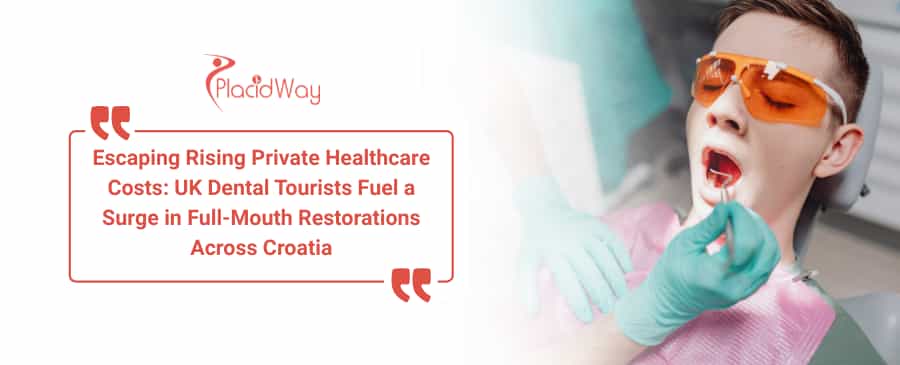
JIn recent years, the landscape of private healthcare in the United Kingdom has undergone significant changes, with soaring costs making extensive dental work inaccessible for many. As NHS dental waiting lists grow and private domestic fees skyrocket, patients are increasingly exploring cross-border healthcare options. The demand for full-mouth restorations in Croatia has surged as a direct response to this ongoing crisis, offering an attractive alternative to prohibitive local pricing.
Croatia has rapidly positioned itself as a premier hub for high-quality restorative dentistry, successfully blending rigorous European medical standards with highly competitive pricing. UK citizens, seeking a practical solution to their complex dental needs without compromising on safety or expertise, are driving a steady increase in international patient flow. The appeal of medical tourism in Croatia is not solely about cost; it is about reclaiming oral health through world-class clinical care.
Research indicates that UK patients traveling abroad for complex dental procedures can generally save between 50% and 70% on total treatment costs compared to private domestic quotes.
Why UK Patients are Choosing Dental Tourism in Croatia
The geographical proximity of Croatia to the United Kingdom makes it a highly accessible destination, with frequent and affordable short-haul flights connecting major cities. For patients undergoing multi-stage procedures like full-arch dental implants in Croatia, this ease of travel significantly reduces the logistical burden of cross-border care. Furthermore, patients often appreciate the warm, Mediterranean climate, which provides a calming backdrop for post-surgical recovery.
Beyond logistics, Croatian dental professionals are highly regarded for their rigorous education, often holding international certifications and continuously updating their skills through global symposiums. Because Croatia is a member of the European Union, clinics must adhere strictly to stringent EU health and safety directives. This regulatory framework typically assures UK patients that the dental implant clinics in Croatia maintain hygiene and operational standards comparable to, or exceeding, those back home.
Many leading dental professionals in Croatia complete part of their specialized training in the UK, Germany, or the US, ensuring they are well-versed in the latest global advancements in implantology.
The Comprehensive Process of Full-Mouth Dental Restorations
Undergoing a full-mouth restoration is an intricate, highly personalized medical procedure designed to replace most or all of a patient's natural teeth using advanced implant systems. Procedures such as All-on-4 or All-on-6 are designed to anchor a customized prosthetic bridge securely to the jawbone. The process begins with extensive diagnostics, utilizing 3D cone-beam computed tomography (CBCT) to map the exact density and structure of the patient's jaw.
Once diagnostics are complete, the surgical phase involves the careful extraction of any remaining failing teeth, followed by the precise placement of titanium implants into the bone. Patients generally receive a temporary prosthetic on the same day or shortly thereafter, allowing them to maintain aesthetics and basic function. A crucial healing period of several months follows, known as osseointegration, before the final, durable ceramic or zirconia crowns are permanently affixed.
- Initial Consultation & 3D Scanning: Evaluating bone volume and designing the surgical guide.
- Surgical Placement: Implanting the titanium posts securely into the jaw under local anesthesia or sedation.
- Osseointegration Phase: A healing period lasting typically 3 to 6 months to allow the bone to fuse with the implant.
- Final Restoration: Securing the permanent, custom-milled zirconia or porcelain prosthetics.
Affordable Full-Mouth Restorations Cost in Croatia vs. the UK
Financial transparency is one of the primary drivers behind the boom in international medical travel. The affordable full-mouth restorations cost in Croatia offers substantial financial relief for individuals who would otherwise be priced out of restoring their oral health. While private UK fees for full-arch implants frequently exceed what many families can comfortably afford, Croatian clinics provide a much more accessible market range without sacrificing material quality.
It is important to understand that the lower cost does not imply inferior care; rather, it reflects differences in local economic factors such as overhead, insurance, and the general cost of living. Below is a detailed comparison of the realistic market ranges for popular restorative procedures, illustrating why Croatia dental implants cost represents a compelling value proposition.
| Procedure Name | Average Cost in Croatia (£) | Cost Comparison in the UK (£) |
|---|---|---|
| All-on-4 System (Per Arch) | £4,500 - £6,000 | £12,000 - £16,000 |
| All-on-6 System (Per Arch) | £5,500 - £7,500 | £15,000 - £20,000 |
| Bone Grafting (Per Arch) | £300 - £800 | £800 - £2,000 |
| Sinus Lift (Per Side) | £500 - £1,200 | £1,200 - £2,500 |
Advanced Dental Technology Used for Implant Restorations in Croatia
Clinics specializing in international patients heavily reinvest their resources into state-of-the-art diagnostic and surgical technology. The modernization of dental facilities is a hallmark of the best dental treatments in Croatia, offering patients clinical accuracy that ensures predictable surgical outcomes. The utilization of 3D CBCT scanners allows surgeons to map vital structures like nerves and sinuses, virtually eliminating the guesswork from implant placement.
Furthermore, the integration of CAD/CAM (Computer-Aided Design and Computer-Aided Manufacturing) technology in in-house laboratories streamlines the creation of prosthetic teeth. This technology enables technicians to digitally design and mill highly precise zirconia crowns that fit the patient's unique bite seamlessly. These rapid, technologically driven workflows mean patients spend less time in the dental chair and experience faster turnaround times.
When researching facilities, ask if they utilize in-house CAD/CAM technology. Clinics with their own laboratories can often make immediate adjustments to your temporary or permanent prosthetics without waiting days for external shipping.
Evaluating the Quality of Dental Clinics in Croatia
Selecting the right facility is arguably the most critical step for any individual embarking on a healthcare journey abroad. High-quality dental clinics in Croatia distinguish themselves through international accreditations, ISO certifications, and a proven track record of successfully managing complex restorative cases. Reputable clinics prioritize transparency, eagerly sharing their specialists' credentials, patient reviews, and comprehensive before-and-after portfolios.
Another strong indicator of a premier clinic is its approach to patient communication. Leading centers employ dedicated, fluent English-speaking patient coordinators who help bridge any potential cultural or linguistic gaps. This ensures that the patient fully understands every phase of their treatment plan, from initial surgical risks to post-operative maintenance instructions, fostering a trustworthy doctor-patient relationship.
Due to stringent European Union regulations implemented since 2013, cross-border healthcare providers in Croatia must meet identical safety and sterilization protocols as medical facilities in Germany, France, and the UK.
Candidacy and Medical Assessment for Extensive Dental Work
While full-arch restorations offer life-changing benefits, it is vital to acknowledge that not everyone is an immediate candidate for such extensive oral surgery. A thorough pre-operative medical assessment is mandatory to determine if a patient has sufficient bone density to support implants. Conditions such as severe osteoporosis, unmanaged diabetes, or active periodontal disease typically require preliminary treatment or careful medical clearance before surgery can proceed.
During the consultation phase for full-mouth restorations in Croatia, your chosen specialist will review your complete medical history, including any current medications. Smokers, in particular, are usually advised to quit well in advance of the procedure, as nicotine restricts blood flow to the gums, significantly increasing the risk of implant failure during the healing phase.
Patients taking bisphosphonates for osteoporosis or blood-thinning medications for cardiovascular conditions must strictly inform their dental surgeon, as these drugs can heavily influence surgical bleeding and bone healing.
Understanding the Risks and Recovery of Full-Mouth Implants
As with any invasive surgical intervention, full-mouth implant procedures carry inherent risks that patients must carefully weigh. Common short-term side effects generally include localized swelling, minor bruising, and manageable discomfort, which typically peak within 48 to 72 hours post-surgery. More serious, though rare, complications can include nerve injury, sinus issues, or localized infection at the implant site.
Successful recovery demands strict adherence to the surgeon’s post-operative instructions. This generally involves maintaining a soft-food diet to prevent undue pressure on the newly placed implants and adhering strictly to prescribed antibiotic and antiseptic rinse regimens. The long-term success of the implants heavily relies on the patient's commitment to impeccable oral hygiene.
- Follow a prescribed soft-food or liquid diet for the first few weeks to protect the temporary prosthetics.
- Avoid using a straw or vigorously rinsing the mouth immediately after surgery to prevent dislodging blood clots.
- Attend all scheduled follow-up check-ins, even if done remotely via X-rays sent from your local UK dentist.
- Maintain scrupulous daily cleaning habits using water flossers and specialized interdental brushes.
Timeline for Your Dental Implant Holiday in Croatia
Planning a dental implant holiday in Croatia requires understanding that full-mouth restorations are not a single-day event. The entire journey typically spans several months and usually mandates at least two separate visits to the destination clinic. The initial trip, which includes diagnostics, extractions, and the surgical placement of the implants, generally requires the patient to stay in the country for 5 to 7 days.
Following this first phase, patients return home wearing temporary fixed or removable dentures while the implants fuse with the jawbone—a critical process that typically takes between three to six months. The second trip to Croatia focuses on taking final impressions and permanently affixing the customized dental crowns, generally necessitating another stay of about 5 to 10 days to ensure proper fit and bite alignment.
The healing process of osseointegration, where the jawbone grows tightly around the titanium implant, was discovered by accident in the 1950s by an orthopedic surgeon studying bone healing in rabbits.
Material Options for Dental Crowns and Implants in Croatia
The longevity and aesthetic outcome of your restoration largely depend on the quality of the materials utilized by the dental laboratory. Premium clinics favor implants made from commercially pure, medical-grade titanium or titanium alloys, recognized globally for their exceptional biocompatibility and strength. For patients with specific metal allergies, highly durable ceramic implants may occasionally be offered as a premium alternative.
When it comes to the visible prosthetics—the crowns or bridges—patients typically choose between acrylic, porcelain-fused-to-metal (PFM), or pure zirconia. Zirconia is widely regarded as the superior choice for affordable full-mouth restorations in Croatia due to its incredible resistance to chipping and its highly natural, translucent appearance that mimics natural tooth enamel flawlessly.
| Crown Material | Durability | Aesthetic Quality |
|---|---|---|
| Acrylic (Temporary) | Low - Meant for short-term use | Acceptable, but prone to staining |
| Porcelain-Fused-to-Metal | High - Strong structural integrity | Good, though metal may show at gumline over time |
| Monolithic Zirconia | Extremely High - Resistant to chipping | Excellent - Highly natural translucency |
Success Rates and Longevity of Dental Implants Abroad
Prospective medical tourists often question the long-term reliability of undergoing extensive dental work in a foreign country. Clinical studies and global dental statistics consistently show that titanium dental implants boast a remarkably high success rate, generally hovering between 90% and 95% over a 10-year period. These impressive statistics hold true for procedures performed in accredited Croatian clinics utilizing top-tier international implant brands.
However, the absolute longevity of your full-arch dental implants in Croatia ultimately rests in your hands post-surgery. Implants cannot develop cavities, but the surrounding gum tissue remains highly susceptible to peri-implantitis (gum disease) if neglected. Patients must commit to professional dental cleanings every six months and daily rigorous oral hygiene to safeguard their investment.
According to long-term clinical literature, implant survival rates dramatically decrease by up to 10-15% in patients who continue to smoke heavily after their surgical procedure.
Preparing for Your Medical Tourism Journey to Croatia
Meticulous preparation is the key to a stress-free experience when navigating medical tourism in Croatia. Before booking flights, it is essential to forward your recent panoramic dental X-rays or CBCT scans to the prospective clinic. This allows the surgical team to formulate a realistic, preliminary treatment plan and provide an accurate cost estimate, preventing unexpected surprises upon arrival.
Patients should also proactively organize their return care. While the surgery happens abroad, you will still need regular dental hygiene check-ups back in the UK. Open communication with a local dentist willing to help maintain your foreign-placed implants is a critical component of responsible medical travel. Additionally, ensure you travel with appropriate, loose clothing and arrange for adequate rest periods during your initial recovery phase abroad.
Always travel with a comprehensive summary of your dental treatment plan translated into English, including the exact brand, size, and model of the implants used. This information is vital for any future maintenance by your local dentist.
Real Patient Experiences with Full-Mouth Restorations
Patient testimonials serve as powerful narratives, illustrating the profound psychological and physical transformations associated with full-mouth restorations in Croatia. For many UK residents facing years of self-consciousness and dietary restrictions due to failing teeth, crossing borders has proven to be an empowering, life-altering decision. Reading about real experiences helps prospective patients contextualize the emotional journey of dental restoration.
While results inherently vary based on individual biological factors, most patients express overwhelming satisfaction with the meticulous care and empathy exhibited by Croatian medical teams. The consistent theme across international patient feedback is the restoration of dignity, a return to confident smiling, and the ability to chew food without fear or discomfort.
Overcoming Decades of Dental Anxiety
After struggling with severe periodontal disease and being quoted insurmountable fees in London, an individual journeyed to Croatia for an All-on-6 procedure. The patient highlighted the clinic's gentle approach to sedation and expressed deep relief at successfully receiving fixed teeth after years of wearing uncomfortable partial dentures.
A Seamless Two-Stage Process
A patient from Manchester recounted their six-month journey undergoing full-mouth rehabilitation. They particularly praised the transparency regarding the osseointegration timeline and found the interim period with temporary teeth highly manageable before returning to Croatia for the beautiful, permanent zirconia crowns.
High-Tech Precision and Comfort
Faced with the need for extensive bone grafting prior to implants, a patient was highly impressed by the sophisticated 3D imaging technology utilized. The precise digital planning meant they generally experienced far less post-operative swelling than they had anticipated.
Restored Confidence and Significant Savings
A retired individual noted that the 60% savings compared to UK private prices allowed them to afford premium implant brands without depleting their savings. The patient now advocates for dental tourism, emphasizing the uncompromised hygiene standards they encountered.
How PlacidWay Assists Your Full-Mouth Restorations Medical Tourism Journey in Croatia
Navigating the global healthcare landscape can be incredibly daunting, particularly when planning extensive surgical interventions from afar. PlacidWay acts as a dedicated facilitator, bridging the gap between international patients and internationally accredited healthcare providers. By leveraging extensive global networks, PlacidWay helps simplify the process of discovering reputable facilities for your oral restoration needs.
Through comprehensive patient support systems, PlacidWay aims to empower individuals with the critical information required to make educated medical decisions. From facilitating initial clinical communications to ensuring access to transparent cost estimates, the platform prioritizes patient safety and informed consent at every step.
- Connecting you with highly vetted, board-certified dental specialists in Croatia.
- Facilitating the secure transfer of medical records and 3D X-rays for remote clinical evaluations.
- Assisting in the attainment of detailed, comprehensive treatment plans and customized cost estimates.
- Providing educational resources to help you understand specific implant procedures, timelines, and risks.
- Offering a centralized platform to seamlessly communicate with international patient coordinators.
PlacidWay has helped thousands of patients worldwide successfully connect with globally accredited medical centers, emphasizing patient safety and quality of care above all else.
Frequently Asked Questions About Dental Tourism in Croatia
Why are full-mouth restorations in Croatia much cheaper than in the UK?
The lower cost is primarily due to differences in the cost of living, lower operational overheads, and varying local wage structures. The materials used, however, generally meet the same strict European Union standards as those in the UK.
How long does a full-mouth restoration process typically take?
The procedure usually requires two to three visits spaced over several months. The initial surgical phase takes a few days, followed by a three to six-month healing period before the final permanent prosthetics are attached.
Is it safe for UK patients to travel for dental implants in Croatia?
Yes, dental tourism in Croatia is generally considered highly safe, provided patients select accredited clinics. Croatian healthcare facilities strictly adhere to EU medical regulations and cross-border healthcare directives.
What happens if I experience a complication after returning home?
Most reputable clinics offer international warranties on dental implants. However, it is highly recommended to establish a relationship with a local UK dentist who can assist with minor follow-up care or maintenance.
Are the materials used in Croatian clinics of good quality?
Clinics focusing on international patients typically use world-renowned implant brands made of medical-grade titanium and high-quality zirconia or porcelain for crowns. These materials ensure longevity and aesthetic appeal.
Do I need a visa to travel from the UK to Croatia for medical treatment?
Currently, UK citizens generally do not need a visa for short visits to Croatia, including trips for medical tourism. Patients can typically stay for up to 90 days within any 180-day period without a visa.
What is the difference between All-on-4 and All-on-6 implants?
All-on-4 utilizes four implants per jaw to support a full arch of teeth, while All-on-6 uses six implants. The choice typically depends on the patient's bone density, jaw structure, and the dentist's recommendation.
Will the dental implant procedure be painful?
The surgery itself is performed under local anesthesia or conscious sedation, so patients generally do not feel pain during the procedure. Post-operative discomfort and swelling are common but usually manageable with prescribed medication.
How long will my new dental implants last?
With proper oral hygiene, regular dental check-ups, and a healthy lifestyle, dental implants can often last a lifetime. The prosthetic crowns or bridges may require replacement after 10 to 15 years due to normal wear.
Can I get a consultation before traveling to Croatia?
Yes, many clinics offer remote consultations via video call. Patients are usually asked to provide recent 3D panoramic X-rays so the dental team can create an initial, customized treatment plan and cost estimate.
References
- National Health Service (NHS). Dental Treatment. https://www.nhs.uk/live-well/healthy-teeth-and-gums/dental-treatments/
- Mayo Clinic. Dental Implant Surgery. https://www.mayoclinic.org/tests-procedures/dental-implant-surgery/about/pac-20384622
- PubMed. Long-term Survival of Dental Implants. https://pubmed.ncbi.nlm.nih.gov/40051165/
- WebMD. What to Know About Dental Implants. https://www.webmd.com/oral-health/guide/dental-implants
.png)



.png)
.png)
.png)
.png)


.png)
.png)
.png)








Share this listing