



Chronic kidney disease (CKD) and end-stage renal disease (ESRD) present massive challenges for patients globally. For many Filipinos, the search for innovative management has led them to explore regenerative options abroad. Stem cell therapy has emerged as a promising approach that aims to support tissue repair and improve overall quality of life for those suffering from renal decline.
Japan is globally recognized for its rigorous advancements in regenerative medicine. The country provides highly regulated frameworks that ensure safety and technological precision. As a result, seeking stem cell therapy for kidney failure in Japan is becoming a trusted path for international patients looking for alternative and supportive care options.
Japan was one of the first countries in the world to establish a fast-track regulatory approval system specifically designed for regenerative medicine, ensuring rapid yet safe access to innovative therapies.
- Utilizes advanced cellular technology aimed at reducing kidney inflammation.
- Follows highly controlled protocols supervised by strict health authorities.
- Focuses on personalized treatment plans tailored to individual health profiles.
- Attracts thousands of international patients annually for specialized care.
The Rise of Medical Tourism in Japan for Filipino Patients
The geographical proximity between the Philippines and Japan makes it an highly accessible hub for advanced healthcare. Flight times are relatively short, which is significantly beneficial for patients managing chronic conditions who cannot tolerate long-haul travel. This convenience has contributed heavily to the growing trend of Filipinos traveling to Osaka for comprehensive medical evaluations.
Furthermore, the cultural hospitality and meticulous attention to detail found in Japanese healthcare resonate well with Filipino patients. They often report feeling deeply respected and well-cared-for during their medical journeys. Medical tourism in Japan offers an appealing blend of cutting-edge biotechnology and compassionate patient management.
The number of inbound medical tourists to Japan has seen a steady increase, with patients from Southeast Asia representing a rapidly growing demographic seeking specialized treatments.
Exploring Stem Cell Therapy Clinics in Osaka Japan
Osaka has cultivated a distinguished reputation as a leading destination for biotechnology and regenerative medical research. The city hosts some of the most sophisticated facilities in the world, equipped with state-of-the-art laboratories. Patients seeking specialized care will find that clinics here adhere stringently to national health ministry guidelines.
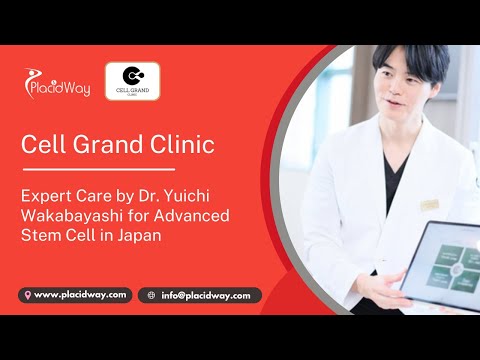
When choosing a facility, many international patients look for renowned centers that offer comprehensive, personalized treatment protocols. For instance, you might consider booking your procedure at the Cell Grand Clinic Best Stem Cell Clinic in Japan, known for its tailored approach to regenerative therapies. These top-tier institutions focus on holistic patient evaluation before initiating any cellular protocols.
Always verify that your chosen facility in Osaka holds valid certifications from the Japanese Ministry of Health, Labour and Welfare specifically for administering regenerative cellular treatments.
Affordable Stem Cell Treatment Cost for Kidney Failure in Japan
Financial planning is a critical step when considering international healthcare options. While advanced regenerative medicine represents a significant financial commitment, many patients find the value aligns seamlessly with the high safety standards of Japanese medical facilities. The stem cell treatment cost in Japan is often highly competitive when compared to North American or European countries offering similar technologies.
For Filipino patients, understanding the exact breakdown of expenses ensures a stress-free medical journey. Costs typically vary based on the specific type of stem cells utilized, the number of required sessions, and extensive pre-treatment diagnostic evaluations. Below is a detailed comparison to help you gauge the realistic market ranges for this specialized procedure.
| Procedure / Treatment Phase | Average Cost in Japan (USD) | Cost Comparison: Philippines (USD) |
|---|---|---|
| Initial Diagnostic Consultation & Testing | $800 - $1,500 | $300 - $800 (Limited advanced diagnostics) |
| Mesenchymal Stem Cell Therapy (Single Session) | $15,000 - $25,000 | Generally unavailable or uncertified |
| Post-Treatment Observation & Meds | $500 - $1,200 | $200 - $500 |
How Regenerative Medicine for Kidneys Works Typically
The core principle behind regenerative medicine is the utilization of biological materials to promote the body's natural healing mechanisms. In the context of renal health, stem cells are generally administered intravenously to target damaged kidney tissues systemically. These cells are believed to release vital growth factors that potentially reduce inflammation and support cellular repair.
It is vital to note that this therapy aims to manage severe symptoms and potentially slow disease progression, rather than offering a definitive cure. Most patients experience varying degrees of response depending entirely on the severity of their condition. The regenerative medicine for kidneys in Japan follows strict, standardized protocols to maximize patient safety during these infusions.
Mesenchymal Stem Cells (MSCs) possess "homing" capabilities, meaning they can naturally migrate toward areas of inflammation and tissue injury within the human body.
Comparing Kidney Failure Treatment Options: Japan vs Philippines
In the Philippines, patients diagnosed with severe kidney failure generally rely on conventional treatments such as hemodialysis, peritoneal dialysis, or awaiting an organ transplant. While these interventions are life-sustaining and absolutely essential, they often come with significant lifestyle restrictions and physical tolls. Dialysis centers are widespread, but regenerative alternatives remain largely limited or in early experimental phases locally.
Conversely, Japan offers a broader, highly regulated spectrum of advanced therapeutic options legally integrated into their healthcare system. Patients traveling for kidney failure treatment in Osaka can access sophisticated stem cell therapies designed to complement traditional nephrology care. This stark disparity in available innovative treatments is a primary driver for medical travel among Filipinos.
Japan has one of the highest life expectancies for dialysis patients in the world, reflecting the high overall quality of their renal healthcare infrastructure.
Safety Protocols and Medical Standards in Japanese Clinics
Japan's Ministry of Health, Labour and Welfare (MHLW) strictly regulates all regenerative medicine practices under comprehensive laws enacted to protect patient wellbeing. This means that any facility offering stem cell therapies must pass rigorous government inspections and maintain continuous compliance. Such strict oversight guarantees that international patients receive care in highly controlled, sterile environments.
The stem cells used are processed in certified laboratories to prevent any risk of contamination or adverse biological reactions. Clinicians conduct exhaustive pre-screening to ensure patients are physiologically suitable candidates for the therapy. Therefore, stem cell clinics in Japan are globally recognized for their impeccable safety records and ethical practices.
Stem cell therapy is contraindicated for patients with active cancers, severe uncontrolled infections, or certain autoimmune conditions. A thorough medical evaluation is mandatory to determine your eligibility.
Preparing for Your Medical Journey from Manila to Osaka
Transitioning from local care in Manila to an international medical facility requires careful logistical and medical preparation. Patients must first gather all their updated medical records, including recent blood tests, kidney function panels, and primary physician notes. Having these documents translated or clearly prepared in English is crucial for smooth consultations with Japanese specialists.
Additionally, organizing travel essentials such as medical visas, supportive companion travel, and accommodations suited for convalescence is absolutely essential. Many facilities in Osaka offer international concierge services to help bridge the language gap and assist with local navigation. Preparing effectively ensures that your medical journey to Japan is as seamless and stress-free as possible.
Request a detailed itinerary from your chosen clinic prior to booking flights, ensuring you allow enough days for pre-treatment bloodwork, the procedure itself, and mandatory post-infusion rest.
What to Expect During Stem Cell Administration in Japan
The actual administration of stem cells is generally a straightforward, minimally invasive process designed for patient comfort. Upon arrival at the clinic, patients undergo a final health check to confirm their vitals are stable and they are prepared for the procedure. The clinical staff ensures a comfortable, calming environment to help reduce any procedural anxiety.
Typically, the stem cells are delivered via an intravenous (IV) drip, a process that can take a few hours depending on the dosage. Patients are closely monitored throughout the infusion by nursing staff for any immediate, albeit rare, allergic reactions. The advanced stem cell therapy in Osaka allows patients to rest, read, or listen to music during the session.
Most cellular therapies are administered on an outpatient basis, meaning patients do not typically require overnight hospitalization following the IV infusion.
Typical Recovery and Post-Treatment Care for Kidney Patients
Recovery from the stem cell infusion itself is usually rapid, with most patients safely able to return to their hotel accommodations the same day. However, managing chronic kidney disease is an ongoing process that requires diligent post-treatment care and lifestyle modifications. Doctors generally advise patients to rest, stay well-hydrated, and avoid strenuous physical activities for several days following the procedure.
Long-term follow-up is a critical component of assessing the biological therapy's efficacy. Patients will be asked to monitor their kidney function markers (such as creatinine and eGFR) periodically alongside their local nephrologists in the Philippines. The post-treatment care for stem cell therapy relies heavily on a collaborative, communicative approach between the Japanese specialists and the patient's primary care team.
Post-treatment nutritional support is a key factor in regenerative medicine. Many Japanese clinics provide specialized dietary guidelines to help support renal function post-therapy.
Success Rates and Statistics for Stem Cells in Osaka
Evaluating the success of regenerative treatments requires a nuanced understanding of scientific and medical data. While stem cell therapy does not guarantee a complete reversal of kidney failure, many clinical observations report noticeable improvements in patients' overall energy levels and stabilization of renal function decline. Success is typically measured by an improved quality of life and potentially delaying the immediate need for more invasive dialysis.
Japanese medical institutions consistently collect and analyze patient outcomes to refine their therapeutic protocols. Although individual results vary greatly based on age, precise disease stage, and overall metabolic health, the data reflects a positive trend in symptom management. Regenerative medicine statistics in Japan provide a realistic, scientifically backed perspective for prospective international patients.
Clinical studies utilizing MSCs for kidney disease indicate that a significant percentage of responsive patients experience a stabilization in eGFR decline rates over a 12-month follow-up period.
Patient Experiences with Stem Cell Therapy in Japan
Hearing directly from individuals who have undergone the treatment can provide immense comfort and clarity during the decision-making process. Many Filipino patients have documented their medical journeys, noting the stark contrast in hospital environments and the exceptionally high level of professionalism they encountered. These personal narratives highlight the holistic, patient-first care approach widely practiced in Osaka.
Real-world experiences often emphasize not just the high-tech medical procedure, but the deep emotional support provided by the dedicated clinical staff. From initial virtual consultations to diligent post-treatment follow-ups, the patient-centric focus is consistently praised. Reading these stem cell therapy testimonials helps set highly realistic expectations for those considering this medical path.
A Journey of Hope from Manila
After months of fatigue from advancing kidney issues, I decided to travel to Osaka. The clinical team was incredibly thorough, and while it's not a magic cure, I generally feel more energetic and my lab results have stabilized since my treatment.
Professional and Safe Environment
The level of safety and cleanliness in the Japanese clinic was outstanding. The staff made sure I understood every step of the IV infusion, which helped alleviate my anxiety completely.
Supportive Care Beyond Borders
Traveling from the Philippines felt daunting, but the clinic's English-speaking staff coordinated my schedule flawlessly. I typically experience less lethargy now, allowing me to enjoy time with my family.
Realistic Expectations Met
The doctors in Osaka were honest that results vary. Six months post-treatment, my kidney function hasn't worsened, which is exactly the supportive management I was hoping to achieve.
How PlacidWay Assists Your Stem Cell Therapy Medical Tourism Journey in Japan
Navigating international healthcare systems can be incredibly complex, especially when managing a serious chronic condition like kidney failure. PlacidWay serves as a dedicated global platform, seamlessly connecting patients with highly accredited medical facilities around the world. Our platform simplifies the overwhelming research phase by providing transparent access to detailed clinic profiles and certified medical teams.
We focus on empowering international patients with the vital information they need to make educated, confident healthcare decisions. By utilizing our comprehensive medical network, you can easily connect with leading specialists in Japanese regenerative medicine. Let us help you coordinate your medical tourism journey in Japan with clarity.
- Provides direct access to certified, globally recognized regenerative medicine facilities.
- Offers comprehensive profiles of specialized medical professionals.
- Facilitates seamless communication between international patients and top-tier clinics.
- Delivers educational resources to help you understand complex treatment options.
- Assists in obtaining transparent, customized quotes directly from medical providers.
Frequently Asked Questions About Kidney Stem Cell Treatment in Japan
Making an informed decision about advanced regenerative therapies involves asking the right questions and seeking evidence-based answers. We understand that prospective patients have numerous inquiries regarding the safety, logistical planning, and medical aspects of the procedure. Compiling the most common queries helps demystify the process and provides clear, actionable information.
Below, we have gathered comprehensive answers to address the primary concerns of our international patients. Whether you are wondering about legal visa requirements or the expected timeline for seeing potential improvements, these insights are carefully designed to guide you. Here are the top FAQs regarding kidney stem cell treatment in Japan.
Is stem cell therapy for kidney failure a guaranteed cure?
No, stem cell therapy is not a guaranteed cure for kidney failure. It is generally considered a regenerative management tool designed to potentially slow disease progression and improve quality of life.
Do Filipinos need a medical visa for treatment in Japan?
Yes, Filipino citizens typically require a medical visa to undergo extended treatments in Japan. Clinics often provide the necessary invitation letters and documentation to assist with your embassy application.
How long does the stem cell administration take?
The actual intravenous administration of stem cells is usually a straightforward process taking one to three hours. However, pre-treatment evaluations and resting periods will extend your time at the clinic.
Is the stem cell treatment painful?
Most patients experience minimal discomfort, as the therapy is typically administered via a standard intravenous (IV) drip. Local anesthetics or numbing creams may be used at the injection site to ensure comfort.
How much does stem cell therapy cost in Japan compared to the Philippines?
While costs vary based on individual protocols, treatments in Japan typically range from $15,000 to $25,000. This is often an investment in advanced, regulated technology that may not yet be widely accessible in the Philippines.
When can I expect to see results after treatment?
Responses to therapy vary significantly among individuals, with some noticing improved energy levels within a few weeks. Objective changes in kidney function markers typically take several months to evaluate properly.
Are there any side effects to the therapy?
Side effects are generally mild and may include temporary fatigue, low-grade fever, or slight soreness at the IV site. Severe adverse reactions are rare due to the strict safety protocols followed in Japanese clinics.
Can I stop dialysis after receiving stem cells?
Patients should never stop their prescribed dialysis without explicit instructions from their primary nephrologist. Stem cell therapy is typically used as a complementary treatment, not an immediate replacement for dialysis.
What type of stem cells are used in Japan?
Japanese clinics frequently utilize Mesenchymal Stem Cells (MSCs) derived from adipose (fat) tissue, bone marrow, or umbilical cord tissue. The choice of cells depends on the clinic's specialized protocols and patient suitability.
How do I communicate with doctors in Osaka?
Many top-tier clinics in Osaka cater to international patients by providing English-speaking staff or professional medical interpreters. This ensures that all treatment plans and post-care instructions are clearly understood.
Ready to explore advanced regenerative options? Contact PlacidWay today to connect with top-rated stem cell clinics in Japan.
Medical Disclaimer: This article is for informational purposes only and is not medical advice. Always consult a qualified healthcare provider before any medical decisions. Results may vary. Read Full Disclaimer here.
References
- National Institute of Diabetes and Digestive and Kidney Diseases. Chronic Kidney Disease (CKD). https://www.niddk.nih.gov/health-information/kidney-disease/chronic-kidney-disease-ckd
- Mayo Clinic. Stem Cell Therapy: What it is and what it does. https://www.mayoclinic.org/tests-procedures/bone-marrow-transplant/in-depth/stem-cells/art-20048117
- Wikipedia. Medical Tourism in Japan. https://en.wikipedia.org/wiki/Medical_tourism_in_Japan


















Share this listing