



The global healthcare landscape is witnessing a profound shift, with international patients increasingly seeking comprehensive transformation journeys rather than isolated procedures. Combined bariatric and skin removal packages in Turkey have emerged as the premier choice for individuals looking to address extreme weight loss and subsequent body contouring within a structured, long-term care plan. These packages encompass a staged surgical approach, typically beginning with a weight loss procedure and culminating in extensive skin excision surgeries. This holistic pathway is recognized as the new gold standard for medical travelers planning their health journeys for 2026.
By integrating these treatments, patients benefit from a unified medical strategy managed by specialized multidisciplinary teams. When you choose a reputable clinic in this destination, your medical timeline is meticulously mapped out from your initial metabolic assessment to your final aesthetic enhancement. This continuum of care ensures that every physical and nutritional milestone is met before advancing to the next surgical phase. As a result, patients generally experience smoother transitions and more coordinated postoperative support.
Turkey hosts a rapidly growing number of JCI-accredited facilities, ensuring that the combined procedures meet rigorous international safety and quality standards.
- Staged approach: Maximizes safety by allowing the body to recover and stabilize.
- Multidisciplinary teams: Includes bariatric surgeons, plastic surgeons, and dietitians working in unison.
- Long-term planning: Packages generally cover care extending from 12 to 24 months.
The Medical Science Behind Massive Weight Loss and Body Contouring
To fully appreciate the efficacy of these transformation packages, it is essential to understand the complex physiological changes that occur during massive weight loss. Bariatric surgeries fundamentally alter the digestive system's anatomy, inducing rapid caloric deficit and hormonal shifts that lead to substantial fat reduction. However, the skin often lacks the elasticity to shrink proportionately, leaving significant folds of excess tissue. This is where reconstructive post-bariatric skin removal surgery in Turkey becomes a medical necessity rather than a purely cosmetic option.
The presence of excess skin can cause persistent rashes, limited mobility, and psychological distress, hindering a patient’s overall quality of life. Body contouring addresses these functional issues by surgically excising the redundant tissue and tightening the underlying supportive structures. This scientific approach carefully considers blood supply, tissue tension, and metabolic healing capacities to optimize outcomes. The integration of advanced surgical techniques significantly improves the body's functional mechanics.
Patients with pre-existing cardiovascular or severe metabolic conditions require rigorous clearance. Unmanaged health issues can typically increase the risk of complications during prolonged surgical interventions.
- Improvement in metabolic markers such as blood glucose and cholesterol levels.
- Reduction in physical discomfort caused by chafing and chronic skin infections.
- Restoration of functional mobility and ease in performing daily physical activities.
Why International Patients Choose Bariatric Clinics in Turkey
The prominence of medical tourism in Turkey is not coincidental; it is the result of strategic investments in healthcare infrastructure and medical education. International patients are drawn to the region because of the high concentration of board-certified specialists who possess extensive experience in complex reconstructive and metabolic surgeries. These professionals frequently participate in global medical symposiums, ensuring that their methodologies align with the latest advancements in surgical science. Consequently, patients receive care that parallels or exceeds what is available in their home countries.
Furthermore, the hospitality culture inherent in the region is woven into the healthcare delivery model, providing medical travelers with a highly supportive environment. Clinics typically assign dedicated patient coordinators who assist with language translation, medical scheduling, and postoperative follow-ups. This seamless integration of high-level medical expertise with compassionate patient care significantly reduces the anxiety associated with undergoing major surgeries abroad. The comprehensive nature of these services builds a strong foundation of trust.
Always verify the credentials of both the bariatric and reconstructive surgeons handling your case. Ensure they are certified by recognized international medical boards.
- Access to state-of-the-art diagnostic and surgical equipment.
- Availability of English-speaking medical staff and personalized patient liaisons.
- Streamlined clinical protocols designed specifically for international travelers.
Analyzing the Affordable Bariatric and Skin Removal Cost in Turkey
Financial considerations are a primary driver for patients exploring international healthcare options for major transformations. The affordable bariatric and skin removal cost in Turkey presents a compelling proposition, allowing patients to access premium medical services at a fraction of the cost found in North America or Western Europe. This affordability is rooted in favorable exchange rates and lower operational overheads, rather than a compromise in medical quality or safety standards. Transparency in pricing empowers patients to make informed financial decisions without the fear of unexpected expenses.
When evaluating these comprehensive packages, it is vital to look at the specific inclusions and market ranges for sub-treatments. Packages usually bundle the initial weight loss surgery with the subsequent contouring procedures, hospital stays, surgical fees, and preliminary diagnostic tests. By offering an all-encompassing financial model, clinics help patients budget effectively for their entire 18-to-24-month journey. The cost disparity often allows patients to afford simultaneous reconstructive procedures that would otherwise be financially prohibitive.
| Procedure Name / Package | Average Cost in Turkey (USD) | Average Cost in US/UK (USD) |
|---|---|---|
| Gastric Sleeve (Stand-alone) | $3,000 - $4,500 | $15,000 - $25,000 |
| Gastric Bypass (Stand-alone) | $4,000 - $6,000 | $20,000 - $30,000 |
| Extended Tummy Tuck / Panniculectomy | $3,500 - $5,500 | $12,000 - $18,000 |
| 360 Lower Body Lift | $5,500 - $8,500 | $20,000 - $35,000 |
| Arm Lift (Brachioplasty) + Thigh Lift | $4,000 - $7,000 | $15,000 - $22,000 |
| Full Transformation Package (Bariatric + Multi-stage Skin Removal) | $10,000 - $18,000 | $45,000 - $80,000+ |
Comprehensive Pre-Surgical Evaluations for Combined Procedures
The foundation of any successful medical intervention lies in the thoroughness of its preparatory phase. Before embarking on weight loss surgery in Turkey, patients undergo a battery of extensive pre-surgical evaluations to confirm their physiological readiness. These assessments go beyond basic blood work, encompassing detailed cardiac stress tests, pulmonary function analyses, and psychiatric evaluations to gauge mental preparedness. This rigorous screening process is essential for identifying potential contraindications that could complicate anesthesia or recovery.
Moreover, nutritional profiling plays a pivotal role in this preoperative stage. Dietitians assess baseline vitamin and mineral levels to establish a proactive supplementation strategy, preventing the severe deficiencies often associated with rapid weight loss. The objective of these exhaustive evaluations is to minimize intraoperative risks and align the patient’s physical state with the demands of massive anatomical changes. This level of diligence provides a secure framework for the transformative journey ahead.
Comprehensive pre-surgical screening can reduce the rate of operative complications by identifying undiagnosed sleep apnea, a common condition in bariatric candidates.
- Detailed cardiovascular and respiratory fitness testing.
- Psychological assessments to ensure readiness for major lifestyle changes.
- Endoscopic evaluation of the gastrointestinal tract to check for ulcers or hernias.
Step-by-Step Guide to Gastric Bypass and Sleeve Gastrectomy
The primary phase of the transformation journey involves selecting the appropriate bariatric method, typically a sleeve gastrectomy or a gastric bypass. A sleeve gastrectomy involves removing approximately 80% of the stomach to create a narrow, tube-like structure, significantly limiting food intake and altering hunger-inducing hormones. Conversely, a gastric bypass reroutes the digestive system entirely, creating a small stomach pouch connected directly to the small intestine, which restricts both intake and calorie absorption. Patients exploring consult closely with their surgical team to determine the most suitable approach based on their BMI and metabolic profile.
Both procedures are generally performed using minimally invasive laparoscopic techniques, which require only small abdominal incisions. This advanced surgical approach typically results in less postoperative pain, reduced scarring, and a much faster return to normal activities. During the operation, patients are under general anesthesia and monitored continuously by specialized anesthesiologists. The duration of the surgery usually ranges from one to three hours, depending on individual anatomical complexities and the specific technique employed.
Studies indicate that laparoscopic bariatric surgery techniques reduce the length of hospital stays by an average of 50% compared to traditional open surgeries.
The Timing and Technique of Post-Bariatric Skin Removal Surgery
The second phase of the transformation, post-bariatric body contouring, is meticulously timed to ensure optimal safety and aesthetic results. Surgeons generally mandate that a patient maintains a stable weight for at least three to six months following their initial weight loss phase, which usually occurs 12 to 18 months after the bariatric procedure. Operating too early can result in further skin laxity if weight loss continues, while stable weight ensures the surgeon can accurately assess the amount of tissue to be removed. This strategic delay is crucial for giving the body adequate time to replenish its nutritional stores.
The surgical techniques utilized are comprehensive and often involve multiple body areas. A standard approach may begin with a lower body lift or panniculectomy to address the abdomen, flanks, and buttocks, followed by brachioplasty (arm lift) or thigh lifts in subsequent sessions. These extensive procedures require precise suturing techniques to manage tissue tension and minimize the appearance of scars. Advanced closure methods and the placement of surgical drains are typically employed to manage fluid accumulation and promote smooth, contoured healing.
- Panniculectomy: Focuses strictly on removing the overhanging apron of abdominal fat and skin.
- 360 Lower Body Lift: Addresses the entire circumference of the lower trunk for dramatic contouring.
- Brachioplasty: Removes excess tissue from the upper arms to restore a toned appearance.
Many patients require staged body contouring surgeries, separated by 3 to 6 months, to safely address all areas of excess skin without overwhelming the body's healing capacity.
Navigating Your Recovery After Weight Loss Surgery in Turkey
Recovery protocols are fundamentally distinct for the two phases of the transformation. Following the initial bariatric treatment in Turkey, recovery is heavily focused on dietary adaptation and gentle mobility to prevent blood clots. Patients transition slowly from a clear liquid diet to pureed foods, and eventually back to solid textures over several weeks. During this period, resting, maintaining hydration, and adhering to prescribed vitamin regimens are paramount for facilitating internal healing.
Conversely, recovery from extensive skin removal surgery focuses heavily on wound care and managing physical movement. Patients are required to wear specialized compression garments to reduce swelling and support the newly contoured tissues. Activities are strictly limited; heavy lifting and strenuous exercise are typically restricted for several weeks to prevent incisional stress. Dedicated adherence to these distinct recovery guidelines ensures that the final physical outcomes align with expectations.
Pack loose, easy-to-button clothing for your return trip home. Mobility will be limited after skin removal surgery, and raising your arms over your head may be uncomfortable.
- Keep surgical incisions clean, dry, and protected from direct sunlight to optimize scar healing.
- Engage in short, frequent walks to promote healthy blood circulation and minimize deep vein thrombosis risks.
- Strictly follow the prescribed pain management and antibiotic protocols provided by your surgical team.
Long-Term Maintenance and Lifestyle Changes Post-Surgery
The surgical interventions are only the mechanical tools required for transformation; the true determinant of sustained success is lifelong commitment to lifestyle modifications. Patients who undergo comprehensive bariatric packages in Turkey must embrace profound changes to their daily habits. Portion control becomes a permanent reality, and nutrient-dense eating patterns must be prioritized over empty calories. A failure to adapt dietary habits can generally result in nutritional deficiencies, weight regain, or gastrointestinal discomfort.
Regular physical activity is equally critical in the long-term maintenance phase. Once fully recovered from both the bariatric and contouring procedures, incorporating strength training helps preserve lean muscle mass and improves basal metabolic rates. Cardiovascular exercise supports heart health and aids in ongoing weight management. Patients typically benefit immensely from joining support groups and maintaining regular consultations with their local dietitians and general practitioners to monitor their progress over the years.
The stomach can stretch slightly over time. Maintaining strict portion control and avoiding carbonated beverages helps preserve the restrictive benefits of your bariatric surgery.
Essential Safety Standards for Medical Tourism in Turkey
When traveling for major healthcare procedures, ensuring strict adherence to international safety standards is non-negotiable. Leading institutions involved in medical tourism in Turkey adhere to stringent protocols mandated by the Turkish Ministry of Health and global accrediting bodies. These standards govern everything from the sterilization of surgical instruments to the continuous education of the medical nursing staff. Such rigorous oversight provides international patients with the confidence that their safety is paramount throughout their stay.
Additionally, crisis management capabilities are a critical component of institutional safety. Accredited clinics are equipped with advanced intensive care units and specialized emergency response teams capable of handling any unforeseen surgical complications. Prospective patients are encouraged to request information regarding a facility's accreditation status and complication rates during their initial consultation. This transparency is a hallmark of a trustworthy medical institution dedicated to patient well-being.
Hospitals with Joint Commission International (JCI) accreditation undergo rigorous evaluations of over 1,000 measurable safety and quality elements.
- Regular audits of surgical outcomes and infection control procedures.
- Implementation of standardized global protocols for anesthesia and patient monitoring.
- Mandatory multidisciplinary case reviews for complex reconstructive surgeries.
Assessing Potential Risks and Complications of Body Contouring
While the life-changing benefits are significant, it is crucial to transparently assess the inherent risks associated with extensive surgical interventions. Body contouring procedures require long incisions, which inherently carry risks of infection, poor wound healing, and prominent scarring. Fluid accumulation, known as seromas, or hematomas can also occur, sometimes necessitating drainage procedures. Most patients experience varying degrees of numbness around the incision sites, which is generally temporary but can occasionally become permanent.
Regarding the bariatric phase, risks encompass staple line leaks, nutritional deficiencies, and strictures that can impede swallowing or digestion. Deep vein thrombosis (DVT) is a serious risk factor in all major surgeries, particularly in patients with a history of obesity. Thorough preoperative screening, prophylactic blood thinners, and early postoperative mobilization are typically employed to mitigate these risks. Understanding these possibilities allows patients to make highly informed decisions and recognize early warning signs during their recovery.
- Infection and bleeding: Standard risks for any invasive surgical procedure.
- Asymmetry and scarring: While surgeons strive for perfection, natural body healing can cause slight aesthetic variances.
- Anesthesia reactions: Rare, but potential complications associated with being under general anesthesia for extended periods.
Patient Experiences with Full Transformation Packages
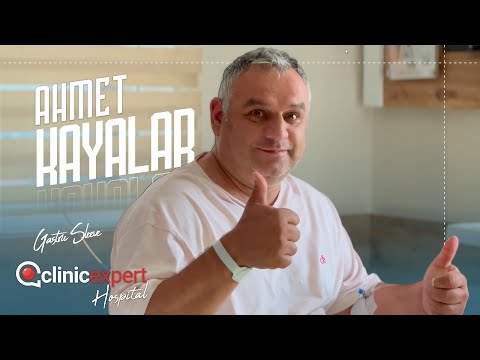
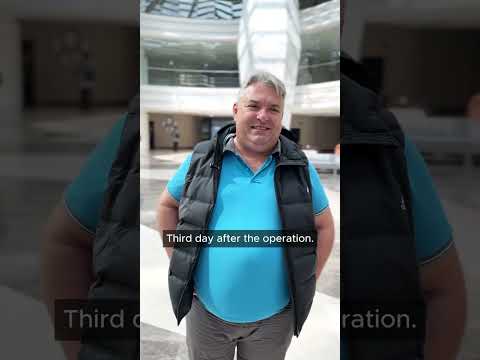
First-hand accounts from individuals who have completed these extensive journeys provide invaluable insight into the psychological and physical reality of the process. Patients frequently note that opting for top bariatric clinics in Turkey offered them an unparalleled level of coordinated care that eased the immense burden of planning. The transition from the extreme weight loss phase to the body contouring phase is often described as emotionally challenging but ultimately deeply rewarding. These experiences underscore the resilience required and the transformative outcomes achievable.
Reading about varied patient journeys highlights the individualized nature of healing and results. Some emphasize the drastic improvement in their physical health markers, while others focus on the restoration of self-confidence achieved through skin removal. While results naturally vary depending on a person’s physiology and adherence to aftercare, the consensus points to a profound improvement in overall life quality. Below are summaries of typical patient experiences.
A Renewed Sense of Vitality
After struggling with obesity for two decades, John opted for a gastric bypass. Eighteen months later, having lost 110 pounds, he returned for a lower body lift. He generally reports a complete resolution of his sleep apnea and a newfound ability to hike without joint pain.
Overcoming Mobility Hurdles
Sarah experienced massive weight loss through a sleeve gastrectomy but suffered from severe chafing due to excess abdominal skin. Following a successful panniculectomy, she notes that her mobility has dramatically improved, allowing her to exercise comfortably.
Comprehensive Care Excellence
Mark praises the multidisciplinary approach he received. He highlights that the coordination between his bariatric surgeon and plastic surgeon ensured his nutritional levels were optimized before his brachioplasty, resulting in a smooth healing process.
Emotional and Physical Restoration
Elena shares that while the recovery from her 360 lower body lift was challenging, the long-term emotional payoff was immense. She typically advises prospective patients to mentally prepare for the strict postoperative restrictions required for the best outcomes.
How PlacidWay Assists Your Bariatric Medical Tourism Journey in Turkey
Organizing a complex, multi-stage medical journey across international borders requires meticulous coordination and access to trusted healthcare networks. As a premier medical tourism platform, PlacidWay bridges the gap between international patients and top-tier medical facilities. We facilitate your access to extensive details regarding affordable bariatric surgery in Turkey and subsequent reconstructive treatments, ensuring you are well-informed at every step. Our platform is designed to streamline your research and connection process.
Our focus is on empowering patients with comprehensive information and direct clinic access to support value-based decision-making. We understand that undertaking major transformative surgeries demands a high level of trust and clarity. Here is how PlacidWay supports your medical journey:
- Providing detailed profiles of internationally accredited medical centers and certified surgical specialists.
- Facilitating direct communication channels between you and the medical providers to discuss your specific case.
- Offering comprehensive cost comparisons to help you evaluate structured medical packages clearly.
- Assisting with the acquisition of personalized, transparent medical treatment quotes based on your health evaluations.
- Supplying access to educational resources, patient reviews, and medical guidelines to aid in your research.
Frequently Asked Questions About Bariatric Packages in Turkey
Making the decision to undergo a full physical transformation involves numerous practical and medical considerations. To help clarify the process of pursuing combined bariatric and skin removal packages in Turkey, we have compiled a list of common inquiries. These answers provide straightforward guidance to assist in your preliminary research.
Reviewing these FAQs can aid in formulating specific questions to ask during your formal medical consultations. Remember that individual medical advice should always be obtained directly from your certified surgical team.
Am I a good candidate for combined bariatric and skin removal surgery in Turkey?
Candidates typically have a Body Mass Index (BMI) that qualifies them for bariatric procedures and are prepared for a staged surgical approach. Your chosen clinic will conduct extensive evaluations to ensure you meet the physical and psychological requirements for both phases.
How long do I need to stay in Turkey for these procedures?
For the initial weight loss procedure, most patients stay between seven to ten days for observation and initial recovery. When you return for the body contouring phase, expect to stay another ten to fourteen days depending on the extent of the skin removal.
Are the two surgeries performed at the same time?
Generally, these procedures are spaced 12 to 18 months apart to allow your body to reach a stable weight and recover fully. Performing them simultaneously is typically avoided to minimize surgical trauma and reduce complication risks.
Why is medical tourism in Turkey popular for bariatric treatments?
The country offers advanced medical infrastructure, highly trained medical professionals, and internationally accredited hospitals. Furthermore, the overall bariatric and skin removal cost in Turkey is highly competitive compared to Western nations.
What kind of post-operative care can I expect?
Reputable clinics typically provide comprehensive follow-up schedules, dietary guidelines, and continuous monitoring. You will receive detailed instructions on wound care, mobility exercises, and nutritional supplementation.
Will I regain weight after the surgery?
While bariatric surgery is highly effective, maintaining the results requires a lifelong commitment to dietary modifications and regular exercise. Most patients experience sustained success when they adhere to their prescribed postoperative lifestyle changes.
Is skin removal surgery painful?
Post-operative discomfort is a normal part of the healing process, but it is generally well-managed with prescribed pain medications. Most patients find that the pain significantly subsides within the first week of recovery.
What are the common risks associated with these packages?
Common risks include infection, poor wound healing, scarring, and complications related to anesthesia. Your medical team will conduct thorough pre-surgical screenings to mitigate these risks and ensure the safest possible outcome.
Do I need a special visa for medical treatments?
Many international patients obtain a standard tourist or medical e-Visa, depending on their country of origin and the length of their stay. It is advisable to check current entry requirements and secure the appropriate visa well before your scheduled travel date.
How soon can I return to work after body contouring?
Recovery timelines vary, but individuals generally return to sedentary jobs within two to three weeks. Strenuous activities and heavy lifting should typically be avoided for at least six to eight weeks.
Ready to take the next step in your health journey? Connect with top-tier medical facilities through PlacidWay to explore comprehensive surgical options.
References
- American Society for Metabolic and Bariatric Surgery (ASMBS). Bariatric Surgery Procedures. https://asmbs.org/patients/bariatric-surgery-procedures
- National Institute of Diabetes and Digestive and Kidney Diseases (NIDDK). Bariatric Surgery. https://www.niddk.nih.gov/health-information/weight-management/bariatric-surgery
- Mayo Clinic. Bariatric surgery - Tests and Procedures. https://www.mayoclinic.org/tests-procedures/bariatric-surgery/about/pac-20394258
- World Health Organization (WHO). Obesity and overweight. https://www.who.int/news-room/fact-sheets/detail/obesity-and-overweight



.png)
.png)
.png)
.png)



.png)









Share this listing