



For many individuals struggling with weight management, GLP-1 receptor agonists have provided a significant metabolic shift. However, as some patients reach a weight loss plateau or experience medication fatigue, they are exploring permanent surgical alternatives. The transition from pharmaceutical management to a robot-assisted gastric sleeve in Guadalajara is becoming a preferred pathway for those seeking enduring results without lifelong medication dependence.
Guadalajara has emerged as a premier destination for this advanced medical intervention, combining cutting-edge technology with highly experienced bariatric professionals. US patients are increasingly looking southward to access sophisticated robotic procedures that might otherwise be financially out of reach at home. This shift highlights a growing trend in international healthcare, where individuals actively seek reliable, long-term bariatric solutions abroad.
- Sustainable Weight Management: Surgery physically alters stomach capacity, generally supporting long-term portion control.
- Metabolic Reset: Removing a portion of the stomach typically decreases the production of ghrelin, the hunger hormone.
- Cost Predictability: Eliminates the fluctuating, ongoing expenses associated with lifelong pharmaceutical prescriptions.
- Advanced Technology Access: Patients gain access to state-of-the-art robotic surgical platforms in top-tier international hospitals.
Understanding Robot-Assisted Gastric Sleeve Surgery in Mexico
A robot-assisted gastric sleeve is a minimally invasive bariatric procedure where a surgeon utilizes advanced robotic technology to remove approximately 80% of the stomach. Unlike traditional open surgery, the robotic system features mechanical arms holding specialized instruments and a high-definition 3D camera. The surgeon sits at a console in the operating room, manipulating the robotic arms with enhanced precision, dexterity, and control.
Choosing to undergo bariatric care in Mexico means accessing facilities that are frequently equipped with the same advanced robotic surgical systems found in top US hospitals. The technology translates the surgeon's hand movements into smaller, highly precise micro-movements inside the body. This approach is designed to minimize tissue trauma, which generally promotes a smoother and more efficient recovery process.
Robotic bariatric surgery utilizes 3D magnification that provides surgeons with up to 10x closer visualization of the surgical site compared to the naked eye.
- Enhanced Surgeon Control: Robotic arms offer a 360-degree range of motion.
- High-Definition Visualization: 3D imaging allows for meticulous anatomical identification.
- Tremor Filtration: The software automatically filters out subtle human hand tremors.
- Minimally Invasive: Requires only a few small abdominal incisions, typically reducing external scarring.
Why US Patients Prefer Medical Tourism in Guadalajara for Bariatric Care
The rise of medical tourism in Guadalajara is driven by a combination of exceptional clinical standards, geographic convenience, and specialized bariatric expertise. As the second-largest city in Mexico, Guadalajara boasts modern infrastructure and a concentration of internationally accredited healthcare facilities. US patients find the short flight times and seamless airport-to-hospital transfers highly convenient for surgical travel.
Furthermore, the medical culture in this region is known for its patient-centric approach and comprehensive supportive care. Surgeons and medical staff frequently receive part of their training in the United States or Europe, ensuring bilingual communication and a deep understanding of international clinical protocols. This combination of advanced medical infrastructure and warm, attentive care makes the city a top-tier destination for specialized surgeries.
Key factors driving patients to this destination include:
- Proximity to major US airports with direct flights available daily.
- Availability of English-speaking medical staff and dedicated patient coordinators.
- Hospitals adhering to strict international accreditation standards.
- Comprehensive pre-operative and post-operative evaluations included in standard care protocols.
Cost of Robot-Assisted Gastric Sleeve in Guadalajara Compared to the US
One of the most compelling reasons individuals cross the border is the transparent and significantly lower cost of robotic gastric sleeve procedures. In the United States, healthcare pricing is often fragmented, with separate bills for the hospital facility, the surgeon, the anesthesiologist, and post-operative care. In contrast, medical facilities catering to international patients typically offer comprehensive, bundled pricing structures that are much easier to understand.
Finding affordable weight loss surgery does not mean compromising on technological advancement or safety. The economic differences are primarily due to the lower cost of living, reduced administrative overhead, and different malpractice insurance models in Mexico. Below is a realistic market range comparison illustrating why patients frequently choose to travel for this advanced robotic procedure.
| Procedure / Service Component | Average Cost in Guadalajara (USD) | Estimated Cost in the USA (USD) |
|---|---|---|
| Robot-Assisted Gastric Sleeve (Base Surgery) | $6,500 - $8,500 | $20,000 - $30,000 |
| Pre-Operative Medical Evaluations | $300 - $500 (Often Included) | $1,500 - $3,000 |
| Anesthesia Fees | $400 - $600 (Often Included) | $2,000 - $4,000 |
| Hospital Stay (1-2 Nights) | Included in Surgical Package | $5,000 - $10,000 |
Advantages of Robotic Bariatric Surgery Over Traditional Methods
While traditional laparoscopic surgery is highly effective, robotic assistance introduces a refined layer of technological support for the operating physician. The articulating instruments used in robotic platforms mimic the human wrist but possess a far greater range of motion. This allows the surgeon to perform delicate suturing and staple line reinforcements in tight anatomical spaces with extraordinary precision.
For patients, the clinical advantages of robotic assistance generally translate to a more comfortable post-operative experience. The steady nature of the robotic arms typically reduces unnecessary torque on the abdominal wall incisions. Consequently, most patients report experiencing less immediate post-operative pain and are often able to mobilize and walk sooner after waking up from anesthesia.
- Reduced Complication Rates: High-definition visualization typically aids in better staple line placement, potentially reducing leak risks.
- Less Tissue Trauma: Minimized pulling on the abdominal wall generally results in less bruising and internal swelling.
- Faster Recovery: Reduced surgical trauma often allows patients to return to their normal daily activities more rapidly.
- Ergonomic Benefits for Surgeons: Operating from a seated console reduces surgeon fatigue during complex procedures.
Candidate Eligibility for Bariatric Surgery After GLP-1 Medications
Not every patient transitioning from weight loss medications is automatically approved for surgical intervention. Candidate eligibility is strictly evaluated based on Body Mass Index (BMI), overall metabolic health, and the presence of obesity-related comorbidities such as hypertension or sleep apnea. Surgeons require comprehensive pre-operative blood work, psychological evaluations, and nutritional counseling to ensure the patient is physically and mentally prepared.
A crucial step for those currently using GLP-1 medications is the mandatory tapering off period prior to surgery. These medications function by delaying gastric emptying, which poses a severe aspiration risk during general anesthesia. Medical teams enforce strict guidelines dictating exactly when these injections must be paused before allowing a patient into the operating room.
Patients taking GLP-1 receptor agonists MUST disclose this to their surgical and anesthesia teams. You will generally be required to stop the medication 1 to 3 weeks prior to your surgery date to prevent critical anesthesia complications.
Typical eligibility criteria include:
- A Body Mass Index (BMI) typically above 30 with comorbidities, or above 35 without.
- Demonstrated inability to maintain weight loss through diet, exercise, or pharmaceutical methods alone.
- Commitment to lifelong dietary changes and nutritional supplementation.
- Clearance from cardiac and pulmonary pre-operative assessments.
The Procedure Timeline for a Robotic Gastric Sleeve in Mexico
Understanding the chronological sequence of your medical travel helps alleviate anxiety and sets proper expectations. The typical timeline for a robot-assisted gastric sleeve in Guadalajara spans approximately four to five days in the country. This structured schedule ensures that patients receive adequate pre-operative testing, a safe surgical environment, and sufficient immediate post-operative monitoring before flying home.
Medical teams prioritize patient stability at every phase of the timeline. From the moment you arrive, coordinated care protocols are initiated to ensure you are physically optimized for the operating room. The multi-day process allows surgeons to monitor early fluid intake tolerance and vital signs closely during the initial recovery window.
- Day 1: Arrival and Pre-Op Testing. Patients arrive, settle in, and undergo comprehensive blood panels, EKGs, and consultations with the surgical and anesthesia teams.
- Day 2: Surgery Day. The robotic gastric sleeve is performed, typically lasting 1 to 2 hours. Patients wake up in recovery and are moved to a private room.
- Day 3: Hospital Recovery. The focus shifts to pain management, walking the hospital corridors to prevent blood clots, and taking the first sips of clear liquids.
- Day 4: Discharge and Hotel Rest. Most patients are cleared to leave the hospital and transition to a nearby hotel for continued rest and monitoring.
- Day 5: Departure. After a final follow-up evaluation and clearance from the surgeon, patients travel back to their home country.
Recovery and Post-Operative Care After Bariatric Surgery in Guadalajara
The immediate recovery phase following a robotic bariatric procedure is primarily focused on healing the internal staple line and adapting to a restricted stomach capacity. Most patients experience mild to moderate abdominal soreness and fatigue, which is generally well-managed with prescribed medications. Staying hydrated with very small, frequent sips of water is the most critical task during the first week at home.
Long-term post-operative care requires ongoing communication with your local healthcare provider and your international surgical team. Reputable medical tourism programs offer virtual follow-ups to track weight loss progress, dietary adherence, and overall well-being. Adapting to the new anatomical reality takes patience, but the robotic approach typically facilitates a faster return to light desk work and daily routines.
Standard recovery guidelines usually include:
- Walking daily to promote circulation and aid in the dissipation of surgical gas.
- Strictly avoiding heavy lifting (over 10-15 lbs) for at least four to six weeks.
- Taking time off work; typically 1 to 2 weeks for desk jobs, and up to 4 weeks for physically demanding roles.
- Monitoring incision sites for any signs of redness, swelling, or unusual discharge.
Potential Risks and Safety Protocols in Mexican Medical Tourism
Any surgical intervention, including a robot-assisted gastric sleeve, carries inherent medical risks that must be transparently acknowledged. Potential complications can include staple line leaks, bleeding, infection, and adverse reactions to anesthesia. However, when performed by highly trained bariatric specialists using robotic technology, the incidence of these severe complications is generally kept to a strict minimum.
Top-tier bariatric centers in Mexico implement rigorous safety protocols to protect international patients. These include mandatory pre-operative cardiac evaluations, the use of pneumatic compression devices to prevent deep vein thrombosis (DVT), and strict sterilization standards. Patients are strongly encouraged to verify that their chosen hospital holds recognized international accreditations, ensuring clinical practices align with global safety standards.
- Staple Line Leaks: A rare but serious complication; surgeons typically perform intraoperative leak tests to ensure a secure seal.
- Strict DVT Prevention: Early mobilization and blood-thinning medications are standard protocols to prevent blood clots.
- Infection Control: Pre-operative and post-operative antibiotics are generally administered to mitigate infection risks.
- Nutritional Deficiencies: Mitigated through strict adherence to post-operative vitamin regimens and regular blood monitoring.
Expected Lifestyle Changes Following Your Robotic Gastric Sleeve
A gastric sleeve is a powerful metabolic tool, but it is not an automatic cure for obesity. Achieving and maintaining successful weight loss requires a profound and permanent commitment to lifestyle modification. Patients must mentally prepare for a significant shift in their relationship with food, transitioning from eating for volume to eating for dense nutritional value.
The physical restriction of the smaller stomach dictates that meals must be consumed slowly and chewed thoroughly to avoid discomfort. Furthermore, regular physical activity and psychological support are critical components of long-term success. Patients who actively participate in support groups and counseling generally experience better long-term adaptation to their new bodies.
- Month 3: Noticeable drop in clothing sizes; establishment of a solid exercise routine.
- Month 6: Significant improvement or resolution of metabolic conditions like high blood pressure.
- Year 1: Reaching target weight goals and stabilizing dietary maintenance habits.
- Hydration Habits: Learning to drink fluids between meals rather than during meals to prevent overfilling the pouch.
- Protein Prioritization: Structuring every meal to consume protein sources first to maintain muscle mass during rapid weight loss.
- Mindful Eating: Recognizing physical satiety cues and stopping immediately when full.
- Routine Exercise: Incorporating both cardiovascular activity and strength training to support a healthy metabolism.
Real Experiences with Robot-Assisted Gastric Sleeve in Guadalajara
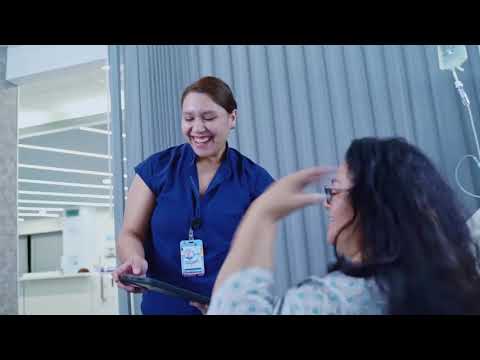
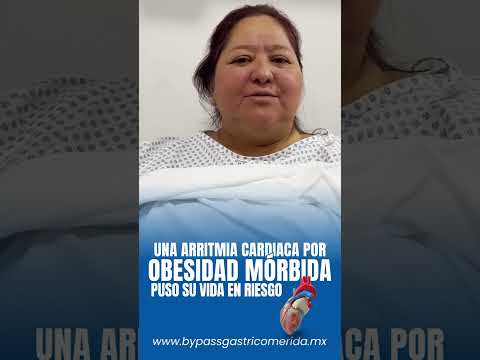
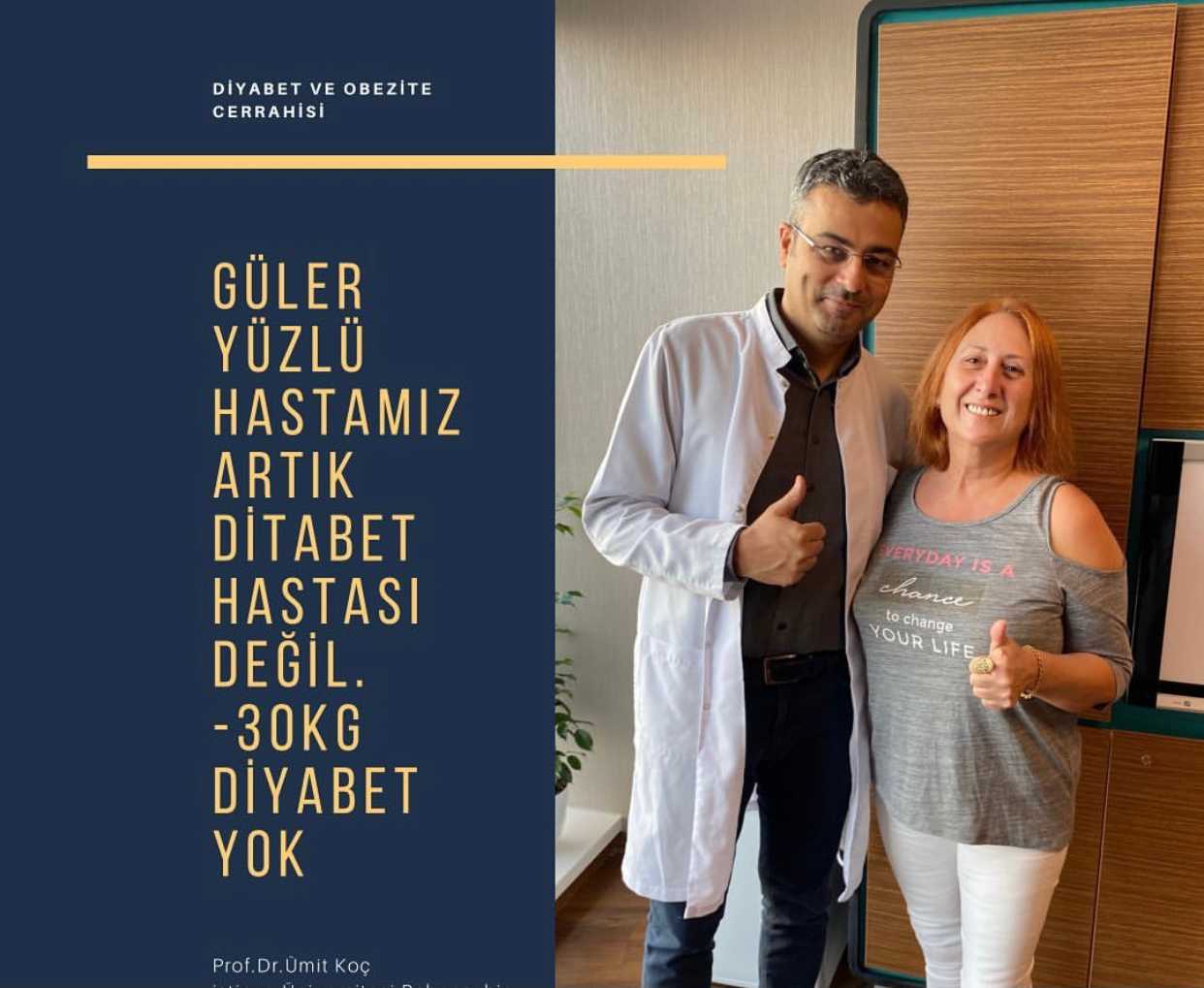
Hearing from individuals who have successfully navigated international medical travel can provide invaluable reassurance and perspective. Many US patients share similar initial anxieties regarding the transition from weight loss injectables to surgical solutions abroad. Their documented outcomes frequently highlight the professionalism of the medical staff and the efficiency of the robotic technology.
While every medical outcome is unique, common themes in patient feedback include gratitude for the personalized care and relief from the financial burden of US healthcare costs. Below are generalized case summaries reflecting typical patient experiences after traveling for affordable weight loss surgery.
Sarah M. - Transitioning from GLP-1s
After losing 30 pounds on medication, Sarah hit a severe plateau and struggled with the monthly prescription costs. She opted for a robotic gastric sleeve in Guadalajara. She reported minimal pain post-surgery and successfully transitioned off her weight loss injections entirely within three months.
David L. - Seeking Precision
Concerned about post-operative recovery times, David specifically sought out a robot-assisted procedure. He noted that his surgical incisions were incredibly small and his recovery in Mexico was closely monitored. He returned to his administrative job exactly two weeks after surgery.
Elena R. - Finding Affordable Care
Quoted over $25,000 for a gastric sleeve in her home state, Elena researched medical tourism. She secured a comprehensive surgical package in Guadalajara for a fraction of the cost. She highlighted the warmth of the nursing staff and the meticulous pre-op testing she received.
Michael T. - Beating the Plateau
Michael had used various weight loss methods for years but continuously regained the weight. After detailed consultations with international specialists, he underwent a robotic gastric sleeve. A year later, he has maintained a 75-pound weight loss and praises the ongoing virtual nutritional support.
Nutritional Guidelines and Long-Term Dietary Maintenance
Post-operative nutrition is arguably the most critical factor in achieving safe and sustained weight loss. The newly formed gastric sleeve requires time to heal, meaning patients must strictly adhere to a phased dietary progression. Rushing the introduction of solid foods can lead to severe nausea, vomiting, or dangerous stress on the internal staple line.
Once the initial healing phases are complete, the long-term diet shifts entirely to high-protein, nutrient-dense whole foods. Because the volume of food consumed is drastically reduced, patients must ensure every bite offers nutritional value. Lifelong supplementation of specific vitamins and minerals is generally mandated to prevent deficiencies commonly associated with reduced caloric intake.
The standard phased dietary timeline typically follows:
- Phase 1 (Weeks 1-2): Clear and Full Liquids. Broths, sugar-free popsicles, and specialized protein shakes to keep the stomach entirely unburdened.
- Phase 2 (Weeks 3-4): Pureed Foods. Foods blended to a baby-food consistency, focusing heavily on lean pureed proteins.
- Phase 3 (Weeks 5-6): Soft Foods. Introduction of easily mashable foods like scrambled eggs, flaky fish, and cooked soft vegetables.
- Phase 4 (Beyond Week 6): Stabilization. Gradual return to solid foods, prioritizing lean meats and completely avoiding dry, tough, or highly fibrous items initially.
Preparing for Your Medical Travel to Guadalajara
Proper preparation for international medical travel significantly reduces pre-surgery stress and ensures a smooth logistical experience. Patients must organize their medical records, secure valid passports, and notify their local primary care physicians about their upcoming surgical plans abroad. Being highly organized allows you to focus entirely on your health and recovery upon arrival.
Packing for bariatric surgery requires prioritizing comfort and practicality. Loose-fitting clothing that does not press against the abdomen is essential for the flight home. Additionally, patients should prepare their home environment before leaving, stocking up on approved liquid diet supplies so they are readily available upon return.
Confirm your local doctor is willing to order post-op bloodwork, set up a comfortable recovery space at home, and establish a communication plan with your family while you are in Mexico.
- Ensure your passport is valid for at least six months past your travel dates.
- Bring printed copies of all medical clearances, lab results, and surgical itineraries.
- Pack a small pillow to hold against your abdomen during the flight home to brace against coughs or bumps.
- Notify your bank of your travel plans to prevent credit card holds while paying for incidental medical or pharmacy expenses.
How PlacidWay Assists Your Robot-Assisted Gastric Sleeve Journey in Guadalajara
Navigating the options for international healthcare requires thorough research and a trusted facilitation partner. PlacidWay serves as a global medical tourism platform designed to connect patients with internationally accredited bariatric centers and highly qualified surgeons. Our goal is to empower patients with transparent information so they can make educated decisions about their surgical care.
Choosing the right medical team for your transition from weight loss medications to a permanent surgical solution is a major step. PlacidWay streamlines this process by providing access to verified hospital profiles, detailed physician credentials, and comprehensive procedural information tailored to your specific health needs.
- Provides comprehensive profiles of accredited bariatric facilities and board-certified robotic surgeons.
- Facilitates direct communication and medical record sharing between patients and international medical teams.
- Offers detailed, transparent cost estimates for specialized surgical procedures.
- Supplies educational resources to help patients understand surgical risks, benefits, and post-operative care requirements.
- Connects individuals with real patient reviews and verifiable healthcare data to support informed decision-making.
Frequently Asked Questions
Many patients switch to bariatric surgery to achieve long-term, sustainable weight management after hitting a weight loss plateau. Surgery also typically eliminates the need for lifelong medication dependencies.
Anesthesiologists generally require patients to stop GLP-1 medications at least one to three weeks before surgery. This safety protocol helps prevent complications related to delayed gastric emptying during anesthesia.
Yes, when performed by board-certified surgeons in internationally accredited hospitals, the procedure is generally safe. Medical facilities in major Mexican hubs follow rigorous clinical protocols comparable to US standards.
The procedure typically ranges between $6,500 and $8,500 in Guadalajara. This cost generally includes the surgery, anesthesia, and basic pre-operative evaluations.
Yes, a valid US passport is required to fly into Mexico for medical procedures. Ensure your passport is valid for at least six months beyond your planned date of return.
Most patients typically stay in the hospital for one to two nights following robotic bariatric surgery. This allows the medical team to monitor early recovery and ensure proper hydration.
The initial post-operative diet consists strictly of clear liquids for the first week. Patients then gradually transition to full liquids, pureed foods, and eventually soft solid foods over several weeks.
Surgeons typically advise patients to wait at least 3 to 5 days post-surgery before flying home. This waiting period helps minimize the risk of blood clots and ensures you are stable for travel.
The robotic system provides surgeons with 3D high-definition visualization and enhanced dexterity. This technology allows for highly precise incisions, which can generally lead to reduced tissue trauma.
Yes, lifelong vitamin and mineral supplementation is generally required after a gastric sleeve. Because stomach capacity is reduced, dietary supplements help prevent long-term nutritional deficiencies.
Ready to explore affordable, advanced bariatric solutions? Let PlacidWay connect you with top-rated robotic surgeons in Guadalajara today.
References:
- American Society for Metabolic and Bariatric Surgery (ASMBS). Bariatric Surgery Procedures. https://asmbs.org/patients/bariatric-surgery-procedures
- National Institutes of Health (NIH) / PubMed. Robotic versus Laparoscopic Bariatric Surgery https://pubmed.ncbi.nlm.nih.gov/27726045/
- Mayo Clinic. Sleeve Gastrectomy - Overview and Risks. https://www.mayoclinic.org/tests-procedures/sleeve-gastrectomy/about/pac-20385183
- Centers for Disease Control and Prevention (CDC). Medical Tourism: Travel to Another Country for Medical Care. https://wwwnc.cdc.gov/travel/page/medical-tourism
- American Society of Anesthesiologists (ASA). Preoperative Fasting Guidelines (Including GLP-1 Considerations). https://www.asahq.org/about-asa/newsroom/news-releases/2023/06/american-society-of-anesthesiologists-consensus-based-guidance-on-preoperative




.png)


.jpg)

.jpg)








Share this listing