



The global approach to chronic metabolic conditions is slowly evolving, and stem cell therapy for type 2 diabetes in Cancun has emerged as a topic of significant interest among international patients. This innovative approach moves away from solely focusing on symptom suppression and instead explores the underlying cellular environment that contributes to metabolic dysfunction. Medical tourists are increasingly drawn to Mexico for these advanced, investigational treatments that are often less accessible in their home countries.
For those navigating the complexities of chronic illness, understanding the scope of medical tourism in Cancun is crucial. It is important to approach regenerative medicine with a balanced perspective; while these therapies represent an exciting frontier in healthcare, they are generally part of a comprehensive management plan rather than a standalone cure. By combining modern medical infrastructure with favorable regulatory environments, Mexico provides a unique setting for patients seeking alternative disease management strategies.
According to global health data, over 460 million adults live with diabetes worldwide, prompting an urgent international push for innovative, regenerative management therapies.
- Focuses on cellular health: Aims to address the root inflammatory causes of metabolic issues.
- Investigational care: Provides access to regenerative protocols currently under global study.
- Comprehensive evaluation: Emphasizes a whole-body approach rather than just targeting blood sugar levels.
- Global standard facilities: Treatment is conducted in highly modern, globally recognized clinical settings.
Understanding the Mechanism Behind Stem Cell Treatment in Mexico
The core philosophy behind regenerative medicine in Mexico involves utilizing the body's natural healing mechanisms to combat systemic inflammation and cellular degradation. Type 2 diabetes is heavily characterized by insulin resistance and the gradual exhaustion of pancreatic beta cells. Advanced cellular therapies primarily utilize Mesenchymal Stem Cells (MSCs), which are known for their immunomodulatory properties, aiming to alter the hostile immune environment that damages pancreatic function.
Most patients experience the treatment via a simple intravenous infusion. Once introduced to the body, these specialized cells typically seek out areas of high inflammation. While they do not simply turn into new pancreatic cells, they generally release specific proteins and growth factors that encourage tissue repair, support existing cellular structures, and potentially improve how the body responds to its own insulin.
Mesenchymal stem cells have a unique "homing" ability. They naturally migrate toward sites of tissue injury and inflammation in the body, making them a fascinating tool for targeting systemic metabolic conditions.
- Immunomodulation: Helps regulate overactive immune responses that cause internal damage.
- Paracrine effect: Releases growth factors to stimulate natural tissue repair.
- Inflammation reduction: Targets systemic inflammation directly linked to insulin resistance.
- Beta-cell protection: Aims to shield the remaining insulin-producing cells from further exhaustion.
Why Choose Medical Tourism for Regenerative Medicine in Cancun
The decision to pursue stem cell clinics in Cancun is often driven by a combination of medical accessibility, cost considerations, and logistical convenience. North American patients, in particular, find Cancun to be an incredibly accessible destination, often requiring only a short, direct flight. Furthermore, Mexico’s federal health authority has established legal frameworks that permit certain regenerative therapies, allowing clinics to offer treatments that might still be restricted to clinical trials elsewhere.
Beyond geographical convenience, the standard of care in premier Mexican healthcare facilities is designed to meet the expectations of international patients. Bilingual medical staff, state-of-the-art laboratory environments, and personalized concierge medical services create a supportive atmosphere. Patients navigating healthcare travel to Mexico often report that the attentive, unhurried nature of the consultations provides a stark and welcome contrast to the fast-paced medical systems back home.
When planning your trip, schedule your arrival at least one day prior to your consultation. This allows your body to recover from travel fatigue and ensures your baseline vitals are stable for medical testing.
- Proximity: Short flight durations from major US and Canadian hubs.
- Progressive regulations: Access to safe, legally sanctioned regenerative therapies.
- Bilingual professionals: Clear communication with highly trained specialists.
- Patient-centric care: Longer consultation times and personalized attention.
Cost of Stem Cell Therapy for Type 2 Diabetes in Cancun
Affordability is a cornerstone of the medical travel industry, and the stem cell therapy cost in Cancun is significantly lower than in many Western nations. Patients can typically expect to pay between 50% and 70% less for equivalent cellular protocols. This cost efficiency does not stem from a reduction in quality, but rather from the lower administrative overhead, favorable exchange rates, and a streamlined healthcare operational model in Mexico.
It is crucial for prospective patients to understand that treatment pricing varies based on the individual’s medical requirements. Factors such as the number of millions of cells administered, the source of the stem cells, and the inclusion of supportive therapies (like hyperbaric oxygen or IV nutrition) will alter the final quotation. Transparency is key when securing an affordable stem cell procedure in Mexico.
Be cautious of clinics offering prices drastically lower than the market average. Extremely low costs may indicate compromised lab standards or inadequate cell viability testing. Always prioritize quality and accreditation over finding the cheapest option.
| Procedure / Therapy Type | Average Cost in Cancun (USD) | Estimated Cost in USA/Canada (USD) |
|---|---|---|
| Basic MSC Intravenous Infusion | $4,500 - $6,000 | $12,000 - $18,000 |
| Advanced MSC Protocol (High Cell Count) | $6,500 - $8,500 | $20,000 - $30,000 |
| Exosome Supportive Therapy | $1,500 - $2,500 | $4,000 - $7,000 |
| Comprehensive Package (Testing + Therapy) | $7,000 - $10,000 | $25,000+ |
Types of Stem Cells Used for Diabetes Management in Mexico
When researching an innovative stem cell approach, understanding the types of cells used is fundamental to making an informed medical decision. Modern clinics predominantly rely on Mesenchymal Stem Cells (MSCs). These specific cells are favored because they have a profound ability to modulate the immune system and typically pose an incredibly low risk of rejection, meaning they can be safely administered without the need for matching donor to recipient.
The majority of these high-quality MSCs are derived from Wharton’s Jelly, found in ethically donated, full-term human umbilical cords. Because these cells are considered "day zero" cells, they possess maximum vitality and replicative capability. Other clinics might offer autologous treatments, utilizing the patient's own adipose (fat) tissue or bone marrow, though umbilical-derived cells are generally preferred for systemic conditions like type 2 diabetes due to their robust anti-inflammatory properties.
Umbilical cord-derived MSCs are "immune-privileged." This means they lack the specific surface markers that typically trigger an immune response, allowing them to be safely transfused into any patient without HLA-matching.
- Umbilical Cord Tissue (Wharton’s Jelly): High vitality, ethically sourced, excellent for systemic inflammation.
- Adipose-Derived Cells: Harvested from the patient's fat; requires a minor liposuction procedure.
- Bone Marrow Aspirate: Sourced from the patient's bone; a more invasive extraction process.
- Exosomes: Extracellular vesicles that support and enhance the communicative power of stem cells.
Ideal Candidates for Regenerative Diabetes Treatment in Cancun
Not every individual is suited for regenerative treatments in Mexico. Identifying an ideal candidate involves a thorough review of medical history, current lab results, and overall physical health. Generally, the best candidates are those who have a documented history of type 2 diabetes but maintain a relatively stable condition, devoid of severe, irreversible end-stage organ damage or active cancer.
Patients must also exhibit realistic expectations regarding the outcome of the therapy. Medical professionals look for individuals committed to integrating the treatment into a broader lifestyle overhaul. The cellular therapy is most effective when the patient actively participates in maintaining a healthy diet, managing weight, and adhering to their prescribed medical regimen.
Patient Experience Summary
"I had been struggling with fluctuating glucose levels for years. After careful evaluation by the medical team, I was deemed a good candidate. They were completely transparent that this wasn't a magic cure, but a tool to help my body function better. The honesty gave me immense peace of mind." – Robert M., Canada
Patient Experience Summary
"The qualification process was rigorous. I had to submit months of A1c records and undergo bloodwork before I even arrived in Mexico. It proved to me that they prioritize patient safety over just booking another procedure." – Angela D., United States
- Stable baseline health: Absence of active infections, cancer, or severe organ failure.
- Commitment to lifestyle changes: Willingness to pair therapy with proper diet and exercise.
- Comprehensive medical records: Ability to provide recent lab work and physician notes.
- Realistic outlook: Understanding that therapy manages symptoms rather than curing the disease.
The Typical Patient Journey for Stem Cell Therapy in Cancun
Embarking on a journey for type 2 diabetes management in Cancun is a meticulously planned process. The journey typically begins weeks before travel, via comprehensive telemedicine consultations. During these virtual meetings, specialists review the patient’s medical history, determine candidacy, and formulate a customized cellular protocol. This ensures that once the patient arrives, the medical team is fully prepared.
Upon arriving in the country, patients are generally greeted with concierge-level service. The first in-person day usually involves a physical examination and fresh blood work. Treatment days are relatively relaxed; the intravenous administration of cells takes only a few hours in a comfortable clinical setting. Following the procedure, a brief observation period is required before patients are cleared to return to their hotel or explore the calm local surroundings.
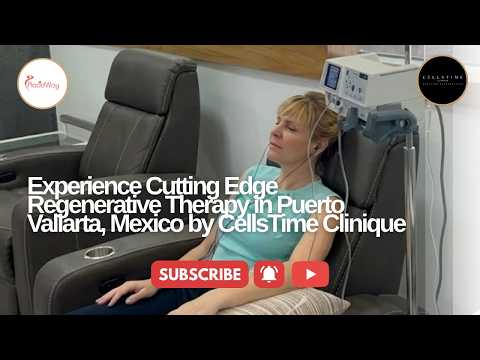
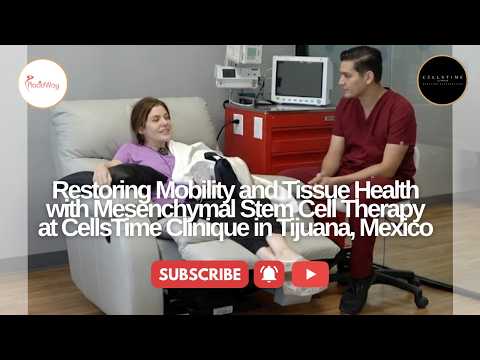
The actual infusion of stem cells is incredibly straightforward. Most patients read a book, watch a movie, or simply nap while the IV safely delivers the regenerative cells into their bloodstream.
- Virtual Pre-Assessment: Remote evaluation of health records and treatment planning.
- Arrival and Testing: In-clinic physicals, baseline vitals, and final bloodwork.
- Administration: Comfortable, minimally invasive IV drip session.
- Observation and Discharge: Brief medical monitoring followed by post-treatment guidelines.
Evaluating the Safety Protocols of Medical Tourism in Cancun
A primary concern for anyone considering cross-border healthcare is safety. Highly regarded stem cell clinics in Cancun adhere to rigorous, internationally aligned safety protocols. In Mexico, medical and laboratory facilities must be regulated and certified by COFEPRIS (The Federal Committee for Protection from Sanitary Risks), which is the Mexican equivalent of the FDA.
Furthermore, premier facilities often partner with specialized, independent cellular laboratories. These labs subject the stem cell products to extensive third-party testing. This ensures that the cell count is accurate, the viability (percentage of living cells) is optimal, and the product is completely free from endotoxins, bacteria, or other contaminants before it ever reaches the patient.
Always ask your provider for a "Certificate of Analysis" (COA) for the stem cells being used. A reputable clinic will readily provide documentation showing the cell count, viability rate, and sterility testing results.
- COFEPRIS Certification: Mandatory regulatory compliance for safe clinic operation.
- Stringent Donor Screening: Extensive testing of biological donors for communicable diseases.
- Independent Lab Verification: Third-party analysis ensures cell quality and purity.
- Sterile Environments: Treatments conducted in highly controlled, clinical environments.
Setting Realistic Expectations for Your Recovery in Mexico
When managing metabolic disorders through innovative healthcare in Mexico, managing patient expectations is of utmost importance. Stem cell therapy is a biological process, and unlike surgical interventions, the results are rarely immediate. Patients typically experience a gradual shift in their well-being over a span of three to six months as the cells interact with the body’s inflammatory pathways and promote internal repair.
Recovery from the procedure itself is exceptionally brief. Because the intervention is generally administered intravenously, downtime is minimal. Most individuals can resume their normal, non-strenuous daily activities within 24 to 48 hours. However, medical professionals sternly advise against abandoning traditional medications; any reduction in insulin or oral hypoglycemics must be strictly guided by the patient's home endocrinologist based on measured improvements in blood glucose levels.
Patient Experience Summary
"I didn't feel any different immediately walking out of the clinic. But around month three, I noticed a steady increase in my energy levels, and my daily glucose readings became much more predictable. It was a slow, steady improvement." – James T., UK
Patient Experience Summary
"The medical staff made it very clear that I shouldn't stop my regular medications. Over six months, as my numbers improved, my local doctor was able to safely reduce my dosages. I'm thrilled with the progress." – Maria L., USA
- Gradual timeline: Potential benefits typically emerge slowly over several months.
- Minimal physical downtime: IV administration requires little to no physical recovery.
- No immediate medication changes: Current prescriptions must be maintained post-treatment.
- Symptom management: Focuses on alleviating fatigue, inflammation, and cellular stress.
Long-Term Management Following Stem Cell Treatment in Cancun
The success of an affordable medical tourism intervention for diabetes is heavily dependent on what the patient does after returning home. Stem cells act as a catalyst for cellular health, but they cannot counteract the effects of a poor diet or a sedentary lifestyle. Long-term management requires a deep commitment to maintaining the healthy environment that the therapy aims to establish.
Continuous monitoring is essential. Patients are advised to schedule regular check-ins with their primary healthcare provider to track HbA1c levels, kidney function, and overall metabolic health. Nutrition, stress management, and routine cardiovascular exercise act as crucial supporting pillars, maximizing the potential longevity of the regenerative therapy's benefits.
Research indicates that chronic stress and poor sleep directly elevate cortisol levels, which exacerbates insulin resistance. Lifestyle interventions post-therapy must include adequate rest and stress reduction techniques.
- Nutritional compliance: Adhering to a balanced, low-glycemic diet.
- Consistent exercise: Engaging in regular physical activity to support insulin sensitivity.
- Routine lab work: Monitoring glucose metrics to track objective progress.
- Ongoing physician communication: Collaborating with your home doctors for sustained care.
How Stem Cell Efficacy Compares to Traditional Diabetes Care
When analyzing the stem cell therapy approach for type 2 diabetes, it is helpful to contrast it with conventional medical treatments. Traditional care primarily revolves around exogenous insulin and oral medications that force the pancreas to produce more insulin or compel cells to accept glucose. While highly effective and necessary for daily survival, these methods often act as a band-aid, managing the symptoms without addressing the underlying cellular deterioration.
Regenerative medicine seeks to pivot this paradigm. Instead of forcing an already exhausted organ to work harder, cellular therapy aims to soothe systemic inflammation and create an environment where surviving beta cells can function optimally. It is vital to note that this is a complementary approach; regenerative protocols are generally used to enhance overall wellness alongside standard endocrinology practices, not to entirely replace them.
Stem cells possess "immunoprivileged" properties, meaning they can release powerful anti-inflammatory cytokines directly into the bloodstream without being attacked by the patient's own immune system.
- Symptom vs. Cause: Traditional care manages spikes; stem cells address internal inflammation.
- Complementary synergy: Designed to work safely in tandem with existing medical regimens.
- Cellular preservation: Aims to protect rather than exhaust pancreatic function.
- Holistic benefit: Patients often report secondary improvements in energy and joint health due to systemic inflammation reduction.
Exploring the Growing Trend of Healthcare Travel to Mexico
The landscape of global healthcare is shifting, and healthcare travel to Mexico has grown exponentially over the last decade. Cancun, traditionally known as a leisure destination, has successfully rebranded itself as a premier hub for medical excellence. The government and private sectors have invested heavily in building world-class hospitals, luxury recovery centers, and specialized diagnostic laboratories to cater specifically to international travelers.
Patients are no longer simply seeking cheaper alternatives; they are demanding high-quality, innovative care that respects their time and individual health needs. The integration of advanced medical technologies with a deeply ingrained culture of hospitality ensures that medical tourists receive compassionate, cutting-edge treatment. This synthesis of medical proficiency and patient-focused service cements Mexico’s status as a leader in regenerative therapies.
Medical tourism in Mexico has seen a double-digit growth rate over the past five years, with over a million international patients crossing the border annually for specialized medical and dental procedures.
- Specialized infrastructure: Facilities built explicitly to handle international medical protocols.
- Global accreditations: Many clinics boast affiliations with international healthcare standard organizations.
- Integrated tourism: The ability to experience a peaceful, stress-free environment post-treatment.
- Specialist accessibility: Shorter wait times to see highly qualified medical professionals.
How PlacidWay Assists Your Stem Cell Therapy for Type 2 Diabetes Medical Tourism Journey in Cancun
Navigating the global healthcare landscape can be overwhelming. As an expert medical tourism facilitator, PlacidWay is dedicated to bridging the gap between international patients and trusted stem cell clinics in Cancun. We streamline the complexities of finding high-quality medical care abroad, ensuring that your path to regenerative treatment is transparent, safe, and expertly managed.
Our focus is entirely on optimizing your healthcare experience. By leveraging our extensive network and deep industry knowledge, we empower patients to make informed decisions regarding their metabolic management. Here is how PlacidWay supports your medical journey:
- Rigorous Provider Vetting: Connecting you exclusively with certified, reputable medical centers that adhere to stringent safety and quality protocols.
- Medical Document Coordination: Seamlessly transferring your lab results, medical history, and physician notes directly to international specialists for accurate pre-evaluation.
- Personalized Treatment Planning: Facilitating direct communication between you and the clinical teams to ensure you receive customized, accurate procedural quotations and care plans.
- Continuous Patient Advocacy: Providing reliable guidance and objective information from your initial inquiry through to your post-treatment recovery phases.
Frequently Asked Questions About Stem Cell Therapy in Cancun
Is stem cell therapy for type 2 diabetes a guaranteed cure in Cancun?
No, regenerative treatments are not a cure. They generally aim to manage symptoms, reduce inflammation, and potentially improve insulin sensitivity, but results vary widely among patients.
How much does stem cell therapy for type 2 diabetes cost in Cancun?
The price typically ranges between $4,500 and $8,000 in Cancun, depending on the number of cells utilized and the inclusion of advanced supportive therapies.
Are stem cell clinics in Mexico regulated?
Yes, reputable medical facilities in Mexico are strictly regulated by COFEPRIS, the national health regulatory agency, ensuring safety and standard compliance.
What type of stem cells are generally used for diabetes management?
Most protocols utilize Mesenchymal Stem Cells (MSCs), often derived from ethically sourced umbilical cord tissue, known for their powerful immunomodulatory properties.
How long is the recovery period after regenerative medicine in Mexico?
The physical procedure usually requires minimal downtime. Patients can typically return to normal, non-strenuous activities within just a few days.
Do I need a special visa for medical tourism in Mexico?
Citizens from the US, Canada, and many European nations do not generally need a visa for short medical stays, requiring only a valid passport for entry.
Can I stop taking insulin after treatment in Cancun?
You should never alter your medication without consulting your primary endocrinologist. Any potential adjustments must be strictly monitored by a local medical professional based on updated lab results.
How soon might I notice improvements after stem cell infusion?
If beneficial effects occur, they typically emerge gradually over several weeks to months as the cells interact with the body’s inflammatory pathways.
Are there age restrictions for regenerative diabetes treatment?
While there is no strict age limit, older patients or those with severe comorbidities are carefully evaluated by the medical team to determine if they are safe, viable candidates.
How can I find trustworthy medical facilities in Cancun?
Working with a specialized medical tourism facilitator like PlacidWay helps you connect with vetted, accredited healthcare providers with transparent safety records and clear protocols.
Medical Disclaimer: This article is for informational purposes only and is not medical advice. Always consult a qualified healthcare provider before any medical decisions. Results may vary. Read Full Disclaimer here.
References
- National Institutes of Health (NIH) / NCBI. Mesenchymal Stem Cells in the Treatment of Type 2 Diabetes. https://pubmed.ncbi.nlm.nih.gov/41117868/
- World Health Organization (WHO). Diabetes Key Facts. https://www.who.int/news-room/fact-sheets/detail/diabetes
- Mayo Clinic. Stem cells: What they are and what they do. https://www.mayoclinic.org/tests-procedures/bone-marrow-transplant/in-depth/stem-cells/art-20048117
- American Diabetes Association (ADA). Type 2 Diabetes Overview and Research. https://diabetes.org/about-diabetes/type-2
- International Society for Stem Cell Research (ISSCR). Patient Guide to Stem Cell Treatments. https://www.closerlookatstemcells.org/patient-resources/



.png)

.png)
.png)
.jpg)
.png)
.png)
.png)
.png)
.png)








Share this listing