


For decades, individuals suffering from debilitating degenerative disc disease were presented with limited surgical options, most notably traditional spinal fusion. While fusion remains a reliable procedure for stabilizing the spine, it inherently restricts natural movement and can eventually lead to increased mechanical stress on adjacent spinal segments. Today, a paradigm shift is occurring in orthopedic and neurological surgery, driven by the increasing demand for solutions that maintain mobility and enhance long-term quality of life. As a result, artificial disc replacement in Tijuana has emerged as a premier alternative for patients seeking modern spinal care.
Geographically positioned just across the US border, Tijuana is rapidly establishing itself as North America's premier hub for complex spine surgeries, projecting immense growth leading up to 2026. The city's advanced healthcare infrastructure, combined with an influx of internationally certified spine specialists, makes it a highly attractive destination for medical tourists. By prioritizing motion-preserving implants in Mexico, healthcare providers in the region are addressing the specific desires of North American patients who wish to avoid the rigidity associated with traditional fusion procedures.
Artificial Disc Replacement (ADR) was designed to mimic the natural biomechanics of a healthy human spine, allowing for flexion, extension, and rotation. Many patients report feeling a much more natural range of motion post-surgery compared to traditional spinal fusion.
- Shift from rigid stabilization to dynamic spinal preservation.
- Increasing demand for faster post-operative mobilization.
- Emergence of state-of-the-art specialized spine centers in Mexico.
- Focus on mitigating adjacent segment disease common in fusion.
Understanding Artificial Disc Replacement in Tijuana
Artificial Disc Replacement, commonly referred to as ADR, is an advanced surgical intervention designed to replace a painful, degenerated intervertebral disc with a highly engineered prosthetic device. The primary objective of this procedure is to decompress pinched nerves, relieve chronic neck or back pain, and crucially, maintain the spine's natural flexibility. Unlike fusion, which essentially welds two or more vertebrae together to eliminate movement, spine surgery in Tijuana utilizing ADR aims to restore normal spinal kinematics. The procedure typically involves an anterior approach, meaning the surgeon accesses the spine from the front of the body to carefully remove the damaged disc material.
Once the diseased disc is safely extracted, the specialized prosthetic implant is inserted into the empty disc space. These implants are generally composed of medical-grade metals, such as titanium or cobalt-chromium, often paired with an ultra-high-molecular-weight polyethylene core that acts as a shock absorber. Because the surgical techniques require immense precision and a deep understanding of spinal biomechanics, medical tourism in Tijuana focuses heavily on providing access to surgeons who have dedicated their practices exclusively to complex spine arthroplasty.
- Surgical Approach: Typically utilizes an anterior incision for direct access to the disc space.
- Disc Removal: Careful extraction of the degenerated disc to relieve neural compression.
- Implant Placement: Precise insertion of a biocompatible artificial disc to restore disc height.
- Biomechanics: The prosthetic acts as a mechanical joint to preserve natural spine movement.
Why North American Patients Choose ADR Surgery in Tijuana
The decision to travel abroad for major medical procedures is never taken lightly, yet thousands of US and Canadian patients are confidently crossing the border for advanced spinal care. A primary catalyst for this trend is the unparalleled accessibility to affordable ADR surgery in Tijuana without enduring the long wait times often experienced in countries with socialized medicine or restrictive insurance networks. Furthermore, the region has heavily invested in modernizing its surgical centers, equipping them with advanced intraoperative imaging and navigation systems that meet rigorous international safety standards.
Beyond the technological capabilities, the expertise of the medical personnel is a significant draw for discerning medical travelers. Many of the leading spine surgeons practicing in this border city have completed extensive fellowships and training programs in the United States, Europe, or other top-tier global medical institutions. By combining bilingual, culturally competent patient care with access to world-class motion-preserving implants in Mexico, Tijuana offers a seamless and highly professional healthcare experience that directly rivals domestic US healthcare options.
Tijuana sees millions of medical tourists annually, with orthopedic and spinal procedures ranking among the most sought-after treatments. The city's proximity to San Diego International Airport makes it incredibly convenient for North American travelers.
- Convenient geographical location just minutes from the US border.
- Direct access to internationally trained and board-certified spine specialists.
- State-of-the-art medical facilities holding global accreditations.
- Shorter wait times for initial consultations and surgical scheduling.
Cost of Artificial Disc Replacement in Tijuana Compared to the US
One of the most compelling reasons individuals explore international healthcare is the transparent and highly competitive pricing models available abroad. The financial burden of complex orthopedic procedures in the United States can be overwhelming, particularly when insurance companies deny coverage for motion-preserving technologies, categorizing them as experimental or unproven despite widespread clinical acceptance. Opting for ADR surgery cost in Mexico allows patients to bypass these frustrating insurance hurdles and access top-tier medical care at a fraction of standard North American pricing.
The total cost of treatment typically encompasses the surgeon's fees, anesthesia, hospital stay, the implant itself, and standard pre-operative evaluations. Even when factoring in the costs of travel, lodging, and post-operative medications, medical tourists generally realize substantial savings. Below is a detailed comparison illustrating why securing affordable ADR surgery in Tijuana is a financially sound decision for individuals seeking to reclaim their mobility without facing crippling medical debt.
| Procedure Name | Average Cost in Tijuana | Average Cost in the US |
|---|---|---|
| Cervical ADR (Single Level) | $12,500 - $16,000 | $35,000 - $55,000 |
| Cervical ADR (Two Levels) | $18,000 - $22,000 | $50,000 - $80,000 |
| Lumbar ADR (Single Level) | $15,000 - $19,000 | $45,000 - $70,000 |
| Lumbar ADR (Two Levels) | $22,000 - $26,000 | $65,000 - $100,000+ |
Advanced Technologies and Implant Options Available in Mexico
A common misconception regarding medical tourism is that lower costs equate to inferior materials or outdated technological practices. In reality, dedicated spine centers in Tijuana frequently utilize the exact same FDA-approved or CE-marked implants that are considered the gold standard in the United States and Europe. Facilities offering spine surgery in Tijuana prioritize patient safety and longevity by partnering with reputable global medical device manufacturers to source high-quality prosthetic discs.
Surgeons have access to an impressive array of sophisticated disc replacements, including well-known brands like Mobi-C, ProDisc-C, and M6-C for the cervical spine, as well as ProDisc-L and activL for lumbar applications. These motion-preserving implants in Mexico are carefully selected based on a patient's specific anatomical needs and the exact location of the spinal degeneration. The availability of diverse, cutting-edge implant technologies ensures that patients receive highly personalized surgical interventions tailored to maximize their functional recovery.
Always ask your prospective surgeon which specific brand and model of artificial disc they plan to use. Top clinics will transparently provide the implant's name, manufacturer, and relevant global safety certifications.
- Availability of globally recognized brands (e.g., Mobi-C, ProDisc, M6).
- Use of advanced biocompatible materials like titanium and polyethylene.
- Tailored implant selection based on detailed digital imaging (MRI/CT).
- Implants designed to withstand decades of natural spinal movement.
Spinal Fusion vs. ADR: Why US Patients are Making the Switch
Spinal fusion has historically been the traditional surgical approach for treating severe disc degeneration, effectively stopping pain by eliminating movement between two or more vertebrae. However, the resulting rigidity drastically alters the natural biomechanics of the back or neck, causing the adjacent discs to bear a disproportionate amount of physical stress over time. This phenomenon, known as adjacent segment disease (ASD), often leads to further degeneration and requires subsequent surgeries, which is why many patients are now seeking artificial disc replacement in Tijuana.
Conversely, ADR is meticulously designed to replicate the shock-absorbing capabilities and natural kinematics of a healthy biological disc. By retaining the spine's physiological motion, the mechanical stress distributed across the spinal column remains balanced, significantly reducing the likelihood of accelerating wear on surrounding tissues. For active individuals looking to maintain their lifestyle and physical independence, opting for motion-preserving implants in Mexico presents a biologically superior approach compared to the limitations of traditional fusion.
- Mobility: ADR preserves natural motion; Fusion eliminates it.
- Adjacent Discs: ADR protects surrounding levels; Fusion increases stress on them.
- Recovery: ADR generally allows for faster mobilization compared to bone grafting in fusion.
- Long-Term Strategy: ADR minimizes the risk of requiring future revision surgeries.
Evaluating Candidacy for Artificial Disc Replacement in Tijuana
While the benefits of disc replacement are substantial, it is imperative to understand that this procedure is not universally applicable to all individuals suffering from back or neck pain. Comprehensive medical evaluation by a specialized orthopedic surgeon or neurosurgeon is required to determine if a patient's specific spinal pathology aligns with the mechanics of the implant. Ideal candidates for affordable ADR surgery in Tijuana typically have single or double-level disc degeneration with no significant facet joint disease or structural instability.
Strict clinical guidelines govern who can safely receive a prosthetic disc, as certain medical conditions dramatically increase the likelihood of surgical failure or postoperative complications. Conditions such as advanced osteoporosis, severe spinal stenosis, spinal infections, or significant anatomical deformities like scoliosis are strict contraindications for disc arthroplasty. Ensuring safety in medical tourism in Tijuana mandates thorough remote evaluations, including the review of recent MRI scans and X-rays, before a patient is ever cleared for international travel.
Patients with severe bone density loss (osteoporosis) or advanced facet joint arthritis are generally contraindicated for ADR. In such cases, traditional spinal fusion may remain the safest and most effective surgical option.
- Evaluation of recent MRI and X-ray imaging by a board-certified specialist.
- Assessment of bone density and overall skeletal health.
- Review of previous conservative treatments (e.g., physical therapy, injections).
- Identification of strict medical contraindications prior to travel planning.
The Patient Journey for Spine Surgery Medical Tourism in Tijuana
Embarking on a medical journey abroad can initially seem daunting, but specialized clinics in Mexico have streamlined the process to ensure a stress-free experience for international visitors. The journey typically begins from the comfort of the patient's home, involving a comprehensive remote consultation where medical records and digital imaging are securely shared with the surgical team. This pre-travel phase is crucial for establishing clear communication, confirming surgical candidacy, and providing an accurate, transparent estimate for the ADR surgery cost in Mexico.
Upon arrival in the destination city, patients are generally welcomed by dedicated patient coordinators who assist with ground transportation and hospital admissions, bridging any potential language or logistical gaps. The pre-operative phase includes extensive in-person physical examinations and necessary blood work to ensure absolute readiness for the procedure. Following a successful surgery, patients navigating spine surgery in Tijuana are carefully monitored in modern recovery suites before transitioning to outpatient healing and eventually receiving medical clearance to travel back home safely.
- Remote Consultation: Initial review of medical history and MRI scans via telehealth.
- Travel & Arrival: Coordinated logistics from the local airport or border crossing.
- Pre-Op Testing: Comprehensive physical exams, blood work, and final surgical planning.
- Post-Op Care: Hospital recovery period followed by a mandatory local stay for observation.
Recovery Expectations Following Motion-Preserving Spine Surgery
The rehabilitation phase following a disc arthroplasty is a critical component of achieving optimal long-term outcomes and safely integrating back into daily activities. Because ADR does not require the body to grow new bone across a spinal segment—a slow process inherent to fusion—patients generally experience a noticeably faster initial recovery timeline. While engaging in medical tourism in Tijuana, patients are typically encouraged to begin gentle walking within hours or a day after the procedure to promote healthy blood circulation and minimize the risk of post-surgical complications.
Most individuals can expect to experience standard surgical soreness, neck or back stiffness, and minor discomfort at the incision site, which is typically managed effectively with prescribed medications. While light activities can often be resumed within a few weeks, patients must strictly adhere to their surgeon's guidelines regarding lifting limits, extreme bending, or high-impact sports. Successfully integrating motion-preserving implants in Mexico relies heavily on a structured, progressive physical therapy plan executed once the patient returns to their home country.
Unlike spinal fusion, which requires months of bone healing, ADR relies on the mechanical stability of the implant immediately after insertion. This allows patients to safely move their neck or back much earlier in the recovery process.
- Early mobilization, usually within 24 hours post-surgery.
- Expected mild to moderate soreness manageable with prescribed pain relief.
- Gradual return to light desk work and daily routines within 2 to 4 weeks.
- Requirement for long-term physical therapy to strengthen supporting core and neck muscles.
Understanding the Risks of Artificial Disc Replacement Procedures
As with any major surgical intervention involving the spine and proximity to delicate neurological structures, artificial disc replacement carries inherent medical risks that must be carefully considered. It is vital for patients to engage in transparent discussions with their healthcare providers to thoroughly understand potential adverse events, ensuring informed consent is achieved. Reputable centers offering spine surgery in Tijuana prioritize patient education, clearly outlining that while complication rates are generally low, they are never entirely nonexistent.
Potential risks associated with the procedure include bleeding, infection at the incision site, adverse reactions to anesthesia, and, rarely, injury to surrounding nerves or blood vessels. Device-specific complications can also occur, such as the implant shifting out of place (subsidence or dislocation) or the body eventually developing bone overgrowth (heterotopic ossification) that can restrict the intended movement. Patients seeking affordable ADR surgery in Tijuana must acknowledge these risks and commit strictly to post-operative guidelines to maximize the likelihood of a complication-free recovery.
- General surgical risks such as infection, bleeding, or blood clots.
- Neurological risks including temporary or permanent nerve damage.
- Mechanical complications like implant migration or subsidence into the bone.
- Biological responses such as heterotopic ossification (unwanted bone growth).
Success Rates and Long-Term Outcomes for ADR in Mexico
Clinical data spanning several decades supports the efficacy and long-term viability of artificial disc replacement for appropriately selected patients. Extensive medical literature frequently highlights significant reductions in chronic pain, improved neurological function, and the successful preservation of spinal kinematics following the procedure. For international patients evaluating artificial disc replacement in Tijuana, the success rates reported by specialized Mexican spine centers largely mirror those of highly regarded North American and European institutions.
Most patients experience a profound improvement in their overall quality of life, noting the ability to return to hobbies and professional activities that were previously hindered by debilitating pain. Long-term follow-up studies suggest that the survivorship of these specialized prosthetics is remarkably high, often functioning effectively for decades without the need for surgical revision. The strategic use of premium motion-preserving implants in Mexico plays a crucial role in ensuring that patients achieve durable, life-enhancing outcomes.
Clinical studies indicate that over 85% of patients who undergo Artificial Disc Replacement report significant pain relief and a high degree of satisfaction with their maintained spinal mobility at long-term follow-up intervals.
- High percentage of patients reporting substantial reduction in preoperative pain.
- Effective maintenance of natural spinal range of motion.
- Lower incidence of adjacent segment disease compared to fusion cohorts.
- Durable implant longevity designed for long-term biomechanical support.
Preparing for Your Medical Travel to Tijuana for Spine Surgery
Proper preparation is the cornerstone of a successful and stress-free medical travel experience, particularly when navigating cross-border healthcare logistics. Patients must prioritize obtaining all necessary travel documentation well in advance, ensuring passports are valid and understanding the straightforward entry requirements for medical visitors entering Mexico. Those pursuing medical tourism in Tijuana should also organize comprehensive medical files, including translated documents if necessary, to ensure the foreign surgical team has immediate access to absolute clinical facts.
Beyond administrative tasks, preparing physically and mentally for major surgery is equally critical. Patients are generally advised to optimize their nutritional intake, cease smoking to promote healthy tissue healing, and arrange for a supportive companion to accompany them during the immediate post-operative period. By meticulously planning the logistics associated with the ADR surgery cost in Mexico and the subsequent travel, patients can focus entirely on their surgical recovery and physical well-being.
Pack loose, comfortable clothing that buttons or zips in the front. After spine surgery, reaching over your head or twisting your torso to put on garments can be quite difficult and uncomfortable.
- Ensure your passport is current and valid for international border crossing.
- Request digital copies (CD or USB) of all recent MRI and X-ray imaging.
- Arrange for a trusted friend or family member to assist you during recovery.
- Strictly adhere to pre-operative fasting and medication cessation guidelines.
Real Patient Experiences with ADR Surgery in Tijuana
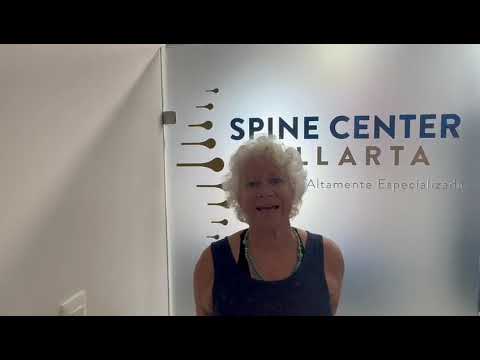
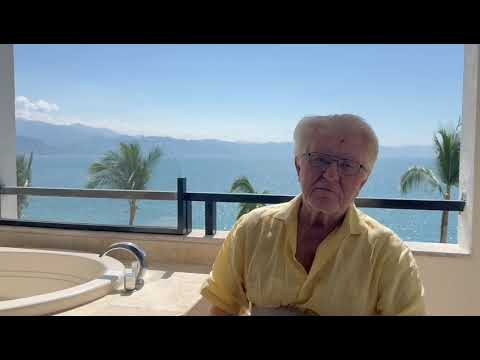
Hearing directly from individuals who have navigated the process of traveling abroad for complex spine care provides invaluable insight and reassurance for prospective patients. These personal narratives often highlight the profound relief experienced after years of struggling with chronic pain, as well as the high level of compassionate care received from international medical teams. Reading about real experiences with affordable ADR surgery in Tijuana helps demystify the medical tourism process and sets realistic expectations for the journey ahead.
Patient testimonials frequently emphasize the seamless nature of the care coordination and the impressive modern facilities that defy outdated stereotypes of cross-border healthcare. The ability to reclaim an active lifestyle through the use of motion-preserving implants in Mexico is a common and powerful theme shared by many satisfied medical travelers. Below are brief summaries reflecting the positive journeys of individuals who chose this specialized surgical path.
Michael T., California
After struggling with cervical nerve compression for years, Michael opted for a two-level ADR in Mexico. He reported significant cost savings and was highly impressed by the modern surgical facility and the attentive bilingual staff.
Sarah L., Texas
Facing a recommendation for lumbar fusion in the US, Sarah researched motion-preserving alternatives. She traveled across the border for ADR, stating her recovery was smooth and her natural mobility was preserved beautifully.
David R., Canada
Unable to endure the multi-year waitlist in his home country, David sought private care internationally. His disc replacement procedure was scheduled swiftly, and he successfully returned to playing amateur golf within a few months.
Elena M., Nevada
Elena was anxious about seeking medical care abroad but found the pre-operative communication exceptionally reassuring. She noted that her surgeon utilized a top-tier FDA-approved implant, giving her immense peace of mind.
How PlacidWay Assists Your Artificial Disc Replacement Medical Tourism Journey in Tijuana
Navigating the complex landscape of international healthcare requires careful planning, trusted connections, and reliable information. PlacidWay acts as a comprehensive medical tourism platform dedicated to connecting patients with highly vetted, globally accredited medical centers and specialized healthcare professionals. For those considering artificial disc replacement in Tijuana, utilizing an experienced facilitator can significantly streamline the research and decision-making process.
By prioritizing patient education and transparent access to quality healthcare options, PlacidWay empowers individuals to make informed choices regarding their spinal health. Through detailed clinic profiles and structured patient coordination, those seeking spine surgery in Tijuana can confidently embark on their medical journey knowing they have robust support. Here is how our platform facilitates your path to motion preservation:
- Providing access to comprehensive profiles of accredited spine centers.
- Facilitating direct communication and remote consultations with specialized surgeons.
- Offering transparent procedure cost comparisons to assist in financial planning.
- Assisting with the secure transfer of medical records and MRI imaging.
- Guiding patients through the evaluation process to confirm surgical candidacy.
- Delivering continuous patient support resources from initial inquiry to post-treatment.
PlacidWay connects thousands of patients annually with top-tier medical providers worldwide, ensuring that individuals seeking specialized orthopedic interventions have reliable access to internationally certified care options.
Frequently Asked Questions
Why are US patients choosing artificial disc replacement in Tijuana?
US patients are increasingly choosing ADR in Tijuana due to the combination of significantly lower procedural costs, reduced wait times, and access to internationally trained orthopedic spine specialists. Furthermore, specialized medical centers in the region frequently utilize top-tier, motion-preserving implants that meet rigorous global standards.
Is artificial disc replacement safer than spinal fusion?
While both procedures carry inherent surgical risks, artificial disc replacement is generally designed to preserve natural spinal mechanics and reduce stress on adjacent discs. Most patients experience a lower likelihood of adjacent segment disease with ADR, though it requires specific anatomical candidacy to be considered a safe alternative to fusion.
Do I need a passport or special visa for medical tourism in Tijuana?
Yes, North American citizens must have a valid passport to cross the border into Mexico and return to the United States or Canada. A specific medical visa is typically not required for short-term surgical stays, as a standard tourist entry covers visits up to 180 days.
How long does it take to recover from ADR surgery in Mexico?
Recovery timelines typically vary based on whether the surgery involved the cervical or lumbar spine, but many patients begin walking within a day after the procedure. Most individuals can expect to return to light, non-strenuous activities within three to six weeks, following specific rehabilitation protocols.
What type of implants are used for spine surgery in Tijuana?
Spine specialists in Tijuana generally utilize world-renowned, globally approved implant brands such as ProDisc, Mobi-C, and M6 for disc replacement procedures. These motion-preserving implants are designed from advanced biocompatible materials to ensure long-term durability and functionality.
Can anyone get artificial disc replacement instead of fusion?
No, ADR is not suitable for everyone and requires strict medical evaluation by a qualified spine surgeon. Patients with severe osteoporosis, significant spinal instability, or advanced joint degeneration are generally contraindicated and may require traditional fusion instead.
How do I handle follow-up care after returning home from Tijuana?
Before leaving Mexico, patients are usually provided with detailed post-operative guidelines, digital imaging, and comprehensive surgical reports. Many patients arrange local follow-up care with a primary care physician or a cooperating specialist in their home country for ongoing physical therapy and monitoring.
Is the quality of care in Tijuana comparable to US hospitals?
Many specialized surgical facilities in Tijuana hold prestigious international accreditations and adhere to stringent safety protocols comparable to North American standards. Surgeons performing these complex procedures frequently hold fellowships or board certifications from recognized institutions in the US or Europe.
What happens if there is a complication during my spine surgery?
Top-tier medical facilities equipped for spine surgery are generally prepared with comprehensive intensive care units and emergency response protocols. Before surgery, patients should discuss contingency plans, potential risks, and medical complication insurance options with their designated healthcare provider.
How much money can I save by choosing ADR surgery in Mexico?
Patients typically save between 50% to 70% on total procedure costs compared to standard out-of-pocket pricing in the United States. These savings reflect lower administrative and operational costs in Mexico, without compromising the quality of the advanced spinal implants utilized.
Ready to explore motion-preserving spine surgery options? Let PlacidWay guide your medical journey.
References
- Spine-Health. Artificial Disc Replacement Surgery. https://www.spine-health.com/treatment/artificial-disc-replacement
- National Library of Medicine (PubMed). Outcomes of Cervical Artificial Disc Replacement. https://pmc.ncbi.nlm.nih.gov/articles/PMC10562247/
- Cleveland Clinic. Total Disc Replacement. https://my.clevelandclinic.org/health/treatments/16758-cervical-artificial-disk-replacement
- Medscape. Medical Tourism: Travelers Seeking Healthcare and Surgery. https://www.medscape.com/viewarticle/564406_4



.png)
.png)


.png)
.png)
.png)









Share this listing