


US Rush for Artificial Disc Replacement in Tijuana
Driven by soaring healthcare costs, thousands of Americans are traveling for Artificial Disc Replacement in Tijuana. This motion-preserving spine surgery offers up to 70% savings over traditional fusion, granting patients a pain-free, active life just minutes across the border in 2024.
The Shift from Spinal Fusion to Motion-Preserving Spine Care
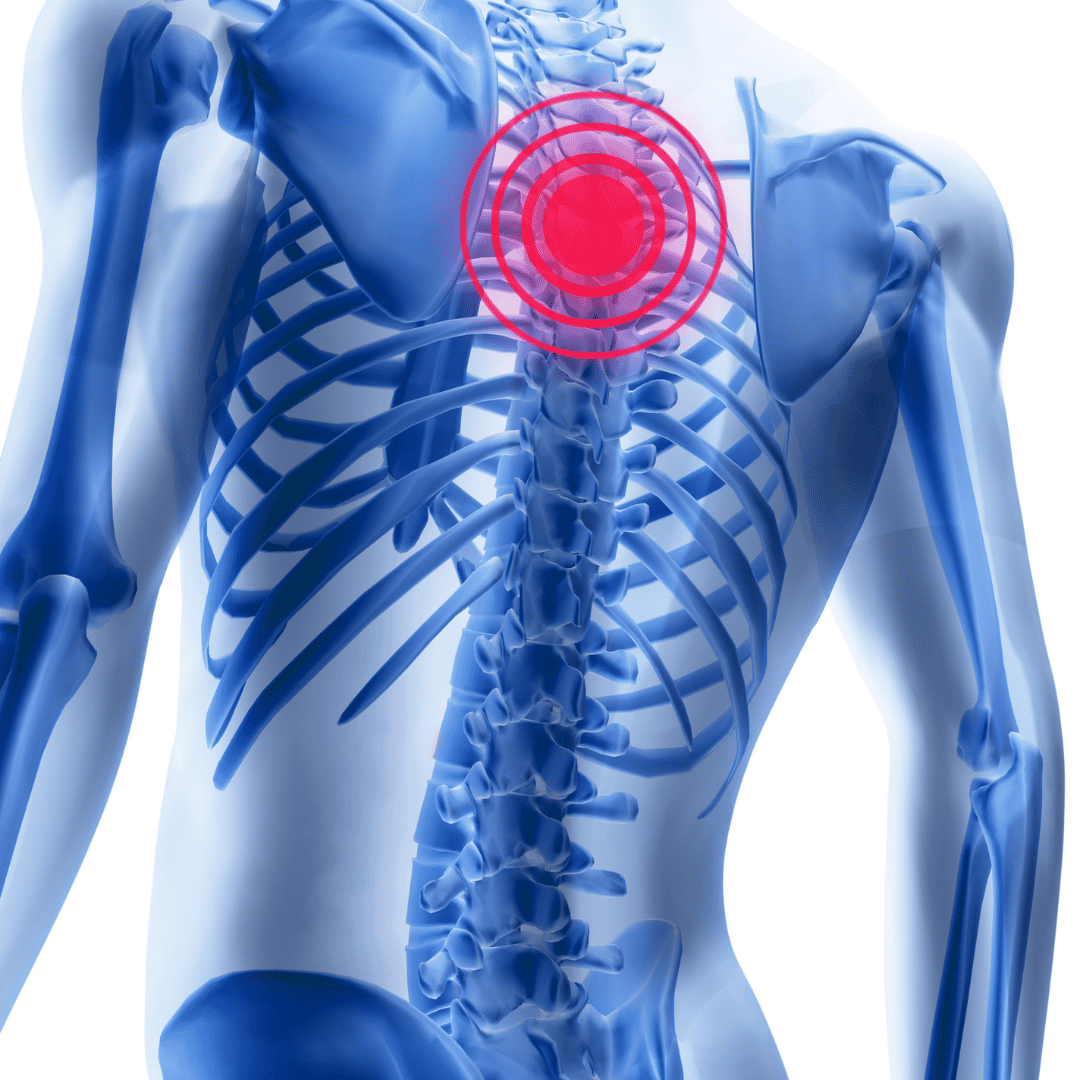
For decades, the gold standard for treating severe degenerative disc disease, herniations, and debilitating radiculopathy has been spinal fusion. While effective at eliminating pain by welding two or more vertebrae together, fusion fundamentally alters the biomechanics of the human spine. By locking a spinal segment in place, the natural load-bearing forces and rotational movements are transferred to the adjacent vertebrae. Over time, this unnatural stress frequently accelerates the degeneration of neighboring discs, a phenomenon clinically known as Adjacent Segment Disease (ASD), which often necessitates secondary and tertiary revision surgeries.
In stark contrast, Artificial Disc Replacement (ADR) represents the pinnacle of modern, motion-preserving spine surgery. Utilizing advanced biomechanical implants made from medical-grade titanium, cobalt-chrome alloys, and ultra-high-molecular-weight polyethylene, ADR mimics the natural flexion, extension, and rotation of a healthy spinal disc. By preserving the spine's natural mobility, patients experience a dramatically faster recovery, maintain a normal range of motion, and significantly reduce the likelihood of developing adjacent segment degeneration. This paradigm shift from rigid fixation to dynamic preservation has redefined what is possible in orthopedic and neurosurgical recovery.
Did You Know?
Clinical studies show that patients who undergo Artificial Disc Replacement return to work and light physical activities up to 50% faster than those who undergo traditional spinal fusion, largely due to the elimination of the bone-graft healing process.
Why North Americans Seek Disc Replacement Across the Border?
Despite the overwhelming clinical evidence supporting motion-preserving surgery, North American patients face a labyrinth of bureaucratic and financial obstacles when attempting to access ADR domestically. In the United States, commercial health insurance providers frequently deploy aggressive "step-therapy" protocols, forcing patients to endure months or even years of ineffective physical therapy, hazardous opioid regimens, and repeated corticosteroid injections before surgical intervention is even considered. Furthermore, many insurers still arbitrarily classify multi-level disc replacements as "experimental," outright denying coverage and steering patients toward cheaper, outdated fusion procedures.
Faced with the prospect of living in chronic agony or paying exorbitant out-of-pocket fees that can easily exceed $50,000 to $80,000 for a domestic ADR, patients are looking beyond their borders. Tijuana, located just minutes from San Diego, California, has emerged as the premier global destination for complex spinal care. By traveling to this accessible medical hub, North Americans completely bypass insurance denials and waitlists. They are empowered to choose superior, motion-preserving technologies on their own terms, obtaining world-class neurosurgical care without facing financial ruin or liquidating their retirement savings.
Cost Comparison: Spine Surgery in Mexico vs. United States
The economics of international medical tourism are driven by systemic inefficiencies in the U.S. healthcare model. Domestic hospitals are burdened by massive administrative overhead, highly inflated pharmaceutical pricing, and catastrophic malpractice insurance premiums—all of which are ultimately passed down to the patient. In Mexico, a lower cost of living, subsidized medical education, and streamlined administrative structures allow top-tier surgical facilities to offer identical, or even superior, procedures at a fraction of the cost.
When examining the financial breakdown, the value proposition of cross-border spine surgery becomes undeniable. The cost of the premium FDA-approved artificial discs (such as Mobi-C or ProDisc) remains relatively consistent globally, but the drastic reduction in surgeon fees, facility charges, and anesthesiology costs in Tijuana translates to tens of thousands of dollars in savings. This transparent, bundled pricing model eliminates the notorious "surprise billing" that plagues the American medical system.
Inside Tijuana’s High-Tech Orthopedic Medical Infrastructure
The narrative surrounding cross-border healthcare has been entirely rewritten by the staggering multi-million-dollar investments poured into Baja California's medical infrastructure. Today, patients traveling for cervical or lumbar disc replacement do not arrive at modest clinics; they are welcomed into monumental, JCI-accredited "medical cities" and specialized orthopedic hospitals. These sprawling facilities rival, and frequently surpass, the technological capabilities of standard domestic hospitals, featuring dedicated spine units designed specifically for complex neurosurgical interventions.
Inside the operating theaters, precision is paramount. Facilities in this region are equipped with state-of-the-art intraoperative imaging systems, 3D fluoroscopy, and advanced neuro-monitoring technology that tracks nerve function in real-time, ensuring maximum patient safety during spinal cord proximity procedures. Furthermore, because these elite hospitals operate outside the restrictive procurement contracts of U.S. hospital networks, surgeons often have immediate access to the latest generations of artificial disc implants from global manufacturers—innovations that are sometimes delayed for years from entering the U.S. market due to slow regulatory approvals.
"We are witnessing a profound revolution in medical consumerism. Spine patients are no longer willing to accept the limited, outdated options dictated by their insurance companies. By bridging the gap between North American patients and elite, highly vetted neurosurgical centers in Mexico, we empower individuals to reclaim their mobility and their lives. Artificial disc replacement should not be a luxury reserved for the ultra-wealthy; it is a fundamental advancement in quality of life that cross-border medical travel has finally made accessible."
— Pramod Goel, CEO of PlacidWay
The Rigorous Standards of Mexican Spine Surgeons
A critical factor driving the exponential growth of spine surgery in Mexico is the world-class pedigree of the attending physicians. The outdated misconception of inferior medical talent abroad has been thoroughly dismantled by the reality of modern medical globalization. Leading neurosurgeons and orthopedic spine specialists in Baja California undergo extraordinarily rigorous academic journeys. Following their foundational medical degrees, these experts complete demanding residencies and highly specialized spinal fellowships, frequently training at prestigious academic institutions in the United States, Canada, and Europe.
Furthermore, elite cross-border spine surgeons do not operate in a vacuum. They maintain active dual certifications and are distinguished members of elite global organizations, such as the North American Spine Society (NASS) and the AOSpine network. Because of the sheer volume of international patients actively seeking motion-preserving procedures, leading Mexican surgeons routinely perform significantly more artificial disc replacements annually than their average domestic counterparts. This high-volume repetition in a hyper-specialized niche breeds a level of surgical mastery, precision, and clinical intuition that consistently yields superior patient outcomes.
Did You Know?
Baja California has firmly established itself as a global medical powerhouse, welcoming over 2.5 million health-seeking tourists every year. Complex orthopedic and neurosurgical procedures are among the fastest-growing sectors, attracting patients from all 50 U.S. states and across Canada.
Comprehensive Packages for Spine Surgery Medical Tourists
To cater to the distinct vulnerabilities of patients traveling with severe spinal pain, elite medical facilities have perfected the model of the all-inclusive surgical package. These comprehensive bundles are meticulously designed to eliminate logistical stress, language barriers, and financial unpredictability. When embarking on an ADR journey, patients can expect their medical itinerary to seamlessly include:
- Virtual MRI Evaluations: Long before crossing the border, patients securely upload their imaging (MRI/CT scans) for a comprehensive remote evaluation by the chief neurosurgeon to confirm candidacy for disc replacement.
- All-Inclusive Medical Fees: Transparent pricing that encompasses the surgeon's fee, anesthesiologist, premium FDA-approved implants (such as cervical or lumbar artificial discs), operating room time, and intraoperative neuromonitoring.
- VIP Border Concierge: Dedicated bilingual drivers greet patients directly at the San Diego International Airport, providing comfortable, private transportation across the border and directly to the medical facility.
- Hospital and Hotel Stays: Packages typically cover 1 to 2 nights in a private, state-of-the-art hospital suite for immediate post-op monitoring, followed by several days in a luxury medical recovery hotel equipped with ergonomic beds and nursing support.
- Pre-Op and Post-Op Care: Complete inclusion of all necessary pre-surgical blood panels, cardiovascular clearance, post-operative medications, physical therapy consultations, and follow-up imaging prior to departure.
PlacidWay: Your Connector to Safe Cross-Border Spine Surgery
While the clinical and economic benefits of pursuing Artificial Disc Replacement in Mexico are profound, navigating the expansive international healthcare landscape independently can be deeply intimidating. The internet is flooded with self-promoted medical facilities and aggressive marketing campaigns, making it incredibly difficult for a patient in chronic pain to objectively verify international hospital accreditations, authenticate surgeon credentials, or guarantee the provenance of the spinal implants being used. This vast information asymmetry is precisely why utilizing a globally recognized medical tourism facilitator is an absolute necessity.
Acting as an independent, patient-centric connector, PlacidWay meticulously curates an exclusive network of highly vetted, internationally accredited spine centers. Through their intuitive platform, patients can seamlessly compare comprehensive provider profiles, review transparent pricing matrices, analyze verified patient testimonials, and secure direct virtual consultations with board-certified neurosurgeons. By managing the intricate complexities of credential verification, logistics, and cross-border coordination, PlacidWay ensures that patients can direct all their energy toward their surgical recovery and returning to a pain-free life.
What to Expect During Your Disc Replacement Recovery?
The recovery trajectory for Artificial Disc Replacement is one of its most celebrated clinical advantages, sharply contrasting the grueling months of rehabilitation required following a spinal fusion. Because ADR does not involve harvesting bone grafts or waiting for vertebrae to calcify and fuse, the immediate post-operative phase is remarkably swift. Many patients are encouraged by their surgical team to stand and take light, assisted walks within mere hours of waking from anesthesia. This early mobilization is critical for promoting healthy circulation and preventing complications. Following a standard 1-to-2-day stay in the hospital's specialized spine unit, patients are transitioned to a partnered medical recovery hotel.
During the subsequent 5-to-7-day recovery period in Tijuana, patients relax in a serene, hospitality-driven environment while receiving daily check-ins from their nursing team to monitor incision healing and manage mild post-surgical discomfort. Most patients report a profound, immediate relief from the radiating nerve pain that initially drove them to seek surgery. Once the attending neurosurgeon provides final medical clearance, patients utilize expedited medical fast-pass lanes to cross back into San Diego, easily boarding their brief flights home. Within a matter of weeks, guided by light physical therapy, individuals find themselves returning to work, hobbies, and an active lifestyle, fully realizing the restorative power of motion-preserving spine care.



.png)
.png)
.png)



.png)
.png)

.png)









Share this listing