
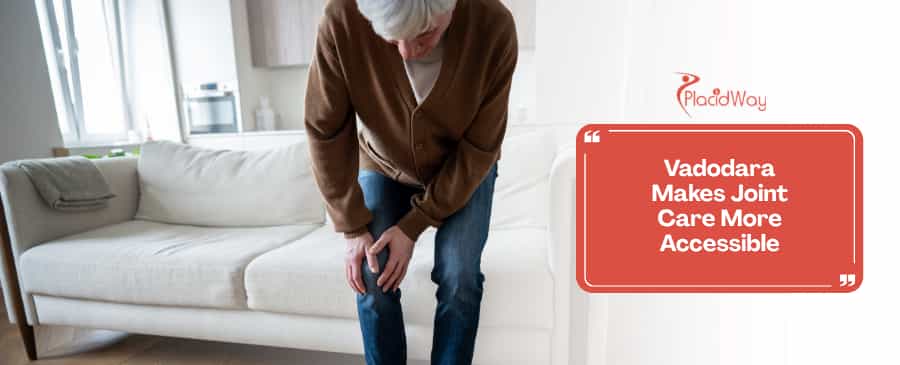
The global landscape of regenerative orthopedics is shifting rapidly, positioningc as a highly sought-after solution for patients facing chronic joint pain. Historically, patients suffering from degenerative knee conditions had to choose between highly invasive joint replacement surgeries or exorbitant medical bills in Western countries. Today, international healthcare infrastructures have advanced significantly, offering minimally invasive regenerative protocols that aim to harness the body’s own healing mechanisms.
Vadodara is rapidly emerging as a center of excellence for orthopedic innovation, attracting global patients who demand modern healthcare standards at accessible prices. By blending advanced biotechnological protocols with a patient-centric medical culture, the region is cultivating an environment where high-end treatments are no longer financially exclusive. This unique intersection of affordability, stringent medical protocols, and skilled orthopedic professionals makes medical tourism in Vadodara a compelling choice for 2026.
Vadodara is home to several multidisciplinary healthcare institutes that actively collaborate with international regenerative medicine boards to ensure globally standardized treatment protocols.
- Utilizes autologous tissues to minimize rejection risks.
- Focuses on reducing joint inflammation and improving mobility.
- Integrates comprehensive pre-procedure diagnostic imaging.
- Relies on strict sterile processing environments for cell concentration.
How Regenerative Medicine for Knees Works Typically
Regenerative orthopedic treatments fundamentally differ from traditional pharmaceutical management, which primarily masks pain rather than addressing tissue degradation. In this therapeutic approach, specialized cells are harvested from the patient’s own body, processed to isolate the most potent regenerative elements, and precisely injected into the damaged knee joint. The objective is to introduce a concentrated volume of growth factors and biological signaling mechanisms that may encourage the repair of compromised cartilage and connective tissues.
This process relies heavily on the quality of the cellular extraction and the precision of the injection, typically guided by advanced ultrasound or fluoroscopy. Medical professionals focusing on Stem Cell Knee Therapy in Vadodara generally employ customized protocols tailored to the unique physiological profile of each patient. While outcomes vary widely depending on the severity of joint deterioration, many patients undergo this therapy in hopes of delaying or entirely avoiding invasive knee replacement surgeries.
According to emerging clinical observational studies, a significant majority of appropriately selected patients report a measurable reduction in joint pain scores within the first six months post-injection.
- Extraction: Minimally invasive collection of bone marrow or adipose tissue.
- Centrifugation: Rapid spinning to separate and concentrate the necessary cellular components.
- Targeting: Image-guided mapping of the knee joint to identify damaged areas.
- Delivery: Precise intra-articular injection of the biologic material.
Benefits of Choosing Orthopedic Medical Tourism in Vadodara
Opting for regenerative orthopedic care in Vadodara presents a multifaceted advantage for the international medical traveler seeking quality and value. Beyond the striking cost benefits, patients gain access to highly educated specialists, many of whom have trained or participated in fellowships across Europe and North America. These professionals bring a wealth of global expertise back to their local practices, elevating the standard of care to international benchmarks.
Furthermore, the medical tourism infrastructure in the region has evolved to provide a seamless, supportive experience tailored specifically for foreigners. From English-speaking medical staff to dedicated international patient coordinators within the hospitals, every aspect of the clinical journey is designed to alleviate the stress of receiving treatment abroad. This dedicated support system allows patients to focus entirely on their treatment and subsequent rehabilitation.
Many international hospitals in India hold prestigious accreditations that enforce rigorous standards for patient safety, infection control, and clinical excellence.
Patient Case Summary: Joint Mobility Restoration
An international patient in her late 50s traveled for regenerative knee care after years of debilitating stiffness. Post-procedure, she reported a gradual but significant return of joint fluidity, allowing her to resume daily walks without relying heavily on traditional pain medications.
Stem Cell Knee Therapy Cost in Vadodara vs. Global Averages
The financial aspect of regenerative medicine is often the primary catalyst driving patients to explore international healthcare options. When evaluating the Stem Cell Knee Therapy cost in Vadodara, prospective patients find that treatments often cost merely 20% to 30% of what they would pay out-of-pocket in the United States or the United Kingdom. This drastic price variance is driven by lower administrative overhead, favorable currency exchange rates, and a more competitively structured healthcare economy, not a reduction in medical quality.
It is important to understand that the final pricing will reflect the specific sub-treatments required, such as whether the procedure is unilateral (one knee) or bilateral (both knees), and whether supplementary therapies like Platelet-Rich Plasma (PRP) are included. The table below illustrates a realistic market range comparison, highlighting why this destination is considered the ultimate $3,000 fix for specialized orthopedic care.
| Procedure / Treatment Type | Average Cost in Vadodara (USD) | Average Cost in USA/UK (USD) |
|---|---|---|
| Unilateral Stem Cell Knee Injection (BMAC) | $2,800 - $3,500 | $8,000 - $15,000 |
| Bilateral Stem Cell Knee Therapy | $4,500 - $5,500 | $14,000 - $25,000 |
| Stem Cell Therapy + PRP Booster Add-on | $3,200 - $4,000 | $9,500 - $18,000 |
| Adipose-Derived Cellular Knee Therapy | $3,000 - $4,200 | $10,000 - $16,000 |
Who is an Ideal Candidate for Knee Stem Cell Treatments?
Determining clinical eligibility is the most critical step before committing to a journey for high-quality stem cell treatments in India. The ideal candidate is typically someone experiencing mild to moderate osteoarthritis, chronic tendonitis, or specialized cartilage injuries that have not adequately responded to conservative therapies like physical therapy or corticosteroid injections. These patients generally have enough foundational joint space remaining to allow the biologic materials to potentially facilitate tissue repair.
Conversely, patients with profound "bone-on-bone" joint degradation, active systemic infections, or certain autoimmune and blood disorders are generally contraindicated for this procedure. Comprehensive medical screening is mandatory; ethical providers prioritize patient safety over volume and will not recommend the procedure if the likelihood of symptomatic improvement is statistically low.
Patients currently undergoing active cancer treatments, those taking potent blood thinners, or individuals with severe joint deformities are generally not considered candidates for intra-articular cellular injections.
- Requires a thorough review of recent MRI and X-ray imaging.
- Must pass pre-operative blood panels and cardiovascular screening.
- General good health without active, uncontrolled systemic diseases.
- Realistic expectations regarding the timeline and scope of pain relief.
What to Expect During the Stem Cell Procedure in Vadodara
The clinical workflow for these advanced procedures is meticulously structured to ensure both patient comfort and cellular viability. Upon clearance, the process typically begins with the extraction phase, where a specialist administers a localized anesthetic before drawing a small volume of bone marrow (usually from the pelvic bone) or adipose (fat) tissue. This step is typically described by patients as involving mild pressure rather than acute pain, lasting only a short duration.
Following extraction, the biomaterial is immediately processed in a highly sterile, closed-loop centrifuge system within the same facility to isolate the concentrated stem cells. Within hours, the finalized cellular matrix is carefully injected directly into the targeted joint capsule using advanced real-time imaging for absolute precision. Because the procedure is minimally invasive, most patients are monitored briefly before being discharged on the exact same day.
The utilization of fluoroscopic or ultrasound guidance during the final injection is crucial, as blindly injecting biologics significantly decreases the probability of the cells reaching the specific cartilage defects.
- Pre-procedural consultation and final diagnostic review.
- Application of local anesthesia to the extraction and injection sites.
- Cellular extraction followed by immediate laboratory centrifugation.
- Image-guided injection of the concentrated biologics into the knee.
- Short-term observation and same-day discharge.
Typical Recovery Timeline and Rehabilitation Process
Unlike major orthopedic surgeries, the post-procedural recovery for regenerative joint injections is typically rapid, though biological healing itself takes time. In the first 48 to 72 hours, most patients experience an expected inflammatory response, characterized by mild swelling, stiffness, and localized discomfort, which is a natural part of the body's healing cascade. Providers generally advise strict rest and explicitly prohibit anti-inflammatory medications (NSAIDs), as these can inhibit the cellular regeneration process.
As the initial swelling subsides over the following weeks, patients are usually encouraged to begin gentle, non-weight-bearing mobility exercises. True symptomatic relief and improvements in joint function generally begin to manifest between the second and third month, as the biological environment inside the joint stabilizes. Committing to a structured physical therapy regimen is crucial to maximizing the long-term potential of the Stem Cell Knee Therapy in Vadodara.
Pack comfortable, loose-fitting clothing and easily accessible slip-on shoes for your journey back to your hotel, as bending the knee immediately after the procedure might be slightly uncomfortable.
- Days 1-3: Rest, elevation, and managing anticipated soreness.
- Weeks 1-4: Gradual return to light daily activities; initiation of gentle range-of-motion routines.
- Months 2-3: Progressive physical therapy; onset of noticeable pain reduction in most patients.
- Months 4-6+: Continued biological healing; return to low-impact sports or sustained physical activities.
Evaluating the Safety and Efficacy of Orthopedic Stem Cell Care
When investigating Stem Cell Knee Therapy clinics in Vadodara, international patients rightfully place safety at the forefront of their decision-making process. The primary safety advantage of autologous therapies—where cells are extracted from the patient's own body—is the virtual elimination of immune rejection and disease transmission risks. Reputable medical centers enforce stringent infection control protocols, utilizing single-use, closed-system medical devices to process the biological materials safely.
In terms of efficacy, realistic expectations must be established during the initial medical consultation. While numerous clinical studies point toward positive outcomes in pain mitigation and functional improvement, it is vital to acknowledge that regenerative therapies do not produce overnight miracles. Success relies heavily on the quality of the extraction, the precision of the delivery, and the patient's strict adherence to post-treatment rehabilitation guidelines.
Patient Case Summary: Avoiding Surgical Interventions
A male patient seeking alternatives to knee replacement traveled to India for a bilateral BMAC procedure. While the initial weeks required patience, by his fourth month of dedicated physiotherapy, he noted a drastic reduction in daily pain and successfully delayed his need for invasive surgery.
- Autologous (self-derived) cells typically prevent allergic reactions.
- Closed-system centrifuges maintain strict sterility during processing.
- Thorough pre-screening identifies and excludes high-risk candidates.
- Efficacy is closely tied to proper post-injection physical therapy.
Preparing for Your Medical Journey to Vadodara
Embarking on a medical trip requires meticulous planning to ensure a stress-free experience that prioritizes your health and comfort. Patients must first secure a comprehensive compilation of their localized medical records, particularly recent MRI scans (ideally no older than six months), as these are critical for the receiving medical team to evaluate. Initiating a virtual consultation before booking flights is standard practice, allowing the doctors to confirm your candidacy preliminarily.
Once clinical eligibility is tentatively established, securing the appropriate medical visa is the next crucial step, which the providing clinic will typically facilitate by issuing an official invitation letter. Patients should plan to arrive a few days before their scheduled procedure to acclimate to the time zone, undergo mandatory in-person diagnostic verifications, and adequately rest prior to the clinical intervention.
Always arrange for a local companion or utilize medical facilitation services to assist with local transit post-procedure, as navigating transportation while experiencing knee stiffness can be challenging.
- Obtain digital copies of recent MRIs and X-rays.
- Compile a comprehensive list of all current medications and supplements.
- Apply for an Indian Medical Visa well in advance of travel dates.
- Schedule post-trip physical therapy appointments in your home country before departing.
Combining Advanced Diagnostics with Regenerative Orthopedics
A hallmark of top-tier medical tourism in Vadodara is the integration of high-resolution diagnostic imaging within the regenerative treatment protocol. Accurate diagnosis dictates the precise placement of the cellular material; without it, even the most potent biological injections may fail to yield optimal results. International standard clinics heavily invest in advanced MRI and high-frequency ultrasound technologies to map the intricate micro-architecture of the knee joint.
These detailed diagnostics allow the orthopedic specialist to identify hidden tears in the meniscus, subtle cartilage defects, and precise areas of active inflammation. By correlating this visual data with the patient's specific pain markers, the medical team can design a highly targeted injection pathway, significantly increasing the probability that the cellular matrix will adhere to the damaged tissue and initiate the healing process.
Advanced diagnostic musculoskeletal ultrasound not only aids in precise needle placement during the injection but also allows doctors to visually track the healing progress during follow-up evaluations.
Patient Case Summary: Precision Targeting Success
A competitive amateur athlete suffered from localized patellar pain that was undiagnosed by basic X-rays. Through high-resolution ultrasound in Vadodara, doctors pinpointed a micro-tear, allowing for a highly targeted stem cell injection that resulted in significant functional recovery.
Understanding the Types of Stem Cells Used for Joint Healing
Not all regenerative treatments are created equal, and understanding the cellular source is vital for patients researching Stem Cell Knee Therapy in Vadodara. The two most prominent protocols for orthopedic applications involve Bone Marrow Aspirate Concentrate (BMAC) and Adipose-Derived Stromal Vascular Fraction (SVF). Both sources are rich in Mesenchymal Stem Cells (MSCs), which are the primary cellular engines known for their ability to orchestrate tissue repair and modulate immune responses in degenerative joints.
BMAC is widely considered the gold standard for bone and cartilage applications due to its dense concentration of growth factors and proven clinical track record. Adipose-derived therapy, extracted from abdominal or thigh fat, offers a higher total yield of stem cells and provides a robust structural matrix that can be beneficial for certain types of joint defects. Your attending specialist will typically recommend the optimal source based on your specific joint pathology and physiological profile.
Mesenchymal Stem Cells (MSCs) are multipotent, meaning they possess the unique biological ability to differentiate into various cell types, including cartilage, bone, and fat cells, under the right conditions.
- Bone Marrow Derived (BMAC): Excellent for deeper cartilage defects and rich in vital growth factors.
- Adipose Derived (SVF): Yields high cell counts and provides structural scaffolding for tissue repair.
- Platelet-Rich Plasma (PRP): Often used as an additive to nourish the stem cells and accelerate the healing cascade.
- All methods strictly utilize the patient's own biological material (autologous).
Success Factors and Long-Term Joint Health Maintenance
Undergoing affordable Stem Cell Knee Therapy in Vadodara is only the first phase of the journey toward restored mobility; long-term success is heavily dependent on post-procedural lifestyle modifications. Patients must recognize that while the injected cells provide the building blocks for repair, the body's mechanical environment dictates the final outcome. Maintaining a healthy Body Mass Index (BMI) is arguably the most critical success factor, as excessive weight exponentially increases the mechanical load on healing knee cartilage.
Equally important is a commitment to continuous biomechanical improvement. Engaging in consistent, low-impact exercises like swimming or cycling helps maintain joint lubrication and strengthens the surrounding musculature, which acts as a shock absorber for the knee. Nutritional support, specifically diets rich in anti-inflammatory omega-3 fatty acids and antioxidants, can also foster a conducive biological environment for long-term cellular health.
Treatment Roadmap: Post-Procedure Focus
- Nutrition: Adopt an anti-inflammatory diet.
- Movement: Avoid high-impact sports (running/jumping) for at least 4-6 months.
- Support: Utilize prescribed bracing if recommended by the specialist.
Patient Case Summary: Lifestyle Integration
A patient who underwent treatment for moderate osteoarthritis paired her procedure with a 15-pound weight loss and a dedicated swimming routine. Her outcome evaluation at 12 months showed not only sustained pain relief but significantly improved joint mobility compared to her pre-treatment baseline.
How PlacidWay Assists Your Stem Cell Knee Therapy Medical Tourism Journey in Vadodara
Navigating international healthcare systems can be complex, especially when searching for specialized procedures like regenerative medicine. Securing reliable information, authenticating provider credentials, and coordinating international communications require expertise and a trustworthy platform. This is where dedicated medical tourism facilitators play an essential role in bridging the gap between global patients and premier medical institutions.
By utilizing an established medical network, patients can significantly reduce the risks associated with seeking treatment abroad. The focus remains on transparent access to healthcare quality, empowering patients to make informed decisions without feeling overwhelmed by the logistics of international medical systems.
PlacidWay Support Initiatives
- Provider Vetting: Access carefully evaluated international medical centers prioritizing rigorous safety standards.
- Direct Communication: Facilitate secure, direct consultations between patients and specialized orthopedic teams.
- Comprehensive Information: Review detailed clinic profiles, authentic patient testimonials, and physician credentials.
- Language Assistance: Ensure clear medical translations and eliminate language barriers during consultations.
- Continuous Support: Dedicated customer service to guide patients through the entire medical facilitation process smoothly.
Frequently Asked Questions About Stem Cell Knee Therapy in Vadodara
When considering international regenerative treatments, patients naturally have numerous questions regarding logistics, safety, and medical protocols. Understanding the nuances of the procedure and the destination helps set accurate expectations and ensures a thoroughly prepared medical journey.
Below is a curated list of common inquiries designed to provide clarity on the clinical, financial, and practical aspects of pursuing this specific orthopedic care abroad.
Is Stem Cell Knee Therapy in Vadodara safe for international patients?
Medical facilities catering to international patients typically adhere to rigorous safety and hygiene protocols. Providers focus heavily on stringent sterile techniques and comprehensive pre-screening to maximize patient safety.
How much does Stem Cell Knee Therapy cost in Vadodara?
The procedure generally costs around $3,000 for a standard unilateral treatment, though prices vary depending on cell extraction methods and additional therapies. This represents a fraction of the cost compared to the United States or Europe.
Do I need a special visa for medical tourism in Vadodara?
Yes, international patients generally require a dedicated Medical Visa to undergo treatments in India. Your medical provider typically supplies an invitation letter to facilitate this application process smoothly.
How long is the typical recovery period after knee stem cell injections?
Most patients experience minor soreness for the first few days, followed by a gradual return to light activities within a few weeks. Full rehabilitation and noticeable joint improvements typically evolve over three to six months.
Will this therapy completely cure my knee osteoarthritis?
Regenerative treatments are designed to manage symptoms and promote natural healing, but they do not guarantee a complete cure for degenerative diseases. Results vary widely depending on the patient's age, overall health, and severity of the condition.
Can I travel immediately after my knee procedure?
Providers generally advise patients to rest locally for a few days before taking long international flights. This observation period ensures there are no immediate adverse reactions and allows the initial inflammation to subside.
Are donor cells used, or do you use my own stem cells?
Most international protocols utilize autologous stem cells, meaning they are harvested directly from your own body, such as from bone marrow or adipose tissue. This approach significantly minimizes the risk of immune rejection.
What follow-up care is required after I return home?
Patients typically engage in virtual follow-up consultations with their international provider to monitor progress. You will also be advised to pursue a structured physical therapy program with a local specialist in your home country.
Who is not a suitable candidate for this orthopedic procedure?
Individuals with active infections, severe blood disorders, or advanced bone-on-bone osteoarthritis are typically considered contraindicated. A comprehensive medical evaluation is always required to determine true eligibility.
How does PlacidWay help me find Stem Cell Knee Therapy clinics in Vadodara?
PlacidWay provides a secure platform to research evaluated healthcare providers, read authentic patient reviews, and request direct consultations. The platform is designed to connect international patients with highly specialized medical professionals seamlessly.
Ready to take the next step toward pain-free mobility? Let PlacidWay connect you with premier regenerative medicine specialists.
References
- Mayo Clinic. Stem cells: What they are and what they do. https://www.mayoclinic.org/tests-procedures/bone-marrow-transplant/in-depth/stem-cells/art-20048117
- National Institutes of Health (NIH) - PubMed. Efficacy of Stem Cell Therapy for Osteoarthritis. https://pubmed.ncbi.nlm.nih.gov/40169165/
- World Health Organization (WHO). Medical Tourism and Cross-Border Healthcare. https://www.who.int/europe/news/item/08-01-2024-building-cross-border-collaboration-in-health


.png)
-(5).png)

-(6).png)


.jpg)
.jpg)
.jpg)
.jpg)








Share this listing