
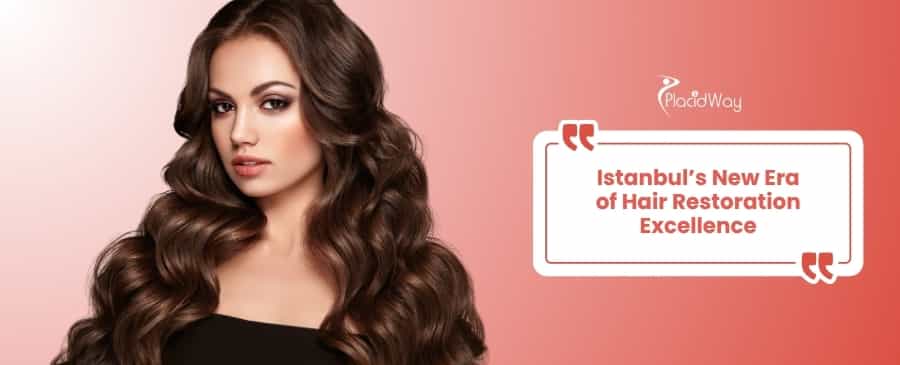
Istanbul has firmly established itself as the premier global hub for advanced hair restoration methodologies. Medical tourists continually flock to the city, seeking innovative treatments that surpass traditional extraction and implantation methods. The continuous evolution of surgical techniques has paved the way for unprecedented advancements in follicular viability and scalp health. This progression leads directly into the latest industry focus on comprehensive, biologically enhanced regenerative protocols.
The heavily discussed 2026 'Regenerative Hybrid' FUE approach represents a significant leap forward in modern cosmetic surgery. By combining meticulous extraction with biological enhancements, surgical teams aim to drastically improve graft longevity and density. Patients exploring medical tourism in Istanbul are increasingly drawn to these state-of-the-art methodologies. As a result, the region consistently sets new benchmarks, challenging historical standards of hair transplantation on a global scale.
Stat Highlight
Turkey hosts hundreds of thousands of medical tourists annually, with hair restoration representing one of the largest specialized sectors in the country's healthcare economy.
Understanding the Regenerative Hybrid FUE Procedure
The Regenerative Hybrid FUE procedure is an intricate surgical process designed to maximize the survival rate of extracted hair follicles. This methodology merges the precision of Follicular Unit Extraction with supportive cellular treatments, typically involving biological serums or growth factors. The primary goal is to create a highly optimized environment in the recipient area before the new grafts are implanted. Surgeons carefully extract individual units using micro-punches, minimizing trauma to the surrounding scalp tissue.
Once extracted, the delicate grafts are temporarily stored in specialized, nutrient-rich preservation solutions. This crucial step is engineered to prevent cellular degradation while the surgical team prepares the recipient site. The integration of advanced hair transplant techniques allows for a more natural-looking hairline and improved overall density. By prioritizing cellular vitality throughout the entire process, this hybrid approach aims to support robust, long-lasting hair growth.
- Precision Extraction: Utilizing micro-motor punches to harvest grafts with minimal tissue disruption.
- Biological Enhancement: Applying cellular therapies to stimulate the recipient scalp area.
- Advanced Preservation: Storing harvested follicles in specialized, temperature-controlled nutrient solutions.
- Strategic Implantation: Placing grafts at specific angles to mimic natural hair growth patterns.
Follicles extracted from the back of the head are genetically resistant to dihydrotestosterone (DHT), the primary hormone responsible for pattern baldness.
Why Medical Tourists Choose Hybrid FUE Hair Transplants in Istanbul?
International patients are highly motivated by the unique combination of surgical expertise, technological access, and cost-efficiency found in Turkey. The medical infrastructure in the country has been heavily optimized to cater to an international demographic requiring specialized cosmetic care. Clinics frequently invest in the latest surgical instruments and biological preservation technologies to remain globally competitive. Consequently, seeking an affordable hair transplant in Istanbul does not mean compromising on the quality of medical technology.
Furthermore, the high volume of procedures performed daily equips local surgical teams with extensive, specialized experience. This repetitive mastery allows practitioners to handle complex cases and diverse hair types with increased confidence and precision. Patients appreciate the comprehensive approach to care, which often includes extensive pre-operative consultations and detailed anatomical planning. The city's geographic location also serves as a convenient bridge for patients traveling from Europe, Asia, and North America.
When researching international healthcare providers, always verify that the facility holds recognized international accreditations and maintains transparent records of their surgical protocols.
Affordable Regenerative Hybrid FUE Cost in Istanbul
Understanding the financial aspects of international healthcare is critical for patients planning their medical journeys abroad. The cost structures in Turkey are significantly lower than those in Western healthcare systems due to distinct economic factors and operational efficiencies. Despite the integration of advanced biological therapies, the overall hair transplant cost in Istanbul remains highly accessible. Patients can often achieve their aesthetic goals while managing their budgets effectively.
When comparing prices, it is essential to consider the specific sub-treatments included in the surgical package. Many modern protocols incorporate additional therapies, specialized preservation fluids, and extensive post-operative care kits. While prices vary depending on the complexity of the case, the value proposition remains highly favorable for international visitors. Below is a detailed comparison of realistic market ranges for these specialized procedures.
| Procedure Name | Average Cost in Istanbul (USD) | Cost Comparison (US/UK) (USD) |
|---|---|---|
| Standard FUE (up to 3000 grafts) | $1,800 - $2,500 | $6,000 - $12,000 |
| Regenerative Hybrid FUE (Bio-Enhanced) | $2,800 - $4,500 | $10,000 - $18,000 |
| Hair Transplant with Support | $3,000 - $5,000 | $12,000 - $20,000 |
The cost efficiency in Turkey is primarily driven by lower administrative overhead and favorable currency exchange rates, rather than a reduction in medical material quality.
Global Graft Survival Metrics Versus Istanbul Standards
In the field of hair restoration, graft survival metrics are paramount to determining the overall cosmetic success of the surgery. The industry frequently references highly optimized targets, sometimes informally marketed as a '98% graft guarantee' within the latest 2026 procedural guidelines. However, in strict medical terms, this percentage represents a clinical objective for follicular viability, not an absolute certainty for every individual. Reputable FUE clinics in Turkey utilize these rigorous targets to refine their extraction and implantation processes continually.
Historically, traditional extraction methods yielded survival rates that fluctuated significantly based on handling times and environmental exposure. The shift toward hybrid regenerative techniques focuses heavily on minimizing the time grafts spend outside the body. By employing specialized storage solutions that mimic the body's internal environment, surgeons strive to keep cellular stress to a minimum. Consequently, the standards maintained by dedicated facilities often outpace broader global averages that rely on older methodologies.
Stat Highlight
Research indicates that keeping graft out-of-body time under four hours drastically reduces the risk of follicular dehydration and subsequent failure.
Ideal Candidates for Advanced Hair Transplantation in Turkey
Determining patient eligibility is a foundational step in ensuring the safety and efficacy of any surgical intervention. Ideal candidates for regenerative procedures typically suffer from male or female pattern baldness and possess a healthy, dense donor area at the back of the scalp. A thorough medical evaluation is critical to ensure the individual does not have underlying health conditions that could impede wound healing. Patients must also harbor realistic expectations regarding the gradual timeline of natural hair growth post-surgery.
Conversely, strict contraindications exist to protect patients from unfavorable outcomes or surgical complications. Individuals experiencing active scalp infections, severe autoimmune disorders, or unpatterned generalized alopecia are generally advised against undergoing the procedure. Those seeking medical tourism in Turkey must disclose their complete medical history during virtual or in-person consultations. Adhering to these careful selection criteria is vital for maintaining high standards of clinical safety and achieving optimal aesthetic results.
Patients taking blood-thinning medications or those with uncontrolled diabetes face elevated surgical risks. Always consult with a qualified healthcare provider to review potential contraindications before traveling for surgery.
What to Expect During Your Hair Transplant Surgery in Istanbul?
The day of surgery involves a meticulously planned sequence of events designed to prioritize patient comfort and clinical precision. Upon arrival at the facility, the medical team conducts a final review of the surgical plan, including mapping the new hairline directly on the scalp. Local anesthesia is then administered to both the donor and recipient areas, ensuring the patient remains comfortably numb while awake. The initial phase focuses entirely on the careful extraction of individual follicular units using micro-punch technology.
Following a brief resting period, the extracted grafts are meticulously organized and bathed in regenerative preservation solutions. The surgeon then creates tiny recipient sites in the balding areas, carefully controlling the angle and depth to mimic natural hair patterns. Finally, the medical team implants the preserved follicles one by one into the prepared incisions. Exploring advanced hair transplant options requires patients to be prepared for a surgical day that typically lasts between six to eight hours.
- Comprehensive pre-surgical health screening and hairline design.
- Administration of localized numbing agents to ensure minimal discomfort.
- Delicate harvesting of grafts from the designated donor zone.
- Strategic creation of recipient channels and precise manual implantation.
Recovery Timeline for Hybrid FUE Hair Implantation
The post-operative recovery phase is a critical component that directly influences the final cosmetic outcome of the procedure. During the first week, patients typically experience mild swelling, redness, and the formation of small scabs around the newly implanted grafts. It is essential to follow the strict washing protocols provided by the medical staff to keep the scalp clean without dislodging the fragile follicles. Most individuals feel comfortable returning to non-strenuous daily activities within five to seven days.
Between the second and sixth weeks, patients generally undergo a phase known as "shock loss," where the transplanted hair shafts shed. This is a completely normal physiological response, and the dormant root structures remain securely embedded beneath the skin. Visible new growth typically begins to emerge around the third or fourth month, gradually thickening over time. By adhering strictly to aftercare guidelines, patients securing a hair transplant in Istanbul usually see mature, final results at the twelve to eighteen-month mark.
Sleep with your head elevated at a 45-degree angle for the first few nights post-surgery. This practice helps significantly reduce facial and scalp swelling.
Potential Risks and Transparent Safety Disclosures
Every surgical intervention, regardless of how minimally invasive it is marketed, carries inherent medical risks that must be transparently disclosed. While advanced extraction methods are generally well-tolerated, some patients may experience temporary side effects such as localized pain, persistent itching, or localized numbness. There is also a small risk of infection or poor wound healing if post-operative hygiene protocols are not strictly observed. It is imperative that patients prioritize safety over convenience when selecting a healthcare provider abroad.
Furthermore, physiological variables mean that uniform success cannot be guaranteed for every individual undergoing treatment. Factors such as underlying hormonal changes, poor blood circulation, or failure to follow aftercare instructions can negatively impact graft survival. Reputable providers of medical tourism in Istanbul ensure that patients are fully educated on these potential complications prior to consent. Establishing realistic expectations and understanding physiological limitations are crucial steps in the informed decision-making process.
Smoking significantly constricts blood vessels, which can deprive newly transplanted hair follicles of the vital oxygen and nutrients needed for survival.
Integrating Exosome and Stem Cell Therapy in FUE
The medical community is increasingly exploring the integration of biological cellular therapies to support post-surgical healing and tissue regeneration. In modern hybrid protocols, substances like platelet-rich plasma (PRP) or laboratory-derived exosomes are often introduced to the scalp tissue. These biological adjuncts contain concentrated growth factors designed to stimulate cellular communication and reduce local inflammation. The objective is to optimize the physiological environment of the scalp, providing the newly implanted follicles with robust nutritional support.
While still an evolving area of cosmetic medicine, the application of these cellular therapies has shown promising potential in supporting graft viability. Medical teams carefully inject or apply these serums during the surgical process to prompt faster recovery of the micro-wounds. For patients pursuing advanced hair graft treatments, this integration represents a comprehensive approach to combating hair thinning. However, individual biological responses to regenerative therapies will naturally vary from patient to patient.
- Cellular Signaling: Exosomes help transmit regenerative signals to dormant or traumatized hair follicles.
- Inflammation Reduction: Biological serums aim to minimize swelling and support faster tissue repair.
- Enhanced Angiogenesis: Growth factors encourage the formation of new micro-blood vessels in the recipient area.
Comparing Traditional FUE to Regenerative Hybrid Techniques
Understanding the nuances between different surgical methodologies is vital for patients navigating the complex landscape of hair restoration. Traditional Follicular Unit Extraction relies primarily on the mechanical transfer of grafts from the donor site to the balding areas. While effective, standard FUE protocols do not routinely incorporate advanced biological treatments to prime the recipient tissue or preserve the grafts actively. Consequently, the follicles rely solely on the body's natural baseline healing mechanisms to establish a new blood supply.
In contrast, the regenerative hybrid approach actively intervenes to manipulate the biological environment in favor of graft survival. This method utilizes specialized hydration solutions during transit and introduces cellular therapies directly into the scalp matrix. By addressing both the mechanical and biological needs of the tissue, many FUE clinics in Turkey strive to push survival metrics higher. This comprehensive methodology requires specialized equipment and advanced training, distinguishing it from older, strictly mechanical approaches.
The use of specialized holding solutions, originally developed for organ transplants, is now becoming standard practice in high-end hair restoration to prevent cellular death.
Patient Success Stories After Hair Restoration in Istanbul
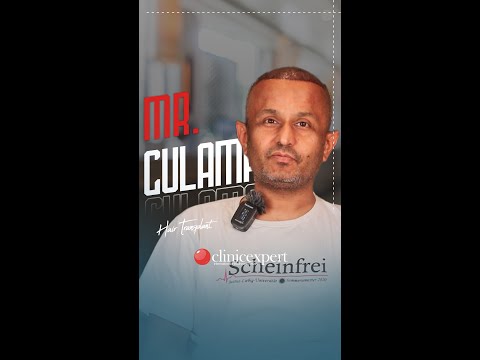
Patient experiences provide valuable insight into the real-world application of these complex surgical protocols and post-operative recovery journeys. Individuals traveling internationally for treatment often share detailed accounts of their comprehensive care, from initial consultations to the final growth phases. These narratives frequently highlight the meticulous attention to detail demonstrated by the surgical teams and the structured follow-up care provided. Evaluating diverse experiences helps prospective patients set realistic expectations regarding the overall process.
While every medical journey is unique, recognizing the consistent themes in patient feedback can aid in understanding clinical standards. Many individuals report high satisfaction with the natural appearance of their hairlines and the density achieved through modern techniques. Below are summarized accounts of patients who opted for an affordable hair transplant in Istanbul, reflecting their personal recovery and results.
Michael's Journey to Restored Confidence
After experiencing severe frontal thinning for a decade, Michael chose a hybrid FUE approach. He noted that the initial scabbing cleared within ten days, and by month eight, his hairline appeared completely natural and dense.
David's Experience with Advanced Care
David traveled internationally to address his receding crown. He highlighted the careful extraction process, stating he felt minimal discomfort. His newly transplanted hair began to show substantial thickness around the one-year mark.
Omar's Regenerative Therapy Results
Opting for a procedure that integrated biological cellular serums, Omar experienced a notably quick healing of his donor area. He reported that his overall hair texture improved significantly alongside the new graft growth.
James's Corrective Surgery Success
James required a corrective procedure to fix a previous, older-style transplant. The surgical team utilized precision mapping to seamlessly blend the new follicular units, resulting in a cohesive and aesthetically pleasing outcome after fourteen months.
How PlacidWay Assists Your Hair Transplant Medical Tourism Journey in Istanbul?
Navigating the global healthcare landscape requires access to reliable, vetted information and structured support systems. PlacidWay connects international patients with a comprehensive network of specialized medical centers focused on advanced cosmetic and regenerative procedures. By emphasizing patient education and transparency, the platform helps individuals make informed decisions regarding their surgical options abroad. The goal is to facilitate a seamless connection between patients seeking care and qualified healthcare providers.
Understanding the logistical and medical complexities of traveling for surgery is a primary focus of the assistance provided. Patients are equipped with the resources necessary to compare different surgical protocols, evaluate provider credentials, and understand comprehensive treatment plans. If you are considering medical tourism in Turkey for hair restoration, specific value-based support services are available to streamline your experience.
- Providing detailed profiles of internationally accredited medical centers and board-certified surgical teams.
- Facilitating direct communication channels for initial medical evaluations and transparent treatment planning.
- Offering comprehensive resources on procedural methodologies, expected outcomes, and potential medical risks.
- Assisting patients in comparing different customized treatment packages to align with specific clinical requirements.
Frequently Asked Questions
Prospective patients frequently harbor specific questions regarding the logistical, financial, and medical realities of undergoing surgery abroad. Gaining clarity on these topics is essential for reducing pre-surgical anxiety and ensuring a well-prepared medical journey. Common inquiries typically revolve around surgical efficacy, recovery timelines, and the practicalities of international travel for healthcare.
Below is a curated list of frequently asked questions designed to address the core concerns of individuals exploring these advanced treatments. These concise answers aim to provide foundational knowledge, helping patients navigate the complexities of hair transplant clinics in Istanbul.
Regenerative Hybrid FUE is an advanced surgical technique that combines traditional Follicular Unit Extraction with biological treatments like PRP or exosomes. This dual approach aims to optimize scalp health and support the viability of transplanted grafts. It is increasingly utilized by top-tier clinics to improve overall hair density.
No medical procedure can offer an absolute guarantee of results, as individual biological healing varies. The '98% graft survival' term is an industry benchmark representing optimized clinical targets rather than a definitive promise. Most patients experience significant improvement, but outcomes depend on post-operative care and individual physiology.
The duration of the surgery generally ranges from six to eight hours, depending on the number of grafts required. The process involves meticulous extraction, specialized graft preservation, and precise implantation. Patients are typically awake but comfortably numbed with local anesthesia throughout the session.
Istanbul is a highly developed hub for medical tourism, featuring internationally accredited hospitals and stringent healthcare regulations. Thousands of international patients visit annually for various treatments, including advanced hair restoration. Standard travel precautions and choosing vetted, certified healthcare providers are always recommended.
Most patients can return to light, non-strenuous work within five to seven days post-surgery. The initial scalp redness and mild scabbing typically subside within the first two weeks. Full integration of the grafts and visible new hair growth generally take between eight to twelve months.
Not everyone is an ideal candidate for this specific surgical intervention. A thorough medical evaluation is required to ensure sufficient donor hair density and exclude underlying autoimmune or dermatological conditions. Patients with severe, unpatterned alopecia may be advised against undergoing the procedure.
The affordability stems from the lower operational costs and favorable currency exchange rates in Turkey compared to North America or Western Europe. Additionally, the high volume of specialized clinics creates a competitive market that drives down prices without compromising medical standards. This makes high-quality care accessible to a broader international audience.
Visa requirements depend entirely on your country of citizenship and specific travel agreements. Many international travelers can easily obtain an e-Visa online before their departure. It is highly advisable to verify current visa regulations with the official Turkish consular services prior to planning your journey.
Post-operative care involves following a strict hair washing protocol, avoiding direct sun exposure, and refraining from intense physical activity for a month. Most clinics provide detailed digital follow-ups, requesting periodic photos to monitor healing progress. Local dermatologists can also assist with routine scalp evaluations if necessary.
Hair restoration is a gradual process that requires significant patience from the patient. Most individuals experience a shedding phase within the first few weeks, followed by new growth starting around month three or four. The final, mature cosmetic result is typically visible between twelve to eighteen months post-surgery.
Ready to explore advanced hair restoration options?
Contact PlacidWay today to connect with top-tier specialized clinics and begin planning your medical journey.
References
- National Center for Biotechnology Information (NCBI). Advances in Follicular Unit Extraction Hair Transplantation. https://www.ncbi.nlm.nih.gov/pmc/articles/PMC6371733/
- International Society of Hair Restoration Surgery (ISHRS). Hair Transplant Surgery Patient Guidelines. https://ishrs.org/patients/hair-loss-treatments/hair-transplant/
- American Academy of Dermatology (AAD). Hair Thinning and Loss: Surgical Options. https://www.aad.org/public/diseases/hair-loss/treatment/transplant
- Mayo Clinic. Hair Transplant: Risks and What to Expect. https://www.mayoclinic.org/diseases-conditions/hair-loss/diagnosis-treatment/drc-20372932



.png)



.png)
.jpg)
.png)
.jpg)
.jpg)








Share this listing