



Detailed Comparison: Dental Implants & Bone Grafting in Mexico vs Canada
Core Capabilities in Restorative Dentistry
Mexico Key Capabilities
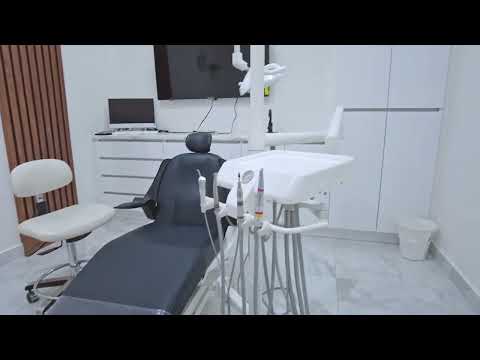
Dental clinics in Mexico have evolved into highly specialized hubs for international patients, particularly those seeking full mouth dental implants in Mexico vs Canada. The country's infrastructure is built around efficiency, affordability, and advanced technology. Top-tier clinics feature in-house dental laboratories equipped with CAD/CAM technology, allowing for faster fabrication of crowns and implant restorations.
Furthermore, Mexican dental professionals frequently undergo advanced training in the United States or Europe. They possess extensive expertise in complex bone grafting in Mexico, handling severe bone loss cases efficiently without passing exorbitant overhead costs down to the patient. The capability to provide all-inclusive care—where the maxillofacial surgeon, periodontist, and prosthodontist work under one roof—drastically reduces treatment timelines.
Canada Key Capabilities
The Canadian dental healthcare system is globally recognized for its strict regulatory standards, ensuring high clinical safety and hygiene protocols. Patients benefit from localized access to highly trained periodontists and oral surgeons. Dental implants and bone grafting procedures are performed using industry-leading biomaterials.
However, Canada's capabilities are heavily hindered by systemic bottlenecks. The separation of general dentistry and specialized surgical care requires multi-step referral processes. Additionally, because dental care falls largely outside Canada's universal healthcare system, the financial burden rests entirely on the patient. This structural divide is exactly what generates the heavily itemized billing systems, resulting in supplementary fees that price many average citizens out of essential restorative care.
Evaluating Your Options: Pros and Cons
Bone Grafting & Implants in Mexico
- ? Circumvent Exorbitant Fees: Completely bypass the $3,000 supplemental fees typical in Canadian clinics for bone grafting and sinus lifts.
- ? World-Class Materials: Access to globally recognized implant brands like Straumann and Nobel Biocare at a fraction of the cost.
- ? Rapid Treatment: Immediate access to specialists without waiting months for a referral.
- ? Dedicated Patient Coordinators: Seamless logistics including airport transfers, hotel accommodations, and translation services.
- ? Travel Logistics: Requires booking flights and taking time off for travel, usually necessitating two separate trips.
- ? Overwhelming Choices: The high volume of clinics means patients must thoroughly research to ensure they select certified, reputable providers.
Bone Grafting & Implants in Canada
- ? Geographic Convenience: Treatment is performed close to home, allowing for recovery in a familiar environment.
- ? Ease of Follow-Up: Routine check-ups and immediate assistance in case of post-surgical complications are easily accessible.
- ? Strict Domestic Regulation: Oversight by Canadian dental boards ensures uniform compliance with clinical safety standards.
- ? Prohibitive Costs: Extreme out-of-pocket expenses, including massive supplemental fees for necessary pre-implant procedures like bone grafts.
- ? Poor Insurance Coverage: Most Canadian private insurance plans offer minimal coverage for restorative implants and grafting.
- ? Prolonged Timelines: Long waiting periods between general dentist consultations, specialist referrals, and final crown placements.
Understanding the $3,000 Supplemental Fee for Bone Grafting in Canada
For a dental implant to be successful, it must be anchored into a strong, dense jawbone. When a patient loses a tooth, the underlying bone rapidly deteriorates. To safely place an implant, a bone grafting procedure is frequently required to rebuild the structural foundation.
In Canada, this essential medical necessity is heavily monetized. While the cost of a single implant might be quoted at $2,500 CAD, patients are routinely hit with an unexpected $1,500 to $3,000+ supplemental fee specifically for the bone graft. This exorbitant markup stems from the high cost of imported biomaterials, expensive domestic laboratory fees, massive clinic overheads, and the premium rates charged by specialized periodontists.
Conversely, dental implants in Mexico price structures operate differently. High-quality Mexican clinics import the exact same FDA-approved bone grafting biomaterials but benefit from significantly lower operational overhead, localized supply chain efficiencies, and streamlined clinical structures. Consequently, a bone graft that costs $3,000 in Toronto or Vancouver is routinely performed for $200 to $400 USD by a highly skilled maxillofacial surgeon in Mexico.
Authentic Patient Experiences: Canadians Choosing Mexico
David R., Toronto, ON
"My dentist in Toronto quoted me $18,000 for three implants, including a ridiculous $3,500 just for the bone grafts. I flew to Los Algodones, got the exact same Straumann implants and grafting done by a board-certified surgeon for under $6,000 total. The facility was pristine."
Sarah M., Vancouver, BC
"I was terrified of dental tourism, but the prices in BC gave me no choice. I found an incredible clinic in Cancun. They handled my severe bone loss with a sinus lift and graft perfectly. It felt more like a vacation than a major dental surgery."
Kevin L., Calgary, AB
"I needed full mouth dental implants. Canada wanted $60k+. I went to Tijuana, saved over 60%, and the 3D scanning tech they used was actually more modern than my local clinic in Calgary. Zero hidden fees."
Janet P., Ottawa, ON
"The communication was stellar. When I needed a bone graft, they explained the cost upfront—just $300. No surprises, no $3,000 supplemental bills in the mail. My implants have healed perfectly."
Comprehensive FAQ: Bone Grafting and Implants for Canadian Patients
1. Is it safe for a Canadian to get bone grafting and implants in Mexico?
Absolutely. Hundreds of thousands of Canadian and US patients travel to Mexico annually for dental care. By choosing internationally accredited clinics and board-certified maxillofacial surgeons, the standard of care matches or exceeds that found in North America.
2. How much does a dental implant with bone grafting cost in Mexico vs Canada?
In Canada, a single implant with a necessary bone graft can easily cost between $5,500 and $8,000 CAD. In Mexico, the total procedure utilizing the same premium materials ranges from $1,400 to $2,900 USD, representing savings of up to 70%.
3. Why do Canadian dentists charge a $3,000 supplemental fee for bone grafts?
Canadian dental fees are largely unregulated by the state and driven by high private practice overheads, mandatory usage of specific domestic labs, and the premium rates set by specialist periodontists performing the graft, resulting in heavily inflated itemized billing.
4. What type of bone graft material is used in Mexico?
Top dental clinics in Mexico use FDA-approved biomaterials, including allografts (human donor bone from certified US tissue banks), xenografts (bovine bone), and synthetic bone graft materials, identical to those used by Canadian periodontists.
5. Will my Canadian dental insurance cover bone grafting in Mexico?
Many Canadian private insurance plans will reimburse out-of-network international procedures, provided you submit the proper itemized invoices and x-rays translated into English. Always confirm with your provider prior to travel.
6. How long do I need to stay in Mexico for a bone graft and implant procedure?
Typically, you will need to make two trips. The first trip for extraction, bone grafting, and implant placement usually requires a stay of 3 to 5 days. After a healing period of 3 to 6 months, you return for 3 to 5 days for the final crown placement.
7. What happens if I need follow-up care after returning to Canada?
Reputable Mexican dental clinics offer warranties on their implants and restorations. Many have partnerships with dentists in major Canadian and US cities to assist with routine imaging or minor adjustments without requiring you to fly back.
8. Do Mexican dental clinic staff speak English?
Yes, clinics that cater to dental tourism in Mexico mandate that their leading dentists, surgeons, and patient coordinators are fully bilingual, ensuring clear medical communication regarding your bone graft and implants.
9. What is the success rate of dental implants placed in Mexico?
When performed by a qualified specialist using adequate bone grafting techniques, the success rate for dental implants in Mexico is approximately 95% to 98%, mirroring the highest global standards for implantology.
10. How do I choose the best dental clinic in Mexico?
Look for clinics that transparently display the credentials of their specialists, utilize in-house 3D CBCT scanning, offer clear pricing packages without hidden fees, and hold international certifications. Utilizing an established medical tourism facilitator can greatly simplify this vetting process.
Stop Paying Exorbitant Supplemental Dental Fees
You deserve a healthy, fully functional smile without draining your life savings. By choosing expertly vetted dental tourism in Mexico, Canadian patients can bypass massive financial hurdles and receive premier care. At PlacidWay, we specialize in connecting patients with top-tier, certified dental clinics in Mexico that specialize in complex bone grafting and implantology.
Our Care Team provides free, customized quotes, allowing you to clearly compare affordable dental implants in Mexico against prohibitive local costs. Take control of your dental health and finances today.








.jpg)








Share this listing