
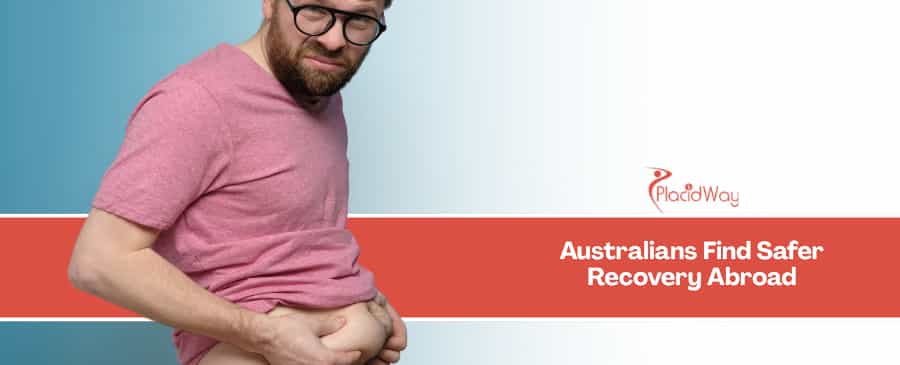
Choosing between a tummy tuck in Thailand and Turkey requires careful consideration of surgical quality, travel logistics, and overall costs. Both destinations offer premier medical tourism experiences for Australian patients, balancing world-class abdominoplasty procedures with luxurious aftercare facilities, but differ significantly in flight durations and package structures.
For Australian patients seeking to restore their abdominal profile after weight loss or pregnancy, the cost of an abdominoplasty at home can be prohibitively expensive, often exceeding $15,000 AUD. This financial reality has driven thousands of Australians to look overseas for safe, high-quality, and affordable alternatives. Currently, the two most prominent global hubs for cosmetic surgery are Thailand and Turkey. Both nations boast internationally accredited hospitals, board-certified surgeons, and extensive medical tourism infrastructures.
However, making an informed decision goes far beyond merely comparing the tummy tuck in Thailand price versus the tummy tuck in Turkey cost. Australian patients face unique logistical challenges, most notably the long-haul flights required to return home. Navigating the risks of deep vein thrombosis (DVT), evaluating the quality of aftercare facilities, and understanding international quality standards are critical steps in ensuring a safe and successful surgical journey. This comprehensive guide provides an unbiased, in-depth comparison to help you determine which destination aligns best with your health needs and travel preferences.
Abdominoplasty Comparison: Thailand vs Turkey
Core Strengths in Cosmetic Surgery: Key Capabilities
Thailand Key Capabilities
Thailand has been the pioneer of medical tourism in Asia for decades. Its primary capability lies in seamlessly merging high-end medical care with renowned hospitality. Facilities in Bangkok and Phuket are designed to resemble five-star hotels rather than clinical environments, significantly reducing patient anxiety. Thai surgeons are highly skilled in precision body contouring and scar management, catering heavily to the Australian demographic. Furthermore, the geographic proximity allows for shorter, direct flights from major Australian cities like Sydney, Melbourne, and Perth, which is a massive logistical advantage for post-operative recovery.
Turkey Key Capabilities
Turkey has rapidly emerged as a global powerhouse for plastic surgery, largely due to its massive investment in mega-hospitals and state-of-the-art surgical technologies in Istanbul and Antalya. Turkey's distinct capability is its highly efficient, high-volume all-inclusive package model. Clinics manage every aspect of the patient journey, from airport pick-up in VIP vehicles to accommodation in dedicated recovery hotels with 24/7 on-site nursing. Turkish surgeons are globally recognized for performing complex, multi-procedure surgeries, such as combining a tummy tuck with extensive 360-degree liposuction or breast lifts (mommy makeovers), at highly competitive price points.
Tummy Tuck in Thailand - Pros and Cons
Pros
- Proximity to Australia: A manageable 9 to 10-hour flight, often direct, drastically reducing travel fatigue and post-op DVT risks.
- World-Class Hospitality: Thai medical staff are renowned for their gentle, compassionate, and highly attentive bedside manner.
- Relaxing Recovery Environment: Patients can recover in beautiful, serene tropical environments, aiding mental and physical healing.
- Established Reputation: Decades of experience specifically treating Australian patients, meaning surgeons understand Western aesthetic goals perfectly.
Cons
- Slightly Higher Costs: While still much cheaper than Australia, Thailand is generally more expensive than Turkey.
- Climate Considerations: The high heat and humidity can be uncomfortable when wearing post-operative compression garments.
- Fragmented Packages: Patients often have to organize their own post-op hotel and local transport, as all-inclusive packages are less standard.
Tummy Tuck in Turkey - Pros and Cons
Pros
- Exceptional Affordability: The tummy tuck in Turkey cost is highly competitive, offering some of the best value globally without compromising on facility standards.
- All-Inclusive Convenience: Packages usually cover the surgery, hospital stay, luxury hotel, all medications, and private VIP transfers.
- Advanced Surgical Hubs: Access to ultra-modern hospitals equipped with the latest surgical technology and highly specialized European-trained surgeons.
- Dedicated Recovery Hotels: Accommodations designed specifically for medical tourists, featuring nursing stations and specialized menus.
Cons
- Long-Haul Travel: The flight back to Australia takes over 20 hours and involves layovers, which requires strict medical precautions post-surgery.
- Language Barriers: While clinic staff and surgeons speak English, navigating the city or communicating with hotel staff can occasionally be challenging.
- Overwhelming Choices: The sheer volume of clinics in Istanbul requires intense research to separate premier facilities from budget-tier options.
Ensuring Safe Post-Op Flights to Australia
One of the most critical factors for Australian patients undergoing a tummy tuck overseas is the return flight. Abdominoplasty is a major surgery that involves tightening the abdominal muscles and removing excess skin, which naturally restricts mobility and increases the risk of blood clots, specifically Deep Vein Thrombosis (DVT).
Thailand: The 9 to 10-hour flight to Australia is much more manageable. Surgeons in Thailand typically clear patients to fly home 10 to 14 days post-surgery, provided there are no complications. The availability of direct flights means you do not have to navigate stressful airport layovers while recovering.
Turkey: Flying back from Turkey takes upwards of 20 to 24 hours. Because of this extended duration and the changes in cabin pressure, Turkish surgeons implement rigorous DVT prevention protocols for Australian patients. This includes prescribing blood thinners (like Clexane) for the journey, providing medical-grade compression stockings, and advising a mandatory stay of at least 14 days before attempting to fly. It is highly recommended that Australian patients book premium economy or business class for the return leg from Turkey to allow for leg extension and regular walking in the aisles.
Aftercare Facilities and Recovery Experiences Compared
Proper aftercare is just as important as the surgery itself for achieving optimal aesthetic results and avoiding infections. The approach to aftercare facilities differs notably between the two countries.
In Thailand, the initial 2 to 3 days post-surgery are spent in a luxury private hospital room, where nurses monitor your vitals and manage surgical drains. Following discharge, patients typically move to an affiliated resort or hotel. Many top-tier Thai clinics offer "nurse-on-call" services, sending a registered nurse to your hotel room daily to clean incisions, change dressings, and administer medications. The tranquil environment of places like Phuket aids immensely in stress reduction.
In Turkey, the medical tourism industry has pioneered the concept of "Recovery Hotels." These are luxury hotels that have partnered exclusively with clinics. Entire floors are dedicated to surgical patients, featuring 24/7 nursing stations, customized soft-diet room service, lymphatic drainage massage therapists on-site, and beds adjusted for post-tummy tuck sleeping positions (the "V" position). This closed-loop system ensures that patients are never far from medical assistance during their crucial first week of healing.
Quality Standards and Accreditations for Australian Patients
Australians are accustomed to the high safety standards enforced by the Australian Health Practitioner Regulation Agency (AHPRA). When traveling abroad, it is vital to seek out equivalent international standards to ensure safety.
Both Thailand and Turkey boast a high number of JCI (Joint Commission International) accredited hospitals. JCI is the global gold standard in healthcare, ensuring strict protocols for infection control, anesthesia administration, and emergency response.
When selecting a surgeon, Australian patients should look for membership in the International Society of Aesthetic Plastic Surgery (ISAPS). In Thailand, top surgeons are recognized by the Society of Plastic and Reconstructive Surgeons of Thailand (ThPRS). In Turkey, look for surgeons certified by the Turkish Society of Plastic Reconstructive and Aesthetic Surgeons (TSAPS) and the European Board of Plastic Reconstructive and Aesthetic Surgery (EBOPRAS). Verifying these credentials guarantees that the surgeon has undergone rigorous, globally recognized training comparable to Australian standards.
Patient Experiences: Authentic Reviews from Australians
Sarah, Sydney
Treated in Thailand"I chose Thailand for my tummy tuck because the 9-hour direct flight back to Sydney felt much safer. The hospital in Bangkok was like a five-star hotel. The nurses visited my hotel every day to check my drains. I felt completely supported, and the results are incredible."
Mark, Melbourne
Treated in Turkey"After massive weight loss, I needed a complex extended tummy tuck. Turkey offered the best expertise at half the cost of Melbourne surgeons. The all-inclusive package took away all the stress. The long flight home was tough, but I took blood thinners and walked the aisles regularly."
Emma, Brisbane
Treated in Thailand"The care I received in Phuket was outstanding. I combined my tummy tuck recovery with a quiet resort stay. The humidity was a bit annoying with the compression garment, but being so close to home gave me tremendous peace of mind. Highly recommend it to fellow Aussies."
Chloe, Perth
Treated in Turkey"The recovery hotel in Istanbul was phenomenal. Having nurses on my floor 24/7 made me feel incredibly safe after my abdominoplasty. The surgeon was an absolute perfectionist. Upgrading to business class for the flight back to Perth was the best decision I made for my recovery."
Comprehensive FAQ Section
1. Is a tummy tuck in Thailand or Turkey safe for Australian patients?
Yes, both destinations are highly safe if you choose JCI-accredited facilities and ISAPS-certified surgeons. The medical standards in the top-tier clinics rival those in Australia, utilizing state-of-the-art technology and rigorous hygiene protocols.
2. How much does a tummy tuck in Thailand cost compared to Turkey?
A tummy tuck in Thailand price typically ranges from $4,500 to $6,500 USD. In contrast, the tummy tuck in Turkey cost is generally lower, ranging from $3,000 to $5,000 USD, often including accommodation and local transfers.
3. How soon can I fly back to Australia after abdominoplasty?
Surgeons in both countries strongly recommend a minimum stay of 10 to 14 days post-surgery. This period allows for drain removal, initial wound healing, and a post-operative clearance assessment before undertaking a long-haul flight.
4. How do I prevent DVT on the flight home?
To ensure safe post-op flights after a tummy tuck, you must wear medical-grade compression stockings, take prescribed blood thinners, stay highly hydrated, and get up to walk the cabin aisles every 1 to 2 hours to promote circulation.
5. Do surgeons in these countries speak English?
Yes. In internationally focused hospitals in Thailand and Turkey, surgeons and key medical staff are fluent in English. In Turkey, clinics also provide dedicated translators who stay with you throughout consultations and procedures to ensure zero miscommunication.
6. What is included in an all-inclusive tummy tuck package?
All-inclusive packages, most common in Turkey, typically cover the surgical fees, anesthesia, hospital stay (1-2 nights), luxury hotel accommodation (7-10 nights), VIP airport/clinic transfers, pre-op tests, post-op garments, and all medications.
7. Are aftercare facilities equipped for surgical complications?
Yes. High-quality aftercare facilities for plastic surgery abroad are closely linked to the operating hospitals. Turkish recovery hotels have on-site nurses who can immediately contact your surgeon, while Thai clinics provide direct 24/7 emergency hotlines and rapid hospital transport if required.
8. How do I verify the credentials of my plastic surgeon?
You can verify credentials by checking the official databases of ISAPS (International Society of Aesthetic Plastic Surgery), looking for JCI hospital affiliations, and checking their registration with local boards like ThPRS (Thailand) or TSAPS (Turkey).
9. Will Medicare or private Australian health insurance cover this?
Generally, no. Medicare and Australian private health funds do not cover elective cosmetic surgeries performed overseas. However, you should purchase specialized medical travel insurance that covers complications arising from elective procedures abroad.
10. What happens if I need revision surgery after returning home?
Reputable clinics in both Thailand and Turkey offer warranties or guarantees. If a revision is medically necessary due to a surgical fault, they will often perform the revision surgery for free, though you will need to cover the travel costs back to the destination.
Ready to Take the Next Step in Your Transformation?
Making the decision to travel overseas for a tummy tuck is a life-changing choice. Whether you prefer the tropical, resort-like recovery of Thailand or the highly efficient, ultra-modern all-inclusive packages of Turkey, ensuring your safety and quality of care is paramount. At PlacidWay, we specialize in connecting Australian patients with world-class, pre-vetted, and internationally accredited plastic surgery centers.
Our dedicated Care Team is ready to provide you with a free, no-obligation consultation. We will help you navigate surgeon credentials, understand transparent pricing, arrange your logistics, and answer every question you have about achieving your aesthetic goals safely.







.jpg)
.png)
.png)
.png)


.jpg)
.jpg)
.jpg)
.jpg)









Share this listing