


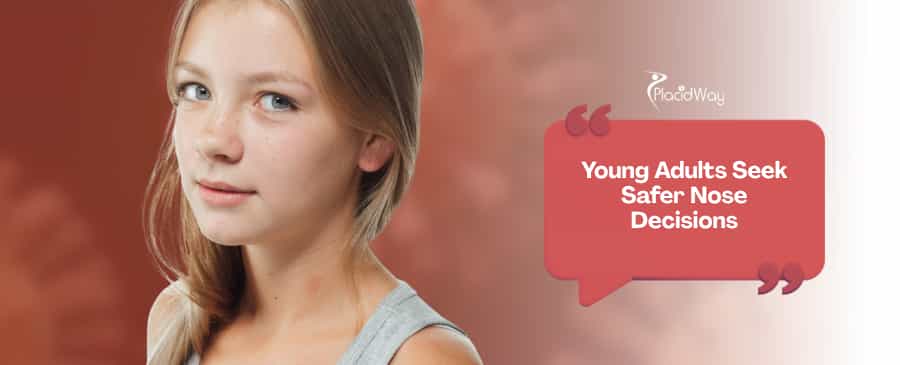
For many young adults in the United States, achieving facial harmony and boosting self-confidence through rhinoplasty is a major life goal. However, the staggering prices of cosmetic surgery north of the border often place this dream out of reach. This reality has fueled a massive surge in cross-border healthcare, making medical tourism in Mexico an incredibly popular and viable alternative. Just a short drive from San Diego, Tijuana has emerged as a premier hub for world-class, affordable cosmetic procedures.
But while the promise of a beautiful new profile at a fraction of the cost is enticing, traveling abroad for surgery requires careful planning, research, and critical thinking. Your face is your identity, and choosing the right medical path is not a decision to be taken lightly. Before you pack your bags and book your procedure, you need to know exactly what to look for, what questions to ask, and how to safeguard your health and results.
If you are considering a rhinoplasty in Tijuana, Mexico, preparation is your best asset. Here are the seven critical things you must ask to ensure a safe, successful, and transformative experience.
1. Are the Surgeon’s Credentials Equivalent to International Board Standards?
The single most important factor in the success of your nose job is the skill and expertise of your surgeon. When traveling outside the United States, you must understand how medical qualifications are structured in your destination country. You cannot simply assume that every practitioner holding a scalpel is legally or ethically qualified to perform complex facial plastic surgery.
In Mexico, legitimate plastic surgeons must undergo rigorous training comparable to US standards. After completing medical school and a general surgery residency, they must complete a specialized residency in plastic and reconstructive surgery. However, the ultimate benchmark of quality is board certification. You need to ask if your prospective rhinoplasty specialist in Tijuana, Mexico, is certified by the Consejo Mexicano de Cirugía Plástica, Estética y Reconstructiva (CMCPER). This is the equivalent of the American Board of Plastic Surgery.
Furthermore, many top-tier surgeons in Tijuana maintain international affiliations, such as memberships with the American Society of Plastic Surgeons (ASPS) or the International Society of Aesthetic Plastic Surgery (ISAPS). Asking about these affiliations provides an extra layer of reassurance.
Expert Insight: Do not be afraid to ask a surgeon for their medical license number (Cédula Profesional) and their specific board certification number. A reputable medical provider will be transparent and proud to share their credentials with you.
Key Questions to Ask the Surgeon:
- Are you board-certified by the CMCPER?
- How many rhinoplasty procedures do you perform annually?
- Do you specialize solely in facial plastics, or do you perform full-body surgeries?
2. What is Included in the Total Rhinoplasty Cost in Tijuana, Mexico?
One of the primary reasons young adults look across the border is the dramatic cost savings. However, a low advertised price can sometimes be deceiving if it does not cover the entirety of your medical experience. To avoid unexpected financial surprises, you must demand a comprehensive, itemized quote.
The average rhinoplasty cost in Tijuana Mexico is typically between 40% to 60% lower than in cities like Los Angeles, New York, or Miami. However, you need to know exactly what that fee encompasses. Does it cover just the surgeon's fee, or does it include the operating room, anesthesia, and post-operative medications? What about pre-surgical bloodwork, cardiac evaluations, or overnight hospital stays?
Transparent pricing is a hallmark of a trustworthy clinic. Many top rhinoplasty clinics in Tijuana, Mexico, offer all-inclusive medical tourism packages that even cover ground transportation from the San Diego airport and hotel accommodations for your recovery period.
| Cost Component | Average US Cost | Average Tijuana Cost |
|---|---|---|
| Surgeon's Fee | $6,000 - $12,000 | $2,500 - $4,000 |
| Anesthesia & Facility | $2,000 - $4,000 | Included in package |
| Pre-op Tests & Meds | $500 - $1,000 | Included in package |
| Estimated Total | $8,500 - $17,000+ | $3,000 - $5,500 |
Did you know? The significantly lower cost of healthcare in Mexico is not due to a lack of quality, but rather the lower cost of living, reduced real estate overhead for clinics, and different medical malpractice insurance structures compared to the US.
3. Which Surgical Technique Will Best Suit My Facial Structure?
Rhinoplasty is arguably the most complex and nuanced cosmetic procedure. Because young adults are still defining their personal aesthetic, it is vital to have a thorough discussion about surgical techniques. A nose job is never one-size-fits-all, and understanding the surgical approach helps set realistic expectations.
You should ask your surgeon whether they recommend an open or closed rhinoplasty.
- Open Rhinoplasty: Involves a small incision across the columella (the tissue between the nostrils). This gives the surgeon complete visibility and control over the nasal structure, making it ideal for complex reshaping, fixing severe asymmetry, or revision surgeries.
- Closed Rhinoplasty: All incisions are made inside the nostrils, meaning there is no visible external scarring. This technique typically offers a faster recovery and less swelling, but it is generally reserved for more minor adjustments, such as shaving down a dorsal hump.
Additionally, inquire about modern advancements like Ultrasonic (Piezo) Rhinoplasty. This technique uses high-frequency ultrasound waves to sculpt the nasal bones precisely without damaging surrounding soft tissue, leading to significantly less bruising and faster healing times.
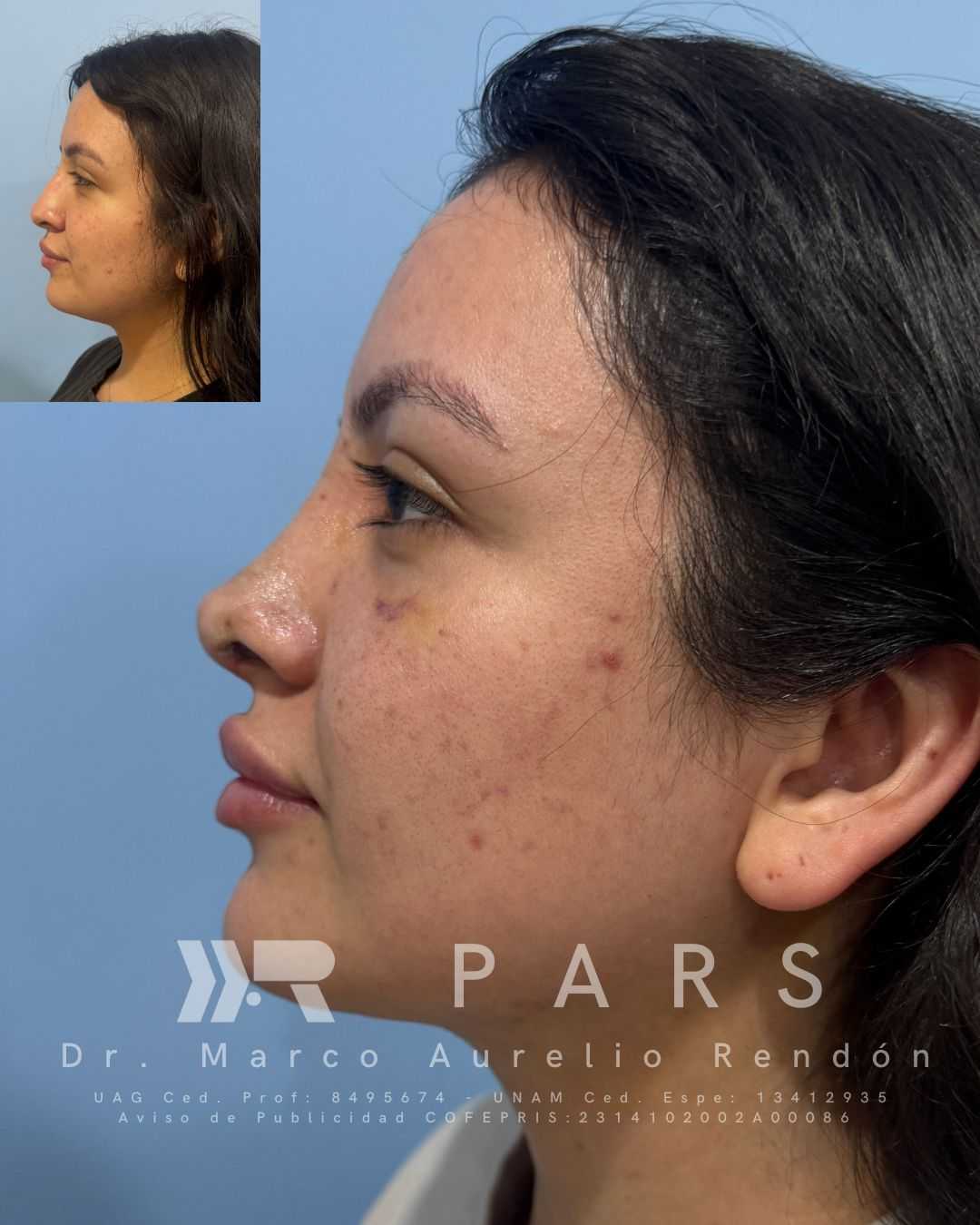
If you belong to a specific ethnic group, it is also crucial to ask about ethnic rhinoplasty. Preserving your unique cultural identity while enhancing facial harmony requires a specialized skill set. Ensure your chosen surgeon has a robust portfolio of before-and-after photos of patients with similar nasal structures and skin thickness to yours.
4. What Are the Standards of the Medical Facility?
A brilliant surgeon still needs a state-of-the-art environment to operate safely. When planning your medical tourism in Mexico, evaluating the clinic or hospital facility is just as important as evaluating the doctor.
You should ask whether the surgery will take place in a fully equipped hospital or an outpatient surgical center. If it is an outpatient center, is it properly certified? In Mexico, top facilities seek accreditation from the Consejo de Salubridad General (CSG), which is the national healthcare accreditation body. Even better, some elite facilities hold accreditation from the Joint Commission International (JCI), the gold standard for global healthcare quality.
Inquire about the technology available at the clinic. Do they offer 3D facial imaging during your consultation? This technology allows you to see a digital simulation of your expected results, ensuring that you and the surgeon share the exact same aesthetic vision before you ever step foot into the operating room.
Interesting Fact: Many purpose-built cosmetic surgery centers in Tijuana are newer and feature more advanced, modern aesthetic technology than some older outpatient centers in the US, explicitly designed to cater to international medical tourists.
5. What Are the Safety, Anesthesia, and Emergency Protocols?
As a young adult, you might feel invincible, but surgery always carries inherent risks. Asking direct, tough questions about safety protocols is non-negotiable.
First, discuss anesthesia. Will you be placed under general anesthesia or local anesthesia with IV sedation (twilight sleep)? More importantly, you must ask who is administering it. Ensure that a board-certified anesthesiologist—not a nurse anesthetist or a general practitioner—will be present to monitor your vitals throughout the entire procedure.
Second, inquire about emergency preparedness. Even in standard cosmetic procedures, complications like adverse anesthesia reactions can occur. You need to know that the facility is equipped to handle emergencies. Ask if the clinic has an Intensive Care Unit (ICU) on-site or an immediate transfer agreement with a nearby major hospital. Knowing that a robust backup plan is in place provides immense peace of mind.
Safety Checklist to Review:
- Is the anesthesiologist board-certified?
- Is there a crash cart and emergency life-support equipment in the OR?
- What is the exact protocol if an unexpected medical emergency arises?
6. How Will the Pre-Operative and Post-Operative Care Be Handled?
A rhinoplasty is not just a single event; it is a journey that begins weeks before the surgery and continues for months afterward. Because you are traveling internationally, understanding the logistics of your pre- and post-operative care is vital.
Before you travel, you should be able to have comprehensive virtual consultations. Ask how pre-operative instructions will be communicated. You will likely need to stop taking certain supplements or medications (like NSAIDs) that can increase bleeding risks.
Post-operative care is where cross-border logistics truly come into play. A typical rhinoplasty recovery requires you to wear a nasal splint for about a week. You must ask the clinic how long they require you to stay in Tijuana before you are cleared to travel home. Most top rhinoplasty clinics in Tijuana, Mexico, recommend staying locally for 5 to 7 days so the surgeon can personally remove your splints, check your healing progress, and ensure there is no risk of infection.
Furthermore, ask about long-term follow-up. Since you will be back in the US while your nose continues to heal and settle (a process that can take up to a full year), how will you communicate with your surgeon? Top providers will set up scheduled telemedicine check-ins to monitor your progress and answer any questions you have during your recovery.
Expert Insight: Swelling after a rhinoplasty is completely normal. The majority of the swelling subsides within the first month, but the final, refined shape of your nose—especially the tip—may take 12 to 18 months to fully reveal itself. Patience is key.
7. How Do Travel Logistics Impact My Surgery and Recovery?
Traveling for surgery requires coordinating your physical recovery with the realities of international travel. Tijuana is unique in medical tourism because it sits directly on the US border, meaning you have the option to fly into San Diego and cross by land.
You need to ask about the specific logistics of your border crossing. The US-Mexico border at San Ysidro is one of the busiest in the world. Waiting in a car for hours after having facial surgery is not ideal. Fortunately, many reputable clinics provide a Medical Lane Pass (FastLane pass), which drastically reduces border wait times for medical tourists returning to the US. Make sure to ask if this is included in your package.
If you are flying back to your home state from San Diego, you must ask your surgeon when it is safe to fly. Cabin pressure changes in airplanes can cause severe discomfort, increased swelling, and even bleeding in freshly operated nasal passages. Generally, surgeons advise waiting at least 7 to 10 days post-surgery before boarding a flight. You must factor this hotel stay into your budget and time off from work or school.
Travel Preparation Tips:
- Passport: Ensure your passport is valid for at least six months beyond your travel dates.
- Companion: Arrange for a trusted friend or family member to travel with you. You will need assistance carrying luggage and navigating transit while recovering.
- Comfort: Bring a travel neck pillow to keep your head elevated while sleeping in the hotel and during your journey home.
Ready to Transform Your Profile with Confidence?
Navigating the world of medical tourism can feel overwhelming, especially when it comes to your face. You don't have to make these critical decisions alone. PlacidWay is your trusted partner in coordinating safe, high-quality, and affordable medical travel.
We do the heavy lifting for you—rigorously vetting clinics, verifying international credentials, and connecting you exclusively with top-tier, board-certified specialists in Tijuana. From securing transparent, all-inclusive pricing to arranging your travel logistics and providing dedicated ongoing support, PlacidWay ensures your rhinoplasty journey is seamless from the first consultation to your final results.



.png)
.png)
.png)
.png)
.png)








Share this listing