

Let’s be completely honest: your nose is the center of attention, whether you want it to be or not, dictating your profile and playing a starring role in every selfie or video call you will ever take. If you have spent years mastering the fine art of finding the "perfect angle" just to hide a dorsal hump, or if you struggle to pull a full breath of air through a severely deviated septum, you are certainly not alone in wanting a change. Millions of people look in the mirror every morning and wonder what life would be like if their outer appearance finally matched the quiet confidence they feel on the inside.
This comprehensive rhinoplasty surgery package in Tijuana, Mexico, is designed as a streamlined, start-to-finish solution for patients seeking high-quality nasal contouring or functional airway correction just across the US-Mexico border. It is ideally suited for healthy adults looking to refine the size, shape, or angle of their nose in a globally recognized hub for medical tourism that offers state-of-the-art surgical facilities just minutes away from San Diego. The package covers the major pillars of your surgical journey, including your pre-operative consultations, the rhinoplasty procedure itself, anesthesia, and basic facility fees.
With starting prices at approximately $4,200, this package offers a transparent, high-value alternative to the unpredictable medical pricing often found elsewhere, while requiring an expected stay of about 6 to 8 days to ensure safe initial recovery. Please keep in mind that every nose is as unique as a fingerprint; therefore, your definitive eligibility for surgery and your final, exact pricing will be determined only after a thorough medical assessment by a board-certified surgeon. If you are ready to stop hiding behind camera filters and start breathing a little easier, this pathway provides the structural support you need to make an informed decision.
Estimated Rhinoplasty Surgery Package Pricing
When planning international medical travel, financial transparency is just as critical as clinical safety. The pricing outlined below represents an estimated starting cost for a standard, primary rhinoplasty. Because facial anatomy, cartilage integrity, and surgical complexity vary dramatically from patient to patient, your final package price may change upon clinical review. Revision rhinoplasty (correcting a previous surgery performed by another doctor) or complex functional septorhinoplasty will always require a customized, individualized quote based on your specific medical needs.
*Note: The stated price is a baseline estimate. Final costs are provided in writing following a comprehensive review of your medical records and clinical photographs by the surgical team.
What is Included in Your Rhinoplasty Surgery Package?
We believe that utter transparency is the ultimate foundation of trust, particularly when you are traveling across borders for healthcare. When you secure this standard package, the following essential clinical services and logistical supports are bundled into your quoted price to ensure a smooth, strictly regulated, and stress-free medical experience:
- Surgical Consultation: Your comprehensive, in-person pre-operative evaluation with the board-certified facial plastic surgeon to finalize your surgical plan, discuss aesthetic goals, and perform a physical examination of your internal nasal structures.
- The Rhinoplasty Procedure: The complete surgical intervention—whether utilizing an open or closed technique as determined by your surgeon—performed in an internationally accredited, state-of-the-art surgical theater.
- Anesthesia Services: The administration and rigorous monitoring of general anesthesia or deep intravenous sedation by a fully licensed and experienced anesthesiologist throughout the duration of your surgery.
- Operating Room Fees: All overhead costs associated with the use of the surgical facility, advanced medical equipment, sterilization protocols, and the dedicated nursing staff assisting during your procedure.
- Standard Medical Supplies: All necessary intra-operative and immediate post-operative materials, including highly specialized sutures, custom-fitted external nasal splints, internal splints or packing materials (if medically required), and immediate post-operative wound dressings.
- Post-Operative Consultations: Your strictly scheduled follow-up visits with the medical team, most importantly including the crucial final appointment for cast, splint, and external suture removal before you are cleared to travel home.
- Ground Transportation: Dedicated, secure shuttle services designed to bridge the logistical gap between the San Diego International Airport (or designated border crossing), your approved recovery hotel in Tijuana, and all scheduled appointments at the medical clinic.
What is Not Included (Exclusions) in Rhinoplasty Surgery Package?
To prevent unexpected out-of-pocket expenses and ensure you can budget for your entire medical journey accurately, it is equally important to know what falls outside the umbrella of this specific package. The following items and services are your direct responsibility and are explicitly not covered by the starting price:
- Airfare and Travel Expenses: Round-trip flights from your home city to San Diego, California, or Tijuana, Mexico, as well as baggage fees and travel meals, are entirely your financial responsibility.
- Hotel Accommodations: Unless you have explicitly opted into a premium, all-inclusive package tier that states otherwise, your nightly hotel stays in Tijuana for yourself and any travel companions are not included in this baseline surgical price.
- Take-Home Medications: Prescriptions required for your hotel recovery and return home—such as broad-spectrum antibiotics, pain management medications, anti-nausea drugs, and saline sprays—will need to be purchased separately at a local pharmacy following your surgery.
- Pre-Surgical Lab Work: The requisite blood tests, electrocardiograms (EKGs), or chest X-rays needed for medical and anesthesia clearance must be completed and paid for out-of-pocket, typically in your home country prior to arrival.
- Complex Grafts and Revisions: If your surgery is exceptionally complex—such as requiring cartilage to be harvested from your rib (costal cartilage) or ear (auricular cartilage) to rebuild the nasal structure, or if you are undergoing a revision of a past surgery—expect significant additional surgical fees due to the extended operating time and expertise required.
- Medical Travel Insurance: Policies designed to cover unforeseen trip cancellations, travel delays, or unexpected medical complications abroad must be researched and secured independently by the patient.
Are You a Good Candidate for Rhinoplasty Surgery?
Rhinoplasty is widely considered the most complex, nuanced, and highly personalized procedure in the realm of plastic surgery; it is absolutely not a one-size-fits-all endeavor. A successful, long-lasting outcome depends just as much on your physical biology and mental preparation as it does on the operating surgeon's technical skill. You may potentially be considered an excellent candidate for this procedure if you align closely with the following criteria:
- Fully Developed Facial Anatomy: Your skeletal and cartilage facial growth must be complete. This developmental milestone typically occurs around age 16 for females and age 18 for males. Operating prematurely on a developing face risks having the surgical results altered or ruined by subsequent bone growth in the late teens.
- Psychological Readiness and Realistic Expectations: You understand that the fundamental goal of rhinoplasty is measurable aesthetic improvement and functional correction, not flawless, symmetrical perfection. You are seeking a nose that harmonizes organically with your unique facial features (chin projection, forehead slope, face width), rather than attempting to copy and paste a celebrity's nose onto your face, which often yields unnatural results.
- Robust Physical Health: You are in good overall systemic health. You do not suffer from severe underlying medical conditions such as uncontrolled high blood pressure, active autoimmune diseases, unmanaged diabetes, bleeding disorders, or severe cardiovascular disease that would render elective general anesthesia an unacceptable risk.
- Strict Non-Smoker Status: You are either a committed non-smoker, or you are entirely willing and able to completely cease smoking and all forms of nicotine consumption (including vaping, chewing tobacco, and nicotine patches) for a minimum of four weeks prior to surgery and four weeks after. Nicotine acts as a powerful vasoconstrictor, severely restricting vital blood flow to the skin of the nose, which can lead to disastrous healing complications, delayed recovery, and catastrophic tissue death (necrosis).
- Clear, Identifiable Concerns: You can easily articulate specific aesthetic concerns (such as a prominent dorsal hump on the bridge, a bulbous, drooping, or boxy tip, overly wide nostrils, or severe asymmetry) or functional medical issues (such as a severely deviated septum causing chronic, unyielding breathing obstruction) that a surgeon can realistically address through structural modification.
Required Medical Records for Rhinoplasty Surgery Assessment
Because you are traveling internationally for this life-changing procedure, the clinical team needs to conclusively verify your safety, anatomical candidacy, and surgical requirements before you ever pack a suitcase. To facilitate an accurate preliminary medical assessment and allow the surgeon to formulate a customized surgical plan and accurate quote, you will normally be required to submit the following records:
- High-Quality, Standardized Clinical Photographs: The surgeon cannot evaluate what they cannot clearly see. You must provide clear, well-lit, in-focus photographs of your face taken against a solid, neutral background with your hair pulled back. The required angles typically include: a straight-on anterior (front) view, a precise 90-degree lateral (profile) view of both the left and right sides, a 45-degree oblique (angled) view of both sides, and a basal ("worm's eye") view looking directly up your nostrils from below to assess tip projection and nostril symmetry.
- Comprehensive Medical and Surgical History: A fully completed, highly detailed medical questionnaire chronicling your past surgeries, chronic illnesses, known allergies (paying special attention to medications, anesthetics, or latex), and any history of recreational substance use. Complete honesty here is a matter of life and death during anesthesia.
- Current, Exhaustive Medication List: A complete inventory of every single prescription drug, over-the-counter medication, herbal supplement, and daily vitamin you are currently ingesting. Seemingly harmless supplements like fish oil, garlic extract, Ginkgo Biloba, high-dose Vitamin E, and NSAIDs (like Ibuprofen) dramatically increase intra-operative bleeding risks and must be disclosed and paused prior to surgery.
- Previous Operative Reports (Crucial for Revisions): If you have sustained any previous major physical trauma to your nose (like a sports fracture) or have undergone any prior nasal surgeries (including standard septoplasty, sinus surgery, or previous cosmetic rhinoplasty), the surgeon will require the official operative notes from those specific procedures. These notes explain what internal structural support was removed, allowing the current surgeon to anticipate internal scar tissue and altered anatomy.
- Recent, Validated Blood Work: Standard pre-operative laboratory panels—most commonly including a Complete Blood Count (CBC), a Comprehensive Metabolic Panel (CMP), and a Coagulation Panel (PT/PTT) to check blood clotting times—performed within 30 days of your scheduled surgery date to ensure physiological fitness for surgery.
Understanding the Rhinoplasty Surgery
Rhinoplasty represents the intersection of exacting medical science and structural art. It is widely acknowledged within the medical community as the most challenging procedure in facial plastic surgery because the nose is a highly complex, three-dimensional structure composed of dense bone in the upper third, varying types of softer cartilage in the lower two-thirds, and an envelope of skin varying in thickness. Altering a single millimeter of this framework almost invariably impacts the tension and appearance of the surrounding structures.
In plain language, the surgical process typically begins with the precise administration of general anesthesia, ensuring you are completely asleep, pain-free, and unaware of the surgery. Based on your anatomical needs, the surgeon will utilize one of two primary surgical techniques: a "closed" (endonasal) approach or an "open" (external) approach.
In a closed rhinoplasty, every single incision is made on the inside lining of the nostrils. The undeniable benefit is that there is zero visible external scarring, and tissue swelling is generally less severe. However, it significantly limits the surgeon's direct visibility of the underlying cartilage and bone. Conversely, in an open rhinoplasty, a small, meticulously placed incision is made across the columella—the narrow, fleshy strip of tissue separating your two nostrils. This trans-columellar incision allows the surgeon to gently lift the skin envelope off the nose entirely, providing an unobstructed, microscopic view of the internal framework. This approach is heavily favored for complex tip work, severe asymmetry, and revision surgeries.
Once the structural framework is exposed, the transformative work begins. If your primary goal is the reduction of a prominent dorsal hump, the surgeon will utilize specialized rasps or ultrasonic devices (piezoelectric instruments) to carefully file down excess bone and meticulously trim the associated upper lateral cartilage. If the bony bridge of the nose is too wide or needs to be narrowed after hump removal, the surgeon will perform osteotomies—carefully creating highly controlled micro-fractures in the nasal bones to reposition them closer together.
To refine a bulbous, drooping, or asymmetrical tip, the lower alar cartilages are conservatively trimmed, meticulously sculpted, and stitched together into a sharper, more defined shape. In a vast majority of modern rhinoplasties, cartilage grafts must be strategically added to provide vital structural support, prevent nasal collapse over decades of aging, or improve the overall contour and projection. This necessary donor cartilage is most frequently harvested from your own septum (the cartilaginous wall dividing the inside of your nose), but occasionally requires harvesting from the bowl of the ear or, in severe cases, the rib.
If you suffer from functional breathing issues, the surgeon will perform a septoplasty simultaneously. They will correct the deviation in the septum and may perform a turbinate reduction (shrinking the internal structures that clean and humidify air) to drastically open up your restricted nasal airways. Finally, once the underlying structure is structurally sound and aesthetically perfected, the skin and soft tissue are redraped over the new framework. The incisions are meticulously closed with fine, often dissolvable sutures. A protective external splint or cast is applied to maintain the new bony shape and control massive swelling, and silicone internal splints might be temporarily placed inside the nostrils to support a newly straightened septum.
Your Rhinoplasty Surgery Timeline
Knowing exactly what to expect on a sequential, day-to-day basis drastically reduces the inevitable travel anxiety associated with medical tourism. Here is a highly detailed, step-by-step timeline detailing how your medical journey to Tijuana will unfold, beginning weeks before you travel and concluding long after you have returned to your normal life.
Phase 1: Preparation and Optimization (2 to 4 Weeks Prior)
This phase is entirely focused on physiological optimization and logistical planning. After your remote consultation and official medical clearance, you will be instructed to immediately halt the use of aspirin, ibuprofen, specific herbal vitamins, and any blood-thinning medications to minimize dangerous surgical bleeding. Smokers must enforce a strict, zero-tolerance policy on all nicotine products. During this window, you will book your flights to San Diego, finalize your hotel reservations in Tijuana, and mentally prepare for the recovery period.
Phase 2: Arrival and Pre-Operative Consultation (Day 1)
You will fly into San Diego International Airport or arrive at the designated pedestrian border crossing, where the clinic's vetted driver will greet you and safely transport you across the border into Tijuana. After checking into your hotel to drop off your luggage, you will head directly to the clinic for your crucial, face-to-face consultation. The surgeon will physically examine your nasal cavity, review your digital imaging and goals one last time, finalize the exact surgical blueprint, and answer any lingering, last-minute questions. You will sign informed consent documents and then begin fasting from midnight onward.
Phase 3: Surgery Day (Day 2)
You will arrive at the medical center early in the morning. After meeting with the anesthesiologist to discuss your sedation, you will be prepped for surgery. The rhinoplasty procedure itself typically takes between 2 to 4 hours, depending entirely on the anatomical complexity of your case. You will wake up groggy in a dedicated recovery room with a firm cast on your nose and a gauze drip pad taped beneath your nostrils. Once the medical team determines your vital signs are stable, you are alert, and your pain is managed, you will be discharged to your hotel to rest, usually accompanied by a travel companion or a locally arranged private nurse.
Phase 4: Acute Recovery in Tijuana (Days 3 to 6)
These are your designated, non-negotiable rest days. You will experience the absolute peak of facial swelling and periorbital bruising (bruising around the eyes), often resulting in a mild "raccoon" appearance that looks significantly worse than it feels. You will be required to sleep with your head substantially elevated on multiple pillows to minimize throbbing pain and reduce edema. During these days, your only job is strictly resting at your hotel, eating a low-sodium diet of soft foods, vigorously avoiding blowing your nose, and taking your prescribed antibiotics and pain medications on a rigid schedule.
Phase 5: Splint Removal and Departure (Day 7 or 8)
You will return to the medical clinic for your highly anticipated post-operative check-up. The surgeon will gently remove the external protective cast, any external sutures located on the columella, and any silicone internal splints. While your nose will still appear incredibly swollen and lack ultimate definition, you will catch the very first, exciting glimpse of your new profile. Once the surgeon evaluates your healing and gives you official medical travel clearance, you will be transported back to the airport or border to begin your journey home.
Phase 6: Long-Term Maturation (Months 1 to 12+)
Healing from rhinoplasty is notoriously a marathon, not a sprint. You will engage in scheduled virtual follow-up appointments with your clinical team at specified intervals (usually at 1 month, 3 months, 6 months, and 1 year). During this prolonged period, the stubborn micro-swelling will slowly, gradually dissipate, eventually revealing the final, highly refined shape of your nose as the skin shrinks to tightly fit the new skeletal framework.
Length of Stay for Rhinoplasty Surgery in Tijuana
Patients are strongly advised and medically required to plan for a minimum continuous stay of 6 to 8 days in Tijuana. It is absolutely critical to understand that you cannot step onto an airplane immediately after major nasal surgery. Commercial aircraft cabins undergo significant changes in atmospheric pressure during ascent and descent; this barometric pressure shift can cause severe, uncontrollable bleeding in the fragile, freshly operated nasal tissues, alongside excruciating sinus pain. The exact duration of your stay is not merely a polite suggestion from the clinic; it is a rigid medical necessity. Final travel clearance depends entirely on the treating physician’s assessment of your individual healing progress, the safe removal of your cast, and the strict absence of immediate post-operative complications. Rushing back home prematurely puts your aesthetic results and your physical health at serious risk.
The Reality of Recovery and Aftercare for Rhinoplasty Surgery
Understanding the rhinoplasty recovery process in distinct stages is essential for maintaining your peace of mind and preventing unnecessary panic. Recovering from a nose job tests your mental patience far more than it tests your physical pain tolerance. Most patients describe the immediate aftermath as feeling heavily congested, similar to battling a severe head cold or sinus infection, rather than experiencing acute, sharp pain.
- The First 48 Hours: Expect light to moderate continuous bleeding and mucous drainage from the nose; you will need to actively change the gauze "drip pad" taped beneath your nose frequently. Your entire face will feel puffy, tight, and heavy. Bruising around the eyes will begin to rapidly develop and darken into deep purples and blues. Strict bed rest with your head continuously elevated above your heart is mandatory. Because your nose is blocked by swelling and splints, you must breathe entirely through your mouth, which will cause a severely dry, scratchy throat, so keep water and lozenges nearby.
- The First Week: The facial bruising typically peaks around day three and then begins to change colors (fading from purple to green to yellow) as your body reabsorbs the blood. The external cast will feel tight, restrictive, and occasionally itchy as the underlying swelling fluctuates throughout the day. You must relentlessly avoid strenuous activity, bending over at the waist, lifting anything heavier than a small laptop, or wearing tight pull-over clothing that could snag the cast. You cannot blow your nose or aggressively sniff under any circumstances, as this can burst delicate internal stitches.
- Weeks 2 to 4: The cast is officially off, and the majority of the obvious, "socially unacceptable" bruising will have faded, though you may still need a little makeup concealer. Most patients comfortably return to desk work, school, or non-strenuous jobs. The nose will appear visibly swollen, puffy, and wide, particularly at the nasal tip, and may feel unusually stiff or entirely numb to the touch. You can slowly resume light cardiovascular exercise (like brisk, low-impact walking) strictly upon your surgeon's approval.
- Months 3 to 6: The fractured nasal bones are fully healed and stabilized. About 80% to 90% of the visible, bulky swelling has completely subsided. Normal sensation usually begins slowly returning to the tip of the nose as regenerating nerves reconnect. The delicate aesthetic refinements in the bridge and tip become much more apparent and photogenic. You can typically wear heavy prescription glasses again without fear of indentation and resume contact sports (though aggressively protecting your surgical investment is always a wise lifelong choice).
- One Year and Beyond: The final 10% of stubborn micro-swelling, which stubbornly clings to the thick skin of the nasal tip, finally resolves entirely. The internal scar tissue has softened, and the nose feels entirely natural and integrated with your face. This one-year mark is the universally accepted timeline when your final, permanent results are officially evaluated by the surgeon.
Risks and Possible Complications of Rhinoplasty Surgery
All surgical procedures, no matter how routine, carry inherent physiological risks, and rhinoplasty is absolutely no exception. While severe complications are uncommon when the procedure is meticulously performed by a highly qualified, board-certified facial plastic surgeon in a strictly accredited facility, you must be fully informed of the medical realities before proceeding. Please note that this list is not exhaustive, and the treating physician will discuss your individual risk profile extensively during your informed consent process. We are committed to uncompromised medical transparency and will not hide important risks behind vague language or marketing speak.
- Bleeding and Hematoma: Excessive bleeding (epistaxis) can occur during the operation or unexpectedly in the days following surgery. In rare cases, blood can dangerously collect under the skin or mucosa (a septal hematoma), which requires immediate, emergency medical drainage to prevent the destruction of the underlying nasal cartilage.
- Infection: Though statistically rare due to the routine use of preventative, broad-spectrum antibiotics, severe infections can occur in the skin, cartilage grafts, or bone. Uncontrolled infections can rapidly lead to devastating cartilage loss, severe contour deformity, and the need for complex reconstructive surgery.
- Adverse Reaction to Anesthesia: General anesthesia carries its own set of systemic, life-threatening risks, ranging from highly common post-operative nausea, vomiting, and sore throat, to incredibly rare but severe respiratory distress, malignant hyperthermia, or cardiovascular complications.
- Septal Perforation: Extensive surgery on the septum (septoplasty) can sometimes unintentionally result in a permanent small hole (perforation) in the cartilaginous nasal septum. This can cause chronic internal crusting, recurrent bleeding, a whistling sound when you breathe, and may require highly complex additional surgery to attempt a repair.
- Breathing Difficulties and Airway Collapse: Paradoxically, changes made to the external aesthetic shape of the nose (especially aggressive narrowing) can occasionally alter internal aerodynamics, leading to new, unintended airway obstructions, nasal valve collapse, or a persistent, frustrating feeling of chronic nasal congestion.
- Asymmetry and Aesthetic Dissatisfaction: The human face is naturally asymmetrical, and achieving flawless, mathematical symmetry is biologically impossible to guarantee. Unpredictable healing, thick scar tissue formation, or the shifting of cartilage grafts over time can lead to visible irregularities, structural contour deformities, or a cosmetic result that simply does not meet your personal expectations.
- The Reality of Revision Surgery: Rhinoplasty notoriously possesses one of the highest revision rates of all cosmetic procedures globally (often cited in medical literature between 5% and 15%). You must enter this journey accepting the distinct possibility that a secondary, minor touch-up procedure may be necessary a year later to achieve the originally desired outcome.
- Skin and Sensation Changes: Temporary or, in rare cases, permanent numbness in the nasal skin or the upper front teeth can occur due to nerve trauma. Permanent skin discoloration, visibly broken surface blood vessels (telangiectasia), or poor, raised scarring (if an open trans-columellar technique is used) are also documented risks.
Expected Results and Setting Realistic Goals of Rhinoplasty Surgery
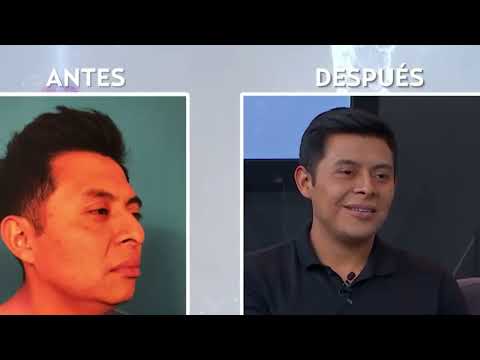
The fundamental goals of rhinoplasty are to achieve lasting facial harmony by ensuring the nose is organically proportionate to your other facial features, and to definitively correct any internal structural defects hindering your normal breathing. Patients undergoing this surgery may reasonably expect a noticeable reduction in the size of a dorsal hump, a more refined and structurally supported nasal tip, vastly improved facial symmetry, or significantly clearer airways if a functional septoplasty was performed.
However, it is absolutely vital to vigorously manage your expectations before entering the operating room. A truly successful rhinoplasty often yields aesthetic improvements that are subtle enough that strangers will not immediately realize you had surgery, but noticeable enough that friends and family will tell you that you look incredibly "refreshed" or rested. Individual results vary dramatically based on your unique skin thickness—patients with thick, sebaceous skin take significantly longer for swelling to shrink down and may not achieve a sharply defined tip, while patients with very thin skin heal faster but cannot hide even the most minor underlying skeletal irregularities.
We do not promise a perfect cure for all facial asymmetries, nor do we guarantee a specific cosmetic result or a mathematically guaranteed level of aesthetic improvement. The final, permanent outcome typically takes up to a full year, and sometimes longer in revision cases, to fully manifest as the last microscopic remnants of swelling resolve and the skin envelope contracts and shrink-wraps over the newly sculpted cartilage framework.
Frequently Asked Questions (FAQs)
Is it truly safe to get a nose job in Tijuana?
Yes, it can be exceptionally safe, provided you perform rigorous due diligence. Tijuana hosts a massive, multi-billion-dollar medical tourism infrastructure featuring modern, internationally accredited hospitals (such as those with JCI accreditation) that rival, and sometimes exceed, standard US surgical facilities. Your safety depends entirely on choosing board-certified facial plastic surgeons and strictly accredited facilities rather than shopping blindly based on the lowest available price tag on social media.
How long before I can wear my prescription glasses or heavy sunglasses?
You must strictly avoid resting any weight whatsoever on the bridge of your nose for a minimum of 4 to 6 weeks. Following osteotomies (breaking the nasal bones), the bones are healing in a highly fragile state and can easily be permanently indented, shifted, or deformed by the localized pressure of heavy frames. If you desperately need to wear glasses to see, you will need to tape the central bridge of the glasses high onto your forehead or purchase specialized post-surgical cheek-rests.
Will I have highly visible, permanent scars after the surgery?
If you undergo a "closed" rhinoplasty, there are absolutely no external scars because all incisions are hidden deep within the nostrils. If your anatomy requires an "open" rhinoplasty, there will be a tiny, 2-3 millimeter inverted-V or stair-step incision at the base of the columella (the fleshy pillar between the nostrils). When this is closed meticulously by an expert surgeon, the resulting scar typically fades into an invisible, fine line within a few months, virtually undetectable to the naked eye in everyday conversation.
Does recovering from a rhinoplasty hurt terribly?
Surprisingly to most patients, recovering from a nose job is characterized by deep discomfort and frustration rather than severe, agonizing pain. You will feel intense, heavy pressure in your face, profound nasal congestion, and a dull ache, closely resembling the symptoms of a severe sinus infection. The strong prescription pain medication provided is usually only necessary for the first two or three days, after which over-the-counter pain relievers like Tylenol are entirely sufficient.
When is it medically safe to fly back home after surgery?
You generally cannot step foot onto a commercial airplane until your external cast is removed and your surgeon gives explicit, documented medical clearance, which almost always occurs 7 to 8 days post-operation. Rapid, dramatic changes in cabin pressurization early in the delicate healing process can cause severe, uncontrollable hemorrhaging in the nose and intense sinus barotrauma.
What is the fundamental, technical difference between open and closed rhinoplasty?
In closed rhinoplasty, all surgical cuts are made blindly inside the nostrils, leading to zero external scarring and generally faster initial recovery, but significantly limiting the surgeon's 3D view of the anatomy. Open rhinoplasty involves a small cut on the outside skin, allowing the surgeon to literally lift the skin envelope up for total, unobstructed visibility, which is highly crucial for executing complex cases, fixing severe asymmetry, or performing major tip reconstruction with precision.
Can a nose job simultaneously fix my breathing and my appearance?
Absolutely, and this is highly common. This combined procedure is medically termed a functional septorhinoplasty. The surgeon can enter the nasal cavity to straighten a severely deviated septum and clear obstructive tissues internally, while simultaneously reshaping the external cartilage and bone framework for aesthetic improvement during the exact same operation, requiring only one recovery period.
How long does the swelling actually last before I see the final result?
While you will look entirely "presentable" to the general public within 2 to 3 weeks (meaning strangers won't know you had surgery), your nose will remain subtly swollen to your own eyes for much longer. About 80% of the gross swelling goes down in the first 3 months. However, the final 20%—particularly located in the thick, stubborn skin of the nasal tip—takes a full 12 to 18 months to completely resolve and show you the true final shape.
What happens if I catch a bad cold or flu right before my surgery?
You must notify your medical team immediately. If you present with an active respiratory infection, a fever, productive congestion, or a severe chest cough, the attending anesthesiologist will categorically cancel and mandate rescheduling the surgery. Operating and intubating on actively inflamed, infected airways significantly and unacceptably increases the risks associated with general anesthesia.
When is it definitively safe to resume heavy exercise or lifting weights?
Light, casual walking is highly encouraged early on to promote healthy blood circulation and prevent blood clots, but heavy lifting, intense cardiovascular workouts, yoga (due to bending over and inverting the head), or any activity that spikes your heart rate and blood pressure must be strictly avoided for at least 4 to 6 weeks. Spiking your blood pressure prematurely can rapidly trigger sudden, massive bleeding in the fragile, healing nasal tissues, jeopardizing your results.
Ready to Take the Next Step?
If you feel that this structured package aligns with your long-term aesthetic aspirations and functional health goals, the most logical next step is to find out exactly where you stand medically. Reach out today to seamlessly coordinate a preliminary, no-obligation medical assessment. Our team will review your specific facial anatomy, rigorously confirm your surgical candidacy, and provide you with a meticulously customized treatment plan.
Request Free QuoteReferences
- Rhinoplasty Overview and Risks – Mayo Clinic
- Rhinoplasty Procedure Details and Recovery – Cleveland Clinic
- Rhinoplasty Guide and Candidacy – American Society of Plastic Surgeons (ASPS)
- Nose Reshaping Medical Information – MedlinePlus (U.S. National Library of Medicine)
- Medical Tourism Travel Health Guidelines – Centers for Disease Control and Prevention (CDC)






















Share this listing