
Why Choose a Nose Job in Mexico?
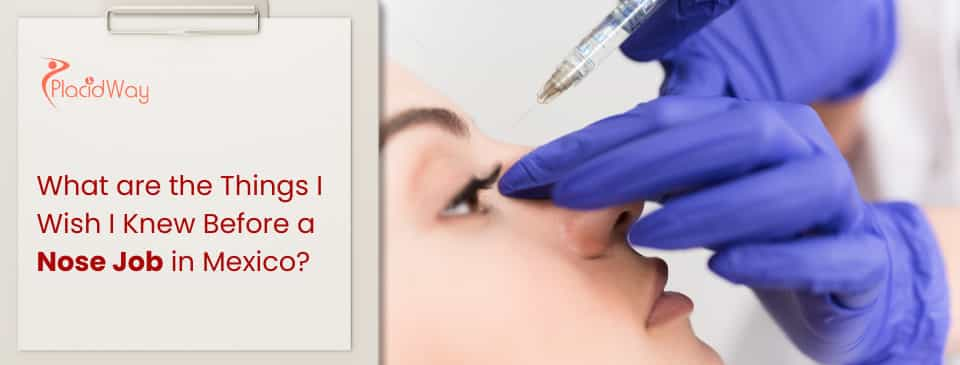
Choosing to travel for cosmetic surgery is a major life decision. Many patients look across the border for more affordable care, but the process involves much more than simply booking a flight. If you are considering this path, learning from those who have already navigated the system can save you unnecessary stress.
From navigating the initial days of recovery in a hotel room to managing realistic expectations regarding your final results, preparation is everything. Below, we explore the vital details and practical realities you should understand before pursuing a nose job in Mexico.
Key Takeaways
- Research board-certified plastic surgeons and verify their specific credentials with Mexican medical boards.
- Understand that initial swelling and recovery take several weeks, and final results may take up to a year to settle.
- Factor in all travel expenses, accommodations, and the necessity of bringing a travel companion for support.
- Plan carefully for post-operative care and figure out how you will handle follow-up appointments back home.
- Communicate your aesthetic goals clearly, keeping your expectations realistic regarding what surgery can achieve.
1. What is the expected nose job cost in Mexico?
When budgeting for surgery, it helps to understand what is included in the quoted price. Many international facilities offer package deals that bundle the surgeon's fee, anesthesia, operating room costs, and routine post-operative medications. However, you should always ask for an itemized breakdown to avoid surprises.
If you require a complex revision rhinoplasty—which means correcting a previous surgery—the price will often be higher. Revision procedures take longer, require advanced techniques to navigate scar tissue, and demand a highly specialized skill set. Revisions typically start at around $4,500 and can increase based on individual needs.
Do not forget to budget for indirect costs. You will need to account for round-trip flights, a 7-to-10-day stay at a comfortable hotel, transportation to and from the facility, meals, and travel insurance that specifically covers medical complications.
2. How do I choose a safe nose job clinic in Mexico?
One of the most common regrets patients share is rushing their clinic selection based on price alone. Thorough vetting is your responsibility. Start by verifying the surgeon's credentials. In Mexico, legitimate plastic surgeons undergo rigorous training and must be board-certified by CMCPER (Consejo Mexicano de Cirugía Plástica, Estética y Reconstructiva). Being a member of AMCPER (the associated professional society) is also a strong indicator of professional standing.
Beyond the surgeon, investigate the facility itself. Procedures should take place in an accredited hospital or a certified surgical center, not a standard office room. Ask about their emergency protocols, the presence of a board-certified anesthesiologist, and sterilization practices.
3. What should I know about the early recovery days?
Many patients wish they had mentally prepared for how they would look and feel immediately post-operation. You will likely wake up with a nasal splint, possible packing inside your nostrils, and significant swelling around your eyes and cheeks. Bruising under the eyes is very common and can look quite dramatic for the first week.
Because your nose will be congested, you will need to breathe through your mouth. This leads to a dry throat and can make sleeping difficult. You will need to sleep with your head elevated on several pillows to help reduce swelling. Having a travel companion with you in your hotel room during these early days is incredibly helpful for managing medications, fetching ice packs, and providing emotional support.
4. How long do I need to stay in the country?
A common mistake is trying to shorten the trip to save on hotel costs. Flying too soon after facial surgery can be dangerous. Changes in cabin pressure can cause increased swelling, pain, and sometimes bleeding in a freshly operated nose.
Most surgeons schedule a post-operative follow-up appointment about one week after surgery. During this visit, they will remove the external splint and any internal sutures or packing. Only after the surgeon assesses your healing progress and clears you for travel should you board a plane to head home.
5. How do I manage the language barrier during medical tourism in Mexico?
Clear communication is critical when discussing surgical goals. You need to be confident that your surgeon understands exactly what you want, and just as importantly, you need to understand their explanation of what is surgically possible. Many facilities specializing in medical tourism in Mexico employ bilingual staff or dedicated patient coordinators.
However, do not assume all nursing and support staff at the hospital or hotel will speak English. It is a good idea to download a reliable translation app on your phone for basic needs. If your surgeon does not speak English fluently, ensure that a professional medical translator will be present during all consultations, the surgical prep, and follow-up visits.
6. Can I combine my surgery with a tropical vacation?
The idea of recovering on a sunny beach sounds appealing, but it is a major misconception. Medical travel is primarily about the medical procedure, not tourism. Direct sun exposure can worsen swelling and cause permanent darkening of any bruised skin. Swimming in pools or oceans introduces a high risk of bacterial infection to your incisions.
Your focus must be entirely on rest. You will likely spend the majority of your time in your air-conditioned hotel room watching movies or reading. If you wish to enjoy tourist activities, you must schedule them for the days before your surgery.
7. What happens if I have complications after returning home?
Complications such as infections, persistent bleeding, or poor wound healing can happen to anyone, regardless of where the surgery takes place. If a complication arises weeks after you have flown home, flying back abroad is rarely practical or safe.
It is highly recommended to speak with a local primary care physician or an ENT specialist before you travel. Let them know your plans and ask if they would be willing to assist with routine post-operative checks or minor complications. Additionally, thoroughly review your chosen clinic’s revision policy. Understand what expenses they cover if a secondary corrective procedure is needed down the line.
8. Will I see my final results when the cast comes off?
Patience is arguably the most important requirement for rhinoplasty patients. When the cast comes off at day seven or ten, your nose may look overly upturned or thicker than you expected. This is entirely normal. The nasal tissues are highly sensitive and hold onto fluid for a long time.
You will see significant improvements over the first three months, but the skin around the nasal tip is notoriously slow to heal. Emotional ups and downs are common during this waiting period. Do not panic if your nose looks slightly different from day to day as the swelling fluctuates.
9. Is my medical history relevant for surgery abroad?
Never withhold health information from your surgical team in an attempt to ensure approval for surgery. Conditions such as high blood pressure, bleeding disorders, or diabetes can severely impact your risk profile during and after the operation.
You must disclose all prescriptions, over-the-counter medications, vitamins, and herbal supplements you take. Many common supplements (like fish oil or Vitamin E) can increase bleeding during surgery. Furthermore, if you smoke or use nicotine products, you will need to quit several weeks before and after surgery, as nicotine constricts blood vessels and can lead to dangerous tissue death.
Why Choose PlacidWay for Medical Tourism in Mexico?
Navigating international healthcare options can feel overwhelming. PlacidWay acts as an informational platform to help you explore medical providers worldwide. If you are considering traveling for treatment, here is how PlacidWay can assist your research:
Access to Global Options
PlacidWay provides directories of international medical centers, allowing you to browse different destinations and facilities in one place.
Direct Communication
The platform facilitates initial contact between patients and healthcare providers, helping you ask questions directly to the clinics.
Treatment Estimates
Users can request pricing quotes from various international clinics to better understand average costs and plan their budgets.
Provider Profiles
You can review detailed profiles that often include facility information, spoken languages, and lists of available treatments.
Educational Resources
PlacidWay offers articles, guides, and practical information to help patients understand the logistics and realities of traveling for healthcare.
Frequently Asked Questions
At what age can you get a nose job in Mexico?
Surgeons typically require patients to be at least 18 years old, ensuring that facial bone growth is fully complete before performing rhinoplasty.
Can I wear glasses immediately after rhinoplasty?
You usually cannot rest glasses on the bridge of your nose for 4 to 6 weeks after surgery, as the weight can shift healing bones. Taping glasses to your forehead or wearing contacts is often recommended.
Will getting a nose job change my voice?
For aesthetic rhinoplasty, voice changes are highly unlikely. However, if you are undergoing significant functional work on your septum, there may be very subtle changes to nasal resonance, though usually not noticeable to others.
How soon can I fly after a rhinoplasty in Mexico?
Most surgeons advise waiting 7 to 10 days before flying. This allows time for the initial splint removal and reduces the risk of complications related to cabin pressure changes.
Does a nose job leave visible scars?
A closed rhinoplasty leaves no external scars as incisions are inside the nostrils. An open rhinoplasty leaves a very small, often barely visible scar on the columella (the tissue between the nostrils).
Are consultations done virtually before traveling?
Yes, many clinics offer initial video consultations where you can share photos, discuss goals, and receive an estimated treatment plan before booking your trip.
What is thick skin rhinoplasty?
This refers to surgical techniques adapted for patients with thicker nasal skin. Surgeons often focus on building strong structural support beneath the skin to ensure the new shape is visible and stable.
Do I need a passport for medical tourism in Mexico?
Yes, international patients traveling to Mexico by air must have a valid passport. Requirements can vary for land border crossings, so it is best to carry a passport.
Can a nose job fix breathing problems?
Yes, functional rhinoplasty or a septorhinoplasty can address a deviated septum, enlarged turbinates, or collapsed nasal valves to improve airflow.
How long does swelling last after rhinoplasty?
While major swelling subsides within 2 to 4 weeks, subtle residual swelling—especially in the nasal tip—can take up to a full year or longer to completely resolve.
Compare Treatment Options
Gather information and explore different facilities abroad to find the right fit for your healthcare needs.
Request Treatment InformationReferences
- Rhinoplasty Overview – American Society of Plastic Surgeons (ASPS)
- Rhinoplasty Risks and Results – Mayo Clinic
- Medical Tourism Guidelines – Centers for Disease Control and Prevention (CDC)
- Board Certification Verification – Consejo Mexicano de Cirugía Plástica, Estética y Reconstructiva (CMCPER)
- Rhinoplasty Details and Recovery – Cleveland Clinic
- International Safety Guidelines for Rhinoplasty – International Society of Aesthetic Plastic Surgery (ISAPS)






















Share this listing