



South Korea has firmly established itself as a premier destination for individuals seeking advanced aesthetic enhancements, particularly in the realm of body contouring. Choosing liposuction in South Korea means accessing a healthcare system renowned for its rigorous safety standards, cutting-edge surgical techniques, and exceptional patient care. International patients flock to this vibrant nation, drawn by the expertise of highly specialized surgeons who focus on creating harmonious, natural-looking results. The country's medical infrastructure is built to cater seamlessly to global visitors, ensuring a comfortable and structured experience from initial consultation to final recovery.
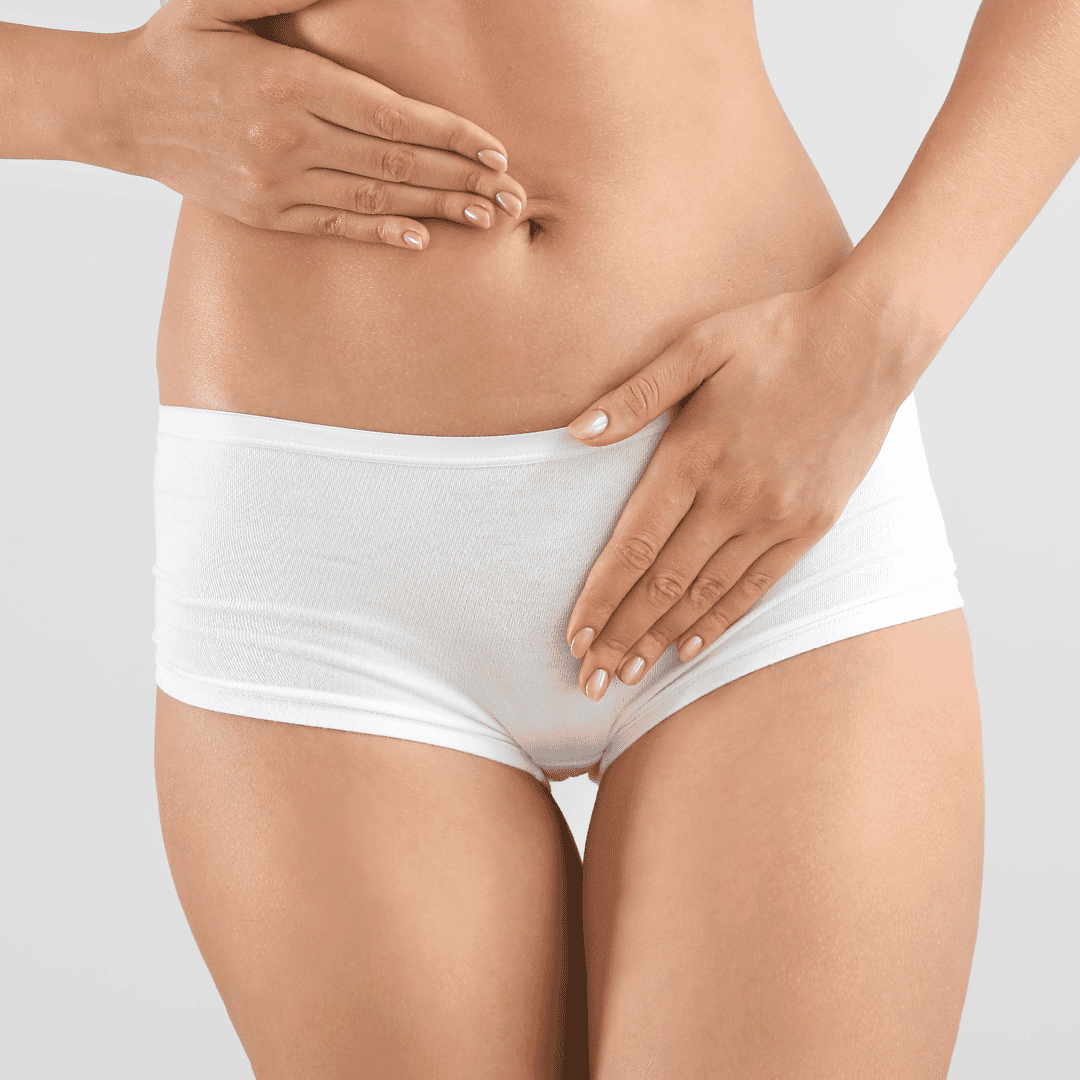
The procedure itself targets stubborn localized fat deposits that often resist diet and exercise, reshaping the body to enhance its natural proportions. South Korean clinics are pioneers in adopting minimally invasive techniques that prioritize patient safety and minimize downtime. By integrating advanced technology into their practices, surgeons can generally provide more precise fat extraction while protecting surrounding tissues. For those exploring medical tourism in South Korea, understanding the fundamentals of this procedure is the first step toward a transformative journey.
- Focuses on precise body sculpting rather than strictly weight loss.
- Utilizes highly refined techniques to ensure symmetrical and natural results.
- Conducted in internationally accredited, state-of-the-art medical facilities.
- Supported by comprehensive pre-operative medical evaluations.
Why Choose Gangnam for Body Contouring
The Gangnam district in Seoul is internationally recognized as the epicenter of aesthetic innovation and medical excellence. When patients search for body contouring clinics in Gangnam, they are tapping into a concentrated hub of elite healthcare providers who set global trends in cosmetic surgery. The area is lined with high-end facilities that combine luxurious patient experiences with stringent clinical safety protocols. Surgeons operating in this district undergo years of rigorous training, often specializing exclusively in specific body contouring procedures.
Beyond the medical expertise, Gangnam offers an incredibly supportive environment for international medical tourists. Clinics here are deeply accustomed to hosting foreign patients, typically offering multilingual support staff, dedicated patient coordinators, and tailored recovery programs. This seamless integration of world-class medical care with exceptional hospitality makes Gangnam an unparalleled choice for individuals seeking to achieve their aesthetic goals safely and comfortably.
- Home to the highest concentration of board-certified plastic surgeons in Asia.
- Facilities are equipped with the latest diagnostic and surgical technologies.
- Clinics offer specialized international departments with fluent English speakers.
- The district provides a sophisticated, safe, and comfortable environment for recovery.
Popular Fat Removal Procedures for International Patients
International patients traveling to Seoul have access to a diverse array of advanced fat extraction techniques tailored to their unique anatomical needs. The goal of cosmetic surgery in Seoul is not a one-size-fits-all approach; rather, it involves customizing the surgical method to achieve the smoothest, most natural contour. South Korean surgeons are adept at utilizing modalities that selectively target fat cells while minimizing trauma to blood vessels and nerves. This careful selection of techniques typically results in reduced post-operative bruising and a smoother recovery trajectory.
Consultations usually involve a detailed discussion to determine the most appropriate technological approach for the patient's specific body type and goals. Whether a patient requires large-volume reduction or highly precise micro-sculpting, the medical facilities in South Korea are equipped to deliver. Understanding these options empowers patients to have informed, productive conversations with their prospective medical teams.
- Tumescent Liposuction: The standard technique involving the injection of a sterile solution to numb the area and constrict blood vessels, minimizing blood loss.
- Ultrasound-Assisted Liposuction (UAL): Uses sound wave energy to liquefy fat cells before removal, ideal for denser areas like the back or male chest.
- Laser-Assisted Liposuction (LAL): Employs targeted laser energy to melt fat, which is then gently suctioned out, often promoting mild skin tightening.
- Power-Assisted Liposuction (PAL): Features a vibrating cannula that allows for faster, more precise fat removal with less manual force required by the surgeon.
A Transformative Experience
"Traveling to Seoul for my body contouring was a major decision, but the professionalism of the medical team in Gangnam was exceptional. From the initial consultation to my final follow-up, the level of care and precision was beyond what I had expected." – Sarah M., Australia
Affordable Liposuction Cost in South Korea
One of the most compelling reasons international patients pursue aesthetic treatments in this region is the highly competitive pricing structure without compromising on medical quality. The liposuction cost in South Korea is often significantly lower than comparable procedures in North America, Europe, or Australia. This cost-efficiency is driven by the high volume of procedures performed, an efficient healthcare infrastructure, and a highly competitive local market, rather than a reduction in safety or facility standards. Patients typically find that their comprehensive medical package—even factoring in flights—remains economically advantageous.
When evaluating pricing, it is essential to look at the holistic value offered by affordable liposuction in South Korea. The quoted costs often encompass facility fees, surgical garments, and essential follow-up care, creating a transparent financial landscape for medical tourists. Below is a realistic market range comparing standard sub-treatment costs, illustrating the financial viability of this medical journey.
| Procedure Name | Average Cost in South Korea (USD) | Estimated Cost in US/UK (USD) |
|---|---|---|
| Abdomen Liposuction | $2,500 - $4,000 | $5,000 - $8,500 |
| Thigh Liposuction (Inner & Outer) | $3,000 - $4,500 | $5,500 - $9,000 |
| Arm Liposuction | $1,800 - $3,000 | $4,000 - $6,500 |
| 360-Degree Body Contouring | $5,000 - $7,500 | $10,000 - $16,000 |
The Medical Tourism Experience in Seoul
Embarking on a journey for medical care overseas can seem daunting, but the infrastructure for medical tourism in South Korea is designed to mitigate stress and prioritize patient comfort. From the moment international patients arrive at Incheon International Airport, they are often greeted by a streamlined, patient-first ecosystem. The clinics specialize in creating an end-to-end experience that encompasses meticulous medical care intertwined with high-level customer service. This approach ensures that patients can focus entirely on their treatment and recovery.
Language barriers are rarely an issue in top-tier facilities, as they maintain dedicated international departments staffed by native speakers or highly fluent translators. These coordinators act as medical liaisons, guiding patients through consultations, surgical prep, and post-operative instructions. The emphasis is consistently placed on clear communication, transparency, and building trust between the patient and the medical provider.
- Dedicated bilingual medical coordinators available throughout the journey.
- Thorough pre-arrival virtual consultations to establish realistic expectations.
- Detailed itineraries provided outlining medical appointments and recovery milestones.
- Access to exclusive recovery lounges within modern clinical facilities.
Seamless Support System
"I was incredibly nervous about the language barrier, but my medical coordinator was by my side during every doctor's meeting and check-up. The entire process of getting body contouring in Seoul felt organized, safe, and immensely supportive." – David R., UK
Advanced Technology Used by South Korean Surgeons
The pursuit of aesthetic perfection in this region is heavily supported by continuous investments in advanced medical technologies. South Korean plastic surgeons are widely recognized as early adopters of innovative surgical instruments that enhance precision and patient safety. By utilizing state-of-the-art diagnostic imaging, such as 3D body scanners, surgeons can meticulously map out the patient's anatomy prior to making any incisions. This technological integration allows for highly predictable and balanced outcomes.
During the surgery itself, refined cannula designs and energy-assisted devices are standard protocol. These tools are engineered to target fat tissue selectively, generally preserving the integrity of surrounding nerves and blood vessels. The commitment to technological superiority not only improves the immediate surgical results but typically contributes to a smoother, faster post-operative recovery phase for the patient.
- Implementation of 3D Vectra imaging for accurate pre-surgical planning.
- Use of specialized micro-cannulas for delicate areas to prevent uneven contours.
- Integration of advanced patient monitoring systems in all operating theaters.
- Application of post-operative LED light therapies to accelerate tissue healing.
Preparing for Your Cosmetic Surgery Journey
Proper preparation is a critical component of a successful outcome when planning cosmetic surgery in Seoul. Weeks before the flight, patients are typically required to undergo preliminary medical assessments and provide comprehensive health histories to their chosen clinics. This preparatory phase is essential to identify any potential contraindications and to ensure the patient is physically optimized for surgery. Surgeons emphasize the importance of achieving a stable weight prior to the procedure to maintain long-term results.
Patients are also given specific guidelines regarding lifestyle adjustments in the lead-up to their trip. This generally includes cessation of smoking, abstaining from alcohol, and pausing certain medications or supplements that could increase bleeding risks. By strictly adhering to these pre-operative instructions, patients actively contribute to the safety and success of their own medical journey.
- Submit complete medical records and undergo baseline blood tests.
- Stop smoking and nicotine use at least four weeks prior to surgery to aid healing.
- Discontinue blood-thinning medications and certain herbal supplements as directed.
- Prepare loose, comfortable clothing for the travel and recovery period.
Failing to disclose your complete medical history, including all current medications and past surgeries, can pose severe risks to your safety during anesthesia. Always maintain absolute transparency with your medical provider.
What to Expect During the Procedure
Understanding the surgical workflow helps alleviate pre-operative anxiety for international patients undergoing fat removal in South Korea. On the day of surgery, patients typically arrive at the clinic early for a final consultation, during which the surgeon will meticulously mark the body to guide the contouring process. A specialized anesthesiologist is present to administer the appropriate anesthesia—usually local with deep sedation or general, depending on the extent of the procedure. Patient safety and comfort remain the highest priorities throughout this preparation phase.
Once the patient is sedated, the surgeon makes tiny, strategically placed incisions, often hidden in natural body creases. Tumescent fluid is infused to numb the area and reduce bleeding, followed by the insertion of the cannula to gently loosen and extract the excess fat cells. The duration of the surgery varies based on the number of areas treated, but meticulous attention to symmetry and smooth lines is maintained from start to finish.
- Final detailed body marking and strategic planning prior to entering the OR.
- Continuous, advanced monitoring by a dedicated, board-certified anesthesiologist.
- Strategic placement of incisions (typically 3-4mm) to minimize visible scarring.
- Immediate placement into specialized compression garments post-surgery.
Navigating Liposuction Recovery in South Korea
The post-operative phase is crucial for achieving the desired aesthetic outcome, and recovering from liposuction in Seoul is facilitated by excellent clinical aftercare protocols. Immediately following the procedure, patients typically experience swelling, bruising, and a sensation similar to deep muscle soreness. Clinics generally schedule frequent follow-up appointments within the first week to monitor healing, manage fluid drainage, and change dressings. Patients are strongly advised to rest during the initial 48 hours before gradually introducing light walking to promote circulation.
A key element of the recovery protocol involves wearing specialized medical compression garments continuously for several weeks. These garments help reduce edema, compress the skin to the new body contours, and support the healing tissues. South Korean clinics often enhance the recovery experience by offering complementary aftercare treatments, such as radiofrequency therapies or manual lymphatic drainage massages, to expedite the reduction of swelling.
- Commit strictly to wearing compression garments exactly as prescribed.
- Attend all scheduled post-operative checks and aftercare therapy sessions.
- Stay well-hydrated and maintain a low-sodium diet to help minimize swelling.
- Avoid strenuous physical activities and heavy lifting for at least four to six weeks.
Dedicated Aftercare Matters
"The aftercare treatments provided by my clinic in Gangnam were a game-changer. The swelling was significantly reduced after their lymphatic massage sessions, and the medical staff checked on my healing progress daily." – Elena G., USA
Understanding Risks and Candidacy Requirements
While cosmetic enhancements offer transformative benefits, it is vital to approach them with a clear understanding of the strict medical parameters. Safe liposuction in South Korea relies heavily on the patient meeting stringent candidacy requirements. Ideal candidates are generally non-smokers in good overall health, possessing firm, elastic skin and localized fat deposits that do not respond to traditional weight-loss methods. This procedure is firmly not a treatment for obesity, and individuals with underlying health conditions such as severe cardiovascular disease or bleeding disorders are typically contraindicated.
Like all surgical interventions, this procedure carries inherent risks that must be transparently discussed. Most patients experience temporary bruising, swelling, and localized numbness. However, more severe risks—though rare when performed by qualified professionals—can include infection, fluid accumulation, contour irregularities, or anesthesia complications. Thorough pre-operative screenings are designed specifically to minimize these risks and prioritize patient well-being.
- Candidates must be close to their ideal body weight with stable lifestyle habits.
- Strict contraindications exist for individuals with compromised immune systems.
- Risks include potential asymmetry or changes in skin sensation.
- Success depends largely on the patient's adherence to all medical guidelines.
Combining Treatments for Comprehensive Body Sculpting
Many international patients capitalize on their travel by opting for combined procedures to achieve a more comprehensive physical transformation. Body contouring in South Korea frequently involves pairing fat extraction with other surgical or non-surgical enhancements. For example, fat grafting—where the patient's own extracted fat is purified and transferred to areas lacking volume, such as the breasts or face—is a highly popular combination. This dual approach generally provides a more balanced, harmonious overall silhouette.
Combining procedures requires meticulous medical planning and a slightly extended recovery period, but it often minimizes the need for multiple future surgeries and reduces overall anesthesia exposure. South Korean surgeons excel at creating holistic treatment plans that address the patient's complete aesthetic vision safely. The feasibility of combined treatments is strictly determined by the patient's health status and the total anticipated surgical time.
- Fat Transfer: Utilizing harvested fat to naturally enhance volume in other body areas.
- Abdominoplasty (Tummy Tuck): Removing excess skin alongside fat for a firmer abdominal profile.
- Facial Contouring: Combining body procedures with minor facial aesthetic refinements.
- Non-Surgical Skin Tightening: Applying specialized energy devices post-surgery to enhance skin retraction.
Visa and Travel Logistics for Medical Tourists
Organizing the logistical aspects of your trip is an integral part of preparing for medical travel to South Korea. For many international visitors—including citizens of the USA, UK, Canada, and Australia—short-term entry for medical purposes is easily facilitated via standard visa waiver programs or electronic travel authorizations (K-ETA). These generally allow for a stay of up to 90 days, providing ample time for the procedure and the necessary post-operative recovery phase in Seoul.
In cases where extended treatment or specialized care requires a longer duration, the South Korean government offers dedicated Medical Tourist Visas (C-3-3 or G-1-10). Reputable medical institutions are well-versed in providing the necessary official documentation, such as medical invitation letters, to streamline the visa application process. Securing these details well in advance ensures a stress-free arrival, allowing the patient to focus entirely on their upcoming medical care.
- Verify K-ETA or specific visa requirements with your local South Korean embassy.
- Ensure your passport holds a minimum of six months validity prior to travel.
- Carry physical copies of your medical invitation and consultation confirmations.
- Plan for a minimum stay of 7 to 14 days, depending on the surgeon's recommendation.
A Well-Organized Journey
"The logistics seemed overwhelming at first, but securing my K-ETA was simple. Having my clinic provide all the necessary travel documentation made passing through immigration in Seoul completely stress-free." – Michael T., Canada
How PlacidWay Assists Your Liposuction Medical Tourism Journey in South Korea
Navigating the complex landscape of international healthcare requires reliable, authoritative guidance to ensure safety and quality. PlacidWay serves as a crucial bridge for patients seeking high-quality cosmetic surgery abroad, streamlining the process of finding trusted medical professionals. By focusing strictly on medical transparency and provider vetting, the platform empowers patients to make highly informed healthcare decisions.
Our commitment is centered entirely on optimizing your clinical journey and facilitating meaningful connections with verified medical institutions. We understand that choosing to undergo a procedure internationally is a significant medical decision, and our resources are designed to provide clarity, confidence, and unwavering support.
- Connecting patients with internationally accredited medical centers and board-certified surgeons.
- Providing comprehensive insights into clinic safety records, medical technology, and surgeon credentials.
- Facilitating seamless, direct communication channels between you and the prospective healthcare provider.
- Offering dedicated, value-based support to ensure your medical history and aesthetic goals are clearly understood by the clinical team.
- Equipping patients with vital educational resources regarding the procedure, risks, and clinical expectations.
Frequently Asked Questions About Fat Reduction in Seoul
When considering liposuction in South Korea, patients naturally have numerous questions regarding safety, efficacy, and logistics. Being fully informed is a critical prerequisite for anyone participating in international medical travel. Comprehensive answers to common concerns help set realistic expectations and ensure a smoother, safer clinical experience.
Below is a curated list of essential questions frequently asked by international patients exploring body contouring options in Seoul. These insights provide a foundational understanding of what to expect during your medical journey.
Is liposuction in South Korea safe for international medical tourists?
Yes, it is generally considered very safe when performed by board-certified plastic surgeons in accredited facilities. South Korea enforces strict medical regulations and utilizes highly advanced surgical technology. Most patients experience a smooth procedure, provided they follow all pre- and post-operative guidelines.
How long should I stay in South Korea after my liposuction procedure?
Most surgeons typically recommend staying in the country for 7 to 14 days following the surgery. This allows time for necessary follow-up appointments, stitch removal, and monitoring of early recovery stages. Your specific timeline will depend on the extent of the areas treated.
What is the average liposuction cost in South Korea?
The cost typically ranges from $2,500 to $6,500, depending on the number of areas being treated and the technology used. This pricing generally represents a significant saving compared to costs in the United States or the United Kingdom. Pricing structures often include facility fees and basic aftercare garments.
Do I need a special visa for medical tourism in South Korea?
Many international patients can enter South Korea for short medical trips using a standard tourist visa or visa waiver program. However, for extended stays or specific requirements, the C-3-3 Medical Tourist Visa is available. Always check current entry regulations with your local embassy before traveling.
Will there be a language barrier at body contouring clinics in Gangnam?
Top-tier clinics catering to international patients usually have dedicated in-house translation departments. You will typically be assigned a coordinator who speaks fluent English or your native language. This ensures clear communication during consultations, surgery, and aftercare.
How soon will I see the final results of my body contouring?
While initial changes are visible immediately after swelling subsides, final results typically take three to six months to fully emerge. The body requires time to heal, adapt, and tighten the skin over the new contours. Wearing compression garments as instructed is vital for optimal outcomes.
What type of anesthesia is used for fat removal procedures?
Surgeons generally use local anesthesia with IV sedation or general anesthesia, depending on the volume of fat being removed. Your anesthesiologist will determine the safest option based on your medical history and procedural scope. Continuous monitoring is standard practice throughout the surgery.
Can I combine liposuction with other cosmetic surgeries in Seoul?
Yes, many patients choose to combine treatments, such as fat grafting or tummy tucks, to achieve comprehensive results. Combining procedures can optimize your recovery time and minimize overall surgical interventions. However, candidacy depends entirely on your health status and the surgeon's medical assessment.
What are the common side effects during recovery?
Most patients experience temporary swelling, bruising, numbness, and mild to moderate soreness in the treated areas. These side effects generally peak within the first few days and gradually subside over several weeks. Your medical team will provide specific pain management and care protocols.
How do I maintain my results after returning home?
Maintaining your new body contours requires a commitment to a stable, healthy lifestyle, including regular exercise and a balanced diet. While the removed fat cells do not return, remaining cells can expand if significant weight gain occurs. Long-term follow-up via telehealth can also support your ongoing wellness journey.
Ready to take the next step toward your aesthetic goals? Discover top-rated medical providers and secure a comprehensive consultation for your body contouring journey in South Korea.
Medical Disclaimer: This article is for informational purposes only and is not medical advice. Always consult a qualified healthcare provider before any medical decisions. Results may vary. Read Full Disclaimer here.
References
- • American Society of Plastic Surgeons. What is Liposuction? https://www.plasticsurgery.org/cosmetic-procedures/liposuction
- • International Society of Aesthetic Plastic Surgery (ISAPS). Global Survey Results. https://www.isaps.org/discover/about-isaps/global-statistics/
- • National Center for Biotechnology Information (NCBI). Medical Tourism and Cosmetic Surgery in South Korea. https://pmc.ncbi.nlm.nih.gov/articles/PMC10903301/
- • Mayo Clinic. Liposuction: Risks and What you can expect. https://www.mayoclinic.org/tests-procedures/liposuction/about/pac-20384586
- • Visit Korea Medical Tourism. Visa and Immigration Guide for Medical Tourists. https://english.visitkorea.or.kr/svc/contents/contentsView.do?vcontsId=140769




.jpg)

.png)
.jpg)



.jpg)
.jpg)
.jpg)








Share this listing