



The global landscape of healthcare has shifted dramatically, making cosmetic surgery abroad an increasingly viable option for patients seeking high-quality aesthetic enhancements. Every year, millions of individuals cross international borders to access procedures ranging from body contouring to facial rejuvenation. This movement, often referred to as international medical tourism, empowers patients to explore healthcare markets that combine advanced surgical techniques with compassionate patient care. By expanding their search beyond domestic borders, patients can often find highly specialized surgeons who have trained extensively at renowned institutions worldwide.
Engaging in plastic surgery medical tourism requires a comprehensive understanding of what the journey entails. It is not merely about finding a more accessible price point; it is about accessing globally accredited facilities that adhere to rigorous safety protocols. Patients are typically guided through a highly structured process, from the initial virtual consultation to meticulous post-operative monitoring. Understanding the global standards of care helps prospective patients set realistic expectations and make informed, confident decisions about their aesthetic journeys.
The International Society of Aesthetic Plastic Surgery (ISAPS) provides a global registry of board-certified plastic surgeons, helping international patients identify highly qualified professionals regardless of where they travel for their care.
- Global Accreditation: Facilities catering to international patients frequently hold certifications from bodies like the Joint Commission International (JCI).
- Advanced Technology: Leading international clinics often invest in state-of-the-art surgical and diagnostic equipment to attract global patients.
- Comprehensive Care Packages: Medical tourism often includes structured care plans that encompass pre-op testing, the surgical procedure, and post-op follow-ups.
- Specialized Expertise: Surgeons in popular international hubs frequently perform high volumes of specific aesthetic procedures, honing their expertise.
Top Procedures for Plastic Surgery Medical Tourism
When individuals consider traveling for aesthetic procedures, certain surgical interventions consistently top the list of the most requested treatments. Body contouring surgeries, particularly liposuction and abdominoplasty (tummy tuck), are exceptionally popular due to the transformative results most patients experience. Additionally, facial surgeries such as rhinoplasty and facelifts draw thousands of patients to specific regions renowned for surgeons with highly refined, specialized techniques. These procedures require immense precision, prompting patients to seek out top-tier international specialists.
Breast augmentation, lifts, and reductions also make up a significant portion of the international medical tourism market. Many patients find that seeking the best plastic surgery abroad allows them to choose from a wider variety of implant types and surgical methodologies. While these procedures are generally safe when performed by experienced professionals, the availability of specialized clinics internationally provides patients with tailored options that perfectly align with their aesthetic goals.
According to recent global surveys by ISAPS, liposuction and breast augmentation consistently rank as the top two most frequently performed cosmetic surgical procedures worldwide.
- Liposuction: Targeted removal of stubborn fat deposits to enhance body contours.
- Rhinoplasty: Cosmetic or functional reshaping of the nose, requiring high surgical artistry.
- Breast Augmentation: Enhancement of breast volume and shape using various implant options.
- Abdominoplasty (Tummy Tuck): Removal of excess skin and tightening of the abdominal wall.
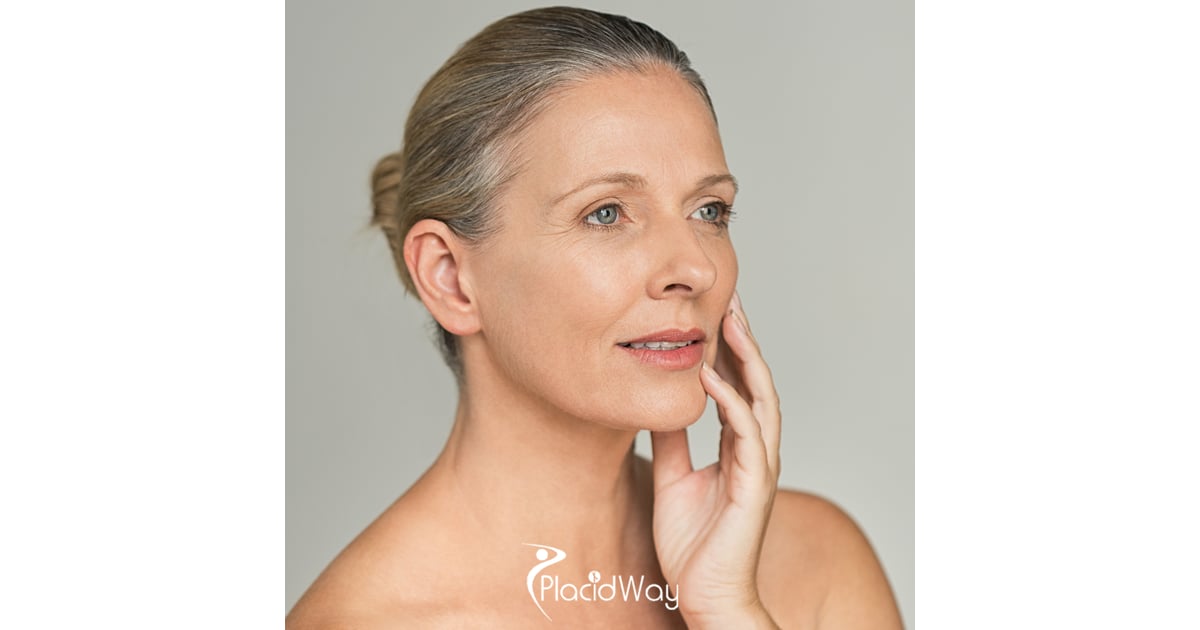
- Facelift (Rhytidectomy): Comprehensive facial rejuvenation targeting deep wrinkles and sagging skin.
Why Choose Cosmetic Surgery Abroad?
The decision to pursue affordable cosmetic surgery abroad is driven by a convergence of high-quality care, cost accessibility, and patient privacy. In many Western nations, elective aesthetic procedures are heavily marked up due to high administrative and operational costs. By looking globally, patients can often bypass these financial barriers without sacrificing the quality of their medical care. Furthermore, international hospitals designed for medical tourists frequently offer a VIP level of service, featuring dedicated patient coordinators, luxurious recovery environments, and highly personalized attention.
Another compelling reason patients engage in international medical tourism is the profound level of privacy it affords. Recovering away from home allows individuals to heal away from the scrutiny of colleagues, friends, and their daily social circles. This separation reduces post-operative stress and provides a peaceful environment strictly dedicated to rest. Combined with the opportunity to be treated by globally recognized surgical talent, the appeal of international aesthetic surgery becomes clear.
When choosing an international facility, prioritize clinics that assign a dedicated, English-speaking patient coordinator to help bridge any cultural or linguistic gaps during your medical journey.
- Economic Efficiency: Favorable exchange rates and lower overhead costs lead to significant patient savings.
- Immediate Access: Many international clinics have shorter wait times for elective surgeries compared to domestic providers.
- Anonymity: Healing in a foreign destination allows for discreet, uninterrupted recovery.
- World-Class Expertise: Access to surgeons who have pioneered or refined specific aesthetic techniques.
Cost of Cosmetic Surgery Abroad
Understanding the cosmetic surgery cost abroad is a critical step in planning your medical journey. While prices vary widely depending on the specific region, the surgeon's expertise, and the complexity of the procedure, international clinics generally offer exceptional value. These costs typically include the surgeon’s fee, anesthesia, operating room facilities, and essential post-operative garments. However, patients must also budget carefully for their flights, extended recovery accommodations, and potential medical insurance.
To provide a clear perspective on the financial advantages of plastic surgery packages abroad, we have compiled an estimated cost comparison. The figures below represent an average range and will fluctuate based on the specific international hub you select. It is always advised to request a personalized, detailed quote from your chosen medical provider to ensure accurate financial planning.
| Procedure Name | Average Cost Abroad (USD) | Average Cost USA/Canada (USD) |
|---|---|---|
| Liposuction (per area) | $1,500 - $3,000 | $4,000 - $8,000 |
| Rhinoplasty | $2,500 - $4,500 | $6,000 - $12,000 |
| Breast Augmentation | $3,000 - $5,000 | $6,500 - $10,000 |
| Abdominoplasty (Tummy Tuck) | $3,500 - $6,000 | $8,000 - $15,000 |
| Facelift (Full) | $4,500 - $7,500 | $12,000 - $20,000 |
Evaluating Quality and Safety for Cosmetic Procedures
When pursuing safe cosmetic surgery abroad, patient safety must be the absolute highest priority. The appeal of affordable prices should never eclipse the necessity of rigorous medical standards. Reputable international clinics are highly transparent about their safety records, hygiene protocols, and the credentials of their medical staff. The best facilities operate similarly to top-tier hospitals in Western nations, utilizing modern surgical suites equipped with advanced life-support systems and sterile processing departments.
Evaluating an international surgeon requires diligent research. Patients should look for specific indicators of excellence, such as continuous medical education, international fellowships, and transparent before-and-after portfolios. A reliable surgeon will also conduct a thorough medical background check during the initial consultation to identify any strict contraindications that could make elective surgery unsafe for the patient.
Never undergo an elective cosmetic procedure without verifying the surgeon’s board certifications. Insist on seeing proof of accreditation from respected bodies such as the local national medical council or the Joint Commission International (JCI).
- Check for hospital or clinic accreditations (e.g., JCI, ISO).
- Verify the primary surgeon is specifically trained and certified in plastic and reconstructive surgery.
- Ensure the clinic employs dedicated, board-certified anesthesiologists.
- Review the clinic's emergency protocols and proximity to major, multi-specialty hospitals.
The Patient Journey for Plastic Surgery Medical Tourism
The pathway to receiving international aesthetic treatments is a well-orchestrated process designed to support patients at every juncture. It begins long before the flight is booked, starting with intensive research and initial outreach. High-quality clinics provide detailed pre-departure instructions, assisting patients in gathering their medical histories, arranging pre-operative blood work, and understanding the logistical requirements of their trip. This preparatory phase is crucial for ensuring a smooth transition once the patient arrives in the host destination.
Upon arrival, the journey shifts into the clinical phase. Patients typically undergo in-person consultations, final physical examinations, and detailed discussions about the surgical plan. Following the successful completion of the procedure, the journey transitions into the recovery phase, where patients are closely monitored by nursing staff before eventually receiving clearance to travel back to their home countries safely.
The global medical tourism market is experiencing rapid expansion, with millions of patients traveling internationally each year specifically for high-quality, specialized elective aesthetic procedures.
- Initial Discovery: Researching procedures, clinics, and reading patient reviews.
- Virtual Assessment: Sharing photos and medical history via secure platforms.
- Logistical Planning: Securing medical leave, booking flights, and arranging recovery care.
- In-Person Clinical Review: Pre-surgical meeting with the doctor to finalize plans.
- Surgery and Healing: The procedure is performed, followed by designated international recovery time.
Preparing for Your Cosmetic Procedure Abroad
Thorough preparation is the cornerstone of a successful experience when securing plastic surgery packages abroad. Patients must take a proactive role in optimizing their health prior to surgery. This generally involves ceasing smoking, avoiding alcohol, and pausing certain medications or supplements—such as blood thinners or herbal vitamins—that could increase bleeding risks. Most surgeons provide a strict pre-operative protocol tailored to the specific procedure, which must be followed meticulously to avoid surgical delays or complications.
In addition to physical preparation, logistical readiness is vital for international travel. Patients need to ensure their passports are valid for at least six months beyond their travel dates and secure any necessary medical visas. Gathering comprehensive medical records, including recent EKG results or specialized blood panels, and having them properly translated if necessary, ensures the international medical team has a complete understanding of the patient's health status.
Always pack a specialized "recovery bag" in your carry-on luggage, including loose-fitting, button-down clothing, essential prescribed medications, and any necessary compression garments, to ensure comfort on your return flight.
- Obtain medical clearance from your primary care physician back home.
- Discontinue the use of nicotine and alcohol weeks prior to your scheduled surgery.
- Prepare a digital and physical folder of all relevant medical records and test results.
- Arrange for a travel companion if the clinic requires a support person during initial recovery.
Recovery Expectations After Plastic Surgery Abroad
Managing recovery correctly is critical to achieving the desired outcomes from affordable cosmetic surgery abroad. Patients must understand that surgery takes a significant toll on the body, and healing is not instantaneous. Immediately following the procedure, patients typically experience swelling, bruising, and discomfort, which are effectively managed with prescribed pain medication. International clinics usually require patients to remain in the host destination for a specified period—often ranging from one to three weeks—to attend essential follow-up appointments and ensure no early complications arise.
Returning home too soon is a strict contraindication in medical tourism. Flying involves cabin pressure changes and prolonged immobility, which can negatively impact healing tissues and increase severe risks. Most patients experience a gradual return to normal energy levels, but must commit to following all post-operative care instructions, including wearing compression garments, resting adequately, and avoiding strenuous physical activity for several weeks after returning home.
Surgeons strictly forbid flying immediately after major procedures like tummy tucks or extensive liposuction due to the heightened risk of developing a Deep Vein Thrombosis (DVT), a potentially life-threatening blood clot.
- Days 1-3: Peak swelling and discomfort; strict bed rest with short, assisted walks.
- Days 4-7: Gradual improvement; follow-up visits for drain or suture removal.
- Weeks 2-3: Receiving medical clearance to fly home; transition to remote monitoring.
- Months 1-6: Continued settling of tissues; final aesthetic results begin to fully emerge.
Navigating Consultations for International Cosmetic Surgery
The consultation phase is the most critical communication touchpoint when seeking the best plastic surgery abroad. Since initial meetings are generally conducted virtually via video conference, patients must maximize this time to build trust and convey their goals accurately. Providing clear, well-lit, and unedited photographs is essential for the surgeon to accurately assess the anatomical canvas and determine if the requested procedure is viable. During these consultations, honest dialogue about medical history, previous surgeries, and lifestyle habits is mandatory to ensure patient safety.
A reputable international surgeon will not rush the consultation. They will take the time to explain the surgical technique, the type of anesthesia to be used, and the location of the incisions. Patients should come prepared with a comprehensive list of questions regarding the surgeon's experience, revision policies, and emergency protocols. This transparent exchange of information sets the foundation for a trusting patient-doctor relationship, which is vital when receiving medical care far from home.
Crucial Consultation Questions
Always ask your prospective surgeon how many times they have performed your specific procedure in the last year, what their personal complication rate is, and what distinct protocol is followed if a surgical revision is required after you return home.
- Provide detailed medical history, including allergies and current medications.
- Discuss realistic aesthetic outcomes and view extensive before-and-after portfolios.
- Inquire about the exact facility where the surgery will take place (hospital vs. private clinic).
- Establish a clear communication plan for post-operative questions once you return home.
Understanding Risks in Medical Tourism for Cosmetic Surgery
While prioritizing safe cosmetic surgery abroad is essential, it is crucial to acknowledge that all surgical procedures carry inherent risks, regardless of geographic location. General surgical risks include infection, adverse reactions to anesthesia, excessive bleeding, and the possibility of unfavorable scarring. Most patients experience a smooth recovery, but complications can arise. International patients face an additional layer of complexity due to travel. Combining major surgery with long-haul flights introduces specific risks that require careful management and strict adherence to medical timelines.
Furthermore, patients must consider the logistics of continuity of care. If a complication develops after the patient has flown back to their home country, seeking immediate medical attention locally is vital. Some domestic doctors may be hesitant to treat complications arising from international surgeries, making it highly advisable to secure specialized medical tourism insurance prior to travel. Transparent risk assessment ensures that patients are making fully informed, mature decisions regarding their healthcare.
Long flights combined with recent surgical trauma significantly increase the risk of DVT. Surgeons mitigate this by prescribing blood thinners, requiring extended recovery stays abroad, and mandating walking and hydration during flights.
- Surgical Complications: Hematomas, seromas, or delayed wound healing.
- Aesthetic Dissatisfaction: Asymmetry or results that do not meet patient expectations.
- Travel-Related Health Risks: Blood clots (DVT/PE) exacerbated by long flights.
- Logistical Challenges: Difficulty managing late-stage complications in your home country.
Success Rates and Patient Outcomes for Cosmetic Surgery Abroad
When facilitated correctly, international medical tourism boasts high success rates and excellent patient satisfaction. The key to these positive outcomes lies heavily in the patient's commitment to selecting thoroughly vetted, board-certified surgeons operating in accredited international hospitals. Medical technology and surgical training are globally standardized today; therefore, a highly skilled surgeon abroad utilizes the exact same techniques and equipment as a leading surgeon in North America or Europe. Most patients report feeling highly satisfied with their results when their expectations align with anatomical realities.
Success is also intrinsically linked to patient compliance. The surgery itself is only half the battle; the remaining responsibility falls on the patient to adhere strictly to aftercare instructions. Protecting incisions from sun exposure, refraining from early heavy lifting, and attending all virtual or local follow-up appointments are critical factors. By taking the recovery process seriously, international patients significantly enhance their likelihood of achieving beautiful, long-lasting aesthetic improvements.
The final results of many cosmetic procedures, particularly rhinoplasty and comprehensive liposuction, can take up to a full year to become visible as deep tissue swelling slowly subsides over months.
- Success heavily relies on choosing internationally accredited medical facilities.
- Strict adherence to post-operative garment wear improves contouring results.
- Maintaining a stable body weight post-surgery ensures long-lasting aesthetic enhancements.
- Transparent communication with the surgical team prevents manageable issues from becoming complications.
How PlacidWay Assists Your Cosmetic Surgery Medical Tourism Journey
Navigating the complex world of plastic surgery medical tourism requires trusted guidance and extensive resources. PlacidWay acts as a vital bridge between international patients and world-class healthcare providers. Our platform is designed to simplify the overwhelming process of finding reputable, specialized surgeons by providing access to a carefully curated network of globally accredited medical centers. We empower patients to make decisions based on verified information, ensuring that safety and quality remain at the forefront of the medical journey.
Our commitment is to facilitate seamless connections that allow patients to focus entirely on their health and aesthetic goals. Through PlacidWay, patients can confidently explore top-tier medical facilities tailored to their specific surgical needs. We streamline the initial stages of communication, helping individuals gather necessary quotes, compare international options, and initiate contact with certified medical teams.
- Providing comprehensive profiles of internationally accredited hospitals and board-certified surgeons.
- Facilitating direct, secure communication channels for virtual medical consultations.
- Assisting patients in obtaining transparent, detailed cost estimates for requested procedures.
- Supplying extensive educational resources regarding medical treatments and global healthcare standards.
- Offering dedicated support teams to guide patients through the medical documentation and inquiry process.
Real Patient Experiences with Cosmetic Surgery Abroad
Hearing from individuals who have successfully navigated cosmetic surgery abroad can provide immense comfort and valuable insight to prospective patients. Real-life experiences highlight the emotional and physical transformation that accompanies the medical tourism journey. These accounts often emphasize the high level of professionalism encountered internationally and the profound impact the procedures have had on their self-confidence. While individual results always vary, these shared stories reflect common themes of exceptional care and positive aesthetic outcomes.
The following summaries reflect the typical sentiments of patients who chose to travel internationally for their aesthetic goals. They underscore the importance of thorough research, clear communication with the surgical team, and dedication to the recovery process. These narratives serve as a testament to the viability of global healthcare when approached with diligence and realistic expectations.
Transformative Liposuction Journey
After struggling with stubborn abdominal fat that resisted diet and exercise, a patient from the UK traveled internationally for specialized liposuction. They reported immense satisfaction with the clinic's VIP care, noting that the thorough pre-op consultations and attentive post-op nursing staff made the entire international process feel incredibly secure and supported.
Restoring Confidence with a Tummy Tuck
A mother of two from Canada sought an abdominoplasty abroad to repair separated muscles post-pregnancy. She praised the international surgical team for their meticulous attention to detail and advanced pain management protocols, stating that her dedicated patient coordinator was instrumental in making her recovery peaceful.
Facial Rejuvenation Success
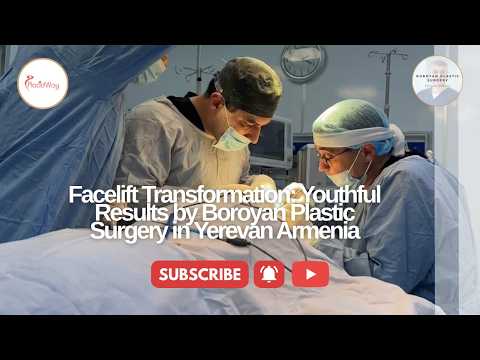
Seeking a facelift without the exorbitant domestic costs, an American patient opted for medical tourism. They highlighted the surgeon’s impressive international credentials and the state-of-the-art facility. The patient experienced a smooth healing process and felt the results looked remarkably natural and refreshed.
Rhinoplasty Excellence Abroad
A young professional traveled overseas for a rhinoplasty to correct both functional breathing issues and aesthetic concerns. They were particularly impressed by the surgeon's use of advanced 3D imaging during the virtual consultation, which set clear expectations. The resulting surgery successfully met both their medical and cosmetic goals.
Frequently Asked Questions About Cosmetic Surgery Abroad
Making the decision to engage in international medical tourism naturally generates numerous questions regarding logistics, safety, and recovery. Patients want to ensure they are making the safest and most economically sound choices for their bodies. To assist in your research phase, we have compiled answers to the most common inquiries prospective medical tourists have before embarking on their journey.
These answers aim to provide foundational knowledge to help you structure discussions with your chosen medical provider. Remember that while these FAQs offer general guidelines, your selected board-certified surgeon will provide the specific, personalized medical advice necessary for your unique surgical plan.
Is cosmetic surgery abroad safe?
Cosmetic surgery abroad is generally safe when patients carefully select internationally accredited facilities and board-certified surgeons. Thorough research and virtual consultations are essential to mitigate potential risks.
How much can I save on cosmetic surgery abroad?
Depending on the procedure and region, patients can typically save between 40% and 70% compared to healthcare costs in the United States, Canada, or the United Kingdom.
What happens if I need a revision after returning home?
Many international clinics offer revision policies, though patients generally need to cover their return travel costs. It is highly recommended to secure medical tourism insurance that covers post-operative complications.
How soon can I fly after plastic surgery?
Flying restrictions vary by procedure, but most surgeons typically advise waiting at least 7 to 14 days before flying to reduce the risk of deep vein thrombosis (DVT) and swelling.
How do I verify an international surgeon's credentials?
Patients should look for memberships in recognized global organizations such as the International Society of Aesthetic Plastic Surgery (ISAPS) or specific national medical boards.
Are virtual consultations effective for planning surgery?
Yes, virtual consultations are highly effective and allow surgeons to review photographs, discuss goals, and outline a realistic surgical plan before you travel.
Will there be a language barrier during my medical trip?
Most international clinics catering to medical tourists employ bilingual staff or provide dedicated medical interpreters to ensure clear, accurate communication throughout your journey.
Can I combine a vacation with cosmetic surgery abroad?
While you can enjoy the destination before your procedure, your post-operative time must be strictly dedicated to rest and recovery rather than traditional vacation activities.
What type of anesthesia is used internationally?
Accredited international hospitals use standard, globally approved anesthesia protocols administered by certified anesthesiologists, identical to those used in Western countries.
How long should I stay abroad after my surgery?
The required stay typically ranges from a few days for minor procedures to two or three weeks for major surgeries to allow for safe recovery and follow-up appointments.
Ready to explore your options for safe, transformative cosmetic surgery abroad? Let PlacidWay connect you with world-class, internationally accredited surgeons tailored to your aesthetic goals.
References
- International Society of Aesthetic Plastic Surgery (ISAPS). Global Statistics on Cosmetic Procedures. https://www.isaps.org/discover/about-isaps/global-statistics/
- American Society of Plastic Surgeons (ASPS). Liposuction Procedure Steps and Recovery. https://www.plasticsurgery.org/cosmetic-procedures/liposuction
- Mayo Clinic. Medical Tourism: What you need to know. https://www.mayoclinic.org/international
- Centers for Disease Control and Prevention (CDC). Medical Tourism: Travel to Another Country for Medical Care. https://wwwnc.cdc.gov/travel/page/medical-tourism
- National Institutes of Health (NIH) - PubMed. Safety and Efficacy of Medical Tourism for Cosmetic Surgery. https://pmc.ncbi.nlm.nih.gov/articles/PMC12466894/



.jpg)




.jpg)









Share this listing