


Stem cell treatment for spinal cord injuries involves injecting mesenchymal stem cells (MSCs) into the spinal fluid to reduce inflammation, minimize glial scarring, and promote neural tissue repair. In Colombia, this highly specialized protocol typically costs $15,000 to $25,000 USD. American patients are choosing internationally accredited clinics in Bogota and Medellin to access advanced cellular therapies and comprehensive neuro-rehabilitation at a fraction of US costs.
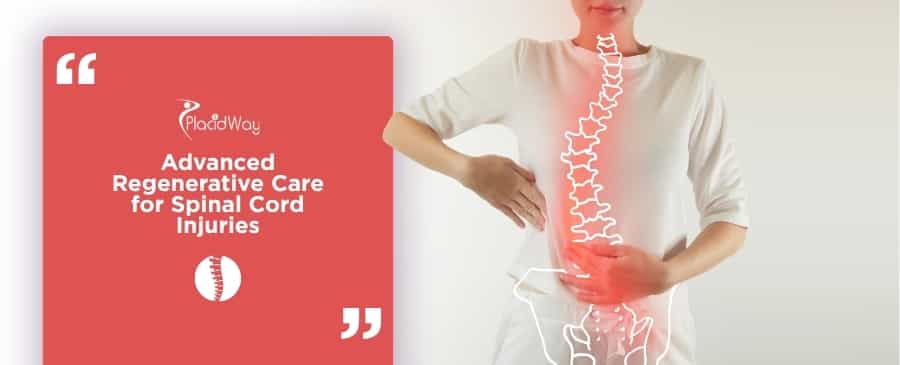
According to the National Spinal Cord Injury Statistical Center, nearly 300,000 Americans are currently living with a spinal cord injury (SCI), with approximately 18,000 new cases occurring each year. For decades, the standard of care has been limited to acute surgical stabilization followed by grueling physical therapy. While these methods help patients adapt to their injuries, they do very little to repair the actual neural damage. For patients and their families, the search for functional recovery can be frustratingly slow.
Driven by the restrictive regulatory landscape in the United States, a growing number of Americans are exploring medical tourism to access advanced cellular medicine. Stem cell treatment for spinal cord injuries in Colombia has rapidly emerged as a leading option. Known for its progressive healthcare legislation, state-of-the-art laboratory facilities, and world-class neurologists, Colombia offers a beacon of hope for patients seeking comprehensive regenerative protocols.
However, navigating international medical treatments for complex neurological conditions requires extreme diligence. This comprehensive guide will walk you through the science behind the therapy, the precise costs involved, what to expect during the clinical protocol, and the practical realities of the recovery journey. Our goal is to provide you with the objective, evidence-based information necessary to make an empowered healthcare decision.
Understanding Stem Cell Therapy for SCI
Before traveling abroad, patients must understand what cellular therapy can—and cannot—achieve. Spinal cord damage involves the severing of nerve fibers, the death of local cells, and a hostile inflammatory environment that blocks natural healing.
Cellular therapy utilizes Mesenchymal Stem Cells (MSCs), typically derived from ethically sourced human umbilical cord tissue (Wharton's Jelly). When introduced into the spinal fluid, these powerful cells act as molecular paramedics. They do not magically transform into new spinal cord tissue; instead, they secrete vital growth factors and exosomes that alter the injured environment.
How MSCs Target Spinal Cord Damage?
Clinical research indicates that MSCs aid spinal cord injury recovery through three primary mechanisms:
- Immunomodulation: MSCs actively calm the severe, chronic inflammation in the spinal cord that causes secondary cell death weeks and months after the initial injury.
- Neuroprotection: They secrete neurotrophic factors (such as BDNF and NGF) that protect surviving neurons from dying and promote the sprouting of new nerve connections (neuroplasticity).
- Scar Reduction: After an injury, the body forms a dense "glial scar" that acts as a physical wall, preventing nerves from regrowing. MSCs secrete enzymes that help break down this scar tissue.
Why are American patients choosing Colombia for this treatment?
In the United States, the FDA classifies cultured, expanded stem cells as biological drugs, restricting their use largely to expensive, difficult-to-access clinical trials. Colombia's regulatory body, INVIMA, has established progressive, highly regulated pathways that allow for the safe, ethical cultivation and administration of MSCs in clinical settings.
Cost Comparison: Colombia vs USA
The financial realities of spinal cord injuries are devastating. Beyond the millions spent on lifetime care, accessing experimental regenerative therapies in North America can drain a family's life savings. Colombia provides a safe, highly regulated alternative at a fraction of the price.
Note: Costs vary widely based on the required cell dosage (often 100 million to 300 million cells), the number of application days, and concurrent neuro-rehabilitation programs.
What Does a Colombian Treatment Package Include?
Medical tourism packages for complex conditions are designed to be comprehensive. When you pay for a premium stem cell protocol in Colombia, the cost typically covers:
- Extensive pre-arrival medical consultations and MRI reviews by board-certified neurologists.
- The laboratory expansion and preparation of highly viable, GMP-certified umbilical cord stem cells.
- Multiple administration sessions (usually a combination of intrathecal injections and intravenous IV drips).
- Anesthesiologist fees and specialized operating room usage.
- Initial post-treatment physical therapy and neuro-rehabilitation sessions.
- VIP airport transfers and ground transportation to the clinic in wheelchair-accessible vehicles.
Why is it more affordable in Colombia?
The price discrepancy is not indicative of lower quality. Colombia's lower costs are driven by structural economic factors: a favorable currency exchange rate, lower administrative hospital overhead, and the absence of inflated US medical billing systems. Furthermore, top Colombian clinics operate their own highly regulated, in-house cell laboratories, removing the massive markup associated with third-party biomedical suppliers.
The Step-by-Step Treatment Protocol
Treating a spinal cord injury with stem cells is not a simple outpatient visit. It is a highly orchestrated medical protocol overseen by a multidisciplinary team of neurologists, anesthesiologists, and rehabilitation specialists. Here is the typical step-by-step process for American patients traveling to Colombia.
- Remote Medical Triage (Weeks Prior): You submit your latest MRI scans, neurological reports (ASIA Impairment Scale), and medical history. The Colombian medical board reviews your case to determine if you are an eligible candidate and to formulate a specific cell dosage plan.
- Arrival and Evaluation (Day 1-2): Upon arrival in Bogota or Medellin, you undergo comprehensive baseline testing. This includes blood work, physical examinations, and spasticity assessments to establish a clear starting point for tracking progress.
- Intrathecal Administration (Day 3): Because systemic (IV) injections have a hard time crossing the blood-brain barrier, the primary treatment involves an intrathecal injection. Under local anesthesia and sterile conditions, a specialist performs a lumbar puncture, injecting a high dose of MSCs directly into the cerebrospinal fluid, allowing them to flow directly to the spinal lesion.
- Intravenous Application (Day 4-5): Additional stem cells are often administered via IV drip over subsequent days. This helps modulate the systemic immune system and addresses generalized inflammation throughout the body.
- Observation and Early Rehab (Days 6-10): Patients are monitored for immediate side effects. Most premier clinics will begin gentle neuro-rehabilitation immediately to stimulate the nervous system and encourage the newly introduced cells to begin their regenerative signaling.
Safety, Quality, and Laboratory Standards
The most common question American patients ask is: "Is stem cell treatment for spinal cord injuries in Colombia safe?" The answer is yes, provided you select an elite, certified institution. Safety in cellular therapy depends entirely on how the cells are cultivated, tested, and administered.
Regulatory Oversight by INVIMA
Colombia's medical sector is highly regulated. Biological treatments are overseen by INVIMA (National Food and Drug Surveillance Institute), the Colombian equivalent of the US FDA. Legitimate clinics must adhere strictly to INVIMA's protocols regarding the handling of human tissue.
GMP-Certified Laboratories
The hallmark of a safe stem cell clinic is its laboratory. You must ensure the clinic sources its cells from a laboratory with Good Manufacturing Practice (GMP) certification. This ensures:
- Pathogen Screening: Donor tissues are rigorously tested for HIV, Hepatitis, Syphilis, and other infectious diseases.
- Cell Viability: Flow cytometry is used to guarantee that a high percentage (typically over 90%) of the injected cells are alive and active.
- Sterility Check: Cultures are tested for bacterial, fungal, and endotoxin contamination before ever being cleared for patient use.
By bypassing the blood-brain barrier via intrathecal injection, the procedure carries standard risks associated with a lumbar puncture—primarily a temporary headache or mild localized pain—but the cellular products themselves, when processed correctly, have an exceptional safety profile with very low risk of rejection, as MSCs are immune-privileged.
Recovery Timelines and Post-Treatment Expectations
It is vital to understand that stem cell therapy is not a "magic switch." Neural tissue heals incredibly slowly. Patients should view the therapy as planting seeds in a garden; the treatment provides the biological foundation, but aggressive physical therapy provides the sunlight and water needed for growth.
Phased Recovery Timeline
- Weeks 1–4 (Cellular Integration Phase): Immediately following treatment, you may experience mild fatigue or minor headaches from the lumbar puncture. During this time, the MSCs are actively secreting growth factors and reducing chronic neuroinflammation. Most patients report subtle changes here, such as decreased muscle spasticity or improved core temperature regulation.
- Months 2–4 (Neuroplasticity Phase): As inflammation subsides, the nervous system attempts to reroute signals. Patients undergoing rigorous physical therapy may notice improved bowel or bladder function, increased autonomic stability, or faint new sensory perceptions below the injury line.
- Months 6–12+ (Maturation Phase): Any motor function improvements generally take over six months to manifest. Consistent, intensive neuro-rehabilitation is mandatory during this window to "teach" the healing nervous system how to function again.
The Crucial Role of Physical Therapy
A major mistake patients make is returning home and remaining sedentary. The introduced stem cells respond to physical stimuli. You must engage in daily, aggressive physical therapy—including weight-bearing exercises, functional electrical stimulation (FES), and locomotor training—to maximize the benefits of the treatment.
How to Choose a Stem Cell Clinic in Colombia?
The medical tourism market includes both exceptional hospitals and opportunistic marketing operations. Use this practical 6-step checklist to evaluate providers and protect your health.
- Demand a Neurologist: Spinal cord injuries are highly complex. Ensure the medical director and the treating physician are board-certified neurologists or neurosurgeons, not general practitioners.
- Verify Lab Certifications: Ask for proof that their laboratory is ISO-certified and compliant with GMP standards.
- Ask for the Certificate of Analysis (COA): Before injection, a reputable clinic will provide a COA showing the exact cell count, viability percentage, and sterility test results for your specific batch of cells.
- Confirm the Administration Route: For an SCI, IV drips alone are insufficient. The clinic must offer intrathecal administration to ensure the cells reach the spinal cord.
- Check Accessibility Accommodations: Ensure the clinic, partnering hotels, and provided transportation are fully equipped to handle high-level quadriplegic or paraplegic patients.
- Beware of Outrageous Claims: Walk away from any clinic that uses the word "cure" or guarantees that you will walk again. Legitimate doctors promise to optimize your healing potential, nothing more.
Honest Risks, Limitations, and Contraindications
Stem cell treatment for spinal cord injuries is a profound medical intervention and requires a grounded, realistic approach. As a high-stakes healthcare decision, you must be fully aware of the clinical limitations.
Who Should NOT Pursue This Treatment?
Stem cell therapy is generally contraindicated for patients who:
- Have an active cancer diagnosis or a recent history of malignancies (MSCs promote cell growth, which is dangerous in the presence of tumors).
- Suffer from active, severe systemic infections.
- Have severe coagulation (blood clotting) disorders, making lumbar punctures highly dangerous.
- Are completely ventilator-dependent, which severely complicates the safety of international travel and anesthesia.
Clinical Limitations
Currently, complete severance of the spinal cord (a complete ASIA A injury) has a much lower probability of significant motor recovery compared to incomplete injuries. While patients with complete injuries often seek treatment to improve autonomic dysreflexia, bladder control, and spasticity, they must understand that significant motor return is statistically rare. Do not mortgage your home based on the expectation of a full physical recovery.
5-Step Action Plan for Colombia Medical Tourism
If you have discussed your options with your local healthcare provider and are ready to explore stem cell treatment in Colombia, follow this structured framework to begin your journey.
- Gather Your Medical Records: Compile your most recent spinal MRIs (no older than 6 months), comprehensive doctor's notes, and your ASIA impairment scale scoring.
- Request Multiple Consultations: Use a trusted platform like PlacidWay to connect with 2-3 vetted stem cell clinics in Bogota or Medellin. Submit your records for an initial medical review.
- Conduct Video Interviews: Speak directly with the Colombian neurologists. Ask probing questions about cell viability, dosages, and expected realistic outcomes for your specific level of injury.
- Plan Domestic Rehabilitation: Secure a physical therapist in your hometown who understands neurological recovery and is willing to work with you intensively upon your return.
- Coordinate Accessible Travel: Work with the clinic's international patient coordinators to manage flights, secure wheelchair-accessible transport from the airport, and book appropriately equipped hotel accommodations.
Take the Next Step in Your Healing Journey
Connect with internationally accredited regenerative medicine centers in Colombia. Review specialist profiles, compare treatment protocols, and schedule a free, no-obligation medical review today.
Frequently Asked Questions
Make An Informed Healthcare Decision
A spinal cord injury fundamentally alters the trajectory of a person's life. While traditional medicine often stops at stabilization and basic adaptation, regenerative medicine seeks to push the boundaries of what is possible. Stem cell treatment for spinal cord injuries in Colombia provides a medically advanced, cost-effective avenue for patients unwilling to accept the status quo.
By offering heavily regulated, GMP-certified cellular protocols at an accessible price point, Colombian clinics provide an alternative that blends scientific innovation with compassionate care. However, true success requires viewing stem cells not as a standalone miracle, but as a biological catalyst that must be paired with unwavering dedication to physical therapy.
Do your research, verify clinic credentials rigorously, and consult with your primary healthcare team. If you are ready to explore the possibilities of advanced neuro-restoration, reach out to verified clinics through PlacidWay, compare their treatment protocols, and take proactive steps toward optimizing your recovery.
The information in this article is for educational purposes only and does not constitute medical advice. Individual results vary based on health status, case complexity, and other factors. Always discuss your specific situation with a licensed healthcare professional before making treatment decisions. PlacidWay connects patients with verified healthcare providers but does not provide medical services directly.
- World Health Organization (WHO): Spinal Cord Injury Fact Sheet
- National Institutes of Health (NIH): Mesenchymal Stem Cells for Spinal Cord Injury: Current Clinical Trials and Future Perspectives
- Mayo Clinic: Spinal Cord Injury - Diagnosis and Treatment
- Christopher & Dana Reeve Foundation: Understanding Secondary Complications of SCI
- PlacidWay Medical Tourism: Global Stem Cell Therapy Options and Clinic Verifications
.jpg)















Share this listing