


Cuprins
Înțelegerea opțiunilor de terapie cu celule stem pentru autism în Slovacia
Pentru părinții care navighează prin peisajul complex al tulburării din spectrul autist (TSA), găsirea unor terapii care să abordeze provocările neurologice și imunologice profunde este o prioritate absolută. În ultimii ani, Slovacia a devenit discret un centru progresist și extrem de căutat pentru medicina regenerativă, oferind o speranță reînnoită familiilor din întreaga lume. Prin furnizarea de tratamente avansate cu celule stem pentru autism, această frumoasă națiune central-europeană combină știința medicală de ultimă generație cu o compasiune profundă și standarde stricte de siguranță.
Terapia cu celule stem pentru autism se concentrează pe utilizarea proprietăților regenerative unice ale celulelor stem mezenchimale (MSC). Aceste celule au capacitatea remarcabilă de a migra către zonele inflamate din creier, de a regla sistemul imunitar și de a promova repararea conexiunilor neuronale. Deși nu este un „leac”, mulți părinți raportează îmbunătățiri profunde ale contactului vizual, comunicării verbale, implicării sociale a copilului lor și reducerea comportamentelor hiperactive sau repetitive.
Alegerea Slovaciei pentru acest tratament inovator înseamnă accesarea unei infrastructuri medicale de nivel mondial, guvernată de directive medicale stricte ale Uniunii Europene. Clinicile de aici utilizează laboratoare de ultimă generație pentru procesarea celulelor, asigurând cea mai înaltă viabilitate și siguranță a celulelor stem utilizate. În plus, profesioniștii medicali slovaci sunt cunoscuți pentru abordarea lor holistică, combinând adesea administrarea de celule stem cu terapii de susținere, cum ar fi neuroreabilitarea, pentru a maximiza neuroplasticitatea și rezultatele generale ale dezvoltării.
Dincolo de excelența clinică, familiile aleg Slovacia deoarece oferă o valoare excepțională. Turiștii medicali constată că pot accesa tratamente premium cu celule stem, obținute din surse etice, la o fracțiune din costul de care se bucură alte țări din Europa de Vest sau America de Nord, fără a compromite vreodată calitatea îngrijirii sau standardele facilităților. Cu specialiști înalt calificați, vorbitori de limba engleză, care vă ghidează la fiecare pas, călătoria dumneavoastră către a vă ajuta copilul să își atingă întregul potențial începe în inima Europei.
Știați?
Deoarece Slovacia este membră a Uniunii Europene, unitățile sale medicale sunt supuse reglementărilor extrem de stricte ale Agenției Europene pentru Medicamente (EMA). Acest lucru garantează că laboratoarele care cultivă și procesează celule stem respectă cele mai înalte standarde globale de sterilitate, viabilitate celulară și aprovizionare etică, oferind părinților o liniște sufletească imensă în ceea ce privește siguranța.
Informații cheie pe scurt
Tratamentele sunt guvernate de directive stricte ale Uniunii Europene în materie de sănătate și siguranță, asigurând standarde de laborator de nivel mondial.
Clinicile utilizează în principal celule stem mezenchimale (MSC) provenite din surse etice, cunoscute pentru proprietățile lor antiinflamatorii puternice.
Familiile economisesc adesea mii de dolari în comparație cu tratamente echivalente din America de Nord, fără a sacrifica calitatea.
Multe centre combină terapia cu celule stem cu îndrumări nutriționale personalizate și neuroreabilitare pentru rezultate optime.
Echipele medicale vorbesc fluent limba engleză, facilitând o comunicare clară și empatică pe tot parcursul călătoriei.
Procedura este minim invazivă, permițând de obicei copilului să se recupereze confortabil alături de familia sa în aceeași zi.
Avantajul „Orașului Geamăn”
Capitala Slovaciei, Bratislava, este extrem de aproape de Viena, Austria. De fapt, acestea sunt cele mai apropiate două capitale naționale din Europa! Aceasta înseamnă că familiile care călătoresc pentru tratament pot zbura cu ușurință către masivul Aeroport Internațional Viena (VIE) și pot face o călătorie rapidă și pitorească de 45 de minute cu mașina direct la clinica lor din Slovacia.
Înțelegerea clară a investiției financiare este un pas vital în planificarea tratamentului copilului dumneavoastră. Tabelul de mai jos prezintă costurile medii asociate terapiei cu celule stem pentru autism în Slovacia, demonstrând avantajele financiare semnificative pe care le oferă față de destinațiile globale alternative. Deși planurile individuale de tratament și cerințele privind dozajul de celule vor determina în cele din urmă prețul dumneavoastră specific, aceste cifre de referință vă vor ajuta să vă planificați eficient bugetul pentru această călătorie medicală care vă va schimba viața.
Sfat: Solicitați întotdeauna o ofertă medicală detaliată și detaliată de la clinica aleasă pentru a vă asigura că știți exact ce este inclus în protocolul de tratament.
Price starting from $8,300
Stem Cell Therapy for Autism in Slovakia: CellCenter Package in Bratislava & Malacky with IV & Nasal Injection
CellCenter - Stem Cell Therapy in Bratislava and Malacky, Slovakia
- Stem Cell Therapy
Bratislava,Malacky, Slovakia
Călătoria internațională pentru îngrijiri medicale necesită o planificare meticuloasă, mai ales atunci când sunteți însoțit de un copil cu autism. În secțiunea de mai jos, prezentăm o selecție atent selecționată de furnizori de top din Slovacia care oferă pachete complete pentru celule stem. Aceste pachete concepute cu grijă acoperă, în general, consultații medicale complete, procesarea celulelor în laborator, administrarea terapiei în sine și evaluări ulterioare. Examinați aceste opțiuni pentru a găsi o soluție perfectă care să minimizeze stresul pentru dumneavoastră și copilul dumneavoastră.
Notă: Pachetele complete vă simplifică călătoria prin gruparea taxelor medicale și terapiilor vitale într-un cost transparent și previzibil.
Stem Cell Treatment for Autism Compararea costurilor centrelor în Slovakia
| Furnizor | Procedură | Preţ |
|---|---|---|
| CellCenter - Stem Cell Therapy in Bratislava and Malacky, Slovakia | Stem Cell Treatment for Autism, Stem Cell Therapy | $8300 |
Stem Cell Treatment for Autism Compararea costurilor în Slovakia
| Ţară | Procedură | Preţ |
|---|---|---|
| Switzerland | Stem Cell Treatment for Autism, Stem Cell Therapy | $23000 |
| United States | Stem Cell Treatment for Autism, Stem Cell Therapy | $25000 |
| Austria | Stem Cell Treatment for Autism, Stem Cell Therapy | $12000 |
Succesul și siguranța medicinei regenerative se bazează în întregime pe expertiza și facilitățile clinicii pe care o alegeți. Mai jos, am întocmit o listă de centre medicale de elită din Slovacia, specializate în aplicații ale celulelor stem pentru afecțiuni neurologice precum autismul. Aceste unități au fost evaluate cu atenție pentru respectarea reglementărilor medicale ale UE, sofisticarea laboratoarelor lor de procesare a celulelor și angajamentul lor față de îngrijirea pediatrică. Răsfoiți profilurile lor pentru a găsi un centru care să corespundă așteptărilor dumneavoastră clinice.
Siguranța pe primul loc: Acordați prioritate centrelor medicale care se mândresc cu laboratoare specializate, acreditate și echipe medicale multidisciplinare instruite în neurologie pediatrică.
CellCenter - Stem Cell Therapy in Bratislava and Malacky, Slovakia
Bratislava,Malacky, Slovakia
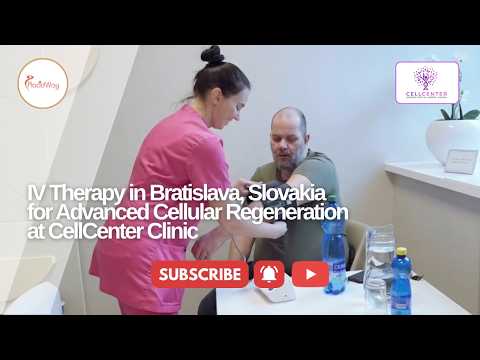
Nimic nu vorbește mai tare decât experiențele directe ale familiilor care au parcurs deja această cale. În mărturiile video de mai jos, părinții își împărtășesc experiențele profund personale legate de tratamentul cu celule stem al copilului lor în Slovacia. Ascultați-i în timp ce detaliază îmbunătățirile comportamentale și cognitive la care au fost martori, discută despre calitatea îngrijirii primite de la personalul medical și oferă perspective de susținere pentru alți părinți care iau în considerare această terapie avansată.
Perspectivă: Reportajele video oferă o perspectivă autentică și emoționantă asupra realităților și succeselor cotidiene ale experienței turismului medical.
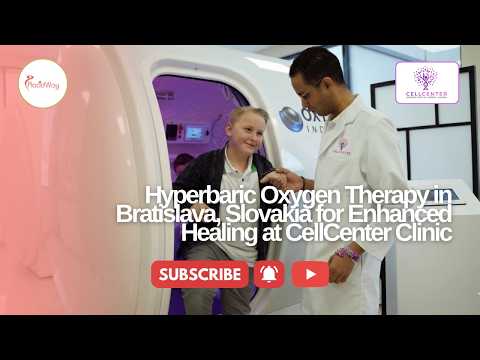
Citirea recenziilor detaliate poate reduce semnificativ anxietatea de a căuta tratament în străinătate. În această secțiune, veți găsi feedback verificat, scris, de la familii care au încredințat clinicilor slovace îngrijirea copiilor lor. Aceste recenzii analizează specificul tratamentului clinicii, curățenia facilităților, transparența medicilor și monitorizarea post-tratament, oferindu-vă o imagine de ansamblu cuprinzătoare a satisfacției pacienților.
Sfat pentru recenzie: Concentrați-vă pe recenziile care menționează modul în care personalul clinic a adaptat nevoile senzoriale și comportamentale unice ale copiilor cu autism.

What is the Cost of Stem Cell Therapy for Autism in Slovakia?
The estimated cost of stem cell therapy for autism in Slovakia generally ranges from $8,000 to $15,000 per treatment cycle. Pricing varies significantly depending on the type of stem cells utilized, the clinic's specific protocols, and the patient's individual medical requirements. Exploring alternative options for Autism Spectrum Disorder (ASD) often leads families to research international medical treatments. Understanding the complexities of stem cell therapy for autism in Slovakia requires careful consideration of both the financial commitment and the experimental nature of the procedure. While standard therapies focus on behavioral and educational interventions, some families look toward regenerative medicine with the hope of addressing underlying neuroinflammation. This comprehensive guide explains the variables that affect the stem cell therapy for autism cost in Slovakia, what a typical protocol entails, and important safety considerations for patients exploring these investigational options abroad. Key Takeaways Estimated procedure costs range between $8,000 and $15,000 per session, excluding travel. Stem cell administration for ASD remains strictly investigational and is not a recognized cure. Treatment prices fluctuate based on the source of cells (e.g., autologous vs. allogeneic umbilical cord tissue). Slovakia complies with European Medicines Agency (EMA) safety standards for medical procedures. Patients must undergo thorough pre-evaluation and consult their primary neurologist before considering therapy abroad. What factors influence the stem cell therapy for autism cost in Slovakia? The primary variables affecting the stem cell therapy for autism cost in Slovakia include the source and quantity of the cells, pre-treatment neurological diagnostics, and the duration of the clinical monitoring period. Pricing is rarely a flat rate because regenerative medicine requires individualized protocols. The most significant cost driver is the laboratory processing involved in preparing the stem cells. Clinics utilizing allogeneic Mesenchymal Stem Cells (MSCs) derived from ethically donated umbilical cord tissue typically have higher upfront laboratory costs compared to clinics using autologous cells (cells taken from the patient's own body). Additionally, the total fee usually encompasses comprehensive pre-procedure diagnostics. Because autism is a complex spectrum disorder, medical teams must perform extensive blood work, metabolic testing, and sometimes advanced neurological imaging to determine if a patient is a suitable candidate for investigational treatments. Facility fees and the specialized medical personnel required to safely administer and monitor the therapy also contribute to the final estimate. Clinics that maintain strict adherence to Good Manufacturing Practice (GMP) standards for cell processing often charge more, reflecting their investment in high-level laboratory safety and quality control. Cost Component Estimated Impact on Total Price Description Stem Cell Processing High (40% - 60%) Laboratory cultivation, quality testing, and cell viability verification. Medical Diagnostics Medium (15% - 25%) Pre-treatment bloodwork, neurological assessments, and immune system screening. Clinical Administration Medium (15% - 25%) Physician fees, nursing care, IV materials, and facility usage. Is stem cell therapy a recognized cure for autism? No. Stem cell therapy is currently an experimental, investigational procedure and is not recognized by major global health organizations as a cure for Autism Spectrum Disorder. It is vital for families to approach this topic with realistic expectations. Autism is a neurodevelopmental disorder with diverse genetic and environmental origins. There is currently no known cure. The scientific rationale behind researching stem cells for ASD lies in the unique properties of Mesenchymal Stem Cells (MSCs), which are known for their immunomodulatory capabilities. Some researchers hypothesize that a subset of children with autism experience chronic neuroinflammation or immune system dysregulation. Experimental treatments aim to introduce MSCs to potentially reduce this inflammation, which might, in theory, alleviate certain behavioral or physical symptoms associated with the disorder. However, clinical trials are still ongoing, and evidence remains inconclusive. Patients exploring an international stem cell therapy for autism clinic in Slovakia should be highly skeptical of any facility that guarantees outcomes, promises a "cure," or dismisses the necessity of ongoing traditional therapies such as Applied Behavior Analysis (ABA), speech therapy, and occupational therapy. Important Medical Consideration Investigational treatments should never replace the foundational care provided by your child's developmental pediatrician. Always discuss plans for international therapies with your home healthcare team to understand potential contraindications based on your child's specific medical history. How do clinics source stem cells for autism treatments? Clinics typically use either autologous cells extracted from the patient’s own bone marrow or fat, or allogeneic mesenchymal stem cells sourced from donated, screened umbilical cord tissue. The source of the stem cells plays a significant role in both the treatment protocol and the overall cost. In the context of neurodevelopmental research, many modern clinical trials lean toward using allogeneic (donor) umbilical cord-derived MSCs. These cells are considered "immunologically privileged," meaning they typically have a lower risk of being rejected by the patient's immune system. Umbilical cord tissue is collected from healthy mothers after full-term, uncomplicated cesarean section deliveries, following strict ethical and medical guidelines. The tissue is then processed in highly regulated laboratories, where the cells are cultivated, expanded, and rigorously tested for infectious diseases, chromosomal abnormalities, and viability. Conversely, autologous treatments require an invasive procedure to harvest cells from the patient's own body—usually a bone marrow aspiration or a minor liposuction procedure. For children with ASD, undergoing these extraction procedures often requires general anesthesia, which introduces additional medical risks and complexities that families must weigh carefully. What does a typical investigational treatment program include? A standard protocol spans several days and includes extensive pre-treatment testing, the controlled administration of stem cells via intravenous (IV) infusion, and a brief period of clinical observation. Initial Consultation: The medical team reviews the patient's neurological history, current medications, and past diagnostic reports to ensure they meet the specific criteria for the procedure. Laboratory Diagnostics: Comprehensive blood tests check for active infections, metabolic function, and immune system stability to clear the patient for treatment. Administration: Stem cells are most commonly administered through a slow intravenous (IV) drip. In some highly specific neurological trials, cells may be delivered via intrathecal injection (into the spinal canal), though this carries significantly higher risks. Monitoring: Post-administration, the patient remains under clinical observation for several hours to monitor for immediate adverse reactions, such as fever or allergic responses. Discharge Planning: Families are provided with detailed aftercare instructions and a schedule for follow-up communication to track the patient's health upon returning home. Are there additional travel and accommodation expenses to consider? Yes, families must budget for flights, local transportation, accommodations, and daily living expenses, which are usually not included in the medical clinic's treatment estimate. When planning a medical journey to Europe, logistical costs can add thousands of dollars to the total financial commitment. Slovakia is centrally located in Europe, with major treatment centers often situated in or near Bratislava or Košice. Families usually fly into Vienna International Airport (in neighboring Austria), which is just a short drive from Bratislava, or directly into Slovakian airports depending on their origin. The required length of stay generally spans 5 to 10 days. Because children with autism often thrive on routine and struggle with environmental changes, parents frequently opt for comfortable, quiet accommodations—such as private apartment rentals rather than busy hotels—to help minimize sensory overload during the trip. Families should also consider travel insurance that specifically covers medical complications abroad, as standard domestic health insurance will not cover emergency care related to an elective, experimental treatment in a foreign country. Why do families choose medical tourism in Slovakia for this procedure? Families often seek medical tourism in Slovakia because the country offers advanced medical infrastructure and operates under European Union safety directives, often at a lower cost than clinics in Western Europe or the Americas. In the United States and many other Western nations, stem cell therapy for autism is heavily restricted by health authorities (such as the FDA) and is generally only available to a very small number of patients enrolled in strict, randomized clinical trials. Consequently, parents seeking these therapies frequently look internationally. As an EU member state, Slovakia is bound by the European Medicines Agency (EMA) regulations regarding Advanced Therapy Medicinal Products (ATMPs). While experimental treatments are still strictly controlled, some EU countries permit compassionate use exemptions or have specific national frameworks that allow authorized private facilities to offer these therapies safely, provided they meet rigorous GMP laboratory standards. Furthermore, the cost of living and general medical overhead in Central Europe is lower than in the US or UK. This economic difference allows specialized clinics to offer complex cellular therapies at a price point that, while still significant, is often more accessible than alternative international destinations. What are the potential risks and complications of stem cell therapy? Potential risks include injection site infections, mild to severe immune reactions, transient fevers, and the unknown long-term consequences of introducing cultured cells into the body. Safety is the paramount concern when dealing with any investigational treatment. While studies on umbilical cord-derived MSCs often report a favorable short-term safety profile, the procedure is not entirely without risk. The most common immediate side effects include low-grade fever, fatigue, and temporary soreness or bruising at the IV insertion site. More serious, though less common, complications can involve bacterial infections if the cells were improperly processed or handled. There is also a theoretical risk of an adverse immune response, even with cells considered immunologically privileged. If the clinic utilizes intrathecal administration (spinal tap), the risks escalate to include severe headaches, spinal fluid leaks, and neurological damage. Furthermore, because this field of regenerative medicine is relatively new, the long-term effects of systemic stem cell administration in pediatric patients remain unknown. Families must discuss these risks thoroughly with independent medical professionals who are not affiliated with the treating clinic. Who is an appropriate candidate for investigational stem cell treatment? Appropriate candidates are typically medically stable patients who have been diagnosed with ASD, do not have active infectious diseases, and meet the specific screening criteria set by the clinic’s ethics board. Confirmed Diagnosis: Patients must have an official ASD diagnosis documented by a qualified pediatric neurologist or psychiatrist. Absence of Severe Co-morbidities: Children with active viral or bacterial infections, severe uncontrolled epilepsy, or specific genetic syndromes (unless explicitly included in the trial) are usually excluded. Age Considerations: Many clinics focus on the early intervention window, typically accepting patients between the ages of 3 and 12, though some evaluate older teenagers and adults case-by-case. Medical Stability: Routine blood panels must show normal liver, kidney, and immune function to ensure the patient can safely process the treatment. Informed Consent: Parents or legal guardians must demonstrate a clear understanding that the treatment is experimental and sign comprehensive informed consent documentation. How can you evaluate a stem cell therapy for autism clinic in Slovakia? Evaluating a facility involves checking their regulatory compliance, laboratory certifications, transparency regarding risks, and the credentials of their attending medical staff. Choosing a facility for experimental medical procedures requires immense diligence. First, verify that the clinic utilizes a laboratory certified under Good Manufacturing Practice (GMP) standards. This certification is crucial as it dictates the strict sterility and quality control measures necessary for processing human cells. Examine the clinic's marketing language. Reputable medical providers do not promise cures or guarantee behavioral improvements. They present realistic, medically balanced information that highlights both potential benefits and documented risks. Any facility pressuring families for immediate financial deposits should be approached with extreme caution. Additionally, families should request to see the medical credentials of the physicians overseeing the treatment. Ideal facilities will have specialized neurologists, immunologists, and pediatric care experts on staff, rather than just general practitioners. Transparency about their clinical data, cell viability reports, and ethical board approvals is a hallmark of a responsible medical provider. Why Choose PlacidWay for Medical Tourism Research? Navigating international healthcare options can be overwhelming. PlacidWay serves as an educational resource to help patients gather information about medical facilities worldwide. Global Network: Provides access to information on medical centers across dozens of countries, including Central Europe. Facility Profiles: Offers detailed descriptions of clinics, including their specialties and available technology. Direct Connection: Allows patients to request information directly from healthcare providers to facilitate personal consultations. Educational Resources: Supplies articles and guides focused on understanding various international medical procedures. Transparent Comparisons: Helps patients compare estimated treatment costs and facility accreditations in different regions. Frequently Asked Questions Is stem cell therapy for autism legal in Slovakia? Yes, but it is strictly regulated. Slovakia adheres to European Medicines Agency (EMA) regulations. Advanced therapy medicinal products (ATMPs) like stem cells may be offered under specific hospital exemptions, compassionate use, or approved clinical trials, rather than as standard, routine care. How long does a patient need to stay in Slovakia for treatment? A typical treatment protocol requires patients and their families to stay in Slovakia for 5 to 10 days. This allows time for initial medical consultations, laboratory testing, the administration of the cells, and a brief observation period before traveling home. Are the results of stem cell therapy permanent? Because this treatment is investigational, there is no guarantee of permanent results. Some studies suggest that any observed behavioral or cognitive improvements may fluctuate over time, and ongoing traditional therapies are still required. Can adults with autism receive stem cell therapy? Eligibility depends entirely on the clinic’s protocols and the specific clinical trial or exemption under which they operate. While many trials focus on young children due to early brain plasticity, some facilities evaluate adult patients on a case-by-case basis. Does insurance cover stem cell therapy for autism in Slovakia? No. Because stem cell therapy for Autism Spectrum Disorder is currently considered experimental and is not a standard approved medical treatment, health insurance companies generally do not cover the procedure or associated travel costs. What is the difference between autologous and allogeneic stem cells? Autologous stem cells are harvested from the patient's own body (such as bone marrow or fat tissue). Allogeneic stem cells are sourced from a healthy donor, most commonly ethically derived umbilical cord tissue (Mesenchymal Stem Cells). How soon might potential improvements be noticed? If any changes occur, parents and caregivers typically report noticing subtle differences within three to six months following treatment. However, responses vary widely, and some patients may experience no observable changes at all. Are there age restrictions for this investigational treatment? Many protocols prefer patients between the ages of 3 and 12, as early intervention is often the focus of developmental therapies. Clinics will have strict age guidelines established by their regulatory or ethics boards. What kind of follow-up care is required after returning home? Families must continue working with their local pediatrician, neurologist, and behavioral therapists. Clinics typically request periodic updates, blood tests, or behavioral assessments at 3, 6, and 12-month intervals to monitor safety and progress. Do medical professionals in Slovak clinics speak English? Yes, facilities that cater to international patients usually have fluent English-speaking doctors and nurses. They often provide dedicated patient coordinators to assist with communication, medical record translation, and logistical support. Explore Your Treatment Options Today Request detailed facility information, compare estimated treatment protocols, and connect with medical providers to make an informed decision for your family. Request Treatment Information References Patient Guide to Stem Cell Treatments – International Society for Stem Cell Research (ISSCR) FDA Warns About Stem Cell Therapies – U.S. Food and Drug Administration Advanced Therapy Medicinal Products Overview – European Medicines Agency (EMA) Clinical Trials for Autism and Stem Cells – ClinicalTrials.gov (National Institutes of Health) Treatment and Intervention Services for Autism Spectrum Disorder – Centers for Disease Control and Prevention (CDC) Safety and Efficacy of Stem Cell Therapy in Autism Spectrum Disorder – National Library of Medicine Medical Disclaimer: The information provided in this article is for educational and informational purposes only and does not constitute medical advice. Stem cell therapy for Autism Spectrum Disorder is considered investigational and experimental. It is not approved as a standard treatment or cure by regulatory bodies such as the FDA or EMA. Outcomes vary significantly, and the treatment carries inherent medical risks. Always consult with a qualified pediatric neurologist, pediatrician, or primary healthcare provider to discuss the safety, suitability, and potential risks before seeking any experimental medical treatment or participating in medical tourism.
Is Stem Cell Therapy For Autism Available For UK Citizens In Europe?
Yes, UK citizens can access advanced stem cell therapy for autism in Bratislava, Slovakia. This European destination offers strict medical standards, English-speaking staff, and comprehensive protocols tailored for neurodevelopmental support. Key Takeaways: Medical Travel for UK Families Short Travel Times: Direct flights from London to Bratislava are typically under two hours, minimizing sensory distress for children. Regulatory Safety: Facilities adhere to strict European Union biomedical and laboratory directives. Cost Efficiency: Programs offer substantial financial advantages compared to trans-Atlantic medical destinations. Targeted Protocols: Treatments heavily focus on reducing neuroinflammation and regulating immune responses. Multidisciplinary Care: Cellular infusions are paired with advanced complementary neuro-therapies in the city. Why is Bratislava becoming a top destination for UK citizens seeking autism stem cell treatments? Bratislava offers an ideal combination of close geographical proximity to the United Kingdom, stringent healthcare regulations, and highly specialized regenerative medicine protocols designed specifically for pediatric neurology. Proximity is a massive factor when organizing healthcare logistics for neurodivergent children. For families managing the unique behavioral and sensory needs of a child on the spectrum, long-haul international flights can trigger severe anxiety, meltdowns, and deep psychological distress. The short, direct flight from major British airports to Bratislava drastically reduces this travel-induced stress, making the entire medical journey highly manageable for both the child and the parents. Furthermore, medical tourism in Bratislava is heavily regulated under stringent European Union medical and biological directives. This regulatory oversight ensures that laboratory conditions, cell expansion techniques, clinical hygiene, and physician credentialing mirror the exacting standards expected by British citizens. Families gain immense peace of mind knowing the biological materials undergo rigorous safety screenings comparable to top-tier Western healthcare systems. Finally, the medical teams operating within this capital city have cultivated highly specialized pediatric neurodevelopmental programs. Rather than offering a generalized therapeutic approach, these medical centers focus intensely on the specific neurological, gastrointestinal, and immunological profiles of autistic children. They successfully blend advanced cellular treatments with targeted nutritional counseling and complementary therapeutic support to maximize cognitive outcomes. What is the estimated stem cell therapy for autism cost in Bratislava? Comprehensive treatment packages typically range between seven thousand and fifteen thousand pounds sterling. This pricing heavily depends on the specific cellular protocols and the duration of the required therapeutic stay in the city. When evaluating the financial logistics of regenerative medicine, it is essential to look beyond a simple base procedure fee. A comprehensive, premium package in Bratislava usually encompasses much more than the infusion itself. These fees typically cover the extensive cellular preparations, exhaustive pre-treatment neurological evaluations, dedicated pediatric specialist consultations, and intensive post-infusion supporting therapies designed to maximize long-term neuroplasticity. Compared to alternative global medical destinations, families from the UK find exceptional value here. Destinations located in the Americas or the Far East often carry highly inflated price tags that easily exceed twenty-five thousand pounds. Furthermore, those distant locations require exorbitant long-haul travel arrangements, extended accommodation expenses, and significant time taken off work, compounding the financial burden on the family. The transparent stem cell therapy for autism cost in Bratislava often incorporates access to state-of-the-art facilities, including hyperbaric oxygen chambers and dedicated sensory integration rooms. This all-inclusive medical model ensures that parents are fully aware of the financial commitment upfront and are not burdened with unexpected secondary clinical charges upon their arrival at the facility. Treatment Phase UK Private Sector Availability Bratislava Package Inclusion Pre-Medical Consultation £250 - £500 per hour Included in Base Package Mesenchymal Cell Infusion Heavily Restricted / N/A Primary Protocol Focus Hyperbaric Oxygen Therapy £100 - £200 per session Included (Multiple Sessions) Post-Care Nutritional Planning £150 - £300 Included in Base Package How does the procedure work at a stem cell therapy for autism clinic in Bratislava? The clinical pathway is meticulous, beginning with remote UK medical record reviews, advancing to on-site pediatric diagnostic evaluations in the city, and concluding with a minimally invasive intravenous biological infusion. 1. Pre-Arrival Medical Assessment Before any travel is booked, dedicated medical boards extensively review the childs UK medical history, diagnostic reports, and current behavioral regimens to determine precise clinical candidacy and safety. 2. On-Site Pediatric Evaluation Upon arrival at the clinic, specialized pediatric neurologists conduct comprehensive blood panels, metabolic screenings, and sensory assessments to establish exact baseline biological markers. 3. Rigorous Cellular Preparation The accredited laboratory custom-prepares the mesenchymal tissues, ensuring optimal cellular viability, potent expansion, and absolute compliance with rigorous European biological safety and sterility standards. 4. The Infusion Process The actual cellular administration is typically performed via a standard, slow-drip intravenous line. This process takes a few hours and is conducted in a calming, sensory-adapted suite with parents present. 5. Post-Infusion Observation Medical staff closely observe the child for any immediate physiological reactions or mild fevers, ensuring absolute stability and safety before authorizing discharge to the family accommodation. What types of biological materials are utilized for stem cell therapy for autism in Bratislava? Medical centers primarily utilize ethically sourced Umbilical Cord Mesenchymal Stem Cells due to their potent anti-inflammatory properties, high proliferation rates, and exceptional safety profile for young patients. The current scientific consensus in regenerative medicine regarding neurodevelopmental conditions strongly favors mesenchymal tissue derived from healthy, donated human umbilical cords. These specific tissues are exceptionally rich in potent cellular factors capable of modulating the overactive immune responses and chronic systemic inflammation that are frequently observed in autistic individuals. Unlike autologous cells extracted directly from the patients own bone marrow or adipose tissue, umbilical cord tissues are considered immune-privileged. This unique biological characteristic means they do not possess the surface markers that trigger a rejection response from the recipients immune system. Consequently, this completely eliminates the need for administering harsh immunosuppressant medications to the child. Furthermore, this advanced form of stem cell therapy for autism in Bratislava relies on highly expanded, exceptionally pure cell lines. The specialized laboratories employ advanced cultivation techniques over several weeks to generate millions of robust, viable cells that specifically target neuroinflammation and actively promote the long-term repair of critical neural pathways. Expert Insight on Cellular Paracrine Effects Mesenchymal cells do not simply replace damaged brain tissue. Instead, they act as microscopic pharmaceutical factories through a process called the paracrine effect. Once infused, they secrete powerful growth factors, cytokines, and exosomes that signal the childs own neurological system to reduce inflammation, stimulate new blood vessel growth in the brain, and enhance synaptic connectivity. Are the medical protocols for this treatment safe for UK children? Yes, the procedures adhere strictly to Good Manufacturing Practice guidelines mandated by European health authorities, ensuring rigorous laboratory screening, sterile cultivation, and pediatric-focused safety. Clinical safety is unequivocally the paramount concern for any UK parent exploring international medical interventions. Laboratories in Bratislava operate under stringent, continuous government oversight. This strict regulatory environment guarantees that all biological materials are comprehensively screened for infectious diseases, chromosomal abnormalities, and bacterial contamination long before they are cleared for clinical use. The administration methods are deliberately chosen to minimize pediatric distress and physical trauma. Highly invasive procedures, such as spinal lumbar punctures, are rarely utilized for standard autism protocols. Instead, simple and non-invasive intravenous drips are the established clinical standard. This gentle approach significantly reduces procedural anxiety for the child and entirely eliminates the need for extensive physical recovery downtime. Every accredited stem cell therapy for autism clinic in Bratislava employs dedicated pediatric anesthesiologists and highly experienced neuro-specialists. This specialized clinical staffing ensures that if a child experiences severe sensory distress during the initial IV placement, highly trained professionals are immediately present to manage the situation gently, safely, and with the utmost compassion. Did You Know? Extensive international clinical research indicates that intravenous mesenchymal cellular treatments maintain an excellent safety profile in pediatric populations. The most commonly reported side effect is a transient, low-grade fever or mild fatigue that typically resolves completely on its own within twenty-four to forty-eight hours post-infusion. How long do UK families need to stay for medical tourism in Bratislava regarding autism treatments? Families should anticipate an international stay ranging from five to ten days. This timeframe comfortably accommodates initial consultations, infusion days, supporting therapies, and crucial post-treatment observation. Proper scheduling is vital to ensure the child is not rushed and remains as calm as possible throughout the medical journey. A typical itinerary is carefully paced over a week to maximize therapeutic benefits. ? Acclimatization Period: Arriving a full day or two early allows the autistic child to settle into their new Bratislava hotel environment, drastically reducing travel-induced anxiety and overwhelming sensory input. ? Initial Clinical Testing: The first formal clinical day is dedicated solely to gentle medical examinations, comprehensive bloodwork, and familiarizing the child with the friendly medical staff. ? Staggered Infusion Days: Depending on the precisely prescribed protocol, the actual cellular administration may be split across two separate days to ensure maximum biological absorption and minimal physical stress. ? Daily Adjunct Therapies: The week-long schedule heavily incorporates daily sessions of targeted supporting treatments, such as sensory occupational therapy or hyperbaric oxygen, to actively stimulate neural activity. ? Final Evaluation Check: Before flying back to the UK, the lead physician conducts a thorough final physical examination and provides parents with an exhaustive post-care dietary roadmap. What specific improvements might UK parents observe after stem cell therapy for autism in Bratislava? Parents frequently report highly noticeable enhancements in expressive language, improved eye contact, reduced aggressive outbursts, better sleep regulation, and a significant decrease in chronic gastrointestinal distress. The primary biological mechanism of this cellular treatment targets the chronic neuroinflammation that is heavily prevalent in the autistic brain. As systemic inflammation progressively subsides over the weeks following the intravenous infusion, many parents begin to observe a profound calming effect settling over their childs overall nervous system. This often leads directly to a dramatic and welcome reduction in self-injurious, repetitive, or hyperactive behaviors. Cognitive and communicative leaps are also widely documented within patient communities. Children who were previously entirely non-verbal or minimally verbal may begin attempting new vocal sounds, formulating simple contextual sentences, or demonstrating a significantly deeper, faster comprehension of complex verbal instructions provided by their parents or UK-based behavioral therapists. Beyond the obvious neurological gains, the immunomodulatory effects of the cells heavily impact systemic physiological health. The vital gut-brain axis is deeply interconnected in autism pathophysiology, and these treatments frequently lead to the long-term stabilization of chronic digestive issues, regularized bowel movements, and vastly improved, uninterrupted nocturnal sleep patterns. Are multidisciplinary therapies combined with the cellular treatments? Yes, top-tier clinical programs heavily integrate supplementary therapies including hyperbaric oxygen therapy, specialized nutritional counseling, and neuro-rehabilitation to create a highly synergistic healing environment. Regenerative medicine specialists fundamentally understand that cellular administration is not a standalone magic bullet. To maximize the long-term integration and efficacy of the newly introduced cells, the brain requires extensive, targeted environmental stimulation. High-quality medical tourism in Bratislava excels specifically by offering comprehensive treatment packages that mandate daily sessions of hyperbaric oxygen therapy, a process which floods the brain with pure oxygen under pressure to actively awaken dormant neural tissues. Nutritional intervention plays an equally critical and inseparable role in the protocol. Specialized clinical dietitians work intimately with families during their stay to implement advanced dietary protocols. They help identify specific biochemical food intolerances that contribute to systemic inflammation and educate parents thoroughly on how to maintain a strict gut-healing diet once they transition back to life in the United Kingdom. Crucially, these biological and physiological interventions are ultimately designed to make traditional UK-based behavioral therapies vastly more effective. By significantly lowering the childs baseline anxiety levels and drastically improving their attention span through cellular therapy, subsequent Applied Behavior Analysis or intensive speech therapies become exponentially more impactful and rewarding. Why Choose PlacidWay for organizing your medical journey to Bratislava? PlacidWay serves as your dedicated medical advocate, connecting UK families exclusively with fully accredited, top-tier regenerative medicine facilities while ensuring absolute pricing transparency and rigorous clinical safety standards. Navigating international healthcare options for a neurodivergent child demands absolute precision, deep trust, and expert guidance. PlacidWay removes the immense stress of international medical planning through comprehensive advocacy: Stringent Medical Provider Vetting: We rigorously audit all our international partner facilities in Bratislava to guarantee they maintain supreme medical accreditations, employ highly specialized board-certified neurologists, and utilize state-of-the-art laboratory expansion technologies. Transparent Pricing Structures: We negotiate and guarantee completely transparent financial outlines with absolutely zero hidden clinical fees, ensuring UK families can accurately and safely budget for their comprehensive medical protocol. Dedicated Patient Coordination: Our experienced medical coordinators meticulously manage all clinical communications, ensuring your childs complex UK medical history is accurately translated and thoroughly reviewed by the international medical board. Pre-Treatment Medical Consultations: We seamlessly facilitate direct, secure virtual consultations between UK parents and lead international neuro-specialists, empowering families to ask critical clinical questions before making any procedural commitments. Continuous Post-Treatment Support: Our professional commitment extends far beyond the clinic doors; we ensure continuous, seamless follow-up communication between families and the medical team to accurately track long-term developmental progress. Frequently Asked Questions About Autism Treatments in Bratislava Do UK citizens need a special medical visa to enter Bratislava for treatment? UK citizens do not currently need a special medical visa for short-term clinical stays in Bratislava. Under current travel agreements, British passport holders can enter the country as tourists for up to ninety days within a one-hundred-and-eighty-day period, which is more than sufficient for this specific medical protocol. Families only need a valid passport with at least six months of remaining validity. Can we use the European Health Insurance Card for private stem cell treatments in Bratislava? The European Health Insurance Card or the UK Global Health Insurance Card covers emergency state-provided healthcare during your visit. It does not cover planned, private regenerative medicine procedures. Families must fund these specialized private treatments independently or through specific private health insurance policies if applicable to international elective care. Are English translators provided during medical consultations in Bratislava? Top-tier private medical facilities catering to international patients ensure that all primary physicians, neurologists, and pediatric nurses are highly fluent in English. For complete peace of mind, clinics also provide dedicated English-speaking patient coordinators who accompany families to every single appointment to ensure absolutely seamless communication and understanding of the medical protocols. How soon after the treatment can my child fly back to the UK? Medical teams generally recommend resting locally for twenty-four to forty-eight hours following the final cellular infusion. This critical observation window ensures the child has no adverse physiological reactions and is comfortable enough to handle the auditory and physical sensory stimulation of a commercial flight back to the United Kingdom. Is it safe to transport autism medications prescribed in the UK through Slovak customs? Yes, it is perfectly safe and legal to transport personal prescribed medications across international borders. Parents should ensure all medications remain in their original pharmacy packaging with clear prescription labels attached. Carrying a short validation letter from your UK general practitioner explaining the medical necessity is also highly recommended for smooth customs clearance. What dietary accommodations are available for autistic children in Bratislava? Bratislava clinical coordinators are acutely aware of the strict dietary requirements common among autistic children, such as gluten-free, casein-free, or soy-free diets. Partnering hotels and private clinic chefs are fully trained to prepare customized, neuro-friendly meals that adhere strictly to your childs specific nutritional plan throughout the duration of your stay. How do Bratislava medical facilities handle sensory overload in autistic patients? Specialized pediatric clinics are specifically designed with neurodivergent sensory profiles in mind. They feature dimmable lighting, soundproofed recovery suites, and highly private waiting areas to minimize anxiety. Medical staff are extensively trained to use calm, low-demand behavioral approaches to avoid triggering defensive or highly stressed reactions during examinations. Are pre-treatment blood tests required before arriving from the UK? While extensive blood work is mandatory, clinics typically prefer to conduct the final, comprehensive blood panels on-site upon your arrival using their own accredited laboratories. However, providing recent UK medical records, genetic tests, and prior neurological evaluations beforehand is crucial for the initial medical board to approve the child for the procedure. Does the treatment involve general anesthesia or local numbing for pediatric patients? The procedure relies on simple intravenous drips rather than invasive surgeries, meaning general anesthesia is rarely required. Clinicians utilize topical numbing creams to desensitize the skin before the IV placement, ensuring the process is as painless and stress-free as possible for the child without exposing them to the neurological risks of heavy sedation. Can parents stay in the recovery room with their child during the infusion? Absolutely. Medical protocols actively encourage parental presence to maintain a calming, familiar environment for the child. Parents are permitted to sit next to the bed, provide comforting sensory toys, or play favorite videos on a tablet throughout the entire duration of the cellular administration and the subsequent medical observation period. Take the Next Step for Your Childs Development Today Navigating international healthcare for neurodevelopmental conditions requires expert guidance. PlacidWay connects UK families directly with fully vetted, accredited regenerative medicine centers in Bratislava, Slovakia. Contact us today to receive a comprehensive, no-obligation quote and a customized therapeutic evaluation tailored specifically to your childs unique neurological needs. Get Your Free Quote Now * Medical team responses are typically provided within 24 to 48 hours. Strict patient privacy and data confidentiality guaranteed.
How effective is stem cell therapy in Slovakia for treating autism compared to UK treatments?
Stem cell therapy in Slovakia for autism offers regenerative protocols unavailable in the UK, using ethically sourced mesenchymal stem cells to reduce neuroinflammation. It provides potentially highly effective, specialized care at accessible pricing. Key Takeaways: Autism Treatments in Central Europe Advanced Mechanisms: Treatments target root neuroinflammation rather than just managing behavioral symptoms. Cost Efficiency: Programs offer substantial financial savings compared to private specialized care in Western Europe. Regulatory Safety: Facilities adhere to stringent European Union biological safety and laboratory protocols. Holistic Care: Medical itineraries often combine cellular infusions with targeted neuro-rehabilitation techniques. Accessibility: Shorter waiting lists allow children to receive early intervention when neuroplasticity is optimal. How does the approach to stem cell therapy in Slovakia differ from standard UK treatments for autism? Slovakia offers advanced regenerative cellular therapies targeting brain inflammation, whereas UK treatments primarily focus on behavioral management and educational support through the national health system. In the United Kingdom, standard therapeutic interventions for autism spectrum disorder are overwhelmingly conservative. The public health system relies heavily on behavioral therapies, speech-language pathology, and occupational therapy. While these educational interventions are crucial for development, they primarily aim to manage symptoms and teach coping mechanisms rather than addressing any underlying biological or neurological dysfunctions happening within the brain. Conversely, undergoing stem cell therapy in Slovakia represents a shift from symptom management to biological intervention. Leading European researchers approach certain autism presentations as conditions heavily influenced by neuroinflammation and immune system dysregulation. By introducing high-quality mesenchymal stem cells into the patients system, specialists aim to physically calm this inflammation, repair damaged neural pathways, and promote healthy blood flow to the brain. This biochemical approach acts as a powerful catalyst. When a child receives cellular treatments in Central Europe, the resulting decrease in brain inflammation often unlocks their ability to focus and learn. Parents frequently report that upon returning to the UK, their children respond significantly better to their standard behavioral therapies because the biological roadblocks impeding their cognitive development have been mitigated by the regenerative medicine. Expert Insight Mesenchymal stem cells act like microscopic paramedics in the body. When introduced intravenously, they naturally home in on areas of inflammation in the brain and release specialized growth factors. This paracrine effect is what stimulates the brains own healing mechanisms, a process that traditional occupational therapy alone cannot replicate. What is the average stem cell therapy cost in Slovakia compared to private therapies in the UK? The stem cell therapy cost in Slovakia typically ranges between $7,000 and $15,000, offering a comprehensive package that is vastly more affordable than equivalent private regenerative care in the UK. Significant Financial Savings: Private specialized neurodevelopmental treatments in Western Europe can easily exceed thirty thousand dollars. Slovakian facilities provide world-class cellular medicine at a fraction of this price due to lower national operational costs. All-Inclusive Medical Packages: The quoted prices in Central Europe usually cover more than just the cellular infusion. They frequently include pre-operative blood work, neurological consultations, pediatrician evaluations, and post-treatment monitoring. Transparent Pricing Models: Reputable clinics ensure families receive a detailed financial breakdown before traveling, eliminating the fear of hidden hospital fees or unexpected laboratory charges common in private domestic healthcare. High Cell Count Value: The efficacy of regenerative medicine often correlates with the number of viable cells administered. Slovakian packages typically guarantee high-yield stem cell dosages that would cost exponentially more if sourced within the UK. Reduced Ancillary Expenses: Beyond the medical fees, the cost of living, accommodation, and local transport in Central Europe is significantly lower than in London or Manchester, making the entire medical journey economically viable. Expense Category UK Private Sector Estimate Slovakian Medical Tourism Estimate Cellular Treatment Protocol $20,000 - $35,000+ $7,000 - $15,000 Diagnostic Consultations $500 - $1,000 per hour Often Included in Package Accommodation (per week) $1,000 - $2,000 $400 - $800 Why do UK families seek out a specialized stem cell clinic in Slovakia for pediatric neurology? Families travel to a stem cell clinic in Slovakia because these facilities bypass the strict regulatory bottlenecks of the UK, offering immediate access to safe, innovative, and EU-regulated cellular therapies. The primary driver for families leaving the UK is the severe limitation on accessing cutting-edge regenerative medicine domestically. The British medical framework requires exhaustive, decades-long clinical trials before integrating new therapies into standard pediatric care. Consequently, parents facing the immediate developmental challenges of autism simply do not have the luxury of waiting years for regulatory bodies to approve cellular interventions that are already showing immense promise globally. By choosing a dedicated facility in Central Europe, families gain immediate access to brilliant neurologists and biologists who specialize exclusively in cellular medicine. These medical professionals have accumulated vast clinical experience in treating neurodevelopmental disorders, creating highly refined protocols tailored specifically to pediatric patients. Their focused expertise provides parents with a level of confidence that general pediatricians in domestic public hospitals often cannot match. Furthermore, these specialized facilities are designed from the ground up to accommodate children with sensory sensitivities and complex behavioral needs. From tranquil waiting rooms to specialized nursing staff trained in pediatric de-escalation, every aspect of the patient experience is optimized. This environment ensures the child remains calm and cooperative, making the medical intervention profoundly less stressful for both the patient and the parents. How does medical tourism in Slovakia ensure patient safety during regenerative treatments? Medical tourism in Slovakia is strictly governed by European Union medical directives, ensuring that all laboratories and clinics adhere to rigorous sterilization, cell screening, and patient monitoring protocols. European Medicine Agency Compliance: All facilities must comply with overarching European standards for biological treatments, guaranteeing that the handling and administration of biological materials meet the highest global safety benchmarks. Advanced Laboratory Certifications: The stem cells utilized are cultivated in state-of-the-art cleanrooms possessing strict ISO certifications. This environment entirely prevents contamination and ensures maximum cellular viability prior to infusion. Exhaustive Donor Screening: When utilizing allogeneic treatments, the donor screening process is exceptionally rigorous. Donors undergo extensive infectious disease testing and genetic screening to verify the biological material is completely safe for pediatric patients. Continuous Patient Monitoring: Safety protocols extend beyond the laboratory. During the infusion process, children are continuously monitored by pediatric specialists utilizing advanced vital sign tracking equipment to preempt any rare adverse reactions. Comprehensive Aftercare Directives: Reputable clinics provide families with detailed post-treatment care plans. This includes direct communication channels with the medical team after returning to the UK to monitor the childs progress and health status. What types of stem cells are utilized for autism treatments in Slovakian medical facilities? Slovakian clinics primarily utilize Wharton jelly-derived Mesenchymal Stem Cells because of their immense immunomodulatory properties and complete lack of ethical controversies. The success of regenerative therapy depends entirely on the quality and type of biological material used. Top-tier medical institutions across Central Europe almost exclusively utilize Mesenchymal Stem Cells harvested from the Wharton jelly of donated human umbilical cords. These cells are collected from healthy, full-term pregnancies with the complete informed consent of the mother, entirely eliminating any ethical concerns traditionally associated with older embryonic cellular research. Umbilical cord-derived stem cells are uniquely powerful for pediatric neurology. Because they are biologically very young, their capability to multiply and secrete healing growth factors is at its absolute peak. More importantly, these specific cells are highly immunoprivileged. This means they do not possess the biological markers that trigger an immune response, allowing them to be safely administered to a child without any need for harsh immunosuppressive drugs or perfect donor matching. Once administered, these potent cells cross the blood-brain barrier and begin their work. They secrete cytokines and neurotrophic factors that actively reduce neuroinflammation, stimulate the formation of new blood vessels in the brain, and protect existing neurons from further damage. It is this multi-faceted regenerative action that makes umbilical cord cells the absolute gold standard for treating neurodevelopmental disorders globally. Did You Know? The Wharton jelly inside an umbilical cord acts as a structural cushion protecting the blood vessels. Scientists discovered that this jelly is an incredibly rich reservoir of highly robust, rapidly dividing mesenchymal stem cells, making it a miraculous resource for regenerative medicine. What does a comprehensive autism treatment protocol look like at specialized European clinics? Protocols involve comprehensive diagnostics, multiple targeted stem cell infusions, and integrated supportive therapies designed to maximize neuroplasticity and cognitive function. A structured medical itinerary is crucial for maximizing outcomes. Families choosing to pursue an innovative pediatric treatments at CellCenter in Slovakia discover that the process is highly organized and meticulously tailored to the individual child. The journey begins well before arrival with an extensive review of the childs neurological history, allowing the biological laboratory to prepare the exact cellular dosage required for optimal efficacy. Upon arrival at the clinic, the first phase involves thorough physical examinations and baseline cognitive testing to establish a starting point. The core of the treatment usually consists of several intravenous infusions spread over consecutive days. Administering the cells in scheduled intervals rather than a single massive dose ensures the childs body integrates the regenerative materials smoothly without becoming overwhelmed, enhancing the overall safety profile of the procedure. The most advanced European protocols do not stop at the cellular infusion. Modern clinics integrate complementary treatments such as transcranial magnetic stimulation, specialized physiotherapy, and hyperbaric oxygen therapy. Saturating the brain with oxygen immediately following a stem cell infusion exponentially increases cell survival rates and encourages rapid integration into the neural network, solidifying the long-term cognitive benefits of the therapy. How long does it take to see behavioral improvements after stem cell administration in Europe? Patients often begin showing noticeable improvements in eye contact, speech, and reduced hyperactivity within three to six months following the initial cellular infusion. Immediate Post-Treatment Phase: During the first few weeks, the introduced cells are actively reducing inflammation and releasing growth factors. Parents might not notice drastic behavioral shifts immediately, as biological healing takes time to manifest outwardly. The One to Three Month Mark: This is typically when subtle changes emerge. Families frequently report enhanced eye contact, better sleep patterns, and a noticeable reduction in aggressive outbursts or severe hyperactivity. The Three to Six Month Window: Major milestones often occur in this timeframe. Increased neuroplasticity leads to improved verbal communication, a willingness to engage in social play, and enhanced focus during educational therapies. The Six to Twelve Month Milestone: The regenerative effects solidify. Children who underwent therapy often show sustained improvements in sensory processing. This is also the period when specialists evaluate if a secondary booster infusion is necessary. Variables Influencing Timelines: It is important to note that every childs neurology is unique. The speed and extent of improvement heavily depend on the severity of the initial diagnosis, the age of intervention, and the consistency of post-treatment rehabilitative care. Are there specific age restrictions for children receiving regenerative medicine in Central Europe? While there is no strict universal age limit, clinics typically recommend starting treatment between the ages of three and twelve when neuroplasticity is at its absolute peak. Early intervention is a cornerstone principle in pediatric neurology. The human brain undergoes rapid growth and complex neural wiring during early childhood. By introducing regenerative therapies during this critical developmental window, medical professionals can maximize the impact of the stem cells. Treating a child early often yields the most dramatic improvements in speech development, cognitive processing, and emotional regulation because the brain is inherently more adaptable. However, this does not mean older children or teenagers are ineligible for cellular therapy. Many Central European clinics successfully treat adolescents on the autism spectrum. While the core neural pathways are more established in older patients, the anti-inflammatory properties of the stem cells can still provide massive relief. Teenagers often experience a significant reduction in anxiety, better emotional control, and improved gastrointestinal function following treatment. Ultimately, age is just one metric in a comprehensive medical evaluation. Before accepting a patient, European specialists conduct individualized assessments focusing on the childs specific biological markers, medical history, and behavioral challenges to determine if they are a viable candidate for intervention, regardless of their precise age. Why Choose PlacidWay for organizing your regenerative medical journey to Central Europe? PlacidWay serves as your premier healthcare companion, providing transparent access to verified global clinics without the stress of navigating foreign medical systems alone. Strict Medical Vetting: PlacidWay exclusively partners with licensed, accredited medical facilities that demonstrate a proven track record of safety and clinical success in regenerative therapies. We prioritize institutions adhering to stringent international medical protocols. Transparent Pricing Models: We provide comprehensive, itemized cost estimations upfront. By eliminating hidden medical fees and facilitating direct quotes from global healthcare providers, we ensure families can make secure, informed financial decisions. Comprehensive Treatment Coordination: Our specialized medical coordinators manage the complex communication between your family and overseas neurologists. We ensure your childs medical records are securely transmitted and reviewed by top specialists before you make any commitments. Dedicated Patient Advocacy: PlacidWay prioritizes patient empowerment. We equip parents with objective clinical data, comparative provider options, and extensive educational resources so they can confidently direct their childs healthcare journey. Access to Global Expertise: Through our extensive medical network, we connect UK families with specialized pediatric biologists and neurologists whose groundbreaking treatments might be completely inaccessible within their domestic healthcare system. Frequently Asked Questions Do stem cells cure autism completely in Slovakian clinics? Stem cells do not offer a complete cure for autism spectrum disorder. Instead, they act as a powerful management tool designed to reduce neuroinflammation and improve core symptoms like communication difficulties and hyperactivity, enhancing the childs overall quality of life. Is stem cell therapy for autism painful for the child? The procedure is minimally invasive and generally painless. Stem cells are typically administered intravenously via an IV drip. Clinics utilize specialized pediatric nurses who ensure the child remains comfortable and calm throughout the short infusion process. How are stem cells administered to pediatric patients in Slovakia? The most common and safest method for pediatric patients is intravenous administration. In some highly specific neurodevelopmental cases, intrathecal administration may be discussed, but IV drips remain the standard protocol due to their systemic reach and minimal discomfort. What are the primary side effects of stem cell therapy for autism? Because ethically sourced mesenchymal stem cells are immunoprivileged, the risk of rejection is incredibly low. The most common side effects are mild and temporary, including a low-grade fever, slight fatigue, or minor bruising at the injection site lasting one to two days. Can we combine stem cell therapy with traditional ABA therapy? Yes, combining cellular treatments with Applied Behavior Analysis is highly recommended. Stem cells enhance neuroplasticity, meaning the brain becomes more receptive to learning and behavioral modifications taught during traditional speech and occupational therapies. Do Slovakian clinics require genetic testing before autism treatment? Comprehensive diagnostic testing is a prerequisite. Clinics will review the childs existing medical records, neurological assessments, and often request specific blood panels or genetic screenings to ensure the patient is a suitable candidate for cellular regeneration. How many stem cell sessions are required for optimal autism results? The number of sessions depends on the severity of the diagnosis. Most foundational protocols involve one comprehensive trip comprising multiple infusions over a few days. Follow-up booster sessions might be recommended six to twelve months later based on patient progress. Are the stem cells used in Slovakia regulated for patient safety? Absolutely. Slovakia operates under strict European Union medical directives. The laboratories culturing the cells must maintain high-level ISO certifications and comply with European Medicines Agency standards regarding cell expansion, sterilization, and biological screening. What language do medical teams speak in Slovakian regenerative clinics? Facilities catering to international patients ensure seamless communication. Head specialists, pediatricians, and patient coordinators speak fluent English, ensuring UK families can comfortably discuss complex medical details without any language barriers. Is a medical visa required for UK citizens visiting Slovakia for treatment? UK citizens generally do not need a specialized medical visa for short-term treatments in Slovakia. Under current regulations, they can visit the Schengen area for up to ninety days for medical purposes, making the logistics of traveling for healthcare highly straightforward. Discover Regenerative Possibilities for Your Child Today Do not let long waiting lists and limited domestic options hinder your childs developmental potential. PlacidWay connects you directly with top-tier, EU-regulated medical facilities specializing in pediatric cellular therapies. Request comprehensive clinic profiles, discuss customized protocols with global experts, and receive a transparent pricing estimate today. Get Your Free Quote * Responses typically within 24 hours. Privacy guaranteed.
Fundamentul unei medicine regenerative sigure și eficiente este echipa medicală care supraveghează procedura. Am alcătuit cu atenție o rețea de neurologi și specialiști în medicină regenerativă de top în Slovacia. Acești profesioniști dedicați aduc ani de experiență în terapiile celulare și îngrijirea pediatrică. Explorând profilurile lor de mai jos, puteți analiza acreditările lor medicale, experiența lor internațională în domeniul formării și angajamentul față de terapiile inovatoare pentru tulburările de neurodezvoltare.
Neurologi certificați
Experți în neurodezvoltare pediatrică
Acești specialiști de top dețin diplome avansate în neurologie și o pregătire specifică în afecțiuni neurodezvoltării. Ei înțeleg complexitățile creierului autist, asigurându-se că protocoalele cu celule stem sunt adaptate în siguranță și specific profilului neurologic al copilului dumneavoastră.
Pionierii medicinei regenerative
Inovatori în terapiile celulare
Echipele clinice din Slovacia participă adesea la cercetări globale privind celulele stem mezenchimale. Înțelegerea lor profundă a viabilității celulare, a modulării imune și a administrării țintite asigură cea mai mare probabilitate a unui rezultat terapeutic pozitiv.
Îngrijitori plini de compasiune
Dedicat confortului pacientului
Dincolo de expertiza medicală, acești medici sunt apreciați pentru empatia lor. Tratarea copiilor cu autism necesită răbdare, înțelegere și o atitudine blândă față de pacient - calități pe care profesioniștii medicali slovaci le acordă prioritate în fiecare interacțiune.
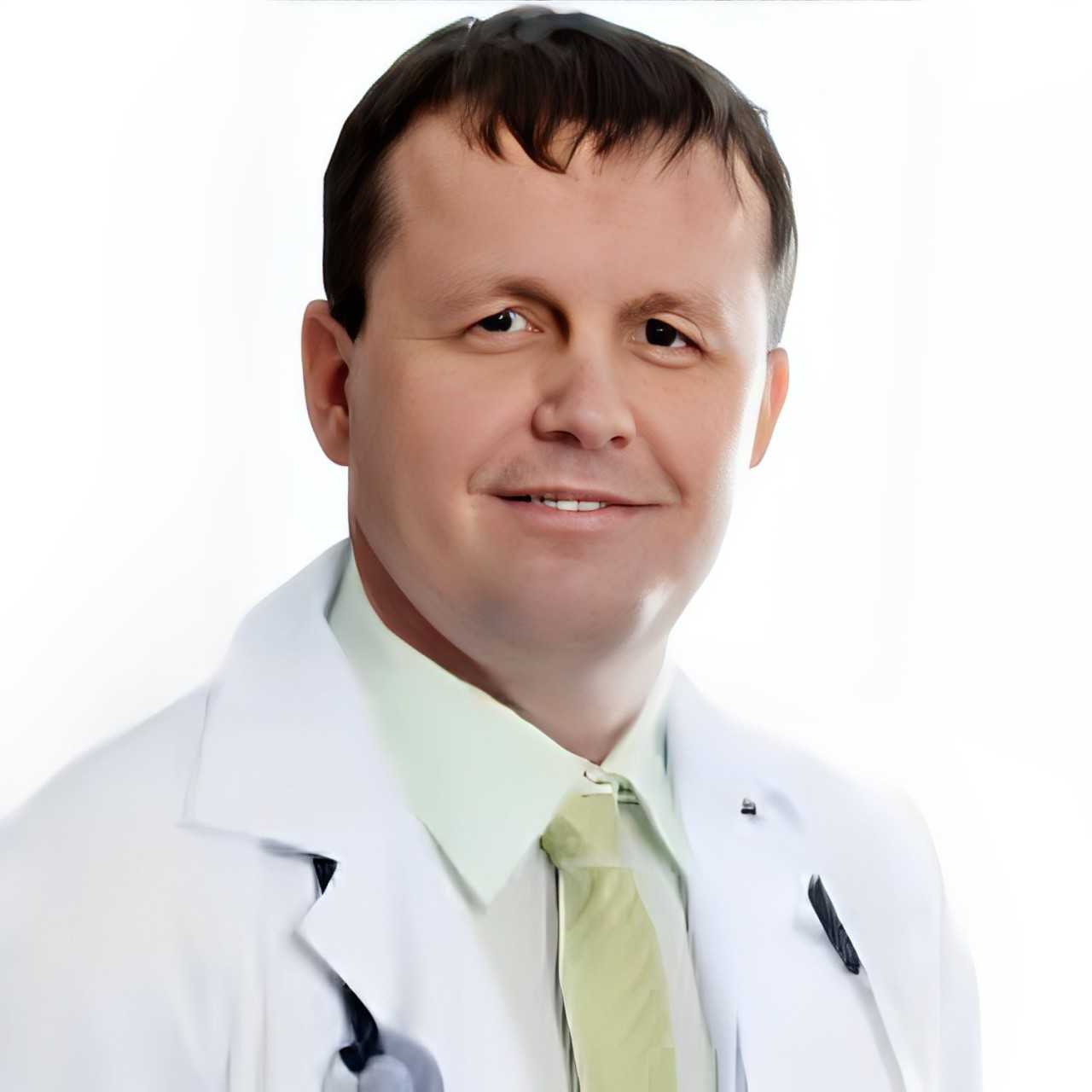
MUDr. Milan Hric
CellCenter - Stem Cell Therapy in Malacky, Bratislava, Slovakia
- Regenerative Medicine Specialist
Bratislava, Slovakia
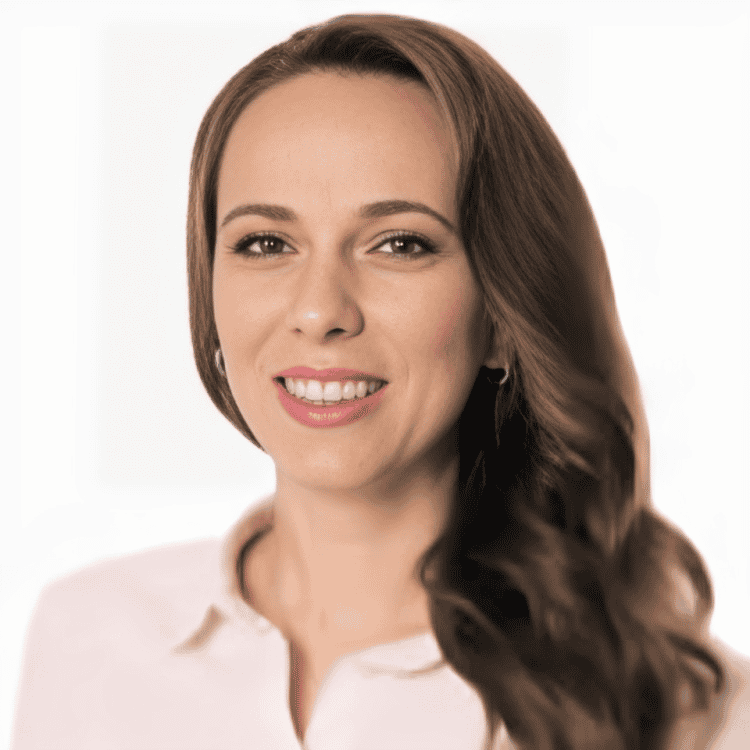
Dr. Emilia Vlcek
CellCenter - Stem Cell Therapy in Malacky, Bratislava, Slovakia
- Regenerative Medicine Specialist
Bratislava, Slovakia
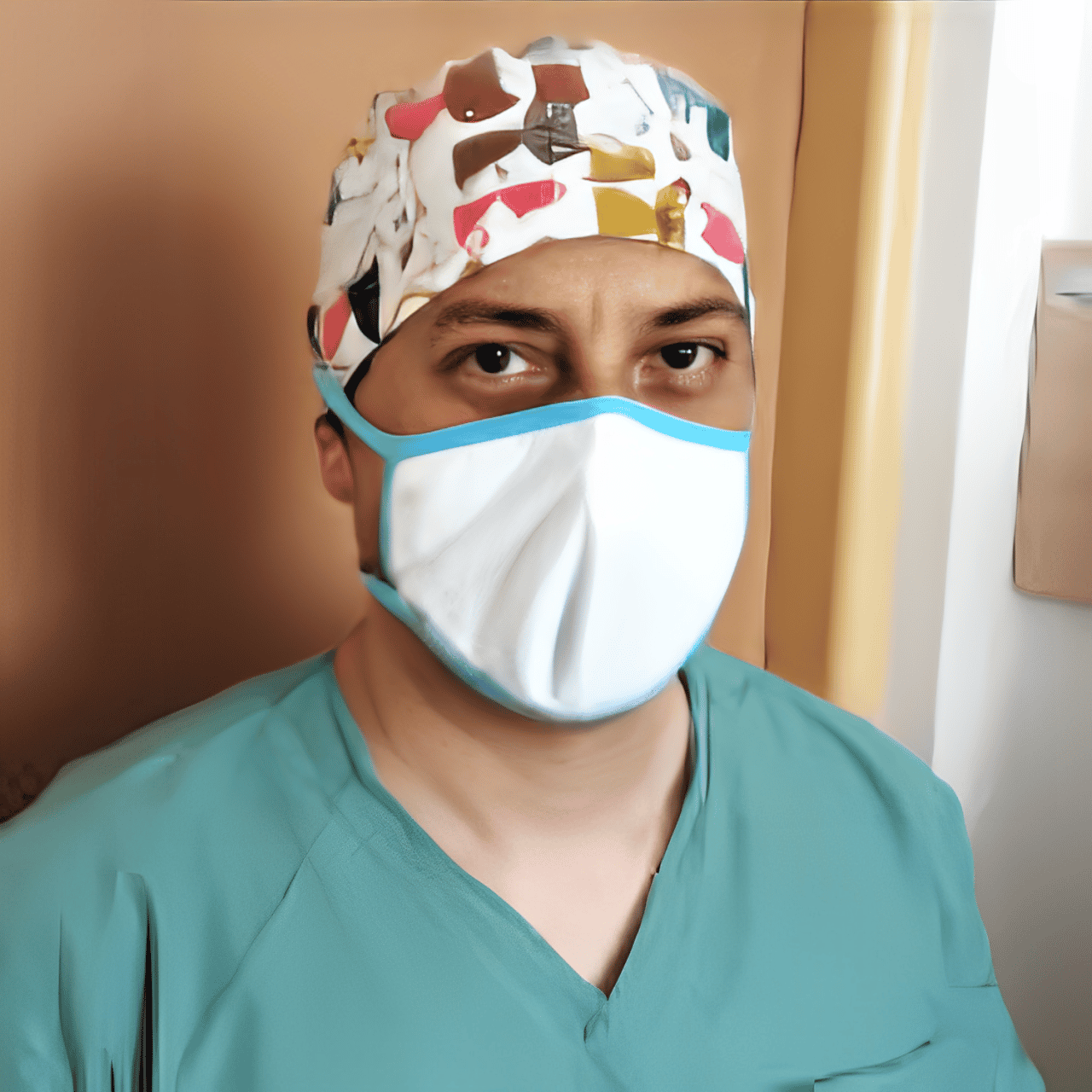
Dr. Mgr. Karim Dakkak, MPH, MBA
CellCenter - Stem Cell Therapy in Malacky, Bratislava, Slovakia
- Regenerative Medicine Specialist
Bratislava, Slovakia
Standarde medicale și de siguranță stricte ale UE
Principalul motiv pentru care familiile aleg Slovacia este garanția incontestabilă a siguranței. Ca membru consacrat al Uniunii Europene, unitățile medicale din Slovacia funcționează în conformitate cu unele dintre cele mai riguroase reglementări medicale din lume.
Laboratoarele care cultivă celule stem mezenchimale trebuie să respecte protocoalele stricte ale Agenției Europene a Medicamentelor (EMA). Acest lucru garantează că celulele utilizate pentru terapia copilului dumneavoastră provin din surse etice, nu conțin contaminanți și sunt procesate în camere sterile de înaltă calitate, eliminând riscurile adesea asociate cu clinicile nereglementate din alte părți ale lumii.
Valoare și accesibilitate excepționale
Slovacia oferă o intersecție unică între asistență medicală premium și accesibilitate financiară. Deoarece costul general al vieții și costurile medicale operaționale sunt mai mici în Europa Centrală, clinicile de top pot oferi terapii regenerative sofisticate la prețuri extrem de competitive.
În plus, ușurința logistică a ajungerii în Slovacia nu poate fi supraestimată. Situate în inima Europei, clinicile din Bratislava sau din apropiere sunt foarte accesibile. Mulți pacienți internaționali zboară pur și simplu pe Aeroportul Internațional Viena din Austria vecină, care se află la mai puțin de o oră de mers cu mașina de principalele centre medicale slovace, ceea ce face călătoria extrem de ușor de gestionat pentru familiile cu copii.
Cultură medicală integrativă și plină de compasiune
Profesioniștii din domeniul medical din Slovacia sunt cunoscuți pentru abordarea lor caldă, care pune pacientul pe primul loc. Tratarea eficientă a autismului necesită mai mult decât precizie clinică; necesită o empatie profundă. Clinicile slovace excelează în crearea unor medii calme, prietenoase din punct de vedere senzorial, care reduc la minimum stresul pentru copil.
Mai mult, aceștia susțin un model de îngrijire integrativă. În loc să administreze celule stem în mod izolat, aceștia oferă adesea planuri complete de îngrijire ulterioară care sugerează cum să se îmbine perfect terapia celulară cu terapia ocupațională continuă, intervențiile dietetice și tratamentele comportamentale la domiciliu, maximizând beneficiile pe termen lung ale procedurii.
Navigarea prin tratamente medicale internaționale pentru copilul dumneavoastră este o decizie importantă și uneori copleșitoare. PlacidWay este aici pentru a vă servi drept avocat dedicat, eliminând incertitudinea, astfel încât să vă puteți concentra în întregime pe bunăstarea și progresul copilului dumneavoastră. Vă conectăm perfect cu cei mai reputați furnizori din Slovacia.
Verificare riguroasă a clinicii
Verificăm în prealabil fiecare centru medical din rețeaua noastră pentru a ne asigura că deține acreditări UE valide, utilizează laboratoare avansate de procesare celulară și mențin evidențe de siguranță impecabile.
Consultații medicale directe
Facilităm consultații virtuale preliminare, permițându-vă să discutați față în față cu neurologi slovaci despre afecțiunea specifică a copilului dumneavoastră înainte de a lua orice angajamente.
Citate transparente
Oferim oferte de preț extrem de detaliate, fără obligații, care prezintă costurile exacte ale protocolului cu celule stem, asigurându-ne că nu există costuri medicale ascunse la sosirea dumneavoastră.
Transferul dosarului medical
Echipa noastră vă ajută în mod sigur să colectați și să transferați istoricul medical anterior al copilului dumneavoastră, rapoartele de diagnostic și evaluările comportamentale către clinica curantă pentru evaluare.
Coordonarea tratamentului
Vă ajutăm să gestionați logistica programărilor la clinică și a programării tratamentelor, asigurându-vă că timpul petrecut la centrul medical este eficient și fără stres.
Advocacy continuă pentru pacienți
De la prima solicitare până la controalele post-tratament ale copilului dumneavoastră, echipa noastră de îngrijire a pacienților este disponibilă pentru a răspunde la întrebări, a aborda preocupările și a susține nevoile familiei dumneavoastră.
Faceți primul pas către explorarea terapiilor regenerative transformative pentru copilul dumneavoastră. Contactați PlacidWay astăzi pentru a primi o evaluare gratuită și personalizată și pentru a vă planifica în siguranță călătoria medicală în Slovacia.
Obțineți o evaluare medicală gratuită



.png)
.png)


.png)
.png)








Share this listing