



Contents
IVF Fertility Treatments in Middle East
The Middle East has emerged as a powerhouse for reproductive medicine, combining cutting-edge technology with a deep understanding of cultural and religious sensitivities. Countries like the UAE (Dubai, Abu Dhabi), Jordan, and Lebanon are home to JCI-accredited fertility centers that rival the best in Europe and the US. These hubs attract couples from around the world seeking advanced treatments like IVF with ICSI (Intracytoplasmic Sperm Injection) and PGD (Pre-implantation Genetic Diagnosis) for family balancing and genetic screening.
One of the region's key advantages is the widespread availability of Gender Selection (Family Balancing). Unlike in many Western countries where this is restricted, several Middle Eastern nations allow PGD/PGS for balancing family gender ratios, provided it adheres to local regulations. The clinics here utilize Next-Generation Sequencing (NGS) to ensure 99.9% accuracy in gender determination and chromosomal health.
Patients benefit from a medical culture that prioritizes privacy and offers female-only medical teams for those who prefer it. With costs significantly lower than in the US and success rates that meet global benchmarks, the Middle East offers a compelling path to parenthood wrapped in world-class hospitality.
Whether you are looking for advanced genetic screening or compassionate care in a culturally familiar setting, the Middle East provides high-tech fertility solutions with a personal touch.
Did You Know?
Due to the prevalence of certain hereditary conditions in the region (like Thalassemia), Middle Eastern fertility clinics are global pioneers in **PGD-M (Pre-implantation Genetic Diagnosis for Monogenic Diseases)**. They have some of the world's most experienced geneticists capable of screening embryos for hundreds of specific genetic disorders, ensuring a healthy start for the next generation.
Key Insights at a Glance
Gender selection via PGD/PGS is legal and widely available in countries like the UAE and Jordan.
IVF cycles cost 50-70% less than in the US, with packages ranging from $5,000 to $12,000.
Clinics offer female-only teams and Halal-compliant procedures, respecting religious and cultural values.
Use of EmbryoScope (time-lapse monitoring) and NGS for higher implantation success rates.
Specialists are often Western-trained (UK/US board certified) with decades of experience in reproductive endocrinology.
High-end clinics provide VIP suites and discreet service, ensuring a comfortable and private experience.
In-Vitro Fertilization Packages in the Middle East
Finding the right clinic is essential for your family goals. In the section below, we have curated a list of top-rated fertility centers in Dubai, Abu Dhabi, and Amman offering comprehensive IVF packages. These bundles typically include the IVF/ICSI cycle, cycle monitoring, egg retrieval, embryo transfer, and genetic screening (PGD/PGS). Premium packages often include airport transfers and accommodation assistance. Browse the options to find a package that aligns with your specific needs and budget.
Note: ICSI is often included as a standard part of IVF packages in the Middle East, enhancing fertilization rates at no extra cost.

Price starting from $7,700
IVF Treatment Package in Dubai, UAE by Dr. Mazen Dayeh
Dr. Mazen Dayeh - Life Fertility Center
- Fertility Treatment
Dubai,Sharjah, UAE

Price starting from $3,500
IVF Egypt Package for Gender Selection in Cairo by The Egyptian IVF Center
The Egyptian IVF Center in Cairo Egypt
- Fertility Treatment
Cairo, Egypt

Price starting from $9,500
Stem Cell Therapy for Ovarian Rejuvenation in Dubai, UAE by Al Moosa IVF
Al Moosa IVF Clinic in Dubai, UAE
- Fertility Treatment
Dubai, UAE
IVF Price in the Middle East
Understanding the financial commitment is a crucial part of your decision-making process. The table below provides a transparent breakdown of average costs for IVF and Gender Selection procedures in major Middle Eastern hubs compared to US prices. While prices vary by country (Jordan being more affordable than UAE), the savings across the region are substantial.
Tip: An IVF cycle with Gender Selection (PGD) typically ranges from $5,000 (Jordan) to $12,000 (UAE).
Fertility Treatment Centers Cost Comparison in Middle East
| Provider | Procedure | Price |
|---|---|---|
| The Egyptian IVF Center in Cairo Egypt | IVF with Gender Selection, Fertility Treatment | $3500 |
| The Egyptian IVF Center in Cairo Egypt | In Vitro Fertilization (IVF), Fertility Treatment | $2510 |
Fertility Treatment Cost Comparison in Middle East
| Country | Procedure | Price |
|---|---|---|
| United States | In Vitro Fertilization (IVF), Fertility Treatment | $15000 |
| Canada | In Vitro Fertilization (IVF), Fertility Treatment | $13000 |
Top IVF Clinics in the Middle East
Your success depends heavily on the laboratory and the clinic you choose. We have selected a list of premier fertility centers in the region known for their specialization in assisted reproduction and genetics. These clinics are vetted for their JCI accreditation (common in UAE), advanced embryology equipment, and experienced international patient teams. Explore the profiles below to learn more about their technology and success rates.
Standard: Look for clinics that offer in-house genetic testing for faster PGD results.
Dr. Sameh Hany
Dubai, UAE

EVE Clinic
Cairo, Egypt
Watch an Informative Video about Fertility Treatments in the Middle East
Hearing directly from successful parents can offer invaluable reassurance. The video testimonials featured below showcase real stories from couples who traveled to the Middle East to complete their families. Watch these videos to gain insights into their personal experiences, the level of care they received, and the joy of successfully balancing their families.
Insight: Patients often praise the cultural sensitivity and the availability of female doctors as key comfort factors.




IVF in the Middle East Reviews from Real Patients
Patient reviews provide an honest look at the quality of care. In this section, you will find verified reviews and ratings from patients who have entrusted their fertility journey to specialists in the Middle East. Read through their feedback regarding the clinic's organization, the clarity of communication, and their overall satisfaction with the experience to help guide your own choice of provider.
Review Tip: Look for reviews that mention the specific doctor's name, as the doctor-patient relationship is crucial in fertility treatments.

IVF in the Middle East FAQs (Frequently Asked Questions)
Beyond Chance: How Dubai's Advanced Clinics Are Making Gender Selection a Reality for Prospective Parents
gender selection in Dubai via IVF with PGT is highly advanced. The procedure offers nearly 99 percent accuracy for family balancing. Treatment typically costs between $8,000 and $15,000 USD, attracting global parents seeking top-tier medical care. Key Takeaways: Family Balancing In The UAE High Accuracy Rate: Preimplantation Genetic Testing provides near certainty in determining embryo sex. Legal Framework: The treatment is fully legal and ethically regulated for all married couples. Dual Benefits: The genetic screening process simultaneously checks for severe chromosomal abnormalities. Global Destination: World-class medical infrastructure makes the city a premier hub for reproductive care. Comprehensive Packages: Clinics offer inclusive care encompassing laboratory work, monitoring, and transfer. What Determines The Gender Selection Cost In Dubai? The gender selection cost in Dubai usually ranges from $8,000 to $15,000 USD. This price fluctuates based on the required IVF cycles, specific genetic testing methods, and individualized medication protocols. Complexity of the IVF Cycle: The base price heavily depends on the ovarian reserves of the female patient and how many retrieval attempts are necessary to gather viable eggs. Volume of Embryos Biopsied: Laboratories generally charge based on the total number of embryos that require precise genetic screening and continuous monitoring. Fertility Medication Dosage: Hormonal injections are highly personalized, meaning patients requiring higher daily dosages will naturally face increased pharmacy expenses. Advanced Laboratory Techniques: Utilizing highly specialized methods like Intracytoplasmic Sperm Injection adds to the foundational laboratory fees. Comprehensive Health Screenings: Mandatory pre-operative blood work, infectious disease panels, and ongoing ultrasound monitoring contribute to the total financial investment. Embryo Cryopreservation Fees: Freezing surplus healthy embryos incurs an initial vitrification fee alongside recurring annual storage charges for future family planning. Breakdown Of Estimated Financial Commitments Treatment Component Description Of Service Estimated Impact On Budget Standard IVF Cycle Includes monitoring, retrieval surgery, and laboratory incubation. High impact on total budget Genetic Testing Cell biopsy and DNA sequencing for sex determination. Moderate to high impact Stimulation Medications Injectable hormones required to mature multiple follicles. Variable impact based on age Cryopreservation Freezing and maintaining remaining viable embryos. Low impact recurring fee How Do You Find A Reliable Gender Selection Clinic In Dubai? Finding a reputable gender selection clinic in Dubai requires evaluating success rates, laboratory technology, and specialist credentials. Patients should prioritize facilities accredited by international health organizations. When searching for the right facility, prospective parents must carefully examine the expertise of the reproductive endocrinologists and embryologists. A top-tier medical center will possess state-of-the-art incubation systems and advanced genetic screening capabilities to ensure the highest embryo viability. The quality of the air filtration inside the embryology lab, for instance, plays a massive role in allowing delicate embryos to thrive before they are tested. Transparency is another critical factor when evaluating medical centers across the Emirates. The best institutions provide clear communication regarding success statistics, potential physiological risks, and step-by-step treatment protocols without making unrealistic promises to vulnerable patients. They ensure that you fully comprehend the biological limitations and the statistical probabilities based entirely on your unique medical profile. Furthermore, patient testimonials and independent agency reviews offer invaluable insights into the overall quality of care provided. Selecting a center that prioritizes emotional support alongside clinical excellence ensures a much smoother and less stressful family balancing journey. Clinics that offer dedicated psychological counseling demonstrate a holistic approach, proving they care about your mental well-being just as much as your physical treatment outcomes. Did You Know? Premium fertility laboratories in the region utilize specialized Embryoscope incubators equipped with built-in time-lapse cameras. This technology allows embryologists to continuously monitor cell division without ever removing the embryos from their controlled environment, drastically improving survival rates before the genetic biopsy. Why Is Medical Tourism In Dubai Growing For Family Balancing? medical tourism in Dubai is booming due to its world-class healthcare infrastructure and highly regulated fertility sector. The city combines cutting-edge reproductive medicine with a luxurious healing environment. The Emirates has heavily invested in becoming a premier global healthcare destination, particularly in the highly specialized field of reproductive medicine. International patients are drawn to the strict regulatory frameworks that guarantee patient safety, ethical practices, and exceptional clinical standards. The government actively monitors health facilities, ensuring that every laboratory operates precisely according to stringent international protocols. Beyond the medical expertise, the geographical location serves as a highly convenient bridge between the East and the West. This accessibility allows couples from Europe, Asia, and Africa to easily access advanced treatments that might be heavily restricted, legally prohibited, or technologically unavailable in their home countries. The presence of major international airports and streamlined visa processes further simplifies the logistical challenges of traveling for healthcare. Additionally, the region offers an unparalleled patient experience that blends top-tier medical care with premium hospitality. Couples undergoing stressful fertility treatments often appreciate the serene environment, high-end accommodation options, and utmost privacy afforded to them during their stay. Being able to recover in a resort-like atmosphere significantly reduces cortisol levels, which many specialists believe positively impacts overall treatment success. What Are The Main Medical Steps For Gender Selection In Dubai? The core process involves targeted ovarian stimulation, surgical egg retrieval, laboratory fertilization, and precise genetic screening of the resulting embryos. Only the healthy embryos of the desired sex are then transferred to the uterus. Comprehensive Fertility Evaluation: The journey begins with exhaustive hormone profiling and detailed pelvic ultrasounds to map the reproductive health of both partners. Customized Ovarian Stimulation: Patients self-administer precise doses of injectable fertility medications designed to encourage the ovaries to mature multiple eggs simultaneously. Surgical Egg Retrieval: A specialist performs a minimally invasive outpatient procedure under light sedation to extract the mature eggs directly from the ovarian follicles. Controlled Laboratory Fertilization: The retrieved eggs are carefully fertilized with optimized, washed sperm within a highly sterile and rigorously monitored laboratory environment. Preimplantation Genetic Testing: On the fifth day of cellular development, embryologists perform a delicate biopsy to identify the chromosomal makeup of each surviving blastocyst. Precise Embryo Transfer: The physician transfers a selected healthy embryo into the uterine cavity, followed by hormonal support protocols to encourage successful implantation. How Does Preimplantation Genetic Testing Guarantee Gender Accuracy In Dubai? Preimplantation Genetic Testing achieves almost perfect accuracy by analyzing the exact chromosomal composition of an embryo before implantation. This scientific method completely eliminates the guesswork associated with traditional conception. During the blastocyst stage of embryo development, which typically occurs five days after fertilization, the embryo reaches a critical milestone where it separates into two distinct cellular structures. At this precise moment, a highly skilled embryologist safely extracts a microscopic cluster of cells from the outer layer using targeted laser pulses. This specific outer layer eventually forms the placenta, meaning the inner cell mass that develops into the baby remains entirely untouched and unharmed. These carefully extracted cells undergo rigorous genomic sequencing in specialized diagnostic laboratories to map out the X and Y chromosomes accurately. Because the analysis looks directly at the foundational DNA structure rather than relying on visual estimates, medical professionals can determine the sex of each embryo with remarkable precision, typically exceeding 99 percent reliability. This scientific certainty provides immense peace of mind to parents embarking on this journey. Importantly, this advanced testing not only identifies the sex but also meticulously screens for debilitating genetic anomalies. Consequently, prospective parents receive the dual benefit of achieving their family balancing goals while significantly reducing the risk of passing on inherited genetic disorders to their child. It is a profound intersection of modern science and preventative healthcare. Are There Specific Regulations Governing Gender Selection Procedures In The UAE? The local health authorities heavily regulate all assisted reproductive technologies to maintain high ethical standards. Clinics must strictly adhere to federal laws governing embryo testing and mandatory patient eligibility requirements. The legal landscape dictates that all fertility clinics operate under stringent licenses issued directly by the national health authorities. These governing bodies conduct regular, unannounced audits to ensure that laboratories maintain optimal operating conditions and strict ethical compliance in all genetic screening practices. Facilities that fail to meet these exacting standards risk losing their operational licenses immediately. For international and domestic patients alike, this regulatory oversight translates to a highly secure medical environment where safety protocols are never compromised. Couples must provide proper medical documentation, including valid passports and legally attested marriage certificates. The jurisdiction requires all fertility treatments involving the creation of embryos to be performed strictly within the bounds of a legally recognized marriage. While sex selection for family balancing is legally permitted and widely accessible, the authorities ensure it is practiced responsibly. Clinics are mandated to provide extensive educational counseling so that couples fully understand the psychological, physical, and financial commitments required before initiating the treatment cycle. This ensures fully informed consent at every single stage of the medical process. How Does Age Affect The Success Of Gender Selection Treatment In Dubai? Maternal age plays a highly significant role in overall IVF success and subsequent embryo quality. Younger patients generally produce a higher yield of genetically normal embryos, increasing the statistical chances of having the desired gender. Optimal Ovarian Response: Women under thirty-five typically respond much better to ovarian stimulation protocols, yielding a larger cohort of mature eggs for fertilization. Natural Reserve Decline: Advanced maternal age heavily correlates with a natural, biological decline in both overall ovarian reserve capacity and individual egg quality. Chromosomal Abnormalities: Higher rates of chromosomal errors are naturally observed in embryos developed from older patients, reducing the number of viable embryos available for transfer. Multiple Cycle Requirements: Older patients might need to undergo multiple retrieval cycles and embryo banking to secure enough healthy embryos to find the preferred sex. Paternal Age Factors: Sperm quality in male partners also slightly declines with advanced age, which can impact fertilization rates and subsequent early embryo development. Customized Protocols: Leading physicians customize hormonal dosages based strictly on age markers and individual hormone baselines to maximize the biological results for every patient. What Support Systems Exist For International Patients Seeking Gender Selection In Dubai? Leading healthcare facilities offer comprehensive international departments dedicated to coordinating every aspect of the medical journey. These teams ensure seamless communication between foreign patients and advanced medical staff. Navigating a complex medical procedure in a foreign country can feel overwhelmingly complicated for many couples. Recognizing this unique vulnerability, top-tier centers employ dedicated international patient coordinators who speak multiple languages and serve as the primary point of contact throughout the entire treatment timeline. They become your medical advocates from the moment you send your first inquiry. These expert coordinators assist with translating complex medical records from your home country, scheduling comprehensive virtual consultations before arrival, and explaining the intricate details of the daily medication protocols. Their dedicated, round-the-clock support helps alleviate severe anxiety, allowing patients to focus entirely on maintaining their physical health and emotional well-being during a stressful period. Furthermore, these specialized departments work intimately with internal financial counselors to provide entirely transparent billing structures. They ensure international patients understand absolutely every line item on their medical invoice, completely eliminating the stress of hidden fees, unexpected laboratory charges, or administrative surprises during their critical recovery stay. Why Choose PlacidWay For Your Gender Selection Journey In Dubai? PlacidWay serves as an essential partner in navigating the complex global medical landscape for advanced fertility treatments. The platform directly connects prospective parents with fully vetted and internationally accredited reproductive specialists. Rigorous Facility Vetting: Our comprehensive evaluation process ensures partnerships exclusively with highly certified, ethically sound, and globally recognized medical institutions. Total Financial Transparency: Complete clarity in treatment pricing models helps patients effectively manage and plan their extensive healthcare budgets without fear of hidden expenses. Centralized Medical Information: Gain immediate access to detailed clinical profiles, genuine patient treatment reviews, and verified specialist medical credentials all in one easy-to-use platform. Dedicated Patient Advocacy: Our specialized customer support team provides highly personalized, empathetic guidance to help you choose the facility matching your exact medical and emotional needs. Strict Privacy Standards: Uncompromising adherence to international patient privacy laws and robust data protection protocols ensures your highly sensitive medical history remains completely secure. Frequently Asked Questions About Gender Selection In Dubai Is family balancing legal for international patients in the United Arab Emirates? Yes, undergoing gender selection in Dubai is entirely legal and accessible for international patients, provided they are legally married. The Ministry of Health and Prevention strictly regulates these advanced reproductive technologies to ensure ethical compliance and patient safety. Couples must present an attested marriage certificate before beginning any clinical stimulation or embryo transfer processes. How long does the entire IVF and genetic testing process take from start to finish? The complete clinical cycle generally requires about three to four weeks. This timeline includes the initial ovarian stimulation phase, the egg retrieval surgery, five days of embryo development in the laboratory, and the genetic biopsy. International patients utilizing medical tourism in Dubai often spend about two to three weeks in the city for the critical monitoring and retrieval phases of their treatment. Will the hormonal medications cause severe side effects during the treatment cycle? Most patients experience only mild to moderate side effects from the fertility injections, such as temporary bloating, mild fatigue, or slight mood fluctuations. Your chosen gender selection clinic in Dubai will meticulously monitor your hormone levels and follicular development through regular blood tests and ultrasounds to prevent overstimulation and ensure your physical comfort. Can we freeze the remaining healthy embryos for future pregnancies? Absolutely, cryopreservation is a standard procedure offered by advanced fertility laboratories. If your cycle results in multiple healthy embryos of either sex, the laboratory can safely vitrify and store them. This allows you to expand your family in the future without having to repeat the physically demanding ovarian stimulation and egg retrieval phases. Does the genetic biopsy procedure damage the embryo? When performed by a highly experienced embryologist, the risk of damaging the embryo during the biopsy is incredibly low, typically less than one percent. The microscopic laser technology used today allows specialists to safely remove a few cells from the trophectoderm, the part that becomes the placenta, leaving the inner fetal cells entirely intact. How does male fertility impact the overall success of the selection process? Male fertility factors, including sperm count, motility, and morphology, are critical for successful fertilization. Clinics routinely utilize Intracytoplasmic Sperm Injection to directly inject the healthiest single sperm into each mature egg. This advanced technique dramatically improves fertilization rates, resulting in more embryos available for the crucial genetic screening phase. What happens if the cycle does not produce embryos of the desired sex? Biology can be unpredictable, and sometimes a cycle may only yield healthy embryos of the opposite sex. In such instances, patients consult closely with their reproductive endocrinologist to discuss their options. Couples may choose to undergo another complete stimulation cycle or, if they are open to it, transfer a healthy embryo regardless of its sex. Are there any specific dietary requirements before starting the treatment? While there is no rigid diet, specialists highly recommend adopting an anti-inflammatory, nutrient-rich diet several months before starting your cycle. Incorporating high-quality proteins, leafy greens, and essential supplements like folic acid and CoQ10 can positively influence cellular health, potentially improving egg quality and enhancing your overall response to the fertility medications. Can we perform genetic screening for hereditary diseases alongside sex selection? Yes, this is one of the most significant advantages of the treatment. The advanced genetic testing not only identifies the sex chromosomes but simultaneously screens for hundreds of single-gene mutations and chromosomal abnormalities, such as Down syndrome or Cystic Fibrosis. This dual screening ensures that only the healthiest embryos are selected for transfer. Is the cost of fertility medications included in the standard clinic package? The inclusion of medications varies significantly between different medical centers. While the base gender selection cost in Dubai usually covers the laboratory fees, physician consultations, and the surgical procedures, the injectable hormones are often billed separately. This is because medication dosages are highly individualized, making it vital to request a comprehensive breakdown during your initial consultation. Start Your Family Balancing Journey Today Do not leave your future family to chance. PlacidWay connects you with the highest-rated, internationally accredited fertility centers in the UAE. Get a free, zero-obligation quote, receive a highly personalized treatment outline from board-certified embryologists, and unlock exclusive medical packages designed precisely for your unique needs. Get Your Free Quote * Responses are typically provided within 24 hours. Absolute privacy and data protection guaranteed.
Navigating the Future of Family Planning: The Rise of Gender Selection Clinics in Dubai
Gender selection in Dubai typically costs between $8,000 and $15,000 per IVF cycle. Utilizing advanced PGT-A technology, clinics offer nearly 99 percent accuracy. It is legally permitted for family balancing, making it a top medical tourism hub. Key Takeaways: Family Balancing in the UAE Unmatched Accuracy: Preimplantation Genetic Testing offers near absolute certainty for sex determination. Legal Framework: The procedure is fully legal for married couples seeking to balance their family dynamic. Comprehensive Care: A leading destination for holistic reproductive healthcare and advanced genomic screening. World-Class Infrastructure: Access to cutting-edge incubation laboratories and internationally accredited experts. How does the process of Gender Selection in Dubai actually work? The procedure utilizes In Vitro Fertilization paired with Preimplantation Genetic Testing to identify the sex chromosomes of embryos. Only the embryos of the desired sex are then transferred to the uterus for pregnancy. The journey begins with targeted ovarian stimulation, where the patient receives customized hormonal medications for approximately ten to twelve days. This process encourages the ovaries to produce multiple mature eggs instead of the single egg typically released during a natural cycle. Regular ultrasound monitoring ensures the follicles are developing optimally before a minor surgical procedure is scheduled to retrieve the eggs under light sedation. Once retrieved, the eggs are immediately taken to an advanced embryology laboratory where they are fertilized using Intracytoplasmic Sperm Injection. This specialized technique involves injecting a single, highly viable sperm directly into each mature egg to maximize fertilization rates. The resulting embryos are then carefully cultivated in state-of-the-art incubators for five to six days until they reach the blastocyst stage. At the blastocyst stage, a highly skilled embryologist performs a delicate biopsy, removing a microscopic number of cells from the outer layer of the embryo. These cells undergo Preimplantation Genetic Testing to map the chromosomal makeup, identifying whether the embryo is male or female. Following the laboratory analysis, the physician discusses the results with the parents and proceeds to transfer a healthy embryo of the chosen sex into the maternal uterus. Did You Know? The cells biopsied during the genetic testing phase are taken exclusively from the trophectoderm, which is the part of the embryo that eventually forms the placenta. This ensures that the inner cell mass, which develops into the actual fetus, remains completely untouched and safe. What determines the Gender Selection cost in Dubai for international patients? The total financial investment depends on the number of IVF cycles required, the type of genetic testing utilized, and medication protocols. International patients should expect varied pricing based on facility standards and comprehensive care packages. Understanding the Gender selection cost in Dubai requires looking at the comprehensive medical journey rather than just a single baseline fee. The foundation of the cost is the standard In Vitro Fertilization cycle, which covers clinic visits, physician consultations, ultrasounds, egg retrieval, and the embryo transfer process. This baseline alone accounts for a significant portion of the medical budget. The most variable expense often involves the hormonal stimulation medications, which are tailored to the individual patients age, ovarian reserve, and specific medical history. Because these medications are highly specialized and imported, their prices can fluctuate. Additionally, the laboratory fees for the chromosomal analysis represent a separate cost tier, usually billed per embryo biopsied or grouped into a package covering a specific number of embryos. It is also crucial to account for potential secondary services that support a successful outcome. Many patients choose to freeze their surplus healthy embryos for future family expansion, which incurs cryopreservation and annual storage fees. While the initial investment may seem substantial, the high success rates and rigorous medical standards often make it a highly cost-effective choice compared to undergoing multiple failed cycles in other regions. Medical Phase Estimated Cost (USD) What is Included Standard IVF Procedure $5,000 - $7,000 Consultations, retrieval, fertilization, and transfer Genetic Testing (PGT-A) $3,000 - $5,000 Biopsy and chromosomal analysis for sex determination Stimulation Medications $1,500 - $3,000 Hormonal injections customized to patient needs Embryo Cryopreservation $800 - $1,200 Freezing surplus embryos and first-year storage Are there strict legal requirements for family balancing in the UAE? The UAE permits this procedure strictly for family balancing purposes or to prevent sex-linked genetic disorders. Patients must provide a valid marriage certificate as the legal framework requires couples to be legally wed. The regulatory environment surrounding assisted reproductive technology in the emirate is both progressive and carefully structured. The overarching governing bodies have established clear ethical guidelines to ensure that medical technologies are used responsibly. The primary stipulation for any couple seeking fertility treatments is the provision of an official, legally recognized marriage certificate, which must often be attested by relevant governmental authorities if issued internationally. Family balancing is the most common and legally accepted reason for utilizing chromosomal screening. This typically applies to married couples who already have one or more children of a specific sex and desire a child of the opposite sex to complete their family dynamic. The medical community views this as a valid psychological and social pursuit, provided all other medical protocols are strictly adhered to. Furthermore, the legal framework provides robust protection against genetic anomalies. If a family has a documented history of sex-linked hereditary conditions, such as hemophilia or certain types of muscular dystrophy, the use of chromosomal selection is highly encouraged and legally protected to ensure the birth of a healthy child free from debilitating genetic diseases. How do I choose the right Gender Selection clinic in Dubai? Finding the ideal facility involves evaluating success rates, laboratory standards, and the expertise of the fertility specialists. Patients should prioritize accredited centers that offer advanced technological capabilities. Selecting the optimal Gender selection clinic in Dubai is a decision that significantly impacts both the medical outcome and the overall patient experience. Because the region hosts numerous high-end medical facilities, narrowing down the choices requires a strategic approach focusing on scientific excellence and patient care. Analyze Laboratory Technology: The success of chromosomal testing relies entirely on the embryology lab. Look for centers utilizing continuous monitoring incubators and next-generation sequencing technology. Verify Specialist Credentials: Ensure the leading reproductive endocrinologists have completed international fellowships and hold board certifications from recognized global medical institutions. Request Age-Specific Success Rates: General success rates can be misleading. A reputable center will provide transparent data on live birth rates specifically tailored to your maternal age bracket. Assess Patient Support Systems: The journey can be emotionally taxing. Premium facilities offer dedicated patient coordinators, psychological counseling, and seamless administrative support for international visitors. Confirm Regulatory Accreditations: Only partner with healthcare providers that are fully licensed by local health authorities and ideally hold international accreditations such as JCI. What makes medical tourism in Dubai ideal for fertility treatments? The city combines world-class medical infrastructure with stringent healthcare regulations and a luxurious recovery environment. This unique blend offers international patients high success rates and unparalleled comfort during stressful treatments. The exponential growth of medical tourism in Dubai is not accidental; it is the result of massive governmental investment in creating a healthcare ecosystem that rivals the best in the world. For couples undergoing complex fertility protocols, the environment plays a crucial role in stress reduction. The emirate provides a tranquil, highly secure, and luxurious setting where patients can undergo medical procedures while enjoying five-star hospitality. Another major advantage is the cosmopolitan nature of the healthcare workforce. International patients rarely face language barriers, as medical centers employ highly trained specialists, embryologists, and nursing staff recruited from top-tier hospitals across Europe, North America, and Asia. This ensures a fusion of the best global medical practices seamlessly integrated under one roof. Furthermore, the logistical ease of navigating the city makes it highly attractive. With world-class aviation connectivity, obtaining medical visas is streamlined, and the proximity of premium accommodations to cutting-edge medical districts means patients spend less time commuting and more time resting. The commitment to patient privacy and discrete medical care is deeply ingrained in the local healthcare culture, providing immense peace of mind. How accurate is the Preimplantation Genetic Testing used during this procedure? Preimplantation Genetic Testing for Aneuploidies boasts an accuracy rate of nearly 99 percent for determining the sex of an embryo. This advanced screening also significantly reduces the risk of chromosomal abnormalities. When patients inquire about the reliability of determining a baby's sex through modern medical interventions, the scientific answer is profoundly reassuring. The methodology employed, known as Preimplantation Genetic Testing, is currently the most sophisticated genomic screening available in reproductive medicine. By analyzing the DNA structure of the biopsied cells, scientists can clearly identify the presence of XX (female) or XY (male) chromosomes with an accuracy that approaches absolute certainty. Unlike older sperm-sorting techniques that only slightly altered the probability of conceiving a specific sex, genetic testing examines the embryo after fertilization has already occurred. This eliminates the guesswork entirely. The microscopic evaluation uses next-generation sequencing to count the exact number of chromosomes, ensuring that human error is virtually eradicated from the diagnostic equation. Beyond fulfilling family balancing desires, this high level of accuracy provides immense secondary medical benefits. The exact same screening process simultaneously evaluates the embryos for numerical chromosomal abnormalities, such as Down syndrome or Edwards syndrome. Consequently, the physician only transfers embryos that are both the desired sex and genetically euploid, drastically reducing the risk of miscarriage and promoting a healthy pregnancy. Can international patients combine genetic screening for diseases with gender selection? Yes, fertility centers frequently combine sex determination with comprehensive genetic screening to prevent hereditary diseases. This dual approach ensures the birth of a healthy baby of the desired sex. Many couples turn to assisted reproductive technology not only to balance their family but to protect their future offspring from severe inherited conditions. Medical facilities offer specialized screenings, such as Preimplantation Genetic Testing for Monogenic Disorders, which can be performed simultaneously with sex determination. This powerful combination represents the pinnacle of preventative reproductive medicine. If a couple carries gene mutations for disorders like cystic fibrosis, sickle cell anemia, or thalassemia, the laboratory can create a custom genetic probe tailored specifically to the parents DNA. During the embryo biopsy phase, the geneticists use this probe to scan the cells for the specific mutation while simultaneously confirming the sex chromosomes. This ensures a comprehensive health profile of every blastocyst. This dual-screening capability is one of the primary reasons international patients seek out top-tier facilities in the region. The ability to guarantee that the transferred embryo is completely free of a devastating familial disease, while also aligning with the parents family balancing goals, provides an incredible layer of reproductive empowerment and emotional relief. What is the standard recovery and timeline for completing the IVF cycle in the UAE? A complete cycle typically requires a three to four-week commitment, from the start of ovarian stimulation to the embryo transfer. Patients generally experience minimal physical downtime but must adhere to strict medication schedules. Understanding the timeline is critical for international patients planning their medical journey. The process generally begins on the second or third day of the menstrual cycle with baseline blood work and ultrasounds. Over the next ten to twelve days, the patient undergoes daily hormonal injections to stimulate the ovaries. During this phase, normal daily activities can continue, though rigorous exercise is discouraged as the ovaries become enlarged. The egg retrieval is a brief, minimally invasive outpatient procedure requiring light sedation. Recovery from the retrieval is rapid; most women experience mild cramping or bloating for a day or two and are advised to rest. Following the retrieval, the laboratory phase takes five to six days to cultivate the embryos to the blastocyst stage, followed by an additional period for the genetic analysis. Once the genetic results confirm the availability of a healthy embryo of the desired sex, the embryo transfer is scheduled. This procedure is completely painless, requires no anesthesia, and takes only a few minutes. Following a brief resting period at the clinic, the patient can return to normal light activities. A blood test to confirm pregnancy is typically scheduled ten to fourteen days after the transfer. Why Choose PlacidWay for Gender Selection in Dubai? PlacidWay serves as your dedicated medical advocate, connecting you with top-tier accredited fertility centers in the UAE. We streamline your healthcare journey with transparent pricing and unwavering patient support. Embarking on a journey for reproductive care in a foreign country requires trust, comprehensive planning, and access to elite medical resources. PlacidWay has established itself as the premier global platform for medical tourism by eliminating the guesswork and stress associated with international healthcare. Here is why partnering with us ensures a superior medical experience: Strict Quality Vetting: We partner exclusively with prestigious fertility centers that maintain rigorous international accreditations, ensuring you receive care from globally recognized embryologists and reproductive endocrinologists. Absolute Financial Transparency: We provide detailed, itemized quotes outlining the entire cost structure, preventing hidden laboratory fees or unexpected medication surcharges. Dedicated Patient Advocacy: Your personal medical coordinator acts as an intermediary, ensuring seamless communication between you and your chosen medical team throughout the entire clinical process. Customized Treatment Coordination: We assist in aligning your preliminary home-country diagnostic tests with the international clinics protocols, saving you valuable time upon arrival. Secure Data Management: Your sensitive medical history and fertility records are handled with the highest standards of data privacy and securely transmitted to your treating physicians. Frequently Asked Questions About Family Balancing in the UAE Is gender selection in Dubai safe for the mother and baby? Yes, the process is highly safe and relies on standard In Vitro Fertilization protocols. The genetic testing is performed on the embryo before implantation, meaning it does not harm the developing fetus. Mothers undergo standard ovarian stimulation, which is carefully monitored by fertility specialists to prevent complications like Ovarian Hyperstimulation Syndrome. What is the maximum age limit for IVF and family balancing in the UAE? The success of fertility treatments heavily depends on ovarian reserve rather than a strict legal age limit, though most facilities evaluate patients over 42 on a case-by-case basis. Women over 40 may require specialized protocols or multiple cycles to retrieve a sufficient number of viable eggs for genetic testing. Can unmarried couples undergo gender selection in Dubai? No, local healthcare regulations strictly mandate that couples must be legally married to undergo any form of assisted reproductive technology, including family balancing. Patients must provide an officially translated and attested marriage certificate before beginning their medical protocol. How many embryos are typically transferred during the procedure? Fertility specialists generally recommend transferring a single healthy embryo to minimize the risks associated with multiple pregnancies. In specific cases, particularly with older maternal ages, a physician might discuss transferring two embryos, but the ultimate goal is a safe, single, full-term pregnancy. Are there any hidden fees associated with fertility treatments in the UAE? While base packages cover the primary procedures, patients should budget for additional costs such as pre-cycle diagnostic blood work, necessary hormonal medications, and potential embryo freezing fees. Requesting an all-inclusive itemized quote from your chosen facility prevents unexpected financial surprises. What happens to the remaining embryos after a successful IVF cycle? High-quality surplus embryos can be cryopreserved for future family building. The emirate permits the freezing of embryos for up to five years, allowing couples to return for subsequent transfers without undergoing the entire ovarian stimulation and egg retrieval process again. Do fertility centers in the emirate provide language support for international patients? Absolutely. Because the region is a global healthcare hub, premium medical centers employ multilingual staff who speak English, Arabic, French, Russian, and Mandarin. Dedicated international patient departments ensure that all medical terminologies and legal consents are fully understood. Can I undergo family balancing if I do not have any previous children? While legally permitted, ethical guidelines at many top-tier institutions encourage this procedure primarily for family balancing, meaning the couple already has at least one child of the opposite sex. However, policies vary, and a thorough consultation will determine your specific eligibility based on medical history. How long do I need to stay in the UAE for the entire IVF process? International patients typically need to remain in the region for about three weeks. This timeframe covers the initial baseline ultrasound, the stimulation phase, egg retrieval, the waiting period for genetic analysis, and the final embryo transfer before returning home. What lifestyle changes improve IVF success rates before arriving in the UAE? Specialists recommend adopting a nutrient-rich Mediterranean diet, eliminating alcohol and nicotine consumption, and maintaining a healthy body mass index at least three months prior to the cycle. Taking prenatal vitamins rich in folic acid and CoQ10 can also significantly enhance egg and sperm quality. Start Your Family Balancing Journey Today Take control of your family planning with absolute confidence. PlacidWay connects you with globally accredited fertility centers offering industry-leading success rates and transparent pricing. Get a free, no-obligation quote and receive a personalized medical blueprint from top-tier reproductive specialists. Get Your Free Quote * Responses typically within 24 hours. Privacy guaranteed.
The Ethical and Technological Frontiers of Gender Selection in Dubai: Insights and Innovations
The Gender Selection cost in Dubai ranges from $8,000 to $15,000 USD per IVF cycle. The UAE strictly regulates this procedure, authorizing it primarily to prevent genetic diseases while utilizing highly advanced medical sequencing. Key Takeaways: Fertility & Genetics in the UAE Legal Framework: Procedures are heavily regulated, requiring valid marriage certificates and adherence to federal bioethics laws. Advanced Diagnostics: Utilization of Next Generation Sequencing ensures 99.9% accuracy in identifying chromosomal structures. Cost Factors: Investment varies based on medication needs, laboratory technology, and the number of embryos biopsied. Medical Tourism: The Emirate offers a secure, highly regulated environment attracting international patients seeking privacy and excellence. Ethical Focus: The primary approved indication for embryo screening is the eradication of severe inherited genetic conditions. What are the strict ethical regulations for Gender Selection in Dubai? The UAE governs assisted reproduction through stringent federal laws. Sex selection is legally permitted when deemed a medical necessity to prevent the transmission of sex-linked hereditary diseases to future generations. Understanding the legal and ethical landscape is the most crucial step before embarking on fertility treatments in the Middle East. The United Arab Emirates operates under a legal framework that blends advanced medical practice with Islamic bioethics. The Federal Law on Medically Assisted Reproduction outlines precisely who can receive treatment and under what circumstances. The absolute baseline requirement is that couples must present a legally authenticated marriage certificate. Treatments for unmarried individuals or the use of donor sperm and eggs are strictly prohibited across all Emirates. When it comes to identifying the sex of an embryo, the law draws a firm line between medical necessity and personal preference. The primary ethical justification accepted by regulatory authorities is the prevention of genetic anomalies. Many severe conditions, such as hemophilia or specific types of muscular dystrophy, are tied to the X or Y chromosome. By identifying the sex of the embryo through Preimplantation Genetic Diagnosis, physicians can selectively transfer embryos that will not suffer from these debilitating or fatal conditions. Any request for sex identification outside of medical necessity faces rigorous scrutiny. Clinics must adhere to the guidelines set by the Dubai Health Authority and the Ministry of Health and Prevention. Facilities are subject to regular audits to ensure compliance. This ethical rigidity ensures that the medical infrastructure is utilized for healing and disease prevention, maintaining the high moral standards expected within the region while still offering cutting-edge reproductive science to those in dire clinical need. Did You Know? The UAE recently updated its federal laws regarding assisted reproduction, allowing for the freezing of human embryos for up to five years. This was a monumental shift that greatly reduced the physical and financial strain on patients needing multiple transfer cycles. How does PGD technology work for genetic screening in the UAE? Preimplantation Genetic Diagnosis involves extracting a few cells from a five-day-old embryo. Embryologists analyze the chromosomal makeup using Next Generation Sequencing to identify XX or XY chromosomes and genetic health. The science behind identifying embryo characteristics is a marvel of modern medicine. The process begins with a standard cycle of In Vitro Fertilization. The female patient undergoes hormonal stimulation to produce multiple mature eggs. Once retrieved, these eggs are fertilized in a highly controlled laboratory environment using Intracytoplasmic Sperm Injection, where a single robust sperm is injected directly into each egg to maximize fertilization rates. The fertilized eggs are then incubated for five to six days until they reach the blastocyst stage. A blastocyst consists of over a hundred cells and has distinctly separated into two parts: the inner cell mass, which will become the fetus, and the trophectoderm, which will become the placenta. Using highly precise microscopic lasers, a skilled embryologist removes three to five cells exclusively from the trophectoderm. This ensures the future fetus remains completely untouched and unharmed during the biopsy process. The extracted cellular material is sent to a specialized genetics laboratory. Here, techniques like Next Generation Sequencing or Polymerase Chain Reaction are deployed to map the DNA. This screening reveals the exact number of chromosomes, instantly identifying the sex chromosomes while simultaneously screening for aneuploidies like Down Syndrome. Only the healthiest embryos of the clinically required sex are then selected for transfer into the maternal uterus. What factors determine the Gender Selection cost in Dubai? The Gender Selection cost in Dubai fluctuates based on the dosage of stimulation medications required, the complexity of the genetic testing, and the total number of embryos biopsied in the laboratory. Financial planning is a critical component of fertility treatments. While the baseline Gender Selection cost in Dubai generally sits between $8,000 and $15,000 USD, it is rarely a flat fee. The first major variable is the medication protocol. Every woman responds differently to hormonal stimulation. Older patients or those with diminished ovarian reserve may require higher dosages of gonadotropins for a longer duration, which can significantly increase the pharmacy bill compared to a younger patient. The second substantial factor is the laboratory and genetic testing fees. Basic IVF covers the retrieval, fertilization, and transfer. However, incorporating Preimplantation Genetic Diagnosis adds specialized laboratory handling. Most clinics charge a base fee for the genetic biopsy that covers a specific cohort of embryos, usually up to five or eight. If a patient is highly responsive and produces fifteen viable embryos, screening the additional blastocysts incurs per-embryo surcharge fees that must be factored into the budget. Finally, ancillary medical services play a role in the total expenditure. These include comprehensive pre-operative infectious disease screenings, advanced semen analysis parameters, embryo freezing and annual storage fees, and specialized endometrial preparation protocols. Patients traveling from neighboring GCC countries or Europe must also account for the hidden costs of extended stays, making transparent, all-inclusive pricing a vital necessity when consulting with medical providers. Treatment Component Estimated Cost Range (USD) Description Consultation & Diagnostics $300 - $800 Initial scans, blood work, and semen analysis. Stimulation Medications $1,500 - $3,500 Injectable hormones based on patient response. IVF / ICSI Procedure $4,000 - $6,500 Egg retrieval, anesthesia, and lab fertilization. Genetic Biopsy (PGD) $2,500 - $4,500 Chromosomal screening for a set cohort of embryos. How do I choose a reliable Gender Selection clinic in Dubai? Selecting a top-tier Gender Selection clinic in Dubai requires verifying their international accreditations, examining the quality of their in-house embryology laboratory, and ensuring their physicians are board-certified specialists. The success of assisted reproduction leans heavily on the technological capability and human expertise within the facility. When evaluating options in areas like Dubai Healthcare City or Jumeirah, your first checkpoint should be accreditation. Clinics recognized by the Joint Commission International or equivalent global healthcare standards are mandated to maintain the highest levels of sterilization, patient safety, and clinical governance. These accreditations are not easily earned and signify a commitment to global excellence. Equally critical is the state of the embryology laboratory. The environment where embryos are cultured is extremely delicate. The best facilities feature robust air filtration systems to remove volatile organic compounds, utilize specialized incubators equipped with time-lapse imaging technology, and employ senior embryologists with extensive experience in micromanipulation. You should always inquire if the genetic testing is performed in-house or outsourced, as in-house processing often reduces the waiting time and eliminates transportation risks. Lastly, investigate the clinical team. Reproductive endocrinology is a highly specialized field. Seek out clinics led by physicians who hold fellowships in reproductive medicine from respected medical boards in the UK, USA, or Europe. A reliable clinic will offer a transparent consultation process, clearly explaining success rates based on your specific age and medical history rather than relying on generic, inflated statistics designed merely for marketing purposes. Why is medical tourism in Dubai growing for fertility treatments? The surge in medical tourism in Dubai is driven by the integration of luxurious patient experiences, uncompromising privacy laws, and access to medical technologies that parallel the top fertility centers in the Western world. Dubai has strategically positioned itself as a premier destination on the global healthcare map. For fertility patients, the appeal is multifaceted. Unlike some regions where healthcare systems are plagued by long waiting lists, facilities in the Emirates offer immediate access to treatment. International patients can schedule consultations and begin their stimulation protocols without agonizing delays, which is crucial when dealing with time-sensitive fertility issues linked to advancing maternal age. Furthermore, the cultural environment plays a massive role. The region offers an unparalleled level of privacy and discretion, which is highly valued by couples undergoing sensitive procedures. The multicultural nature of the city means that clinics are staffed by multilingual professionals, removing the stressful language barriers often associated with overseas medical care. English is the lingua franca of the medical sector here, ensuring complex genetic information is communicated flawlessly. Beyond the hospital doors, the recovery environment is exceptional. While patients must adhere to strict rest protocols following procedures like egg retrieval and embryo transfer, the surrounding infrastructure offers serene, comfortable environments that reduce psychological stress. This holistic approach, merging clinical excellence with supportive infrastructure, solidifies the city as a cornerstone for reproductive medical travel. Who is an ideal candidate for IVF with genetic screening in the UAE? Ideal candidates are legally married couples carrying known mutations for sex-linked disorders. Additionally, older couples facing recurrent pregnancy loss benefit greatly from the comprehensive chromosomal screening provided during the process. The primary candidates prioritized by medical ethics boards are couples with a documented family history of genetic anomalies. If standard blood tests reveal that the parents are carriers of a disorder linked specifically to male or female offspring, the procedure transitions from an elective choice to a vital preventative measure. In these cases, the treatment is not just about conception, but about securing the long-term health and survival of the child. Another demographic that heavily benefits from this technology includes couples experiencing advanced maternal age. As women cross the threshold of thirty-five, the rate of naturally occurring chromosomal errors in their eggs increases exponentially. This leads to higher rates of implantation failure and miscarriage. By utilizing the biopsy technology inherent in the selection process, doctors ensure that only euploid embryos containing the correct number of chromosomes are utilized, drastically improving the chances of a healthy live birth. Finally, couples who have endured repeated failed IVF cycles without a clear diagnosis often turn to comprehensive genetic screening. The ability to look inside the cellular structure provides crucial diagnostic data. It allows the reproductive endocrinologist to understand if the failures are rooted in embryonic genetics rather than uterine receptivity, guiding them to alter protocols and improve future outcomes. What is the success rate of preimplantation genetic diagnosis in Dubai? The accuracy of identifying the embryo parameters via biopsy is nearly 99.9%. Once a healthy, screened embryo is transferred, pregnancy success rates typically soar to between 60% and 75% per transfer, depending heavily on maternal age. When discussing success rates, it is vital to separate the accuracy of the laboratory testing from the clinical pregnancy rate. The diagnostic technology used in premier Gulf clinics is staggeringly precise. The risk of the laboratory incorrectly identifying the chromosomal makeup of the biopsied tissue is less than one percent. If the laboratory clears an embryo for transfer, patients can be supremely confident in its genetic profile. However, securing a pregnancy involves complex biological interactions beyond just the embryo. The clinical success rate measures how often the transferred embryo actually implants into the uterine lining and develops into a viable pregnancy. Because the screening process eliminates embryos destined to fail due to genetic errors, the per-transfer success rates are exceptionally high compared to untested IVF cycles. A younger patient transferring a single screened embryo has a very strong statistical probability of success. Yet, challenges remain. The greatest hurdle is often producing a healthy embryo of the required parameters in the first place. A patient might retrieve ten eggs, but after fertilization, blastocyst development, and rigorous genetic testing, they might be left with zero viable options for transfer. Therefore, the true success rate is highly individualized, deeply tethered to the ovarian reserve and physiological health of the prospective parents. Expert Insight Patients must understand the concept of attrition. Not every egg fertilizes, not every fertilized egg reaches the blastocyst stage, and not every blastocyst passes genetic screening. Managing expectations regarding the final number of usable embryos is a crucial part of the psychological preparation for fertility treatment. How long does the entire fertility treatment process take for international patients? The active medical phase requires patients to be in the city for approximately 15 to 20 days. This covers the start of hormonal stimulation through to the egg retrieval, though the actual embryo transfer often happens in a subsequent month. Time management is a major concern for individuals traveling abroad for medical procedures. The IVF timeline is strictly dictated by the natural menstrual cycle. The active process usually begins on the second or third day of the cycle. For the next ten to twelve days, the female patient administers daily hormone injections and attends the clinic every few days for ultrasound monitoring to track follicular growth. This phase cannot be rushed or performed remotely. Once the follicles reach optimum size, a trigger shot is administered, and the surgical egg retrieval occurs thirty-six hours later. The male partner must be present on this day to provide the sample. Following the retrieval, the laboratory takes over for fertilization and biopsy, which takes roughly five to six days. Because the genetic screening itself can take a week to yield results, the modern standard of care is to freeze the resulting embryos. This necessitates a segmented approach. The patient returns to their home country to recover and allow their hormone levels to normalize. A month or two later, the patient returns for a much shorter stay (three to five days) to undergo a Frozen Embryo Transfer. This segmented timeline has proven to yield much higher implantation rates as the uterine lining is highly receptive and unburdened by the heavy stimulation medications. Are there alternative methods to IVF for choosing baby gender in the Emirates? While some clinics offer sperm sorting techniques like MicroSort coupled with Intrauterine Insemination, these methods are not guaranteed. IVF with comprehensive genetic biopsy remains the sole method providing definitive accuracy. Patients hesitant to undergo the intensive process of in vitro fertilization often explore less invasive alternatives. One such method occasionally discussed is sperm sorting. Techniques like MicroSort attempt to separate X-bearing sperm from Y-bearing sperm using flow cytometry, based on the principle that the female chromosome carries slightly more DNA mass. The sorted sample is then used in a simpler Intrauterine Insemination procedure. However, the medical consensus within top-tier clinics is clear: sperm sorting is highly unreliable. At best, it merely tilts the statistical odds slightly in favor of one outcome over the other, with success rates hovering around 60% to 70%. It cannot provide the certainty required, especially when the goal is preventing severe hereditary diseases. Furthermore, it completely lacks the ability to screen for overarching chromosomal abnormalities. For this reason, most reputable fertility specialists will strongly advise against relying on insemination methods for definitive outcomes. The technological leap between sperm sorting and actual embryonic biopsy is massive. Only the extraction and sequencing of embryonic cellular DNA provides the absolute diagnostic certainty required to meet both medical goals and stringent regulatory standards. Why choose PlacidWay for your fertility journey in the Middle East? PlacidWay acts as your authoritative advocate, connecting you strictly with accredited medical professionals while ensuring total transparent pricing, rigorous ethical compliance, and comprehensive clinical support throughout your journey. Embarking on advanced reproductive treatments requires absolute trust in your medical providers. Navigating foreign healthcare systems while managing the emotional weight of fertility issues is challenging. PlacidWay eliminates the guesswork, serving as a vital bridge between international patients and the region's most esteemed medical institutions. Here is why patients rely on our expertise: Strict Facility Vetting: We partner exclusively with reproductive centers that hold international accreditations and feature highly advanced in-house embryology laboratories. Board-Certified Specialists: Through our network, patients are connected only with reproductive endocrinologists who possess proven track records and globally recognized fellowships. Transparent Clinical Pricing: We advocate for clear financial frameworks, ensuring patients understand the precise costs of medications, biopsies, and transfers without hidden laboratory fees. Ethical Compliance Guidance: Our teams understand the complex federal bioethics laws of the UAE and help patients ensure their treatment goals align perfectly with local regulations. Pre-Consultation Facilitation: We secure preliminary reviews of your medical history and past IVF cycles by top specialists, allowing you to receive customized clinical protocols before committing to treatment. Frequently Asked Questions About IVF and Genetics in the UAE Is gender selection legal for family balancing in Dubai? The United Arab Emirates has specific federal laws regarding assisted reproduction. Currently, sex selection is primarily permitted for medical reasons, specifically to prevent the transmission of sex-linked genetic disorders to the offspring. Pure family balancing without underlying medical justification faces strict regulatory hurdles, and patients must undergo thorough ethical committee reviews before approval. Can unmarried couples undergo IVF and gender selection in the UAE? No, unmarried couples cannot undergo in vitro fertilization or any assisted reproductive technology procedures in the United Arab Emirates. The law strictly requires a valid, legally recognized marriage certificate for any couple seeking fertility treatments, including preimplantation genetic diagnosis, in Dubai or any other emirate. What genetic diseases can PGD prevent during the selection process? Preimplantation Genetic Diagnosis is highly effective at identifying and preventing a wide range of severe inherited conditions. Common diseases screened in Dubai clinics include cystic fibrosis, spinal muscular atrophy, sickle cell anemia, thalassemia, and various X-linked disorders like hemophilia and Duchenne muscular dystrophy. Does health insurance cover gender selection procedures in Dubai? Standard health insurance policies in the UAE typically do not cover fertility treatments or genetic testing for sex selection. However, if the procedure is deemed medically necessary to prevent a life-threatening genetic disease, some premium local insurance tiers may cover a portion of the IVF cycle, though the genetic biopsy portion is usually an out-of-pocket expense. Are there age limits for women undergoing IVF in the United Arab Emirates? While there is no strict federal age limit set in stone, most fertility specialists in Dubai evaluate patients on a case-by-case basis. Generally, treatments are recommended for women under the age of 45 due to the natural decline in ovarian reserve and egg quality, which significantly impacts the success rates of producing healthy, genetically normal embryos. Can I freeze remaining embryos after my gender selection cycle in Dubai? Yes, embryo freezing or cryopreservation is legal and widely practiced in the UAE. After your primary transfer, any remaining healthy embryos can be vitrified and stored for future use. The law permits the storage of embryos for up to five years, with the possibility of extension upon official request and continued marriage. What happens if no embryos of the desired sex are produced? Biology dictates that the outcome of fertilization is inherently random. If an entire cohort of embryos results in only the non-desired sex, or if the embryos of the desired sex carry chromosomal abnormalities, the cycle will not result in a transfer. Patients can choose to undergo another full stimulation and retrieval cycle to try again. Is the gender selection process painful for the female patient? The genetic testing itself is performed on the embryo in a laboratory, so it causes no physical pain to the patient. The IVF process involves daily hormone injections, which can cause bloating and mild discomfort. The egg retrieval is performed under light sedation or anesthesia, ensuring the patient feels no pain during the actual surgical extraction. How do cultural norms affect fertility tourism in Dubai? Dubai offers a unique blend of highly advanced medical infrastructure within a culturally conservative framework. This makes it highly attractive to medical tourists from the broader Middle East, North Africa, and South Asia who seek world-class treatments in an environment that respects Islamic bioethics and ensures absolute patient privacy and marital sanctity. What medical tests are required before starting the IVF cycle in the UAE? Before initiating treatment, both partners must undergo comprehensive screening. Women require ovarian reserve testing via AMH blood levels, pelvic ultrasounds, and infectious disease screening. Men must provide a detailed semen analysis. Both partners will also undergo genetic carrier screening to identify any mutations that require specific targeting during the embryo biopsy phase. Secure Your Family's Future with Confidence Navigate the complexities of advanced reproductive technology with trusted experts. Connect with globally accredited specialists, receive transparent pricing models, and ensure your treatment adheres to the highest medical standards. Get Your Free Quote * Patient privacy strictly maintained. Comprehensive medical reviews within 48 hours.
Choosing Your Child's Gender in Dubai: A Comprehensive Guide to Procedures, Costs, and Considerations
Gender selection in Dubai is legally performed for family balancing using IVF combined with genetic testing. This highly regulated procedure offers over 99 percent accuracy and typically costs between $8,000 and $15,000 per complete cycle. Key Takeaways: Family Balancing in the UAE Legal Framework: The procedure is entirely legal for married couples seeking to balance their family demographics under UAE health regulations. Advanced Technology: Clinics utilize Preimplantation Genetic Diagnosis alongside IVF to guarantee embryo sex before maternal transfer. Financial Investment: A standard cycle ranges from $8,000 to $15,000 USD, excluding complex medication protocols. High Success Rates: The genetic screening accuracy exceeds 99 percent, providing peace of mind for prospective parents. Global Hub: The city features world class infrastructure, making it a premier destination for specialized reproductive care. Advancements in reproductive medicine have granted prospective parents unprecedented control over their family planning journeys. For couples desiring a son or a daughter to complete their family dynamic, the Middle East has emerged as a secure and technologically advanced hub. Understanding the medical, legal, and financial landscapes is crucial before embarking on this life changing process. How does the medical process of gender selection in Dubai actually work? The medical process requires In Vitro Fertilization followed by chromosomal screening of the embryos. Only embryos of the desired sex are selected for implantation into the mother's uterus. The journey begins with a comprehensive fertility assessment for both partners. The female partner undergoes a customized ovarian stimulation protocol using injectable hormones for approximately ten to twelve days. This medication encourages the ovaries to produce multiple mature eggs simultaneously, rather than the single egg typically released during a natural menstrual cycle. Regular ultrasound scans and blood tests monitor follicular growth to determine the precise optimal moment for retrieval. Once the eggs reach maturity, they are extracted during a minor surgical procedure performed under light sedation. On the same day, the male partner provides a sperm sample. In the laboratory, highly skilled embryologists combine the eggs and sperm, often utilizing Intracytoplasmic Sperm Injection to maximize fertilization rates. The resulting embryos are then cultured in specialized incubators for five to six days until they reach the blastocyst stage, which consists of over one hundred cells. The critical step for sex determination occurs at this blastocyst stage. An embryologist carefully extracts a few cells from the outer layer of each embryo. These cells undergo advanced genetic sequencing to identify the presence of XX or XY chromosomes. Once the results are finalized, the medical team discusses the findings with the couple, and a healthy embryo of the chosen sex is prepared for transfer into the uterine lining, completing the clinical cycle. Did You Know? The genetic screening process does not just determine the sex of the baby. It simultaneously screens for severe chromosomal abnormalities like Down Syndrome, ensuring that only the healthiest embryos are selected for pregnancy. What factors influence the average gender selection cost in Dubai for international patients? The baseline gender selection cost in Dubai ranges from $8,000 to $15,000 USD. Final prices fluctuate based on medication dosages, the number of embryos biopsied, and additional laboratory techniques utilized. When budgeting for this fertility journey, patients must understand that medical quotes are rarely a flat rate. The total expenditure is a combination of clinical procedures, laboratory expertise, and pharmacological requirements. Below are the key components that define the overall financial investment: Pre-Treatment Diagnostics: Comprehensive hormone panels, semen analysis, and pelvic ultrasounds required before starting the stimulation phase. Stimulation Medications: Hormone injectables represent a significant variable cost, often ranging from $1,500 to $3,500 depending on the female patient's age and ovarian reserve. Clinical Procedures: This encompasses anesthesia fees, the operating theater for egg retrieval, and the precise embryo transfer procedure. Genetic Biopsy Fees: Many laboratories charge a base fee for genetic testing plus an incremental cost for every individual embryo biopsied after the first batch. Cryopreservation: Freezing and storing surplus healthy embryos incurs an annual maintenance fee, providing an insurance policy for future family expansion. Procedure Component Estimated USD Range Initial Consultations & Scans $300 - $600 IVF Stimulation Medications $1,500 - $3,500 Egg Retrieval & ICSI Fertilization $4,500 - $6,500 Genetic Testing (PGD) $2,000 - $4,000 Embryo Freezing (1st Year) $600 - $1,000 Is family balancing legally permitted at a gender selection clinic in Dubai? Yes, sex selection is entirely legally permitted under UAE Federal Law for married couples. Facilities operate under strict regulatory guidelines to provide safe and ethical family balancing services. The United Arab Emirates boasts one of the most progressive yet rigorously regulated healthcare systems in the Middle East. Choosing the sex of a baby is legally termed family balancing. The governing health authorities, including the local health departments, have established clear legal pathways allowing clinics to offer these specialized treatments without the legal ambiguities found in many Western or European countries where the practice is strictly banned. However, there is a fundamental legal prerequisite that every prospective patient must fulfill: the couple must be legally married. Before any medical consultations commence at a gender selection clinic in Dubai, international patients are required to present an officially attested marriage certificate along with their valid passports. Unmarried couples or single parents are not legally permitted to undergo assisted reproductive technologies in the jurisdiction. This legal transparency is a major draw for international patients. Because the government officially regulates the procedures, clinics are held to exceptionally high ethical and clinical standards. Regular audits ensure that laboratory conditions, genetic testing accuracies, and patient care protocols align with international best practices, guaranteeing a safe environment for your family planning needs. Why is full IVF required if we only want to select the baby's sex naturally? Natural conception or basic artificial insemination offers no scientific guarantee of sex. IVF is mandatory because embryos must be created outside the human body to extract cells for precise chromosomal evaluation. Many couples initially inquire about less invasive methods, such as timing intercourse or utilizing sperm sorting techniques like the Ericsson method. While these approaches may slightly sway the statistical odds, they are largely unreliable and often result in disappointment. The biological reality is that a baby's sex is determined by the sperm fertilizing the egg—an X-bearing sperm creates a female, while a Y-bearing sperm creates a male. To definitively secure the desired outcome, medical professionals must evaluate the embryos after fertilization has occurred. This necessitates In Vitro Fertilization. By extracting the eggs and fertilizing them in a highly controlled laboratory environment, embryologists can monitor the cellular division over several days. Only when the embryo reaches a robust stage can it be safely tested. Once the embryo is accessible in the laboratory, microscopic biopsies reveal its exact genetic blueprint. Without this external fertilization process, there is simply no medical avenue to test the chromosomes prior to a pregnancy taking root. Therefore, while IVF is an intensive process, it remains the sole scientifically validated method to achieve a 99.9 percent success rate for family balancing. Expert Insight Attempting to balance your family using outdated dietary myths or calendar methods can lead to emotional exhaustion. Medical specialists strongly advise bypassing unproven holistic methods and transitioning directly to clinical genetic testing if achieving a specific baby sex is a paramount goal for your family. How long should international patients plan their stay for medical tourism in Dubai? International patients should anticipate a stay of roughly 15 to 21 days. This timeframe covers the entire clinical cycle, from the initial medication phase to the final embryo transfer and early recovery. Engaging in medical tourism in Dubai requires careful logistical planning, as fertility treatments operate on strict biological timelines. Patients cannot rush the natural growth pace of ovarian follicles. To help you plan your accommodation and work leave, here is the standard chronological timeline for a complete cycle: Arrival and Baseline Scan: Patients typically arrive just before their menstrual cycle begins. A baseline ultrasound is performed on day two or three to ensure no ovarian cysts are present before starting medications. Stimulation Phase: For the next ten to twelve days, the female partner administers daily hormone injections. Clinic visits happen every few days to measure follicle sizes via ultrasound. The Trigger Shot: Once follicles reach optimal maturity, a specialized injection is given exactly thirty six hours before the scheduled surgery to induce final egg maturation. Egg Retrieval and Fertilization: A minor outpatient surgery extracts the eggs. The male partner provides his sample on this day, and laboratory fertilization occurs immediately. Incubation and Biopsy: The couple rests for five to six days while embryos grow. The laboratory performs the genetic biopsy and awaits the sequencing results. Embryo Transfer: The chosen embryo is gently placed into the uterus. Patients are advised to stay in the city for an additional two days of rest before flying home. What specific genetic testing methods dictate the success of the procedure? Clinics utilize Preimplantation Genetic Testing for Aneuploidy, leveraging Next Generation Sequencing technology. This meticulously maps the chromosomes of each embryo to identify X and Y markers with absolute precision. The cornerstone of modern family balancing is the laboratory technology used to analyze the embryos. Years ago, clinics relied on FISH technology, which only painted a few chromosomes and occasionally yielded inconclusive results. Today, premium facilities have upgraded entirely to Next Generation Sequencing. This advanced diagnostic tool reads the entire genetic code of the biopsied cells, providing a comprehensive map of all twenty three chromosome pairs. During the blastocyst stage, an embryo differentiates into two distinct cell types: the inner cell mass, which becomes the fetus, and the trophectoderm, which becomes the placenta. A highly trained embryologist uses a microscopic laser to detach three to five cells exclusively from the trophectoderm. Because the inner fetal cells remain completely untouched, the biopsy presents minimal risk to the future baby's development. Once the cells are sequenced, the laboratory generates a detailed report. This report clearly labels each embryo as euploid (chromosomally normal) or aneuploid (abnormal), alongside its respective sex. The physician reviews this report with the parents, empowering them to make an informed, confident decision on which healthy embryo to transfer. Are there specific age restrictions for women seeking IVF for family balancing? While there is no strict legal age cutoff, medical viability significantly decreases after age forty. Clinics assess patients based on their AMH blood levels and ovarian reserve rather than chronological age alone. Fertility is deeply tied to maternal age, and this biological reality strongly impacts the feasibility of genetic testing. Women are born with a finite number of eggs, and as they age, both the quantity and the genetic quality of these eggs decline. A woman in her early thirties may yield ten healthy eggs, resulting in four normal embryos to choose from. A woman over forty might yield three eggs, with none passing the genetic screening. Because family balancing requires discarding embryos of the non-desired sex, a patient must start with a high enough quantity of eggs to ensure a statistically viable outcome. If a forty year old patient produces only one healthy embryo, and it happens to be the opposite of the desired sex, the cycle cannot proceed to transfer. Therefore, specialists rely heavily on Anti-Mullerian Hormone testing to predict how well ovaries will respond to stimulation medications. Older patients with lower ovarian reserves are not automatically disqualified, but they require transparent counseling. Physicians may recommend embryo banking, where the patient undergoes multiple egg retrieval cycles back to back to stockpile embryos before sending them all for genetic biopsy at once. This strategy maximizes the chances of finding a healthy embryo of the chosen sex. What happens to the remaining healthy embryos after a successful transfer? Any surplus embryos that pass the genetic screening can be safely preserved through a rapid freezing technique called vitrification. Parents can store them for future pregnancies or donate them to research based on ethical guidelines. It is quite common for a successful IVF cycle to yield multiple high quality embryos. Since medical protocols strictly limit the number of embryos transferred at one time to prevent dangerous multiple pregnancies, parents must decide how to manage the surplus. The most popular and practical option is cryopreservation. Modern laboratories use vitrification, a flash freezing technology that prevents damaging ice crystals from forming inside the delicate cells. Banking surplus embryos offers immense peace of mind. If the initial transfer does not result in a successful pregnancy, the patient can undergo a Frozen Embryo Transfer a few months later. This completely bypasses the grueling process of daily hormone injections and surgical egg retrieval, saving considerable physical stress and financial resources. If the family is complete, the disposal or donation of remaining embryos is handled with strict adherence to the couple's written consent and local legal regulations. Clinics maintain secure, monitored cryogenic storage facilities on site, typically charging an annual fee to keep the embryos safely suspended in liquid nitrogen until the parents reach a decision regarding their future. Why is the UAE experiencing a boom in international patients seeking fertility treatments? The region combines clear legal frameworks for family balancing with state of the art medical infrastructure. Patients enjoy high success rates, English speaking clinical staff, and a luxurious environment for recovery. The global landscape for reproductive tourism is shifting rapidly, and the UAE has intentionally positioned itself at the forefront. While many countries in Europe and parts of Asia have outright banned sex selection for non-medical reasons, the UAE government has adopted a progressive stance, welcoming married couples from around the world to balance their families safely and legally. Beyond legality, the quality of care is unparalleled. The region has attracted top tier fertility specialists and embryologists trained in the United States, United Kingdom, and Australia. Facilities are equipped with premium incubators, laser biopsy systems, and air filtration technologies that match or exceed standards found in top Western hospitals. This heavy investment in technology translates directly into robust clinical success rates that rival those of global fertility powerhouses. Furthermore, the destination offers an ideal environment for the stressful IVF process. Medical tourists benefit from seamless airport connectivity, elite hospitality sectors, and a high standard of patient privacy. Recovering from an embryo transfer in a tranquil, climate controlled hotel overlooking the ocean provides a starkly positive contrast to the clinical, high stress environments often experienced in domestic healthcare systems. Why choose PlacidWay when planning your family balancing journey abroad? PlacidWay serves as your trusted medical advocate, connecting you with internationally accredited fertility facilities while ensuring transparent pricing and comprehensive clinical coordination from start to finish. Navigating cross border healthcare requires meticulous planning and a deep understanding of international medical standards. PlacidWay eliminates the guesswork, ensuring that your path to growing your family is as smooth and stress free as possible. Here is why thousands of intended parents trust our platform: Rigorous Facility Vetting: We partner exclusively with accredited institutions that maintain verified high success rates and employ board certified reproductive endocrinologists, ensuring top tier medical safety. Transparent Financial Planning: We help patients secure clear, comprehensive medical quotes that outline laboratory fees, biopsies, and clinical costs, protecting you from unexpected financial burdens during treatment. Dedicated Patient Advocacy: Our team facilitates seamless communication between you and the foreign medical staff, ensuring your preliminary tests are reviewed properly before you commit to the journey. Access to Elite Technologies: Through our network, you gain immediate access to laboratories equipped with the latest Next Generation Sequencing tools required for precision embryo screening. Personalized Care Coordination: We understand the emotional weight of fertility treatments and align you with clinics that prioritize compassionate, individualized medical care rather than a high volume, impersonal approach. Frequently Asked Questions About Genetic Screening and IVF Is gender selection 100 percent guaranteed with IVF in the UAE? While no medical procedure is entirely infallible, using IVF combined with Preimplantation Genetic Diagnosis offers an accuracy rate of over 99 percent for determining the sex of the embryo before implantation. Can unmarried couples undergo IVF treatments in the UAE? No, UAE federal law strictly requires couples to be legally married to undergo any form of assisted reproductive technology, including IVF and genetic testing. You must provide a valid, attested marriage certificate before starting treatment. Does the genetic biopsy damage the embryo during testing? The biopsy is highly safe when performed by experienced embryologists. They extract a microscopic number of cells from the trophectoderm, which eventually becomes the placenta, leaving the inner cell mass that forms the baby completely untouched. Are fertility medications included in the standard package price? Fertility medications are typically excluded from base package prices because the required dosage varies significantly from patient to patient based on age, ovarian reserve, and hormone levels. Always ask for an estimated medication cost during your consultation. How soon after the embryo transfer can I fly back home? Most fertility specialists recommend resting for 24 to 48 hours after the embryo transfer before taking a long international flight. The cabin pressure and travel stress do not directly affect implantation, but resting ensures physical comfort. Will my health insurance cover any part of the IVF cycle? Generally, elective family balancing is not covered by standard health insurance policies. However, if you are undergoing IVF for documented medical infertility issues, some local UAE insurance plans might cover the stimulation phase, though the genetic testing portion remains out of pocket. What is the difference between genetic testing and sperm spinning? Sperm spinning attempts to separate X and Y sperm before fertilization and only offers around a 70 percent success rate. Genetic testing examines the actual chromosomes of a fertilized embryo, providing a definitive answer and near perfect accuracy. Can I bring my previous medical records from my home country? Yes, bringing recent blood tests, pelvic ultrasound reports, and previous IVF cycle notes is highly encouraged. This helps your new specialist tailor your stimulation protocol and prevents you from having to repeat costly and time consuming baseline diagnostics. Is it possible to select twins of a specific sex during the procedure? Transferring two embryos of your desired sex is possible if you have multiple healthy embryos available. However, doctors strongly evaluate the mother's health first, as twin pregnancies carry higher medical risks such as premature birth and gestational diabetes. How safe is the egg retrieval procedure under anesthesia? Egg retrieval is a minimally invasive outpatient procedure performed under light intravenous sedation rather than full general anesthesia. It typically takes less than 20 minutes, carries very low risks, and patients wake up quickly with only mild cramping. Take Control of Your Family Planning Today Do not leave your family dreams to chance. PlacidWay partners with premier, accredited fertility centers to offer you safe, ethical, and highly accurate family balancing options. Receive comprehensive treatment plans from world renowned specialists today. Get Your Free Quote * Responses typically within 24 hours. Complete confidentiality guaranteed.
Exploring the Science and Sentiment: A Deep Dive into Gender Selection Trends in Dubai's Fertility Landscape
Gender selection in Dubai is legally permitted for family balancing using advanced IVF and PGT-A technology. The average gender selection cost in Dubai ranges from $9,000 to $15,000, offering high success rates in world-class fertility centers for married couples. Key Takeaways: Family Balancing in the UAE High Accuracy: Preimplantation Genetic Testing offers over 99% accuracy in determining fetal sex before pregnancy begins. Legal Framework: Permitted strictly for legally married couples who already have at least one child and desire the opposite sex. Comprehensive Care: Clinics screen for severe genetic disorders simultaneously, ensuring a healthy pregnancy. Global Destination: English-speaking medical teams and luxurious recovery environments make it a top choice for international patients. Treatment Timeline: International visitors typically require a stay of two to three weeks for the complete stimulation and retrieval cycle. How does the scientific process of IVF with PGT-A enable gender selection in Dubai? The process combines In Vitro Fertilization with Preimplantation Genetic Testing to identify the sex chromosomes of embryos before transfer. This highly accurate method ensures only embryos of the desired sex are implanted into the uterus. First, the female patient undergoes ovarian stimulation using hormonal medications to produce multiple eggs. These eggs are then retrieved during a minor surgical procedure and fertilized with sperm in a specialized laboratory to create embryos. The goal is to cultivate a robust number of embryos to increase the statistical probability of finding healthy ones of the preferred sex. After the embryos develop for five to six days, they reach the blastocyst stage. An embryologist carefully extracts a few cells from the outer layer of each embryo, a section called the trophectoderm that eventually forms the placenta, leaving the inner cell mass unharmed. This delicate procedure requires sophisticated microscopic tools and immense precision. These extracted cells undergo genetic sequencing to determine if they carry XX for female or XY for male chromosomes. Patients can then decide which healthy embryo of their preferred sex to transfer, achieving an accuracy rate of over ninety-nine percent while simultaneously ruling out missing or extra chromosomes. What factors influence the total gender selection cost in Dubai for international patients? The total gender selection cost in Dubai generally varies between nine thousand and fifteen thousand dollars. This price depends heavily on the number of embryos tested, medication dosages, and specific laboratory techniques required. Ovarian stimulation medications represent a significant portion of the total cost and vary based on the age and ovarian reserve of the patient. The base IVF procedure fee includes ultrasound monitoring, egg retrieval, fertilization, and the embryo transfer process in the operating theater. Preimplantation Genetic Testing fees are often calculated per embryo or packaged in batches of five to eight embryos depending on the clinic pricing model. Intracytoplasmic Sperm Injection is almost always added to the protocol to ensure optimal fertilization rates and prevent DNA contamination before genetic testing. Annual cryopreservation fees apply if patients choose to freeze additional healthy embryos of the desired sex for future family expansion. Pre-cycle diagnostic testing including extensive blood work, hormone panels, and pelvic ultrasounds may be billed separately depending on the treatment package selected. Treatment Component Estimated Cost Range (USD) Standard IVF with ICSI Base Fee $5,000 - $7,000 PGT-A Biopsy & Testing (Batch) $2,500 - $4,500 Stimulation Medications $1,500 - $3,000 Cryopreservation (First Year) $500 - $1,000 What are the strict legal regulations regarding family balancing and gender selection in Dubai? Gender selection in Dubai is strictly regulated and permitted exclusively for married couples seeking family balancing or preventing genetic diseases. The UAE prohibits sex selection for the firstborn child to maintain ethical demographic balances. The United Arab Emirates has established clear legal frameworks to govern assisted reproductive technologies. Couples must present a valid, legally recognized marriage certificate to initiate any fertility treatment within the country. Unmarried couples or single individuals cannot legally access these advanced reproductive services. For family balancing purposes, the couple must already have at least one child, and they must desire a child of the opposite sex. This ethical approach ensures the technology is used to achieve a balanced family dynamic rather than favoring one sex over another universally, preventing potential demographic shifts. However, if a couple carries a known sex-linked genetic disorder, regulations permit sex selection even for the firstborn child. This vital exception prioritizes the health of the offspring by allowing parents to avoid passing on debilitating hereditary conditions such as hemophilia or muscular dystrophy. Expert Insight Navigating the documentation for international patients can seem rigorous, but top clinics have dedicated legal coordinators who ensure your marriage certificates and previous birth records are correctly translated and attested before your treatment cycle begins, preventing any unexpected delays. How should prospective parents evaluate and choose a gender selection clinic in Dubai? Selecting the right gender selection clinic in Dubai requires careful consideration of laboratory accreditation, embryologist expertise, and transparent success rates. High-quality centers will prioritize personalized protocols over standardized approaches. The most critical factor in your decision should be the quality of the embryology laboratory. Facilities equipped with next-generation sequencing technology and continuous embryo monitoring incubators consistently achieve higher success rates and minimize the risk of embryo damage during the delicate biopsy process. Prospective parents should research the specific qualifications of the fertility specialists and embryologists. Clinics employing board-certified reproductive endocrinologists with extensive experience in Preimplantation Genetic Testing offer the highest standard of care and diagnostic accuracy, often having trained internationally. Transparency is another essential indicator of a reputable facility. The best centers provide detailed explanations of their success rates stratified by maternal age, offer clear cost breakdowns without hidden fees, and maintain open communication channels for international patients throughout their entire fertility journey. Why is medical tourism in Dubai experiencing rapid growth for fertility treatments? Medical tourism in Dubai is booming due to the convergence of highly skilled international doctors, cutting-edge technology, and stringent government healthcare regulations. Patients enjoy world-class clinical environments combined with exceptional hospitality. The Dubai Health Authority maintains incredibly strict licensing standards, ensuring all fertility centers operate with maximum safety and ethical compliance. Clinics in the emirate invest heavily in state-of-the-art reproductive technologies that may not yet be available or legally permitted in the patients home countries. Many fertility specialists practicing in the region have trained at prestigious institutions in North America and Europe, bringing unparalleled global expertise to the Middle East. English is the primary language used in the medical sector, eliminating communication barriers for international patients undergoing complex medical explanations. The geographical location serves as an accessible global hub with direct flight connections to major cities across Asia, Europe, and Africa. Patients benefit from luxurious recovery environments, allowing them to minimize stress during the emotionally taxing two-week wait period following an embryo transfer. What specific success rates can patients expect from gender selection in Dubai? The success rate of achieving the desired sex is virtually ninety-nine percent once a genetically tested embryo is successfully transferred. However, the pregnancy success rate depends primarily on maternal age and egg quality. When discussing success rates, it is crucial to separate the accuracy of the genetic testing from the probability of a live birth. Preimplantation Genetic Testing is incredibly precise at identifying the sex chromosomes. If a male or female embryo is identified and transferred, the sex of the resulting baby is practically guaranteed. The overall clinical pregnancy rate following the transfer of a genetically normal, sex-selected embryo is exceptionally high, often exceeding sixty to seventy percent per transfer in top-tier facilities. This is because the genetic testing also screens for chromosomal abnormalities, ensuring only the healthiest embryos are utilized. Maternal age remains the most significant variable affecting the overall outcome. Women under thirty-five typically yield a higher number of normal embryos per retrieval cycle, whereas older patients may require multiple stimulation cycles to obtain a viable, genetically sound embryo of the preferred sex. Did You Know? In a natural conception, the chance of having a boy or girl is roughly fifty-fifty. However, some patients experience extreme statistical anomalies, having three or four children of the same sex natively. IVF with genetic testing completely removes this biological guesswork. What is the recommended timeline for international patients undergoing gender selection in Dubai? International patients typically need to spend about two to three weeks in the UAE for the active phase of their IVF cycle. The timeline involves monitoring, egg retrieval, fertilization, genetic testing, and the subsequent embryo transfer. The treatment timeline can be optimized by coordinating with local gynecologists in the patients home country for the initial stages. Many patients begin taking oral contraceptives or baseline hormone medications at home before traveling, effectively reducing their required time abroad. Once the ovarian stimulation injections begin, patients must be present for frequent ultrasound monitoring. The egg retrieval occurs roughly ten to twelve days after stimulation starts. Following retrieval, the patient must wait five to six days for the embryos to reach the blastocyst stage for biopsy. Because genetic testing takes several days depending on the laboratory workload, many clinics employ a freeze-all strategy. Patients may return home after the egg retrieval and travel back for a brief visit a month later to complete the frozen embryo transfer in a more natural uterine environment. What are the potential medical risks associated with embryo biopsy? The primary risks involve the standard complications of IVF such as ovarian hyperstimulation syndrome and the small possibility of embryo damage during the biopsy process. Advanced clinical protocols effectively mitigate these concerns. Ovarian hyperstimulation syndrome is a condition where the ovaries swell and become painful, though modern trigger shot protocols have made severe cases exceedingly rare. The egg retrieval is a surgical procedure performed under sedation, carrying minimal but standard surgical risks such as mild bleeding or pelvic infection. The embryo biopsy involves removing cells from the trophectoderm, and while performed by experts, there is a minor risk of the embryo failing to survive the freezing and thawing process. There is always a biological possibility that none of the retrieved embryos will be of the desired sex or genetically normal, leading to a canceled transfer cycle. Multiple pregnancies can occur if a clinic transfers more than one embryo, which increases the risk of premature birth and maternal complications. The emotional and psychological stress of fertility treatments can be profound, especially if the cycle does not yield the anticipated chromosomal results. Can genetic testing identify chromosomal abnormalities alongside sex? Yes, the preimplantation genetic testing used to determine fetal sex simultaneously screens for numerical chromosomal abnormalities and specific monogenic diseases. This dual capability ensures both the desired sex and the fundamental health of the embryo. The technology employed is known as Preimplantation Genetic Testing for Aneuploidy. While patients may request it primarily for family balancing, the test maps all twenty-three pairs of chromosomes. This means it actively identifies embryos with extra or missing chromosomes, which are the leading causes of implantation failure and miscarriage. By identifying conditions such as Down syndrome, Edwards syndrome, and Patau syndrome before pregnancy begins, the clinical team can prevent the transfer of non-viable embryos. This comprehensive screening dramatically improves the chances of delivering a healthy baby, providing peace of mind to parents. For couples with known hereditary conditions like cystic fibrosis or sickle cell anemia, a more specialized test called Preimplantation Genetic Testing for Monogenic disorders can be added. This ensures the selected embryo is free from the specific mutated gene while also matching the parents gender preference. Why choose PlacidWay for gender selection in Dubai? PlacidWay provides comprehensive support by connecting prospective parents with accredited fertility specialists and transparently priced treatment packages. Our platform ensures patients make informed decisions without encountering hidden fees or substandard care. Strict Clinic Vetting: PlacidWay meticulously vets every fertility center to ensure they hold proper regulatory licenses and utilize advanced embryology laboratories with proven track records. Expert Connections: We empower patients by providing access to detailed profiles and success rates of top reproductive endocrinologists practicing in the UAE. Virtual Consultations: Our platform facilitates direct communication with medical teams, allowing patients to undergo preliminary virtual consultations before committing to a treatment plan. Price Transparency: We negotiate transparent, all-inclusive pricing structures so patients understand the complete financial commitment covering medications, laboratory fees, and genetic testing. Legal Guidance: PlacidWay offers dedicated patient coordinators who assist with navigating the specific legal documentation required for family balancing procedures in the region. Ethical Priority: Our network focuses exclusively on ethical facilities that prioritize patient safety, emotional well-being, and clinical excellence over patient volume. Frequently Asked Questions About Family Balancing in the UAE Is gender selection guaranteed to be one hundred percent accurate in Dubai? Preimplantation genetic testing is considered highly accurate, typically exceeding ninety-nine percent precision. Once an embryo is confirmed male or female and successfully implants, the resulting pregnancy will match that determination. Errors are exceedingly rare and usually stem from extreme biological anomalies like mosaicism rather than laboratory failure. What is the age limit for women seeking family balancing treatments in the UAE? The United Arab Emirates does not have a strict national legal age limit for IVF, but individual clinics usually set a biological cutoff around forty-five to forty-nine years old. For women over forty, doctors may recommend tailored stimulation protocols to ensure the viability of the embryos, prioritizing the safety of the mother and child. Are there any specific dietary guidelines to follow before starting IVF in Dubai? Fertility specialists highly recommend adopting a Mediterranean-style diet rich in antioxidants, omega-three fatty acids, and lean proteins at least three months prior to treatment. Reducing caffeine, eliminating alcohol, and maintaining optimal Vitamin D levels can significantly improve both egg and sperm quality, which is vital for creating healthy embryos for biopsy. How long does it take to get the genetic testing results back from the laboratory? The biopsy samples are usually analyzed using next-generation sequencing. Depending on whether the clinic has an in-house genetics laboratory or sends samples to an external partner, results typically take between seven to fourteen days. During this waiting period, the embryos remain safely frozen in liquid nitrogen. Can I select the eye color or other physical traits along with the sex of the baby? No, selecting physical traits such as eye color, hair color, or intelligence is strictly prohibited and scientifically unviable at this time. The genetic screening is legally and ethically limited to identifying sex chromosomes for family balancing and detecting severe chromosomal anomalies or specific hereditary diseases. Do health insurance plans cover the cost of family balancing procedures? Health insurance policies generally do not cover treatments meant strictly for family balancing because it is classified as an elective procedure. However, if the genetic testing is performed to prevent the transmission of a documented hereditary disease, partial coverage for the diagnostic portion may be approved depending on the specific insurance provider. Is it mandatory to use Intracytoplasmic Sperm Injection for sex selection? Yes, almost all fertility centers mandate the use of Intracytoplasmic Sperm Injection when planning a genetic biopsy. This technique involves injecting a single sperm directly into the egg, which prevents excess sperm DNA from sticking to the outside of the embryo and potentially contaminating the genetic test results. What happens to the remaining healthy embryos of the opposite sex? Patients have several ethical options for remaining embryos of the non-desired sex. They can choose to pay an annual fee to keep them cryopreserved for the future, donate them to medical research for training purposes, or request the clinic to ethically discard them according to the regulatory guidelines of the local health authority. Can a single woman undergo IVF for sex selection in the United Arab Emirates? No, fertility treatments including IVF and family balancing are strictly limited to legally married heterosexual couples. Single individuals or unmarried couples are prohibited from accessing assisted reproductive technologies under current federal healthcare laws to maintain alignment with regional ethical frameworks. Are there alternative methods like sperm spinning available for family balancing? While some clinics historically offered sperm sorting techniques like flow cytometry, these are largely obsolete due to their low success rates of around sixty to seventy percent. Preimplantation genetic testing on embryos is the only method currently utilized by top facilities because it provides near-absolute certainty. Start Your Family Balancing Journey Today Do not leave your fertility journey to chance. PlacidWay connects you with top-rated, government-accredited clinics offering advanced IVF and PGT-A technologies. Get a free, no-obligation quote, receive a personalized treatment plan from board-certified specialists, and unlock exclusive packages designed just for you. Get Your Free Quote * Responses typically within 24 hours. Privacy guaranteed.
Financial Planning for Family Balancing in Dubai: Costs, Insurance, and Saving Strategies
The family balancing cost in Dubai typically ranges from $10,000 to $15,000 per IVF cycle. While standard health insurance rarely covers this elective procedure, patients can manage expenses through clinic payment plans and strategic savings. Key Takeaways: Navigating IVF Finances Comprehensive Budgeting: Total expenses include the base IVF procedure, medications, and mandatory genetic testing. Insurance Reality: Elective gender selection is almost universally excluded from standard health coverage policies. Medical Hub Appeal: Choosing medical tourism in Dubai offers premium healthcare standards at competitive global rates. Package Options: Many facilities offer multi-cycle packages that reduce the financial risk of initial cycle failure. Embarking on a fertility journey requires emotional readiness and rigorous financial preparation. For couples desiring to choose the gender of their next child to achieve harmony in their household, understanding the economic landscape of fertility treatments is crucial. The United Arab Emirates has emerged as a leading destination for these reproductive technologies, offering state-of-the-art laboratories and highly regulated medical practices. Below, we explore the essential financial strategies and considerations for your treatment journey. What exactly influences the overall family balancing cost in Dubai? The total expense is dictated by the base IVF fee, the number of embryos undergoing genetic testing, specialized fertility medications, and laboratory facility fees. Understanding the breakdown of your medical bill is the first step in effective financial planning. The core of the expense is the standard in vitro fertilization procedure, which includes egg retrieval, laboratory fertilization using intracytoplasmic sperm injection, and the final embryo transfer. This base package requires highly skilled embryologists and sophisticated laboratory environments to ensure the highest chance of success. The second major component is Preimplantation Genetic Diagnosis. Because gender selection requires analyzing the chromosomes of each embryo before transfer, the laboratory must perform delicate biopsies. The price of this testing often fluctuates based on how many embryos successfully reach the blastocyst stage. Testing a large cohort of embryos will increase the laboratory fees significantly compared to testing just a few. Finally, hormone stimulation medications present a variable cost that is rarely included in upfront estimates. Depending on a patient ovarian reserve and response to treatment, medication requirements can vary drastically. Older patients or those with lower ovarian reserves typically require higher doses of stimulation drugs, adding thousands of dollars to the final treatment tally. Did You Know? Intracytoplasmic sperm injection is almost always utilized in gender selection cycles. By injecting a single healthy sperm directly into the egg, embryologists ensure a higher fertilization rate, which is critical to creating enough embryos for the subsequent genetic testing phase. Does medical insurance cover family balancing in Dubai? Standard health insurance policies categorize gender selection as an elective cosmetic procedure, meaning all costs for family balancing in Dubai are strictly out-of-pocket for the patient. Elective Classification: Insurance providers distinguish between medically necessary infertility treatments and elective gender selection, universally denying coverage for the latter. Genetic Disease Exceptions: If you are using genetic testing to prevent a sex-linked hereditary disease rather than purely for gender preference, some global insurers might offer partial laboratory coverage. Diagnostic Test Coverage: While the IVF procedure is excluded, your standard insurance might still cover preliminary diagnostic blood panels and basic pelvic ultrasounds. Medication Exclusions: Pharmacy benefits rarely extend to fertility hormones when the underlying diagnostic code submitted by the doctor indicates elective gender selection. Reimbursement Rejections: Patients attempting to submit international invoices for elective reproductive procedures to their home country insurers face immediate rejection during claims processing. How can patients finance their treatment at a family balancing clinic in Dubai? Patients can manage expenses through in-house installment plans, personal medical loans from home country banks, or specialized third-party fertility financing companies. Because the procedures require significant upfront capital, exploring financing options is a vital part of the planning phase. Many top-tier medical facilities understand this burden and have structured internal payment systems. Rather than paying the entire sum before the first injection, patients can often divide the payments according to treatment milestones: a deposit at the start of medications, a second payment before egg retrieval, and the final balance prior to embryo transfer. For those traveling internationally, securing a personal loan in your home country is often the most reliable method. Home country banks can evaluate your credit history and offer favorable interest rates compared to attempting to secure credit as a non-resident in the Middle East. Specialized medical financing companies also exist that cater specifically to fertility treatments, allowing couples to spread the cost over several years. Another popular strategy involves utilizing high-limit, rewards-based credit cards. If couples have saved the necessary cash, paying the medical fees with a premium travel credit card can generate substantial airline miles or cash back. These rewards can then be used to offset the costs of flights and hotel accommodations associated with traveling for the medical procedure. What hidden expenses should you expect when planning for family balancing in Dubai? Beyond the core procedure, patients must budget for pre-cycle infectious disease screening, annual embryo storage fees, anesthesia charges, and post-transfer pregnancy support medications. When reviewing a quotation from a medical provider, it is imperative to read the itemized list carefully to identify what is excluded. Many couples are caught off guard by the mandatory screening tests required by health authorities before starting any IVF cycle. Both partners must undergo comprehensive infectious disease blood work, which can add several hundred dollars to the initial evaluation phase. Another frequently overlooked expense is embryo cryopreservation. If your cycle results in multiple healthy embryos of your desired gender, you will likely want to freeze them for future use. The initial freezing process and the annual storage maintenance fees represent an ongoing financial commitment that extends well beyond the initial treatment timeline. Finally, after a successful embryo transfer, patients must continue taking progesterone and estrogen supplements to support the early stages of pregnancy. These luteal phase support medications must be taken daily for up to ten weeks, creating an additional pharmacy expense that occurs after the main medical invoice has already been settled. Additional Expense Category Estimated Cost Range (USD) Frequency Mandatory Viral Blood Screening $200 - $400 Once per couple Embryo Freezing & First Year Storage $600 - $1,000 Once per cycle Post-Transfer Hormone Support $300 - $600 Monthly until week 10 Semen Analysis & Freezing $150 - $300 Optional backup Is it financially viable to choose medical tourism in Dubai for family balancing compared to other countries? Yes, engaging in medical tourism in Dubai is highly viable as the total procedural costs are often thirty to fifty percent lower than identical treatments performed in the United States. When analyzing the global landscape of fertility treatments, the United Arab Emirates stands out as a highly competitive financial option. In North America, a single cycle of IVF combined with comprehensive chromosome screening can easily exceed twenty-five thousand dollars. In contrast, the same protocol utilizing equivalent laboratory technology in the Middle East is priced significantly lower, providing a massive financial buffer for traveling couples. This price discrepancy is not reflective of lower medical standards; rather, it is the result of differing healthcare economic structures and intense regional competition. The city has invested heavily in establishing itself as a global healthcare hub, attracting top-tier reproductive endocrinologists from Europe and America. Patients receive care that mirrors Western standards without enduring the inflated overhead costs typical of Western healthcare systems. Even when factoring in the required travel expenses including flights, extended hotel stays, and daily living costs, the total expenditure usually remains substantially lower than pursuing treatment at home. Furthermore, the supportive legal environment regarding gender selection removes the need to travel to unregulated or legally ambiguous jurisdictions, ensuring both financial and legal peace of mind. How does the cost of PGD testing impact the total budget for family balancing in Dubai? Preimplantation Genetic Diagnosis testing dramatically impacts the budget because it is often billed per embryo or in tiered batches, adding thousands of dollars directly to the base laboratory fees. Biopsy Precision: Removing microscopic cells from a day-five blastocyst requires specialized laser equipment and highly trained embryologists, justifying the premium price of the procedure. Per-Embryo Pricing: Some laboratories charge a flat rate per embryo tested. If a patient produces a high number of embryos, the genetic testing bill can escalate very rapidly. Batch Pricing Models: Many facilities offer testing in batches, providing a set price to test up to five or eight embryos, which is more cost-effective for patients with high egg yields. Comprehensive Chromosome Screening: Modern testing evaluates all twenty-four chromosomes, ensuring the chosen embryo is not only the desired gender but also free from major genetic abnormalities. No Gender Guarantee: Patients must understand they are paying for the genetic analysis itself; the fee applies regardless of whether the resulting embryos match the desired gender profile. Expert Insight It is always financially prudent to ask the billing department exactly how genetic testing fees are structured. If your protocol yields twelve embryos but you only want a single child, negotiating to only biopsy and test five embryos can save considerable laboratory expenses while still yielding an excellent chance of success. What actionable saving strategies can couples use to afford family balancing in Dubai? Couples can save by completing diagnostic testing in their home country through insurance, purchasing medications from discounted specialized pharmacies, and traveling during the off-peak tourist season. Strategic financial planning can significantly reduce the overall burden of fertility treatments. One of the most effective strategies is to complete all preliminary evaluations locally. Blood tests for hormone levels, infectious disease screenings, and basic pelvic ultrasounds are often covered by standard domestic health insurance when coded properly by a primary care physician. Bringing these completed results to your international specialist prevents redundant out-of-pocket spending. Medication procurement is another major area for savings. Instead of purchasing all stimulation drugs directly from the hospital pharmacy, patients should ask their physician for paper prescriptions. They can then shop around at various specialized fertility pharmacies, or even source the medications in their home country before traveling, depending on local pharmaceutical regulations and costs. Finally, timing your medical trip strategically can slash travel and accommodation expenses. The Middle Eastern summer months are incredibly hot, resulting in significantly lower hotel rates and airfare. Since the medical procedures take place entirely indoors within climate-controlled environments, enduring the summer heat translates directly into substantial financial savings for the traveling patient. Are there multiple cycle discount packages available at a family balancing clinic in Dubai? Yes, many premium facilities offer two-cycle or three-cycle treatment packages at a heavily discounted rate to help patients manage the financial risk of an unsuccessful initial attempt. Risk Mitigation: Because biology is unpredictable, purchasing a multi-cycle plan protects your budget against the devastating financial impact of a failed first egg retrieval. Cost Efficiency: Committing to two cycles upfront usually costs much less than purchasing two standalone cycles separately at full retail price. Refund Programs: Select facilities offer specialized shared-risk programs that provide a partial refund of the medical fees if no clinical pregnancy is achieved after exhausting all cycles. Reduced Stress: Knowing you have a second attempt already financed drastically reduces the severe psychological stress and anxiety associated with the dreaded two-week wait. Medication Variables: It is important to remember that these discounted packages usually only cover hospital and laboratory fees; patients remain responsible for purchasing fresh stimulation medications for each new attempt. Why Choose PlacidWay for your family balancing in Dubai journey? PlacidWay serves as a dedicated medical concierge, offering access to fully accredited fertility specialists, guaranteed transparent pricing, and robust patient advocacy throughout your international treatment plan. Navigating the complex world of international fertility treatments requires more than just basic research; it demands a trusted partner to safeguard your medical and financial interests. PlacidWay has established a global reputation for connecting patients with world-class healthcare solutions. Here are the primary reasons couples trust our platform for their reproductive needs: 1. Rigorous Clinic Vetting: We partner exclusively with medical centers that hold prestigious international accreditations and boast proven, verifiable success rates in advanced preimplantation genetic testing. 2. Absolute Price Transparency: Our team secures comprehensive quotes that detail every laboratory fee, consultation, and baseline expense, ensuring you never face unexpected medical bills upon arrival at the hospital. 3. Verified Medical Specialists: We grant you direct access to board-certified reproductive endocrinologists whose credentials and mal-practice histories have been thoroughly evaluated by our quality assurance teams. 4. Streamlined Communication: Navigating time zones and medical terminology is challenging. Our dedicated patient coordinators facilitate all consultations and medical record transfers between you and the local medical staff. 5. Unwavering Patient Advocacy: Your safety and ethical treatment remain our top priority. We stand by you throughout the entirety of your medical protocol to ensure your rights and preferences are fully respected by the healthcare provider. Frequently Asked Questions About Financial Planning How much is an initial consultation for family balancing in Dubai? Initial consultations for family balancing usually range from $150 to $300. This fee typically covers the first meeting with the fertility specialist to review your medical history, discuss your gender selection goals, and outline a customized in vitro fertilization plan. Diagnostic ultrasounds and initial blood work are usually billed separately. Are fertility medications included in the base price of family balancing in Dubai? Fertility medications are rarely included in the base in vitro fertilization package. Patients should budget an additional $1,500 to $3,000 for ovarian stimulation drugs. The exact amount depends on the specific protocol prescribed by your endocrinologist and how your body responds to the hormone injections. What happens financially if the first family balancing IVF cycle fails? If a cycle fails, subsequent attempts usually require additional payment. However, if you have frozen embryos remaining from your first retrieval, you will only need to pay for a Frozen Embryo Transfer, which costs significantly less than a full stimulation cycle. Some facilities offer risk-sharing programs that provide partial refunds if no pregnancy occurs. Can I use a health savings account to pay for family balancing in Dubai? International patients from countries like the United States can sometimes use their Health Savings Accounts or Flexible Spending Accounts to cover fertility treatments abroad. You must verify with your account administrator to ensure international medical expenses are eligible and keep all translated receipts for tax documentation. Is gender selection legally permitted in Dubai for all nationalities? Yes, gender selection through Preimplantation Genetic Diagnosis is legally permitted in the United Arab Emirates for married couples of all nationalities. You will need to provide a valid marriage certificate and passports before beginning the medical protocol, making it a safe and regulated destination for this procedure. How long do I need to stay in Dubai for the family balancing procedure? International patients typically need to stay for approximately three to four weeks to complete a full cycle. This timeframe covers the start of ovarian stimulation, egg retrieval, fertilization, genetic testing of embryos, and the final embryo transfer. Some patients choose to split the trip into two shorter visits to manage work commitments. Do clinics in Dubai charge extra for freezing remaining embryos? Yes, cryopreservation of remaining healthy embryos incurs an additional fee. The initial freezing process usually costs around $500 to $800, which often includes the first year of storage. Subsequent annual storage fees range from $300 to $500 to keep the embryos viable for future family expansion. What are the primary financial benefits of medical tourism in Dubai for fertility treatments? The main financial benefit is access to world-class medical technology and internationally trained specialists at a lower overall price point compared to the United States or Western Europe. Additionally, the transparent pricing structures in the region help prevent unexpected medical bills, making budgeting more predictable for international couples. Are there taxes applied to medical treatments like family balancing in Dubai? The United Arab Emirates implements a Value Added Tax of five percent on many goods and services. However, preventive and basic healthcare services are typically zero-rated. Elective fertility procedures may sometimes incur this tax, so it is highly recommended to ask your chosen facility for a quote that explicitly includes any applicable government taxes. How much should international patients budget for daily living expenses while undergoing medical tourism in Dubai? Beyond medical fees, patients should budget between $150 and $300 per day for accommodation, meals, and local transportation. The city offers a wide range of options, from luxury serviced apartments to budget-friendly hotels. Renting an apartment with a kitchen can significantly reduce food costs during your three-week stay. Start Your Family Planning Journey Today Do not let financial uncertainty delay your dreams of achieving a balanced family. PlacidWay connects you with the most reputable and cost-effective fertility centers in the region. Receive customized pricing, explore flexible treatment packages, and take the first step toward your future with confidence. Get Your Free Quote * Patient privacy is our priority. Secure consultations within twenty-four hours.
Board Certified IVF Doctors in the Middle East
Your family's future is in expert hands. We have compiled a list of top-tier reproductive endocrinologists in the region who possess extensive experience in IVF and genetic screening. These profiles highlight their international training, success rates, and dedication to personalized care.
Western-Trained Consultants
UK & US Board Certified
Many leading fertility doctors in the UAE and Jordan have completed their training in the UK (Royal College) or the US. They bring Western standards of evidence-based medicine and ethics to their practice in the Middle East.
Genetics Experts
Leaders in PGT & Screening
The region has a strong focus on genetics. Specialists here are experts in Pre-implantation Genetic Testing (PGT-A/M) to screen for hereditary diseases and gender. They work closely with advanced genetic labs to ensure the health of your future child.
Female Specialists
Providing Comfort & Privacy
Recognizing the cultural preference for female doctors in reproductive health, many top clinics are led by highly experienced female gynecologists and fertility experts, ensuring patients feel comfortable and understood throughout their journey.
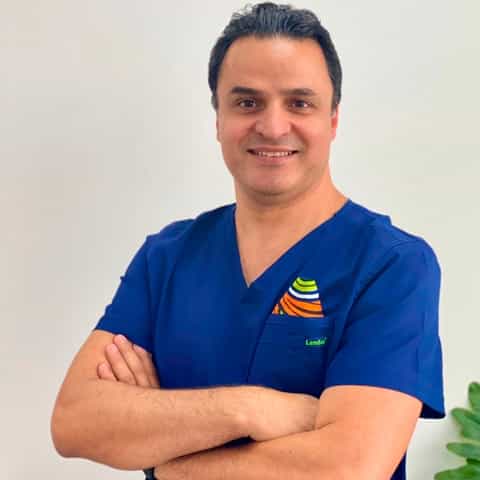
Why Choose IVF in the Middle East
Family Balancing
The legal availability of gender selection for family balancing in countries like the UAE and Jordan draws couples from across the globe.
Advanced genetic screening ensures this is done accurately and safely.
Safety & Luxury
The region offers world-class medical infrastructure with JCI-accredited hospitals that feel like 5-star hotels.
Strict government regulation ensures high standards of safety and hygiene.
Cultural Sensitivity
Clinics are designed to respect cultural and religious values, offering privacy and female-only teams.
This creates a comfortable environment for patients from the region and beyond.
Get FREE QUOTE for IVF in the Middle East at PlacidWay!
Navigating fertility treatment abroad requires expert guidance. PlacidWay serves as your bridge to the Middle East's top fertility centers, handling the vetting, communication, and logistics to ensure a smooth journey to parenthood.
Clinic Verification
We partner only with JCI-accredited and government-licensed clinics that demonstrate high success rates and adhere to international standards.
Legal Guidance
We help clarify the specific legal requirements for IVF and gender selection in different Middle Eastern countries to ensure you are eligible.
Virtual Consults
We facilitate initial video consultations with fertility specialists, allowing you to discuss your history and plan your cycle before flying.
Cost Transparency
We provide detailed quotes including medical fees, genetic testing costs, and potential medication expenses, avoiding surprises.
Travel Logistics
From visa support to booking patient-friendly hotels near the clinic, we help manage the practical details of your trip.
Patient Advocacy
Our team is available to support you throughout your treatment, acting as a liaison with the clinic to ensure your needs are met.
Begin your journey to parenthood with confidence. Contact PlacidWay today for a free consultation and explore your IVF options in the Middle East.
Get Your Free Personalized Quote



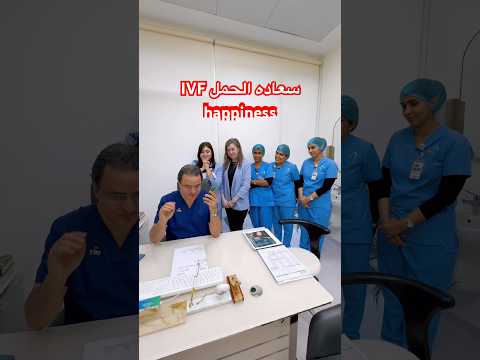
.png)

.png)
.png)








Share this listing