


Nội dung
Dịch vụ phẫu thuật thẩm mỹ toàn diện tại Hàn Quốc
Hãy tưởng tượng bạn bước vào một điểm đến nơi sự hoàn hảo về thẩm mỹ không chỉ là mục tiêu mà còn là một nghệ thuật được hoàn thiện qua nhiều thập kỷ đổi mới. Hàn Quốc xứng đáng với danh hiệu trung tâm phẫu thuật thẩm mỹ toàn cầu. Đối với bệnh nhân đến từ Bắc Mỹ, châu Âu và các nơi khác, Hàn Quốc đại diện cho đỉnh cao của thẩm mỹ y khoa, cung cấp các thủ thuật tiên tiến, chính xác đến kinh ngạc và được thiết kế riêng để tạo ra kết quả tự nhiên nhất có thể.
Chọn Hàn Quốc cho hành trình làm đẹp của bạn đồng nghĩa với việc tiếp cận một hệ sinh thái chăm sóc sức khỏe vượt trội về công nghệ thẩm mỹ. Đây là nơi mà triết lý "K-beauty" - nhấn mạnh sự hài hòa, cân bằng và vẻ trẻ trung rạng rỡ - định hướng các phương pháp phẫu thuật. Các phòng khám ở đây không chỉ thực hiện phẫu thuật; họ thiết kế những sự thay đổi toàn diện bằng cách sử dụng bản đồ khuôn mặt 3D và các kỹ thuật xâm lấn tối thiểu, chuyên biệt cao.
Du lịch y tế tại Hàn Quốc được hỗ trợ bởi sự giám sát chặt chẽ của chính phủ, đảm bảo rằng bệnh nhân quốc tế nhận được sự chăm sóc đáp ứng hoặc vượt quá các tiêu chuẩn quốc tế. Khu Gangnam nổi tiếng ở Seoul có rất nhiều phòng khám hiện đại, trông giống như những khách sạn boutique sang trọng hơn là bệnh viện, với đội ngũ bác sĩ phẫu thuật được chứng nhận, những người được công nhận là tiên phong toàn cầu trong lĩnh vực tạo hình khuôn mặt, phẫu thuật mũi và các phương pháp điều trị chống lão hóa.
Cho dù bạn đang tìm kiếm sự tinh chỉnh nhẹ nhàng hay một cuộc lột xác hoàn toàn về thẩm mỹ, Hàn Quốc đều mang đến trải nghiệm liền mạch, hỗ trợ tối đa, nơi kết quả thẩm mỹ đẳng cấp thế giới là tiêu chuẩn. Hãy cùng khám phá lý do tại sao rất nhiều bệnh nhân vượt đại dương để đạt được mục tiêu làm đẹp của mình tại đây.
Bạn có biết?
Hàn Quốc có tỷ lệ phẫu thuật thẩm mỹ bình quân đầu người cao nhất thế giới. Riêng khu Gangnam nổi tiếng ở Seoul đã có hơn 500 phòng khám thẩm mỹ. Số lượng đáng kinh ngạc này đồng nghĩa với việc các bác sĩ phẫu thuật Hàn Quốc sở hữu kinh nghiệm vô song, thường thực hiện hàng nghìn ca phẫu thuật cùng một loại hình, nắm vững các kỹ thuật mà các bác sĩ ở những nơi khác có thể chỉ thực hiện thỉnh thoảng.
Những điểm chính cần lưu ý
Các bác sĩ phẫu thuật Hàn Quốc dẫn đầu thế giới về các kỹ thuật tạo hình đường nét khuôn mặt tiên tiến, phẫu thuật tạo mí mắt đôi và phẫu thuật tạo đường nét V-line.
Ngành phẫu thuật thẩm mỹ rất ưa chuộng những kết quả tinh tế, hài hòa và tự nhiên hơn là những thay đổi nhân tạo hoặc quá mức.
Chính phủ Hàn Quốc quản lý chặt chẽ các phòng khám điều trị cho người nước ngoài để đảm bảo an toàn, giá cả hợp lý và chất lượng chăm sóc đạt tiêu chuẩn quốc tế.
Mặc dù không phải là điểm đến rẻ nhất trên toàn cầu, nhưng tỷ lệ giữa chất lượng phẫu thuật và công nghệ tiên tiến so với chi phí mang lại giá trị vượt trội.
Các phòng khám sử dụng máy quét CT 3D tiên tiến và mô hình dự đoán bằng trí tuệ nhân tạo để lập kế hoạch phẫu thuật chính xác đến từng milimet.
Chăm sóc hậu phẫu ở đây nổi tiếng, bao gồm các phương pháp điều trị giảm sưng chuyên biệt, liệu pháp oxy cao áp và theo dõi toàn diện.
Văn hóa "Giảm sưng"
Hàn Quốc có cả một ngành công nghiệp nhỏ chuyên về phục hồi sau phẫu thuật. Các phòng khám thường cung cấp cho bệnh nhân nước ép bí ngô đặc biệt (Hobak-ŷ), được đánh giá cao trong y học cổ truyền Hàn Quốc vì khả năng giảm sưng và viêm nhanh chóng sau phẫu thuật!
Hiểu rõ chi phí là một phần quan trọng trong quá trình ra quyết định của bạn. Bảng dưới đây cung cấp phân tích minh bạch về chi phí trung bình của các thủ thuật phổ biến ở Hàn Quốc so với giá cả ở phương Tây. Mặc dù các con số này chỉ là ước tính, nhưng chúng cho thấy giá trị tuyệt vời mà bạn nhận được – bạn đang trả tiền cho chuyên môn hàng đầu thế giới và các cơ sở vật chất hiện đại. Hãy sử dụng dữ liệu này để lập kế hoạch ngân sách hiệu quả, lưu ý rằng giá cuối cùng có thể thay đổi tùy thuộc vào yêu cầu phẫu thuật cụ thể của bạn.
Lời khuyên: Luôn yêu cầu báo giá chi tiết, liệt kê từng hạng mục từ phòng khám bạn chọn để hiểu chính xác những xét nghiệm chuyên sâu và dịch vụ chăm sóc sau điều trị nào được bao gồm.

Price starting from $5,400
Breast Lift Package in Seoul, South Korea by VG Plastic Surgery
VG Plastic Surgery
- Cosmetic/Plastic Surgery
Seoul, South Korea
.png)
Price starting from $32,000
Deep Plane Face Lift, Deep Neck Lift, and Fat Graft Package in South Korea by RNWOOD Seoul
RNWOOD - Best Plastic Surgery in Seoul, South Korea
- Cosmetic/Plastic Surgery
Seoul, South Korea
.jpg)
Price starting from $5,100
Rhinoplasty Package in Seoul South, Korea by VG Plastic Surgery
VG Plastic Surgery
- Cosmetic/Plastic Surgery
Seoul, South Korea

Price starting from $8,500
Breast Augmentation Package in Seoul South, Korea by VG Plastic Surgery
VG Plastic Surgery
- Cosmetic/Plastic Surgery
Seoul, South Korea
Price starting from $1,700
Eyelid Surgery Package in Seoul, South Korea by VG Plastic Surgery
VG Plastic Surgery
- Cosmetic/Plastic Surgery
Seoul, South Korea

Price starting from $2,900
Liposuction Package in Seoul, South Korea by VG Plastic Surgery
VG Plastic Surgery
- Cosmetic/Plastic Surgery
Seoul, South Korea
Việc tìm được gói dịch vụ phù hợp có thể giúp đơn giản hóa đáng kể hành trình điều trị y tế của bạn. Trong phần dưới đây, chúng tôi đã chọn lọc danh sách các nhà cung cấp hàng đầu cung cấp các gói dịch vụ toàn diện. Các gói này thường bao gồm phí phẫu thuật, gây mê, chụp chiếu chẩn đoán công nghệ cao và các phương pháp điều trị giảm sưng sau phẫu thuật chuyên sâu. Hãy xem xét các lựa chọn để tìm gói dịch vụ phù hợp với mục tiêu thẩm mỹ cụ thể của bạn và đảm bảo trải nghiệm thoải mái tại Hàn Quốc.
Lưu ý: Các gói dịch vụ trọn gói mang lại giá trị tối đa bằng cách kết hợp phẫu thuật, chẩn đoán y tế cao cấp và các liệu pháp phục hồi vào một mức giá thuận tiện.
Cosmetic/Plastic Surgery So sánh chi phí trung tâm tại South Korea
| Nhà cung cấp | Thủ tục | Giá |
|---|---|---|
| VG Plastic Surgery | Eyelid Surgery, Cosmetic/Plastic Surgery | $1700 |
| VG Plastic Surgery | Nose Surgery Rhinoplasty, Cosmetic/Plastic Surgery | $5100 |
| VG Plastic Surgery | Breast Augmentation, Cosmetic/Plastic Surgery | $8500 |
| VG Plastic Surgery | Liposuction, Cosmetic/Plastic Surgery | $2900 |
| VG Plastic Surgery | Breast Lift, Cosmetic/Plastic Surgery | $5400 |
Cosmetic/Plastic Surgery So sánh chi phí trong South Korea
| Quốc gia | Thủ tục | Giá |
|---|---|---|
| United States | Mommy Makeover, Cosmetic/Plastic Surgery | $20000 |
| Canada | Mommy Makeover, Cosmetic/Plastic Surgery | $21500 |
Sự an toàn và kết quả điều trị của bạn phụ thuộc rất nhiều vào cơ sở y tế bạn lựa chọn. Chúng tôi đã chọn lọc một danh sách các trung tâm y tế hàng đầu tại Hàn Quốc—chủ yếu nằm ở khu Gangnam nổi tiếng của Seoul—nổi tiếng về chuyên môn trong lĩnh vực phẫu thuật thẩm mỹ và tái tạo. Các phòng khám này được kiểm định nghiêm ngặt về tiêu chuẩn của Bộ Y tế Hàn Quốc, cơ sở hạ tầng hiện đại sang trọng và khả năng công nghệ tiên tiến. Hãy xem các thông tin chi tiết bên dưới để tìm hiểu thêm.
An toàn là trên hết: Hãy tìm kiếm chứng nhận KAHF (Chương trình kiểm định chất lượng bệnh viện phục vụ bệnh nhân nước ngoài của Hàn Quốc) khi lựa chọn trung tâm y tế.
VG Plastic Surgery
Seoul, South Korea
RNWOOD - Best Plastic Surgery in Seoul, South Korea
Seoul, South Korea
Việc được nghe trực tiếp từ những bệnh nhân đã từng điều trị có thể mang lại sự an tâm vô cùng quý giá. Các video lời chứng thực được giới thiệu bên dưới thể hiện những câu chuyện có thật từ các cá nhân quốc tế đã trải qua phẫu thuật thẩm mỹ tại Hàn Quốc. Hãy xem những video này để hiểu rõ hơn về trải nghiệm cá nhân của họ, từ các buổi tư vấn 3D công nghệ cao đến kết quả cuối cùng, và chiêm ngưỡng những kết quả tự nhiên, rõ rệt mà các bác sĩ phẫu thuật tài năng trong khu vực này đã đạt được.
Nhận định: Lời chứng thực của bệnh nhân thường cung cấp góc nhìn chân thực nhất về phong cách chăm sóc bệnh nhân đẳng cấp thế giới tại các phòng khám Hàn Quốc.
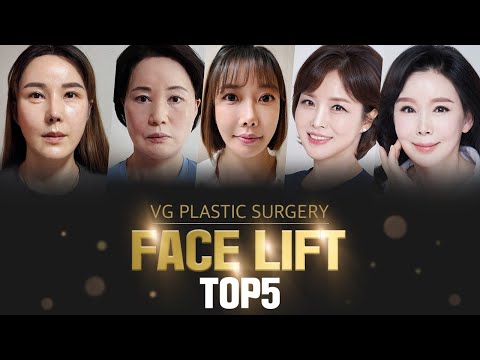
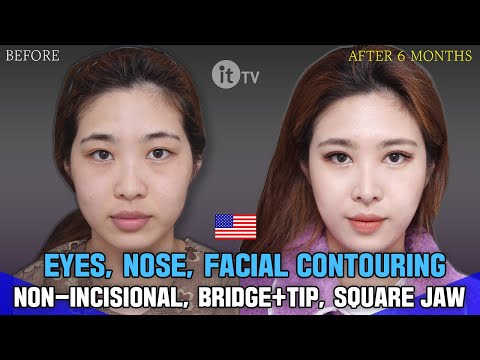
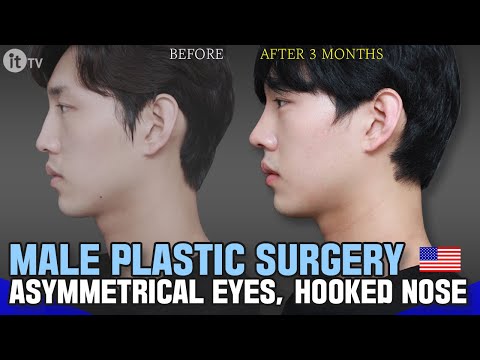
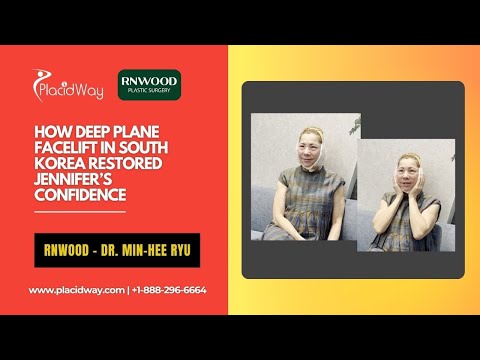
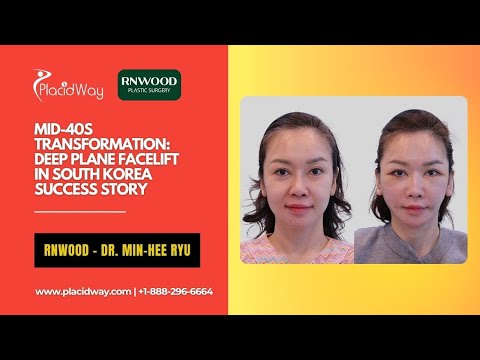
Đánh giá của bệnh nhân cung cấp cái nhìn trung thực về chất lượng chăm sóc. Trong phần này, bạn sẽ tìm thấy các đánh giá và xếp hạng đã được xác minh từ các bệnh nhân quốc tế đã tin tưởng giao phó quá trình chuyển đổi thẩm mỹ của mình cho các bác sĩ phẫu thuật tại Hàn Quốc. Hãy đọc phản hồi của họ về việc giao tiếp thông qua phiên dịch viên, tính tỉ mỉ của các bác sĩ phẫu thuật Hàn Quốc, sự hài lòng về kết quả và trải nghiệm sang trọng nói chung để giúp bạn lựa chọn nhà cung cấp dịch vụ phù hợp.
Mẹo khi đọc đánh giá: Hãy chú ý đến những đánh giá mô tả chi tiết về chăm sóc "giảm sưng" toàn diện sau phẫu thuật, một đặc điểm nổi bật của các phòng khám Hàn Quốc.

How much is Liposuction in South Korea?
Considering liposuction to achieve your desired body contour? South Korea, a global hub for plastic surgery, offers a compelling combination of advanced technology, renowned surgeons, and competitive pricing. The cost of liposuction in South Korea is a primary consideration for many, and it's influenced by a variety of factors, including the treatment area and the specific technique used. This guide will walk you through everything you need to know about the cost of liposuction in this cosmetic surgery mecca, helping you make an informed decision for your body transformation journey. The liposuction in South Korea is known for its precision and effectiveness, attracting a global clientele seeking high-quality procedures at a reasonable price point. Whether you're looking to address stubborn fat in your abdomen, thighs, or arms, understanding the financial aspect is the first step. We'll delve into the specifics of pricing, what's included, and how to choose the right clinic for your needs. How much does liposuction generally cost in South Korea? "The general cost of liposuction in South Korea typically ranges from $2,000 to $6,000 per area. However, the final price can vary significantly based on the treatment area, the complexity of the procedure, the surgeon's experience, and the clinic's reputation." The cost of your liposuction procedure is not a one-size-fits-all figure. For smaller areas like the chin or arms, you can expect the price to be on the lower end of the spectrum. Larger areas, such as the abdomen, back, or a full 360-degree torso liposuction, will naturally command a higher price due to the increased time and effort required. It's crucial to remember that this price range often includes more than just the surgeon's fee. It typically covers the cost of anesthesia, the operating room facility, pre-operative tests, and post-operative follow-up appointments. When comparing quotes from different clinics, be sure to inquire about what is included in the package to avoid any unexpected costs. What factors influence the cost of liposuction in South Korea? "Several key factors influence the cost of liposuction in South Korea, including the surgeon's expertise and reputation, the clinic's location and prestige, the type of liposuction technology used, the size and number of treatment areas, and the inclusion of post-operative care." Understanding these factors will help you better interpret the quotes you receive: Surgeon's Expertise: Highly experienced and sought-after surgeons often charge more for their services. Their skill and proven track record in delivering excellent results are reflected in their pricing. Clinic's Reputation and Location: Clinics located in upscale districts of Seoul, like Gangnam, tend to have higher overhead costs, which can translate to higher prices for procedures. A clinic's reputation for luxury, advanced technology, and a VIP patient experience also plays a role. Liposuction Technology: The type of technology used can significantly impact the cost. Traditional liposuction is generally the most affordable option. More advanced techniques like VASER liposuction (ultrasound-assisted) or laser-assisted liposuction may come at a premium due to the specialized equipment and training required. Treatment Area and Volume of Fat: The larger the area being treated and the more fat that needs to be removed, the longer the procedure will take, leading to a higher cost. Post-Operative Care: Some clinics offer comprehensive packages that include post-operative treatments like lymphatic drainage massages or radiofrequency skin tightening to enhance results and speed up recovery. These value-added services will be factored into the overall cost. What is the cost of different types of liposuction in South Korea? "The cost of liposuction in South Korea varies by technique. Traditional liposuction can start from $2,000, while more advanced methods like VASER liposuction or laser-assisted liposuction typically range from $3,000 to $7,000 per area." Here's a breakdown of what you can expect in terms of cost for different types of liposuction: Liposuction Technique Estimated Cost Range (per area) Traditional Liposuction $2,000 - $4,500 VASER Liposuction $3,000 - $7,000 Laser-Assisted Liposuction $3,000 - $6,500 360 Lipo (Full Torso) $8,000 - $15,000+ Facial Liposuction (Chin/Jowls) $1,500 - $3,500 It's important to have a consultation with a qualified surgeon to determine which technique is best suited for your specific needs and goals. How does the cost of liposuction in South Korea compare to other countries? "The cost of liposuction in South Korea is often more affordable compared to countries like the United States or the United Kingdom, without compromising on quality or safety. Patients can often save 30-50% on their procedure by choosing to have it done in South Korea." Medical tourism is a booming industry in South Korea for a reason. The country's efficient healthcare system and the high volume of cosmetic procedures performed allow clinics to offer competitive pricing. This cost-effectiveness, combined with the high standards of care and the expertise of Korean surgeons, makes it an attractive destination for patients from all over the world. For example, a liposuction procedure that might cost upwards of $10,000 in the United States could be performed for a fraction of that price in a top-tier clinic in Seoul. This significant price difference makes it possible for many to afford a procedure that might have been out of reach in their home country. What is included in the liposuction price in South Korea? "Typically, the quoted cost of liposuction in South Korea is a comprehensive package that includes the surgeon's fee, anesthesia costs, operating room charges, pre-operative consultations, and a certain number of post-operative follow-up visits." When you receive a quote from a reputable clinic in South Korea, it's generally an all-inclusive price for the procedure itself. This transparency is a hallmark of the Korean medical tourism experience. However, it's always wise to confirm the specifics. Items that are usually included are: Initial consultation and surgical planning Surgeon's and medical team's fees Anesthesia and anesthesiologist's fees Operating room and facility fees Basic post-operative medications Follow-up appointments What might not be included are: Flights and accommodation Post-operative compression garments (though some clinics may provide one) Specialized post-operative treatments like massages or therapies The cost of any necessary revisions (though this should be discussed beforehand) Are there any hidden costs I should be aware of? "While Plastic Surgery clinics in South Korea are generally transparent with their pricing, it's essential to inquire about potential additional costs, such as for prescription medications, specialized compression garments, or any unforeseen medical needs that may arise." To avoid any surprises, have a detailed discussion with your chosen clinic about the total cost and what it covers. Ask specifically about any potential extra charges. It's also a good practice to have a contingency fund for any unexpected expenses, not just for the procedure itself but also for your travel and stay in South Korea. How do I find the best liposuction clinic in South Korea for my budget? "To find the best liposuction clinic in South Korea that fits your budget, research and compare several reputable clinics, read patient reviews, and schedule virtual consultations to discuss your goals and receive personalized quotes." Don't let price be your only guiding factor. The quality of the clinic and the experience of the surgeon are paramount to a safe and successful outcome. Look for clinics that are accredited, have a portfolio of before-and-after photos, and have positive testimonials from previous international patients. Many clinics in South Korea have English-speaking staff and coordinators who are experienced in assisting medical tourists. Take advantage of free online consultations to get a feel for the clinic's professionalism and to have all your questions answered before making a commitment. What is the recovery process like and what are the associated costs? "The initial recovery period for liposuction in South Korea is typically one to two weeks, with most of the swelling and bruising subsiding within a few weeks. Associated costs can include post-operative garments and any recommended aftercare treatments." After your liposuction procedure, you will need to wear a compression garment for several weeks to help reduce swelling and support the new contours of your body. The cost of these garments may or may not be included in your surgical package. You should also factor in the cost of your stay in South Korea during the initial recovery period. Most surgeons will recommend that you stay in the country for at least a week to ten days for follow-up appointments and to ensure you are healing properly before you travel back home. Is liposuction in South Korea safe? "Yes, liposuction in South Korea is considered very safe, provided you choose a board-certified plastic surgeon and a reputable, well-equipped clinic. South Korea has a stringent regulatory framework for medical facilities and a culture of excellence in the medical field." The safety and well-being of patients are top priorities in the South Korean medical system. Surgeons undergo extensive training, and clinics are held to high standards of hygiene and patient care. The use of advanced technology also contributes to the safety and precision of liposuction procedures. To ensure your safety, do your due diligence in researching your surgeon and clinic. Verify their credentials and read patient reviews to gauge their reputation. What are the risks and complications of liposuction? "Like any surgical procedure, liposuction carries some risks, including infection, bleeding, scarring, and uneven contours. However, these risks are minimized when the procedure is performed by an experienced and qualified surgeon." During your consultation, your surgeon will discuss the potential risks and complications with you in detail. These can include: Irregularities in skin surface: This can sometimes occur if the fat is removed unevenly. Numbness: Temporary or, in rare cases, permanent numbness in the treated area. Fluid accumulation (seroma): Pockets of fluid can form under the skin, which may need to be drained. Infection: Though rare, it is a risk with any surgery. Choosing a skilled surgeon and following all pre- and post-operative instructions carefully will significantly reduce the likelihood of these complications. How can I get a personalized liposuction cost estimate? "To get a personalized cost estimate for liposuction in South Korea, you will need to have a consultation with a plastic surgeon. This can often be done virtually by sending photos of the areas you wish to have treated." The first step is to reach out to a few clinics that you are interested in. They will typically ask you to provide some basic information about your medical history and your aesthetic goals, along with clear photographs of the treatment areas. Based on this information, the surgeon can provide you with a preliminary assessment and a personalized cost estimate. This initial consultation is a great opportunity to ask any questions you may have and to get a better understanding of what the procedure entails. Ready to take the next step in your body contouring journey? Explore PlacidWay for a wide range of solutions for medical tourism and healthcare services. We can help you connect with top-rated clinics in South Korea and plan your liposuction procedure with confidence.
How Much Does Eyelid Surgery Cost in South Korea?
Eyelid surgery in South Korea typically costs between $1,500 and $4,500 USD. This price varies based on the specific procedure—such as non-incisional double eyelid, full blepharoplasty, or ptosis correction—as well as the surgeon's expertise and the clinic's location. Key Takeaways: Average costs range from $1,500 for non-incisional methods to $5,500 for complex revision cases. A typical eyelid surgery clinic in South Korea package includes surgeon fees, local anesthesia, and basic post-op care. Patients can generally save 30% to 50% compared to prices in the United States or Australia. Expect to stay in Seoul for approximately 7 to 10 days for surgery and necessary follow-up appointments. Medical tourism in South Korea offers access to highly specialized, board-certified oculoplastic surgeons. What Factors Influence the Cost of Eyelid Surgery in South Korea? The cost of a blepharoplasty procedure fluctuates based on surgical technique, anesthesia type, surgeon experience, and whether it is a primary or revision surgery. When evaluating blepharoplasty cost in South Korea, it is crucial to understand that price quotes are rarely one-size-fits-all. The most significant variable is the surgical method. A non-incisional (suture) double eyelid surgery is less invasive, requires less time, and is therefore more affordable than a full-incision technique that involves removing excess skin and fat. Another major factor is the surgeon's reputation and the facility's location. Clinics located in premium districts like Gangnam in Seoul often carry higher overhead costs, which may be reflected in their pricing. However, these facilities frequently offer advanced technology, luxury amenities, and comprehensive in-house translation services tailored for international patients. Finally, the type of anesthesia used impacts the final bill. Most eyelid procedures are performed under local anesthesia with light IV sedation. If a patient requests or requires general anesthesia, the cost will increase due to the necessary presence of an anesthesiologist. Furthermore, revision surgeries—correcting previous unsatisfactory results—are technically demanding due to scar tissue and will always be priced higher than primary procedures. Important Consideration: Foreigner Pricing International patients sometimes worry about a "foreigner markup." To ensure transparent pricing, request an itemized quote that clearly separates surgeon fees, facility costs, and anesthesia. Many reputable clinics now offer standardized package pricing for both domestic and international patients. How Much Do Different Types of Blepharoplasty Cost? Prices generally start around $1,200 for basic double eyelid creation and can exceed $5,500 for complex reconstructive work involving ptosis correction or revision. To help you budget for medical tourism in South Korea, it is helpful to break down costs by the specific procedure. Below is a detailed look at the estimated price ranges for the most common eye surgeries sought by international patients. Upper Eyelid Procedures Non-incisional double eyelid surgery, which uses sutures to create a crease, typically costs between $1,200 and $2,500 USD. For patients needing a full incisional method to remove excess skin or fat, the cost usually rises to $1,500 - $3,500 USD. If you require ptosis correction to fix drooping eyelids caused by weak levator muscles, expect to pay between $2,500 and $5,500 USD. Lower Eyelid and Canthoplasty Lower blepharoplasty, aimed at removing eye bags and smoothing wrinkles, averages $2,000 to $4,500 USD. South Korea is particularly famous for "under-eye fat repositioning," which smooths the tear trough and costs about $2,200 to $3,500 USD. Canthoplasty (adjusting the inner or outer corners to widen the eye) typically adds $1,000 to $2,000 USD per area. Procedure Average Cost Range (USD) Ideal Candidate Profile Non-Incisional Double Eyelid $1,200 - $2,500 Younger patients with thin skin and no excess fat. Incisional Double Eyelid $1,500 - $3,500 Patients with thicker skin, asymmetry, or excess fat. Lower Blepharoplasty $2,000 - $4,500 Individuals with prominent under-eye bags or lax skin. Epicanthoplasty (Inner Corner) $1,000 - $2,000 Patients wanting wider, more horizontally open eyes. Revision Blepharoplasty $3,000 - $5,500+ Patients dissatisfied with results from a previous surgery. What Is Included in a Standard Eyelid Surgery Package? Most standard clinic packages cover the surgeon's fee, operating room costs, anesthesia, and basic post-operative follow-ups, though travel and accommodation are separate. When you receive a quote from an eyelid surgery clinic in South Korea, it is vital to know exactly what that price covers to avoid unexpected expenses. Most reputable clinics provide a comprehensive surgical package designed for international patients. This typically includes the pre-operative consultation, necessary blood tests, the surgeon's operating fee, and the cost of the facility. Additionally, the quote should cover local anesthesia and IV sedation. Post-operative care is also usually bundled into the price. This means your follow-up appointments, suture removal (usually 5 to 7 days post-surgery), and basic take-home medications (like antibiotics and pain relievers) are included. Many top-tier clinics also include deswelling treatments, such as LED light therapy, to speed up your recovery. However, it is equally important to understand what is not included. Patients are almost always responsible for their own round-trip flights, hotel accommodations, airport transfers, and meals. Furthermore, if you encounter unexpected medical complications that require extended care outside the standard protocol, those costs may fall to you. Always ask the clinic for a written, itemized breakdown before making a deposit. Why Choose PlacidWay for Your Medical Journey? Navigating international healthcare can be complex, but PlacidWay provides structured support to help you compare your options globally. Comprehensive Comparisons Easily compare average costs, package details, and clinic profiles across multiple countries to find a solution that fits your budget. Verified Credentials We list clinics and surgeons with documented international accreditations and specialized training in their respective fields. Transparent Pricing Information Access up-to-date pricing data based on verified quotes from international clinics to help you plan your finances accurately. Educational Resources Utilize our extensive library of procedure guides, recovery timelines, and patient expectations to make an informed healthcare decision. Global Network Access Connect with healthcare providers not just in South Korea, but in top medical tourism destinations worldwide, expanding your choices. Frequently Asked Questions How much does eyelid surgery cost in South Korea? Eyelid surgery in South Korea typically costs between $1,500 and $4,500 USD. The exact price depends on whether you need a non-incisional double eyelid procedure, full incisional blepharoplasty, or combined upper and lower eyelid surgery. What is the cheapest eyelid surgery in South Korea? Non-incisional double eyelid surgery, often called the suture method, is generally the most affordable option, usually ranging from $1,200 to $2,500 USD. It is best suited for younger patients with thin skin. Are eyelid surgery clinics in South Korea safe for international patients? Yes, South Korea is known for highly regulated medical facilities and board-certified plastic surgeons. However, it is essential to verify the surgeon's credentials and ensure the clinic is accredited to treat international patients. Does the cost of blepharoplasty in South Korea include accommodation? Most standard surgery quotes cover the surgeon's fee, anesthesia, facility use, and basic post-operative care. Accommodation, flights, and travel insurance are usually separate unless you book a comprehensive medical tourism package. How long should I stay in Seoul for eyelid surgery? Patients typically need to stay in South Korea for 7 to 10 days. This allows enough time for the initial consultation, the surgery, and the critical follow-up appointment where stitches are usually removed. What is ptosis correction and how much does it add to the cost? Ptosis correction repairs the muscle that lifts the eyelid, helping patients with 'sleepy' or drooping eyes. Adding ptosis correction to a standard blepharoplasty usually brings the total cost to a range of $2,500 to $5,500 USD. Is revision eyelid surgery more expensive in South Korea? Yes, revision procedures are more complex due to scar tissue and altered anatomy from previous surgeries. Revision double eyelid surgery typically ranges from $2,300 to $5,500 USD or more, depending on the severity of the case. Do clinics in South Korea provide English translators? Many major clinics in areas like Gangnam cater to medical tourists and provide in-house English translation services. This is often included in the surgery fee, but it is important to confirm this during your consultation. What is under-eye fat repositioning? Instead of just removing fat from under-eye bags, South Korean surgeons often reposition it into hollow areas (like the tear trough) to create a smoother, more youthful contour. This procedure usually costs between $2,200 and $3,500 USD. Can I finance my eyelid surgery in South Korea? While some international financing options exist, most South Korean clinics require payment upfront via credit card or cash. Patients should confirm accepted payment methods directly with the clinic prior to travel. Ready to Compare Eyelid Surgery Options? Explore verified clinics, review detailed cost estimates, and request information tailored to your specific aesthetic goals. Request Treatment Information References Aesthetic Surgery Abroad Safety Guidelines – International Society of Aesthetic Plastic Surgery (ISAPS) Medical Tourism Advice and Safety – Centers for Disease Control and Prevention (CDC) Asian Blepharoplasty: A Comprehensive Review – National Center for Biotechnology Information (NCBI) South Korea Entry and Visa Requirements – Official Korean Air Travel Guide Eyelid Surgery Risks and Safety – American Society of Plastic Surgeons (ASPS) Medical Tourism in South Korea: A Review – National Center for Biotechnology Information (NCBI)
Discover the Best Plastic Surgery Clinics in South Korea?
To discover the best plastic surgery clinic in South Korea, seek government-accredited facilities with board-certified surgeons. The plastic surgery cost in South Korea spans $2,000 to $15,000, ensuring safe, premium aesthetic outcomes. Key Takeaways: Aesthetic Excellence Global Leadership: Renowned for pioneering advanced, minimally invasive aesthetic techniques. Cost Efficiency: Access premium procedures at a fraction of Western prices without compromising safety. Technological Superiority: High utilization of 3D modeling and robotic surgical assistance. Strict Safety Standards: Enforced government regulations and transparent operating room protocols. Holistic Care: Comprehensive post-operative deswelling and recovery therapies included. What Makes Plastic Surgery in South Korea Highly Sought After Globally? The global demand is driven by the country acting as a pioneering hub for aesthetic innovation. Patients flock here to receive unparalleled precision, natural-looking outcomes, and board-certified expertise. The landscape of aesthetics has shifted dramatically over the past two decades, with the Asian nation emerging as the undisputed global capital of physical transformation. This reputation is not built on marketing alone but on a foundation of extreme surgical proficiency. Surgeons perform an exceptionally high volume of operations, allowing them to master complex techniques and refine their aesthetic eye far beyond the average global standard. Another major contributing factor is the seamless integration of advanced medical technology into everyday practice. Facilities routinely utilize state-of-the-art 3D facial mapping and endoscopic tools that minimize tissue trauma. This tech-forward approach ensures precise pre-surgical planning, which directly translates to highly accurate and predictable results that look entirely natural. Consequently, medical tourism in South Korea has experienced exponential growth. International visitors are drawn not just by the surgical skill, but by the comprehensive, patient-first ecosystem. From dedicated international patient departments to sophisticated post-operative care centers, the entire infrastructure is designed to provide a world-class, stress-free medical journey for people traveling from abroad. How Much Does Plastic Surgery Cost in South Korea Compared to Other Countries? The plastic surgery cost in South Korea is generally thirty to fifty percent lower than in the United States or Western Europe, offering incredible value while maintaining superior medical safety. Understanding the financial landscape is crucial for anyone planning a medical trip abroad. While it is not the cheapest destination in the world for medical procedures, it offers an unmatched value-to-quality ratio. The pricing is highly competitive due to a robust domestic market and government support for the medical sector, which prevents the hyper-inflation of healthcare costs often seen in Western nations. Patients traveling from North America, Australia, or the UK are frequently amazed to find that they can afford top-tier surgeons and luxury hospital suites for a fraction of what a standard local procedure would cost. Furthermore, these prices often bundle comprehensive aftercare treatments that would be billed separately elsewhere. Procedure Type Estimated Cost (USD) US/UK Average Cost Rhinoplasty (Nose Contouring) $3,000 - $6,000 $8,000 - $12,000 Blepharoplasty (Eyelid Refinement) $2,000 - $4,000 $4,500 - $7,000 Facelift (SMAS Technique) $7,000 - $12,000 $15,000 - $25,000 Liposuction (Per Area) $4,000 - $8,000 $6,000 - $10,000 It is important to remember that final quotes depend heavily on individual anatomical complexities, the specific techniques utilized, and the level of the chosen facility. Always request a comprehensive, all-inclusive quote to avoid unexpected pharmacy or garment fees. What Are the Most Popular Procedures for Plastic Surgery in South Korea? The most requested treatments include eyelid refinement, complex nose reshaping, facial bone contouring, and advanced skin rejuvenation. These procedures focus on achieving a harmonious and youthful balance. Blepharoplasty: This eye-enhancing procedure is meticulously performed to create clear, defined creases and remove tired, excess skin, resulting in a brighter, more alert appearance. Rhinoplasty: Surgeons excel at utilizing autologous cartilage to build elegant, natural-looking bridges and refine nasal tips, avoiding the artificial look of older silicone methods. Facial Contouring: Highly advanced bone reduction surgeries modify the jawline, cheekbones, and chin to create a softer, more oval facial silhouette, known locally as the V-line. Fat Grafting: By harvesting unwanted fat from the thighs or abdomen and purifying it, surgeons restore youthful volume to hollow cheeks, foreheads, and under-eye areas. Anti-Aging Lifts: Advanced SMAS tissue manipulation combined with deep plane lifting provides dramatic yet undetectable rejuvenation that lasts significantly longer than traditional skin pulls. How Do I Choose a Safe Plastic Surgery Clinic in South Korea? Selecting a safe plastic surgery clinic in South Korea requires verifying government accreditations, checking specialist board certifications, and ensuring transparent operating policies. Safety should always be the primary concern when considering elective surgery abroad. To separate top-tier facilities from mediocre ones, patients must look for official accreditations provided by the Ministry of Health and Welfare. These government seals indicate that the facility has passed rigorous inspections regarding sterilization protocols, emergency medical equipment, and overall patient care standards. Another critical factor is the presence of an in-house, board-certified anesthesiologist. Many complications arise not from the surgical procedure itself, but from improper anesthesia administration. The best centers never outsource this role; they keep dedicated anesthesiology specialists on staff to monitor patients continuously from induction through to the recovery room. Finally, a transparent operating environment is non-negotiable. Ethical centers strictly enforce policies that guarantee the consulting surgeon is the one performing the operation. Many facilities now offer operating room camera access to family members or digital logs to eliminate the anxiety surrounding unauthorized medical substitutions. Did You Know? In response to international patient demand for maximum safety, many premier centers now use biometric fingerprint scanners. This ensures that only the designated, agreed-upon surgeon can unlock the doors to your operating theater. What Innovations Drive Medical Tourism in South Korea for Aesthetics? Technological advancements like advanced CT scanning, virtual reality outcome simulations, and minimally invasive laser systems attract millions by ensuring surgical precision and rapid healing. The commitment to incorporating cutting-edge technology sets this destination apart from global competitors. Before a scalpel ever touches the skin, patients undergo comprehensive three-dimensional skeletal imaging. This mapping allows surgeons to identify the exact location of vital nerves and blood vessels, drastically reducing the risk of accidental damage during complex bone contouring. During the operation, high-definition endoscopic cameras are heavily utilized. This allows surgeons to make minuscule incisions in hidden areas, such as the scalp or inside the mouth, while viewing the surgical field on large monitors. The result is a highly precise internal operation that leaves virtually zero visible external scarring. Post-operative innovation is equally impressive. Top facilities incorporate hyperbaric oxygen therapy chambers and specialized light-emitting diode treatments into their standard care packages. These therapies supercharge cellular regeneration, reduce internal bruising, and allow international patients to recover fast enough to enjoy their travel experience before returning home. How Does the Consultation Process Work for Plastic Surgery in South Korea? The consultation involves comprehensive facial analysis, digital imaging, and detailed aesthetic discussions. It guarantees the patient and medical team have completely aligned expectations prior to surgery. The journey usually begins long before the patient boards an airplane. Many top-rated centers offer preliminary virtual consultations. Patients submit standardized photographs and medical histories through secure portals, allowing specialists to provide initial treatment recommendations, outline potential surgical techniques, and deliver accurate cost estimates. Once the patient arrives at the plastic surgery clinic in South Korea, the formal in-person consultation takes place. This is a highly detailed process involving physical examinations and advanced radiological scans. Medical interpreters are always present to ensure nuances regarding aesthetic desires and medical risks are perfectly translated and understood by both parties. During this phase, doctors utilize digital morphing software to simulate the predicted outcomes. This collaborative visual process is essential. It empowers the patient to give direct feedback on the proposed changes, ensuring that the surgical plan reflects their personal vision rather than just the surgeon's aesthetic preference. What Is the Recovery Timeline After Plastic Surgery in South Korea? Recovery timelines vary by procedure, but most patients return to light activities within a week. Full swelling resolution and the presentation of final aesthetic results typically take three to six months. First Forty-Eight Hours: This period involves maximum swelling and physical fatigue. Patients are advised to rest extensively, keep their heads elevated, and utilize prescribed cold compresses to manage inflammation. Days Three to Seven: Swelling begins to subside. Patients usually visit the clinic during this window to have protective splints, surgical drains, and external stitches carefully removed. Week Two: Bruising turns yellow and fades. Most international patients feel comfortable exploring the city or flying back home at this stage, though heavy lifting remains strictly prohibited. Month One: Major residual swelling resolves. Patients can generally resume light cardiovascular exercises and standard daily routines, though the tissues remain somewhat firm to the touch. Months Three to Six: Deep internal healing concludes. Tissues soften completely, micro-swelling vanishes, and the true, final contour of the aesthetic enhancement is fully realized. Are There Age Limits for Getting Plastic Surgery in South Korea? While healthy older adults face no strict upper limits, minors require legal parental consent. Medical professionals prioritize underlying physiological health and tissue elasticity over a simple numerical age. Aesthetic enhancements cater to a vast demographic, ranging from young adults seeking structural refinement to seniors pursuing anti-aging therapies. For younger individuals, usually under the age of eighteen, strict ethical guidelines apply. Surgeons generally refuse to operate on developing bodies unless correcting a severe functional impairment, and parental presence alongside legal consent is absolutely mandatory. Conversely, the older demographic is a massive driver for **medical tourism in South Korea**. Patients in their sixties and seventies frequently travel for comprehensive facial rejuvenation. In these cases, the limiting factor is not the patient's age, but their systemic health. Cardiovascular stability, blood pressure control, and pulmonary function dictate surgical candidacy. To guarantee safety, senior patients undergo exhaustive pre-operative medical clearances. This includes electrocardiograms, complete metabolic panels, and chest X-rays. If a patient is deemed too fragile for general anesthesia, skilled surgeons will often recommend minimally invasive alternatives performed under local sedation to achieve excellent results safely. What Are the Common Risks of Plastic Surgery in South Korea? Risks include potential infections, unexpected scarring, temporary asymmetry, and adverse anesthesia reactions. However, choosing fully accredited specialists minimizes these rare complications drastically. All surgical procedures, regardless of geography, carry inherent medical risks. Hematomas, localized infections, and poor wound healing are universal possibilities when the skin barrier is broken. Furthermore, individual healing responses can lead to hypertrophic scarring or slight structural asymmetry, which might necessitate minor future revisions. Anesthesia presents its own set of risks, ranging from post-operative nausea to rare cardiovascular events. This highlights exactly why selecting a premium facility with dedicated intensive care protocols is vital. Leading centers mitigate these risks by conducting thorough health screenings and utilizing state-of-the-art monitoring equipment throughout the operation. The patient also plays a critical role in minimizing danger. Strictly adhering to all pre-operative restrictions, such as avoiding blood-thinning supplements, and following the post-operative care regimen meticulously will significantly lower complication rates. Ultimately, the meticulous standards upheld by top-tier Korean medical professionals make severe adverse events remarkably uncommon. Why Choose PlacidWay for Plastic Surgery in South Korea? PlacidWay connects you with globally recognized, fully accredited medical centers while providing exceptional guidance. We ensure a transparent, secure healthcare journey without the stress of navigating a foreign system alone. Rigorous Medical Facility Vetting: We perform exhaustive background checks on every partner, ensuring they hold current Ministry of Health accreditations, employ board-certified specialists, and maintain impeccable safety records. Transparent Cost Structures: We eliminate hidden fees by securing all-inclusive medical packages. Our team provides clear, upfront breakdowns of surgical costs, anesthesia fees, and medical aftercare expenses. Direct Surgeon Access: We facilitate secure transmission of your medical records and imaging, allowing you to receive personalized evaluations and precise treatment plans directly from leading medical directors before committing. Comprehensive Patient Advocacy: Navigating foreign healthcare regulations is complex. We act as your dedicated liaison, coordinating with hospital administration to ensure your patient rights and medical preferences are honored. Post-Treatment Follow-up Support: Our commitment does not end when your surgery finishes. We maintain communication channels with your medical team to assist with follow-up queries and remote recovery monitoring once you return home. Frequently Asked Questions About Medical Tourism in South Korea Is language a barrier for international patients getting aesthetic procedures in Seoul? Language is rarely a barrier at top-tier facilities. Major centers employ full-time, in-house medical interpreters who speak English, Mandarin, Japanese, and other languages. These professionals accompany you from the initial consultation through surgery and post-operative care to ensure perfect communication. Do international patients pay taxes on cosmetic procedures in Seoul? South Korea applies a Value Added Tax to cosmetic procedures, but international medical tourists are eligible for a tax refund. You can claim this refund at designated kiosks in the airport or major shopping districts before you leave the country, effectively lowering your total expenses. How long should I stay in Seoul after my operation? The required stay depends heavily on the complexity of your operation. Minor procedures might only require a three to five-day stay, while complex facial contouring or body modifications usually necessitate a two to three-week stay to ensure stitches are removed and you are cleared to fly. Can I fly back home immediately after my procedure? Flying immediately is highly discouraged and often restricted by surgeons. Cabin pressure changes and dry air can exacerbate swelling, increase the risk of blood clots, and compromise your healing. You must wait for your surgeon to provide explicit medical clearance before boarding a flight. Do Korean aesthetic centers accept international health insurance? Because cosmetic enhancements are elective procedures, standard international health insurance does not cover them. However, if a procedure has a documented medical necessity, such as functional nasal correction, a partial claim might be possible, though you will typically need to pay upfront and file the claim yourself. What happens if I am not satisfied with my aesthetic results? Reputable centers offer revision policies for international visitors. If a verifiable medical complication occurs or the agreed-upon aesthetic goals are clearly not met due to surgical error, many top-tier facilities will perform corrective work at a heavily discounted rate or free of charge, excluding facility fees. Are non-surgical aesthetic treatments popular among international visitors? Absolutely. South Korea is world-renowned for its non-surgical dermatology, laser therapies, and injectable treatments. Many medical tourists opt for skin boosters, advanced laser lifting, and dermal fillers because the technology used is often years ahead of what is available in Western markets. How do I physically prepare before traveling for an operation? Preparation begins weeks before your departure. You must stop smoking, abstain from alcohol, and cease taking blood-thinning medications or herbal supplements. Maintaining a nutrient-rich diet and staying highly hydrated will significantly improve your body resilience and speed up your eventual recovery. Is it safe to travel alone for aesthetic treatments in Seoul? Yes, South Korea is considered one of the safest countries globally for solo travelers. Furthermore, premium medical centers provide comprehensive concierge services, including airport pickup and dedicated nursing staff, ensuring that solo patients are never left without support during their vulnerable recovery phase. Will my unique ethnic features be respected by Korean surgeons? Leading Korean surgeons are highly trained in global aesthetics and understand the anatomical differences across various ethnicities. During your consultation, they utilize advanced imaging to tailor the procedure to your specific bone structure and cultural preferences, ensuring results enhance rather than erase your natural heritage. Start Your Aesthetic Transformation Journey Today Do not leave your safety to chance. PlacidWay connects you with globally top-rated, government-accredited aesthetic centers. Receive a personalized treatment plan from elite specialists and unlock exclusive, transparent packages designed strictly for your well-being. Get Your Free Quote * Responses typically provided within twenty-four hours. Total privacy guaranteed.
How Much Does Tummy Tuck Cost in South Korea?
A tummy tuck cost in South Korea typically ranges between $6,000 and $9,500. This estimate fluctuates based on the surgical complexity, anesthesia type, clinic location, and specific body contouring techniques required to achieve your individual aesthetic goals. Key Takeaways: Price Range: Estimated between $6,000 and $9,500, varying by clinic and patient needs. Inclusions: Usually covers the surgeon's fee and facility costs; verify if pre-op tests and post-op garments are included. Procedure Types: Options include mini, standard (full), and extended abdominoplasty based on skin laxity. Travel Timeline: International patients typically need to stay in the country for 10 to 14 days post-surgery for safe follow-up care. Safety: Thoroughly verify board certifications and clinic accreditations before booking any procedure. What is Included in the Overall Tummy Tuck Cost in South Korea? The initial estimate generally covers the primary surgical fee, standard anesthesia, operating room charges, and basic immediate post-operative care. When evaluating quotes for a tummy tuck in South Korea, understanding the breakdown of expenses is essential for financial planning. Most comprehensive estimates include the core medical components needed to perform the surgery safely. This encompasses the fee of the plastic surgeon, the anesthesiologist’s services, and the use of the clinic’s accredited surgical facility. However, total costs can extend beyond the operating room. A thorough financial consultation should clarify whether pre-operative medical clearances, blood tests, and electrocardiograms (EKGs) are wrapped into the base price or billed separately. Similarly, post-operative requirements such as specialized compression garments, prescription medications for pain and infection prevention, and overnight hospital stays may represent additional out-of-pocket expenses. To prevent unexpected financial surprises, patients should always request a fully itemized invoice before traveling. Clear communication with your chosen provider ensures that all phases of care—from the initial consultation to the final follow-up appointment before returning home—are accounted for in your medical travel budget. How Do Prices for a Tummy Tuck in South Korea Compare to the US or UK? Patients often find South Korean cosmetic procedures to be 30% to 50% more affordable than equivalent surgeries in North America or Western Europe. The economic appeal of pursuing medical procedures abroad is heavily driven by price disparities. In the United States, a standard abdominoplasty can easily exceed $10,000 to $15,000 when factoring in facility fees, anesthesia, and geographic premiums in major cities. Similarly, patients in the United Kingdom may face costs ranging from £6,000 to £10,000 in private clinics. In contrast, the average tummy tuck cost in South Korea is highly competitive without inherently sacrificing clinical quality. This price difference is rarely due to a lack of surgical expertise or inferior materials. Instead, it reflects broader economic factors, including lower administrative overhead, different healthcare insurance models, and intense market competition among aesthetic clinics in major hubs. Country Estimated Cost Range (USD) South Korea $6,000 - $9,500 United States $9,000 - $18,000+ United Kingdom $7,500 - $13,000 *Note: Prices are estimated averages and vary based on specific case complexities and currency exchange rates. What Factors Influence the Final Price of Abdominoplasty? The total expense depends heavily on the extent of skin removal, the need for abdominal muscle repair, and the surgeon's level of experience. No two bodies are identical, which means surgical plans must be highly customized. This customization is the primary reason why pricing is presented as a range rather than a fixed fee. The most significant variable is the surgical technique required. A patient needing only minor skin excision below the navel will require less operating time than a patient requiring extensive skin removal, muscle tightening, and repositioning of the belly button. Extent of Muscle Repair (Diastasis Recti): Tightening separated abdominal muscles adds complexity and time to the surgery. Combination Procedures: Adding liposuction to contour the flanks or waistline will incrementally increase the total fee. Surgeon's Expertise: Highly sought-after, board-certified surgeons with decades of specific body contouring experience generally charge premium fees. Facility Type: Procedures performed in internationally accredited hospitals may cost more than those in smaller private clinics. Anesthesia Requirements: The duration of general anesthesia impacts the anesthesiologist's fee. Did You Know? South Korea is home to a highly competitive aesthetic market, which drives clinics to constantly upgrade their technology and patient care protocols to attract both domestic and international patients. Are There Different Types of Tummy Tucks Available in South Korea? Surgeons typically offer mini, full (standard), and extended abdominoplasty depending on the patient's anatomical needs and the location of excess skin. During your consultation, a specialist at a tummy tuck clinic in South Korea will assess your anatomy to determine the most appropriate surgical approach. A "mini tummy tuck" targets only the area below the belly button. It is suited for patients with a small amount of loose skin and typically does not involve repositioning the navel, resulting in a shorter scar and faster recovery. The standard or "full" tummy tuck is the most common approach. It addresses excess skin and fat above and below the belly button and usually involves tightening the abdominal wall muscles. This technique requires an incision running horizontally from hip to hip and an incision around the navel to accommodate skin repositioning. For patients who have experienced massive weight loss, an "extended tummy tuck" may be necessary. This comprehensive procedure addresses the abdomen but extends the incision further around the hips or lower back to remove extensive tissue laxity across the entire midsection. The chosen method directly impacts surgical time, recovery protocols, and overall costs. How Should International Patients Prepare for Medical Tourism in South Korea? Proper preparation involves securing necessary travel authorizations, arranging extended recovery accommodations, and scheduling virtual medical consultations. Engaging in medical tourism in South Korea requires diligent logistical and medical planning. Before booking flights, prospective patients should participate in comprehensive virtual consultations. During these video calls, you should provide clear medical histories, current medications, and photographs so the surgical team can assess your candidacy and outline realistic expectations. Travel documentation is a critical step. Depending on your citizenship, you may need a medical visa or a standard Electronic Travel Authorization (K-ETA). It is essential to check current entry requirements and ensure your passport has sufficient validity. Patients must also plan their itinerary to include adequate recovery time; flying immediately after major abdominal surgery is highly dangerous due to blood clot risks. Accommodation should be chosen with recovery in mind. Look for hotels or recovery houses close to your chosen clinic, preferably with ground-floor access or reliable elevators. Having a travel companion to assist with daily tasks during the first week of recovery is strongly recommended, as mobility will be significantly restricted. What Safety Standards Do Tummy Tuck Clinics in South Korea Follow? Reputable clinics adhere to strict national healthcare regulations overseen by the Ministry of Health and Welfare and prioritize board-certified specialists. Patient safety should always be the paramount concern when undergoing elective surgery abroad. In South Korea, the aesthetic medical sector is highly regulated. Clinics catering to international patients must meet specific standards to be authorized to treat foreign nationals. Prospective patients should look for facilities that hold accreditations verifying their adherence to rigorous hygiene, equipment, and emergency response protocols. The credentials of the surgical team are the most crucial safety indicator. Ensure your chosen doctor is a recognized plastic surgeon, ideally verified by professional organizations such as the Korean Society of Plastic and Reconstructive Surgeons. Do not hesitate to ask for detailed information regarding their education, specialized training in body contouring, and complication rates. Furthermore, investigate the clinic's anesthesia practices. Safe facilities employ dedicated, board-certified anesthesiologists to monitor patients throughout the entire procedure. Comprehensive pre-operative screening, including bloodwork and cardiovascular evaluation, should be a mandatory requirement before clearance for surgery is granted. How Long is the Recovery Period After a Tummy Tuck? Initial recovery generally takes two to three weeks, though complete internal healing and clearance for strenuous activity require at least six weeks. Recovery from abdominoplasty is a gradual process that demands patience and strict adherence to post-operative instructions. In the first few days, patients typically experience significant swelling, bruising, and discomfort, which are managed with prescribed medications. Surgical drains may be placed to remove excess fluid and are usually removed within the first week to ten days. During the initial recovery phase, patients are advised to walk slightly bent forward to reduce tension on the abdominal incision. Wearing a specialized compression garment is mandatory for several weeks; this helps reduce swelling, supports the newly contoured tissues, and aids in proper skin retraction. Most individuals can return to light desk work within two to three weeks, depending on their physical stamina and the extent of the surgery. However, heavy lifting, intense cardiovascular exercise, and activities that strain the core must be avoided for six to eight weeks. Full stabilization of scars and final aesthetic results may take up to a year to fully manifest. What Are the Potential Risks and Complications of Abdominoplasty? While generally safe in healthy individuals, risks include infection, bleeding, poor wound healing, fluid accumulation, and adverse anesthesia reactions. As with any major surgical intervention, a tummy tuck carries inherent medical risks that must be carefully considered. General surgical risks include complications related to anesthesia, post-operative bleeding (hematoma), and surgical site infections. Choosing a highly qualified surgeon and following all sanitary care instructions minimizes, but does not eliminate, these risks. Specific to abdominoplasty, patients may develop seromas, which are pockets of fluid that accumulate under the skin and may require clinical drainage. Poor wound healing or skin necrosis can occur, particularly in patients who smoke or have compromised circulation. Smokers are strictly advised to cease nicotine use weeks before and after surgery to mitigate this severe risk. Changes in skin sensation, such as numbness or tingling over the lower abdomen, are common and can be temporary or permanent. International patients must also consider the logistics of handling complications once they return home. Establishing contact with a local healthcare provider willing to assist with follow-up care is a vital component of safe medical travel. Why Should Patients Choose PlacidWay for Medical Tourism Guidance? PlacidWay assists patients by providing access to verified clinic profiles, transparent provider comparisons, and comprehensive educational resources. Navigating the complexities of international healthcare can be overwhelming. PlacidWay serves as a dedicated platform to help patients research, compare, and connect with medical providers worldwide. When planning a procedure abroad, utilizing a structured resource can streamline the research phase and support informed decision-making. Transparent Provider Profiles PlacidWay offers detailed profiles of clinics and hospitals, allowing patients to review facility credentials, technological capabilities, and available treatments before making contact. Access to Cost Estimates The platform provides baseline pricing information and facilitates direct requests for personalized quotes, helping patients understand financial expectations and avoid hidden costs. Credential Visibility Patients can access information regarding surgeon qualifications, board certifications, and professional memberships, supporting a diligent vetting process. Patient Education Resources PlacidWay features extensive libraries of articles, procedure guides, and pre-surgery checklists to empower patients with medical knowledge. Direct Provider Communication The system enables seamless initial communication between patients and international clinics, bridging language barriers and facilitating prompt consultations. Frequently Asked Questions (FAQs) Can I combine a tummy tuck with liposuction in South Korea? Yes, many patients choose to combine a tummy tuck with liposuction. This combination may help achieve more comprehensive contouring of the waistline and flanks, though it also increases the total surgical time, cost, and potential recovery demands. Is it safe to fly after having a tummy tuck procedure? Flying immediately after major surgery is generally contraindicated due to the increased risk of deep vein thrombosis (DVT). Surgeons typically advise international patients to wait at least 10 to 14 days before taking a long-haul flight, depending on recovery progress and medical clearance. How long do the results of a tummy tuck usually last? The abdominal contouring achieved through surgery is intended to be long-lasting. However, significant weight fluctuations, future pregnancies, and natural tissue aging can stretch the skin and alter the initial aesthetic results over time. Will a tummy tuck remove my stretch marks? A tummy tuck only removes stretch marks that are located on the specific areas of excess lower abdominal skin excised during the procedure. Stretch marks located on the upper abdomen or outside the surgical excision area will remain. What kind of anesthesia is used for abdominoplasty in South Korea? Full and extended abdominoplasty procedures are almost exclusively performed under general anesthesia to ensure patient comfort and allow for muscle repair. Mini tummy tucks may occasionally be performed under intravenous sedation combined with local anesthesia, depending on the surgeon's protocol. How do I verify the credentials of a South Korean plastic surgeon? You should request the surgeon's board certification details, which can often be verified through organizations like the Korean Society of Plastic and Reconstructive Surgeons (KSPRS). Additionally, ask for specific documentation regarding their experience and case volume with body contouring. Can I get pregnant after having a tummy tuck? While it is medically possible to have a safe pregnancy after a tummy tuck, surgeons generally recommend waiting until you have finished having children before undergoing the procedure. Pregnancy can separate the repaired abdominal muscles and stretch the skin, potentially reversing the surgical results. Will there be a noticeable scar after the surgery? Yes, abdominoplasty requires an incision that leaves a permanent scar. Surgeons typically place the incision low on the abdomen so it can be concealed by most underwear or bikini bottoms. The final appearance of the scar varies based on individual genetics, skin type, and post-operative scar care. What is the typical hospital stay for this procedure in Seoul? Depending on the extent of the surgery and clinic policy, patients typically stay in the surgical facility or hospital for 1 to 2 nights. This allows medical staff to monitor vital signs, manage initial pain safely, and care for surgical drains before discharging the patient to their hotel. Are hidden fees common when booking surgery abroad? Unexpected fees can occur if treatment plans are not thoroughly discussed in advance. To avoid this, it is crucial to request a fully itemized estimate that clearly separates primary surgical fees, facility costs, anesthesia, specialized garments, and necessary medications. Ready to Explore Your Body Contouring Options? Connect with trusted, verified medical providers and receive personalized cost estimates for your procedure in South Korea. Request Information Medical Disclaimer: The information provided in this article is for educational purposes only and does not substitute professional medical advice. Always consult with a qualified, board-certified physician before making decisions regarding surgery or medical travel. References Tummy Tuck (Abdominoplasty) Overview – Mayo Clinic Tummy Tuck Safety and Risks – American Society of Plastic Surgeons Health Information for Travelers to South Korea – Centers for Disease Control and Prevention (CDC) Global Statistics on Aesthetic Procedures – International Society of Aesthetic Plastic Surgery (ISAPS) Complications and Safety in Abdominoplasty – National Center for Biotechnology Information (NCBI) Healthcare Regulations and Medical Policies – Ministry of Health and Welfare (MOHW), South Korea
How Long Does the Recovery From Rhinoplasty Take in South Korea?
The recovery from rhinoplasty (nose job) in South Korea is a gradual process. While initial visible swelling and bruising subside within 1-2 weeks, the nose continues to refine and settle for up to a year, with final results becoming apparent as all residual swelling resolves. Rhinoplasty, often called a "nose job," is one of the most transformative facial cosmetic surgeries, capable of significantly altering the balance and harmony of your face. South Korea, a global leader in plastic surgery, is a popular destination for those seeking precise and aesthetically pleasing rhinoplasty results. However, understanding the recovery process is just as crucial as choosing the right surgeon. The journey to your new nose requires patience, diligent aftercare, and a clear understanding of the healing timeline. Let's break down what you can expect during recovery from rhinoplasty in South Korea, from the immediate post-operative period to the final, refined results. What is the cost of rhinoplasty in South Korea? The cost of rhinoplasty in South Korea typically ranges from $2,000 to $12,000 USD, varying based on complexity, surgeon's expertise, and clinic reputation. Basic procedures start lower, while complex or revision surgeries can be at the higher end. South Korea is known for offering competitive prices for high-quality plastic surgery, and rhinoplasty is no exception. The cost can vary significantly depending on several factors: Complexity of the Procedure: Basic Rhinoplasty: For minor reshaping, tip refinement, or small hump removal, costs might range from $2,000 to $4,000 USD. Comprehensive Rhinoplasty: For more significant changes involving reshaping nasal bones, tip, and bridge, the cost typically falls between $4,000 and $8,000 USD. Revision Rhinoplasty: As it's more complex, correcting previous surgery can cost between $8,000 and $15,000 USD or more, depending on the extent of work needed. Specific Techniques: Procedures involving rib cartilage grafts will generally be more expensive than those using silicone implants or ear cartilage. Surgeon's Experience and Reputation: Highly sought-after and renowned surgeons with extensive experience will typically charge more for their expertise. Clinic's Location and Renown: Clinics in prime areas like Gangnam, Seoul, or those with international accreditations might have higher prices due to their overhead and reputation. Inclusions in the Package: Some clinics offer all-inclusive packages that cover: Surgeon's fee and anesthesia fee. Hospital/clinic stay (usually 1 night, sometimes outpatient). Pre-operative tests and post-operative medications. Initial follow-up appointments. Some may include airport transfers or even a few nights' accommodation. Compared to Western countries like the United States or Canada, where rhinoplasty can range from $6,000 to over $15,000 (and much higher for revisions), South Korea often provides a more affordable option without compromising on quality or expertise. It's crucial to get a detailed, transparent quote from your chosen clinic to understand all included costs and avoid any surprises. What is the immediate recovery like after rhinoplasty in South Korea? Immediately after rhinoplasty in South Korea, you'll experience mild to moderate pain, initial swelling and bruising around the eyes and nose, and will typically have a splint and/or internal packing. Most patients are discharged the same day. The first few days following your rhinoplasty in South Korea are when the most noticeable changes and sensations occur: Anesthesia Effects: You will wake up from general or local anesthesia with sedation feeling groggy. Nausea can occur but is usually managed with medication. Pain and Discomfort: While actual pain is often described as mild to moderate and manageable with prescribed pain medication, you will likely feel pressure and congestion, similar to a bad cold. Swelling and Bruising: Significant swelling will be present, especially around the eyes and nose. Bruising (black and blue marks) is also common around the eyes and cheeks. This typically peaks on days 2-3. Splint and Packing: Your nose will likely be covered with an external splint (plastic or metal) and possibly internal splints or soft packing inside the nostrils. These are crucial for supporting and protecting the new nasal structure. Breathing: Internal packing, if used, will make breathing through your nose difficult, requiring you to breathe through your mouth. This can cause a dry throat. Discharge: Most patients are discharged from the clinic or hospital the same day of surgery, though an overnight stay might be recommended for more complex cases or for closer monitoring. Positioning: You will be instructed to keep your head elevated (using multiple pillows or sleeping in a recliner) for the first week or two, even during sleep. This helps to reduce swelling. Your Korean surgical team will provide detailed post-operative instructions and medications to manage discomfort and aid initial healing. Cold compresses applied to the cheeks (not directly on the nose) are also essential for reducing swelling and bruising during this period. When are stitches and splints removed after rhinoplasty in South Korea? External stitches (if any) and nasal splints are typically removed around 5-7 days after rhinoplasty in South Korea. Internal packing, if used, may be removed earlier, around days 4-6. This is a significant milestone in your rhinoplasty recovery, as it allows you to see the initial changes to your nose: Nasal Packing Removal (Days 4-6): If internal nasal packing was used, it's usually removed within the first few days, often around day 4 to 6. This brings immediate relief as you can breathe through your nose more easily. External Splint and Stitch Removal (Day 7): For open rhinoplasty (which involves an external incision at the base of the columella, the strip of skin between your nostrils), external stitches will typically be removed around day 7. At this same appointment, the external splint that protects and stabilizes your nose will also come off. What to Expect After Removal: Once the splint is removed, your nose will still appear significantly swollen, particularly the bridge and tip. It might also look a bit bruised. This is normal, and it's important to understand that this is not the final result. The visible improvements will begin to become more apparent as swelling subsides over the following weeks. Required Stay: Due to this crucial follow-up appointment, patients are generally advised to stay in South Korea for at least 7-10 days post-surgery to ensure proper removal and initial assessment by their surgeon. Your surgeon will provide specific instructions on how to care for your nose after the splint is removed, including gentle cleaning and continued head elevation to manage swelling. What is the timeline for swelling and bruising reduction after a nose job in South Korea? Most visible bruising and major swelling after a nose job in South Korea subside within 1-2 weeks. Around 70-80% of swelling reduces by 1 month, and subtle swelling can persist for 3-6 months, with the final shape defining over 6-12 months. Swelling and bruising are the most common and persistent aspects of rhinoplasty recovery. Understanding their timeline helps manage expectations: Days 1-3: Peak Swelling and Bruising: Swelling and bruising around the eyes and nose will be at their most prominent. Ice packs (applied to cheeks, not directly on the nose) are crucial. Week 1: Gradual Improvement: After day 3-4, swelling and bruising begin to gradually subside. By the time the splint is removed (around Day 7), much of the intense bruising under the eyes will have faded, though some discoloration may remain. Week 2: Significant Reduction: Most visible bruising should be gone, and major swelling will have significantly reduced, making it easier to go out in public without attracting much attention. Light makeup can often be used to camouflage any remaining discoloration. Month 1: 70-80% Swelling Reduction: By the end of the first month, a substantial portion (around 70-80%) of the swelling, particularly on the bridge of the nose, will have resolved. You'll begin to see a more defined shape that closely resembles your expected outcome. Months 3-6: Subtle Refinement: Residual swelling, especially in the tip of the nose, will continue to diminish. The tip is often the last area to fully de-swell and refine. Subtle contours will emerge more clearly. Months 6-12 (and beyond): Final Results: The nose will continue to subtly settle and refine as all remaining microscopic swelling dissipates. For some, especially those with thicker skin, this can take up to 12-18 months. The final, true results of your rhinoplasty will become fully visible as the healing process completes internally. Patience is key during this phase. It's helpful to take weekly photos to track subtle changes and remind yourself of the progress. When can I return to normal activities after rhinoplasty in South Korea? You can return to light, non-strenuous work within 10-14 days after rhinoplasty in South Korea. Strenuous exercise, heavy lifting, or activities that could impact your nose should be avoided for 6 weeks, and contact sports for several months. Returning to your normal routine after rhinoplasty is a gradual process, designed to protect your healing nose and ensure optimal results: Light Activities (Days 1-7): Short, gentle walks are encouraged from day one to aid circulation and reduce swelling. Avoid any bending, lifting, or strenuous movements. Work/School (Days 10-14): Most patients can return to sedentary work or school within 10 to 14 days, once major bruising and swelling have subsided. If your job is physically demanding, you'll need more time off. Driving: You should avoid driving until you are no longer taking strong pain medications and can safely and comfortably perform all necessary driving maneuvers, typically after 1-2 weeks. Light Exercise (Weeks 3-4): You can generally resume light cardiovascular activities, like brisk walking or cycling (on a stationary bike), after 3-4 weeks, provided there's no risk of impact to your nose. Strenuous Exercise & Heavy Lifting (Week 6): Full strenuous exercise, weightlifting, and activities that significantly increase your heart rate or blood pressure should be avoided for at least 6 weeks. This includes running, aerobics, and swimming. Contact Sports (Months 3-6+): Any activities with a risk of facial trauma or impact to the nose (e.g., basketball, soccer, martial arts) should be strictly avoided for at least 3-6 months, or even longer, depending on your surgeon's advice. Wearing Glasses: Avoid wearing traditional eyeglasses that rest on the bridge of your nose for 6 weeks, as this can put pressure on the healing bones. Your surgeon may provide alternative solutions like tape or special frames. Blowing Your Nose: Avoid blowing your nose for the first few weeks. If you must sneeze, do so with your mouth open to minimize pressure. Always follow your Korean surgeon's specific instructions for activity restrictions, as they will be tailored to your individual surgery and healing progress for your rhinoplasty recovery in South Korea. What specific post-operative care tips are essential for rhinoplasty recovery in South Korea? Essential post-operative care tips for rhinoplasty in South Korea include strict adherence to surgeon's instructions, consistent head elevation, applying cold compresses, avoiding nose blowing/touching, protecting from sun/trauma, and maintaining a healthy diet for optimal healing. Following your surgeon’s post-operative instructions diligently is the most critical factor for a smooth recovery and excellent results. South Korean clinics are known for providing comprehensive guidance: Take Medications as Prescribed: This includes pain relievers, antibiotics (to prevent infection), and any anti-swelling medications. Keep Your Head Elevated: Maintain an elevated head position (at least 30-45 degrees) at all times, including while sleeping, for at least 1-2 weeks. This significantly helps reduce swelling. Use extra pillows or a recliner. Apply Cold Compresses: Use cold compresses (ice packs wrapped in a thin cloth) to your cheeks and forehead (not directly on the nose) for the first 48-72 hours to reduce swelling and bruising. Avoid Nose Blowing: Do not blow your nose for several weeks. If you need to sneeze, open your mouth wide to minimize pressure on the nasal passages. Avoid Touching or Bumping Your Nose: Be extremely gentle. Avoid rubbing, touching, or putting any pressure on your nose. Be cautious when washing your face or dressing. Protect from Sun Exposure: Avoid direct sunlight on your nose for several months, as it can cause hyperpigmentation of healing tissues and scars. Use a high-SPF sunscreen or wear a wide-brimmed hat when outdoors. Maintain a Healthy Diet and Hydration: Eat nutrient-rich foods, especially those high in protein and vitamins (A, C), to support healing. Stay well-hydrated. Avoid excessive sodium, which can increase swelling. Avoid Alcohol and Smoking: Alcohol can increase swelling and bleeding, while smoking severely impairs the healing process and increases complication risks. Avoid both for several weeks before and after surgery. Attend All Follow-up Appointments: These are vital for monitoring your healing progress, addressing any concerns, and ensuring proper care. Be Patient: Understand that swelling will take time to resolve, and the final results will not be visible immediately. Trust the process and your surgeon's guidance. By diligently adhering to these post-operative care tips, you can significantly optimize your rhinoplasty recovery in South Korea and achieve the best possible aesthetic outcome. Ready to begin your journey towards a refined nasal contour?Explore PlacidWay to connect with top-tier clinics and highly experienced surgeons in South Korea specializing in rhinoplasty, ensuring a safe and successful experience.
How Much Does Breast Augmentation Cost in Seoul?
The estimated cost of breast augmentation in Seoul typically ranges from $4,500 to $9,000 USD. Prices vary based on the type of implant chosen (such as silicone or Motiva), clinic fees, and the surgeon's experience. Consult for a personal estimate. If you are exploring options for aesthetic surgery abroad, understanding the landscape of breast augmentation in Seoul is an important first step. South Korea has developed a global reputation for advanced cosmetic procedures, attracting patients from around the world. However, making an informed decision requires looking far beyond the price tag. You need to consider implant varieties, potential medical risks, the logistics of recovery away from home, and how to thoroughly vet your chosen facility. Key Takeaways The estimated total cost typically spans between $4,500 and $9,000 USD, heavily dependent on the chosen implant material. Patients are generally advised to stay in South Korea for at least 7 to 10 days for necessary post-operative care and medical clearance. Breast implants carry inherent risks, including capsular contracture, infection, and the potential need for future revision surgeries. Thoroughly verifying your surgeon’s board certification and ensuring clear communication in your native language are critical steps. Patients must establish a follow-up care plan with a local physician in their home country in case complications arise later. What is included in the overall cost of breast augmentation in Seoul? The quoted price typically covers the surgeon's operating fee, general anesthesia, the cost of the implants themselves, use of the surgical facility, and basic post-operative medications. When reviewing a quote for your procedure, it helps to understand exactly how the final number is calculated. Facility fees reflect the standard of the operating room and the equipment used, while the surgeon's fee correlates with their level of experience and professional credentials. The choice of implant represents a significant portion of the total cost. In many facilities catering to international patients, the quote may also include pre-operative consultations, baseline medical tests (such as blood work and EKGs), and the required surgical compression garments. Some packages even provide limited transportation between your hotel and the facility on the day of surgery. However, it is crucial to remember that your medical travel budget must go beyond the clinic's quote. Flights, accommodation for a week or more, meals, and travel insurance are usually not included and can add thousands of dollars to your overall expenditure. How do different implant types affect the total price? Premium next-generation silicone implants, such as Motiva or ergonomix models, generally command a higher price than traditional round silicone or standard saline implants. The specific material and brand of the implant are often the biggest variables in the final price. Traditional saline implants tend to be the most cost-effective option, while standard silicone gel implants sit in the middle of the pricing tier. In recent years, newer highly cohesive silicone "gummy bear" implants have become popular due to their shape retention and specific safety profiles, naturally increasing the overall cost. Your surgeon will discuss which implant profile, projection, and material align best with your anatomical structure and aesthetic goals. It is important to prioritize the suitability and regulatory approval of the implant over cost alone. Patients should always verify that the implants used meet rigorous international safety standards. Are there hidden fees I should anticipate? While reputable centers provide transparent pricing, patients should budget for comprehensive travel insurance, specialized post-operative care, and the potential need for an extended stay if recovery is slower than expected. Medical tourism inherently carries financial unpredictability. If a minor complication occurs, such as a mild infection or delayed wound healing, you may need additional medications, extra follow-up visits, or an extended hotel stay before you are cleared to fly. These costs fall entirely on the patient. Additionally, you must consider the costs of post-operative care once you return home. Routine follow-ups, monitoring imaging (like MRIs or ultrasounds recommended by the FDA for silicone implants), and the treatment of any late-stage complications will likely not be covered by the international facility and may not be fully covered by your domestic health insurance. Why is medical tourism in Seoul popular for cosmetic procedures? Seoul features a dense concentration of highly trained aesthetic surgeons, modern medical technology, and an infrastructure specifically designed to accommodate international patients. The rise of medical tourism in Seoul is closely tied to the city's investment in advanced medical infrastructure. Many facilities utilize detailed 3D imaging technology during consultations, allowing patients to visualize potential outcomes before deciding to proceed. Furthermore, a highly competitive environment encourages the adoption of refined surgical techniques. For international visitors, the appeal also lies in the supportive services offered. Many established centers employ dedicated patient coordinators who assist with translation, medical documentation, and navigation of the clinical process. However, popularity does not negate the need for rigorous personal research. What are the potential risks and complications of breast implants? Breast augmentation is a major surgery carrying risks such as infection, hematoma, capsular contracture, implant rupture, and changes to nipple sensation. It is vital to understand that breast implants are not lifetime devices. According to major medical organizations, a significant percentage of patients will require revision surgery at some point due to complications or dissatisfaction. Capsular contracture—where the scar tissue around the implant hardens and squeezes it—is one of the most common complications requiring medical intervention. Furthermore, global health authorities, including the FDA, have noted potential risks such as Breast Implant-Associated Anaplastic Large Cell Lymphoma (BIA-ALCL), primarily associated with textured implants, and systemic symptoms sometimes referred to as Breast Implant Illness (BII). A thorough discussion of these risks with a qualified medical professional is essential before deciding on surgery. Important Consideration: Travel and Surgery Combining surgery with long-haul travel increases certain medical risks. Extended periods of immobility on an airplane shortly after surgery can elevate the risk of deep vein thrombosis (DVT) and pulmonary embolism. Patients must strictly adhere to their surgeon's timelines regarding safe travel. How long should I plan to stay in Seoul for recovery? Most medical professionals advise international patients to remain in South Korea for at least 7 to 10 days post-surgery to ensure initial healing and safe clearance to fly. The immediate post-operative period involves managing pain, monitoring the incision sites for signs of infection, and sometimes the management of surgical drains. Attempting to travel too soon can compromise your healing process and increase your risk for complications. During this 7-to-10-day window, you will likely have one or two follow-up appointments. The surgeon will evaluate your recovery, provide instructions on how to wear your compression garments, and eventually issue medical clearance for your flight home. Keep in mind that "cleared to fly" does not mean fully recovered; final healing takes several months. Am I a suitable candidate for breast augmentation? Ideal candidates are generally healthy non-smokers with realistic aesthetic expectations, whose breast development is complete, and who have no active infections or untreated medical conditions. Suitability is determined during a comprehensive medical consultation. Certain medical conditions, such as bleeding disorders, autoimmune diseases, or a history of significant breast tissue abnormalities, may affect your eligibility. Smoking severely impedes wound healing and increases the risk of necrosis, meaning patients are usually required to cease nicotine use well before and after surgery. Pregnancy and breastfeeding can significantly alter breast shape and size, potentially impacting the results of the surgery. Therefore, doctors often recommend waiting until a woman has finished having children, though it is not a strict requirement. Only a qualified physician can determine if the procedure is medically appropriate for you. How do I choose a qualified breast augmentation clinic in Seoul? Evaluating a facility involves verifying the surgeon's specific board certifications, checking the center's emergency preparedness, and ensuring clear, unhindered communication. When searching for a breast augmentation clinic in Seoul, looking past marketing material is essential. Verify that the operating physician is formally certified in plastic or aesthetic surgery by recognized national or international medical boards. Understand that credentials differ from country to country, so research what local board certification entails. Safety should always precede aesthetics. Inquire about the facility's safety protocols, including whether a board-certified anesthesiologist is present throughout the entire procedure. You should also evaluate how the clinic handles language barriers; a deep understanding of medical consent and post-operative instructions requires precise translation. What should I do if complications occur after returning home? Before traveling, it is imperative to establish a plan with a local healthcare provider who is willing and qualified to manage your long-term post-operative care and handle potential emergencies. One of the most significant risks of medical tourism is the lack of continuity of care. If you develop a late-stage complication—such as a delayed infection, fluid buildup (seroma), or capsular contracture—months after your surgery, returning to South Korea may be physically unsafe and financially impractical. Before leaving the facility in Seoul, ensure you request a complete, translated copy of your medical records. This should include detailed surgical notes, the exact make, model, and serial number of your implants, and details of any medications administered. Having these documents is crucial for your domestic physician to provide appropriate care. How should I prepare for my breast augmentation consultation? Compile your comprehensive medical history, prepare a list of specific questions about risks and recovery, and be ready to articulate your aesthetic goals clearly to the surgical team. A consultation is as much an interview for the surgeon as it is an evaluation of the patient. Be completely transparent about your medical background, including any past surgeries, current medications, herbal supplements, and lifestyle habits like smoking or alcohol consumption, as these can severely impact surgical safety. Bring specific questions regarding the surgeon’s complication rates, their policy on revision surgeries (and who bears the cost), and exactly what the recovery timeline looks like. Clear expectations set the foundation for a safer and more informed medical experience. Why Choose PlacidWay for Your Medical Tourism Journey? Navigating healthcare options in a foreign country can be complex. PlacidWay offers a platform to help patients research international healthcare providers. Access to Information: PlacidWay provides informational profiles on various clinics and hospitals worldwide. Cost Comparisons: The platform allows users to compare estimated pricing and available cosmetic procedures across different regions. Direct Communication: Patients can use the system to request information directly from medical facilities abroad. Educational Resources: PlacidWay features articles and guides designed to help individuals understand the landscape of international healthcare. Global Network: The platform facilitates connections between individuals seeking treatment and healthcare providers accustomed to treating international patients. Frequently Asked Questions Is breast augmentation cheaper in Seoul than in the US or UK? The cost can be competitive, though it is not always significantly cheaper when factoring in premium implants like Motiva. While procedure costs may range from $4,500 to $9,000 USD, patients must also account for flights, hotels, and extended stays, which can bring the total closer to domestic prices. Do clinics in Seoul offer financing for international patients? Most international patients are required to pay the full procedure cost upfront before surgery. Local financing options are typically reserved for residents. However, some patients secure medical loans or specialized financing in their home countries prior to traveling. How long does a breast augmentation surgery typically take? The surgical procedure usually takes between 1 to 2 hours, depending on the complexity of the surgery, the placement technique, and whether any additional procedures, such as a breast lift, are being performed simultaneously. When can I safely fly back home after breast surgery? Surgeons typically advise waiting at least 7 to 10 days before flying. Flying too soon can increase the risk of deep vein thrombosis (DVT) and exacerbate swelling due to changes in cabin pressure. Always obtain formal clearance from your surgeon before traveling. Is it practical to travel alone for breast surgery in Korea? While some patients do travel alone, having a companion is highly recommended. After general anesthesia, you will need assistance with basic tasks, carrying luggage, and navigating the city during the first few days of your recovery. Will I need an interpreter to communicate with my surgeon? Many facilities that cater to international patients employ in-house translators or have English-speaking staff. It is important to confirm this beforehand to ensure you can clearly discuss your medical history, goals, and post-operative instructions. How long do breast implants typically last? Breast implants are not considered lifetime devices. While many can last 10 to 15 years or longer, patients should anticipate the potential need for future revision surgeries due to natural aging, implant rupture, or capsular contracture. What is fat transfer breast augmentation? This is an alternative technique where a surgeon uses liposuction to harvest fat from another part of your body and injects it into the breasts. It typically provides a more modest increase in size compared to implants and has different risks and longevity profiles. Will my surgical scars be noticeable? Scarring is an inevitable result of any surgery. Surgeons generally place incisions in inconspicuous areas, such as the inframammary fold (under the breast) or periareolar region (around the nipple). Scars typically fade over time but will never completely disappear. Can I breastfeed after having breast augmentation? Many women can successfully breastfeed after augmentation. However, depending on the incision site (especially periareolar incisions) and implant placement, there is a risk of disruption to milk ducts or nerves, which may affect milk production. Compare Treatment Options Gather information, review estimated costs, and learn more about aesthetic procedures to make an informed decision regarding your healthcare journey. Request Treatment Information References Breast Augmentation Overview – American Society of Plastic Surgeons (ASPS) Risks and Complications of Breast Implants – U.S. Food and Drug Administration (FDA) Breast Augmentation Procedure Details – International Society of Aesthetic Plastic Surgery (ISAPS) Medical Tourism Guidelines – Centers for Disease Control and Prevention (CDC) Breast Augmentation: Risks and Preparation – Mayo Clinic Breast Enlargement (Implants) – National Health Service (NHS) Medical Disclaimer: The content provided in this article is for informational and educational purposes only and is not intended to substitute for professional medical advice, diagnosis, or treatment. Medical pricing, regulatory frameworks, and procedural methodologies change over time and vary significantly by region and individual patient needs. Any estimated costs, recovery times, and success rates discussed are general approximations and may not apply to your specific situation. All medical procedures, especially major surgeries involving general anesthesia and implants, carry inherent risks, potential complications, and contraindications. Never disregard professional medical advice or delay in seeking it because of something you have read here. Always consult with a board-certified physician or qualified healthcare provider to discuss your personal health history, suitability for surgery, and potential risks before making any healthcare decisions. Traveling for medical care introduces additional physical risks and logistical complexities regarding follow-up and emergency care.
Kết quả phẫu thuật của bạn phụ thuộc trực tiếp vào kỹ năng và tay nghề của bác sĩ phẫu thuật. Chúng tôi đã tổng hợp một danh sách các chuyên gia hàng đầu tại Hàn Quốc, những người sở hữu kinh nghiệm dày dặn và các chứng chỉ chuyên khoa danh giá. Hồ sơ của họ nêu bật các lĩnh vực chuyên môn cụ thể, chẳng hạn như tạo hình đường nét khuôn mặt hoặc phẫu thuật chỉnh sửa, trình độ học vấn và xếp hạng mức độ hài lòng của bệnh nhân quốc tế. Việc xem xét các bác sĩ phẫu thuật bậc thầy này sẽ giúp bạn tìm ra người phù hợp nhất với tầm nhìn thẩm mỹ cá nhân của mình.
Chứng chỉ Hội đồng ưu tú
Được chứng nhận bởi KSPRS và được công nhận toàn cầu.
Tất cả các chuyên gia được giới thiệu đều được chứng nhận nghiêm ngặt bởi Hiệp hội Phẫu thuật Tạo hình và Tái tạo Hàn Quốc (KSPRS). Để đạt được điều này, các bác sĩ Hàn Quốc phải trải qua một số chương trình đào tạo nội trú phẫu thuật cạnh tranh và khắt khe nhất thế giới, đảm bảo họ duy trì các tiêu chuẩn cao nhất về an toàn và độ chính xác y tế.
Chuyên môn siêu chuyên biệt
Chuyên gia về các quy trình cụ thể
Khác với các bác sĩ phẫu thuật đa năng, các bác sĩ phẫu thuật hàng đầu Hàn Quốc thường dành toàn bộ sự nghiệp để thành thạo chỉ một hoặc hai kỹ thuật cụ thể—chẳng hạn như phẫu thuật nâng mũi hoặc phẫu thuật chỉnh hàm. Sự chuyên môn hóa cao độ này đồng nghĩa với việc họ đã thực hiện hàng nghìn ca phẫu thuật thành công trong lĩnh vực chuyên môn của mình, cho phép họ xử lý ngay cả những thách thức về mặt giải phẫu phức tạp nhất.
Nghệ thuật thẩm mỹ
Sự hài hòa và tỷ lệ tự nhiên
Ngoài kỹ năng y khoa, các bác sĩ phẫu thuật này còn nổi tiếng với con mắt thẩm mỹ tinh tế. Họ dành nhiều thời gian trong các buổi tư vấn, sử dụng hình ảnh 3D để cùng thiết kế kế hoạch điều trị nhằm tôn lên vẻ đẹp tự nhiên của bạn đồng thời duy trì sự hài hòa cấu trúc khuôn mặt, đảm bảo kết quả trông tự nhiên đến kinh ngạc, không hề "giả tạo".
Dr. Minhee Ryu
RNWOOD - Best Plastic Surgery in Seoul, South Korea
- Plastic Surgeon
Seoul, South Korea
Trung tâm thẩm mỹ toàn cầu
Sự thống trị của Hàn Quốc trong lĩnh vực phẫu thuật thẩm mỹ là điều không thể phủ nhận. Quốc gia này chiếm khoảng 25% thị phần toàn cầu về các phương pháp điều trị thẩm mỹ. Khối lượng khổng lồ này đã tạo ra một môi trường cạnh tranh khốc liệt, nơi chỉ những phòng khám tốt nhất mới có thể tồn tại.
Vì việc làm đẹp được coi trọng sâu sắc trong văn hóa Hàn Quốc, các bác sĩ phẫu thuật đã có cơ hội trau dồi và hoàn thiện kỹ thuật của mình trên hàng triệu bệnh nhân. Chu kỳ thực hành và đổi mới liên tục này đã tạo nên trình độ tinh xảo trong phẫu thuật, đặc biệt là trong tạo hình đường nét khuôn mặt và chống lão hóa, mà khó có thể tìm thấy ở bất kỳ nơi nào khác trên thế giới.
Cơ sở hạ tầng công nghệ vượt trội
Khi bước vào một phòng khám hàng đầu ở quận Gangnam, Seoul, bạn đang bước vào một cơ sở hoạt động với công nghệ y tế tiên tiến nhất. Các phòng khám ở đây không dựa vào phỏng đoán; họ sử dụng máy quét CT 3D độ phân giải cao, lập bản đồ khuôn mặt bằng trí tuệ nhân tạo và mô phỏng thực tế ảo để lên kế hoạch cho từng milimet của một ca phẫu thuật trước khi bạn bước vào phòng mổ.
Sự tích hợp công nghệ này còn mở rộng đến khía cạnh an toàn, với các phòng khám hàng đầu được trang bị hệ thống dự phòng điện đạt tiêu chuẩn bệnh viện, theo dõi các chỉ số sinh học theo thời gian thực và các bác sĩ gây mê nội trú luôn túc trực bên cạnh bạn trong suốt quá trình phẫu thuật, đảm bảo an toàn tuyệt đối.
Hỗ trợ bệnh nhân quốc tế toàn diện
Hàn Quốc đã chủ động xây dựng cơ cấu ngành y tế để chào đón du khách quốc tế. Chính phủ đã khởi xướng sáng kiến "Y tế Hàn Quốc" nhằm đảm bảo bệnh nhân nước ngoài được bảo vệ bởi luật chăm sóc sức khỏe nghiêm ngặt và mô hình định giá minh bạch.
Ngoài các quy định, trải nghiệm của bệnh nhân được chăm chút tỉ mỉ. Các phòng khám có các khoa chuyên biệt, đa ngôn ngữ, phục vụ quốc tế. Ngay từ khi bạn đến, bạn đã được hỗ trợ bởi phiên dịch viên, chăm sóc điều dưỡng cá nhân hóa và các liệu pháp "giảm sưng" chuyên biệt—như điều trị oxy cao áp và laser—những liệu pháp hiếm khi được cung cấp như dịch vụ chăm sóc tiêu chuẩn tại các phòng khám phương Tây. Đó là một hệ sinh thái toàn diện được thiết kế dành riêng cho việc chữa bệnh, sự thoải mái và kết quả vượt trội.
Việc tìm hiểu về lĩnh vực phẫu thuật thẩm mỹ rộng lớn tại Hàn Quốc có thể khiến bạn cảm thấy choáng ngợp, nhưng PlacidWay đóng vai trò là đối tác y tế đáng tin cậy giúp đơn giản hóa quy trình. Chúng tôi không chỉ liệt kê các phòng khám; chúng tôi là cầu nối giữa bạn và dịch vụ chăm sóc y tế hàng đầu, đảm bảo trải nghiệm lâm sàng minh bạch, an toàn và được phối hợp chặt chẽ từ đầu đến cuối.
Quy trình kiểm tra nhà cung cấp nghiêm ngặt
Chúng tôi tiến hành sàng lọc nghiêm ngặt các trung tâm y tế và bác sĩ phẫu thuật Hàn Quốc để đảm bảo họ có các chứng chỉ KSPRS cần thiết và các chứng nhận của chính phủ nhằm đảm bảo an toàn tuyệt đối cho bạn.
Báo giá lâm sàng minh bạch
Chúng tôi tạo điều kiện thuận lợi cho việc liên lạc trực tiếp để giúp bạn nhận được báo giá y tế tùy chỉnh, không ràng buộc từ nhiều phòng khám cao cấp, cho phép bạn so sánh rõ ràng chi phí phẫu thuật và các dịch vụ đi kèm.
Tiếp cận trực tiếp với bác sĩ phẫu thuật
Chúng tôi hỗ trợ sắp xếp các buổi tư vấn trực tuyến ban đầu qua video với các chuyên gia hàng đầu Hàn Quốc, cho phép bạn thảo luận về mục tiêu thẩm mỹ và xem xét kế hoạch phẫu thuật trước khi quyết định.
Điều phối gói dịch vụ y tế
Chúng tôi hỗ trợ bạn so sánh các gói dịch vụ y tế toàn diện bao gồm phẫu thuật, gây mê, chẩn đoán trước phẫu thuật và các liệu pháp chăm sóc hậu phẫu chuyên biệt.
Quyết định dựa trên dữ liệu
Chúng tôi cung cấp quyền truy cập vào các đánh giá chân thực từ bệnh nhân, hồ sơ trước và sau điều trị được chứng nhận, và hồ sơ chi tiết về cơ sở hạ tầng lâm sàng để giúp bạn đưa ra lựa chọn sáng suốt hơn.
Vận động vì quyền lợi bệnh nhân
Đội ngũ chuyên gia của chúng tôi sẽ đóng vai trò là người hỗ trợ cá nhân của bạn trong suốt quá trình tìm hiểu thông tin, giúp bạn đặt ra những câu hỏi y tế quan trọng và chuẩn bị tự tin cho các thủ tục điều trị.
Hãy bắt đầu hành trình thay đổi diện mạo của bạn ngay hôm nay. Liên hệ với PlacidWay để nhận báo giá cá nhân hóa miễn phí và bắt đầu lên kế hoạch cho chuyến phẫu thuật thẩm mỹ tại Hàn Quốc với sự tự tin tuyệt đối.
Nhận báo giá cá nhân miễn phí của bạn
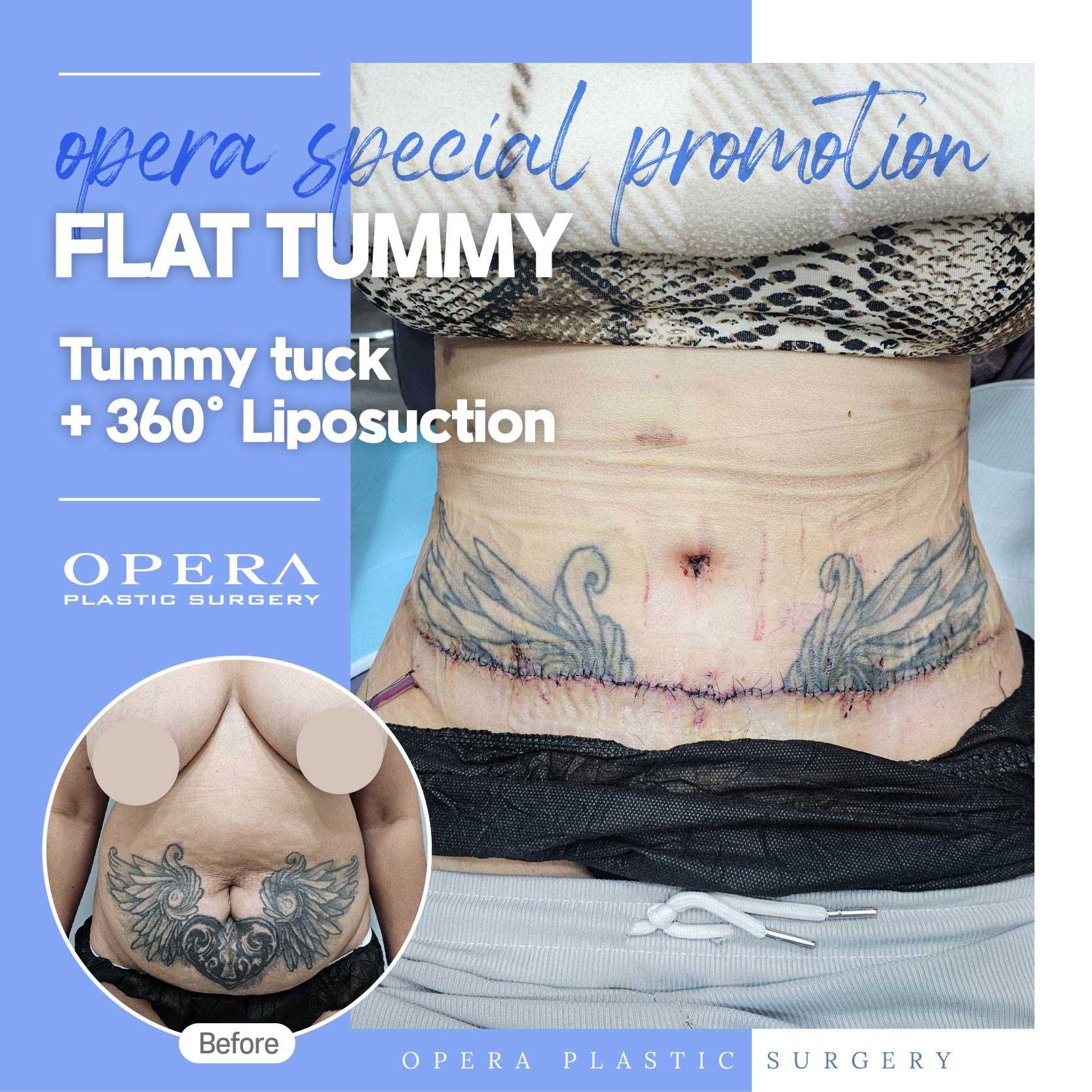

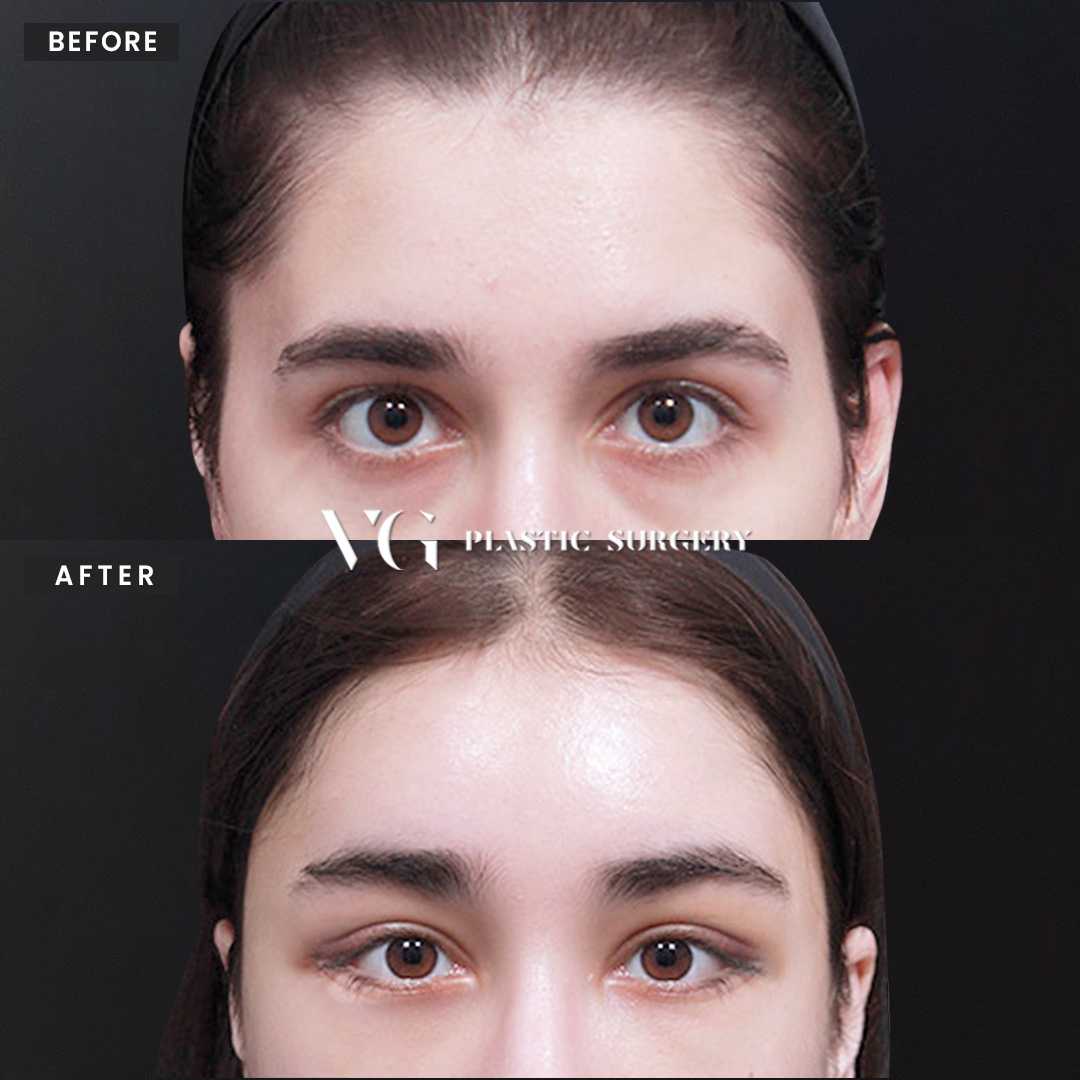
.png)
.jpg)
.png)

.png)

.jpg)
.jpg)








Share this listing