


เนื้อหา
บริการศัลยกรรมตกแต่งครบวงจรในเกาหลีใต้
ลองจินตนาการถึงการก้าวเข้าสู่จุดหมายปลายทางที่ความงามสมบูรณ์แบบไม่ใช่แค่เป้าหมาย แต่เป็นศิลปะที่ได้รับการพัฒนาให้สมบูรณ์แบบด้วยนวัตกรรมมานานหลายทศวรรษ เกาหลีใต้ได้ครองตำแหน่งศูนย์กลางศัลยกรรมตกแต่งระดับโลกอย่างสมควรแล้ว สำหรับผู้ป่วยที่เดินทางมาจากอเมริกาเหนือ ยุโรป และที่อื่นๆ เกาหลีใต้เป็นตัวแทนของสุดยอดแห่งความงามทางการแพทย์ โดยนำเสนอขั้นตอนการรักษาที่ล้ำสมัย แม่นยำอย่างเหลือเชื่อ และออกแบบมาเพื่อให้ได้ผลลัพธ์ที่ดูเป็นธรรมชาติที่สุดเท่าที่จะเป็นไปได้
การเลือกเกาหลีใต้สำหรับการเดินทางด้านความงามของคุณ หมายถึงการเข้าถึงระบบนิเวศด้านการดูแลสุขภาพที่ก้าวล้ำไปไกลในด้านเทคโนโลยีความงาม ที่นี่เป็นที่ที่ปรัชญา "ความงามแบบเกาหลี" ซึ่งเน้นความกลมกลืน ความสมดุล และความอ่อนเยาว์ กำหนดแนวทางการผ่าตัด คลินิกที่นี่ไม่ได้แค่ทำการผ่าตัดเท่านั้น แต่ยังออกแบบการเปลี่ยนแปลงที่ครอบคลุมโดยใช้การสร้างแผนที่ใบหน้าแบบ 3 มิติ และเทคนิคเฉพาะทางขั้นสูงที่รุกรามน้อยที่สุด
การท่องเที่ยวเชิงการแพทย์ในเกาหลีใต้ได้รับการสนับสนุนจากการกำกับดูแลอย่างเข้มงวดของรัฐบาล ทำให้มั่นใจได้ว่าผู้ป่วยต่างชาติจะได้รับการดูแลที่ตรงตามหรือสูงกว่ามาตรฐานสากล ย่านกังนัมอันโด่งดังในกรุงโซลเรียงรายไปด้วยคลินิกที่ทันสมัยซึ่งดูเหมือนโรงแรมบูติกหรูมากกว่าโรงพยาบาล โดยมีศัลยแพทย์ผู้เชี่ยวชาญที่ได้รับการรับรองจากคณะกรรมการ ซึ่งได้รับการยอมรับในระดับโลกในฐานะผู้บุกเบิกด้านการปรับรูปหน้า การเสริมจมูก และการรักษาต่อต้านริ้วรอย
ไม่ว่าคุณจะต้องการปรับโฉมเล็กน้อยหรือเปลี่ยนลุคใหม่ทั้งหมด เกาหลีใต้ก็พร้อมมอบประสบการณ์ที่ราบรื่นและให้การสนับสนุนอย่างดีเยี่ยม โดยผลลัพธ์ด้านความงามระดับโลกเป็นมาตรฐานปฏิบัติ มาดูกันว่าทำไมผู้คนจำนวนมากจึงเดินทางข้ามมหาสมุทรเพื่อบรรลุเป้าหมายความงามของตนที่นี่
คุณรู้หรือไม่?
เกาหลีใต้มีอัตราการทำศัลยกรรมตกแต่งต่อหัวประชากรสูงที่สุดในโลก เฉพาะย่านกังนัมในกรุงโซลแห่งเดียวก็มีคลินิกเสริมความงามมากกว่า 500 แห่ง ปริมาณที่มากมายมหาศาลนี้หมายความว่าศัลยแพทย์ชาวเกาหลีมีประสบการณ์ที่หาที่เปรียบไม่ได้ พวกเขามักทำการผ่าตัดแบบเดียวกันซ้ำแล้วซ้ำเล่าเป็นพันๆ ครั้ง และเชี่ยวชาญเทคนิคที่ศัลยแพทย์ในที่อื่นๆ อาจทำเพียงไม่บ่อยนัก
ข้อมูลเชิงลึกที่สำคัญโดยสรุป
ศัลยแพทย์ชาวเกาหลีเป็นผู้นำระดับโลกด้านศัลยกรรมปรับรูปหน้า ศัลยกรรมทำตาสองชั้น และศัลยกรรมสร้างรูปทรงใบหน้าแบบวีไลน์
วัฒนธรรมการศัลยกรรมให้ความสำคัญกับผลลัพธ์ที่ดูเป็นธรรมชาติ กลมกลืน และไม่ปรุงแต่ง มากกว่าการเปลี่ยนแปลงที่ดูไม่เป็นธรรมชาติหรือเกินจริง
รัฐบาลเกาหลีควบคุมคลินิกที่ให้บริการชาวต่างชาติอย่างเข้มงวด เพื่อให้มั่นใจในความปลอดภัย ราคาที่เป็นธรรม และการดูแลรักษาที่เป็นมาตรฐานระดับโลก
แม้จะไม่ใช่จุดหมายปลายทางที่ราคาถูกที่สุดในระดับโลก แต่เมื่อพิจารณาถึงคุณภาพการผ่าตัดและเทคโนโลยีชั้นยอดเมื่อเทียบกับราคาแล้ว ถือว่าคุ้มค่าอย่างหาที่เปรียบไม่ได้
คลินิกเหล่านี้ใช้เทคโนโลยีการสแกน CT 3 มิติขั้นสูงและการสร้างแบบจำลองการทำนายด้วย AI เพื่อวางแผนการผ่าตัดอย่างแม่นยำถึงระดับมิลลิเมตร
การดูแลหลังผ่าตัดเป็นที่เลื่องลือ โดยมีการรักษาลดอาการบวมด้วยวิธีพิเศษ การบำบัดด้วยออกซิเจนความดันสูง และการติดตามผลอย่างครอบคลุม
วัฒนธรรม "การลดขนาด"
ประเทศเกาหลีใต้มีอุตสาหกรรมขนาดเล็กที่ทุ่มเทให้กับการดูแลหลังการผ่าตัดโดยเฉพาะ คลินิกต่างๆ มักจะให้ผู้ป่วยดื่มน้ำฟักทองสูตรพิเศษ (โฮบัก) ซึ่งได้รับการยกย่องอย่างสูงในแพทย์แผนโบราณของเกาหลีว่าช่วยลดอาการบวมและอักเสบหลังการผ่าตัดได้อย่างรวดเร็ว!
การเข้าใจถึงภาระผูกพันทางการเงินเป็นส่วนสำคัญอย่างยิ่งในกระบวนการตัดสินใจของคุณ ตารางด้านล่างนี้แสดงรายละเอียดค่าใช้จ่ายเฉลี่ยสำหรับขั้นตอนการผ่าตัดยอดนิยมในเกาหลีใต้เมื่อเทียบกับราคาในประเทศตะวันตกอย่างโปร่งใส แม้ว่าตัวเลขเหล่านี้จะเป็นเพียงค่าประมาณ แต่ก็แสดงให้เห็นถึงคุณค่าอันน่าทึ่งที่คุณจะได้รับ คุณกำลังจ่ายเงินเพื่อความเชี่ยวชาญระดับโลกและสิ่งอำนวยความสะดวกที่ทันสมัย ใช้ข้อมูลนี้ในการวางแผนงบประมาณของคุณอย่างมีประสิทธิภาพ โดยคำนึงว่าราคาขั้นสุดท้ายอาจแตกต่างกันไปขึ้นอยู่กับความต้องการในการผ่าตัดของคุณแต่ละบุคคล
คำแนะนำ: ควรขอใบเสนอราคาโดยละเอียดจากคลินิกที่คุณเลือกเสมอ เพื่อให้เข้าใจอย่างถ่องแท้ว่าการตรวจขั้นสูงและการดูแลหลังการรักษาใดบ้างที่รวมอยู่ในราคา

Price starting from $5,400
Breast Lift Package in Seoul, South Korea by VG Plastic Surgery
VG Plastic Surgery
- Cosmetic/Plastic Surgery
Seoul, South Korea

Price starting from $32,000
Deep Plane Face Lift, Deep Neck Lift, and Fat Graft Package in South Korea by RNWOOD Seoul
RNWOOD - Best Plastic Surgery in Seoul, South Korea
- Cosmetic/Plastic Surgery
Seoul, South Korea

Price starting from $5,100
Rhinoplasty Package in Seoul South, Korea by VG Plastic Surgery
VG Plastic Surgery
- Cosmetic/Plastic Surgery
Seoul, South Korea

Price starting from $8,500
Breast Augmentation Package in Seoul South, Korea by VG Plastic Surgery
VG Plastic Surgery
- Cosmetic/Plastic Surgery
Seoul, South Korea
Price starting from $1,700
Eyelid Surgery Package in Seoul, South Korea by VG Plastic Surgery
VG Plastic Surgery
- Cosmetic/Plastic Surgery
Seoul, South Korea
Price starting from $2,900
Liposuction Package in Seoul, South Korea by VG Plastic Surgery
VG Plastic Surgery
- Cosmetic/Plastic Surgery
Seoul, South Korea
การเลือกแพ็กเกจที่เหมาะสมจะช่วยให้การเดินทางทางการแพทย์ของคุณง่ายขึ้นอย่างมาก ในส่วนด้านล่างนี้ เราได้รวบรวมรายชื่อผู้ให้บริการชั้นนำที่เสนอแพ็กเกจแบบครบวงจร ซึ่งโดยทั่วไปแล้วจะรวมค่าผ่าตัด ค่าดมยาสลบ การตรวจวินิจฉัยด้วยเทคโนโลยีขั้นสูง และการรักษาลดอาการบวมหลังผ่าตัดอย่างครอบคลุม ลองดูตัวเลือกต่างๆ เพื่อค้นหาแพ็กเกจที่ตรงกับเป้าหมายด้านความงามของคุณและรับประกันประสบการณ์ที่ไร้ความเครียดในเกาหลีใต้
หมายเหตุ: แพ็กเกจแบบครบวงจรให้ความคุ้มค่าสูงสุดด้วยการรวมการผ่าตัด การตรวจวินิจฉัยทางการแพทย์ระดับพรีเมียม และการบำบัดฟื้นฟูไว้ในราคาเดียวที่สะดวกสบาย
Cosmetic/Plastic Surgery เปรียบเทียบราคาศูนย์ใน South Korea
| ผู้ให้บริการ | ขั้นตอน | ราคา |
|---|---|---|
| VG Plastic Surgery | Eyelid Surgery, Cosmetic/Plastic Surgery | $1700 |
| VG Plastic Surgery | Nose Surgery Rhinoplasty, Cosmetic/Plastic Surgery | $5100 |
| VG Plastic Surgery | Breast Augmentation, Cosmetic/Plastic Surgery | $8500 |
| VG Plastic Surgery | Liposuction, Cosmetic/Plastic Surgery | $2900 |
| VG Plastic Surgery | Breast Lift, Cosmetic/Plastic Surgery | $5400 |
Cosmetic/Plastic Surgery การเปรียบเทียบต้นทุนใน South Korea
| ประเทศ | ขั้นตอน | ราคา |
|---|---|---|
| United States | Mommy Makeover, Cosmetic/Plastic Surgery | $20000 |
| Canada | Mommy Makeover, Cosmetic/Plastic Surgery | $21500 |
ความปลอดภัยและผลลัพธ์ของคุณขึ้นอยู่กับสถานพยาบาลที่คุณเลือกเป็นอย่างมาก เราได้คัดเลือกรายชื่อศูนย์การแพทย์ชั้นนำในเกาหลีใต้ ซึ่งส่วนใหญ่ตั้งอยู่ในย่านกังนัมอันโด่งดังของกรุงโซล ซึ่งเป็นที่รู้จักในด้านความเชี่ยวชาญด้านศัลยกรรมเสริมความงามและศัลยกรรมตกแต่ง คลินิกเหล่านี้ได้รับการตรวจสอบแล้วว่าปฏิบัติตามมาตรฐานที่เข้มงวดของกระทรวงสาธารณสุขเกาหลี มีโครงสร้างพื้นฐานที่ทันสมัยและหรูหรา และมีเทคโนโลยีที่ทันสมัย สำรวจรายละเอียดด้านล่างเพื่อเรียนรู้เพิ่มเติม
ความปลอดภัยต้องมาก่อน: มองหาใบรับรอง KAHF (โครงการรับรองมาตรฐานโรงพยาบาลที่ให้บริการผู้ป่วยชาวต่างชาติของเกาหลี) เมื่อเลือกสถานพยาบาล
VG Plastic Surgery
Seoul, South Korea
RNWOOD - Best Plastic Surgery in Seoul, South Korea
Seoul, South Korea
การได้ฟังโดยตรงจากผู้ป่วยที่เคยเข้ารับการผ่าตัดมาก่อนนั้นสามารถสร้างความมั่นใจได้อย่างล้ำค่า วิดีโอคำบอกเล่าจากผู้ป่วยจริงที่แสดงอยู่ด้านล่างนี้ เป็นเรื่องราวจากชาวต่างชาติที่เคยเข้ารับการผ่าตัดศัลยกรรมตกแต่งในเกาหลีใต้ รับชมวิดีโอเหล่านี้เพื่อรับรู้ถึงประสบการณ์ส่วนตัวของพวกเขา ตั้งแต่การปรึกษาด้วยเทคโนโลยี 3 มิติขั้นสูง ไปจนถึงผลลัพธ์สุดท้าย และชมผลลัพธ์ที่เป็นธรรมชาติและสัมผัสได้จริง ซึ่งสร้างสรรค์โดยศัลยแพทย์ผู้มากฝีมือในภูมิภาคนี้
ข้อคิด: คำบอกเล่าจากผู้ป่วยมักให้มุมมองที่แท้จริงที่สุดเกี่ยวกับมารยาทในการดูแลรักษาผู้ป่วยระดับโลกที่พบได้ในคลินิกของเกาหลี
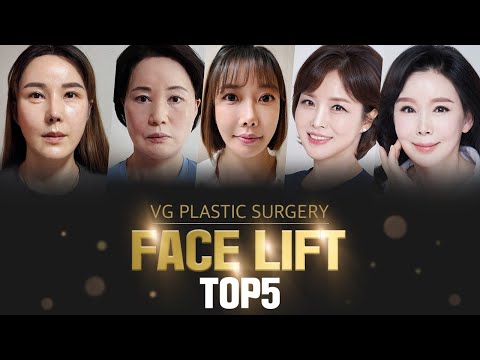
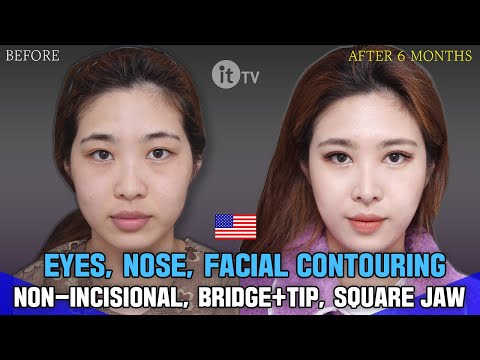
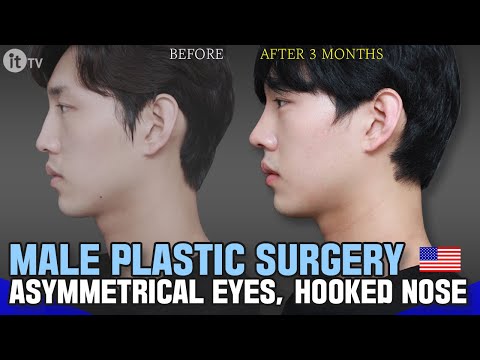
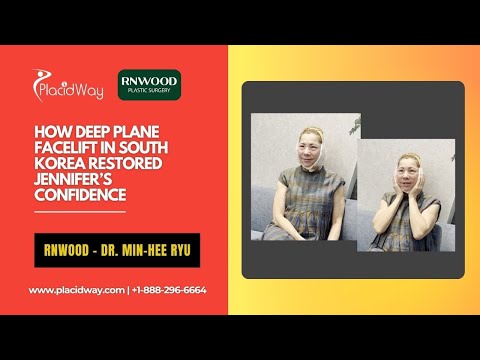
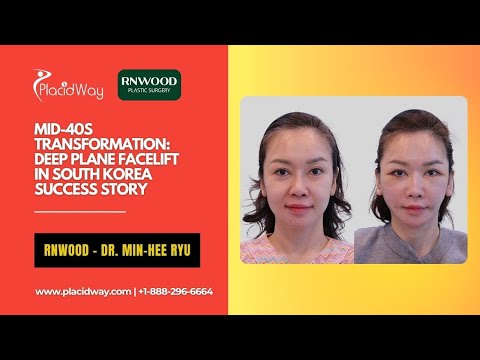
รีวิวจากผู้ป่วยให้ภาพที่ตรงไปตรงมาเกี่ยวกับคุณภาพการดูแลรักษา ในส่วนนี้ คุณจะพบรีวิวและการให้คะแนนที่ได้รับการตรวจสอบแล้วจากผู้ป่วยต่างชาติที่ไว้วางใจให้ศัลยแพทย์ในเกาหลีใต้ทำการเปลี่ยนแปลงความงามให้กับพวกเขา อ่านความคิดเห็นของพวกเขาเกี่ยวกับการสื่อสารผ่านล่าม ความพิถีพิถันของศัลยแพทย์ชาวเกาหลี ความพึงพอใจในผลลัพธ์ และประสบการณ์สุดหรูโดยรวม เพื่อช่วยในการเลือกผู้ให้บริการของคุณ
เคล็ดลับการตรวจสอบ: ให้ความสนใจกับรีวิวที่ให้รายละเอียดเกี่ยวกับการดูแลหลังผ่าตัดอย่างครบถ้วนเพื่อลดอาการบวม ซึ่งเป็นจุดเด่นของคลินิกในเกาหลี

How much is Liposuction in South Korea?
Considering liposuction to achieve your desired body contour? South Korea, a global hub for plastic surgery, offers a compelling combination of advanced technology, renowned surgeons, and competitive pricing. The cost of liposuction in South Korea is a primary consideration for many, and it's influenced by a variety of factors, including the treatment area and the specific technique used. This guide will walk you through everything you need to know about the cost of liposuction in this cosmetic surgery mecca, helping you make an informed decision for your body transformation journey. The liposuction in South Korea is known for its precision and effectiveness, attracting a global clientele seeking high-quality procedures at a reasonable price point. Whether you're looking to address stubborn fat in your abdomen, thighs, or arms, understanding the financial aspect is the first step. We'll delve into the specifics of pricing, what's included, and how to choose the right clinic for your needs. How much does liposuction generally cost in South Korea? "The general cost of liposuction in South Korea typically ranges from $2,000 to $6,000 per area. However, the final price can vary significantly based on the treatment area, the complexity of the procedure, the surgeon's experience, and the clinic's reputation." The cost of your liposuction procedure is not a one-size-fits-all figure. For smaller areas like the chin or arms, you can expect the price to be on the lower end of the spectrum. Larger areas, such as the abdomen, back, or a full 360-degree torso liposuction, will naturally command a higher price due to the increased time and effort required. It's crucial to remember that this price range often includes more than just the surgeon's fee. It typically covers the cost of anesthesia, the operating room facility, pre-operative tests, and post-operative follow-up appointments. When comparing quotes from different clinics, be sure to inquire about what is included in the package to avoid any unexpected costs. What factors influence the cost of liposuction in South Korea? "Several key factors influence the cost of liposuction in South Korea, including the surgeon's expertise and reputation, the clinic's location and prestige, the type of liposuction technology used, the size and number of treatment areas, and the inclusion of post-operative care." Understanding these factors will help you better interpret the quotes you receive: Surgeon's Expertise: Highly experienced and sought-after surgeons often charge more for their services. Their skill and proven track record in delivering excellent results are reflected in their pricing. Clinic's Reputation and Location: Clinics located in upscale districts of Seoul, like Gangnam, tend to have higher overhead costs, which can translate to higher prices for procedures. A clinic's reputation for luxury, advanced technology, and a VIP patient experience also plays a role. Liposuction Technology: The type of technology used can significantly impact the cost. Traditional liposuction is generally the most affordable option. More advanced techniques like VASER liposuction (ultrasound-assisted) or laser-assisted liposuction may come at a premium due to the specialized equipment and training required. Treatment Area and Volume of Fat: The larger the area being treated and the more fat that needs to be removed, the longer the procedure will take, leading to a higher cost. Post-Operative Care: Some clinics offer comprehensive packages that include post-operative treatments like lymphatic drainage massages or radiofrequency skin tightening to enhance results and speed up recovery. These value-added services will be factored into the overall cost. What is the cost of different types of liposuction in South Korea? "The cost of liposuction in South Korea varies by technique. Traditional liposuction can start from $2,000, while more advanced methods like VASER liposuction or laser-assisted liposuction typically range from $3,000 to $7,000 per area." Here's a breakdown of what you can expect in terms of cost for different types of liposuction: Liposuction Technique Estimated Cost Range (per area) Traditional Liposuction $2,000 - $4,500 VASER Liposuction $3,000 - $7,000 Laser-Assisted Liposuction $3,000 - $6,500 360 Lipo (Full Torso) $8,000 - $15,000+ Facial Liposuction (Chin/Jowls) $1,500 - $3,500 It's important to have a consultation with a qualified surgeon to determine which technique is best suited for your specific needs and goals. How does the cost of liposuction in South Korea compare to other countries? "The cost of liposuction in South Korea is often more affordable compared to countries like the United States or the United Kingdom, without compromising on quality or safety. Patients can often save 30-50% on their procedure by choosing to have it done in South Korea." Medical tourism is a booming industry in South Korea for a reason. The country's efficient healthcare system and the high volume of cosmetic procedures performed allow clinics to offer competitive pricing. This cost-effectiveness, combined with the high standards of care and the expertise of Korean surgeons, makes it an attractive destination for patients from all over the world. For example, a liposuction procedure that might cost upwards of $10,000 in the United States could be performed for a fraction of that price in a top-tier clinic in Seoul. This significant price difference makes it possible for many to afford a procedure that might have been out of reach in their home country. What is included in the liposuction price in South Korea? "Typically, the quoted cost of liposuction in South Korea is a comprehensive package that includes the surgeon's fee, anesthesia costs, operating room charges, pre-operative consultations, and a certain number of post-operative follow-up visits." When you receive a quote from a reputable clinic in South Korea, it's generally an all-inclusive price for the procedure itself. This transparency is a hallmark of the Korean medical tourism experience. However, it's always wise to confirm the specifics. Items that are usually included are: Initial consultation and surgical planning Surgeon's and medical team's fees Anesthesia and anesthesiologist's fees Operating room and facility fees Basic post-operative medications Follow-up appointments What might not be included are: Flights and accommodation Post-operative compression garments (though some clinics may provide one) Specialized post-operative treatments like massages or therapies The cost of any necessary revisions (though this should be discussed beforehand) Are there any hidden costs I should be aware of? "While Plastic Surgery clinics in South Korea are generally transparent with their pricing, it's essential to inquire about potential additional costs, such as for prescription medications, specialized compression garments, or any unforeseen medical needs that may arise." To avoid any surprises, have a detailed discussion with your chosen clinic about the total cost and what it covers. Ask specifically about any potential extra charges. It's also a good practice to have a contingency fund for any unexpected expenses, not just for the procedure itself but also for your travel and stay in South Korea. How do I find the best liposuction clinic in South Korea for my budget? "To find the best liposuction clinic in South Korea that fits your budget, research and compare several reputable clinics, read patient reviews, and schedule virtual consultations to discuss your goals and receive personalized quotes." Don't let price be your only guiding factor. The quality of the clinic and the experience of the surgeon are paramount to a safe and successful outcome. Look for clinics that are accredited, have a portfolio of before-and-after photos, and have positive testimonials from previous international patients. Many clinics in South Korea have English-speaking staff and coordinators who are experienced in assisting medical tourists. Take advantage of free online consultations to get a feel for the clinic's professionalism and to have all your questions answered before making a commitment. What is the recovery process like and what are the associated costs? "The initial recovery period for liposuction in South Korea is typically one to two weeks, with most of the swelling and bruising subsiding within a few weeks. Associated costs can include post-operative garments and any recommended aftercare treatments." After your liposuction procedure, you will need to wear a compression garment for several weeks to help reduce swelling and support the new contours of your body. The cost of these garments may or may not be included in your surgical package. You should also factor in the cost of your stay in South Korea during the initial recovery period. Most surgeons will recommend that you stay in the country for at least a week to ten days for follow-up appointments and to ensure you are healing properly before you travel back home. Is liposuction in South Korea safe? "Yes, liposuction in South Korea is considered very safe, provided you choose a board-certified plastic surgeon and a reputable, well-equipped clinic. South Korea has a stringent regulatory framework for medical facilities and a culture of excellence in the medical field." The safety and well-being of patients are top priorities in the South Korean medical system. Surgeons undergo extensive training, and clinics are held to high standards of hygiene and patient care. The use of advanced technology also contributes to the safety and precision of liposuction procedures. To ensure your safety, do your due diligence in researching your surgeon and clinic. Verify their credentials and read patient reviews to gauge their reputation. What are the risks and complications of liposuction? "Like any surgical procedure, liposuction carries some risks, including infection, bleeding, scarring, and uneven contours. However, these risks are minimized when the procedure is performed by an experienced and qualified surgeon." During your consultation, your surgeon will discuss the potential risks and complications with you in detail. These can include: Irregularities in skin surface: This can sometimes occur if the fat is removed unevenly. Numbness: Temporary or, in rare cases, permanent numbness in the treated area. Fluid accumulation (seroma): Pockets of fluid can form under the skin, which may need to be drained. Infection: Though rare, it is a risk with any surgery. Choosing a skilled surgeon and following all pre- and post-operative instructions carefully will significantly reduce the likelihood of these complications. How can I get a personalized liposuction cost estimate? "To get a personalized cost estimate for liposuction in South Korea, you will need to have a consultation with a plastic surgeon. This can often be done virtually by sending photos of the areas you wish to have treated." The first step is to reach out to a few clinics that you are interested in. They will typically ask you to provide some basic information about your medical history and your aesthetic goals, along with clear photographs of the treatment areas. Based on this information, the surgeon can provide you with a preliminary assessment and a personalized cost estimate. This initial consultation is a great opportunity to ask any questions you may have and to get a better understanding of what the procedure entails. Ready to take the next step in your body contouring journey? Explore PlacidWay for a wide range of solutions for medical tourism and healthcare services. We can help you connect with top-rated clinics in South Korea and plan your liposuction procedure with confidence.
How Much Does Eyelid Surgery Cost in South Korea?
Thinking about getting eyelid surgery? You're not alone. And if you're doing your research, you’ve almost certainly heard about South Korea. It’s often called the "plastic surgery capital of the world" for a reason. The skill level there is incredibly high, especially for facial procedures like blepharoplasty (the medical term for eyelid surgery). People from all over the globe fly to Seoul to get procedures done by surgeons who perform these surgeries every single day. But with all that expertise, what’s the one question everyone asks first? "How much is this actually going to cost me?" It’s a great question, because the answer isn't a single number. The cost of eyelid surgery in South Korea can change a lot based on what you need, who you see, and where you go. Are you looking for a subtle "non-incisional" double eyelid? Or do you need an "incisional" method with ptosis correction to help open your eyes more? Maybe you're looking at lower eyelid surgery to take care of eye bags. All these different procedures come with different price tags. In this guide, we're going to break down everything you need to know about the costs. We'll look at the prices for different types of eyelid surgery, what factors make the price go up or down, and what's usually included in the quote you get from a clinic in popular areas like Gangnam. Let's get right into all the questions people are asking so you can get a clear picture of what to expect. What is the average cost of double eyelid surgery in South Korea? The average cost for a standard double eyelid surgery in South Korea is typically between $1,200 and $2,500 USD. The non-incisional (suture) method is at the lower end of this range, while the incisional method costs more. This is the most common question, and the price range is a big reason why so many people travel for it. In the United States or the UK, this same procedure can easily cost $4,000 to $7,000. The price in Korea, even at top-tier clinics, is significantly lower. The "double eyelid" procedure, which creates a crease in the upper eyelid, is the most popular cosmetic surgery in Korea. Because of this high demand and high competition among thousands of clinics, the prices have become very competitive. This doesn't mean a drop in quality; it just means the market is well-established. Your final price will depend on the specific technique the surgeon recommends for your eye shape and goals. What is the cost difference: non-incisional vs. incisional? The non-incisional (suture) method is cheaper, usually costing between $1,000 and $1,800. The incisional (full incision) method is more complex and permanent, so it costs more, typically from $1,800 to $3,000. Understanding these two primary techniques is key to understanding the price. Here’s a simple breakdown: Non-Incisional (Suture Method): This is for people who have thin eyelid skin and don't need fat or skin removed. The surgeon makes tiny punctures and uses sutures to create the eyelid crease. It's faster, has a much shorter recovery time, and is less expensive. However, there's a small chance the crease could loosen over time. Incisional Method (Full Incision): This is for people with thicker eyelid skin, excess fat, or significant drooping. The surgeon makes a full incision along the new eyelid line, removes excess tissue, and then stitches the skin to create a permanent, deep crease. It's a more involved surgery, which is why it costs more. A surgeon will tell you which method is best for you during a consultation. Don't choose based on price alone; the right technique for your anatomy is the most important factor. How much is upper and lower blepharoplasty in South Korea? If you get both upper and lower blepharoplasty (eyelid surgery) at the same time, you can expect to pay between $3,000 and $5,500 USD in South Korea. This is a common combination procedure for overall eye rejuvenation. This combination is very popular for patients, often in their 40s and older, who want to address signs of aging. The upper blepharoplasty removes sagging skin from the upper eyelid (which can sometimes even block vision), while the lower blepharoplasty removes or repositions fat to get rid of under-eye bags and puffiness. Doing them together is more cost-effective than getting them done separately. You save on anesthesia and facility fees, and you only have one recovery period. The price will be at the higher end if the lower eyelid surgery is complex (e.g., requires fat grafting or repositioning) or if the upper eyelid needs ptosis correction. How much does eyebag removal (lower blepharoplasty) cost in Korea? The cost for lower eyelid surgery (eyebag removal) in South Korea generally ranges from $1,800 to $3,500. The price depends on the technique, such as whether fat is simply removed (transconjunctival) or repositioned to fill hollows. For younger patients with good skin elasticity, a surgeon might perform a "transconjunctival" blepharoplasty. This involves an incision inside the lower eyelid, so there are no external scars. Fat is simply removed or repositioned. This is often at the lower end of the price range. For older patients or those with skin laxity, an incision may be made just below the eyelashes. This allows the surgeon to remove excess skin and reposition fat more effectively to smooth out the under-eye area. This is a more complex procedure and will be priced higher. How much does ptosis correction cost in South Korea? Ptosis correction in South Korea typically costs between $1,500 and $3,500. It is often combined with double eyelid surgery, and the total package price may range from $2,500 to $4,500. This is a crucial question. "Ptosis" is the medical term for a droopy upper eyelid, which is caused by a weak or loose levator muscle (the muscle that lifts the eyelid). It's not a skin problem; it's a muscle problem. Many people mistake ptosis for just needing double eyelid surgery, but if the underlying muscle isn't fixed, the eye will still look sleepy or asymmetrical. During a consultation, a good surgeon will test the strength of this muscle. If they recommend ptosis correction, it means they will need to tighten that muscle in addition to creating the eyelid crease. This is a more delicate and skilled procedure, which adds to the cost. However, it is essential for achieving a bright, wide-eyed, and symmetrical result. What is the cost of revision eyelid surgery in Korea? Revision eyelid surgery in South Korea is more expensive and complex, with costs ranging from $2,500 to $6,000 or more. The final price depends heavily on the complexity of the case and the surgeon's expertise in revision procedures. Revision surgery is always more difficult than the first surgery. The surgeon has to work with scar tissue and altered anatomy from the previous procedure. This requires a highly specialized and experienced surgeon, as the risk is higher and the goals are often to fix asymmetry, low creases, high creases ("sausage" look), or visible scarring. Because of this, clinics charge a premium for revision cases. Many of the top "revision specialist" surgeons in Seoul are in high demand and will charge at the very top of this price range. This is one area where you absolutely do not want to "price shop." You should be looking for the best revision specialist you can find. How does eyelid surgery cost in Korea compare to other countries? Eyelid surgery in South Korea is 40-70% cheaper than in countries like the United States, UK, or Australia. A procedure that costs $2,000 in Korea could easily cost $5,000 in the US or $4,500 in the UK, without even factoring in the high level of specialization. This cost difference is the primary driver for medical tourism. The savings are significant, even after you factor in the cost of a flight and hotel. Here’s a quick comparison of average costs for a standard double eyelid procedure: Country Average Cost (USD) South Korea $1,200 - $2,500 United States $4,000 - $7,000 United Kingdom $3,500 - $6,000 Australia $3,000 - $6,000 Germany $2,500 - $4,500 Thailand $1,000 - $2,000 As you can see, South Korea and Thailand are both very affordable. However, South Korea is particularly renowned for the sheer volume and specialization in blepharoplasty, with many surgeons *only* performing eye procedures. Why is eyelid surgery cheaper in South Korea? It's cheaper due to high competition, a high volume of procedures, and lower overhead costs. With thousands of clinics in Seoul alone, prices are driven down. This does not mean a compromise in quality; it's a result of a highly advanced and competitive market. The lower price isn't a red flag; it's a feature of the market. The South Korean government has also actively invested in and promoted the country as a top destination for medical tourism, which helps streamline the process and keep standards high. The surgeons' high level of specialization means they can perform procedures efficiently and safely, which also helps control costs. What factors influence the final price? The three main factors are: 1) The Surgeon's Experience: A famous, highly sought-after surgeon costs more. 2) The Clinic's Reputation: A large, premium clinic in Gangnam with more staff and services will be more expensive. 3) The Procedure's Complexity: A simple suture method is cheap, while a complex revision with ptosis correction is expensive. These are the key variables you need to consider. A "celebrity" surgeon who works on K-pop stars and international clients will have a much higher fee than a skilled but less-famous surgeon. A large hospital with extensive post-op care, translators, and luxury facilities will charge more than a smaller, boutique clinic. Finally, your own anatomy is the biggest factor. If you need multiple things corrected (e.g., ptosis, thick skin, asymmetry), the surgery will take longer and require more skill, directly increasing the price. What is included in the eyelid surgery price in Korea? A typical price quote from a reputable Korean clinic includes the surgeon's fee, anesthesia (usually local or IV sedation), facility fee, pre-operative consultation, and all post-operative follow-up visits, including stitch removal and deswelling treatments. Clinics in South Korea are very accustomed to international patients and provide transparent, all-in-one pricing. The quote you receive is almost always the final price for the procedure itself. Common inclusions are: The main surgery Anesthesiologist's fee All pre-surgery consultations and 3D-CT scans (if needed) All post-operative check-ups Stitch removal (usually 5-7 days after) Post-op care services like light therapy for deswelling or prescription medication This makes budgeting much easier, as you don't have to worry about surprise bills for anesthesia or follow-ups, which is common in some other countries. Are there hidden costs for international patients? There are generally no "hidden" surgical fees, but you must budget for non-medical costs. These include your flight, accommodation, food, transportation (taxis, subway), and any translation services if the clinic doesn't provide one. The clinics are very transparent. The "extra" costs are the ones related to your travel. Most clinics in Seoul that cater to foreigners will have free English, Chinese, or Japanese translators on staff. However, if you choose a smaller clinic, you might need to hire one. You also need to budget for your stay. Most clinics will want you to stay in Seoul for at least 7-10 days for the initial recovery and stitch removal. This means you must factor in the cost of a hotel or Airbnb for that entire period. Some clinics have partnerships with nearby hotels for a discount, so always ask! Is eyelid surgery in South Korea safe? Yes, eyelid surgery in South Korea is extremely safe when performed at a reputable, government-accredited clinic. Surgeons are highly specialized, often performing hundreds of blepharoplasties per year, and clinics are held to very high standards of safety and hygiene. The key word here is "reputable." South Korea has a very high standard of medical care. Surgeons go through extensive training, and the technology in the clinics is state-of-the-art. Because blepharoplasty is the most common procedure, the level of expertise and refinement is arguably the highest in the world. To ensure safety, you must do your research. Look for clinics that are accredited by the Korean Ministry of Health and Welfare. Check for real patient reviews, and make sure your surgeon is a board-certified plastic surgery specialist. Avoid "consultant" fees from agencies and try to talk directly with the clinic. How do I choose a safe clinic in South Korea? To choose a safe clinic, check for board-certified surgeons, look for clinic accreditation (from the Ministry of Health), read extensive patient reviews and see before/after photos. Also, ensure they have in-house translators and a clear post-operative care plan. Here are some practical steps: Surgeon, Not Clinic: You are choosing a surgeon, not just a building. Look up the specific surgeon's credentials. Are they a "board-certified plastic surgeon"? Before and Afters: Look at their photo galleries. Do you like their aesthetic? Do the results look natural or "overdone" for your taste? Look for patients with a similar eye shape to yours. Reviews: Look for reviews from international patients on forums like PurseForum or on platforms like PlacidWay. These often provide very detailed, unbiased experiences. Consultation: Do an online or in-person consultation. Do they listen to you? Do they explain *why* they are recommending a specific technique? Do you feel comfortable with them and the staff? What is the recovery time for eyelid surgery in Korea? Initial recovery is quick. You can expect major swelling and bruising to last 1-2 weeks. Stitches are typically removed after 5-7 days. You can look "normal" and go out in public after about 2-3 weeks, but final, subtle results can take 3-6 months to settle completely. The recovery for the non-incisional (suture) method is much faster, with most major swelling gone in 5-7 days. For the incisional method, you'll need a solid 2 weeks of downtime. You'll be given instructions on how to use cold compresses to manage swelling and how to clean the incision line. Clinics in Korea are very proactive with post-op care and will often have you come back 2-3 times in your first week for check-ups and deswelling treatments (like low-level light therapy), which is all included in the price. Can I combine eyelid surgery with other procedures? Yes, it is very common to combine eyelid surgery with other procedures like rhinoplasty (a "nose job") or fat grafting to the face. Clinics often provide a "package" discount when you book multiple surgeries at once. This is another way many international patients maximize the value of their trip. Since you're already traveling and planning for a recovery period, you can save money and time by having multiple procedures done in one session. Common combinations include: Eyelid Surgery + Rhinoplasty Eyelid Surgery + Facial Fat Grafting (for a more youthful, full appearance) Eyelid Surgery + "V-Line" (jaw) surgery If you are considering this, be sure to discuss it with your surgeon. They will advise you on what is safe to combine and how it will affect your total recovery time and cost.
Discover the Best Plastic Surgery Clinics in South Korea?
To discover the best plastic surgery clinic in South Korea, seek government-accredited facilities with board-certified surgeons. The plastic surgery cost in South Korea spans $2,000 to $15,000, ensuring safe, premium aesthetic outcomes. Key Takeaways: Aesthetic Excellence Global Leadership: Renowned for pioneering advanced, minimally invasive aesthetic techniques. Cost Efficiency: Access premium procedures at a fraction of Western prices without compromising safety. Technological Superiority: High utilization of 3D modeling and robotic surgical assistance. Strict Safety Standards: Enforced government regulations and transparent operating room protocols. Holistic Care: Comprehensive post-operative deswelling and recovery therapies included. What Makes Plastic Surgery in South Korea Highly Sought After Globally? The global demand is driven by the country acting as a pioneering hub for aesthetic innovation. Patients flock here to receive unparalleled precision, natural-looking outcomes, and board-certified expertise. The landscape of aesthetics has shifted dramatically over the past two decades, with the Asian nation emerging as the undisputed global capital of physical transformation. This reputation is not built on marketing alone but on a foundation of extreme surgical proficiency. Surgeons perform an exceptionally high volume of operations, allowing them to master complex techniques and refine their aesthetic eye far beyond the average global standard. Another major contributing factor is the seamless integration of advanced medical technology into everyday practice. Facilities routinely utilize state-of-the-art 3D facial mapping and endoscopic tools that minimize tissue trauma. This tech-forward approach ensures precise pre-surgical planning, which directly translates to highly accurate and predictable results that look entirely natural. Consequently, medical tourism in South Korea has experienced exponential growth. International visitors are drawn not just by the surgical skill, but by the comprehensive, patient-first ecosystem. From dedicated international patient departments to sophisticated post-operative care centers, the entire infrastructure is designed to provide a world-class, stress-free medical journey for people traveling from abroad. How Much Does Plastic Surgery Cost in South Korea Compared to Other Countries? The plastic surgery cost in South Korea is generally thirty to fifty percent lower than in the United States or Western Europe, offering incredible value while maintaining superior medical safety. Understanding the financial landscape is crucial for anyone planning a medical trip abroad. While it is not the cheapest destination in the world for medical procedures, it offers an unmatched value-to-quality ratio. The pricing is highly competitive due to a robust domestic market and government support for the medical sector, which prevents the hyper-inflation of healthcare costs often seen in Western nations. Patients traveling from North America, Australia, or the UK are frequently amazed to find that they can afford top-tier surgeons and luxury hospital suites for a fraction of what a standard local procedure would cost. Furthermore, these prices often bundle comprehensive aftercare treatments that would be billed separately elsewhere. Procedure Type Estimated Cost (USD) US/UK Average Cost Rhinoplasty (Nose Contouring) $3,000 - $6,000 $8,000 - $12,000 Blepharoplasty (Eyelid Refinement) $2,000 - $4,000 $4,500 - $7,000 Facelift (SMAS Technique) $7,000 - $12,000 $15,000 - $25,000 Liposuction (Per Area) $4,000 - $8,000 $6,000 - $10,000 It is important to remember that final quotes depend heavily on individual anatomical complexities, the specific techniques utilized, and the level of the chosen facility. Always request a comprehensive, all-inclusive quote to avoid unexpected pharmacy or garment fees. What Are the Most Popular Procedures for Plastic Surgery in South Korea? The most requested treatments include eyelid refinement, complex nose reshaping, facial bone contouring, and advanced skin rejuvenation. These procedures focus on achieving a harmonious and youthful balance. Blepharoplasty: This eye-enhancing procedure is meticulously performed to create clear, defined creases and remove tired, excess skin, resulting in a brighter, more alert appearance. Rhinoplasty: Surgeons excel at utilizing autologous cartilage to build elegant, natural-looking bridges and refine nasal tips, avoiding the artificial look of older silicone methods. Facial Contouring: Highly advanced bone reduction surgeries modify the jawline, cheekbones, and chin to create a softer, more oval facial silhouette, known locally as the V-line. Fat Grafting: By harvesting unwanted fat from the thighs or abdomen and purifying it, surgeons restore youthful volume to hollow cheeks, foreheads, and under-eye areas. Anti-Aging Lifts: Advanced SMAS tissue manipulation combined with deep plane lifting provides dramatic yet undetectable rejuvenation that lasts significantly longer than traditional skin pulls. How Do I Choose a Safe Plastic Surgery Clinic in South Korea? Selecting a safe plastic surgery clinic in South Korea requires verifying government accreditations, checking specialist board certifications, and ensuring transparent operating policies. Safety should always be the primary concern when considering elective surgery abroad. To separate top-tier facilities from mediocre ones, patients must look for official accreditations provided by the Ministry of Health and Welfare. These government seals indicate that the facility has passed rigorous inspections regarding sterilization protocols, emergency medical equipment, and overall patient care standards. Another critical factor is the presence of an in-house, board-certified anesthesiologist. Many complications arise not from the surgical procedure itself, but from improper anesthesia administration. The best centers never outsource this role; they keep dedicated anesthesiology specialists on staff to monitor patients continuously from induction through to the recovery room. Finally, a transparent operating environment is non-negotiable. Ethical centers strictly enforce policies that guarantee the consulting surgeon is the one performing the operation. Many facilities now offer operating room camera access to family members or digital logs to eliminate the anxiety surrounding unauthorized medical substitutions. Did You Know? In response to international patient demand for maximum safety, many premier centers now use biometric fingerprint scanners. This ensures that only the designated, agreed-upon surgeon can unlock the doors to your operating theater. What Innovations Drive Medical Tourism in South Korea for Aesthetics? Technological advancements like advanced CT scanning, virtual reality outcome simulations, and minimally invasive laser systems attract millions by ensuring surgical precision and rapid healing. The commitment to incorporating cutting-edge technology sets this destination apart from global competitors. Before a scalpel ever touches the skin, patients undergo comprehensive three-dimensional skeletal imaging. This mapping allows surgeons to identify the exact location of vital nerves and blood vessels, drastically reducing the risk of accidental damage during complex bone contouring. During the operation, high-definition endoscopic cameras are heavily utilized. This allows surgeons to make minuscule incisions in hidden areas, such as the scalp or inside the mouth, while viewing the surgical field on large monitors. The result is a highly precise internal operation that leaves virtually zero visible external scarring. Post-operative innovation is equally impressive. Top facilities incorporate hyperbaric oxygen therapy chambers and specialized light-emitting diode treatments into their standard care packages. These therapies supercharge cellular regeneration, reduce internal bruising, and allow international patients to recover fast enough to enjoy their travel experience before returning home. How Does the Consultation Process Work for Plastic Surgery in South Korea? The consultation involves comprehensive facial analysis, digital imaging, and detailed aesthetic discussions. It guarantees the patient and medical team have completely aligned expectations prior to surgery. The journey usually begins long before the patient boards an airplane. Many top-rated centers offer preliminary virtual consultations. Patients submit standardized photographs and medical histories through secure portals, allowing specialists to provide initial treatment recommendations, outline potential surgical techniques, and deliver accurate cost estimates. Once the patient arrives at the plastic surgery clinic in South Korea, the formal in-person consultation takes place. This is a highly detailed process involving physical examinations and advanced radiological scans. Medical interpreters are always present to ensure nuances regarding aesthetic desires and medical risks are perfectly translated and understood by both parties. During this phase, doctors utilize digital morphing software to simulate the predicted outcomes. This collaborative visual process is essential. It empowers the patient to give direct feedback on the proposed changes, ensuring that the surgical plan reflects their personal vision rather than just the surgeon's aesthetic preference. What Is the Recovery Timeline After Plastic Surgery in South Korea? Recovery timelines vary by procedure, but most patients return to light activities within a week. Full swelling resolution and the presentation of final aesthetic results typically take three to six months. First Forty-Eight Hours: This period involves maximum swelling and physical fatigue. Patients are advised to rest extensively, keep their heads elevated, and utilize prescribed cold compresses to manage inflammation. Days Three to Seven: Swelling begins to subside. Patients usually visit the clinic during this window to have protective splints, surgical drains, and external stitches carefully removed. Week Two: Bruising turns yellow and fades. Most international patients feel comfortable exploring the city or flying back home at this stage, though heavy lifting remains strictly prohibited. Month One: Major residual swelling resolves. Patients can generally resume light cardiovascular exercises and standard daily routines, though the tissues remain somewhat firm to the touch. Months Three to Six: Deep internal healing concludes. Tissues soften completely, micro-swelling vanishes, and the true, final contour of the aesthetic enhancement is fully realized. Are There Age Limits for Getting Plastic Surgery in South Korea? While healthy older adults face no strict upper limits, minors require legal parental consent. Medical professionals prioritize underlying physiological health and tissue elasticity over a simple numerical age. Aesthetic enhancements cater to a vast demographic, ranging from young adults seeking structural refinement to seniors pursuing anti-aging therapies. For younger individuals, usually under the age of eighteen, strict ethical guidelines apply. Surgeons generally refuse to operate on developing bodies unless correcting a severe functional impairment, and parental presence alongside legal consent is absolutely mandatory. Conversely, the older demographic is a massive driver for **medical tourism in South Korea**. Patients in their sixties and seventies frequently travel for comprehensive facial rejuvenation. In these cases, the limiting factor is not the patient's age, but their systemic health. Cardiovascular stability, blood pressure control, and pulmonary function dictate surgical candidacy. To guarantee safety, senior patients undergo exhaustive pre-operative medical clearances. This includes electrocardiograms, complete metabolic panels, and chest X-rays. If a patient is deemed too fragile for general anesthesia, skilled surgeons will often recommend minimally invasive alternatives performed under local sedation to achieve excellent results safely. What Are the Common Risks of Plastic Surgery in South Korea? Risks include potential infections, unexpected scarring, temporary asymmetry, and adverse anesthesia reactions. However, choosing fully accredited specialists minimizes these rare complications drastically. All surgical procedures, regardless of geography, carry inherent medical risks. Hematomas, localized infections, and poor wound healing are universal possibilities when the skin barrier is broken. Furthermore, individual healing responses can lead to hypertrophic scarring or slight structural asymmetry, which might necessitate minor future revisions. Anesthesia presents its own set of risks, ranging from post-operative nausea to rare cardiovascular events. This highlights exactly why selecting a premium facility with dedicated intensive care protocols is vital. Leading centers mitigate these risks by conducting thorough health screenings and utilizing state-of-the-art monitoring equipment throughout the operation. The patient also plays a critical role in minimizing danger. Strictly adhering to all pre-operative restrictions, such as avoiding blood-thinning supplements, and following the post-operative care regimen meticulously will significantly lower complication rates. Ultimately, the meticulous standards upheld by top-tier Korean medical professionals make severe adverse events remarkably uncommon. Why Choose PlacidWay for Plastic Surgery in South Korea? PlacidWay connects you with globally recognized, fully accredited medical centers while providing exceptional guidance. We ensure a transparent, secure healthcare journey without the stress of navigating a foreign system alone. Rigorous Medical Facility Vetting: We perform exhaustive background checks on every partner, ensuring they hold current Ministry of Health accreditations, employ board-certified specialists, and maintain impeccable safety records. Transparent Cost Structures: We eliminate hidden fees by securing all-inclusive medical packages. Our team provides clear, upfront breakdowns of surgical costs, anesthesia fees, and medical aftercare expenses. Direct Surgeon Access: We facilitate secure transmission of your medical records and imaging, allowing you to receive personalized evaluations and precise treatment plans directly from leading medical directors before committing. Comprehensive Patient Advocacy: Navigating foreign healthcare regulations is complex. We act as your dedicated liaison, coordinating with hospital administration to ensure your patient rights and medical preferences are honored. Post-Treatment Follow-up Support: Our commitment does not end when your surgery finishes. We maintain communication channels with your medical team to assist with follow-up queries and remote recovery monitoring once you return home. Frequently Asked Questions About Medical Tourism in South Korea Is language a barrier for international patients getting aesthetic procedures in Seoul? Language is rarely a barrier at top-tier facilities. Major centers employ full-time, in-house medical interpreters who speak English, Mandarin, Japanese, and other languages. These professionals accompany you from the initial consultation through surgery and post-operative care to ensure perfect communication. Do international patients pay taxes on cosmetic procedures in Seoul? South Korea applies a Value Added Tax to cosmetic procedures, but international medical tourists are eligible for a tax refund. You can claim this refund at designated kiosks in the airport or major shopping districts before you leave the country, effectively lowering your total expenses. How long should I stay in Seoul after my operation? The required stay depends heavily on the complexity of your operation. Minor procedures might only require a three to five-day stay, while complex facial contouring or body modifications usually necessitate a two to three-week stay to ensure stitches are removed and you are cleared to fly. Can I fly back home immediately after my procedure? Flying immediately is highly discouraged and often restricted by surgeons. Cabin pressure changes and dry air can exacerbate swelling, increase the risk of blood clots, and compromise your healing. You must wait for your surgeon to provide explicit medical clearance before boarding a flight. Do Korean aesthetic centers accept international health insurance? Because cosmetic enhancements are elective procedures, standard international health insurance does not cover them. However, if a procedure has a documented medical necessity, such as functional nasal correction, a partial claim might be possible, though you will typically need to pay upfront and file the claim yourself. What happens if I am not satisfied with my aesthetic results? Reputable centers offer revision policies for international visitors. If a verifiable medical complication occurs or the agreed-upon aesthetic goals are clearly not met due to surgical error, many top-tier facilities will perform corrective work at a heavily discounted rate or free of charge, excluding facility fees. Are non-surgical aesthetic treatments popular among international visitors? Absolutely. South Korea is world-renowned for its non-surgical dermatology, laser therapies, and injectable treatments. Many medical tourists opt for skin boosters, advanced laser lifting, and dermal fillers because the technology used is often years ahead of what is available in Western markets. How do I physically prepare before traveling for an operation? Preparation begins weeks before your departure. You must stop smoking, abstain from alcohol, and cease taking blood-thinning medications or herbal supplements. Maintaining a nutrient-rich diet and staying highly hydrated will significantly improve your body resilience and speed up your eventual recovery. Is it safe to travel alone for aesthetic treatments in Seoul? Yes, South Korea is considered one of the safest countries globally for solo travelers. Furthermore, premium medical centers provide comprehensive concierge services, including airport pickup and dedicated nursing staff, ensuring that solo patients are never left without support during their vulnerable recovery phase. Will my unique ethnic features be respected by Korean surgeons? Leading Korean surgeons are highly trained in global aesthetics and understand the anatomical differences across various ethnicities. During your consultation, they utilize advanced imaging to tailor the procedure to your specific bone structure and cultural preferences, ensuring results enhance rather than erase your natural heritage. Start Your Aesthetic Transformation Journey Today Do not leave your safety to chance. PlacidWay connects you with globally top-rated, government-accredited aesthetic centers. Receive a personalized treatment plan from elite specialists and unlock exclusive, transparent packages designed strictly for your well-being. Get Your Free Quote * Responses typically provided within twenty-four hours. Total privacy guaranteed.
How Much Does Tummy Tuck Cost in South Korea?
A tummy tuck, medically known as an abdominoplasty, is a popular cosmetic procedure for achieving a flatter, more toned abdomen. For those considering this surgery, South Korea has emerged as a leading destination, offering a blend of advanced medical technology, experienced surgeons, and competitive pricing. If you're wondering about the tummy tuck cost in South Korea, you'll find that it's often more affordable than in many Western countries, without compromising on the quality of care. The price for a standard tummy tuck in South Korea can range from approximately $6,000 to $12,000. This comprehensive guide will walk you through everything you need to know about the cost of a tummy tuck in South Korea. We'll break down the pricing for different types of procedures, explore the factors that influence the final cost, and answer the most pressing questions people have about getting an abdominoplasty in this cosmetic surgery hub. How Much Does a Standard Tummy Tuck Cost in South Korea? "The average cost of a standard or full tummy tuck in South Korea typically falls between $8,000 and $12,000. This price can vary depending on the clinic's reputation, the surgeon's experience, and the complexity of the procedure." A standard tummy tuck is ideal for individuals who have significant loose skin and weakened abdominal muscles, often due to pregnancy or major weight loss. The procedure involves an incision made from hip to hip, allowing the surgeon to remove excess skin and fat and tighten the underlying abdominal muscles. The belly button is also repositioned to a more natural location. The cost of a full abdominoplasty in South Korea is influenced by several factors. Prestigious clinics in prime locations like Gangnam in Seoul may have higher prices. Similarly, highly sought-after surgeons with extensive experience and a portfolio of successful results will command higher fees. The overall complexity of your specific case, including the amount of tissue to be removed, will also play a role in the final price. What is the Cost of a Mini Tummy Tuck in South Korea? "A mini tummy tuck in South Korea is a less invasive and therefore more affordable option, with prices generally ranging from $3,500 to $8,000." A mini tummy tuck is a great option for individuals who have a small amount of loose skin and fat located primarily below the belly button. The incision for a mini tummy tuck is much smaller than that of a full tummy tuck, similar to a C-section scar. This procedure does not typically involve repositioning the navel. Because it is a less extensive surgery, the mini tummy tuck cost in South Korea is significantly lower than a full abdominoplasty. The recovery time is also shorter, making it a popular choice for those with more localized concerns. The final cost will still depend on the surgeon's fees, the clinic's facilities, and any additional treatments you may opt for. How Much Does an Extended Tummy Tuck Cost in South Korea? "For those needing more extensive correction, an extended tummy tuck in South Korea can cost between $12,000 and $18,000. This procedure addresses excess skin and fat in the abdomen, flanks, and lower back." An extended tummy tuck is designed for individuals who have lost a massive amount of weight and have significant loose skin that extends around their sides to their back. The incision for this procedure is longer than a standard tummy tuck, allowing the surgeon to contour the entire midsection. The higher extended tummy tuck cost in South Korea reflects the increased complexity and longer duration of the surgery. It requires a highly skilled surgeon with experience in extensive body contouring procedures. While more expensive, the results can be transformative for the right candidate, creating a more streamlined and proportionate physique. What Factors Influence the Tummy Tuck Cost in South Korea? "Several key factors influence the final tummy tuck cost in South Korea, including the surgeon's expertise, the clinic's reputation and location, the type of anesthesia used, and whether other procedures are combined." Understanding the breakdown of costs can help you plan your budget more effectively. Here are the primary factors that will affect the price of your abdominoplasty in South Korea: Surgeon's Fees: Highly experienced and board-certified plastic surgeons will charge more for their expertise. Their skill and track record are crucial for achieving safe and aesthetically pleasing results. Clinic or Hospital Fees: The quality of the medical facility plays a significant role. Top-tier hospitals with advanced technology and luxurious amenities will have higher facility fees. Anesthesia Fees: The type of anesthesia administered (general or local with sedation) and the fees of the anesthesiologist will be included in the overall cost. Geographic Location: Clinics located in upscale districts of Seoul, such as Gangnam, tend to have higher overhead costs, which are reflected in their pricing. Complexity of the Procedure: The extent of the surgery, whether it's a mini, full, or extended tummy tuck, directly impacts the cost. Combined Procedures: Many patients choose to combine their tummy tuck with other procedures like liposuction for more comprehensive results. While this increases the total cost, it is often more cost-effective than having the procedures done separately. Is a Tummy Tuck in South Korea Cheaper Than in the US? "Yes, a tummy tuck in South Korea is generally significantly more affordable than in the United States. Patients can often save 30-50% on the cost of the procedure without sacrificing the quality of care." The cost of a full tummy tuck in the United States can range from $10,000 to $20,000 or even more, depending on the surgeon and location. In contrast, the same procedure in South Korea typically costs between $8,000 and $12,000. This price difference makes South Korea an attractive destination for medical tourism. The lower tummy tuck cost in South Korea is not a reflection of lower quality. The cost of living and operating a medical practice in South Korea is generally lower than in the US. This allows clinics to offer competitive pricing while maintaining high standards of medical care and using state-of-the-art technology. What is Included in a Tummy Tuck Package in South Korea? "Most tummy tuck packages in South Korea are all-inclusive, covering the surgeon's fees, anesthesia, hospital stay, pre-operative tests, and post-operative care. Some clinics may also include accommodation and airport transfers." When you receive a quote for your abdominoplasty in South Korea, it's important to understand what is included. Reputable clinics will provide a detailed breakdown of all the costs. A typical package will include: Surgeon's and Anesthesiologist's Fees: The cost of the medical professionals performing the surgery. Hospital or Clinic Fees: Use of the operating room and recovery facilities. Pre-operative Consultations and Tests: Initial consultations, blood work, and any necessary imaging. Post-operative Garments: Compression garments to aid in healing. Follow-up Appointments: Post-surgery check-ups to monitor your recovery. Some clinics catering to international patients may offer more comprehensive packages that include accommodation, airport transportation, and even a dedicated translator to assist you throughout your medical journey. Can I Combine a Tummy Tuck with Liposuction in South Korea? "Yes, it is very common to combine a tummy tuck with liposuction in South Korea for enhanced body contouring. This combination, often referred to as a 'lipoabdominoplasty,' addresses both loose skin and excess fat deposits for a more dramatic result." While a tummy tuck is excellent for removing loose skin and tightening muscles, it is not primarily a fat reduction procedure. For patients who have stubborn pockets of fat in the abdominal area, flanks, or back, combining the surgery with liposuction can provide a more sculpted and defined midsection. The cost of a combined lipoabdominoplasty in South Korea will be higher than a standalone tummy tuck. However, having both procedures done at the same time is typically more cost-effective than undergoing them separately. It also means a single recovery period, which is more convenient for the patient. Is it Safe to Get a Tummy Tuck in South Korea? "Yes, getting a tummy tuck in South Korea is generally very safe, provided you choose a reputable clinic and a board-certified plastic surgeon. South Korea is known for its high standards of medical care and advanced healthcare infrastructure." South Korea has a stringent regulatory framework for medical practices, and many of its top plastic surgery clinics are internationally accredited. Surgeons undergo rigorous training and are often members of international plastic surgery societies. To ensure your safety, it is crucial to do thorough research. Look for clinics with a long history of successful procedures and positive patient reviews. Verify the credentials of your surgeon and ask to see before-and-after photos of their previous tummy tuck patients. A reputable clinic will be transparent about their safety protocols and will conduct a thorough pre-operative evaluation to ensure you are a good candidate for the surgery. What is the Recovery Time for a Tummy Tuck in South Korea? "The initial recovery period for a full tummy tuck in South Korea is typically about two weeks, during which you will need to rest and avoid strenuous activities. You can usually return to light daily activities after this period, but full recovery and the final results can take several months." After your tummy tuck surgery, you can expect some swelling, bruising, and discomfort, which can be managed with prescribed pain medication. You will need to wear a compression garment for several weeks to support the healing tissues and reduce swelling. Most patients feel comfortable returning to a desk job and light walking after about two weeks. However, you should avoid heavy lifting and vigorous exercise for at least six to eight weeks. Your surgeon will provide you with detailed post-operative instructions to ensure a smooth and successful recovery. How Do I Choose the Best Clinic for a Tummy Tuck in South Korea? "Choosing the best clinic for your tummy tuck in South Korea involves researching the clinic's reputation, the surgeon's credentials and experience, reading patient reviews, and having a thorough consultation to ensure you feel comfortable and confident in your choice." Here are some key steps to take when selecting a clinic for your abdominoplasty in South Korea: Check for Board Certification: Ensure your surgeon is certified by the Korean Board of Plastic Surgery or an equivalent international board. Review Before-and-After Photos: This will give you a good idea of the surgeon's aesthetic style and the quality of their work. Read Patient Testimonials: Look for reviews from previous international patients to gauge their experience with the clinic and its staff. Schedule a Consultation: A virtual or in-person consultation is essential for discussing your goals, asking questions, and getting a feel for the surgeon and the clinic. Verify Clinic Accreditation: Look for clinics that are accredited by reputable organizations, which indicates they meet high standards of safety and care. Ready to take the next step towards achieving your desired physique? Explore your options for a tummy tuck and other cosmetic procedures with PlacidWay. We connect you with world-class, accredited medical facilities and experienced surgeons in South Korea and beyond, ensuring you receive the highest quality care at an affordable price. Let us help you on your journey to a more confident you.
How Long Does the Recovery From Rhinoplasty Take in South Korea?
The recovery from rhinoplasty (nose job) in South Korea is a gradual process. While initial visible swelling and bruising subside within 1-2 weeks, the nose continues to refine and settle for up to a year, with final results becoming apparent as all residual swelling resolves. Rhinoplasty, often called a "nose job," is one of the most transformative facial cosmetic surgeries, capable of significantly altering the balance and harmony of your face. South Korea, a global leader in plastic surgery, is a popular destination for those seeking precise and aesthetically pleasing rhinoplasty results. However, understanding the recovery process is just as crucial as choosing the right surgeon. The journey to your new nose requires patience, diligent aftercare, and a clear understanding of the healing timeline. Let's break down what you can expect during recovery from rhinoplasty in South Korea, from the immediate post-operative period to the final, refined results. What is the cost of rhinoplasty in South Korea? The cost of rhinoplasty in South Korea typically ranges from $2,000 to $12,000 USD, varying based on complexity, surgeon's expertise, and clinic reputation. Basic procedures start lower, while complex or revision surgeries can be at the higher end. South Korea is known for offering competitive prices for high-quality plastic surgery, and rhinoplasty is no exception. The cost can vary significantly depending on several factors: Complexity of the Procedure: Basic Rhinoplasty: For minor reshaping, tip refinement, or small hump removal, costs might range from $2,000 to $4,000 USD. Comprehensive Rhinoplasty: For more significant changes involving reshaping nasal bones, tip, and bridge, the cost typically falls between $4,000 and $8,000 USD. Revision Rhinoplasty: As it's more complex, correcting previous surgery can cost between $8,000 and $15,000 USD or more, depending on the extent of work needed. Specific Techniques: Procedures involving rib cartilage grafts will generally be more expensive than those using silicone implants or ear cartilage. Surgeon's Experience and Reputation: Highly sought-after and renowned surgeons with extensive experience will typically charge more for their expertise. Clinic's Location and Renown: Clinics in prime areas like Gangnam, Seoul, or those with international accreditations might have higher prices due to their overhead and reputation. Inclusions in the Package: Some clinics offer all-inclusive packages that cover: Surgeon's fee and anesthesia fee. Hospital/clinic stay (usually 1 night, sometimes outpatient). Pre-operative tests and post-operative medications. Initial follow-up appointments. Some may include airport transfers or even a few nights' accommodation. Compared to Western countries like the United States or Canada, where rhinoplasty can range from $6,000 to over $15,000 (and much higher for revisions), South Korea often provides a more affordable option without compromising on quality or expertise. It's crucial to get a detailed, transparent quote from your chosen clinic to understand all included costs and avoid any surprises. What is the immediate recovery like after rhinoplasty in South Korea? Immediately after rhinoplasty in South Korea, you'll experience mild to moderate pain, initial swelling and bruising around the eyes and nose, and will typically have a splint and/or internal packing. Most patients are discharged the same day. The first few days following your rhinoplasty in South Korea are when the most noticeable changes and sensations occur: Anesthesia Effects: You will wake up from general or local anesthesia with sedation feeling groggy. Nausea can occur but is usually managed with medication. Pain and Discomfort: While actual pain is often described as mild to moderate and manageable with prescribed pain medication, you will likely feel pressure and congestion, similar to a bad cold. Swelling and Bruising: Significant swelling will be present, especially around the eyes and nose. Bruising (black and blue marks) is also common around the eyes and cheeks. This typically peaks on days 2-3. Splint and Packing: Your nose will likely be covered with an external splint (plastic or metal) and possibly internal splints or soft packing inside the nostrils. These are crucial for supporting and protecting the new nasal structure. Breathing: Internal packing, if used, will make breathing through your nose difficult, requiring you to breathe through your mouth. This can cause a dry throat. Discharge: Most patients are discharged from the clinic or hospital the same day of surgery, though an overnight stay might be recommended for more complex cases or for closer monitoring. Positioning: You will be instructed to keep your head elevated (using multiple pillows or sleeping in a recliner) for the first week or two, even during sleep. This helps to reduce swelling. Your Korean surgical team will provide detailed post-operative instructions and medications to manage discomfort and aid initial healing. Cold compresses applied to the cheeks (not directly on the nose) are also essential for reducing swelling and bruising during this period. When are stitches and splints removed after rhinoplasty in South Korea? External stitches (if any) and nasal splints are typically removed around 5-7 days after rhinoplasty in South Korea. Internal packing, if used, may be removed earlier, around days 4-6. This is a significant milestone in your rhinoplasty recovery, as it allows you to see the initial changes to your nose: Nasal Packing Removal (Days 4-6): If internal nasal packing was used, it's usually removed within the first few days, often around day 4 to 6. This brings immediate relief as you can breathe through your nose more easily. External Splint and Stitch Removal (Day 7): For open rhinoplasty (which involves an external incision at the base of the columella, the strip of skin between your nostrils), external stitches will typically be removed around day 7. At this same appointment, the external splint that protects and stabilizes your nose will also come off. What to Expect After Removal: Once the splint is removed, your nose will still appear significantly swollen, particularly the bridge and tip. It might also look a bit bruised. This is normal, and it's important to understand that this is not the final result. The visible improvements will begin to become more apparent as swelling subsides over the following weeks. Required Stay: Due to this crucial follow-up appointment, patients are generally advised to stay in South Korea for at least 7-10 days post-surgery to ensure proper removal and initial assessment by their surgeon. Your surgeon will provide specific instructions on how to care for your nose after the splint is removed, including gentle cleaning and continued head elevation to manage swelling. What is the timeline for swelling and bruising reduction after a nose job in South Korea? Most visible bruising and major swelling after a nose job in South Korea subside within 1-2 weeks. Around 70-80% of swelling reduces by 1 month, and subtle swelling can persist for 3-6 months, with the final shape defining over 6-12 months. Swelling and bruising are the most common and persistent aspects of rhinoplasty recovery. Understanding their timeline helps manage expectations: Days 1-3: Peak Swelling and Bruising: Swelling and bruising around the eyes and nose will be at their most prominent. Ice packs (applied to cheeks, not directly on the nose) are crucial. Week 1: Gradual Improvement: After day 3-4, swelling and bruising begin to gradually subside. By the time the splint is removed (around Day 7), much of the intense bruising under the eyes will have faded, though some discoloration may remain. Week 2: Significant Reduction: Most visible bruising should be gone, and major swelling will have significantly reduced, making it easier to go out in public without attracting much attention. Light makeup can often be used to camouflage any remaining discoloration. Month 1: 70-80% Swelling Reduction: By the end of the first month, a substantial portion (around 70-80%) of the swelling, particularly on the bridge of the nose, will have resolved. You'll begin to see a more defined shape that closely resembles your expected outcome. Months 3-6: Subtle Refinement: Residual swelling, especially in the tip of the nose, will continue to diminish. The tip is often the last area to fully de-swell and refine. Subtle contours will emerge more clearly. Months 6-12 (and beyond): Final Results: The nose will continue to subtly settle and refine as all remaining microscopic swelling dissipates. For some, especially those with thicker skin, this can take up to 12-18 months. The final, true results of your rhinoplasty will become fully visible as the healing process completes internally. Patience is key during this phase. It's helpful to take weekly photos to track subtle changes and remind yourself of the progress. When can I return to normal activities after rhinoplasty in South Korea? You can return to light, non-strenuous work within 10-14 days after rhinoplasty in South Korea. Strenuous exercise, heavy lifting, or activities that could impact your nose should be avoided for 6 weeks, and contact sports for several months. Returning to your normal routine after rhinoplasty is a gradual process, designed to protect your healing nose and ensure optimal results: Light Activities (Days 1-7): Short, gentle walks are encouraged from day one to aid circulation and reduce swelling. Avoid any bending, lifting, or strenuous movements. Work/School (Days 10-14): Most patients can return to sedentary work or school within 10 to 14 days, once major bruising and swelling have subsided. If your job is physically demanding, you'll need more time off. Driving: You should avoid driving until you are no longer taking strong pain medications and can safely and comfortably perform all necessary driving maneuvers, typically after 1-2 weeks. Light Exercise (Weeks 3-4): You can generally resume light cardiovascular activities, like brisk walking or cycling (on a stationary bike), after 3-4 weeks, provided there's no risk of impact to your nose. Strenuous Exercise & Heavy Lifting (Week 6): Full strenuous exercise, weightlifting, and activities that significantly increase your heart rate or blood pressure should be avoided for at least 6 weeks. This includes running, aerobics, and swimming. Contact Sports (Months 3-6+): Any activities with a risk of facial trauma or impact to the nose (e.g., basketball, soccer, martial arts) should be strictly avoided for at least 3-6 months, or even longer, depending on your surgeon's advice. Wearing Glasses: Avoid wearing traditional eyeglasses that rest on the bridge of your nose for 6 weeks, as this can put pressure on the healing bones. Your surgeon may provide alternative solutions like tape or special frames. Blowing Your Nose: Avoid blowing your nose for the first few weeks. If you must sneeze, do so with your mouth open to minimize pressure. Always follow your Korean surgeon's specific instructions for activity restrictions, as they will be tailored to your individual surgery and healing progress for your rhinoplasty recovery in South Korea. What specific post-operative care tips are essential for rhinoplasty recovery in South Korea? Essential post-operative care tips for rhinoplasty in South Korea include strict adherence to surgeon's instructions, consistent head elevation, applying cold compresses, avoiding nose blowing/touching, protecting from sun/trauma, and maintaining a healthy diet for optimal healing. Following your surgeon’s post-operative instructions diligently is the most critical factor for a smooth recovery and excellent results. South Korean clinics are known for providing comprehensive guidance: Take Medications as Prescribed: This includes pain relievers, antibiotics (to prevent infection), and any anti-swelling medications. Keep Your Head Elevated: Maintain an elevated head position (at least 30-45 degrees) at all times, including while sleeping, for at least 1-2 weeks. This significantly helps reduce swelling. Use extra pillows or a recliner. Apply Cold Compresses: Use cold compresses (ice packs wrapped in a thin cloth) to your cheeks and forehead (not directly on the nose) for the first 48-72 hours to reduce swelling and bruising. Avoid Nose Blowing: Do not blow your nose for several weeks. If you need to sneeze, open your mouth wide to minimize pressure on the nasal passages. Avoid Touching or Bumping Your Nose: Be extremely gentle. Avoid rubbing, touching, or putting any pressure on your nose. Be cautious when washing your face or dressing. Protect from Sun Exposure: Avoid direct sunlight on your nose for several months, as it can cause hyperpigmentation of healing tissues and scars. Use a high-SPF sunscreen or wear a wide-brimmed hat when outdoors. Maintain a Healthy Diet and Hydration: Eat nutrient-rich foods, especially those high in protein and vitamins (A, C), to support healing. Stay well-hydrated. Avoid excessive sodium, which can increase swelling. Avoid Alcohol and Smoking: Alcohol can increase swelling and bleeding, while smoking severely impairs the healing process and increases complication risks. Avoid both for several weeks before and after surgery. Attend All Follow-up Appointments: These are vital for monitoring your healing progress, addressing any concerns, and ensuring proper care. Be Patient: Understand that swelling will take time to resolve, and the final results will not be visible immediately. Trust the process and your surgeon's guidance. By diligently adhering to these post-operative care tips, you can significantly optimize your rhinoplasty recovery in South Korea and achieve the best possible aesthetic outcome. Ready to begin your journey towards a refined nasal contour?Explore PlacidWay to connect with top-tier clinics and highly experienced surgeons in South Korea specializing in rhinoplasty, ensuring a safe and successful experience.
How Much Does Breast Augmentation Cost in Seoul?
The cost of breast augmentation in Seoul, South Korea typically ranges from $4,000 to $15,000. The final price can vary depending on the surgeon's experience, the clinic's reputation, the type of implants chosen, and the complexity of the procedure. Considering breast augmentation is a significant decision, and for many, the destination of choice for this procedure is increasingly becoming Seoul, South Korea. Known for its advanced medical technology, highly skilled surgeons, and competitive pricing, Seoul has established itself as a global hub for cosmetic surgery. If you're wondering about the cost of breast augmentation in Seoul, you're in the right place. This comprehensive guide will break down everything you need to know, from the initial consultation to post-operative care, ensuring you have all the information to make an informed decision. The allure of getting a boob job in Seoul extends beyond just the price. It's about the quality of care, the innovative techniques, and the consistently impressive results that draw people from all over the world. Many clinics in Seoul offer all-inclusive packages for international patients, often covering accommodation, airport transfers, and even translator services, making the entire process seamless and stress-free. In the following sections, we will delve into the specifics of what makes up the cost and answer the most pressing questions you might have. Whether you are at the beginning of your research or close to making a decision, this information will be your trusted resource. Embarking on a medical tourism journey for a procedure like breast implants in Seoul can feel like a big step, but with the right information, it becomes a much more manageable and exciting prospect. We will explore the various types of implants available, the qualifications of surgeons, what to expect during your stay, and much more. Let's explore why so many are choosing Seoul for their transformation and what you can anticipate in terms of investment and experience. What is the average cost of breast augmentation in Seoul? The average cost of breast augmentation in Seoul is approximately $6,500. However, prices can range from as low as $4,000 to as high as $15,000 or more. The price for a breast augmentation in Seoul is not a one-size-fits-all figure. It's influenced by a multitude of factors that we will explore in detail. The average cost provides a good starting point for budgeting, but it's crucial to understand what contributes to the final quote you will receive from a clinic. For many, this price point is significantly more affordable than what they might find in their home countries, especially when considering the high standard of care and technology available in South Korea's top clinics. The value proposition of getting breast implants in Seoul lies in this balance of cost-effectiveness and quality. What factors influence the cost of a boob job in Seoul? Several key factors influence the final cost of a boob job in Seoul, including the surgeon's experience and reputation, the type and brand of breast implants used, the complexity of the surgery, the clinic's location and reputation, and whether it's a primary or revision surgery. Surgeon's Expertise: Highly experienced and renowned surgeons often command higher fees. Their expertise can lead to better outcomes and a lower risk of complications, making the additional investment worthwhile for many. Type of Implants: The choice between silicone and saline implants, as well as the brand of the implant (e.g., Motiva, Sebbin, Mentor), significantly impacts the price. Newer, more advanced implants generally cost more. Clinic's Reputation and Location: Clinics located in upscale districts of Seoul, like Gangnam, may have higher overhead costs, which can be reflected in their pricing. A clinic's reputation for excellence and patient satisfaction also plays a role. Surgical Complexity: A straightforward primary breast augmentation will cost less than a more complex procedure, such as a revision surgery or an augmentation combined with a breast lift. What is typically included in the price of breast augmentation in Seoul? Most reputable clinics in Seoul provide an all-inclusive price for breast augmentation that covers the surgeon's fees, anesthesia, the cost of the implants, pre-operative consultations and tests, post-operative care and follow-up appointments, and facility fees. When you receive a quote for your breast augmentation in Seoul, it's essential to clarify what is included. A comprehensive package typically covers all the primary medical aspects of the procedure. This transparency in pricing is a significant advantage of opting for surgery in South Korea. For international patients, many clinics go a step further by including services tailored to medical tourists. These can include: Airport pickup and drop-off Accommodation arrangements Translator and concierge services Post-operative recovery garments How does the type of breast implant affect the cost in Seoul? The type of breast implant is a major determinant of the overall cost. Silicone implants are generally more expensive than saline implants. Furthermore, specific brands like Motiva, known for their advanced technology and natural feel, can be at the higher end of the price spectrum. In Seoul, you'll find a wide array of breast implant options to suit your aesthetic goals and budget. The most common types are: Saline Implants: Filled with sterile salt water, these are the most affordable option. Silicone Implants: Filled with a cohesive silicone gel, they are known for feeling more like natural breast tissue and are a popular choice. Gummy Bear Implants: A type of silicone implant with a thicker gel that holds its shape well. Motiva Implants: A newer generation of implants with innovative features for a more natural look and feel, and enhanced safety. During your consultation, your surgeon will discuss the pros and cons of each type and help you choose the best option based on your anatomy and desired outcome. This decision will have a direct impact on the final cost of your breast augmentation. Are there different types of breast augmentation procedures available in Seoul? Yes, surgeons in Seoul are proficient in various breast augmentation techniques. The most common include the standard breast augmentation with implants, fat grafting breast augmentation (using your own fat), and a hybrid approach that combines both implants and fat grafting for a more natural result. The surgical technique used will depend on your individual needs and the surgeon's recommendation. Here's a brief overview: Standard Breast Augmentation: This involves placing saline or silicone implants to increase breast size. Fat Grafting Breast Augmentation: Fat is harvested from another part of your body through liposuction and then injected into your breasts. This is a good option for those seeking a modest increase in size and a very natural result. Hybrid Breast Augmentation: This technique uses smaller implants and complements them with fat grafting to create a soft, natural contour and hide the implant edges. The complexity and duration of the surgery will vary based on the chosen technique, which will also affect the overall cost. How do I choose a qualified plastic surgeon in Seoul? When choosing a plastic surgeon in Seoul, it's crucial to look for a board-certified specialist with extensive experience in breast augmentation. You should also check their credentials, read patient reviews, and look at before-and-after photos of their work. The quality of your surgeon is paramount to achieving the results you desire and ensuring your safety. In South Korea, look for surgeons who are members of prestigious organizations such as the Korean Society of Plastic and Reconstructive Surgeons (KSPRS) and the Korean Society for Aesthetic Plastic Surgery (KSAPS). These memberships indicate that the surgeon has met rigorous standards of training and expertise. Many clinics in Seoul have websites with detailed profiles of their surgeons, including their educational background, specializations, and years of experience. Don't hesitate to ask for a consultation to discuss your goals and get a feel for the surgeon's approach. Is it safe to get breast augmentation in Seoul? Yes, getting breast augmentation in Seoul is generally very safe, provided you choose a reputable clinic and a board-certified plastic surgeon. South Korea has a highly advanced healthcare system with strict safety standards and regulations for medical facilities. Clinics in Seoul are known for their state-of-the-art equipment and adherence to international safety protocols. To further ensure your safety, research the clinic's accreditation. Look for facilities that are certified by the Korean government or international bodies. Before your surgery, you will undergo a thorough health screening to ensure you are a good candidate for the procedure. The medical team will also provide you with detailed pre- and post-operative instructions to minimize any risks. What is the process for a foreigner getting breast augmentation in Seoul? The process for a foreigner getting breast augmentation in Seoul is well-established and streamlined. It typically involves an online consultation, booking your procedure, traveling to Seoul for an in-person consultation and the surgery, and a recovery period in the city before returning home. Here's a step-by-step overview of what to expect: Online Consultation: You'll start with an online consultation with the clinic, where you can discuss your goals, share photos, and receive a preliminary quote. Booking and Travel: Once you decide to proceed, you'll book your surgery date. Many clinics can assist with travel and accommodation arrangements. In-Person Consultation: Upon arrival in Seoul, you'll have a detailed in-person consultation with your surgeon to finalize your surgical plan. Surgery: The breast augmentation procedure is typically performed under general anesthesia and takes a few hours. Recovery: You'll need to stay in Seoul for a week or two for post-operative check-ups and to ensure you are recovering well before flying back home. What should I expect during the recovery period in Seoul? During your recovery from breast augmentation in Seoul, you can expect some swelling, bruising, and discomfort for the first few days. Your clinic will provide you with pain medication and a special support bra. You'll have follow-up appointments to monitor your healing before you are cleared to travel home. Most patients are able to walk around and perform light activities within a day or two of surgery. However, you'll need to avoid strenuous exercise and heavy lifting for several weeks. The clinic's staff will give you detailed instructions on how to care for your incisions and manage any discomfort. Many medical tourism packages include aftercare services, which can be very beneficial during your recovery. This might include lymphatic drainage massages to reduce swelling or other therapies to promote healing. How long do I need to stay in Seoul after my breast augmentation? It is generally recommended that you stay in Seoul for at least 7 to 14 days after your breast augmentation surgery. This allows for at least one or two post-operative check-ups with your surgeon to ensure you are healing properly before you fly home. The exact length of your stay will be determined by your surgeon based on your individual recovery progress. It's important not to rush your return journey, as flying too soon after surgery can increase the risk of complications. Use this time to rest, recover, and enjoy some of the non-strenuous sights and sounds that Seoul has to offer. Many clinics are located in areas with easy access to shopping, dining, and cultural attractions. Will I have noticeable scars after breast augmentation in Seoul? Surgeons in Seoul are known for their meticulous techniques to minimize scarring from breast augmentation. The location and visibility of your scars will depend on the incision site chosen, which can be in the crease under the breast (inframammary), around the areola (periareolar), or in the armpit (transaxillary). Your surgeon will discuss the best incision option for you based on your anatomy and implant choice. They will place the incisions in areas where they are least conspicuous. Over time, with proper care, the scars will fade significantly and become much less noticeable. Many clinics in Seoul also offer post-operative scar management treatments to help improve the appearance of your scars as they heal. Can I combine breast augmentation with other procedures in Seoul? Yes, it is quite common to combine breast augmentation with other cosmetic procedures in Seoul. This is often referred to as a "mommy makeover" and can include procedures like a tummy tuck, liposuction, or facial rejuvenation. Combining procedures can be a cost-effective option as you will only have one set of anesthesia and facility fees. It also means a single recovery period. However, the decision to undergo multiple surgeries at once should be made in consultation with your surgeon to ensure it is safe for you. Your surgeon will assess your overall health and the extent of the planned procedures to determine if you are a suitable candidate for a combined surgery. Are there financing options available for breast augmentation in Seoul? While direct financing from the clinics in Seoul may not be widely available for international patients, you can explore options such as medical tourism loans from specialized financial institutions or using a credit card. Some clinics may have partnerships with financing companies that cater to medical tourists. It's best to discuss payment options directly with your chosen clinic. They can provide you with information on the payment methods they accept and may be able to guide you towards financing resources. Planning your budget in advance is key. Remember to factor in not just the cost of the surgery but also your travel, accommodation, and living expenses during your stay in Seoul. What are the risks associated with breast augmentation? Like any surgery, breast augmentation carries some risks, which can include infection, bleeding, adverse reaction to anesthesia, changes in nipple or breast sensation, implant leakage or rupture, and the formation of scar tissue (capsular contracture). However, the likelihood of these complications is significantly reduced when the procedure is performed by a qualified and experienced surgeon in a reputable facility. During your consultation, your surgeon will discuss all the potential risks and how they are minimized at their clinic. Following your surgeon's pre- and post-operative instructions carefully is also crucial for a safe and successful outcome. How long do breast implants last? Breast implants are not considered lifetime devices. While they are durable, they may need to be replaced at some point. On average, modern breast implants can last for 10 to 20 years, but this can vary from person to person. It's important to have regular check-ups with your doctor to monitor your implants. You may need an ultrasound or MRI to check the integrity of the implants over time. Factors that can affect the lifespan of your implants include the type of implant, the surgical technique used, and your lifestyle. Ready to explore your options for breast augmentation in Seoul? Explore PlacidWay for access to top-rated clinics and personalized healthcare solutions to start your journey today.
ผลลัพธ์ของคุณขึ้นอยู่กับทักษะและความเชี่ยวชาญของศัลยแพทย์โดยตรง เราได้รวบรวมรายชื่อผู้เชี่ยวชาญชั้นนำในเกาหลีใต้ที่มีประสบการณ์มากมายและได้รับการรับรองจากคณะกรรมการระดับสูง โปรไฟล์เหล่านี้เน้นย้ำถึงความเชี่ยวชาญเฉพาะด้าน เช่น การปรับรูปหน้าหรือการผ่าตัดแก้ไข การศึกษา และคะแนนความพึงพอใจของผู้ป่วยในระดับนานาชาติ การตรวจสอบศัลยแพทย์ผู้เชี่ยวชาญเหล่านี้จะช่วยให้คุณค้นหาศัลยแพทย์ที่เหมาะสมที่สุดสำหรับวิสัยทัศน์ด้านความงามส่วนตัวของคุณ
การรับรองระดับคณะกรรมการชั้นนำ
ได้รับการรับรองจาก KSPRS ซึ่งเป็นที่ยอมรับในระดับสากล
แพทย์ผู้เชี่ยวชาญทั้งหมดที่ปรากฏในที่นี้ได้รับการรับรองอย่างเข้มงวดจากสมาคมศัลยแพทย์ตกแต่งและเสริมสร้างแห่งเกาหลี (KSPRS) เพื่อให้ได้มาซึ่งการรับรองนี้ แพทย์ชาวเกาหลีต้องเข้ารับการฝึกอบรมเฉพาะทางด้านศัลยกรรมที่แข่งขันสูงและเข้มงวดที่สุดแห่งหนึ่งของโลก เพื่อให้มั่นใจได้ว่าพวกเขารักษาระดับมาตรฐานสูงสุดด้านความปลอดภัยและความแม่นยำทางการแพทย์อย่างแท้จริง
ความเชี่ยวชาญเฉพาะด้านขั้นสูง
ปริญญาโทสาขากระบวนการเฉพาะ
แตกต่างจากศัลยแพทย์ทั่วไป ศัลยแพทย์ชั้นนำของเกาหลีมักทุ่มเททั้งชีวิตการทำงานให้กับความเชี่ยวชาญเฉพาะด้านเพียงหนึ่งหรือสองด้านเท่านั้น เช่น การศัลยกรรมเสริมจมูก หรือการผ่าตัดขากรรไกรสองข้าง ความเชี่ยวชาญเฉพาะด้านนี้ทำให้พวกเขาสามารถทำการผ่าตัดที่ประสบความสำเร็จมาแล้วนับพันครั้งในสาขาเฉพาะทางของตน ทำให้พวกเขาสามารถรับมือกับความท้าทายทางกายวิภาคที่ซับซ้อนที่สุดได้
ศิลปะแห่งความงาม
ความกลมกลืนและสัดส่วนตามธรรมชาติ
นอกเหนือจากทักษะทางการแพทย์แล้ว ศัลยแพทย์เหล่านี้ยังได้รับการยกย่องในด้านสายตาทางศิลปะ พวกเขาใช้เวลาอย่างมากในการให้คำปรึกษา โดยใช้ภาพ 3 มิติเพื่อร่วมกันออกแบบแผนการรักษาที่ช่วยเสริมความงามตามธรรมชาติของคุณ ในขณะเดียวกันก็รักษาสมดุลของโครงสร้างใบหน้า ทำให้ผลลัพธ์ดูเป็นธรรมชาติอย่างน่าทึ่ง ไม่ดูเหมือนผ่านการทำศัลยกรรมมา
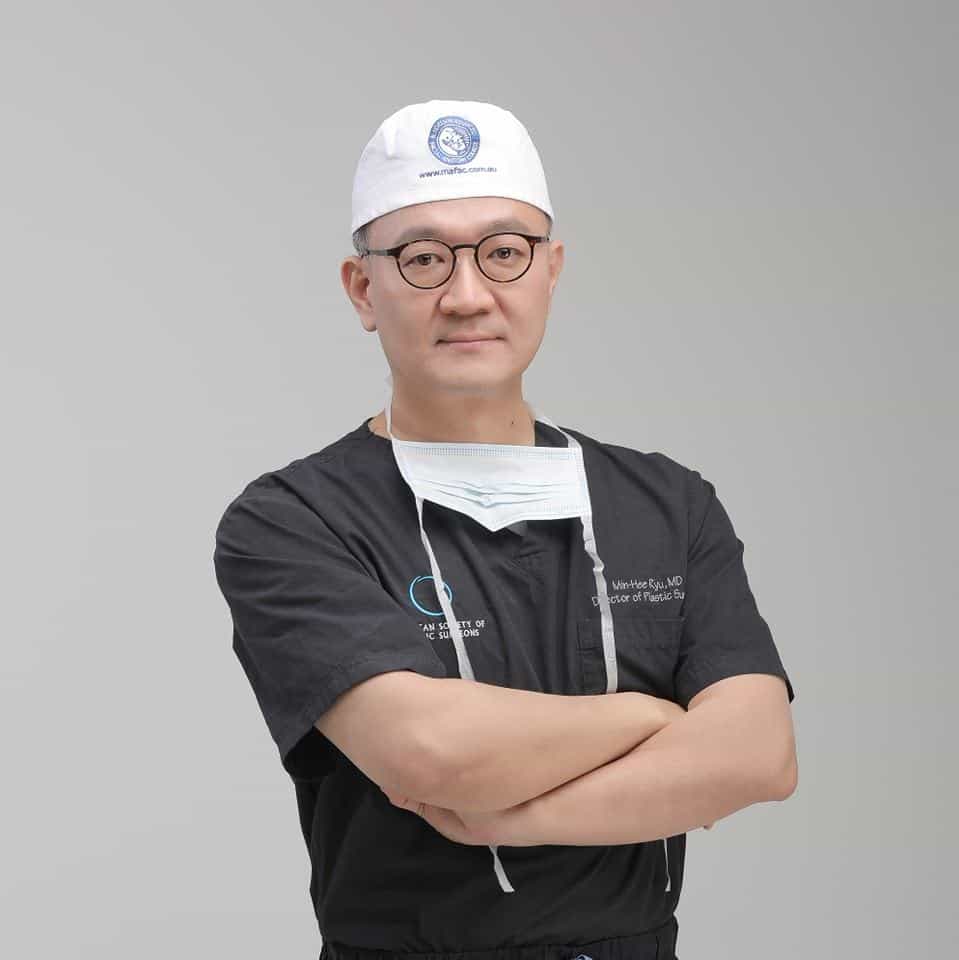
Dr. Minhee Ryu
RNWOOD - Best Plastic Surgery in Seoul, South Korea
- Plastic Surgeon
Seoul, South Korea
ศูนย์กลางความงามระดับโลก
เกาหลีใต้เป็นผู้นำในด้านศัลยกรรมตกแต่งอย่างไม่ต้องสงสัย ประเทศนี้ครองส่วนแบ่งตลาดโลกด้านการรักษาเพื่อความงามประมาณ 25% ปริมาณมหาศาลนี้ได้สร้างสภาพแวดล้อมการแข่งขันที่สูงมาก ซึ่งมีเพียงคลินิกที่ดีที่สุดเท่านั้นที่จะอยู่รอดได้
เนื่องจากการเสริมความงามเป็นเรื่องปกติในวัฒนธรรมเกาหลี ศัลยแพทย์จึงมีโอกาสได้ฝึกฝนและพัฒนาเทคนิคของตนกับผู้ป่วยนับล้านคน วงจรการฝึกฝนและนวัตกรรมอย่างต่อเนื่องนี้ส่งผลให้เกิดความประณีตในการผ่าตัด โดยเฉพาะอย่างยิ่งในการปรับรูปหน้าและการต่อต้านริ้วรอย ซึ่งหาได้ยากยิ่งในที่อื่นๆ ทั่วโลก
โครงสร้างพื้นฐานทางเทคโนโลยีที่ไม่มีใครเทียบได้
เมื่อคุณก้าวเข้าไปในคลินิกชั้นนำในย่านกังนัมของกรุงโซล คุณกำลังก้าวเข้าไปในสถานพยาบาลที่ใช้เทคโนโลยีทางการแพทย์ล้ำสมัย คลินิกเหล่านี้ไม่พึ่งพาการคาดเดา แต่ใช้เครื่องสแกน CT 3 มิติความละเอียดสูง ระบบสร้างแผนที่ใบหน้าด้วย AI และการจำลองเสมือนจริง เพื่อวางแผนทุกขั้นตอนอย่างละเอียดก่อนที่คุณจะเข้าไปในห้องผ่าตัด
การบูรณาการทางเทคโนโลยีนี้ยังครอบคลุมถึงด้านความปลอดภัย โดยคลินิกชั้นนำต่างๆ จะติดตั้งระบบสำรองไฟระดับโรงพยาบาล ระบบตรวจสอบสัญญาณชีพแบบเรียลไทม์ และวิสัญญีแพทย์ประจำคลินิกที่จะอยู่เคียงข้างคุณตลอดการผ่าตัด เพื่อให้มั่นใจได้ถึงความปลอดภัยที่ไร้ที่ติ
การสนับสนุนผู้ป่วยนานาชาติอย่างครอบคลุม
เกาหลีใต้ได้วางโครงสร้างภาคการแพทย์อย่างแข็งขันเพื่อต้อนรับนักท่องเที่ยวจากทั่วโลก รัฐบาลได้ริเริ่มโครงการ Medical Korea เพื่อให้มั่นใจว่าผู้ป่วยชาวต่างชาติได้รับการคุ้มครองโดยกฎหมายด้านการดูแลสุขภาพที่เข้มงวดและแบบจำลองราคาที่โปร่งใส
นอกเหนือจากข้อกำหนดต่างๆ แล้ว ประสบการณ์ของผู้ป่วยยังได้รับการดูแลอย่างพิถีพิถัน คลินิกมีแผนกนานาชาติที่เชี่ยวชาญหลายภาษาโดยเฉพาะ ตั้งแต่วินาทีที่คุณมาถึง คุณจะได้รับการบริการจากล่าม การดูแลจากพยาบาลส่วนบุคคล และการบำบัด "ลดอาการบวม" แบบพิเศษ เช่น การรักษาด้วยออกซิเจนความดันสูงและการรักษาด้วยเลเซอร์ ซึ่งหาได้ยากในคลินิกทั่วไปในประเทศตะวันตก นี่คือระบบนิเวศแบบองค์รวมที่ออกแบบมาเพื่อการรักษา ความสะดวกสบาย และผลลัพธ์ที่ยอดเยี่ยมโดยเฉพาะ
การเลือกคลินิกศัลยกรรมตกแต่งในเกาหลีใต้นั้นอาจดูยุ่งยากและซับซ้อน แต่ PlacidWay พร้อมเป็นพันธมิตรทางการแพทย์ที่คุณไว้วางใจได้ เพื่อทำให้กระบวนการง่ายขึ้น เราไม่ได้แค่แสดงรายชื่อคลินิก แต่เราเป็นตัวกลางเชื่อมโยงระหว่างคุณกับการดูแลทางการแพทย์ระดับสูง เพื่อให้มั่นใจได้ว่าคุณจะได้รับประสบการณ์ทางการแพทย์ที่โปร่งใส ปลอดภัย และมีการประสานงานอย่างดีเยี่ยมตั้งแต่ต้นจนจบ
กระบวนการคัดกรองผู้ให้บริการอย่างเข้มงวด
เราคัดกรองศูนย์การแพทย์และศัลยแพทย์ชาวเกาหลีอย่างเข้มงวด เพื่อให้แน่ใจว่าพวกเขามีใบรับรอง KSPRS และการรับรองจากรัฐบาลที่จำเป็น เพื่อความปลอดภัยสูงสุดของคุณ
ใบเสนอราคาคลินิกที่โปร่งใส
เราอำนวยความสะดวกในการติดต่อสื่อสารโดยตรงเพื่อรับใบเสนอราคาทางการแพทย์ที่ปรับแต่งได้ตามความต้องการ โดยไม่มีข้อผูกมัด จากคลินิกชั้นนำหลายแห่ง ช่วยให้คุณสามารถเปรียบเทียบค่าใช้จ่ายและความคุ้มครองของการผ่าตัดได้อย่างชัดเจน
การเข้าถึงศัลยแพทย์โดยตรง
เราช่วยจัดเตรียมการปรึกษาเบื้องต้นผ่านวิดีโอออนไลน์กับผู้เชี่ยวชาญชั้นนำของเกาหลี เพื่อให้คุณสามารถพูดคุยเกี่ยวกับเป้าหมายด้านความงามและตรวจสอบแผนการผ่าตัดก่อนตัดสินใจได้
การประสานงานแพ็คเกจทางการแพทย์
เราช่วยคุณเปรียบเทียบแพ็กเกจทางการแพทย์แบบครบวงจร ซึ่งรวมถึงการผ่าตัด การวางยาสลบ การตรวจวินิจฉัยก่อนผ่าตัด และการดูแลหลังผ่าตัดเฉพาะทาง
การตัดสินใจโดยใช้ข้อมูลเป็นพื้นฐาน
เรามอบข้อมูลรีวิวจากผู้ป่วยจริง พอร์ตโฟลิโอภาพก่อนและหลังการรักษาที่ได้รับการรับรอง และรายละเอียดโครงสร้างพื้นฐานทางคลินิกอย่างครบถ้วน เพื่อช่วยให้คุณตัดสินใจได้อย่างมั่นใจ
การสนับสนุนผู้ป่วย
ทีมผู้เชี่ยวชาญของเราจะทำหน้าที่เป็นผู้ให้คำปรึกษาและช่วยเหลือคุณตลอดกระบวนการสอบถาม ช่วยให้คุณถามคำถามทางการแพทย์ที่สำคัญและเตรียมตัวเข้ารับการรักษาได้อย่างมั่นใจ
เริ่มต้นก้าวแรกสู่การเปลี่ยนแปลงความงามของคุณได้แล้ววันนี้ ติดต่อ PlacidWay เพื่อรับใบเสนอราคาส่วนตัวฟรี และเริ่มต้นวางแผนการเดินทางศัลยกรรมตกแต่งของคุณในเกาหลีใต้ด้วยความมั่นใจอย่างเต็มที่
รับใบเสนอราคาส่วนตัวฟรี
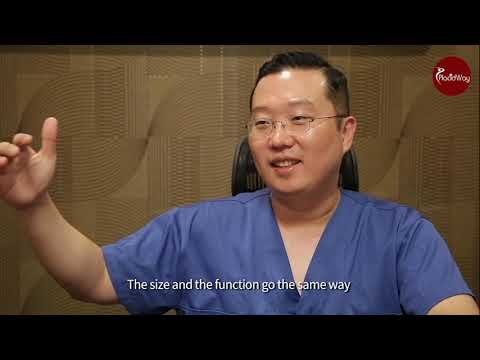

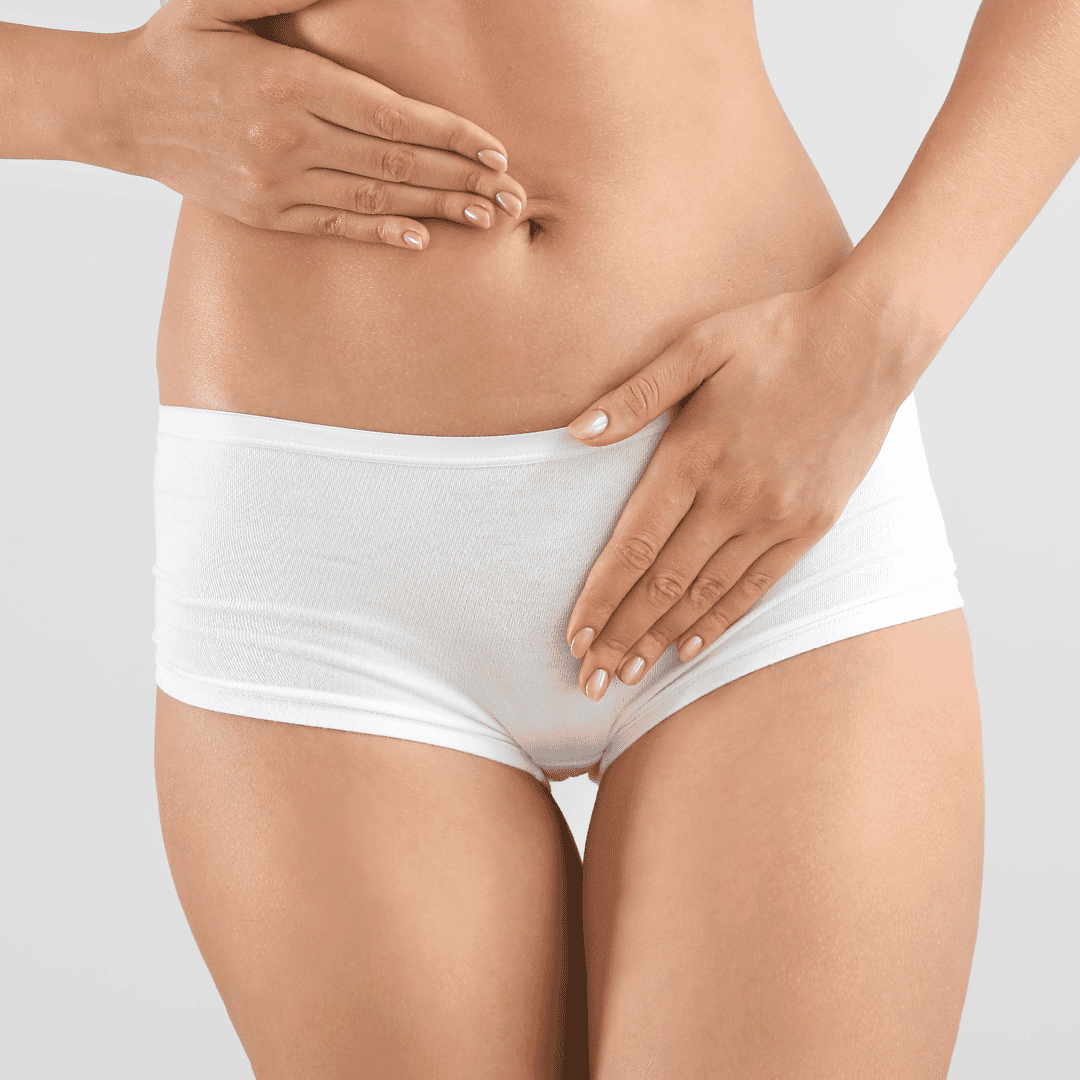


.png)
.png)
.png)
.png)









Share this listing