


South Korea Prepares to End Plastic Surgery VAT Refunds
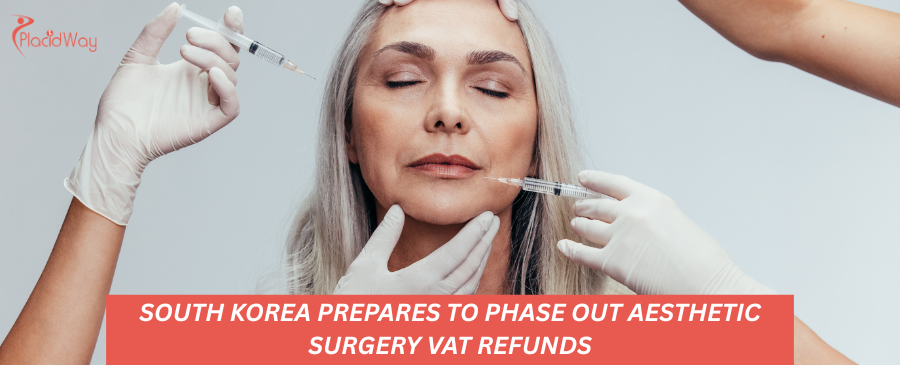
Facing policy shifts, international patients seeking plastic surgery in South Korea must act quickly. By phasing out the 10% VAT refund for aesthetic procedures, the government is fundamentally altering the economics of cosmetic surgery in Seoul for medical tourists worldwide.
For nearly a decade, the vibrant medical infrastructure of East Asia's premier healthcare hub has been bolstered by a highly lucrative financial incentive. Introduced initially to curb the shadow economy of unregistered medical brokers and to promote transparency, the Value-Added Tax (VAT) refund allowed international travelers to reclaim 10% of their surgical costs directly at the airport. This policy helped transform the nation into an undisputed superpower in the global aesthetic market, drawing hundreds of thousands of health travelers annually.
However, as the post-pandemic healthcare economy stabilizes and the local medical tourism sector reaches unprecedented maturity, regulatory bodies are preparing to let this tax exemption sunset. This legislative pivot signifies a massive transition from a price-driven incentive model to a purely value-driven, quality-centric healthcare market. For patients planning comprehensive makeovers, facial contouring, or advanced anti-aging treatments, understanding this timeline is critical for strategic financial planning.
The Economic Shift: Understanding the VAT Refund Phase-Out
The mechanics of the VAT refund were beautifully simple for the international consumer. Upon completing an aesthetic procedure—ranging from rhinoplasty and blepharoplasty to complex orthognathic (double jaw) surgeries—patients received a specialized tax refund slip from certified medical institutions. These slips were then processed at automated kiosks in major international terminals, instantly returning hundreds, sometimes thousands, of dollars to the patient before their departure flight.
The impending phase-out reflects a broader macroeconomic strategy by government authorities. Having successfully regularized the international patient market and established a stringent accreditation system for foreign-patient-attracting facilities, the necessity of the tax subsidy has diminished. Furthermore, the focus is now heavily pivoting toward promoting treatments for severe illnesses, specialized orthopedics, and complex cardiology, directing state resources toward balancing the overall healthcare export portfolio rather than exclusively subsidizing elective cosmetic enhancements.
Prior to this policy shift, South Korea accounted for nearly 25% of the global market share in plastic surgery, with international patients contributing billions of dollars annually to the local economy. The VAT refund was utilized by over 80% of eligible medical tourists.
Financial Impact on Medical Tourists Seeking Aesthetic Care
The elimination of the 10% refund fundamentally changes the out-of-pocket reality for international health travelers. While a 10% increase might seem marginal on smaller, non-invasive treatments like injectables or superficial laser therapies, the mathematical impact on complex, multi-stage surgeries is substantial. Aesthetic journeys often bundle several procedures—such as full facial rejuvenation, body contouring, and advanced dermatological care—pushing the total expenditure into the tens of thousands of dollars.
To understand the true impact, patients must now account for the missing buffer that traditionally covered auxiliary travel costs. Previously, the VAT refund was often utilized by patients to offset their round-trip airfare, luxury hotel accommodations, or specialized post-operative aftercare services. Without this financial recuperation at the airport, patients must expand their initial liquid budget and engage in far more rigorous comparative analysis before booking their procedures.
Projected Cost Implications (USD)
| Procedure Scale | Average Base Cost | Previous Refund (Approx) | New Out-of-Pocket Total |
|---|---|---|---|
| Minor (e.g., Blepharoplasty) | $2,500 | -$250 | $2,500 |
| Moderate (e.g., Rhinoplasty) | $6,000 | -$600 | $6,000 |
| Major (e.g., Full Facial Contouring) | $15,000 | -$1,500 | $15,000 |
"While the sunset of the VAT refund alters the financial calculus for medical travelers, the intrinsic value of South Korea's healthcare ecosystem remains entirely unparalleled. Patients are no longer traveling just for a tax discount; they are seeking clinical excellence, advanced surgical precision, and world-class safety protocols. The focus must now shift away from chasing tax rebates toward finding comprehensive transparency and analyzing holistic treatment packages."
— Pramod Goel
CEO of PlacidWay
Why Cosmetic Surgery in Seoul Remains a Global Gold Standard
Even without the enticement of a tax rebate, the destination's capital remains the undisputed epicenter of aesthetic innovation. The sheer volume of procedures performed daily has created a surgical workforce with unparalleled technical dexterity. Surgeons in the region do not merely perform operations; they pioneer the techniques that western practitioners subsequently adopt. From seamless invisible incisions to the utilization of autologous tissue rather than synthetic implants, the surgical philosophy here is built on hyper-customization and natural-looking harmony.
Additionally, the cultural phenomenon of "K-Beauty" continues to exert massive soft power globally. The aesthetic standards championed by the region's entertainment and cosmetic industries drive global consumer demand. Medical tourists are fundamentally purchasing peace of mind—the assurance that they are being treated in a jurisdiction where aesthetic perfection is a deeply ingrained cultural and scientific pursuit, far outweighing the loss of a 10% tax margin.
Navigating the Changing Costs of Plastic Surgery in South Korea
As the fiscal landscape shifts, prospective patients must adopt a more sophisticated approach to medical travel planning. The era of simply arriving, booking a surgery, and claiming a refund at the airport is closing. Today, navigating these changing costs requires meticulous pre-trip budgeting and a clear understanding of all included and excluded fees within a surgical quotation.
- Request All-Inclusive Quotations: Patients must demand transparency regarding anesthesia fees, post-operative garments, pharmacy prescriptions, and follow-up consultations.
- Account for Currency Fluctuations: Without the fixed 10% refund, the exchange rate between the patient's home currency and the Korean Won (KRW) becomes a highly critical factor in total expenditure.
- Leverage Global Facilitators: Utilizing international platforms helps patients secure corporate rates or promotional packages that individual travelers cannot access on their own.
The Role of Advanced Medical Infrastructure in Retaining Patients
Price incentives can attract first-time buyers, but only world-class infrastructure can sustain a multi-billion-dollar medical tourism sector over decades. The facilities catering to international patients operate under incredibly strict regulations mandated by the national health authorities. These mandates require aesthetic centers to maintain hospital-grade safety protocols, which is a significant differentiator from the loosely regulated cosmetic clinics found in competing markets.
Modern aesthetic centers are equipped with state-of-the-art diagnostic technology, including 3D CT scanners, AI-assisted facial mapping software, and fully integrated Intensive Care Units (ICU) even for elective procedures. Continuous power supply systems, on-site anesthesiologists, and comprehensive emergency transfer protocols ensure that patient safety is never compromised. It is this unwavering commitment to clinical excellence—not tax subsidies—that ensures the continuous influx of global medical travelers.
The integration of Artificial Intelligence (AI) in aesthetic planning has improved surgical predictability by over 40%. Leading surgical centers now use predictive modeling so patients can see highly accurate, multi-dimensional post-operative results before ever entering the operating room.
Alternatives and Incentives: How the Market is Adapting
Recognizing the potential friction caused by the VAT phase-out, the private medical sector is rapidly adapting to ensure they remain financially attractive to global consumers. Top-tier medical institutions are proactively restructuring their business models to offer in-house incentives that effectively replace the lost government subsidy.
Instead of a cash refund at the airport, patients are increasingly being offered comprehensive "Value-Add Packages." These often include complimentary luxury airport transfers, premium post-operative recovery accommodations, hyperbaric oxygen therapy sessions to speed healing, and complimentary non-invasive dermatological treatments (such as skin boosters or laser resurfacing) bundled with major surgical procedures. By providing high-margin, low-cost (to the provider) VIP services, the industry ensures the patient's perceived value remains exceedingly high.
Timing Your Trip: Maximizing Value Before the Deadline
For individuals who are currently in the research phase of their medical journey, timing is now the most critical variable. As the final regulatory deadlines approach, there is an expected surge in international bookings from patients attempting to lock in their surgeries before the VAT exemption officially expires. This impending bottleneck means that securing consultations and preferred surgical dates will become highly competitive.
Patients are strongly advised to accelerate their timeline. Expediting the acquisition of medical visas, finalizing virtual consultations with specialists, and transferring deposits are necessary steps to guarantee eligibility for current tax benefits. Delaying a procedure until the next fiscal year could easily result in thousands of dollars in unrecoverable tax expenses, entirely unnecessarily.
Strategic Planning for Global Healthcare Travelers
The evolution of the Asian medical tourism market demands a modernized approach from prospective patients. With tax policies shifting, the reliance on transparent, data-driven platforms to navigate international healthcare options is more vital than ever. Smart consumers must utilize advanced tools like the PlacidWay Search Anywhere technology to analyze global market trends, compare facility accreditations, and evaluate transparent pricing models across different jurisdictions.
Ultimately, while the end of the VAT refund marks the conclusion of a highly beneficial economic era for medical tourists in East Asia, it heralds the beginning of a more mature, quality-focused industry. By partnering with established medical tourism facilitators, patients can effortlessly bridge the gap between their financial budgets and their aesthetic goals, ensuring a seamless, safe, and profoundly successful transformation abroad.
Navigate the Changing Landscape of Medical Tourism
Don't let policy changes derail your aesthetic journey. PlacidWay connects you with the world's most elite, accredited medical facilities, providing transparent pricing and exclusive comprehensive packages.
Compare Options & Get a Free Quote Today







.png)


Share this listing