


Over the last decade, the aesthetic landscape has experienced a monumental shift toward minimally disruptive anti-aging solutions. At the forefront of this global movement is the burgeoning demand for a non-invasive facelift in South Korea. The nation has meticulously cultivated a reputation for pioneering cutting-edge dermatological technologies, blending meticulous precision with an artistic approach to facial rejuvenation. International patients are increasingly drawn to this Asian medical hub, seeking noticeable enhancements without the extended downtime associated with traditional surgical interventions.
Among the most prominent demographics contributing to this surge are medical tourists traveling from neighboring countries, particularly Japan. The influx of these patients is significantly driving the anti-aging treatments in South Korea market to new heights. They are actively seeking customized procedures that promise to tighten, lift, and revitalize the skin's appearance safely. By embracing advanced energy-based devices and innovative bio-stimulating injectables, the Korean medical sector continues to set international benchmarks for aesthetic excellence.
South Korea possesses one of the highest numbers of cosmetic procedures per capita globally, heavily weighted toward non-surgical skin rejuvenation therapies.
- Shift from invasive surgeries to outpatient, energy-based skin tightening.
- High concentration of specialized board-certified aesthetic practitioners.
- Continuous research and development in medical-grade cosmetic technology.
- Focus on achieving a natural, youthful appearance rather than an altered look.
Why Japanese Patients Prefer Medical Tourism in South Korea
The steady stream of medical travelers crossing the East Sea highlights a highly specific regional trend in the cosmetic industry. Japanese patients frequently choose medical tourism in South Korea due to a compelling combination of geographical proximity, cultural familiarity, and unparalleled technological access. A short flight easily connects Tokyo or Osaka to Seoul, making weekend trips for cosmetic enhancements entirely feasible. This convenience allows patients to seamlessly integrate high-quality medical care into a brief overseas getaway.
Furthermore, the Korean aesthetic market moves at a remarkably rapid pace, often introducing next-generation devices long before they become widely available in other parts of Asia. Japanese consumers, known for valuing meticulous service and advanced skincare, find that best anti-aging clinics in South Korea meet their rigorous standards. The highly competitive nature of the medical sector in Seoul ensures that clinics continually upgrade their equipment and protocols to attract discerning international clientele.
According to regional tourism data, cosmetic dermatology and non-surgical treatments account for a significant percentage of inbound medical tourism from Japan to South Korea annually.
- Flight durations often under two and a half hours from major Japanese cities.
- Access to the latest FDA and KFDA-approved lifting devices.
- Highly specialized clinical expertise focused specifically on Asian facial anatomy.
- Streamlined services tailored to short-stay international visitors.
Popular Techniques for Non-Invasive Facelift in Seoul
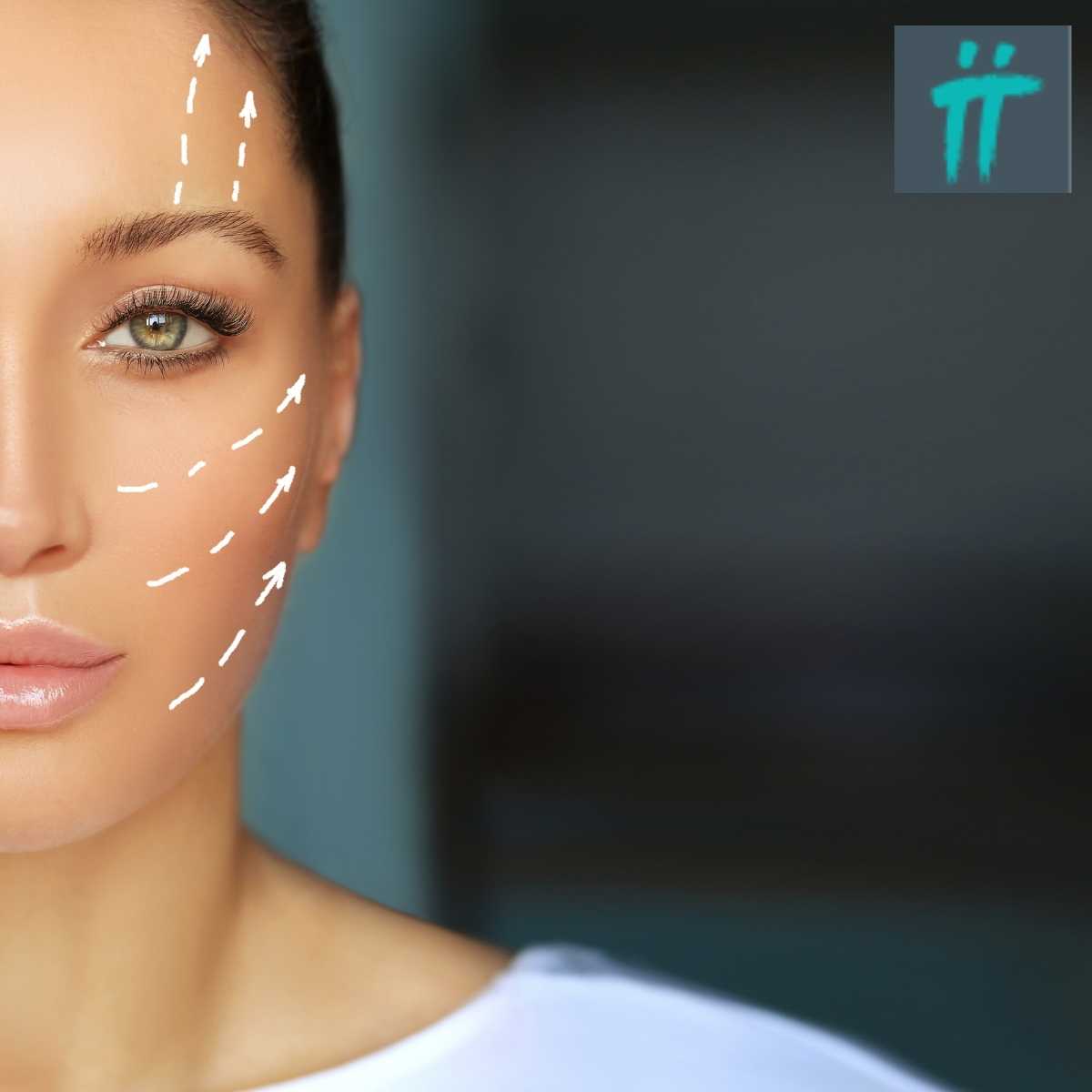
When exploring options for a non-invasive facelift in Seoul, international patients are presented with an impressive array of sophisticated technologies. High-Intensity Focused Ultrasound (HIFU) stands out as a primary choice, utilizing precisely targeted sound waves to heat deeper layers of the dermis and SMAS (Superficial Muscular Aponeurotic System). This thermal energy typically stimulates natural collagen production, aiming to create a gradual firming effect over several months. Radiofrequency (RF) microneedling is another highly sought-after procedure, combining tiny dermal punctures with thermal energy to improve skin texture and laxity simultaneously.
Additionally, absorbable thread lifts have revolutionized the way practitioners approach mild to moderate facial sagging without a scalpel. Medical-grade threads, often made from PDO (Polydioxanone) or PLLA (Poly-L-Lactic Acid), are carefully inserted under the skin to physically elevate drooping tissues. As these threads naturally dissolve over time, they generally encourage a secondary wave of collagen synthesis. These modalities are routinely customized by specialists to address the unique concerns of each individual patient.
HIFU technology was originally developed to treat tumors non-invasively before its remarkable skin-tightening benefits were adapted for aesthetic medicine.
- HIFU (High-Intensity Focused Ultrasound): Targets deep foundational layers for structural support.
- Radiofrequency (RF) Therapy: Enhances skin tightness and improves surface texture.
- PDO Thread Lifts: Provides immediate physical lifting and long-term collagen stimulation.
- Liquid Facelifts: Utilizes strategic placements of dermal fillers and neurotoxins to restore volume.
Affordable Non-Invasive Facelift Cost in South Korea vs Japan
One of the most compelling motivators driving this cross-border healthcare trend is the financial advantage. Finding an affordable non-invasive facelift in South Korea is entirely achievable, largely due to the density of clinics and robust domestic competition. This high concentration of providers drives down prices while simultaneously maintaining exceptionally high standards of care and technological integration. For international travelers, this translates to premium medical services at a fraction of the cost they might incur in their home country.
When evaluating the HIFU treatment cost in Seoul or other thread lifting procedures, Japanese patients often find that even factoring in flights and accommodation, the overall expense remains highly economical. The transparent pricing models favored by leading international clinics allow patients to plan their budgets accurately. Below is a comparative look at the typical market ranges for these procedures, illustrating the financial incentives that fuel this specific medical tourism corridor.
Always ask for an itemized estimate during your initial online consultation to understand exactly what is included in the quoted price, such as post-treatment care and taxation.
| Procedure Name | Average Cost Range in South Korea (USD) | Average Cost Range in Japan (USD) |
|---|---|---|
| Premium HIFU Treatment (Full Face) | $400 - $900 | $1,200 - $2,500 |
| PDO Thread Lift (Mid-Face) | $800 - $1,500 | $1,800 - $3,500 |
| RF Microneedling | $300 - $600 | $700 - $1,500 |
| Liquid Facelift (Injectable combo) | $600 - $1,200 | $1,500 - $3,000 |
Understanding the Patient Experience and Consultation Process
The patient journey within the top cosmetic dermatology clinics in South Korea is renowned for its thoroughness and efficiency. Upon arrival, international patients are typically guided through a comprehensive diagnostic phase using advanced 3D facial scanning technology. This objective imaging allows practitioners to accurately assess skin depth, pigmentation, and structural laxity, removing the guesswork from the treatment planning process. Such meticulous attention to detail ensures that the recommended procedures align perfectly with the patient's anatomical realities.
During the consultation, doctors engage in detailed discussions regarding expectations, anatomical limits, and realistic outcomes. The goal is to formulate a bespoke treatment map rather than applying a one-size-fits-all approach. By prioritizing clear communication and clinical transparency, practitioners help foster a strong sense of trust, ensuring the patient feels entirely comfortable before any procedure commences.
- Pre-consultation intake forms focusing on medical history and aesthetic goals.
- High-resolution 3D facial imaging and computerized skin analysis.
- In-depth dialogue to establish realistic, attainable outcomes.
- Creation of a customized, multi-modal treatment itinerary.
Advancements in Anti-Aging Treatments in South Korea
Innovation is the cornerstone of the aesthetic medical sector in this region. The constant evolution of anti-aging treatments in South Korea is driven by vigorous domestic research and clinical trials, resulting in highly refined therapeutic protocols. Recently, there has been a significant surge in the use of bio-stimulating injectables alongside traditional energy devices. These advanced formulations do not just fill wrinkles; they generally prompt the body’s own cellular mechanisms to generate new, healthy collagen networks.
Moreover, the devices utilized for skin tightening are continuously upgraded to enhance patient comfort while maximizing energy delivery. Modern HIFU and RF machines feature improved cooling mechanisms and rapid pulse technologies, significantly reducing procedure times. This commitment to marrying efficacy with patient comfort is a major reason why international medical tourists continue to seek out Korean aesthetic expertise.
South Korean medical manufacturers are currently among the top global exporters of specialized aesthetic medical devices, including lasers and ultrasound machines.
- Integration of exosomes and stem cell-derived topicals for accelerated cellular repair.
- Next-generation bio-stimulators that improve skin elasticity naturally over time.
- Enhanced cooling technologies in energy devices to minimize thermal discomfort.
- Development of minimally traumatic micro-cannulas for safer injectable delivery.
Typical Recovery and Aftercare for Minimally Invasive Procedures
A primary appeal of a minimally invasive facelift in South Korea is the dramatically reduced recovery period compared to traditional excisional surgery. Colloquially termed "lunchtime lifts," many of these procedures allow patients to resume light daily activities almost immediately. However, it is essential to understand that while downtime is minimal, biological healing is actively occurring beneath the skin's surface. Patients typically experience transient side effects such as mild redness, localized swelling, or a feeling of tightness.
Strict adherence to the provided post-treatment aftercare protocols is vital for achieving optimal results and mitigating potential complications. Medical professionals generally advise against intense physical exertion, excessive sun exposure, and the use of harsh active skincare ingredients for several days post-procedure. Hydration and gentle skin maintenance are highly recommended to support the newly stimulated collagen production processes.
- Expect temporary localized swelling or mild bruising, generally resolving within a week.
- Avoid strenuous cardiovascular exercise and saunas for at least 48 to 72 hours.
- Apply broad-spectrum sunscreen diligently to protect sensitized skin from UV damage.
- Refrain from using exfoliating acids or retinoids until cleared by the practitioner.
Language Support and Cultural Comfort in Seoul Clinics
For international patients navigating a foreign healthcare system, clear communication is paramount to a safe and reassuring experience. Recognizing the significant influx of Japanese clientele, many of the best anti-aging clinics in South Korea have integrated robust language support infrastructures. Facilities frequently employ dedicated, native-level Japanese-speaking medical interpreters who guide patients through every step, from the initial email inquiry to post-procedure aftercare instructions.
Beyond simple translation, these clinics focus heavily on cultural competence and hospitality. The clinical environments are designed to be welcoming, discreet, and respectful of patient privacy. This high level of specialized customer service ensures that Japanese medical tourists feel deeply understood and cared for, alleviating the inherent anxiety associated with receiving medical treatments abroad.
Testimonial Summary: Aiko's Experience
Aiko, a 45-year-old from Osaka, was initially nervous about language barriers. She noted that having a dedicated Japanese interpreter during her HIFU consultation provided immense peace of mind and clarity regarding the procedure.
Testimonial Summary: Yumi's Journey
Yumi traveled to Seoul seeking solutions for mid-face sagging. She highlighted that the clinic staff's understanding of Japanese aesthetic preferences—favoring subtle, natural lifts over dramatic changes—made her feel entirely comfortable with her thread lift plan.
- In-house professional medical interpreters dedicated to international patients.
- Translated medical consent forms and detailed aftercare documentation.
- Cultural sensitivity training for clinical and administrative staff.
- Private VIP recovery lounges tailored for international medical tourists.
Risks and Safety Considerations for Aesthetic Procedures
While opting for a non-invasive facelift in South Korea mitigates the severe risks associated with general anesthesia and large surgical incisions, it is crucial to recognize that no medical intervention is entirely risk-free. Patient safety must always remain the primary focus during any cosmetic journey. Most patients experience minor, self-resolving issues such as bruising, tenderness, or temporary numbness at the treatment site. However, more complex procedures like thread lifts require strict anatomical knowledge to prevent complications such as thread migration, puckering, or infection.
To maximize safety, it is imperative to undergo these treatments exclusively under the care of highly qualified, board-certified professionals operating in accredited facilities. Thorough pre-screening is conducted to identify any contraindications, such as active autoimmune diseases or severe skin laxity that might not respond well to non-surgical methods. Transparent risk disclosure empowers patients to make fully informed healthcare decisions.
Patients with active skin infections, bleeding disorders, or a history of severe keloid scarring are typically contraindicated for certain minimally invasive procedures. Always disclose your full medical history during your consultation.
- Potential for temporary swelling, bruising, or localized tenderness post-procedure.
- Rare but possible risks of nerve irritation or minor facial asymmetry.
- Importance of verifying the use of authentic, regulatory-approved devices and materials.
- Necessity of post-treatment follow-up to monitor the healing process.
Combining Aesthetic Treatments in South Korea
To achieve comprehensive facial rejuvenation, medical professionals frequently employ a synergistic approach, combining multiple modalities into a single treatment session. When patients travel for medical tourism in South Korea, they often seek to maximize their visit by addressing various aging concerns concurrently. For instance, pairing a structural lifting treatment like HIFU with superficial skin quality enhancers, such as injectable skin boosters, can yield significantly more harmonious results than a standalone procedure.
This layered methodology treats the face multidimensionally. While ultrasound or threads focus on elevating the deeper fascial planes, hydrating injectables or superficial laser therapies work to refine the skin’s surface, improving radiance and smoothing fine lines. Clinics carefully design these combination packages to ensure that the layered technologies do not interfere with patient safety or excessively prolong the recovery period.
Combining neuromodulators (like Botox) with dermal fillers and energy-based lifting is often referred to globally as the "Triple Approach" to non-surgical facial rejuvenation.
- HIFU + Skin Boosters: Lifts structural layers while deeply hydrating the epidermis.
- Thread Lift + Dermal Fillers: Provides physical elevation alongside targeted volume restoration.
- RF Microneedling + Exosomes: Stimulates collagen while accelerating cellular healing and glow.
- Customized timelines are created to ensure safe intervals if treatments cannot be performed on the same day.
Success Rates and Patient Satisfaction Metrics
Evaluating the outcomes of a non-invasive facelift in South Korea relies heavily on understanding that aesthetic satisfaction is inherently subjective. However, objective metrics and clinical reviews indicate exceptionally high patient satisfaction rates among international travelers undergoing these therapies. The success of these procedures is heavily dependent on selecting the appropriate candidate; individuals with mild to moderate skin laxity generally see the most pronounced and satisfying improvements.
It is important to note that results are rarely instantaneous. While thread lifts offer immediate physical changes, energy-based devices rely on the body's natural collagen production cycle, meaning peak results are typically observed three to six months post-treatment. By fostering realistic expectations during the initial consultation, clinics ensure that patients are thrilled with their gradual, natural-looking enhancements.
Testimonial Summary: Kenji's Outcome
Kenji, 50, sought a subtle refreshment without surgical scars. He reported that his combined RF and filler treatment provided a rested, youthful appearance that developed naturally over a few months, exactly as his doctor predicted.
Testimonial Summary: Sakura's Review
Sakura chose a renowned Seoul clinic for a preventative HIFU session. She was highly satisfied with the professionalism and noted that her jawline appeared significantly more contoured three months after returning to Japan.
- High satisfaction linked to thorough pre-treatment patient education and realistic goal setting.
- Results are typically progressive, peaking as new collagen networks form.
- Longevity varies based on age, lifestyle, and the specific modality used.
- Maintenance sessions are generally recommended to sustain the anti-aging effects.
Preparing for Your Medical Travel to South Korea
Diligent preparation is the key to a smooth and successful overseas healthcare experience. When planning to secure an affordable non-invasive facelift in Seoul, prospective patients should begin by gathering their complete medical records, including any history of previous facial procedures or dermatological conditions. Engaging in comprehensive online consultations prior to booking flights allows the clinical team to provide preliminary advice and confirm that the patient is a viable candidate for their desired procedures.
Additionally, organizing the logistical aspects of the trip requires careful attention. Patients should ensure their passports are valid and familiarize themselves with any current medical entry requirements or short-term visa regulations. Preparing the skin before travel—such as avoiding excessive sun exposure and staying well-hydrated—can also positively influence the clinical outcome and expedite the healing process upon arrival.
Pack a comfortable, wide-brimmed hat and large sunglasses to protect your face from UV rays and ensure privacy while navigating the city post-treatment.
- Schedule remote video consultations to establish a preliminary treatment plan.
- Discontinue blood-thinning supplements (e.g., Fish oil, Vitamin E) weeks before treatment, as advised by a doctor.
- Verify short-term entry requirements and secure appropriate travel medical insurance.
- Plan for a rest day immediately following the procedure before flying back.
How PlacidWay Assists Your Non-Invasive Facelift Medical Tourism Journey in South Korea
Navigating international healthcare systems can be complex, especially when seeking specialized aesthetic treatments. PlacidWay serves as a dedicated global medical tourism facilitator, connecting discerning patients with internationally accredited healthcare facilities. We focus on empowering your healthcare choices by providing access to transparent, high-quality medical information and direct connections to trusted providers.
Our role is to streamline the initial phases of your medical journey, ensuring you have all the necessary resources to make informed decisions regarding your care. By leveraging our extensive network, patients can confidently explore options for advanced anti-aging procedures abroad.
- Connecting patients with rigorously vetted, board-certified aesthetic specialists globally.
- Facilitating secure and direct communication between you and top-tier clinics.
- Providing comprehensive access to transparent pricing structures and treatment details.
- Assisting in the coordination of initial online medical consultations and evaluations.
- Offering valuable resources and patient reviews to support informed decision-making.
Frequently Asked Questions About Non-Invasive Facelift in South Korea
When considering international medical travel for aesthetic enhancements, patients naturally have numerous inquiries regarding safety, logistics, and procedural details. Gathering accurate information is a critical step in the decision-making process. Below, we address some of the most common questions raised by international patients exploring non-surgical rejuvenation abroad.
These answers are designed to provide foundational knowledge and help set realistic expectations. However, they should never replace personalized medical advice obtained directly from a certified healthcare provider.
How long does a non-invasive facelift generally last?
The longevity of results typically depends on the specific procedure, the patient's skin quality, and lifestyle factors. Most patients experience benefits lasting anywhere from 6 to 18 months before a touch-up is necessary.
Is a non-invasive facelift painful?
Treatments are generally well-tolerated, and clinics routinely use topical numbing creams or local anesthesia to maximize comfort. While some patients report mild discomfort or a warming sensation, severe pain is uncommon.
Why do so many Japanese patients travel to Seoul for these procedures?
Japanese patients often choose Seoul due to the geographical proximity, advanced aesthetic technologies, and highly competitive pricing. Additionally, many Korean clinics provide dedicated Japanese language support, making the experience seamless.
What is the typical downtime after a thread lift?
A thread lift typically requires minimal downtime, with many individuals returning to light daily activities within a few days. Patients may experience slight bruising or swelling, which generally resolves within a week to ten days.
Are there any contraindications for HIFU treatments?
HIFU is generally not recommended for individuals with severe skin laxity, active skin infections, or open facial wounds. Pregnant women and patients with specific autoimmune conditions should also consult their doctor before proceeding.
Do I need a special visa for medical tourism in South Korea?
Many international visitors, including Japanese citizens, can enter South Korea for short-term stays under a visa waiver program for tourism and medical consultations. However, regulations can change, so it is crucial to check current embassy guidelines before traveling.
Can I combine a non-invasive facelift with injectables?
Yes, many practitioners routinely combine energy-based lifting devices with neuromodulators or dermal fillers to address different signs of aging simultaneously. A comprehensive consultation will determine if this combined approach is safe for your specific anatomical needs.
How soon can I fly back home after treatment?
For most non-invasive procedures, patients are generally cleared to fly within 24 to 48 hours post-treatment. Your attending specialist will provide personalized travel clearance based on the specific treatments you received.
What happens if I experience complications after returning home?
Reputable clinics typically offer remote follow-up consultations to monitor your healing process and address concerns. It is highly recommended to secure a local healthcare provider who is aware of your treatment in case you need immediate physical evaluation.
How do I choose a safe clinic for anti-aging treatments in South Korea?
Focus on finding board-certified dermatologists or plastic surgeons who specialize in non-surgical aesthetics. Utilizing reputable medical tourism platforms can help you verify credentials, read patient reviews, and connect with internationally recognized facilities.
References
- Mayo Clinic. Facelift: What you can expect. https://www.mayoclinic.org/tests-procedures/face-lift/about/pac-20394059
- International Society of Aesthetic Plastic Surgery (ISAPS). Global Survey Results. https://www.isaps.org/discover/about-isaps/global-statistics/
- National Center for Biotechnology Information (NCBI). High-Intensity Focused Ultrasound in Clinical Dermatology. https://pmc.ncbi.nlm.nih.gov/articles/PMC12610741/
- Healthline. What to Know About Thread Lifts. https://www.healthline.com/health/cosmetic-surgery/thread-lift





.jpg)








Share this listing