


Tijuana Emerges as North America's Premier ADR Surgery Hub
Driven by skyrocketing healthcare costs, thousands are seeking an Artificial Disc Replacement in Tijuana. Patients are actively bypassing traditional spinal fusion this year, crossing the border for affordable, motion-preserving implants and world-class spine care just minutes from San Diego.
The Shift from Spinal Fusion to Motion-Preserving Implants
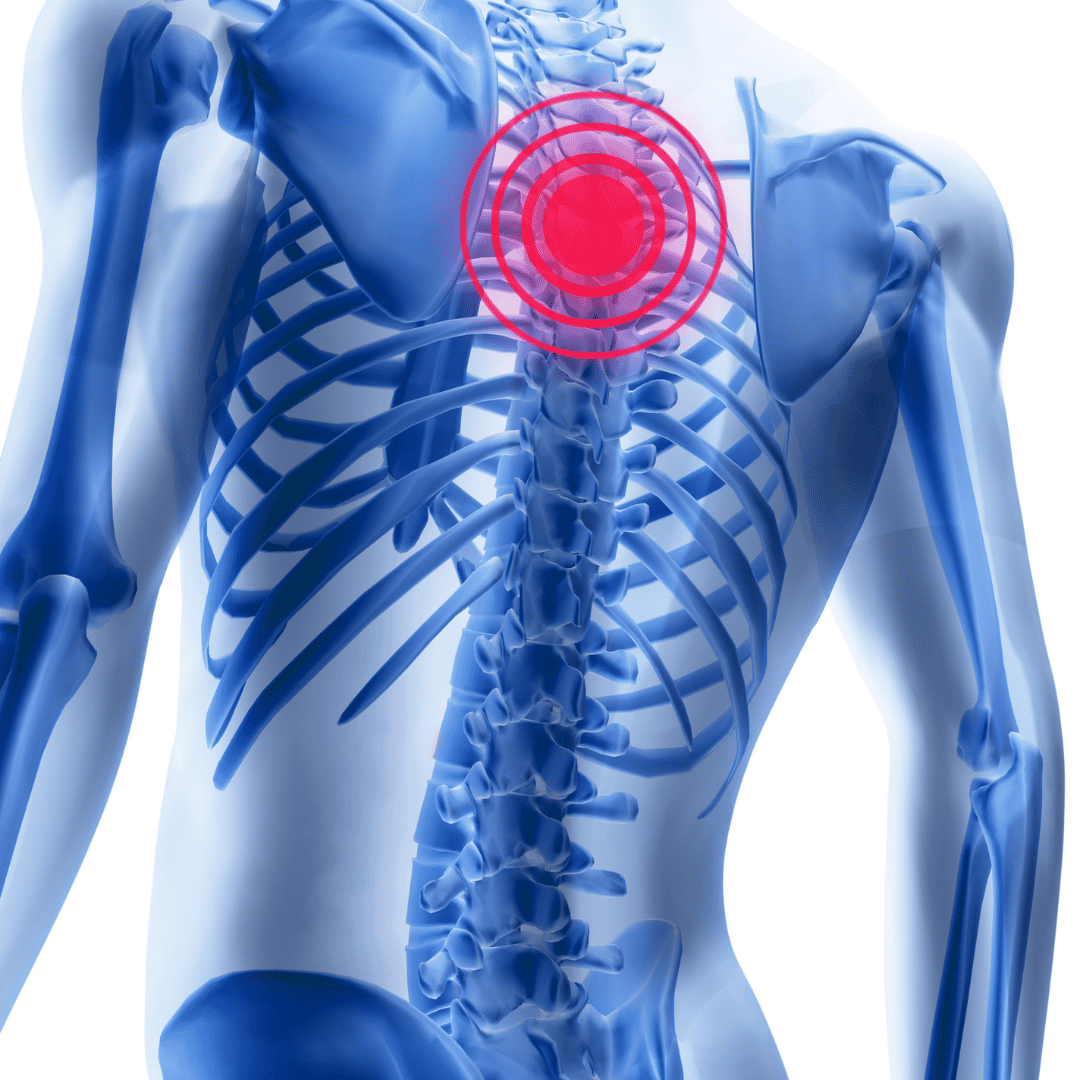
For decades, traditional spinal fusion was the unquestioned gold standard for treating severe degenerative disc disease, herniations, and chronic radiculopathy. However, the medical consensus is rapidly shifting. Spinal fusion effectively welds two or more vertebrae together, eliminating pain but permanently destroying the spine's natural biomechanics in that segment. This loss of mobility fundamentally alters how the spine absorbs shock, frequently accelerating wear and tear on the adjacent discs—a debilitating complication clinically known as Adjacent Segment Disease (ASD), which often necessitates secondary operations.
In stark contrast, Artificial Disc Replacement (ADR) represents the pinnacle of modern neurosurgical innovation. By removing the diseased disc and inserting a sophisticated prosthetic implant made of medical-grade titanium and advanced polymers, surgeons can preserve the spine's full natural range of motion. Patients retain their ability to bend, twist, and flex without transferring unnatural stress to neighboring spinal segments. As the clinical data unequivocally proves ADR yields faster recovery times, superior long-term kinematic function, and lower reoperation rates, an unprecedented wave of informed patients is vehemently rejecting spinal fusion in favor of motion-preserving technologies.
Did You Know?
The global artificial disc replacement market is projected to grow exponentially, yet in the United States, insurance denial rates for ADR procedures can approach 40%. Bureaucratic mandates forcing patients to undergo cheaper fusions first are the leading catalyst driving patients to seek motion-preserving spine implants in Mexico.
Why U.S. Patients Choose Artificial Disc Replacement in Tijuana?
The mass exodus of spine patients crossing the southern border is primarily fueled by a deeply fractured American health insurance system. Despite FDA approval for numerous cervical and lumbar artificial discs, major U.S. insurance carriers consistently classify these life-changing procedures as "experimental" or medically unnecessary for specific patient demographics. They frequently enforce a "step-therapy" protocol, requiring patients to fail physical therapy, epidural injections, and even traditional fusions before they will even consider approving an ADR. For patients paying out-of-pocket, domestic hospital invoices can easily exceed $50,000 for a single-level replacement, pushing this essential care far beyond the realm of middle-class affordability.
Tijuana has perfectly positioned itself as the strategic antidote to this healthcare crisis. Situated a mere 15 minutes from the San Diego International Airport, this booming border metropolis offers a seamless geographical advantage. U.S. and Canadian citizens can access elite neurosurgical care without the grueling long-haul flights associated with medical travel to Asia or Europe. By capitalizing on lower administrative overhead, highly subsidized medical education, and advantageous real estate costs, the surgical facilities in this region can offer top-tier, motion-preserving spine surgery at 60% to 70% less than their American counterparts, completely bypassing the bureaucratic gridlock of U.S. insurance adjusters.
Understanding the Advanced Spinal Infrastructure in Mexico
The physical and technological landscape of Baja California’s healthcare sector has been utterly revolutionized by billions of dollars in medical tourism investments. The region has moved far beyond the antiquated stereotype of small, isolated border clinics. Today, patients enter monolithic, hyper-modern "medical cities" that rival the most prestigious hospital systems in North America. These sprawling, multi-disciplinary high-rises are equipped with dedicated orthopedic and neurosurgical wings, featuring positive-pressure sterile operating theaters, advanced 3D intraoperative imaging (such as the O-arm surgical imaging system), and state-of-the-art robotic navigation platforms.
Furthermore, the regulatory environment in Mexico frequently allows elite surgical centers to access the world's most advanced implant technology much faster than the United States. While the U.S. FDA approval matrix can delay the introduction of next-generation medical devices by several years, top-tier Mexican facilities often have immediate access to the latest CE-marked European artificial discs. These advanced viscoelastic implants mimic the exact shock-absorbing properties of a natural human disc with unprecedented accuracy, ensuring patients traveling across the border receive materials that are often superior to what is currently accessible in their local domestic hospitals.
"Patients suffering from debilitating spine conditions are no longer accepting outdated fusion surgeries dictated by insurance company algorithms. They are utilizing transparent platforms to access world-class, motion-preserving disc replacement in Baja California, where elite surgical talent meets affordable, patient-centric care. The validation of this region as an orthopedic hub is not just about cost—it is fundamentally about restoring mobility and quality of life."
— Pramod Goel, CEO of PlacidWay
Cost Comparison: ADR Spine Surgery in the U.S. vs. Mexico
The lack of pricing transparency in the U.S. healthcare system is notoriously frustrating for spine patients. A domestic patient will typically receive fragmented, separate invoices for the hospital facility, the primary neurosurgeon, the specialized anesthesiologist, the imaging center, and the exorbitant markup on the physical titanium implant itself. In stark contrast, the medical tourism model thrives on absolute financial transparency, offering comprehensive, all-inclusive packages that allow patients to plan their recovery without the looming dread of hidden medical bills.
When examining the granular financial data, the value proposition of traveling south for spine surgery is undeniable. A patient can pay for premium, multi-level disc replacement surgery, luxury accommodations, private transportation, and round-trip airfare, and still save tens of thousands of dollars compared to a domestic out-of-pocket procedure. The table below illustrates the dramatic economic disparities driving this cross-border surgical boom.
The Safety and Expertise of Board-Certified Spine Surgeons Abroad
Overcoming the outdated stigma associated with cross-border medical care begins with understanding the intensely rigorous academic requirements placed upon Mexican surgical specialists. To become a board-certified spine surgeon or neurosurgeon in Mexico requires over a decade of grueling medical education, general surgery residencies, and highly specialized fellowships. The elite practitioners catering to the international market do not operate in a vacuum; they are active members of prestigious global organizations like the North American Spine Society (NASS) and AOSpine, ensuring they are continuously updated on global best practices.
Moreover, the sheer volume of cases handled by these specialists yields a significant clinical advantage. Because they treat an influx of international patients daily, leading surgeons in this border hub perform significantly more artificial disc replacements annually than the average domestic U.S. surgeon, who is frequently forced to perform basic fusions due to insurance limitations. This high-volume repetition in complex, motion-preserving arthroplasty translates directly into refined surgical precision, minimized operative times, reduced tissue trauma, and ultimately, superior neurological outcomes for the patient.
Did You Know?
Many elite orthopedic and neurosurgeons in Baja California utilize continuous Intraoperative Neuromonitoring (IONM) during disc replacements. This state-of-the-art safety protocol tracks spinal cord and nerve root function in real-time throughout the entire surgery, virtually eliminating the risk of permanent neurological damage.
Comprehensive Medical Tourism Packages for Spine Patients
To mitigate the logistical anxiety of traveling abroad for major orthopedic surgery, the leading medical facilities have perfected the all-inclusive concierge model. These highly structured packages are meticulously designed so the patient only has to focus on healing, while dedicated case managers handle every single administrative and logistical detail. When utilizing a verified international medical package, spine patients can expect:
- Virtual MRI Evaluations: Prior to booking any travel, patients submit their domestic MRI or CT scans via secure portals for complimentary, comprehensive evaluations by a board-certified neurosurgeon to confirm strict candidate eligibility for an artificial disc.
- All-Encompassing Surgical Fees: The quoted package strictly covers the primary surgeon, assisting physicians, anesthesiologist, operating room time, all necessary pre-op cardiovascular panels, and the physical premium disc implant.
- VIP Border Concierge: Private, bilingual chauffeurs greet patients directly at the baggage claim of San Diego International Airport, safely transporting them across the border and directly to the medical facility.
- Hospitalization & Luxury Recovery: Packages include the necessary overnight stays in the high-tech hospital ward, followed by several days in an integrated luxury medical hotel designed specifically for patients with limited mobility.
- Post-Operative Medications: All necessary pain management prescriptions, anti-inflammatories, and muscle relaxants required for a comfortable recovery are provided before the patient departs.
The Strategic Role of PlacidWay in Connecting Patients to Elite Spine Care
While the medical and financial advantages of seeking motion-preserving spine implants in Mexico are tremendous, independently navigating the foreign healthcare market can be a daunting prospect. The internet is flooded with unverified medical marketing, making it incredibly difficult for a patient in severe chronic pain to accurately verify hospital accreditations, confirm genuine surgical board certifications, or distinguish between a basic orthopedic clinic and a world-class neurosurgical institute.
This critical information gap is seamlessly bridged by PlacidWay. As a globally trusted medical tourism facilitator, PlacidWay acts as an independent, rigorous vetting authority. They curate an exclusive network of highly credentialed spine centers and elite surgeons, allowing patients to view transparent profiles, authentic reviews, and verified outcome data. By handling the complex logistics of international healthcare matchmaking, PlacidWay empowers patients to confidently compare options, request free quotes, and secure direct consultations with top-tier spine specialists, ensuring safety and clinical excellence remain the top priority.
What to Expect During Your ADR Recovery Near San Diego?
One of the most profound benefits of Artificial Disc Replacement compared to traditional spinal fusion is the drastically accelerated recovery timeline. Because no bone grafting is required to fuse the vertebrae, patients experience significantly less post-operative trauma. Within 24 hours of waking up in their private Mexican hospital suite, patients are typically encouraged by their physical therapy team to stand and walk. This immediate, gentle mobilization is critical for promoting healthy blood flow and integrating the new prosthetic disc into the spine's natural kinematic movement.
Following medical clearance from the hospital, the recovery journey transitions to a specialized medical boutique hotel located just minutes from the clinic. Here, patients rest in adjustable orthopedic beds, receive routine wellness checks from traveling nurses, and enjoy specially prepared, nutrient-dense meals. Once the neurosurgeon gives the final sign-off—usually within 5 to 7 days post-operation—patients are driven back to the San Diego airport. To eliminate the physical strain of waiting in long traffic lines, premium medical packages include exclusive access to the Medical Fast-Pass lane at the border, ensuring a rapid, comfortable, and seamless transition back into the United States, fully equipped with a revitalized, pain-free spine.




.png)

.png)
.png)



.png)

.png)








Share this listing