


DR Surge: Stem Cell Therapy Reverses Diabetes Trends

With US diabetes cases surging, thousands are seeking Stem Cell Therapy for Diabetes in the Dominican Republic. This 2024 trend offers a revolutionary metabolic reset, saving patients up to 60% on cutting-edge regenerative treatments just a short flight from Miami.
The Escalating Diabetes Crisis and the Search for Alternatives
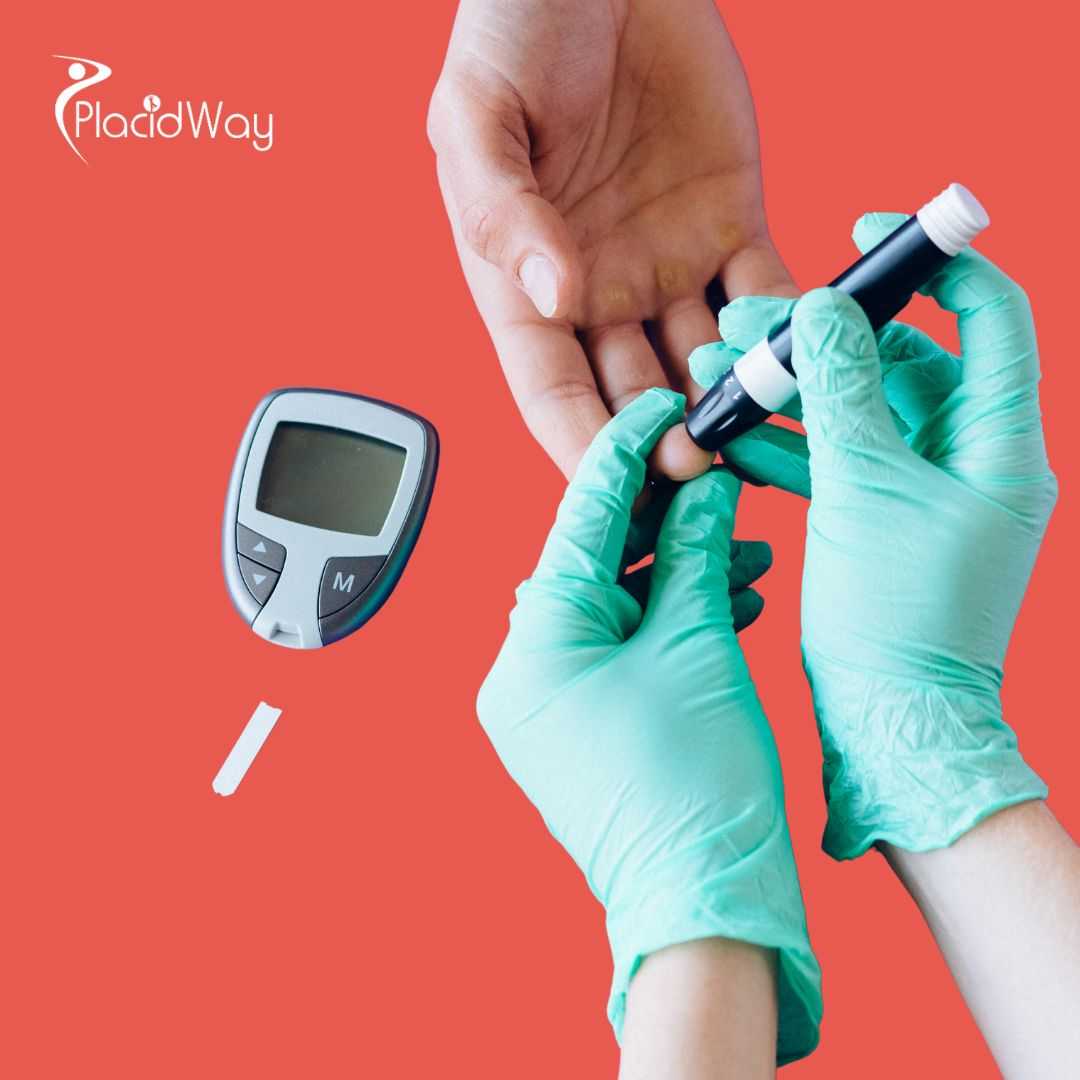
North America is currently grappling with an unprecedented metabolic health crisis. According to recent epidemiological data, over 37 million Americans and millions more in Canada are living with diabetes, with the vast majority suffering from Type 2. For decades, the standard protocol for managing this chronic condition has remained stubbornly static: a grueling regimen of daily blood glucose monitoring, strict dietary limitations, synthetic oral medications like Metformin, and eventually, lifetime insulin dependence. While these traditional interventions are highly effective at managing the immediate symptoms of hyperglycemia, they fundamentally fail to address the root cause of the disease—pancreatic degradation and severe cellular insulin resistance.
Frustrated by a domestic healthcare system that primarily focuses on symptom management rather than cellular healing, a rapidly growing demographic of proactive patients is looking beyond their borders. The physical toll of long-term diabetes—ranging from neuropathy and vision loss to cardiovascular disease—coupled with the staggering financial burden of lifelong pharmaceutical dependency, has sparked a massive shift in patient behavior. Today, thousands of North Americans are actively bypassing domestic limitations to explore the frontier of regenerative medicine, seeking a profound "metabolic reset" that aims to restore the body's natural ability to regulate blood sugar.
Did You Know?
The global regenerative medicine market is projected to reach over $150 billion by 2030. The Dominican Republic has captured a significant portion of the Caribbean's medical tourism market, experiencing a 25% year-over-year increase in inbound international patients specifically seeking metabolic and cellular therapies.
Understanding How Stem Cell Therapy for Diabetes Works
At the core of this medical revolution is the deployment of Mesenchymal Stem Cells (MSCs). Unlike traditional pharmaceuticals that simply force the pancreas to squeeze out more insulin or artificially block glucose absorption, MSCs operate on a profound cellular level. These incredibly versatile cells possess unique immunomodulatory and regenerative properties. When introduced into a diabetic patient's bloodstream, they intuitively home in on areas of high inflammation and tissue damage—specifically targeting the pancreas and the vascular system. Once there, they release a powerful cascade of growth factors and exosomes that effectively reprogram the body's immune response and stimulate the repair of damaged beta cells.
For patients suffering from Type 2 diabetes, the therapy focuses heavily on reversing systemic insulin resistance. The stem cells work to reduce chronic, low-grade inflammation in adipose and muscle tissues, which is the primary driver of insulin resistance. Concurrently, they promote angiogenesis—the creation of new blood vessels—which drastically improves cellular oxygenation and nutrient delivery. The ultimate clinical goal is not necessarily an immediate "cure," but a substantial metabolic reset. Many patients report significant reductions in their HbA1c levels, stabilized fasting glucose, and a medically supervised reduction—or in some cases, complete elimination—of their reliance on exogenous insulin and synthetic drugs.
Why the Dominican Republic is Becoming a Hub for Regenerative Medicine?
Geographic proximity and aggressive national investment have perfectly positioned the Dominican Republic as the premier destination for advanced cellular therapies in the Western Hemisphere. Located just a brief two-hour flight from Miami, and offering direct connections from major hubs like New York, Toronto, and Atlanta, the island provides unparalleled logistical convenience for North American medical travelers. Over the past decade, the Dominican government and private healthcare sectors have poured hundreds of millions of dollars into developing high-tech medical corridors in cities like Santo Domingo, Punta Cana, and Santiago.
Beyond mere geography, the true magnet drawing international patients is the progressive, yet safely regulated, medical environment. In the United States and Canada, regenerative medicine is often stifled by decades of bureaucratic red tape and agonizingly slow clinical trial phases, heavily restricting the expansion and application of stem cells. Conversely, the Dominican Republic has cultivated a forward-thinking scientific ecosystem. By adopting international best practices and collaborating with leading global biotech firms, the country allows for the safe, ethical cultivation and administration of highly potent, multi-million cell count MSC therapies that remain frustratingly inaccessible or prohibitively restricted in North America.
"We are witnessing a monumental paradigm shift in how chronic diseases are treated globally. Patients are no longer passively accepting lifelong medication as their only option. The Dominican Republic has masterfully positioned itself at the forefront of this movement by combining hyper-advanced regenerative biotechnology with a deeply accessible, patient-centric healthcare model. It is rapidly becoming the gold standard for North Americans seeking a legitimate metabolic reset."
— Pramod Goel, CEO of PlacidWay
The Regulatory Landscape: Safe and Advanced Medical Infrastructure in the DR
A lingering historical misconception exists regarding the safety of medical tourism in the Caribbean, but the modern realities of the Dominican Republic's healthcare sector paint a vastly different, highly sophisticated picture. The nation's top-tier biotechnology laboratories and medical centers operate under the strict oversight of the Ministry of Public Health (MISPAS) and adhere strictly to international bio-safety protocols. The processing and expansion of stem cells take place in ultra-sterile, ISO-certified clean rooms that mirror—and frequently exceed—the technological capabilities found in major US research hospitals.
Furthermore, the medical professionals spearheading these regenerative programs are among the most educated in Latin America. It is incredibly common for the chief scientists, endocrinologists, and cellular biologists operating in the Dominican Republic to hold board certifications and specialized fellowship training from prestigious institutions in the United States, Spain, and Germany. This cross-pollination of global medical knowledge ensures that patients receive therapies rooted in rigorous scientific evidence, utilizing only ethically sourced, meticulously screened umbilical cord tissue or autologous stem cell derivatives.
Cost Comparison: Regenerative Medicine in North America vs. the Caribbean
The financial barrier to entry for regenerative medicine in the United States is overwhelmingly prohibitive. Because stem cell therapy for diabetes is generally considered experimental or off-label by domestic regulatory bodies, it is universally excluded from traditional health insurance coverage. Patients seeking comprehensive cellular therapies in the US are frequently met with staggering out-of-pocket invoices. In stark contrast, the lower cost of living, reduced administrative bloat, and favorable real estate economics in the Dominican Republic allow elite bio-facilities to offer identical, if not superior, treatments at a fraction of the domestic price.
Transparency in medical billing is a cornerstone of the international medical travel experience. When analyzing the side-by-side cost breakdown, the value proposition of traveling to the Caribbean becomes undeniably clear. Patients can frequently cover the cost of round-trip airfare, luxury beachfront accommodations, the comprehensive medical protocol, and personalized post-operative care while still saving tens of thousands of dollars compared to a domestic clinic.
Addressing the Complications: Stem Cells for Neuropathy and Vascular Issues
One of the most profound benefits of undergoing Stem Cell Therapy for Diabetes in the Dominican Republic is the simultaneous treatment of secondary diabetic complications. The systemic nature of intravenous stem cell administration means that the therapeutic effects extend far beyond the pancreas. Advanced treatment protocols in the Caribbean are specifically designed to target the crippling side effects of long-term metabolic dysfunction:
- Diabetic Peripheral Neuropathy: MSCs actively repair damaged myelin sheaths and stimulate the regeneration of peripheral nerve fibers, dramatically reducing chronic pain, tingling, and numbness in the lower extremities.
- Vascular Health and Angiogenesis: High blood sugar ravages the circulatory system. Stem cells promote the growth of new, healthy blood vessels (angiogenesis), restoring vital blood flow to oxygen-starved tissues.
- Diabetic Foot Ulcers: By combining systemic therapy with localized cellular applications, patients experience rapid wound healing, drastically reducing the risk of tissue necrosis and catastrophic lower-limb amputations.
- Renal Function (Nephropathy): Regenerative therapies help reduce inflammation in the kidneys, repairing damaged nephrons and helping to stabilize or improve vital kidney function before dialysis becomes necessary.
- Retinopathy Defense: The anti-inflammatory properties of exosomes and MSCs help protect the delicate micro-vasculature of the retina, mitigating the progression of diabetes-induced vision loss.
Did You Know?
Psychoneuroimmunology studies show that a patient's environment directly impacts their physical healing. The stress-reducing effects of recovering in a serene, tropical environment actively lower cortisol levels, which in turn significantly reduces cellular insulin resistance and boosts the efficacy of the stem cell integration.
The Patient Experience: Combining a Tropical Healing Environment with Medical Care
The concept of "medical tourism" in the Dominican Republic transcends the clinical procedure itself; it encompasses a holistic, full-spectrum healing experience. A metabolic reset requires not just cellular intervention, but a massive reduction in the body's stress hormones. Recognizing this, elite medical providers in the region have engineered recovery protocols that seamlessly blend world-class medical observation with luxury hospitality. Rather than recovering in a sterile, anxiety-inducing hospital ward, international patients recuperate in private, climate-controlled boutique villas or high-end partner resorts overlooking the Caribbean Sea.
These all-inclusive medical packages are meticulously designed to remove every ounce of logistical friction. From the moment a patient lands, they are greeted by bilingual concierges, whisked through VIP customs lines, and transported via private chauffeurs. During the recovery phase, patients receive tailored metabolic nutrition plans prepared by specialized chefs, ensuring their diet actively supports the cellular regeneration process. Daily visits from nursing staff to monitor vitals and administer hyperbaric oxygen therapy or IV nutrient drips complete an ecosystem of care that is virtually impossible to replicate at a domestic level.
How PlacidWay Facilitates Your Journey to a Metabolic Reset?
While the life-changing benefits of traveling for regenerative medicine are well-documented, navigating the international healthcare landscape independently can be incredibly daunting. The internet is flooded with unverified information, making it difficult for patients to authenticate laboratory standards, verify the origin of stem cell lines, or guarantee the board certifications of international specialists. This critical information gap is where leveraging a dedicated, globally trusted medical tourism facilitator becomes an absolute necessity for ensuring patient safety and treatment efficacy.
As a premier global medical connector, PlacidWay removes the guesswork from your healthcare journey. By meticulously curating a highly vetted network of the Dominican Republic's most advanced and accredited regenerative medicine facilities, PlacidWay empowers patients to make informed decisions without fear. Through their secure platform, patients can easily compare comprehensive clinic profiles, review verified patient testimonials, analyze transparent pricing structures, and schedule direct virtual consultations with leading specialists. By handling the complex logistics and credential verification, PlacidWay ensures you can focus entirely on achieving your ultimate metabolic reset.





















Share this listing